World Liberty Financial Applies for OCC Charter to Launch Stablecoin Trust Bank

TheNewsCrypto2026-01-08 tarihinde yayınlandı2026-01-08 tarihinde güncellendi

Özet

World Liberty Financial, a cryptocurrency company with strong connections to former President Donald Trump and his family, has applied for a national trust bank charter with the U.S. Office of the Comptroller of the Currency (OCC). If approved, the charter would allow the company to operate World Liberty Trust Company, a federally chartered entity focused on the issuance, custody, and conversion of its USD1 stablecoin. The trust bank aims to serve institutional clients and provide integrated services under a single supervised body, emphasizing institutional-grade compliance and risk management. This move aligns with the regulatory framework established by the GENIUS Act and reflects the shifting political and regulatory landscape under the Trump administration, which has shown increased flexibility toward cryptocurrency operations.

World Liberty Financial, a cryptocurrency company with strong ties to the current President of the United States, Donald Trump, has also reportedly applied for a national trust bank charter with the OCC (Office of the Comptroller of the Currency) in the United States.

The proposed charter is expected to pave the way for the company to operate World Liberty Trust Company, which is to be federally chartered and primarily deal with stablecoin issuance, custody, and conversion. This announcement is in line with how U.S. regulators are defining the crypto market structure under the GENIUS Act.

Stablecoin Issuance Under Federal Oversight

As reported in a company press release on Wednesday, World Liberty Trust Company would be the issuer of USD1, a stablecoin pegged to US dollars and associated with the World Liberty platform. Additionally, from this trust bank, users would be able to mint and redeem both USD1 and exchange other stablecoins for USD1.

The trust company is expected to serve institutional clients such as crypto exchanges, market makers, and investment companies. The company will be able to simplify the operations associated with stablecoins by having the issuance, custody, and conversion services offered by a single supervised body.

World Liberty Financial explained that the trust model would facilitate “institutional-grade” compliance and risk management so that the stablecoin business would conform to traditional finance practices. “If approved, it would join several crypto companies such as Circle, Ripple, Fidelity Digital Assets, BitGo, and Paxos, which have received trust bank charters from the OCC.

Political Connections and Regulatory Context

The World Liberty Financial is also connected to President Trump, as it has listed him as the “co-founder emeritus,” and his three sons as its cofounders. It also owns an entity named DT Marks DEFI LLC, which is controlled by the President and his family.

OCC’s policies towards cryptocurrencies have actually transformed within recent years. When the Biden administration came into power, OCC was more cautious when dealing with banking operations involving cryptocurrencies. But as Trump resumed office last year, federal regulators showed more flexibility towards cryptocurrencies. Jonathan Gould, who took over as an appointee of Trump, became the Comptroller of the Currency the previous summer.

The proposal comes when the state of the stablecoins in the U.S. is generally regulated under the GENIUS Act, which was passed into law last year. Although it established a foundation for the regulation of stablecoins, the issue of implementation of the law remains under the remit of agencies like the U.S. Treasury Department. However, Congress is still considering the issue of yield in stablecoins in the upcoming crypto structure bills.

World Liberty Financial’s application for a national trust bank charter is the latest testament to the accelerated institutionalization of stablecoins in the United States. Within the context of improving and refining regimes for federal agencies amid growing political support for clearer regulations for cryptocurrencies, the OCC’s evaluation process may identify how stablecoin issuers will structure compliance, custody, and issuance.

Highlights Crypto News Today:

‌Downward Drift in SUI: Could Former Lows Make a Comeback?

TagsoccStablecoinWorld Liberty Financial

İlgili Sorular

QWhat is the primary business objective of World Liberty Financial's application for an OCC national trust bank charter?

AThe primary objective is to operate World Liberty Trust Company, a federally chartered entity that will primarily deal with stablecoin issuance, custody, and conversion.

QWhich stablecoin is World Liberty Trust Company planning to issue, and what is its peg?

AThe company plans to issue a stablecoin called USD1, which is pegged to the US dollar.

QHow is World Liberty Financial connected to former President Donald Trump?

AThe company has listed Donald Trump as its 'co-founder emeritus' and his three sons as cofounders. It also owns an entity named DT Marks DEFI LLC, which is controlled by the President and his family.

QWhat significant regulatory act provides the context for the regulation of stablecoins like USD1 in the U.S.?

AThe regulation of stablecoins is contextualized under the GENIUS Act, which was passed into law last year and established a foundation for their regulation.

QName three other crypto companies that have previously received trust bank charters from the OCC, as mentioned in the article.

AAccording to the article, Circle, Ripple, and Paxos are among the crypto companies that have received trust bank charters from the OCC.

İlgili Okumalar

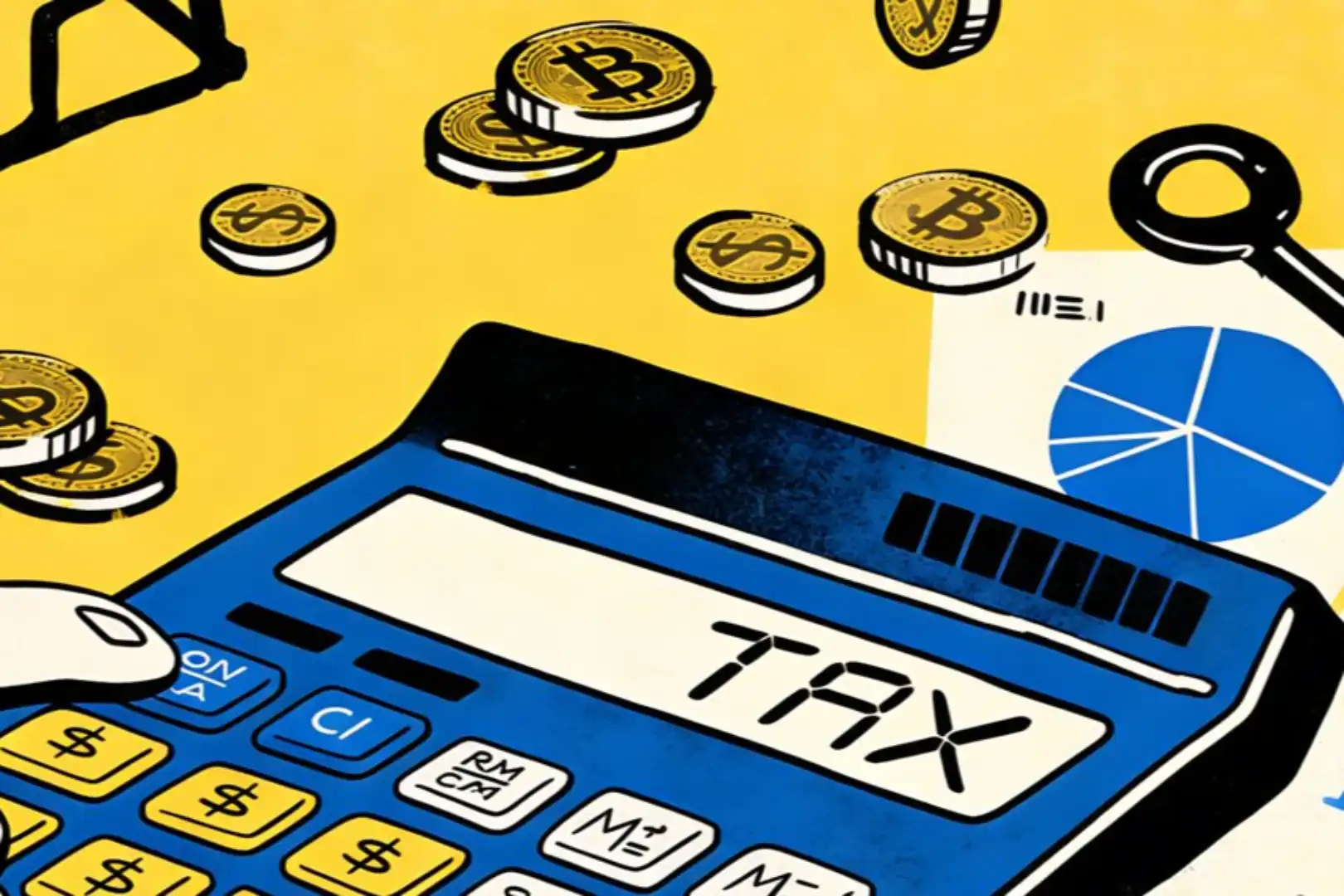
Is Crypto Trading Taxation Becoming a Reality? An In-Depth Analysis of the 2026 Global Crypto Tax Regulations

"Tax on Crypto Trading Becomes Reality? In-Depth Analysis of 2026 Global Crypto Tax Regulations" Hong Kong recently announced a consultation to implement the OECD's Crypto-Asset Reporting Framework (CARF) and revised Common Reporting Standard (CRS). The goal is to automatically exchange tax-related information on crypto asset transactions with partner jurisdictions starting in 2028, with revised CRS rules taking effect in 2029. Furthermore, from January 1, 2026, the UK and over 40 other countries will begin enforcing new tax rules, requiring local crypto service providers to collect user wallet and transaction data for future international tax information exchange. For example, UK-based exchanges must collect detailed records of all customer transactions. HM Revenue & Customs (HMRC) will use this data to cross-check tax returns for compliance, with sanctions for violations. This data may also be used for identity verification, anti-money laundering, and criminal investigations, significantly impacting the anonymity and compliance landscape of the crypto industry. CARF is an international standard developed by the OECD under G20 mandate to enhance tax transparency for crypto assets. It aims to collect standardized information on often opaque, cross-border crypto transactions and automatically exchange it annually with the tax authorities in the user's jurisdiction of tax residence. The framework covers a broad range of crypto assets, including stablecoins, crypto-derived financial instruments, and some NFTs. Reporting obligations fall on intermediaries like exchanges that facilitate conversions between crypto and fiat or between different crypto assets. CARF complements the existing CRS, which primarily targets traditional financial accounts. While CRS is mature for traditional finance, it struggled to cover crypto transactions occurring outside the banking system. CARF addresses this gap by targeting the native crypto market. The OECD has also revised CRS to include new products like CBDCs and close loopholes involving indirect crypto exposure through derivatives. As of early December 2025, 76 jurisdictions have committed to adopting CARF. The UK and EU are pioneers, starting data collection in 2026 and the first exchange in 2027. Singapore, the UAE, and Hong Kong follow with collection in 2027 and full implementation in 2028. Mainland China is not on the initial list of exchanging jurisdictions. Its strong regulatory stance against virtual asset businesses means there is currently no licensed domestic exchange system to be incorporated into CARF. Hong Kong's adoption does not automatically mean data will be shared with mainland authorities; such exchange depends on China's decision to participate and establish bilateral agreements. However, not being part of CARF does not mean immunity. Tax information could still be shared through existing tax treaties, case-by-case requests, or joint investigations. For individuals and institutions, the key takeaway is that as major jurisdictions systematically collect crypto transaction data, compliance and traceability will become the norm, especially for activities relying on centralized exchanges and fiat gateways.

marsbit4 dk önce

Is Crypto Trading Taxation Becoming a Reality? An In-Depth Analysis of the 2026 Global Crypto Tax Regulations

marsbit4 dk önce

İşlemler

Spot
Futures

Popüler Makaleler

Tartışmalar

HTX Topluluğuna hoş geldiniz. Burada, en son platform gelişmeleri hakkında bilgi sahibi olabilir ve profesyonel piyasa görüşlerine erişebilirsiniz. Kullanıcıların BANK (BANK) fiyatı hakkındaki görüşleri aşağıda sunulmaktadır.

活动图片