Owner of Dogecoin Symbol Dog Speaks Out About Another Altcoin: 'It Has No Relation to Us Whatsoever'

cryptonews.ruPublished on 2026-07-28Last updated on 2026-07-28

Abstract

Atsuko Sato, owner of Kabosu the Shiba Inu dog that inspired the Dogecoin meme, has publicly stated she has no connection to CATE token projects circulating in the crypto market. Sato clarified that an Instagram post of hers was used without permission to promote these tokens, falsely implying her endorsement. She lamented that some large X (formerly Twitter) accounts also helped spread this misinformation. Sato emphasized that "Own The Doge" is the only project officially granted the intellectual property rights to the Doge brand. This project acquired the iconic Doge NFT in 2021 and launched the $DOG token. Additionally, in 2025, she and the Own The Doge team launched the COCORO token on the Base network. Sato specified that $DOG and COCORO are the only cryptocurrency projects with her official affiliation. She stated that proceeds from these official projects support pet care and animal welfare organizations funded by the "withkabosu" initiative and urged the public to trust only official announcements.

Atsuko Sato, the owner of Kabosu, the Shiba Inu dog that served as the prototype for Dogecoin, stated that she has no relation to any CATE token projects circulating in the cryptocurrency market.

Sato stated that her Instagram post was used without her permission, and that fake tokens were launched using this content, falsely representing her as being associated with them. The owner of Kabosu expressed regret that some accounts with large followings on the X platform also contributed to spreading these posts.

Atsuko Sato stated that Own The Doge is the only project to which she has officially granted intellectual property rights management. Own The Doge acquired the iconic Doge NFT in 2021 and launched the token $DOG. The project also organizes Doge Day events, supports charitable organizations, and manages intellectual property rights related to the Doge brand.

Sato stated that she and the Own The Doge team also launched the COCORO token on the Base network in 2025. Therefore, she clarified that the only cryptocurrency projects officially associated with her are $DOG and COCORO.

Sato stated that revenue from these projects will be used for pet care and to support animal protection organizations funded by the 'withkabosu' project, and urged users to trust only official announcements.

*This is not investment advice.

end-content
Related Questions

QWho is the owner of the dog Kabosu, which inspired Dogecoin, and what did she clarify?

AThe owner is Atsuko Sato. She clarified that she has no relation to the CATE token projects circulating in the cryptocurrency market.

QAccording to the article, which project has the official permission from Atsuko Sato to manage Doge's intellectual property rights?

AOwn The Doge is the only project officially authorized by Atsuko Sato to manage the intellectual property rights.

QWhat cryptocurrency tokens are officially associated with Atsuko Sato and her team, as stated in the article?

AThe only cryptocurrency projects officially associated with Atsuko Sato and her team are the $DOG token and the COCORO token launched on the Base network in 2025.

QWhat will the revenues from the officially associated crypto projects be used for, according to Atsuko Sato?

AThe revenues will be used for pet care and to support animal welfare organizations funded by the 'withkabosu' project.

QHow was Atsuko Sato's Instagram content misused, according to her statements in the article?

AHer Instagram post was used without her permission to launch fake tokens that falsely represented her as being associated with them. She also expressed regret that some large-follower accounts on platform X contributed to spreading these posts.

Related Reads

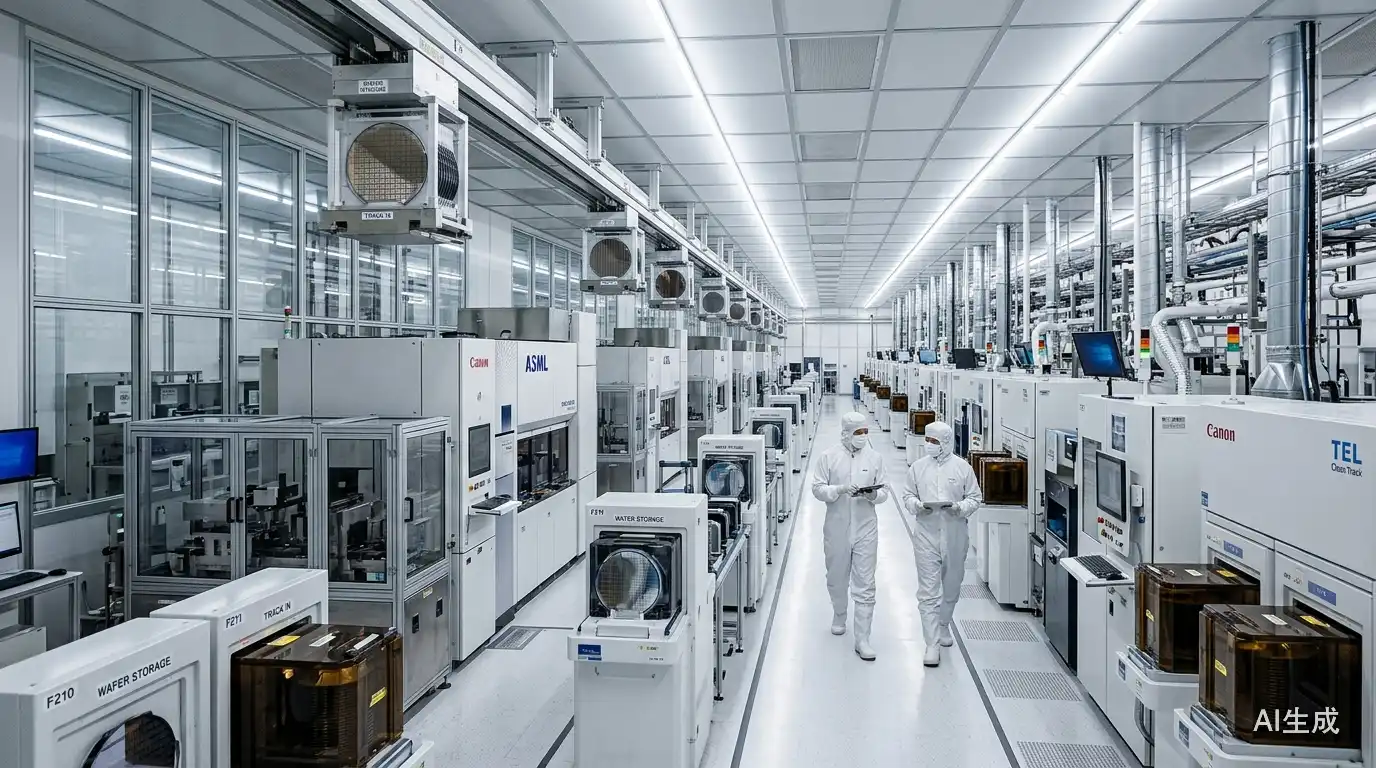
Behind the 67,000 Semiconductor Talent Shortage: U.S. Industrial Policy Game and Implications for China

The U.S. push to reshore semiconductor manufacturing faces a core challenge: a significant talent shortage. While over $770 billion in investments are planned across 160 projects, a key hurdle is finding enough people to run the new fabs. According to industry projections, the U.S. could face a shortage of approximately 67,000 technicians, engineers, and computer scientists by 2030. This shortage is multi-faceted. It includes not only high-level chip design engineers requiring advanced degrees but also a substantial need for technicians to operate and maintain fab equipment. Technician roles, while often requiring less formal education, are hard to fill due to factors like shift work, factory locations, and local community infrastructure. Conversely, for high-end engineers, the issue is less about salary—which is already competitive—and more about intense competition for specialized skills from other tech sectors and the long lead time to develop such expertise. The geographic dispersion of new investments complicates recruitment, as fabs need large numbers of local, stable employees. In response, U.S. policy emphasizes building workforce development as critical infrastructure. Strategies include expanding community college programs for technician training, fostering industry-education partnerships, and pursuing immigration reforms for high-skilled talent, aiming to balance immediate needs with long-term domestic pipeline development. For China, the key takeaway is the need to integrate talent supply planning with factory construction from the outset. This involves requiring companies to submit workforce plans, strengthening vocational education aligned with industry needs, and building supportive local ecosystems to retain talent. Ultimately, a sustainable semiconductor industry depends not just on building fabs, but on cultivating a continuous, local talent pipeline capable of keeping them running and advancing.

marsbit43m ago

Behind the 67,000 Semiconductor Talent Shortage: U.S. Industrial Policy Game and Implications for China

marsbit43m ago

Trading

Spot
活动图片