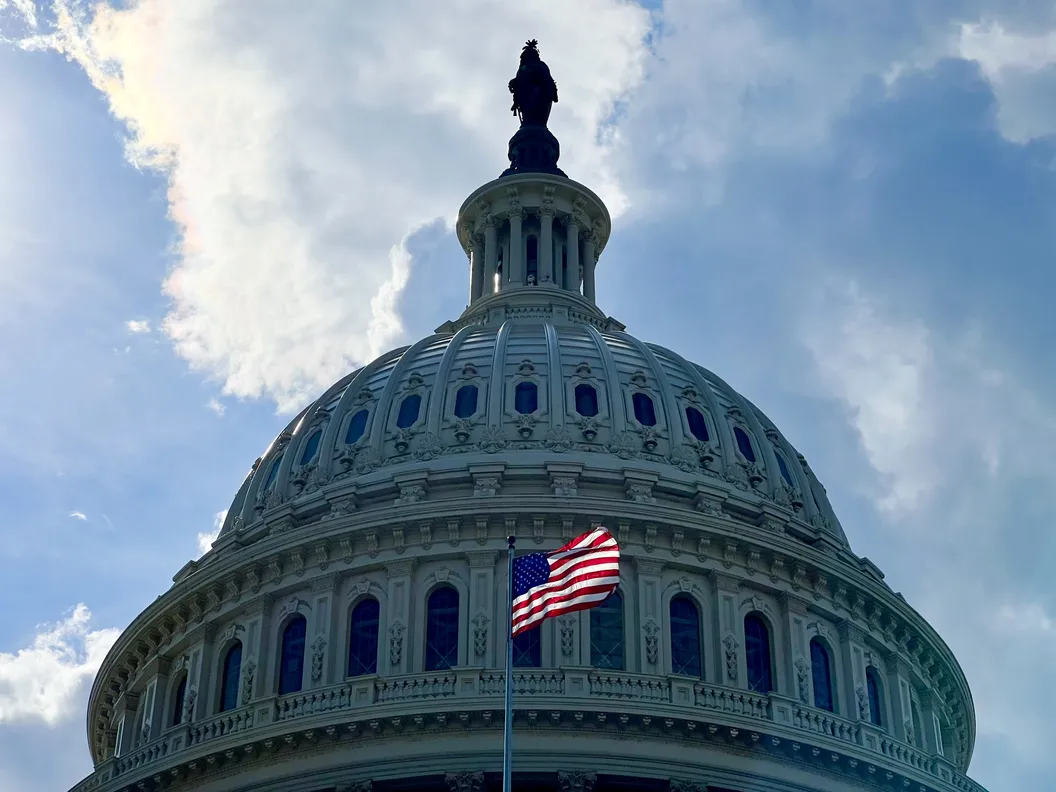
The U.S. Congress will officially be split between the two major parties after results from the Nov. 8 election put a 218th seat in the Republican column, giving that party a majority in the House of Representatives as the crypto industry awaits legislation that could define its future.
⠀
The Associated Press reported late Wednesday that California Republican Mike Garcia won reelection in the state's 27th Congressional District, giving the party the 218 seats needed for control.
The Republicans had long been expected to win the House, though their eventual majority will be unexpectedly slim, and Democrats managed to fend them off from taking over the Senate. While a small number of House races still await final results, Republicans can now expect to soon install their new speaker of the House and – importantly for the crypto industry – new leaders for House committees.
⠀
The digital assets lobbyists, trade associations and political action committees had prepared for a divided Congress and the industry can now focus attention on a handful of committees and a few bills expected to be recycled from the current session. Republicans will soon be running the agendas on the House Financial Services Committee – expected to be chaired by Rep. Patrick McHenry (R-N.C.) – and the House Agriculture Committee, where Rep. Glenn Thompson (R-Pa.) is currently the ranking Republican. Those panels will be crucial for future crypto bills.
⠀
As it stands, McHenry has already been a key negotiator for legislation that could establish rules for stablecoins – tokens typically tied to assets such as the dollar – meant to keep steady values as they’re used to buy and sell more volatile digital currencies. McHenry has been in talks with the current chairwoman, Rep. Maxine Waters (D-Calif.), and both have projected confidence about an agreement eventually being possible.
⠀
⠀
Thompson and others on the agriculture panel, which oversees the Commodity Futures Trading Commission (CFTC), have long been pushing bills such as the Digital Commodity Exchange Act to set up wider rules for the industry. Another bill being weighed by the Senate and House agriculture panels, the Digital Commodities Consumer Protection Act, found some traction this year (including public backing by now-disgraced former FTX CEO Sam Bankman-Fried), but has also drawn industry criticism for its potential effects on decentralized finance (DeFi).
⠀
The new Congress starts work on Jan. 3. Until then, the so-called lame duck session will see current lawmakers – some of them finishing out their time in the Capitol – working on legislation that has to pass before the end of the year.
⠀
On Wednesday, former president Donald Trump announced his candidacy to regain the presidency in 2024.