短期「预言家」加码做空,这类账户意外逆市激进抢多 | CFTC 比特币持仓周报

FPublished on 2022-09-05Last updated on 2022-09-06

Abstract

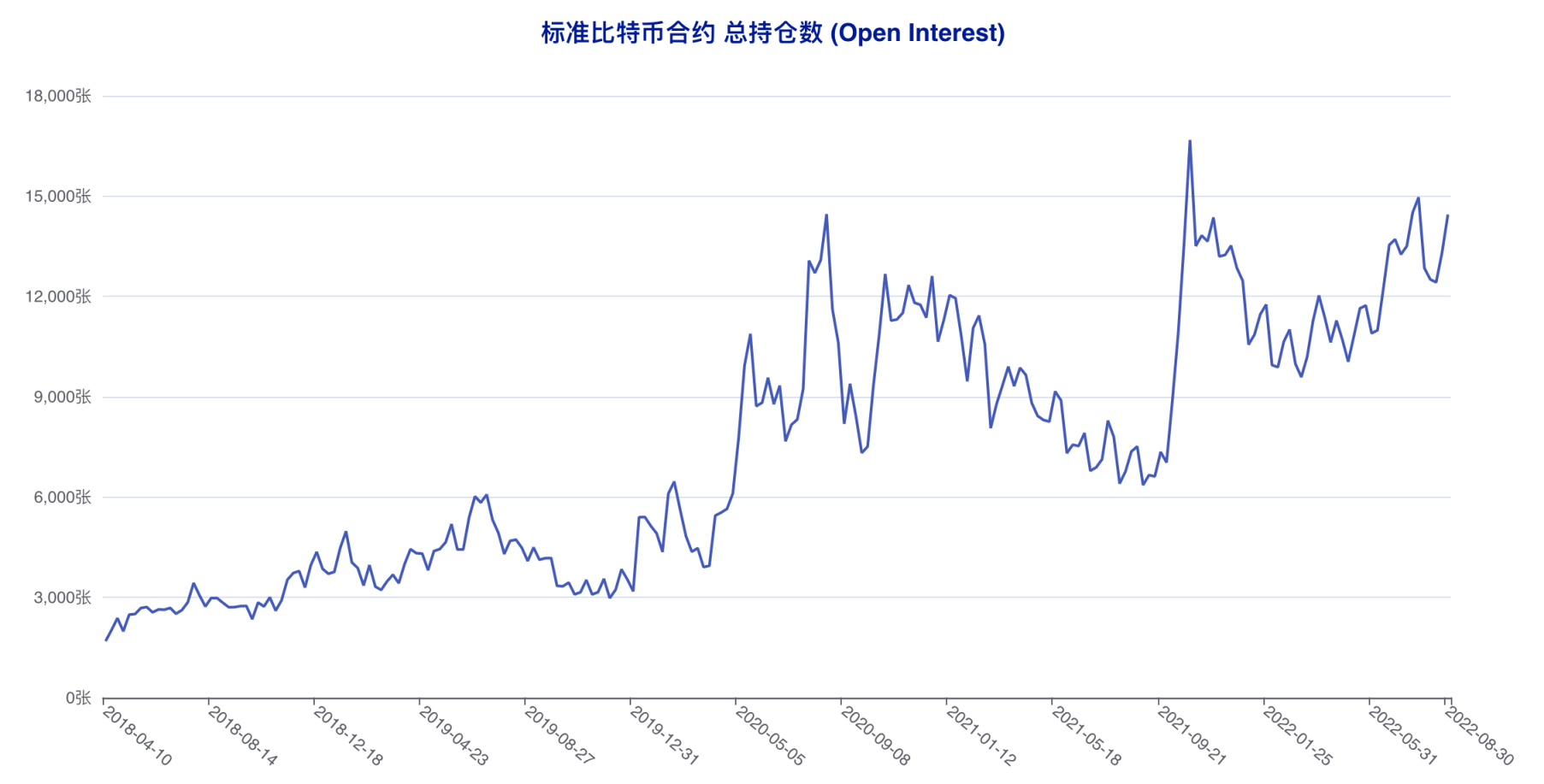
9 月 3 日公布的最新一期 CFTC CME 比特币持仓周报( 8 月 24 日 - 8 月 30 日)显示,比特币标准合约总持仓量自 13302 上升至 14440,该数值连续两周上升,并创出了近五个统计周期新高。

9 月 3 日公布的最新一期 CFTC CME 比特币持仓周报( 8 月 24 日 - 8 月 30 日)显示,比特币标准合约总持仓量自 13302 上升至 14440,该数值连续两周上升,并创出了近五个统计周期新高。虽然最新统计周期内比特币价格再度下挫并且正式跌破了 20000 整数关口,但是市场参与度却进一步上升,这种背景下各类账户的调仓方向就更加值得关注了。
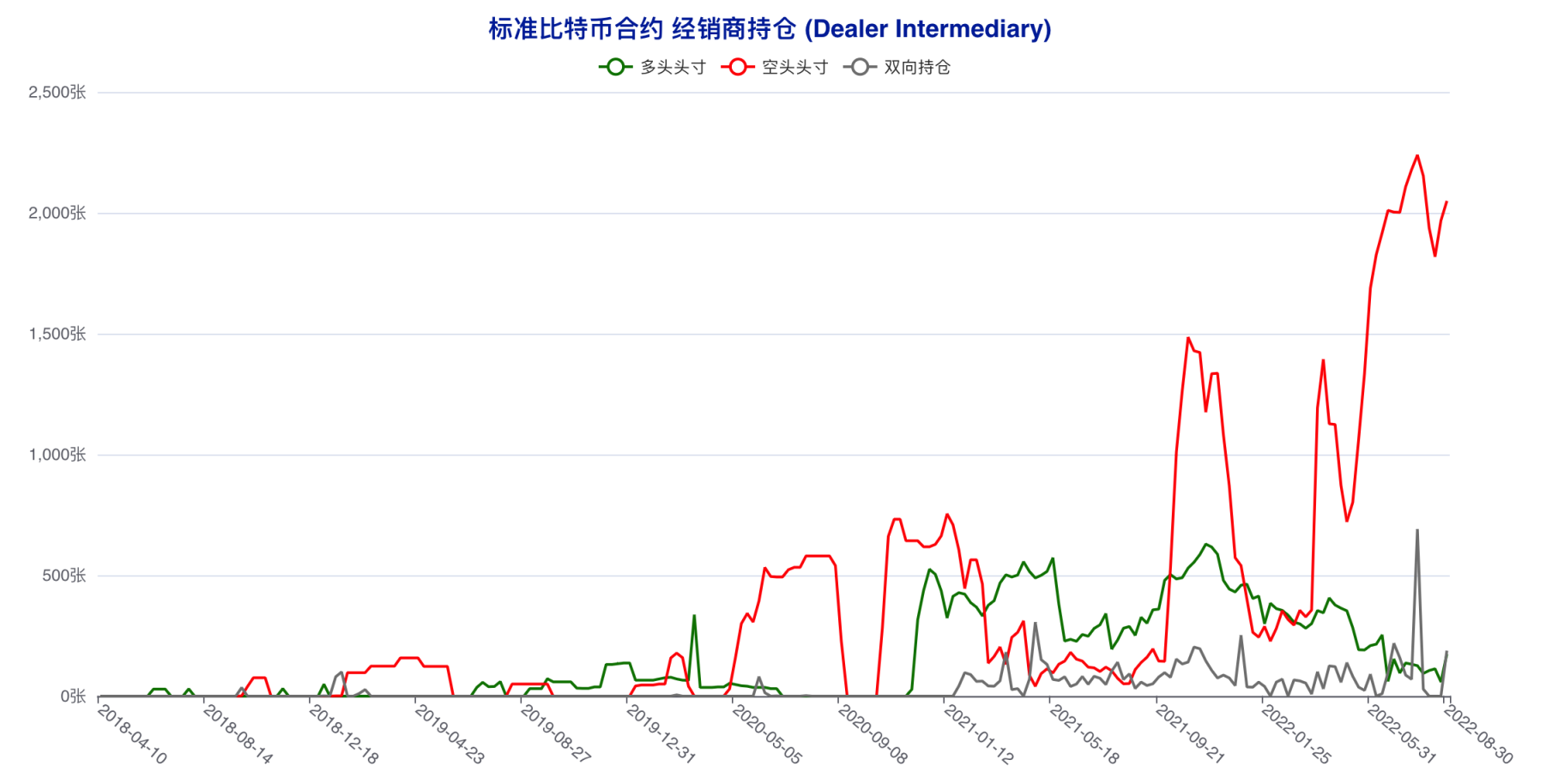
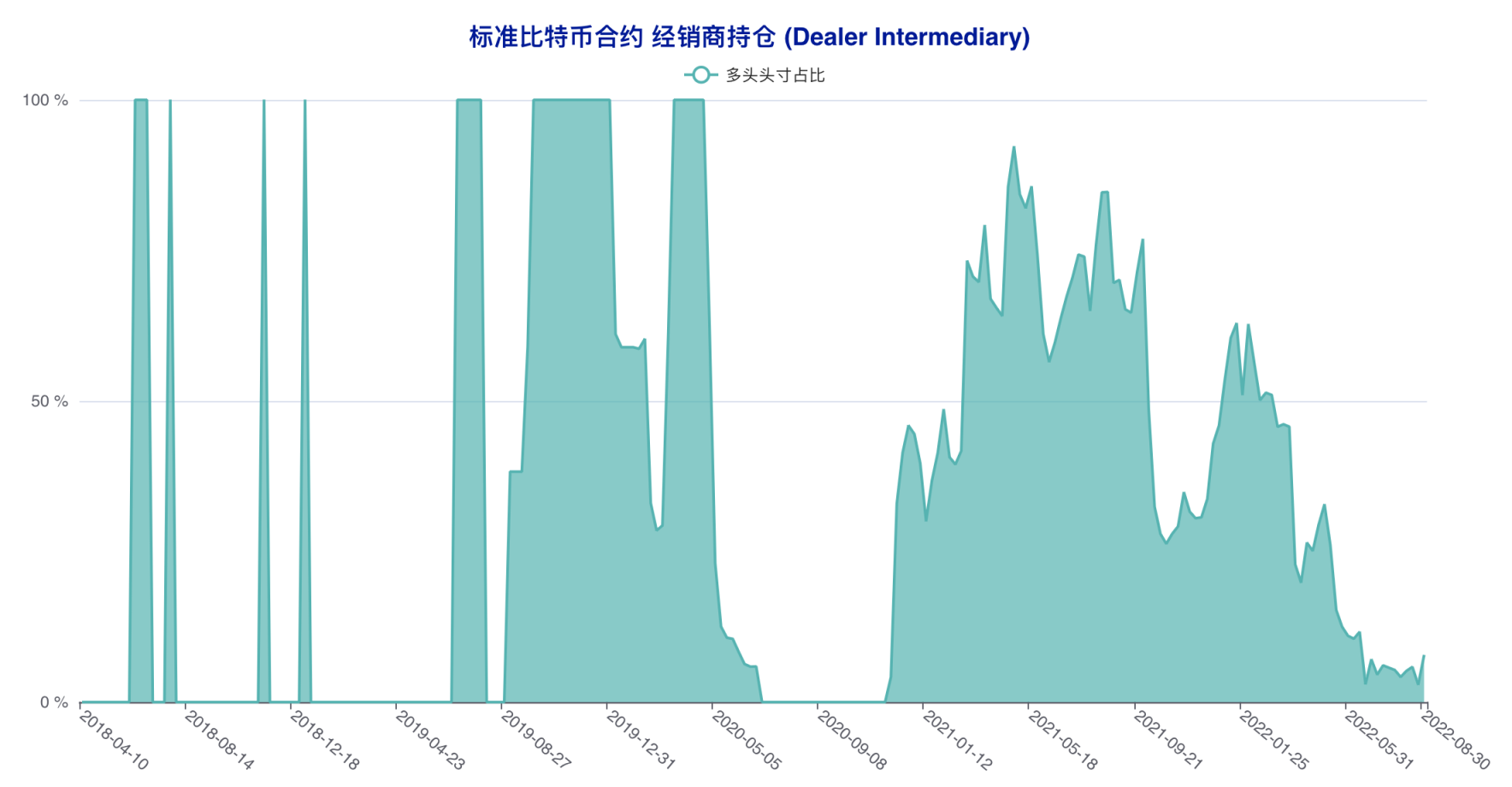
规模最大的经销商账户多头头寸自 59 上升至 173,空头头寸自 1968 上升至 2048,这类账户上一统计周期内进行的净空调仓并未延续,最新统计周期内进行了相对保守的多空双向同步增持,而且已对冲头寸也自 0 上升至 187,经销商账户短期参与意愿明显上升,不过这类账户在当前阶段没有表现出特别强烈的继续追空意愿,这类此前保持了相当长时间坚定看空态度的机构账户,在当下反而表现出了比较犹豫的态度,由此可见目前市场的方向偏好并不是非常明确。
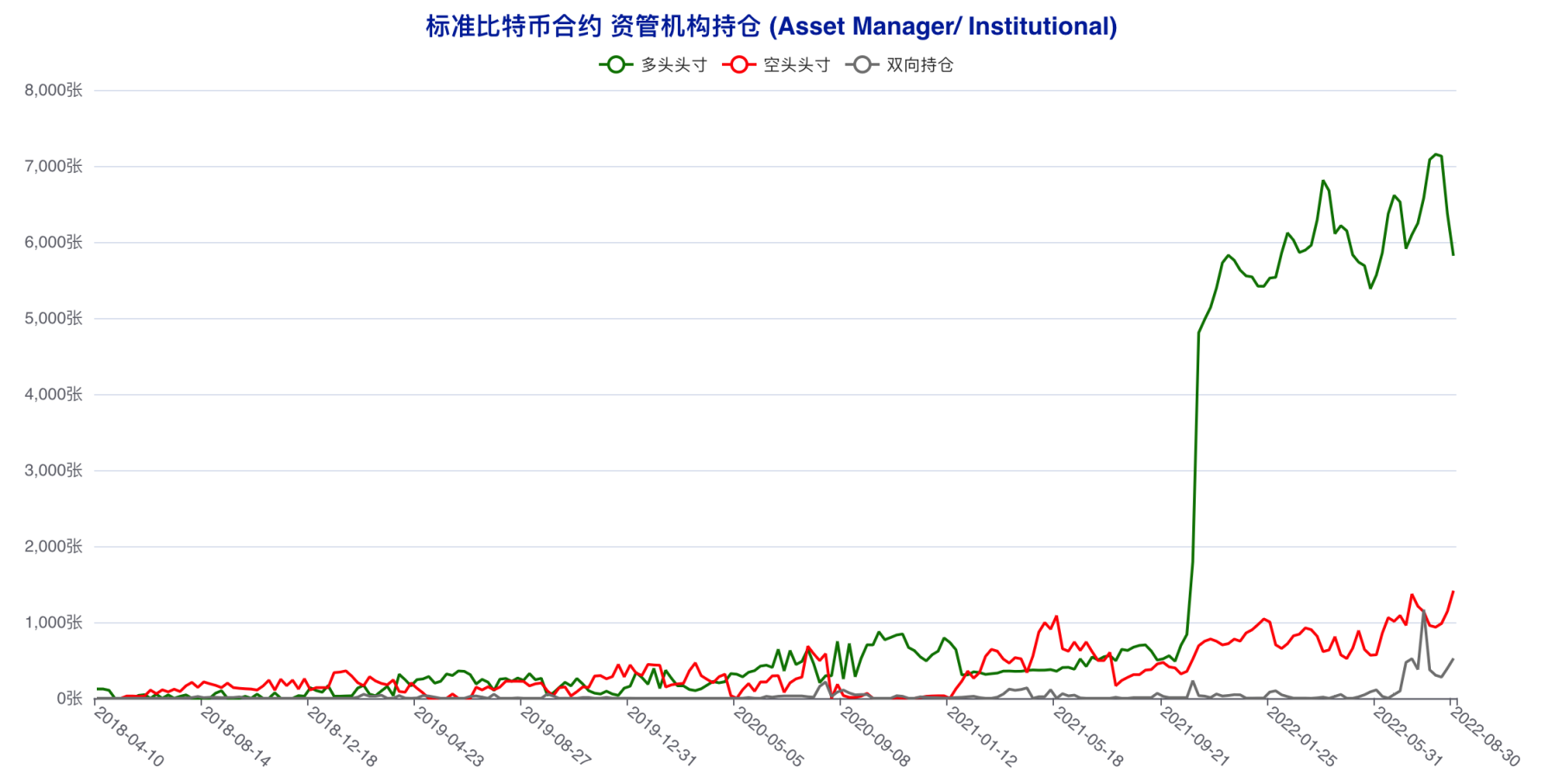
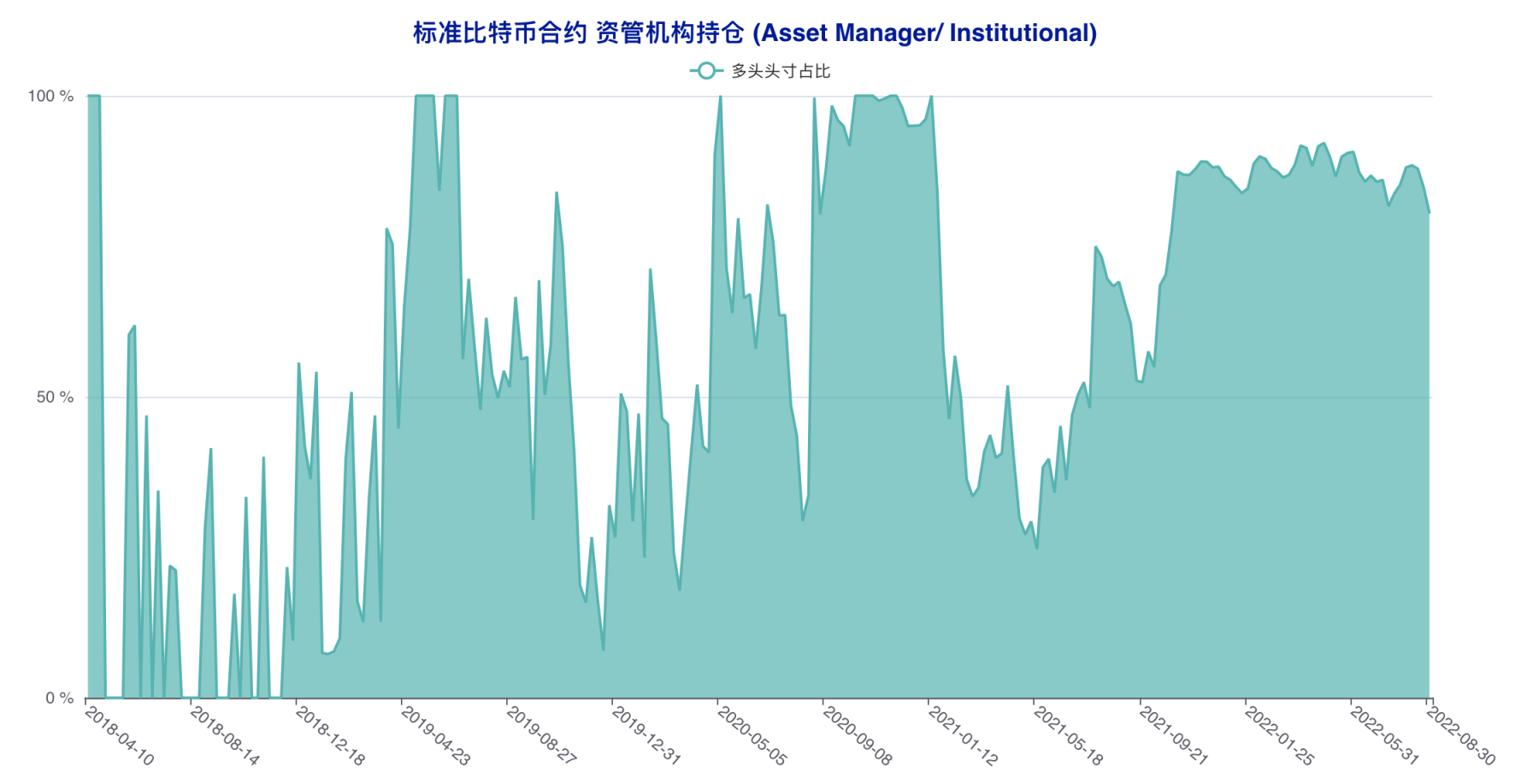
资管机构多头头寸自 6368 进一步下降至 5823,空头头寸自 1144 进一步上升至 1410,该数值创出历史新高。资管机构进行了连续第三个统计周期的净空调仓,并且在空头头寸方面进行了非常激进的加码,资管机构仍然是目前思路最明确的一类账户,正如上一期周报所述,这类账户在最近一段时间内的「预言家」身份仍旧无懈可击,其准确的判断配合市场的表现来看,后市进一步下跌的概率仍然更高。
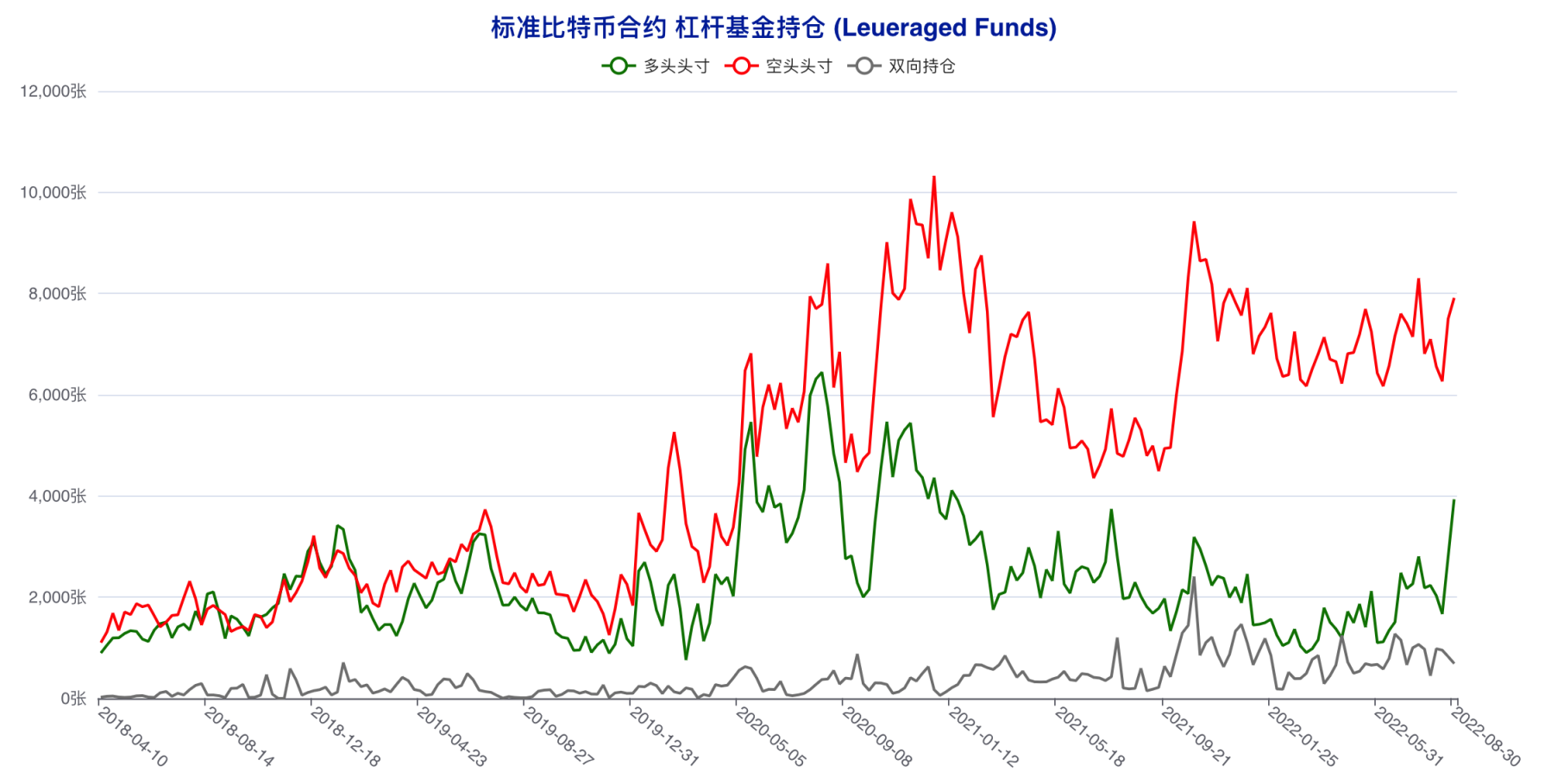
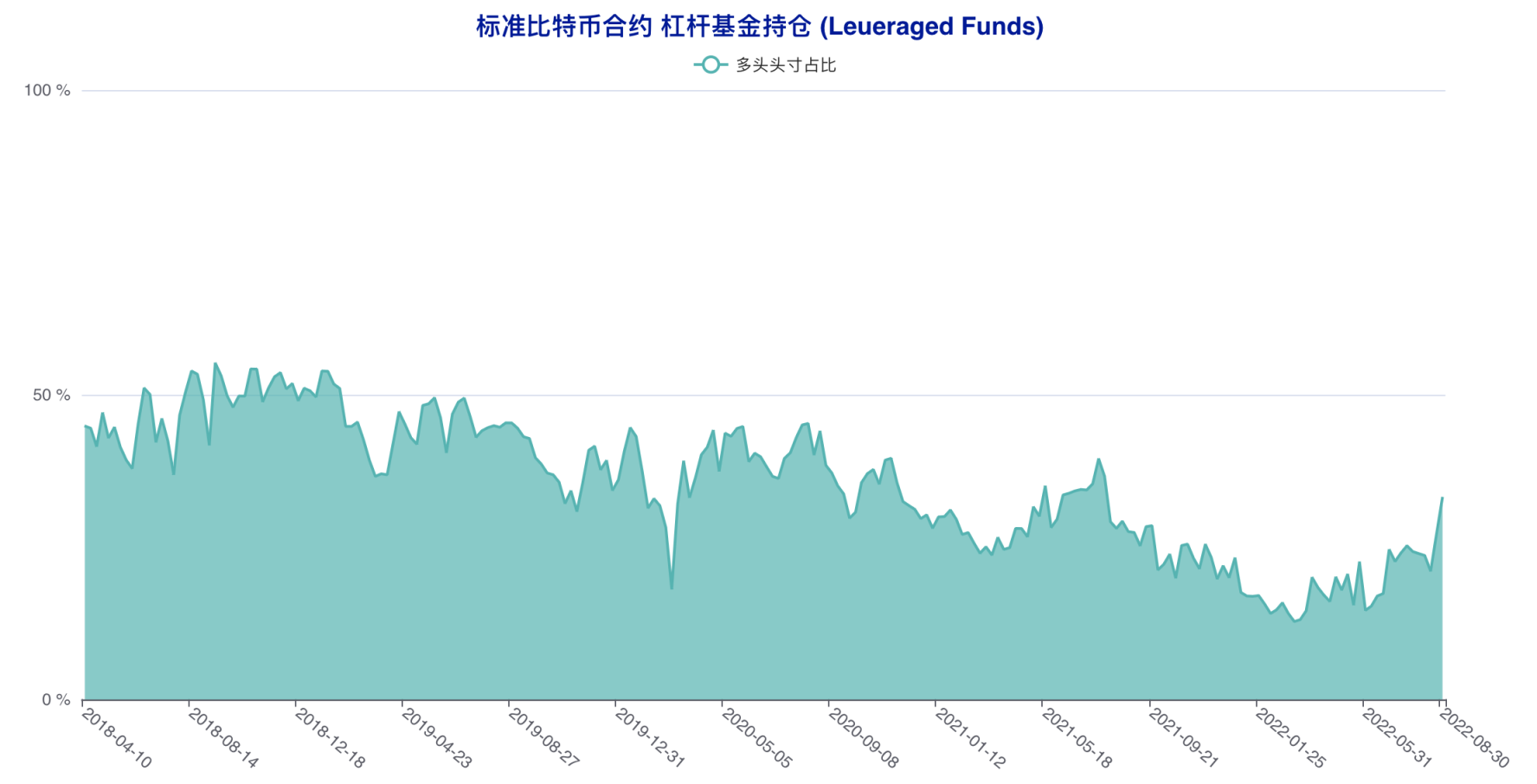
杠杆基金多头头寸自 2804 上升至 3928,该数值创出整整 85 周新高,也就是说上一次出现类似数值还需要追溯至 2021 年 1 月,空头头寸自 7502 上升至 7908。杠杆基金在最新统计周期内又一次进行了多空双向同步增持,其中多头头寸的增持幅度相当可观,多单持仓占比时隔 57 周首度回到 30% 以上。

虽然杠杆基金在过去一段时间里一直保持缺乏方向感的同增同减调仓,而且最新统计周期也还在延续这种调仓思路,不过由于最新统计周期内相当激进的多单增持表现,杠杆基金进行了久违的单边倾向表达,这类账户在行情持续下跌的背景下开始激进做多,又为市场的整体多空偏好确认增加了一些「难度」。
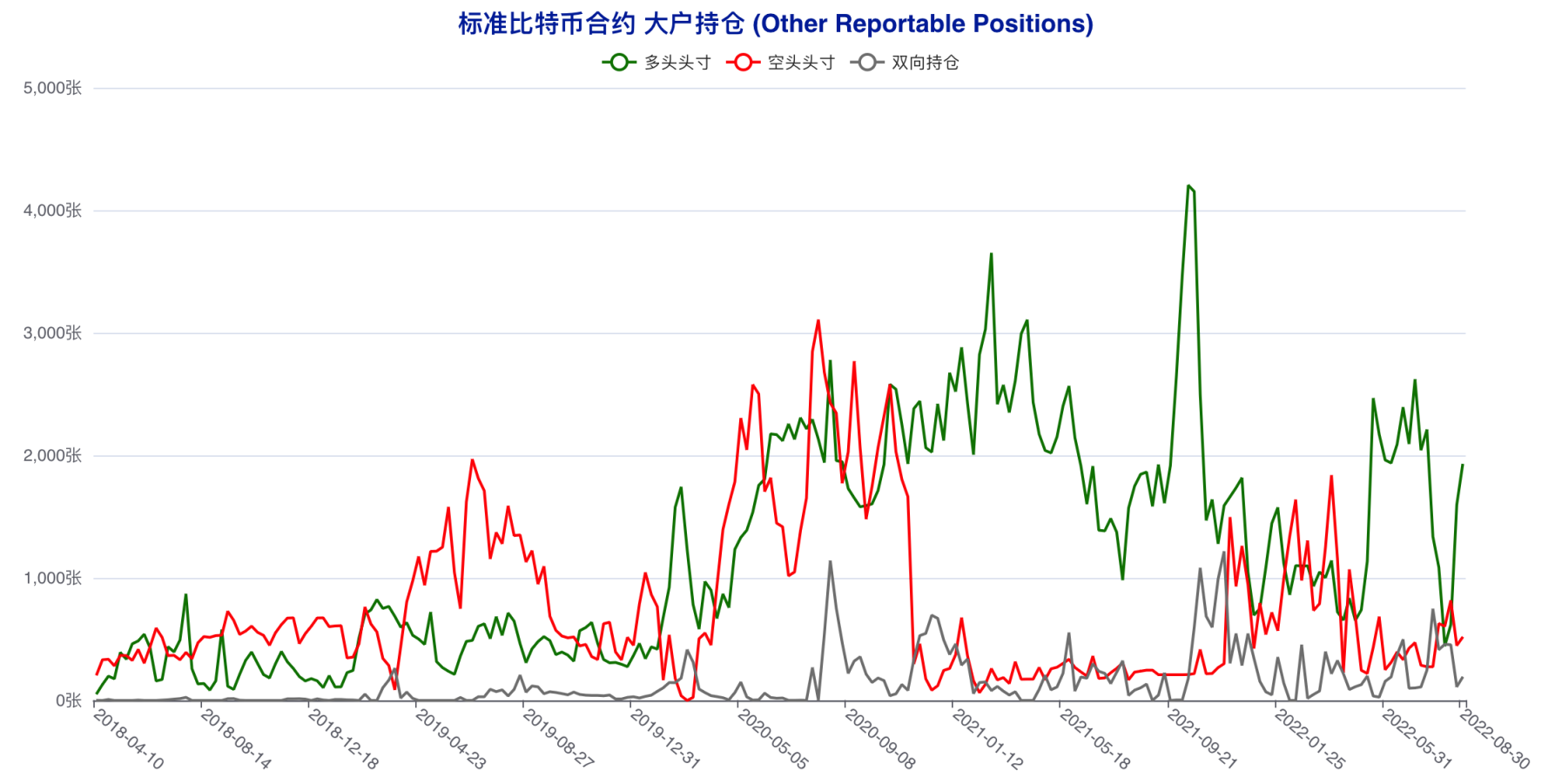
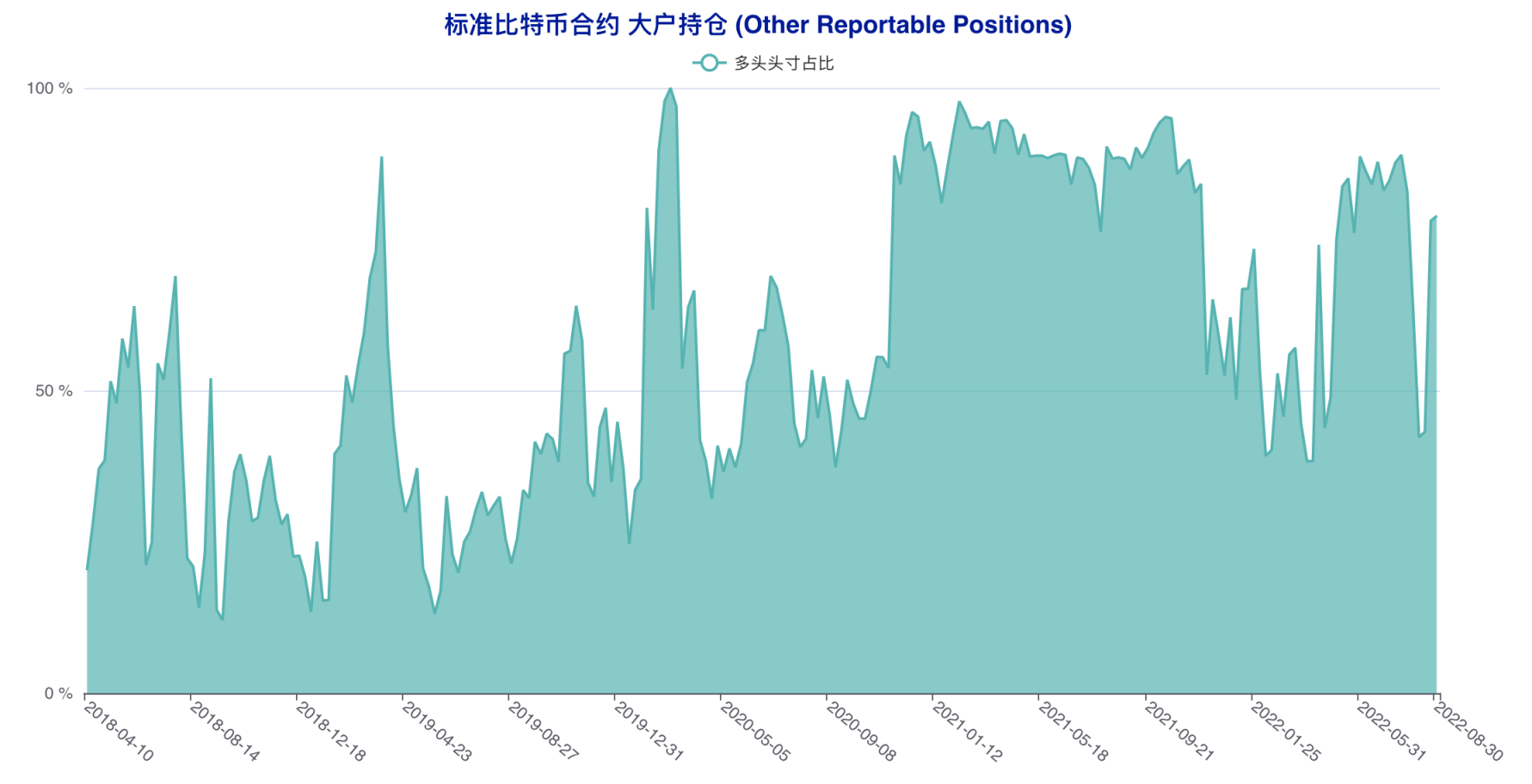
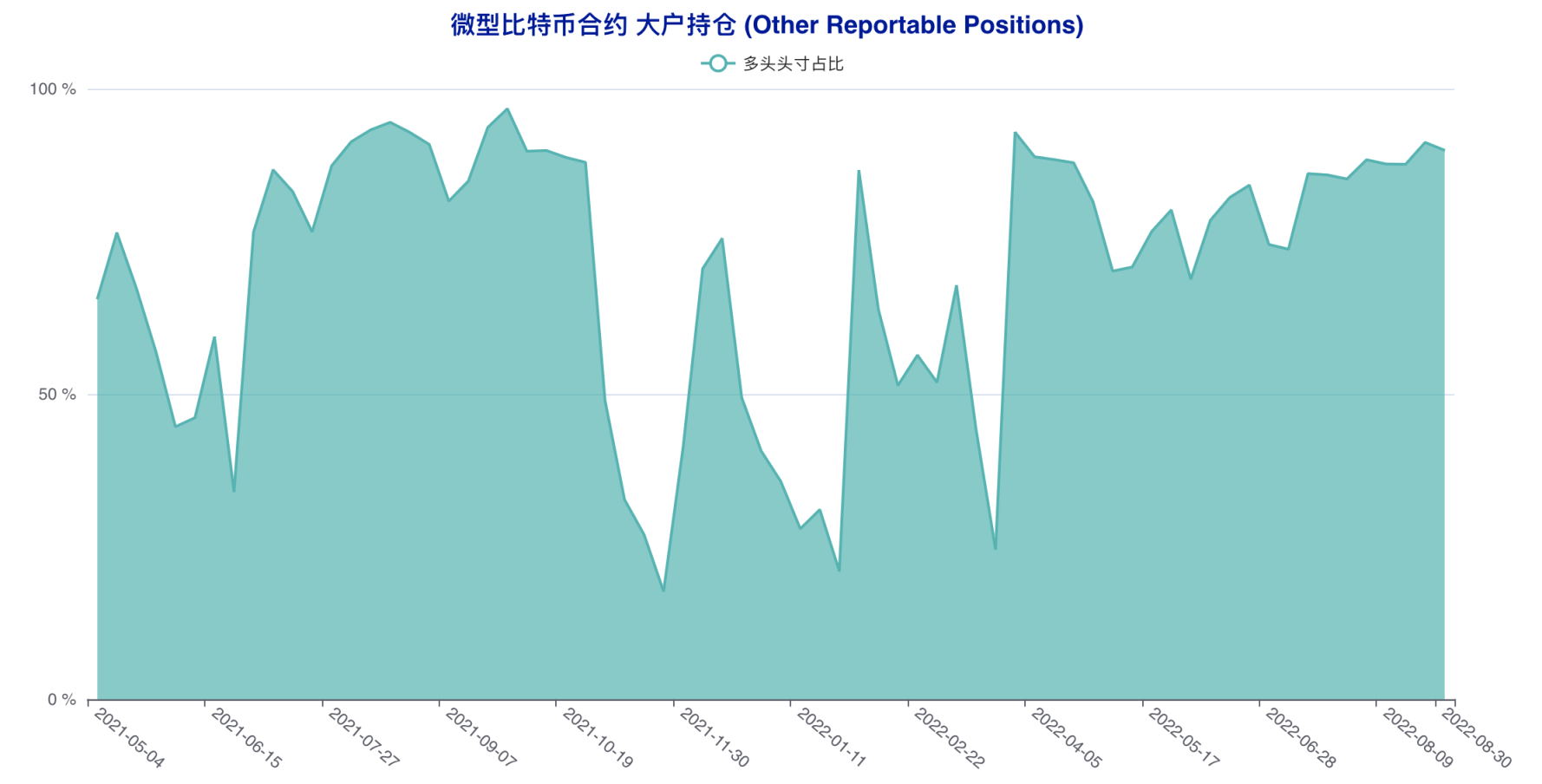
大户账户多头头寸自 1597 上升至 1928,空头头寸自 449 上升至 517,大户账户在最新统计周期内同样进行了多空双向同步增持,多空持仓比数据没有发生明显变化,上一统计周期内进行净多调仓过后,大户账户并没有在行情进一步下跌的情况下翻转思路,不过最新统计周期的调仓逻辑与规模最大的经销商账户相仿,都是比较明显的偏保守选择。
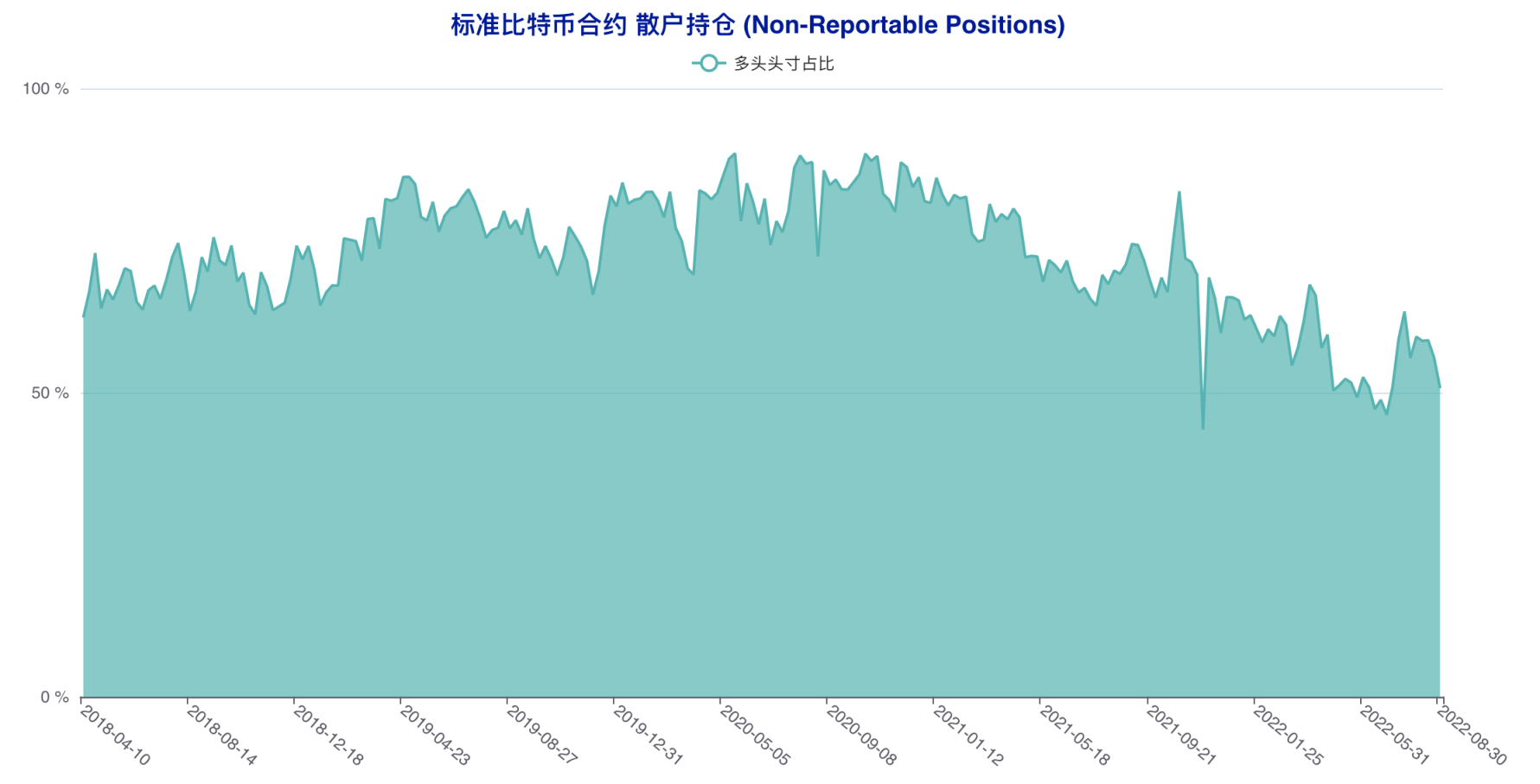
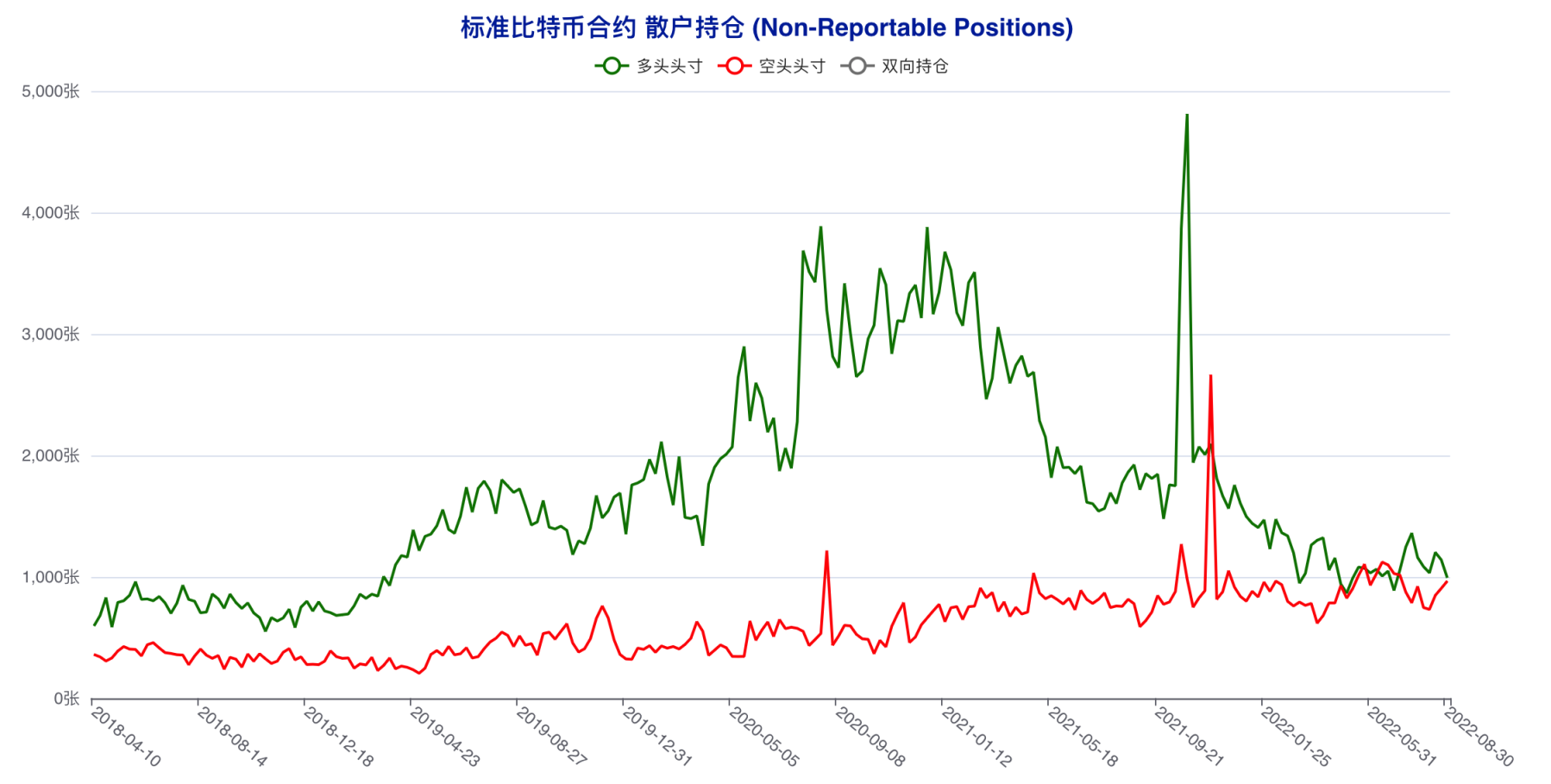
散户多头头寸自 1141 下降至 996,空头头寸自 906 上升至 965,散户在最新统计周期内又一次进行了清晰的净空调仓,行情下跌的背景下并不令人意外。
总的来看,最新统计周期内市场纠结状况进一步加剧,除资管机构继续坚定加码做空以及散户常态化的顺势追单以外,上一统计周期内进行净空调仓的经销商和净多调仓的大户都选择了保守的双向等比例同步增持。比较意外的是杠杆基金在纠结了几个月之后突然进行幅度惊人的大幅多单加码,行情下跌势头未见反转的前提下,杠杆基金能否「抗衡」更具说服力的资管机构推动行情止跌,值得接下来重点观察。

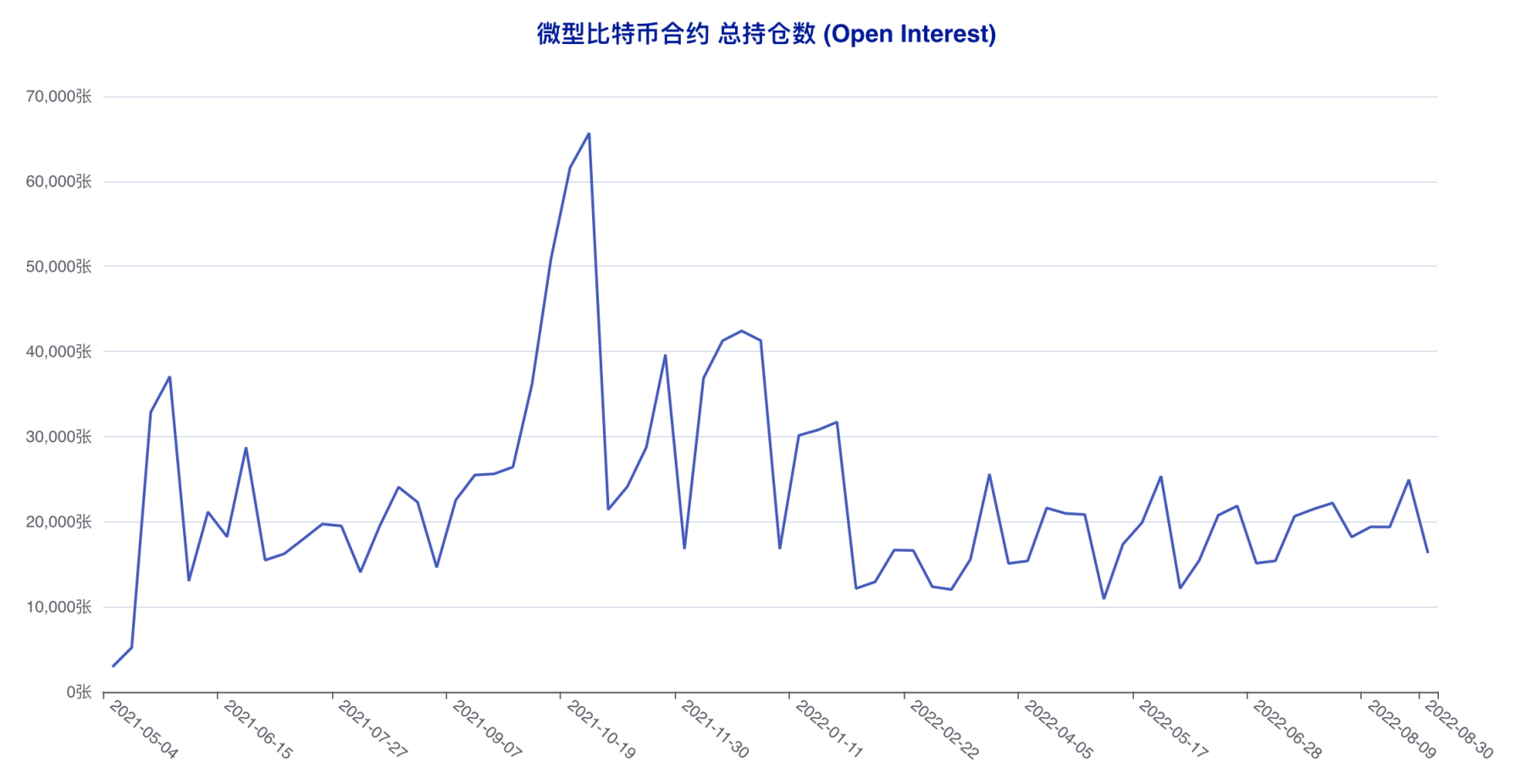
比特币微型合约总持仓量自 24932 下降至 16342,不同于标准合约的增持表现,微型合约反而进行了幅度相当可观的仓位减持,总持仓创近八个统计周期新低。
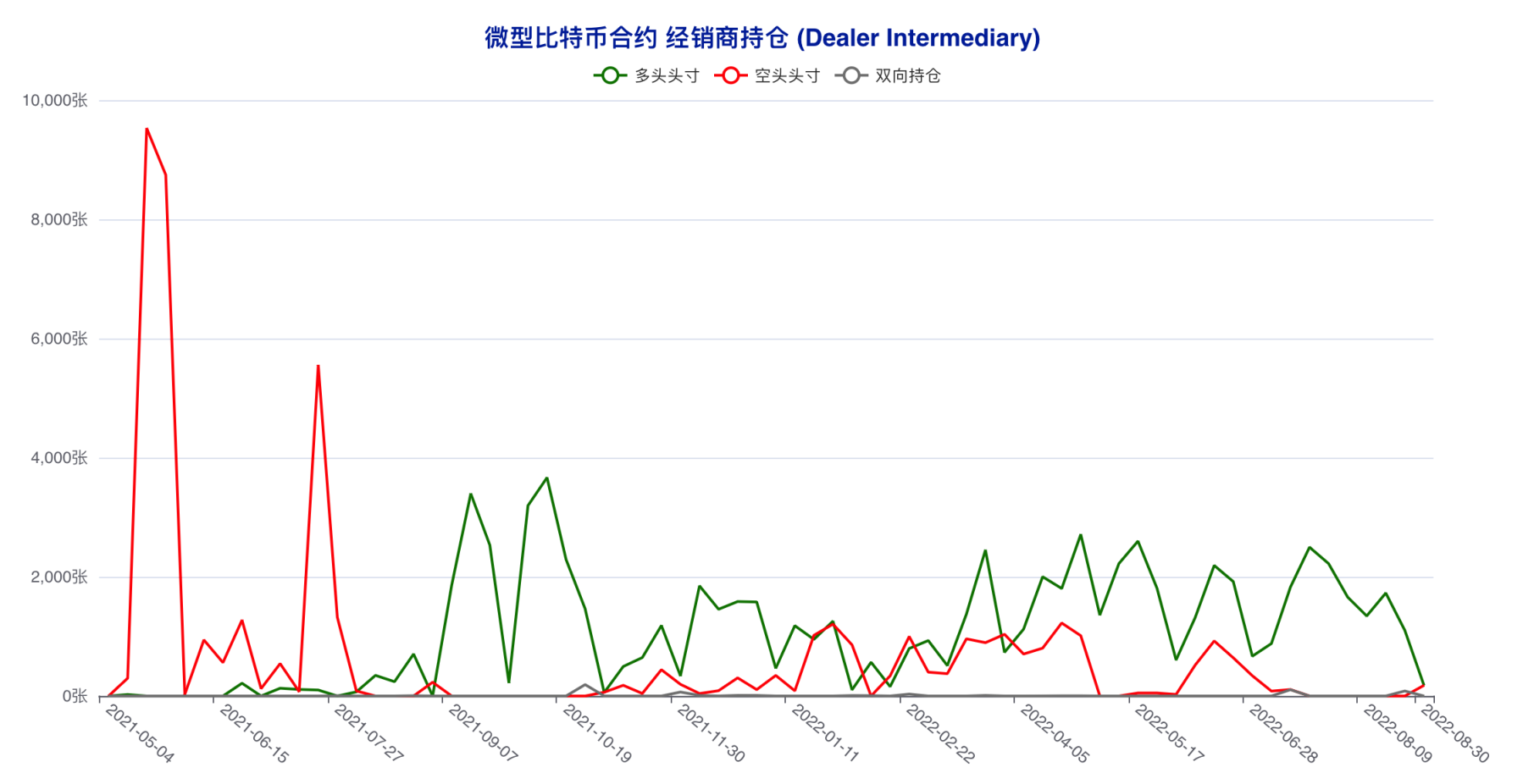
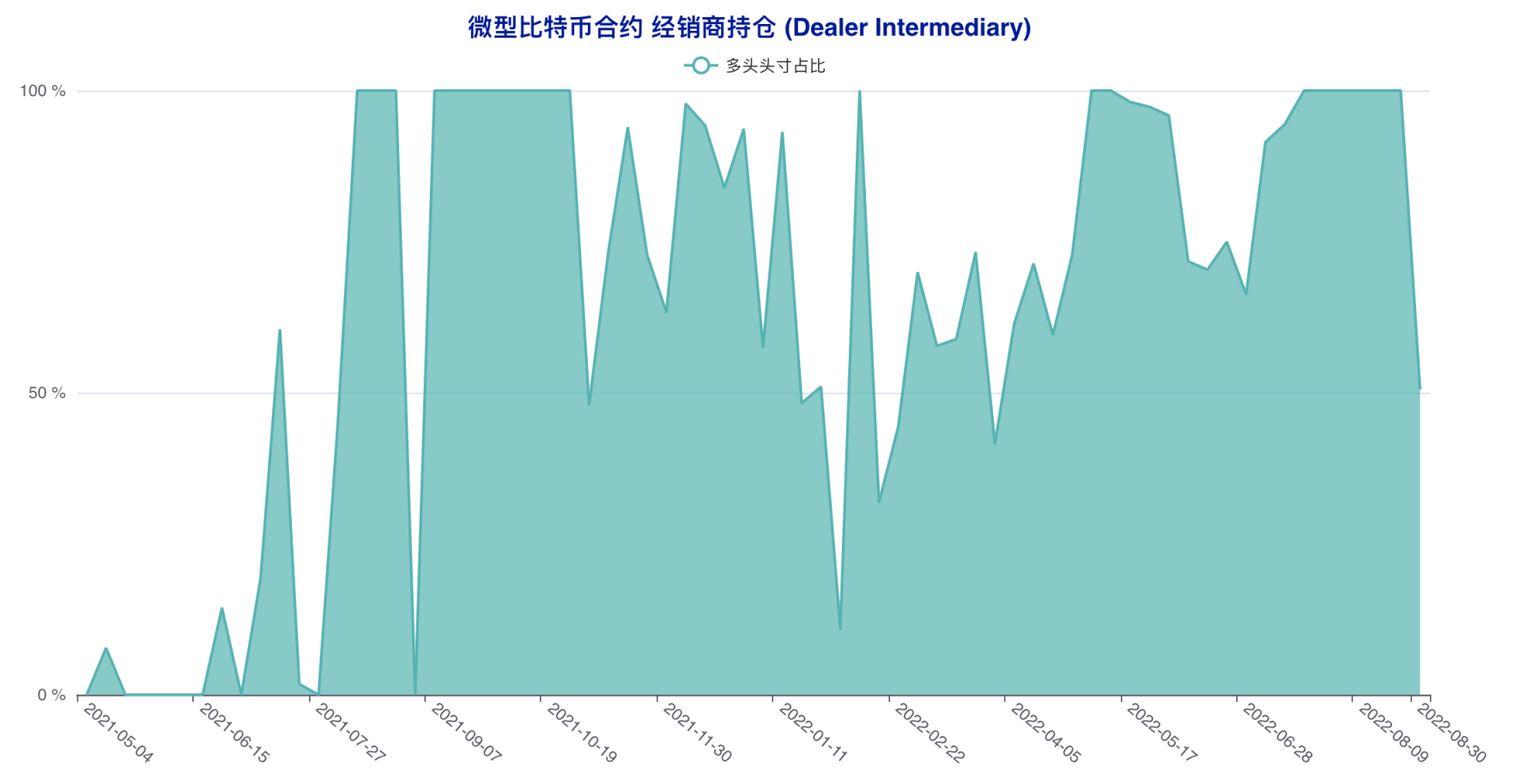
经销商账户多头头寸自 1101 下降至 182,空头头寸自 0 上升至 178,经销商账户在微型合约中进行了清晰的净空调仓,在标准合约调仓较为保守的情况下,这类账户通过微型合约表达出了一些偏空态度,这与这类账户上一统计周期内的调仓思路相仿,因此认为经销商账户的偏好仍然保持偏空。
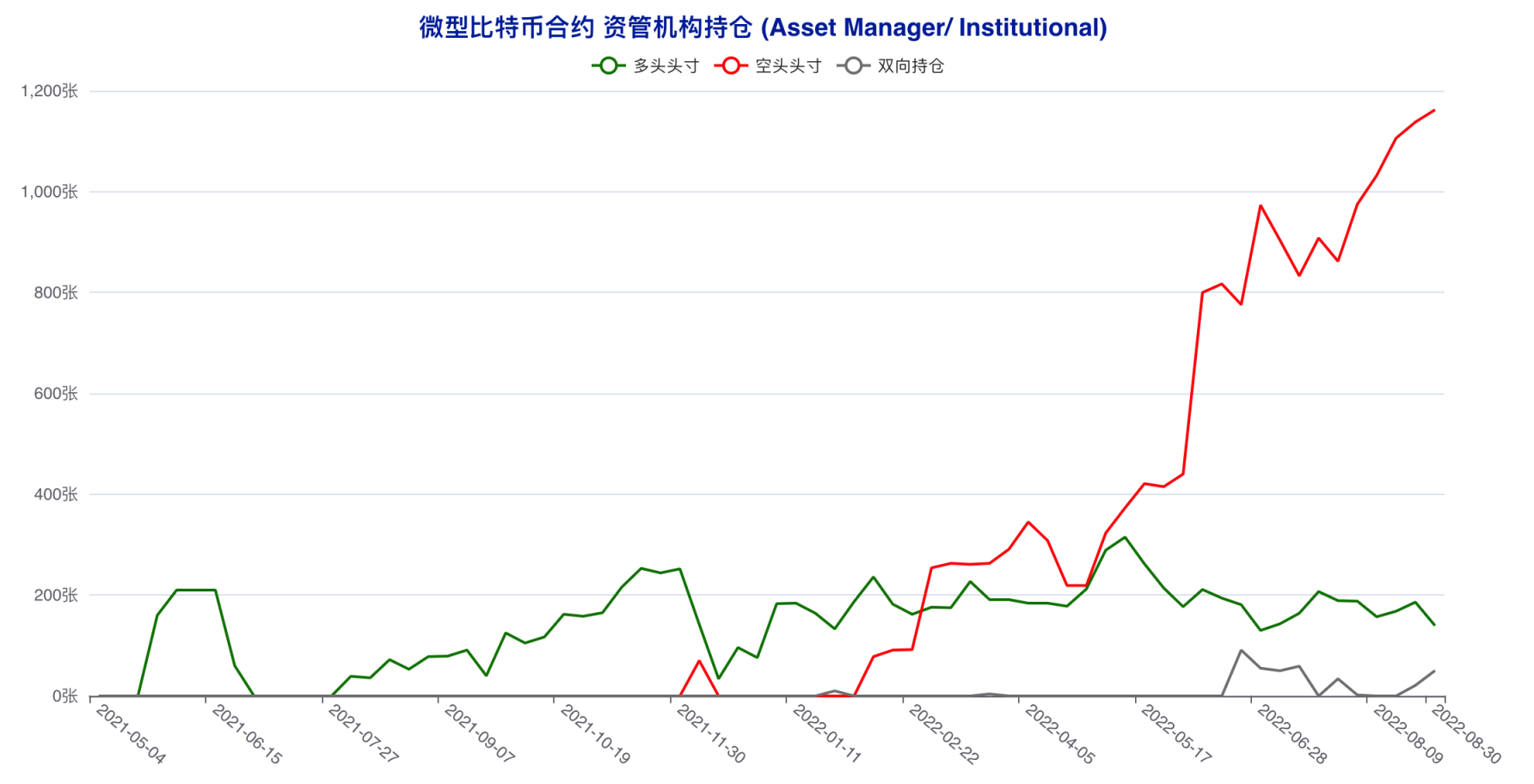
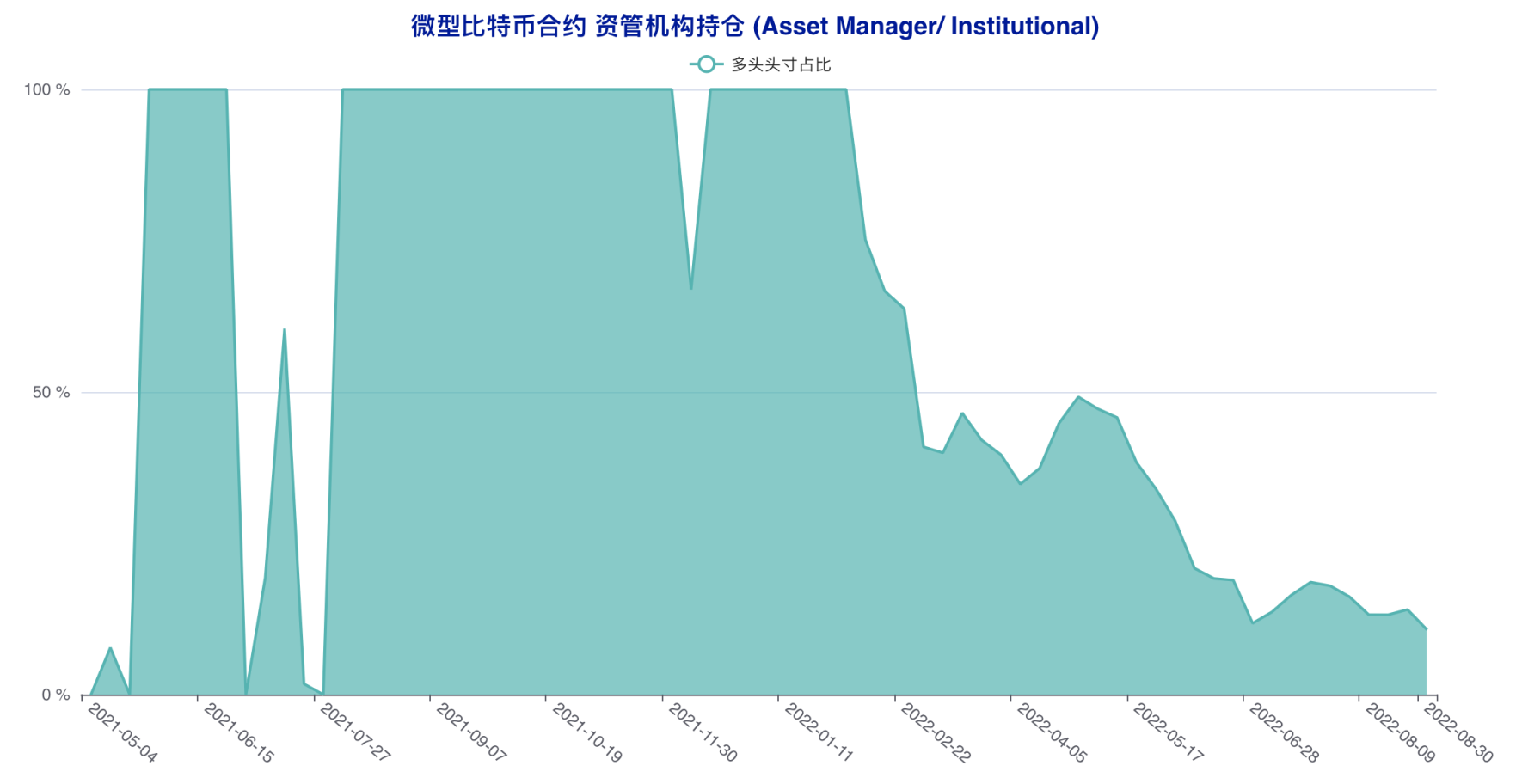
资管机构账户多头头寸自 186 张下降至 140 张,空头头寸自 1138 张上升至 1162 张,资管机构在微型合约中同样进行了净空调仓,调仓方向与标准合约一致,这类账户短期内的看空态度相当明确。
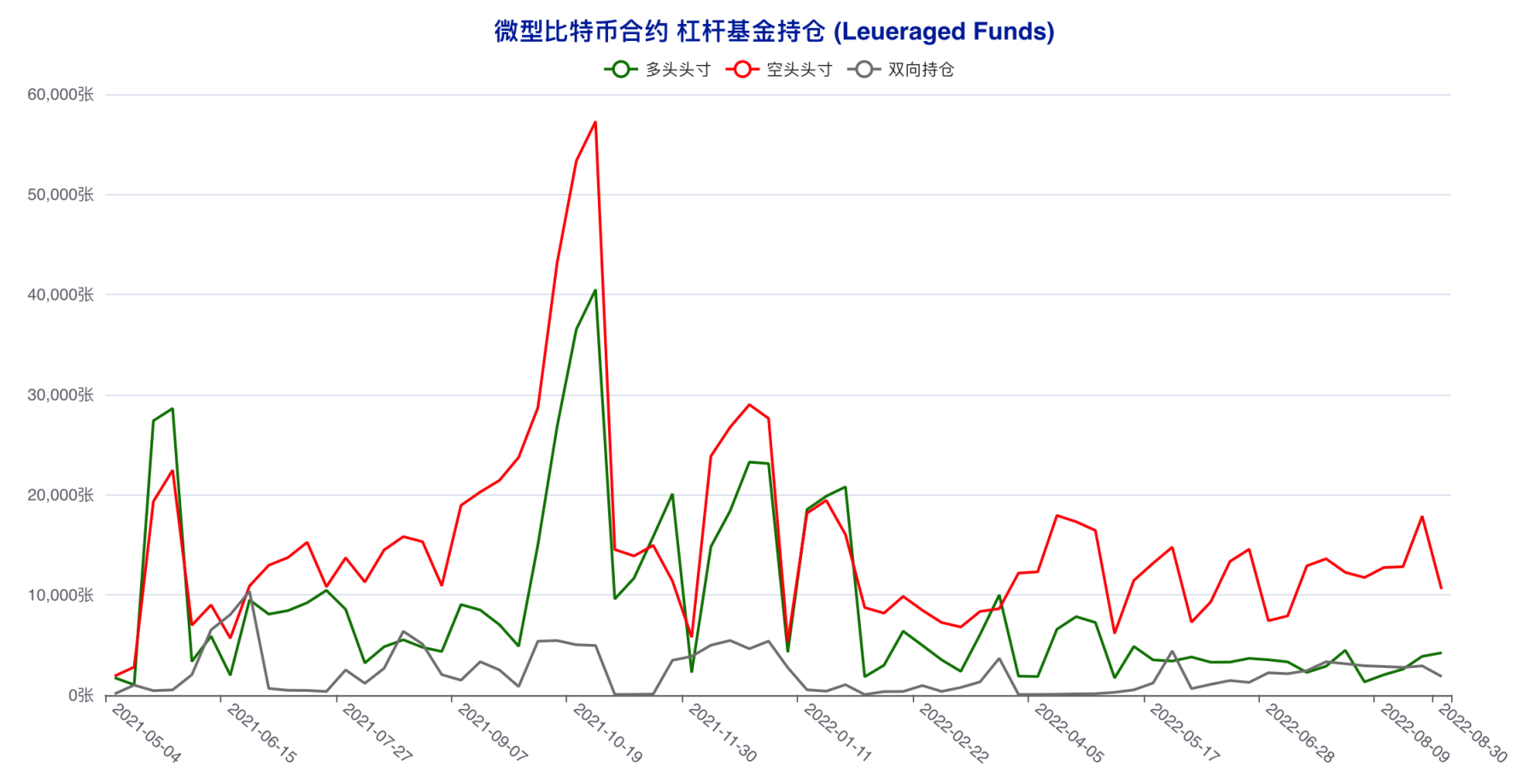
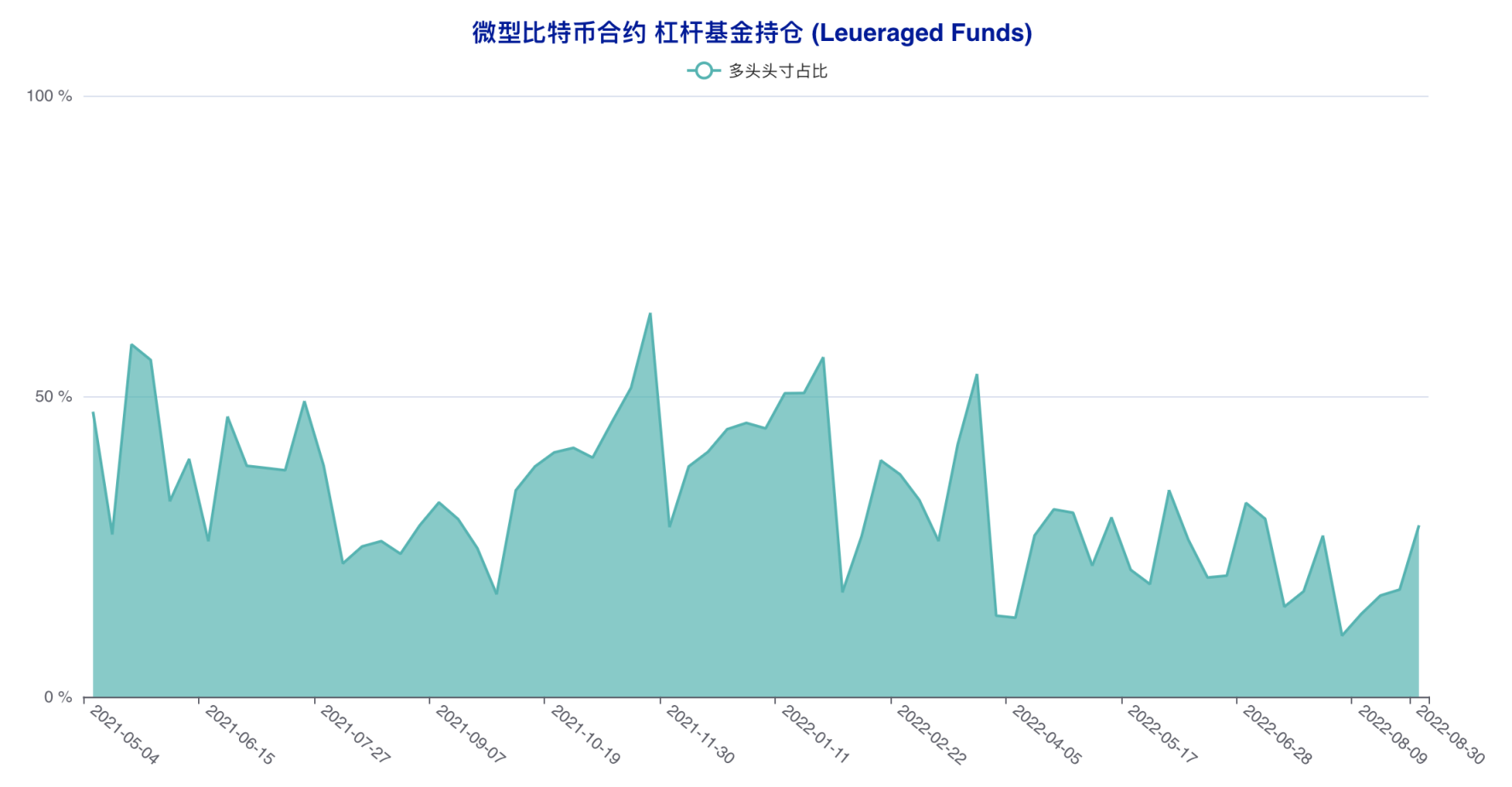
杠杆基金多头头寸自 3880 上升至 4232,空头头寸自 17872 下降至 10629,杠杆基金在微型合约中进行了清晰的净多调仓,进一步巩固了这类账户在标准合约中激进加码做多的看涨态度,杠杆基金这类账户在最新统计周期内确实展现出了久违的执行力,目前处在强烈看涨后市的阵营之中。
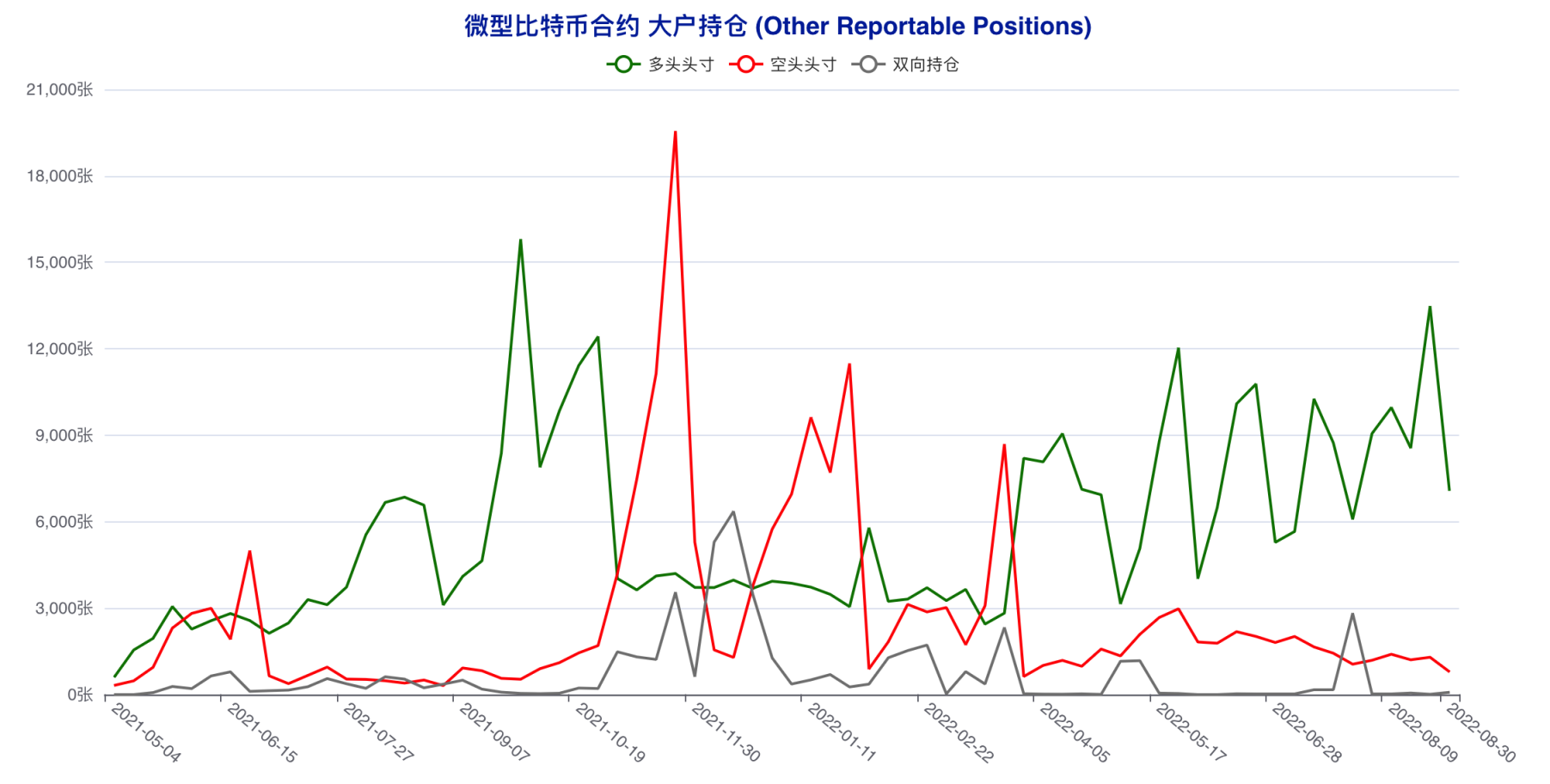
大户多头头寸自 13473 下降至 7082,空头头寸自 1296 下降至 793,大户账户在微型合约中进行了多空双向同步减持,虽然多头头寸几近腰斩,但是配合这类账户在标准合约中的双向同步增持的选择,并没有给出太多额外的指向性信息,大户在最新统计周期内的思路整体较为保守。
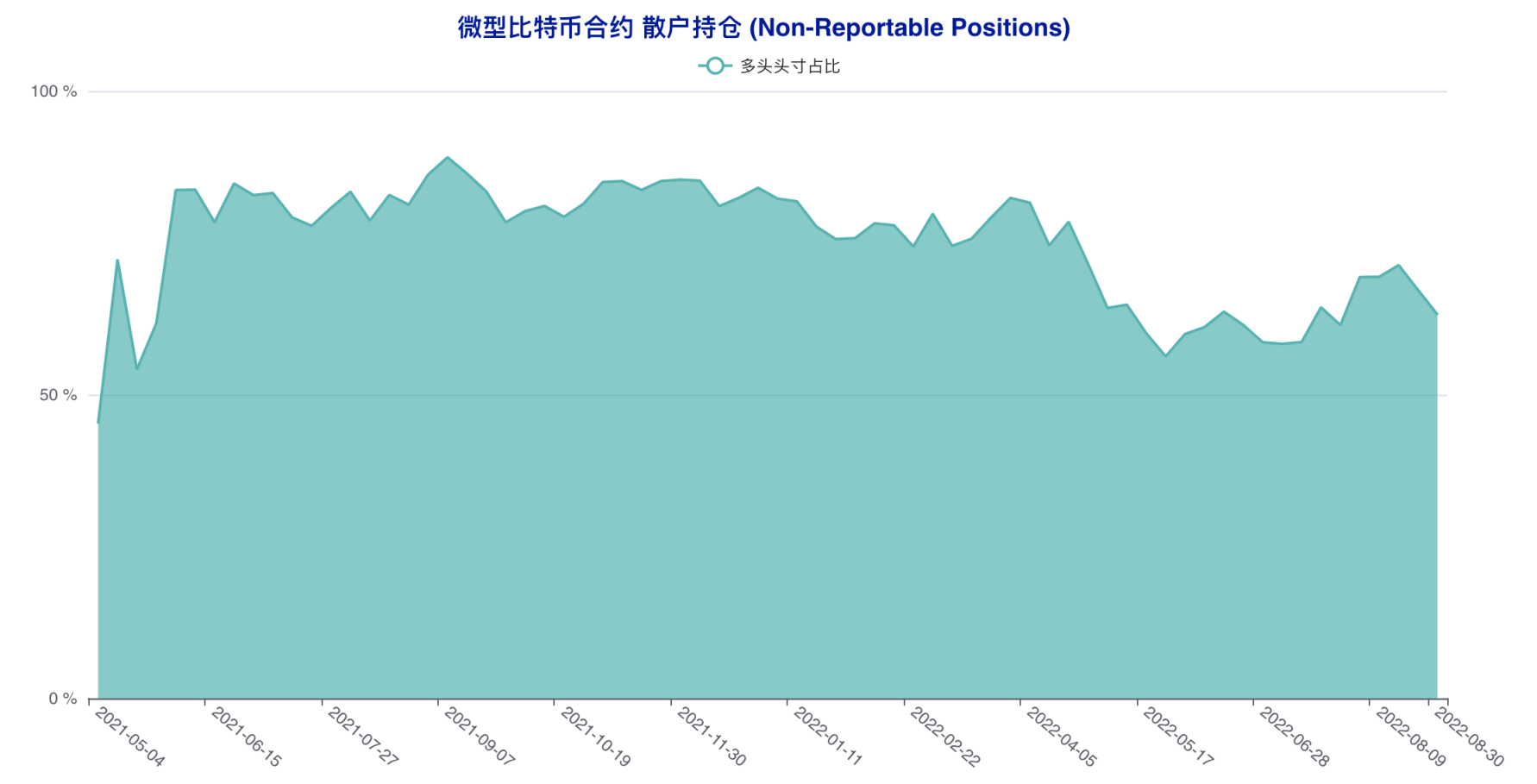
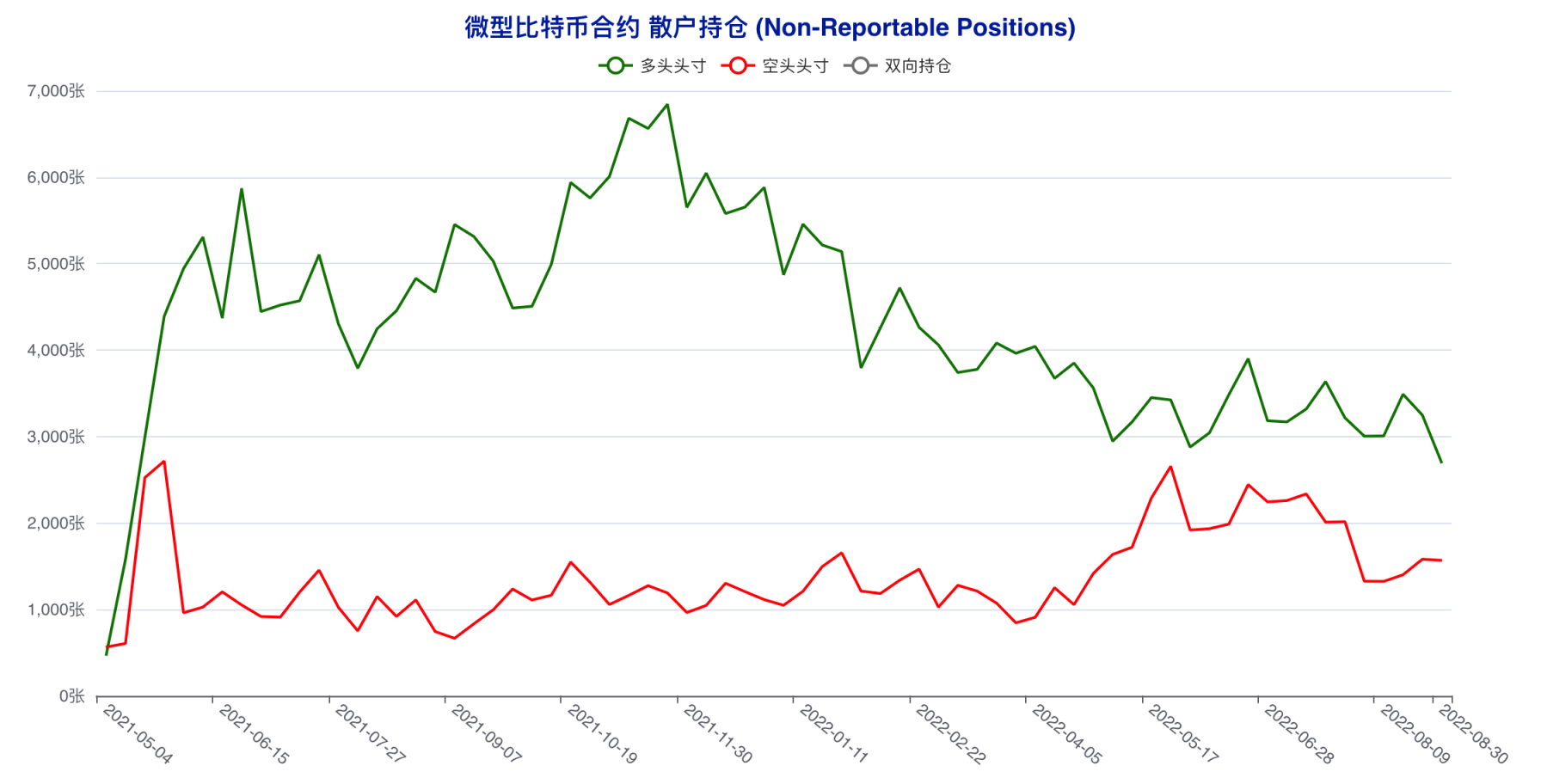
散户多头头寸自 3248 下降至 2695,空头头寸自 1582 下降至 1569,散户在微型合约中调仓幅度不大,不做过多解读。
Related Reads

How Blockchain Fills the Identity, Payment, and Trust Gaps for AI Agents?

AI Agents are rapidly evolving into autonomous economic participants, but they face critical gaps in identity, payment, and trust infrastructure. They currently lack standardized ways to prove who they are, what they are authorized to do, and how they should be compensated across different environments. Blockchain technology is emerging as a solution to these challenges by providing a neutral coordination layer. Public ledgers offer auditable credentials, wallets enable portable identities, and stablecoins serve as a programmable settlement layer. A key bottleneck is the absence of a universal identity standard for non-human entities—akin to "Know Your Agent" (KYA)—which would allow Agents to operate with verifiable, cryptographically signed credentials. Without this, Agents remain fragmented and face barriers to interoperability. Additionally, as AI systems take on governance roles, there is a risk that centralized control over models could undermine decentralized governance in practice. Cryptographic guarantees on training data, prompts, and behavior logs are essential to ensure Agents act in users' interests. Stablecoins and crypto-native payment rails are becoming the default for Agent-to-Agent commerce, enabling seamless, low-cost transactions for AI-native services. These systems support permissionless, programmable payments without traditional merchant onboarding. Finally, as AI scales, human oversight becomes impractical. Trust must be built into system architecture through verifiable provenance, on-chain attestations, and decentralized identity systems. The future of Agent economies depends on cryptographically enforced accountability, allowing users to delegate tasks with clearly defined constraints and transparent operation logs.

marsbit37m ago

How Blockchain Fills the Identity, Payment, and Trust Gaps for AI Agents?

marsbit37m ago

Six Years Since DeFi Summer, How Will the Decentralized Financial Revolution Continue?

In 2026, the DeFi sector faces a severe trust crisis following a series of high-profile security breaches, including a $292 million theft from KelpDAO’s rsETH, a $2.85 million exploit at Drift Protocol due to permission vulnerabilities, and a $14.9 million lending failure at Venus Protocol. These incidents triggered a withdrawal of approximately $10 billion from DeFi over a single weekend, highlighting systemic risks beyond smart contract flaws—such as governance, cross-chain complexity, and operational weaknesses. Despite these challenges, on-chain finance continues to grow, with capital shifting toward safer, regulated products. Stablecoins like USDT ($185B) and USDC ($78B) have reached a combined market cap of $263 billion, while tokenized U.S. Treasuries surged to $10.93 billion. Visa’s growing USDC settlement volume, now annualized at $3.5 billion, signals increasing institutional adoption of compliant blockchain-based financial infrastructure. The competition for the future of on-chain finance is intensifying. While native DeFi struggles with trust and capital outflows, regulated products—stablecoins, tokenized assets, and ETFs—are gaining dominance by offering programmable, 24/7 settlement without high DeFi risks. Over 80 crypto projects shut down in Q1 2026, reflecting dwindling patience for speculative ventures. The core challenge for open DeFi is to rebuild trust and demonstrate irreplaceable value—or risk ceding its role as the primary entry point to on-chain finance.

marsbit46m ago

Six Years Since DeFi Summer, How Will the Decentralized Financial Revolution Continue?

marsbit46m ago

Trading

Spot
Futures
活动图片