【导读】12148篇投稿暴增45%,ACL 2026满场被LLM论文攻陷!三篇最佳论文一作全是华人,杰出论文华人更是近乎包场。
ACL 2026最佳论文,出炉了!
作为计算语言学的年度顶会,ACL今年共评出三篇最佳论文(Best Paper Award),一作都是华人。
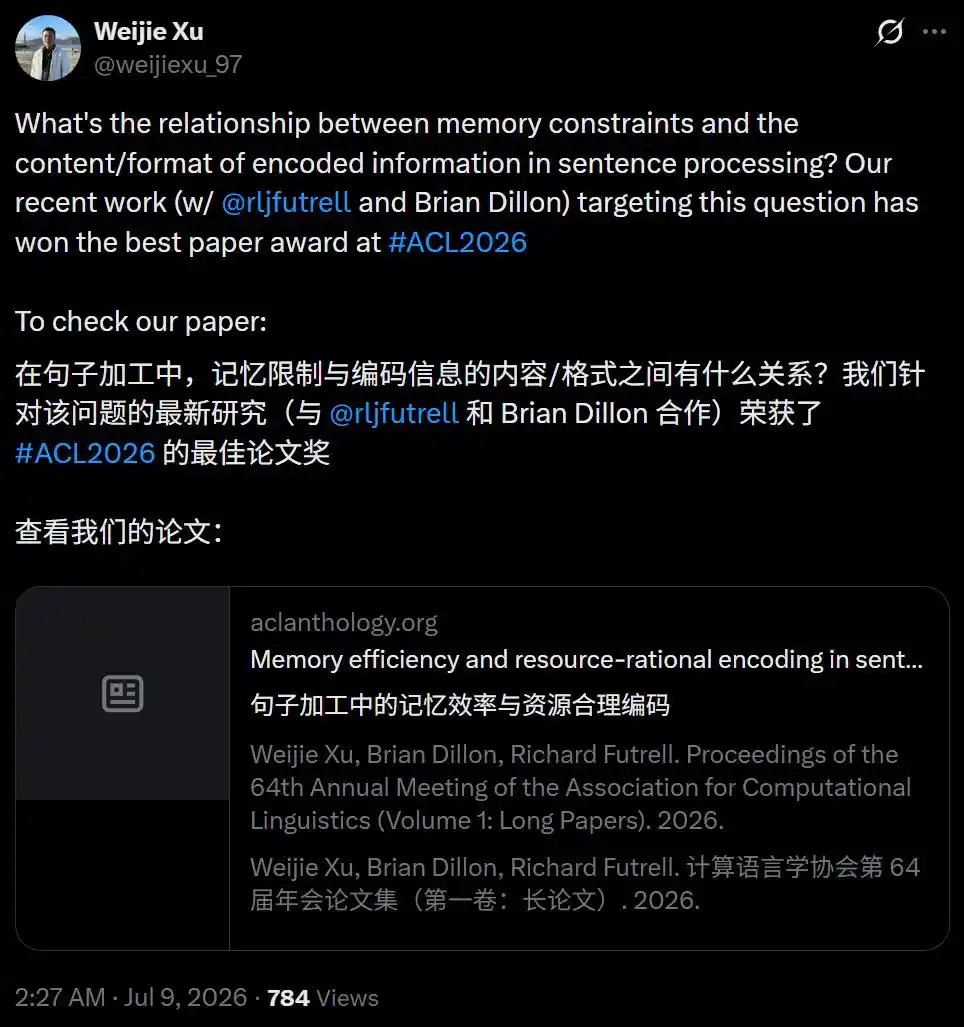
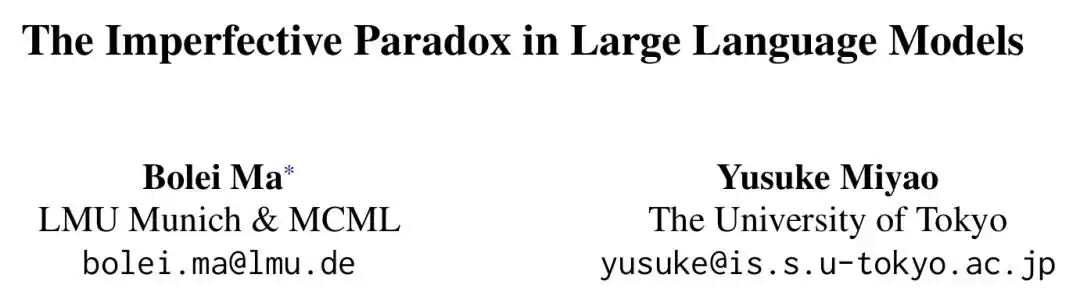
《The Imperfective Paradox in Large Language Models》,作者是慕尼黑大学的Bolei Ma和东京大学的宫尾祐介(Yusuke Miyao)。
它用一道连小学生都能答对的语法题,把7个开源大模型考了个底朝天。
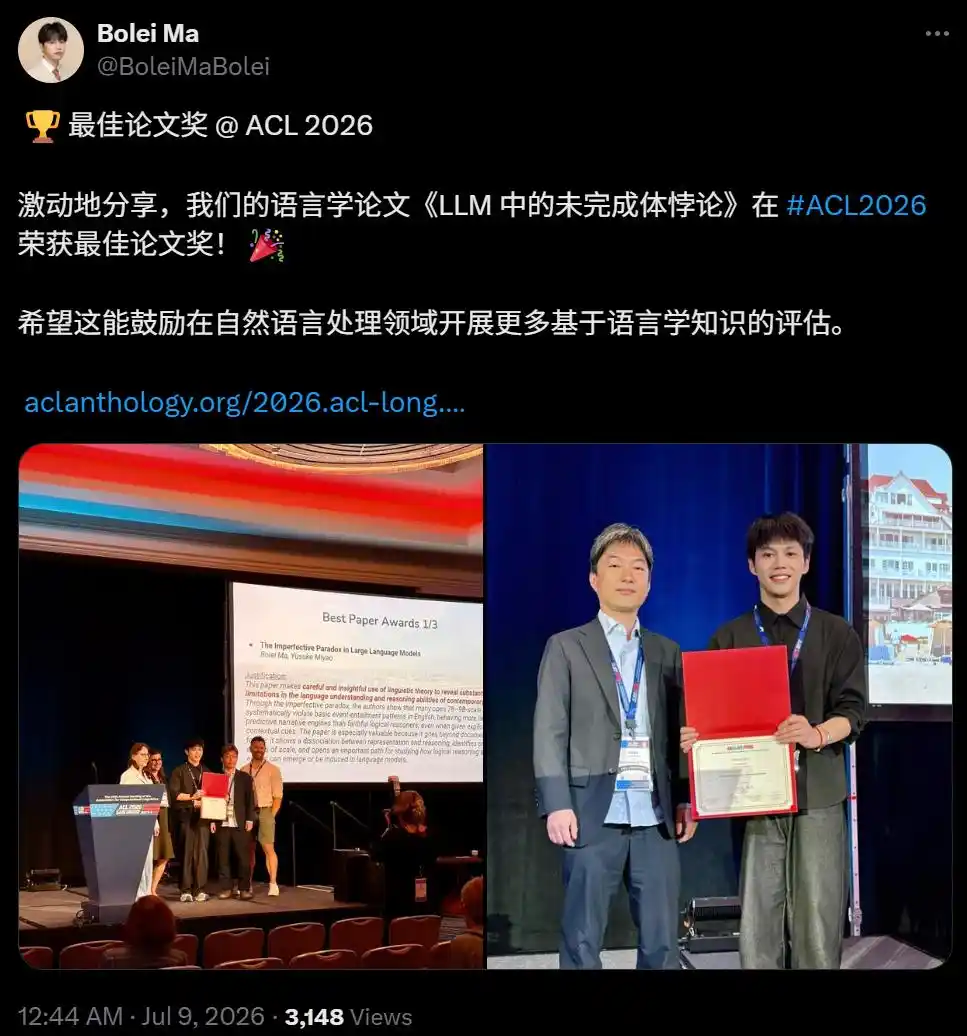
《Memory efficiency and resource-rational encoding in sentence processing》,作者是加州大学欧文分校的徐炜杰(Weijie Xu)、马萨诸塞大学阿默斯特分校的Brian Dillon,以及加州大学欧文分校的Richard Futrell。
它反其道而行,给大模型硬装了一颗「会遗忘」的人脑,结果发现模型反而更像人了。
《Characterizing the Expressivity of Local Attention in Transformers》,作者是苏黎世联邦理工学院的Jiaoda Li和Ryan Cotterell。
它用形式语言理论,讲清了一个被用了很多年、却一直没人说明白的问题:为什么「只看局部」的注意力反而更强。
史上最卷的一届ACL
ACL 2026于今年7月在美国圣地亚哥举行,规模刷新了历史纪录。
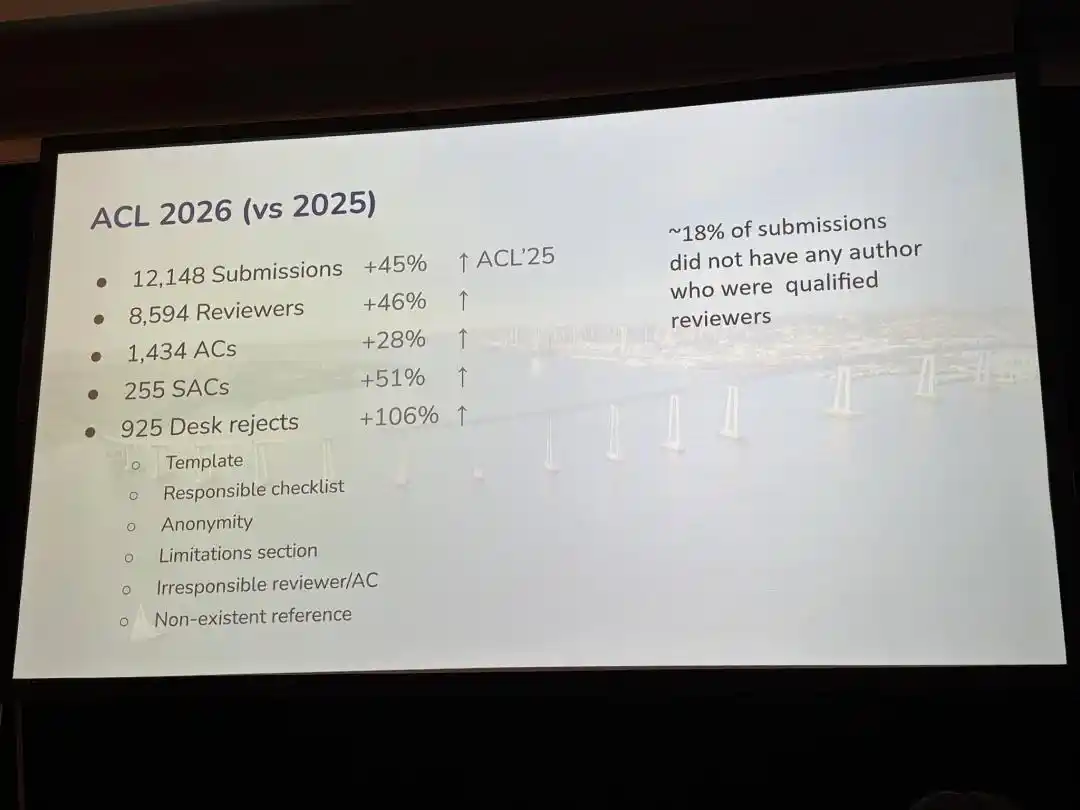
主会共收到12148篇投稿,比2025年暴增45%。
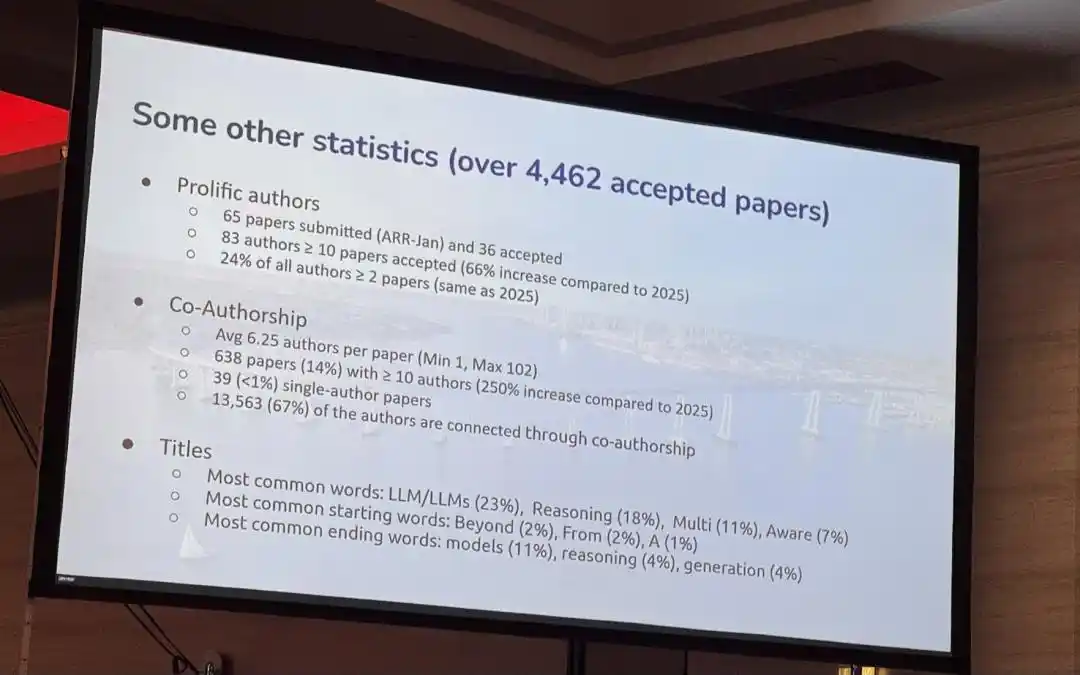
最终,主会接收2297篇(录取率18.9%),Findings接收2164篇(17.8%),合计超过4462篇论文被接收。
平均每篇论文挂着6.25个作者,最多的一篇署了整整102个名字;相比之下,单人独作的论文只剩39篇,占比不到1%。
其中,有83位作者各自被接收了10篇以上(比去年又多了66%);甚至有人光在一月那批投稿里,就一口气投了65篇、中了36篇。
全部作者里,有67%(13563人)彼此通过合著关系连在了一起。
支撑这场评审的,是8594名审稿人(+46%)、1434名领域主席(+28%)、255名高级领域主席(+51%)。
桌拒(desk reject)数量则翻了一倍多,达到925篇(+106%),理由五花八门:模板不合规、缺少Limitations章节、匿名违规、甚至引用了根本不存在的文献。
参会作者约2.6万人,比去年的2万人又涨了一截。
按国家/地区看,中国大陆作者占比高达54.0%,稳居第一;美国18.4%排第二;随后是韩国3.8%、新加坡2.3%、英国2.0%、德国1.9%、印度1.7%、日本1.5%。
如果说这届会议有什么「时代烙印」,那一定写在论文标题里:在所有标题中,「LLM/LLMs」出现频率高达23%,「Reasoning」18%,「Multi」11%。
今年还新设了一批赛道——AI/LLM智能体、大模型安全与对齐、数学与符号推理、代码模型、大模型效率、临床与生物医学应用,几乎每一个都围着大模型转。
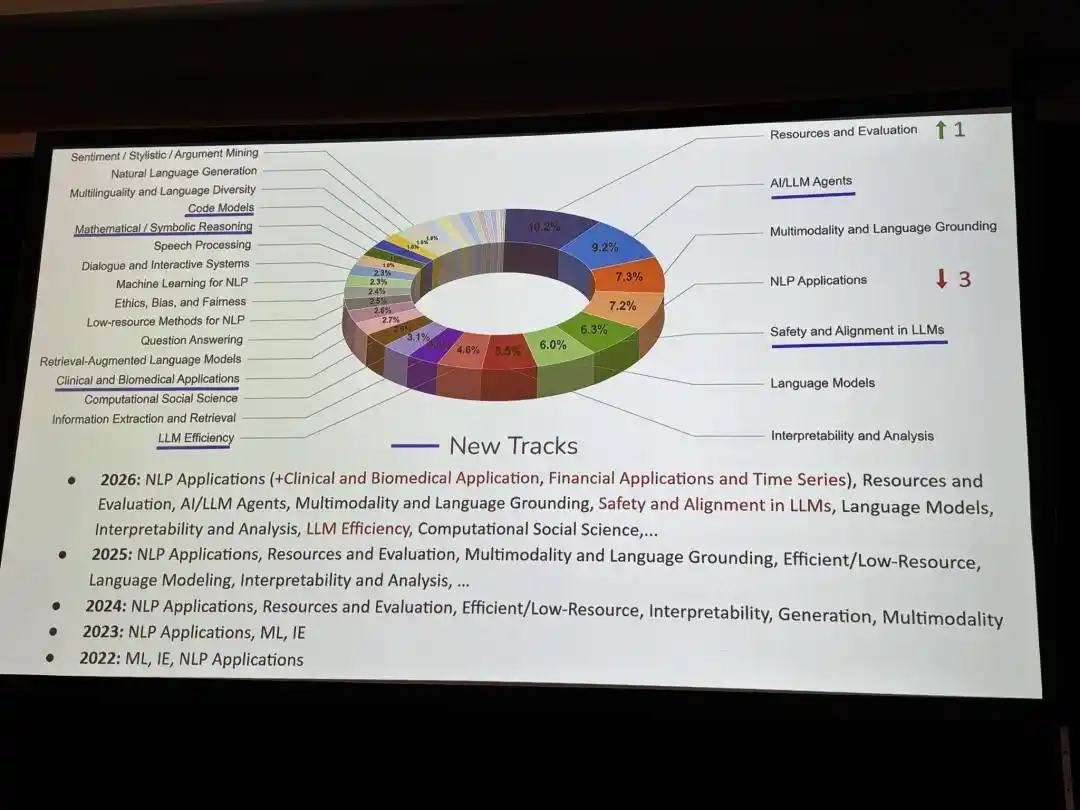
换句话说,这是一届被大语言模型彻底主导的ACL。
可偏偏,最高荣誉给了两篇「不太LLM」的论文。
最佳论文一:一道语法题,难倒7个大模型
论文:The Imperfective Paradox in Large Language Models
作者: Bolei Ma、Yusuke Miyao(宫尾祐介)
机构: 慕尼黑大学、东京大学
论文地址:https://aclanthology.org/2026.acl-long.689/
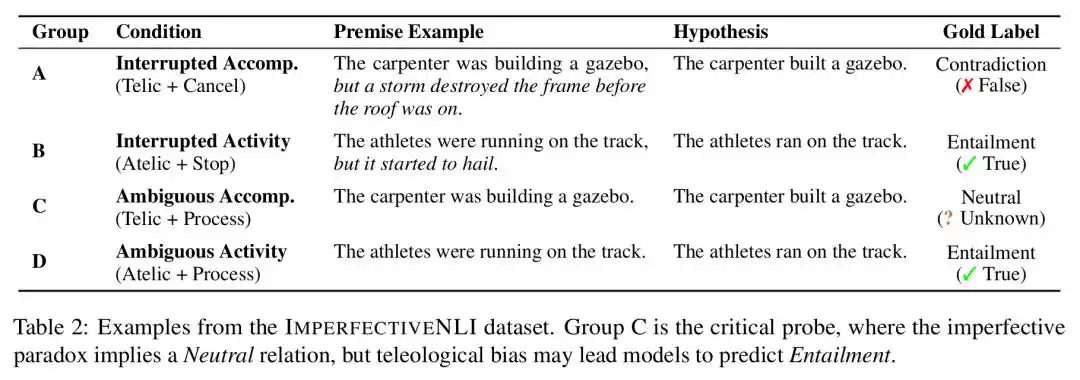
这篇论文的核心,是语言学里一个经典现象:未完成体悖论(Imperfective Paradox)。
汉语说「他在跑步」,基本能推出「他跑了」,因为「活动类」(activity)动作没有内在终点,进行到一半也算发生了。
但「木匠在盖一座凉亭」却推不出「凉亭盖好了」,因为「完成类」(accomplishment)动作有明确终点,可能盖到一半就被暴风雨吹垮。
进行时对前者蕴含「已实现」、对后者不蕴含,这就是未完成体悖论,一个受过基础语言训练的人几乎不会搞错。
那么大模型呢?
作者构建了400条英文样本的诊断数据集ImperfectiveNLI,用完成类/活动类动词的2×2最小对隔离语义推理能力,再把7个70亿到90亿参数的开源模型拉来考试,结果堪称「全军覆没」。
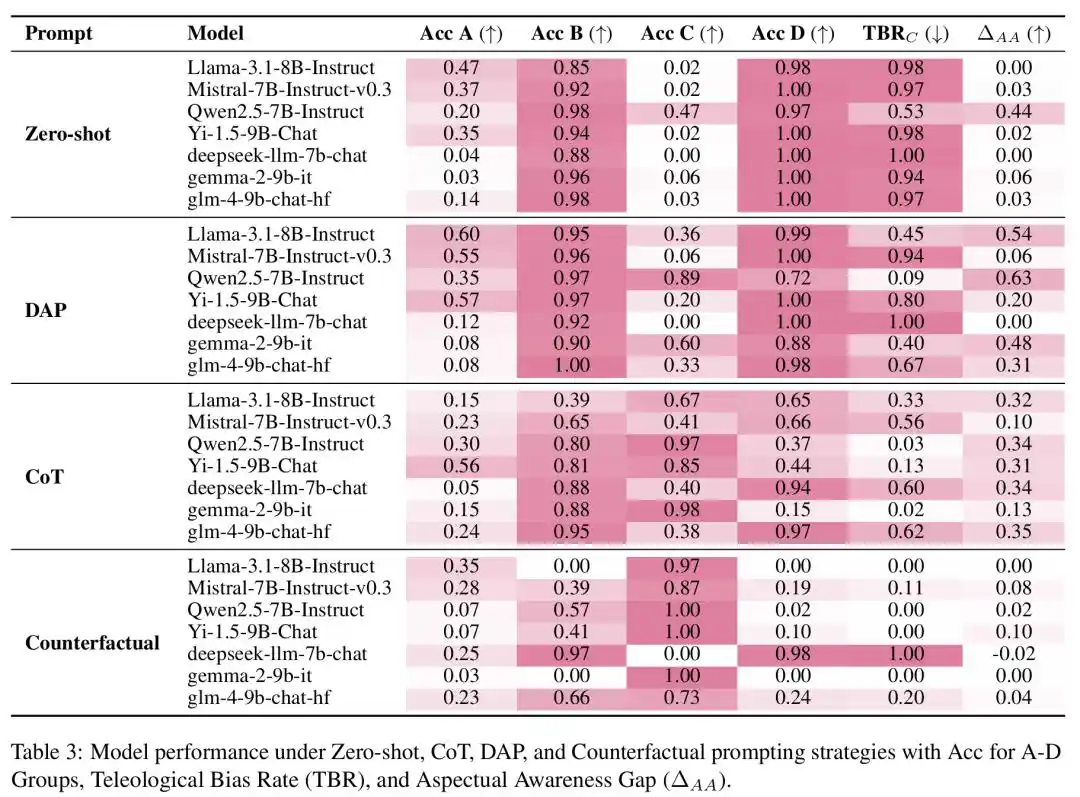
面对「木匠在盖凉亭」这类歧义句,模型几乎一律判定「盖好了」。
作者把这种「看见目标就默认成功」的毛病,命名为「目的论偏见」(teleological bias)。
零样本下,Llama-3.1的偏见率高达0.98,Mistral 0.97,DeepSeek更是1.00:凡是有目标的动作,一律认定完成。
更离谱的是,哪怕句子白纸黑字写明「一场暴风雨在屋顶装好前摧毁了框架」,很多模型仍咬定做成了,Gemma-2在这类题上准确率只有3%,它根本没读上下文,只是顺着「施工都会成功」的惯性往下猜。
由此,作者给出了这篇论文的关键判断——
这些开源大模型,「运作起来更像预测叙事走向的引擎,而非忠实的逻辑推理者」(predictive narrative engines rather than faithful logical reasoners)。
也就是说,它们不是在推理,只是在顺着故事猜一个最可能的结局。
更深的发现是,表征与推理是分离的。
从一个近乎完美的反向关系(相关系数-0.97)可以看出,编码层其实「知道」was building和built不是一回事,可解码时还是被世界知识的先验带跑了。
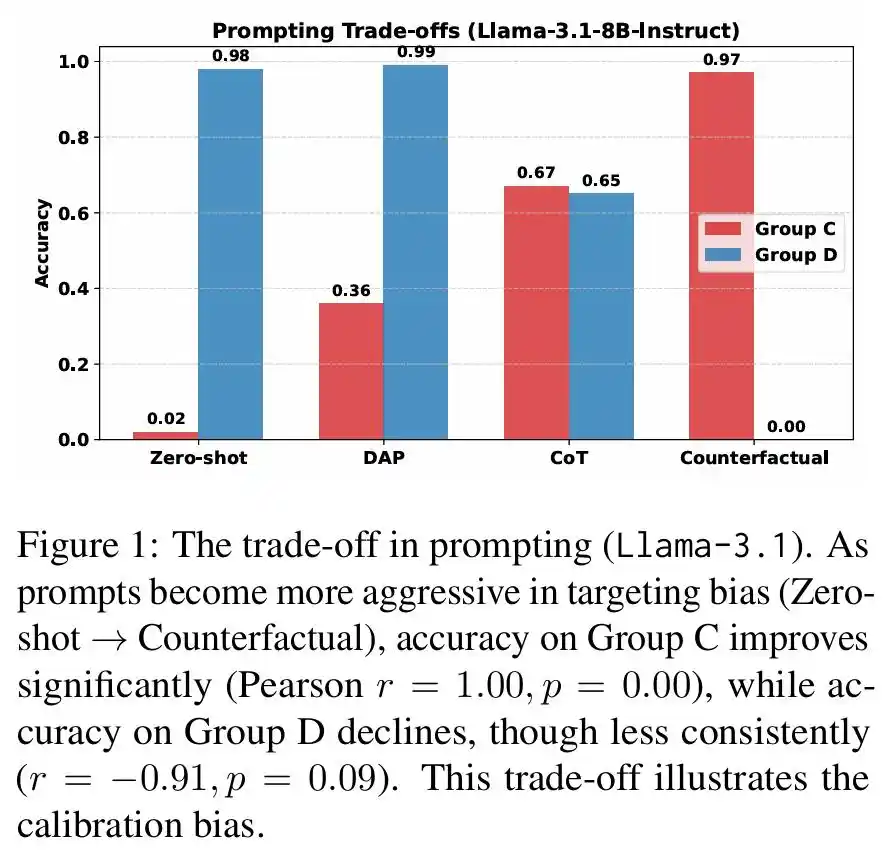
此时,提示工程只是拆东墙补西墙。
反事实提示能治好偏见,却让模型对简单的活动类句子疑神疑鬼、全盘否定,在「天真乐观」和「偏执怀疑」两极之间反复横跳。
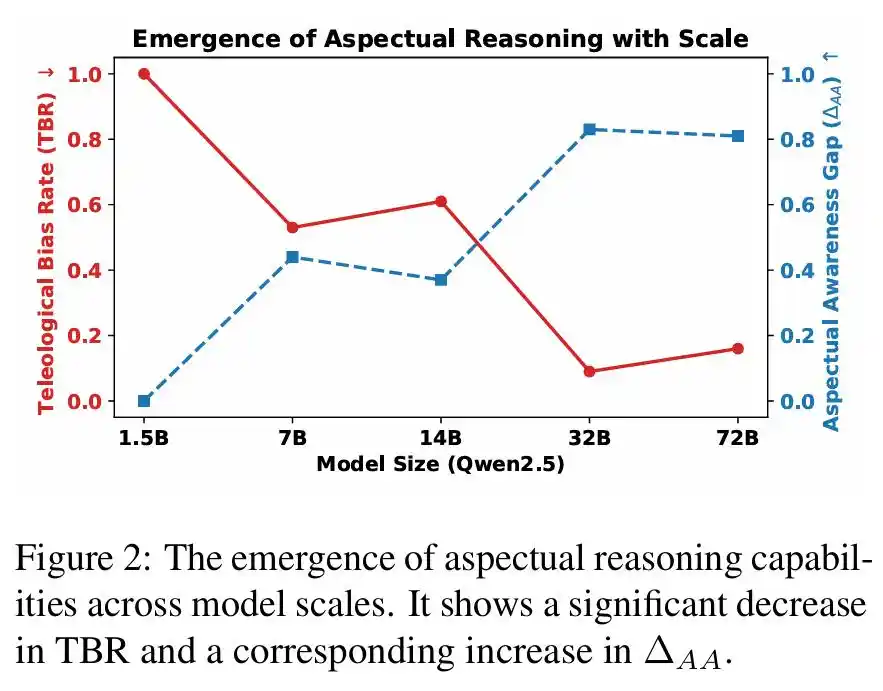
好在Scaling似乎有救:从15亿放大到720亿参数,偏见率显著下降,到320亿附近出现「相变」,准确率骤升到0.91。
用语言学「拷问」大模型的年轻人
这篇论文的一作马博磊,是慕尼黑大学的一名在读博士。
他隶属于该校统计系的社会数据科学与AI实验室(SODA Lab,导师Frauke Kreuter),同时是慕尼黑机器学习中心(MCML)的初级成员,也是MaiNLP实验室(导师Barbara Plank)的外聘博士生。
马博磊的研究长期聚焦「以人为本的NLP」、计算社会科学,以及计算语义与语用学——恰好是这篇论文的底色:用扎实的语言学理论,去审视时髦的大模型。
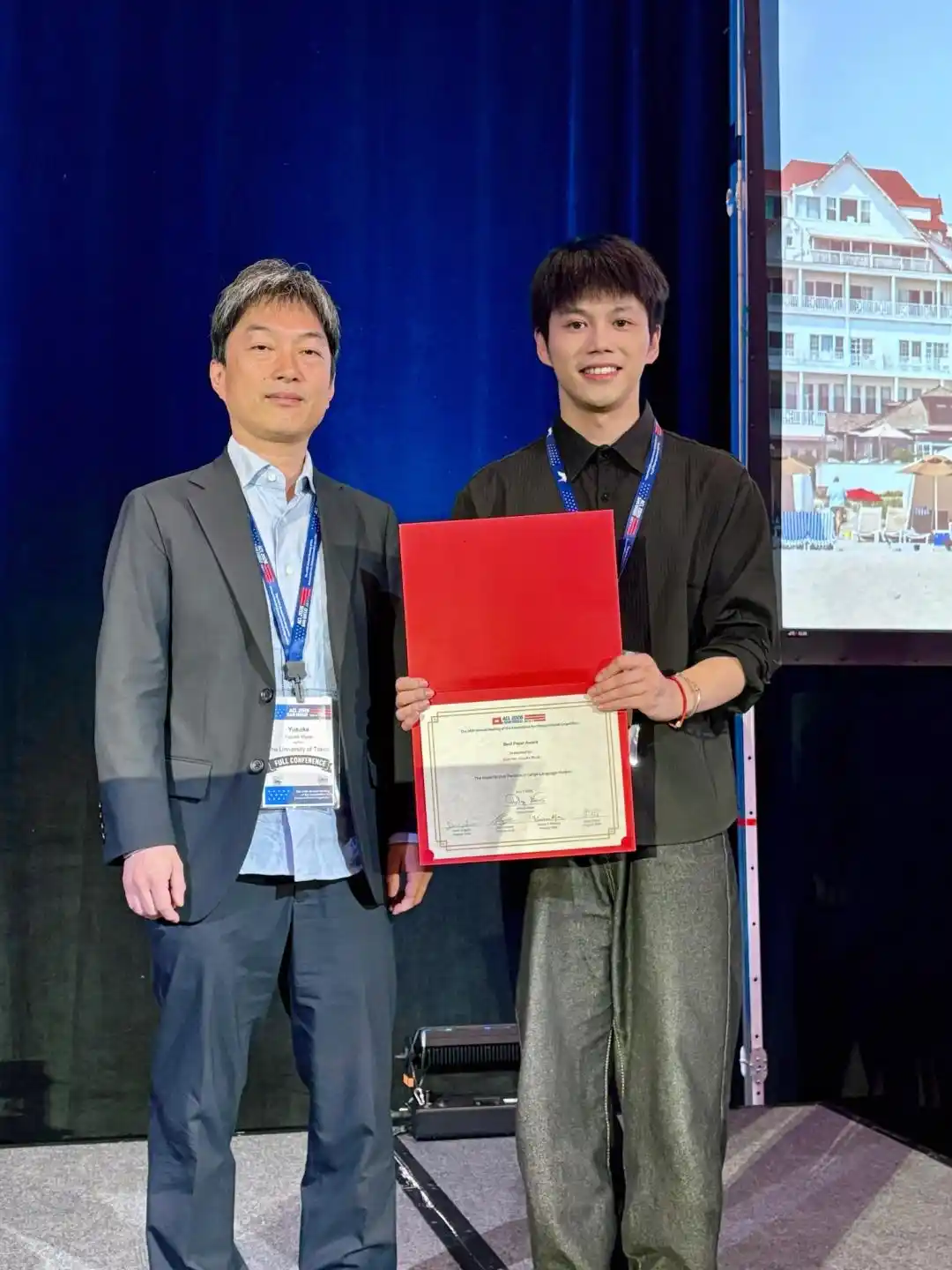
最佳论文二:给大模型装一颗会遗忘的人脑。
论文:Memory efficiency and resource-rational encoding in sentence processing
作者: Weijie Xu(徐炜杰)、Brian Dillon、Richard Futrell
机构: 加州大学欧文分校、马萨诸塞大学阿默斯特分校
论文地址:
这篇论文想解决的问题是:要让语言模型真正成为「人类语言加工」的模型,就得像人一样,在有限的工作记忆里精打细算。
人脑的工作记忆是稀缺资源,可它偏偏用得毫不费力。人类会本能地把有限的记忆精度,优先分配给那些意外的、信息量大的内容,而对可预测的部分一带而过。
作者的做法很巧:往Transformer的隐藏表征里,按可调的速率注入噪声,再用一个混合目标去训练模型——在「总编码精度受限」这个硬约束下,尽可能把下一个词预测得更准。
换句话说就是,逼着模型学会「抠门」,把宝贵的记忆花在刀刃上。
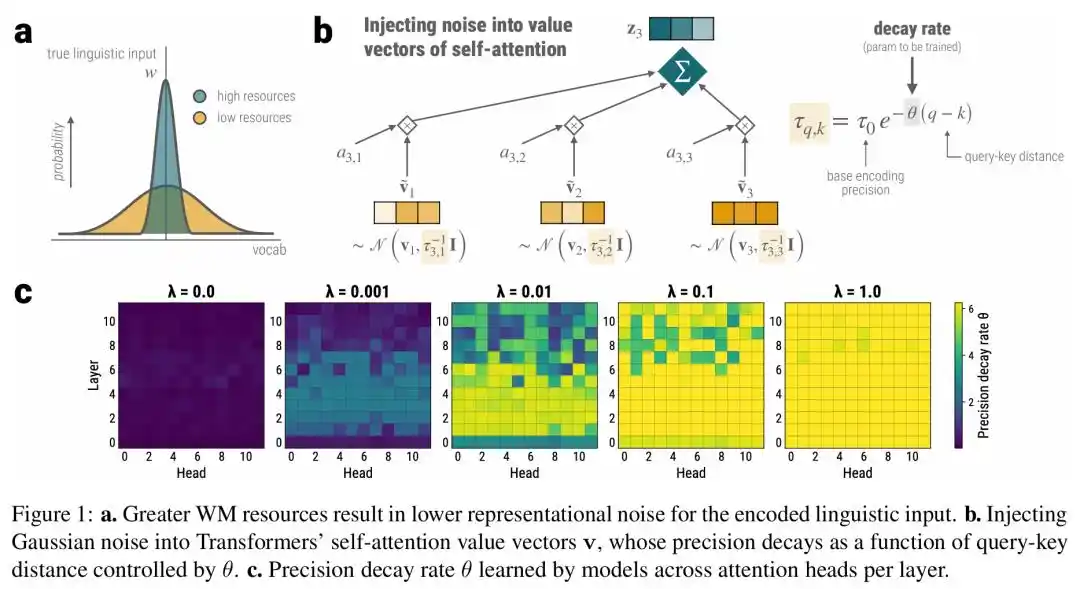
结果有两个关键发现。
其一,加上这种工作记忆约束后,模型对人类阅读时间的拟合明显变好了。也就是说,它读句子的「节奏」,更接近真人。
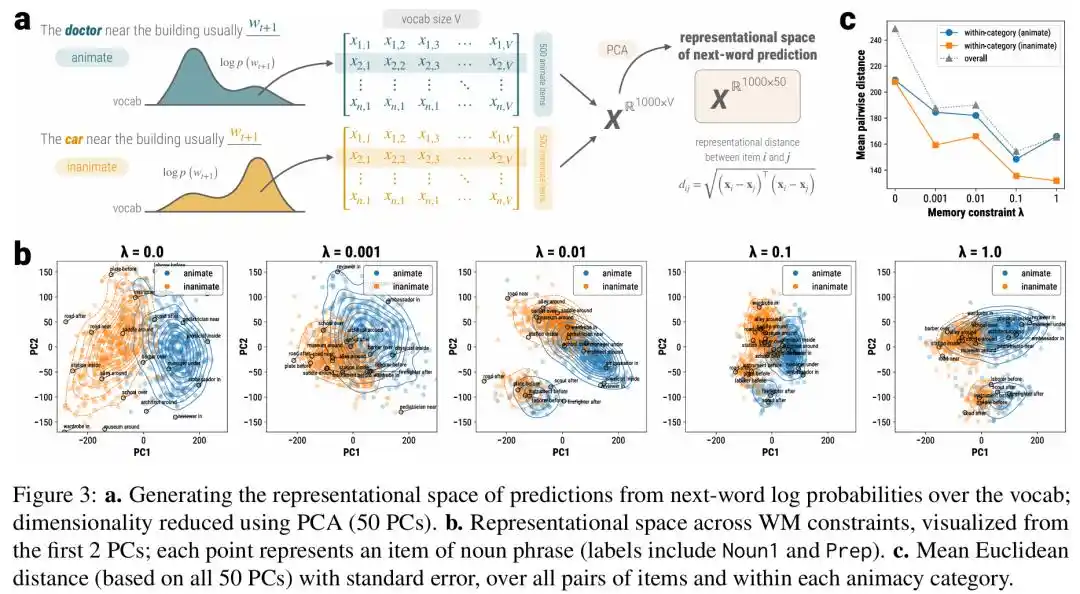
其二,也是更重要的——为了管好编码精度,模型的上下文表征被重塑了,变得更「压缩」、更「范畴化」(categorical)。
这指向一个耐人寻味的结论:在人类句子加工的模型里,工作记忆的「检索机制」和底层的「记忆表征」,是可以分离(dissociation)的。
换句话说,不是给模型更大的记忆就更像人,而是给它一个「必须节省」的约束,它才会自己长出更接近人脑的表示方式。
从西班牙语专业,到计算心理语言学
一作徐炜杰,目前是加州大学欧文分校语言科学专业的博士生,师从计算心理语言学家Richard Futrell,专攻计算心理语言学方向。
他的本科专业是上海外国语大学的西班牙语言文学。之后,他在芝加哥大学拿下计算社会科学硕士学位,师从Ming Xiang。
2026年秋季,他将前往马萨诸塞大学阿默斯特分校,开始博士后研究。
他在主页上写道,人类的认知系统被重重约束所限,却能近乎毫不费力地运转;而他的研究,正是想把人类语言当作一扇窗,去窥探人类心智这种「有限」的本质。
最佳论文三:为什么「只看局部」的注意力,反而更强
论文:Characterizing the Expressivity of Local Attention in Transformers
作者: Jiaoda Li、Ryan Cotterell
机构: 苏黎世联邦理工学院(ETH Zürich)
论文地址:https://aclanthology.org/2026.acl-long.1739/
Transformer的看家本领是「全局注意力」,每生成一个词,都回看前面所有的词。而一种常见变体「局部注意力」,只让每个词回看固定窗口内的邻居,把二次方的计算成本压到线性。
局部注意力本来是为了省算力,但大家发现,它还常常让模型效果更好。这个现象一直没有一个像样的解释。
这篇论文用形式语言理论给了答案。
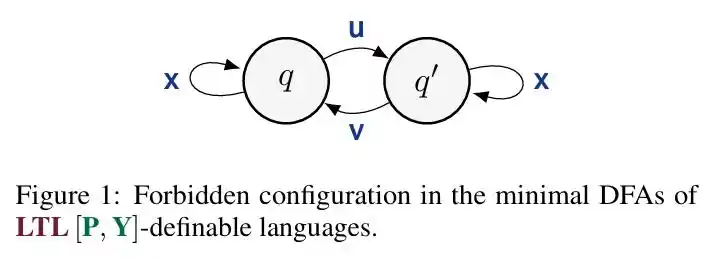
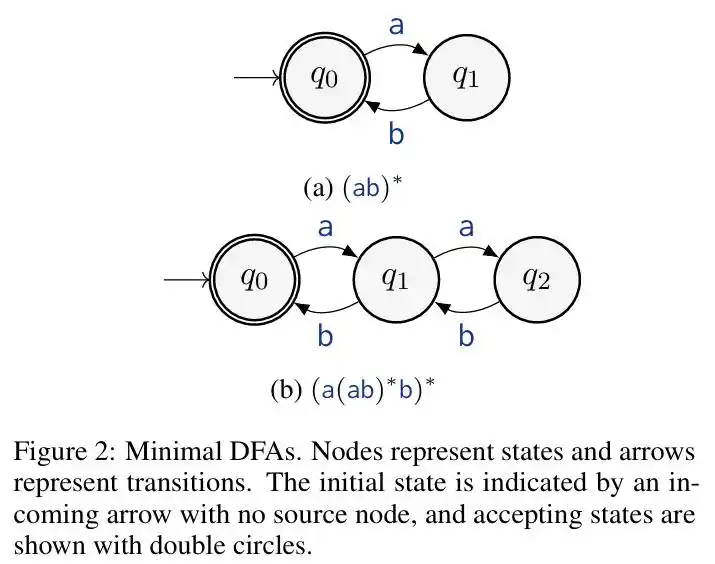
此前已有结论,固定精度、只带全局注意力的 Transformer,对应线性时序逻辑里只含一个「过去算子」的片段。
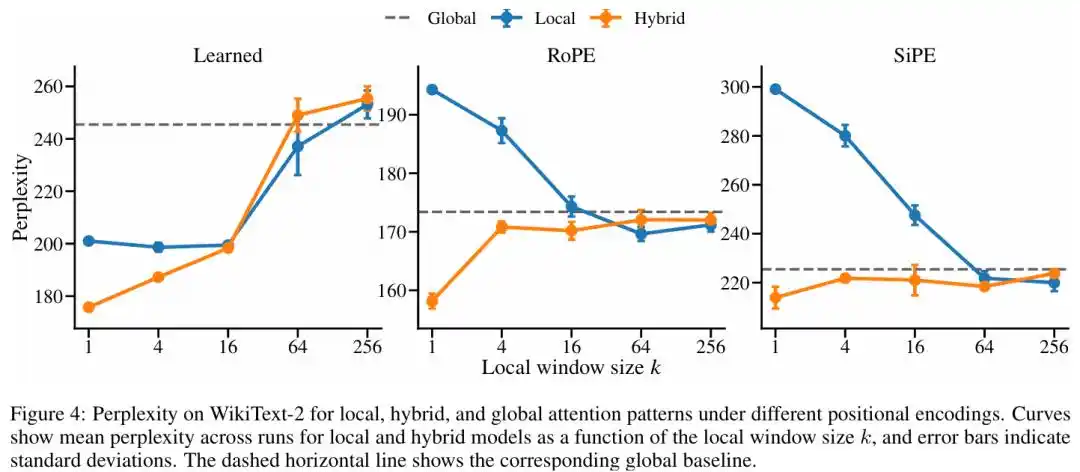
作者进一步证明,加上局部注意力会引入第二个时序算子,严格扩大了模型能识别的正则语言类。
更妙的是,全局和局部注意力在表达力上「互补」,谁也取代不了谁,两者结合才能拿到最丰富的那一档。
形式语言识别和自然语言建模的实验都印证了这一点,全局+局部的混合 Transformer,稳稳打过纯全局的版本。
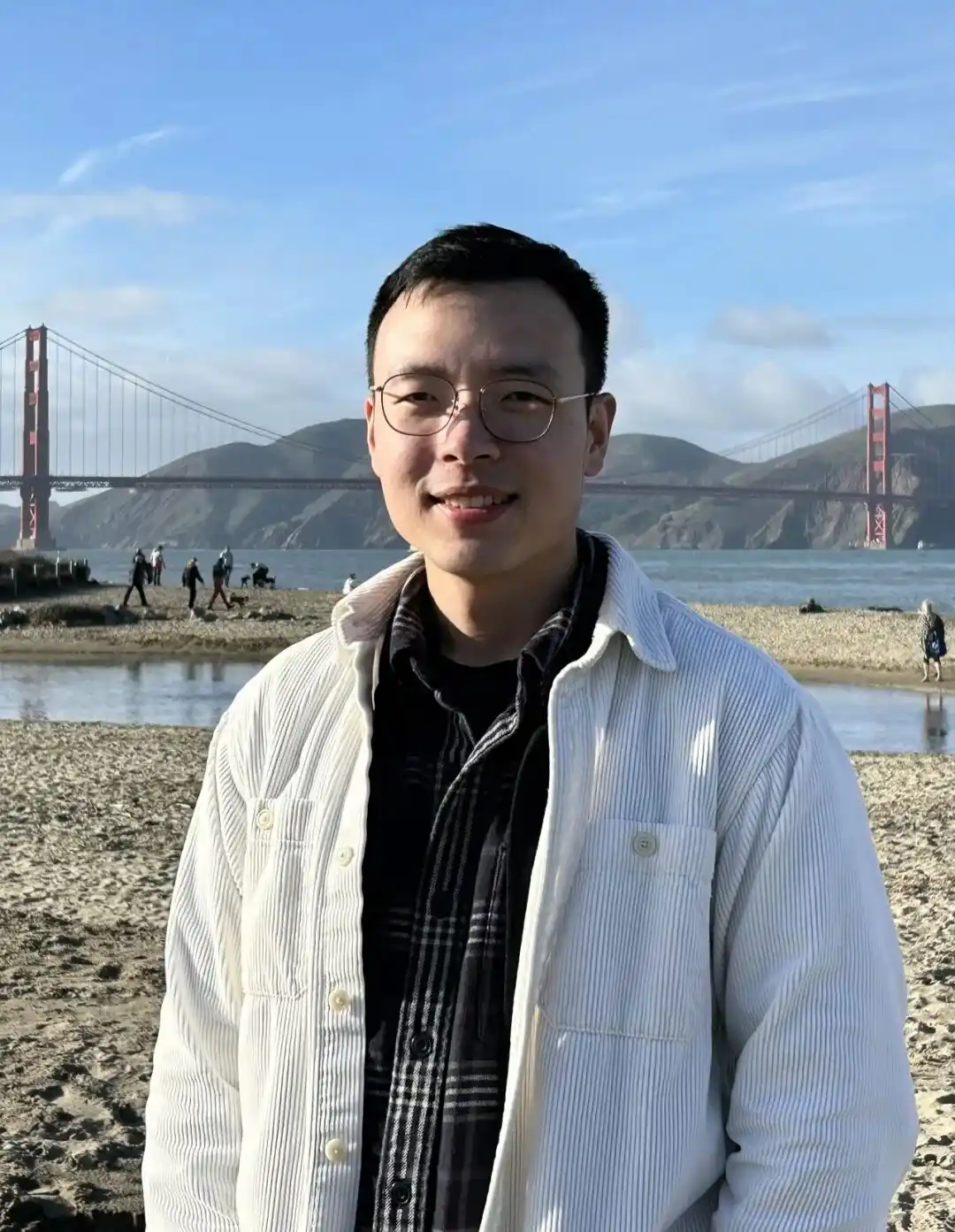
一作 Jiaoda Li(李矫达)是苏黎世联邦理工学院(ETH)AI中心的博士研究员,师从计算语言学家Ryan Cotterell 与Stefan Feuerriegel,研究聚焦可解释NLP。
他的本科专业是香港城市大学的电子与通信工程;之后在ETH拿下数据科学硕士,再一路读到博士。

杰出论文:华人几乎包场
除了最佳论文,ACL 2026还评出了18篇杰出论文(Outstanding Paper)。
翻一遍名单会发现一个更直观的事实:华人力量几乎占据了半壁江山,尤其在强化学习、大模型安全这两个最热的方向上,好几篇干脆就是全华人班底。
推理与强化学习
1. Evolutionary Guided Decoding: Iterative Value Refinement for LLMs
作者:Zhenhua Liu、Lijun Li、Ruizhe Chen、Yuxian Jiang、Tong Zhu、Zhaochen Su、Wenliang Chen、Jing Shao
机构:上海人工智能实验室、苏州大学、浙江大学、复旦大学
2. Rethinking Entropy Interventions in RLVR: An Entropy Change Perspective
作者:Zhezheng Hao、Hong Wang、Haoyang Liu、Jian Luo、Jiarui Yu、Hande Dong、Qiang Lin、Can Wang、Jiawei Chen
机构:浙江大学、腾讯
3. GeoRA: Geometry-Aware Low-Rank Adaptation for RLVR
作者:Jiaying Zhang、Lei Shi、Jiguo Li、Jun Xu、Jiuchong Gao、Jinghua Hao、Renqing He
机构:美团、北京大学
4. CURE: Critique-Driven Unified Reinforcement Learning for Test-Time Self-Improvement
作者:Guirong Chen、Shuqi Ye、Wenkai Yang、Shiqi Shen、Guangyao Shen、Yankai Lin
智能体与评测
5. CAR-bench: Evaluating the Consistency and Limit-Awareness of LLM Agents under Real-World Uncertainty
作者:Johannes Kirmayr、Lukas Stappen、Elisabeth André
机构:宝马集团研究院、奥格斯堡大学
6. MediEval: A Unified Medical Benchmark for Patient-Contextual and Knowledge-Grounded Reasoning in LLMs
作者:Zhan Qu、Michael Färber
机构:德累斯顿工业大学、ScaDS.AI(德国)
7. Mind the (DH) Gap! A Contrast in Risky Choices Between Reasoning and Conversational LLMs
作者:Luise Ge、Yongyan Zhang、Yevgeniy Vorobeychik
机构:圣路易斯华盛顿大学
8. CIG: Measuring Conversational Information Gain in Deliberative Dialogues with Semantic Memory Dynamics
作者:Ming-Bin Chen、Jey Han Lau、Lea Frermann
机构:墨尔本大学
安全、可信与检测
9. Lying with Truths: Open-Channel Multi-Agent Collusion for Belief Manipulation via Generative Montage
作者:Jinwei Hu、Xinmiao Huang、Youcheng Sun、Yi Dong、Xiaowei Huang
机构:利物浦大学、穆罕默德·本·扎耶德人工智能大学(MBZUAI)
10. Beyond the Final Actor: Modeling the Dual Roles of Creator and Editor for Fine-Grained LLM-Generated Text Detection
作者:Yang Li、Qiang Sheng、Zhengjia Wang、Yehan Yang、Danding Wang、Juan Cao
机构:中国科学院计算技术研究所、中国科学院大学
11. Maximizing Local Entropy Where It Matters: Prefix-Aware Localized LLM Unlearning
作者:Naixin Zhai、Pengyang Shao、Binbin Zheng、Yonghui Yang、Fei Shen、Long Bai、Xun Yang
机构:中国科学技术大学、新加坡国立大学
效率
12. From Local to Global: Revisiting Structured Pruning Paradigms for Large Language Models
作者:Ziyan Wang、Enmao Diao、Qi Le、Pu Wang、Minwoo Lee、Shu-ping Yeh、Evgeny V Stupachenko、Hao Feng、Li Yang
机构:北卡罗来纳大学夏洛特分校、明尼苏达大学、英特尔、DreamSoul
语音与多模态
13. MauBERT: Universal Phonetic Inductive Biases for Few-Shot Acoustic Units Discovery
作者:Angelo Ortiz Tandazo、Manel Khentout、Youssef Benchekroun、Thomas Hueber、Emmanuel Dupoux
机构:巴黎高师(ENS/PSL)、CNRS、格勒诺布尔阿尔卑斯大学(GIPSA-lab)、Meta AI(法国)
14. Hierarchical Acoustic-Semantic Modeling: Modality Separation and Semantic Coherence for Full-Duplex SLMs
作者:Zhenyu Liu、Xuanyu Zhang、Yunxin Li、Qixun Teng、Shenyuan Jiang、Haolan Chen、Minjun Zhao、Fanbo Meng、Yu Xu、Yancheng He、Baotian Hu、Haizhou Li、Min Zhang
机构:哈尔滨工业大学(深圳)、香港中文大学(深圳)、深圳Loop Area研究院
15. ViLL-E: Video LLM Embeddings for Retrieval
作者:Rohit Gupta、Jayakrishnan Unnikrishnan、Fan Fei、Sheng Liu、Son Tran、Mubarak Shah
机构:亚马逊、中佛罗里达大学
语言学与多语言
16. Systematicity between Forms and Meanings across Languages Supports Efficient Communication
作者:Doreen Osmelak、Yang Xu、Michael Hahn、Kate McCurdy
机构:萨尔兰大学、多伦多大学
17. Massively Multilingual Joint Segmentation and Glossing
作者:Michael Ginn、Lindia Tjuatja、Enora Rice、Ali Marashian、Maria Valentini、Jasmine Xu、Graham Neubig、Alexis Palmer
机构:科罗拉多大学博尔德分校、卡内基梅隆大学
18. CxMP: A Linguistic Minimal-Pair Benchmark for Evaluating Constructional Understanding in Language Models
作者:Miyu Oba、Saku Sugawara
机构:奈良先端科学技术大学院大学、日本国立信息学研究所、东京大学
参考资料:
https://x.com/BoleiMaBolei/status/2074897470572925124?s=20
https://x.com/weijiexu_97/status/2074923463094218973
https://msukhareva.substack.com/p/outstanding-paper-awards-of-acl-2026
本文来自微信公众号“新智元”,作者:ASI启示录;编辑:摩西