西甲球队赛前亲自下注 100 万美元,用预测市场配置保险符合体育监管规则吗?

Foresight NewsPubblicato 2026-06-09Pubblicato ultima volta 2026-06-09

Introduzione

2025-2026赛季西甲收官战,奥萨苏纳虽输球但成功保级。随后,俱乐部承认通过保险经纪购买降级保险,支付120万欧元保费,降级可获赔600万欧元。 此事争议核心在于后续媒体报道:一家匿名西甲俱乐部通过预测市场平台Kalshi下注超100万美元,押注自己无法赢得关键比赛,交易涉及多家金融中介机构。Protos等媒体将此举与奥萨苏纳联系起来,但俱乐部官方声明仅确认购买传统保险,未提及预测市场交易。 预测市场将降级等不确定事件金融化,其支持者视之为高效的风险管理或信息聚合工具,批评者则担忧内幕交易与操纵风险。此事件凸显了预测市场在体育领域的合规困境:在美国,Kalshi作为受CFTC监管的合约市场运作;在西班牙,同类活动则被视同无证博彩,监管机构已对相关平台启动处罚。 西甲、意甲联盟已与预测市场平台在美国达成官方合作,但奥萨苏纳事件表明,当机构利用此类市场对冲自身比赛结果风险时,其行为性质变得模糊,触及信息优势、市场完整性及体育道德等深层问题。这标志着预测市场正从散户娱乐走向机构风险管理,同时也面临更严峻的监管与伦理挑战。


撰文:KarenZ,Foresight News


5 月 23 日,奥萨苏纳输了球,却没有掉下西甲。


在西班牙足球甲级联赛 2025-2026 赛季第 38 轮收官战中,奥萨苏纳客场 0:1 输给赫塔菲。按照该俱乐部自己的赛后通报,它能留在西甲,是因为埃尔切与赫罗纳战平,积分榜的齿轮刚好卡在了对它有利的位置。奥萨苏纳将连续第八个赛季留在西班牙顶级联赛。


两周后,这场保级战翻出了另一页账本:奥萨苏纳官方承认,俱乐部曾通过保险经纪公司 Howden 购买降级风险保障,保费 120 万欧元;若真的降级,可获得 600 万欧元赔付。


保级夜的另一页账本


真正把事件推向预测市场争议中心的,是媒体报道中的另一段链条。


6 月 4 日,据 Semafor 独家报道,一家未透露名称的西班牙俱乐部相关方,在预测市场平台 Kalshi 上,下注了超过 100 万美元,押注自己无法赢得赛季末的一场关键比赛。交易路径中出现了 Game Point Capital 和 Greenlight Commodities 等中间方。交易对手方据称是量化交易公司 Susquehanna,后者赚走超过 100 万美元。


6 月 8 日,奥萨苏纳发布官方声明,确认自己购买了降级风险保险,但强调俱乐部的参与「严格限于」向 Howden 购买保障。当天,Protos 将 Semafor 报道中的匿名俱乐部指向奥萨苏纳,同时也写明:奥萨苏纳官方文件只提到 Howden,没有提到 Kalshi、Susquehanna、Game Point Capital 或 Greenlight。


更准确的说法是:奥萨苏纳确认买了降级保险;Semafor 先报道一家匿名西甲球队通过 Kalshi 对冲降级风险;Protos 后来把两者串联起来,认为那家俱乐部就是奥萨苏纳,但交易链条的完整细节并未被俱乐部官方确认。


球场上是一场保级战,俱乐部声明里是一份保险,媒体报道中则出现了一张关于降级风险的事件合约。这三件事叠在一起,才让故事变得刺眼。


降级,也可以被金融化


足球俱乐部怕降级,这件事一点也不新鲜。


降级会带走转播收入、门票热度、赞助谈判权和球员估值。对中小俱乐部来说,它不是单场失败,而是一整套商业模型的下坠。


奥萨苏纳官方的说法也相当克制:通过 Howden 购买保障,保费 120 万欧元,降级时赔付 600 万欧元;西甲知情,俱乐部审计师与控制委员会主席也被告知。


真正让这件事变得尖锐的,是媒体报道中那条尚未被俱乐部确认的交易链。


按照 Semafor 的报道,相关交易链里出现了几类华尔街熟悉的角色:为球队做风险管理的体育保险经纪商 Game Point Capital,协助机构进入预测市场的 Greenlight Commodities(本来是一家专注于可再生能源信用的机构),以及愿意接下对手方风险的量化交易公司 Susquehanna。


Game Point Capital CEO Will Hall 对 Semafor 表示,他们想看看预测市场如何处理这类「大额、二元结果」的风险。


这是预测市场最迷人的地方,也是最危险的地方。它能把世界上的不确定性变成价格。战争、选举、利率、体育比赛、天气、政策投票,都可以被塞进一个「是或否」的盒子。支持者说,这比评论员诚实,比民调更快;批评者看到的则是另一幅图景:现实世界的焦虑被切成筹码,信息优势变成利润。


奥萨苏纳这件事尤其敏感,因为标的不是油价、汇率,也不是某个遥远的宏观指标,而是一支球队是否会从西甲坠落。


球员在场上拼搏,球迷在看台祈祷,另一群人却在计算降级这件事值多少钱。


它触到了预测市场最核心的问题:当现实事件被金融化,谁能交易,谁掌握信息,谁有能力影响结果?


更棘手的问题也随之出现:如果球队利益相关方真的做空自家球队,或买入与自身不利结果相关的头寸,其合规性又该如何安放?即便交易被包装成保险或对冲,只要标的直接锚定比赛结果与降级命运,市场就很难只把它看作纯粹的金融工具。


当预测市场撞上监管


5 月 26 日,也就是奥萨苏纳保级三天后,西班牙社会权利、消费者事务与 2030 议程部对 Polymarket 和 Kalshi 启动处罚程序,并要求在西班牙临时屏蔽两家平台网站买,作为案件最终裁决前的预防措施。


西班牙博彩监管总局(DGOJ)的解释很直白:预测市场允许用户买卖与未来事件结果相关的份额,价格反映不同结果发生的概率;在西班牙监管语境下,这类针对未来不确定结果的交易被视为具有博彩性质,因此在当地运营需要取得特定行政许可。公告还提到,相关程序预计需要 3 至 4 个月。


Kalshi 在美国的身份完全不同。它强调自己受 CFTC 监管,是指定合约市场,交易的是事件合约。


有意思的是,职业足球并非只在被动卷入预测市场。2026 年 4 月,西甲联盟就高调宣布与 Polymarket 签署了多年合作协议,让 Polymarket 成为其在美加地区的「官方预测市场合作伙伴」。5 月,意甲美国(Serie A USA)也宣布与 Polymarket 达成多年区域合作,Polymarket 成为意甲在美国的官方且独家预测市场合作伙伴。


同一张桌子,在美国被称作金融市场,在西班牙等更多地方被看作无证博彩。这种身份撕裂,正是预测市场扩张中最核心的冲突。


Web3 圈对这种灰区并不陌生。Polymarket 曾在美国大选期间把预测市场推到大众视野里。很多人开始相信,市场价格能比专家更早说出真相。


但奥萨苏纳事件把问题往前推了一步。预测市场不再只是散户围观世界的方式,它开始靠近机构风险管理。保险经纪、体育顾问、中间商、量化交易公司一起出现时,事情就不再只是「用户下注」那么简单。


这可能是预测市场真正长大的时刻,也是它最需要被约束的时刻。


如果它要成为金融基础设施,就必须回答金融市场最古老的问题:谁可以交易,谁掌握内幕信息,谁有能力影响结果,谁负责市场完整性。


体育领域尤其棘手,因为比赛结果并不来自自然规律,而来自人。球员、教练、管理层、裁判、伤病、战术和心理压力,都可能改变结果。

Crypto di tendenza

Domande pertinenti

Q奥萨苏纳俱乐部通过什么方式为自己的降级风险购买保障,具体成本和赔付金额是多少?

A奥萨苏纳俱乐部通过保险经纪公司 Howden 购买了一份降级风险保障。保费为 120 万欧元,如果球队降级,则可获得 600 万欧元的赔付。

Q媒体报道中,将奥萨苏纳俱乐部与预测市场平台Kalshi联系起来的关键交易链条涉及哪些机构或公司?

A根据Semafor的报道,这条交易链条中涉及了为球队做风险管理的体育保险经纪商 Game Point Capital、协助机构进入预测市场的中间商 Greenlight Commodities,以及作为交易对手方并赚取利润的量化交易公司 Susquehanna。

Q西班牙监管部门对Kalshi和Polymarket等预测市场平台启动处罚程序的主要原因是什么?

A西班牙监管部门(社会权利、消费者事务与2030议程部及博彩监管总局DGOJ)认为,预测市场允许用户买卖与未来事件结果相关的份额,在西班牙法律框架下被视作具有博彩性质的活动。因此,在西班牙运营此类平台需要取得特定的行政许可,而Kalshi和Polymarket并未取得,故启动处罚程序并临时屏蔽其网站。

Q为什么奥萨苏纳事件让预测市场的合规性问题变得尤为突出和敏感?

A该事件之所以敏感,是因为交易标的直接与球队自身在赛场上的胜负及降级命运挂钩。这触及了预测市场的核心争议:当现实事件(特别是涉及人为努力和主观能动性的体育赛事)被金融化时,拥有信息优势甚至能影响事件结果的内部相关方(如俱乐部)进行交易,会引发严重的内幕交易和操纵比赛结果的道德与合规风险,即使这种交易被包装成风险对冲或保险。

Q文章中提到预测市场在美国和西班牙面临着怎样的监管身份差异?

A预测市场在美国和西班牙的监管身份截然不同。在美国,像Kalshi这样的平台受美国商品期货交易委员会(CFTC)监管,被认定为“指定合约市场”,交易的是合法的“事件合约”。而在西班牙等许多地区,同样的活动则被监管机构视为“无证博彩”或具有博彩性质,需要专门的博彩牌照才能运营。这种监管撕裂是预测市场全球扩张面临的核心挑战之一。

Letture associate

Low Investment Isn't Apple's Immunity Pass

While Meta and Google face investor scrutiny over ballooning AI capital expenditures, Apple's minimal AI investment has paradoxically become a strength. Its market cap recently reclaimed the global top spot, surpassing $5 trillion. The irony is deep: Apple's own AI efforts have lagged, with "Apple Intelligence" delayed and core talent lost, forcing reliance on partners like Google Gemini and Alibaba's Qianwen. Its Q3 FY2026 (Q2 CY) earnings initially seemed stellar. Revenue hit $109.4B (up 16% YoY), with iPhone and Mac sales, growing 22% and 29% respectively, driving most of the growth. However, the stock fell over 8% post-earnings. The primary concern was a weaker Q4 revenue growth forecast of 9-11%, below expectations, due to looming supply chain constraints. Apple is feeling the indirect cost of the AI boom. Soaring memory and chip prices, fueled by massive data center investments from Microsoft, Amazon, and others, are forcing Apple to raise Mac and iPad prices significantly. The upcoming iPhone launch is also expected to see substantial price hikes. Despite avoiding heavy AI infrastructure spending—its capital expenditures are actually down 28%—Apple cannot escape the industry-wide supply and cost pressures. While Apple's operating cash flow remains robust, its substantial R&D spending (up 32% YoY) has yet to yield major AI breakthroughs. As Tim Cook prepares to step down as CEO, Apple faces a challenging transition: balancing its premium hardware success against the strategic and cost pressures of the AI era it has so far cautiously navigated.

marsbit42 min fa

Low Investment Isn't Apple's Immunity Pass

marsbit42 min fa

PA Graphics Explanation | One Chart to Understand the Major Web3 Events in August 2026

**PANews Crypto Calendar: Key Web3 Events in August 2026** PANews introduces its revamped crypto calendar, featuring comprehensive coverage, flexible filtering, and easy export options. The market in August will be shaped by multiple key events across macroeconomics, regulation, tokenomics, and project developments: * **Macro & Policy:** Key US economic data releases (July Non-Farm Payrolls, CPI), the Federal Reserve meeting minutes, and the Jackson Hole Economic Symposium will be in focus. On the regulatory front, the US Senate plans to release a new draft of the *CLARITY Act*, while the EU's expanded crypto ban against Belarus comes into effect. * **Token Unlocks:** Significant token unlocks are scheduled for assets including ENA, AVAX, CONX, ZRO, and KAITO, which may influence market volatility. * **Project Updates & Shutdowns:** Several services, including Exchange Art, Ctrl Wallet, Zapper, NFTfi, and Summer.fi, are set to cease operations or undergo major adjustments. Users are advised to manage their assets accordingly. * **Corporate Activity:** Q2 earnings reports from companies like SpaceX, Circle, and Nvidia are due. Unitree Robotics will initiate its IPO subscription on the STAR Market, and Moonshot AI plans to begin a Pre-IPO financing round. * **Industry Events:** Major conferences such as Bitcoin Asia 2026 and the 2026 Digital Expo will take place. The overarching market narrative for August will revolve around macroeconomic expectations, regulatory developments, token unlock schedules, and ongoing industry consolidation.

marsbit52 min fa

PA Graphics Explanation | One Chart to Understand the Major Web3 Events in August 2026

marsbit52 min fa

Wall Street's Most Famous 'Cassandra' Now Has His Sights Set on Nvidia

Michael Burry, the famed "Big Short" investor, has once again captured Wall Street's attention with a series of short positions against major tech and semiconductor stocks, most notably Nvidia. In late June and July, through his "Cassandra Unchained" newsletter, Burry disclosed short bets against Nvidia, Tesla, Applied Materials, Caterpillar, the SOXX semiconductor ETF, and later, Micron Technology. His core thesis revolves around potential distortions in the AI infrastructure boom, specifically questioning whether extended depreciation schedules (e.g., 6 years vs. a realistic 2-3 years for AI chips) by cloud giants like Microsoft and Google artificially inflate profits. He also raises concerns about possible "off-balance-sheet circular financing," where chip demand might be propped up by vendor-backed funding to clients. Nvidia's stock experienced volatility following these disclosures, briefly dipping but largely holding near Burry's reported entry points, leaving his positions roughly flat or slightly underwater as of late July. This move is part of a pattern for Burry, whose track record since his legendary 2008 bet is mixed. He has faced notable losses, such as on Tesla in 2021, while scoring on broader market turns like the 2020 pandemic crash. His methodology focuses intensely on free cash flow and scrutinizing original financial documents to spot overvaluation and structural risks, but it often struggles with timing the market. The article contrasts Burry's stance with other prominent investors. Steve Eisman, another "Big Short" figure, is not shorting Nvidia, citing strong fundamentals but expressing nervousness about sustainability. Jim Chanos agrees with the broad "accounting mismatch" concern—comparing it to the dot-com bubble—but targets financial leverage in private equity firms rather than the chip stocks themselves. While Nvidia's short interest remains relatively low at 1.3-1.4% of float, the massive stock size means absolute short losses have been significant, exceeding $5 billion earlier this year. The piece concludes that for ordinary investors, the key takeaway is not replicating specific short bets but learning from the critical frameworks these investors use: questioning rosy accounting, identifying structural vulnerabilities, and maintaining skepticism during market euphoria, even if pinpointing the exact catalyst for a downturn remains elusive.

marsbit1 h fa

Wall Street's Most Famous 'Cassandra' Now Has His Sights Set on Nvidia

marsbit1 h fa

Weekly Selection丨Epic Stock Market Volatility, Changxin Tech's IPO Reshapes Storage Landscape, Saylor Aims to Re-Anchor STRC Around September 8th

PANews Weekly Digest: Market Turmoil, Tech Breakthroughs, and Crypto Developments. The week saw significant volatility across global markets. South Korea's KOSPI index experienced extreme turbulence, including multiple trading halts, largely driven by sharp declines in AI hardware stocks like SK Hynix. In contrast, China's Changxin Xinqiao (CXC) achieved a landmark IPO with a market cap surpassing 4 trillion yuan, marking a major success for the domestic DRAM industry after a decade of losses. In the crypto and Web3 space, several key narratives emerged. AI is driving demand for new infrastructure, with projects like AI agent wallets and programmable payments gaining traction, attracting interest from firms like Coinbase. The Bitcoin mining sector is pivoting, with companies like MARA focusing on energy management as electricity becomes a core AI-era asset. Meanwhile, the RWA (Real World Assets) sector faces a "utilization puzzle," with hundreds of billions in on-chain assets remaining dormant. Notable market movements included a historic single-day surge of over 17% for the KOSPI index and a significant migration of $16.5 billion in staked ETH within the Lido ecosystem. Michael Saylor announced a target to re-peg the STRC stablecoin around September 8th. Other highlights include discussions on Ethereum's ambitious 2030 roadmap for scaling and privacy, analysis showing high protocol revenues not always translating to token price gains, and warnings from Citi about potential extreme commodity price shocks by late 2026.

marsbit1 h fa

Weekly Selection丨Epic Stock Market Volatility, Changxin Tech's IPO Reshapes Storage Landscape, Saylor Aims to Re-Anchor STRC Around September 8th

marsbit1 h fa

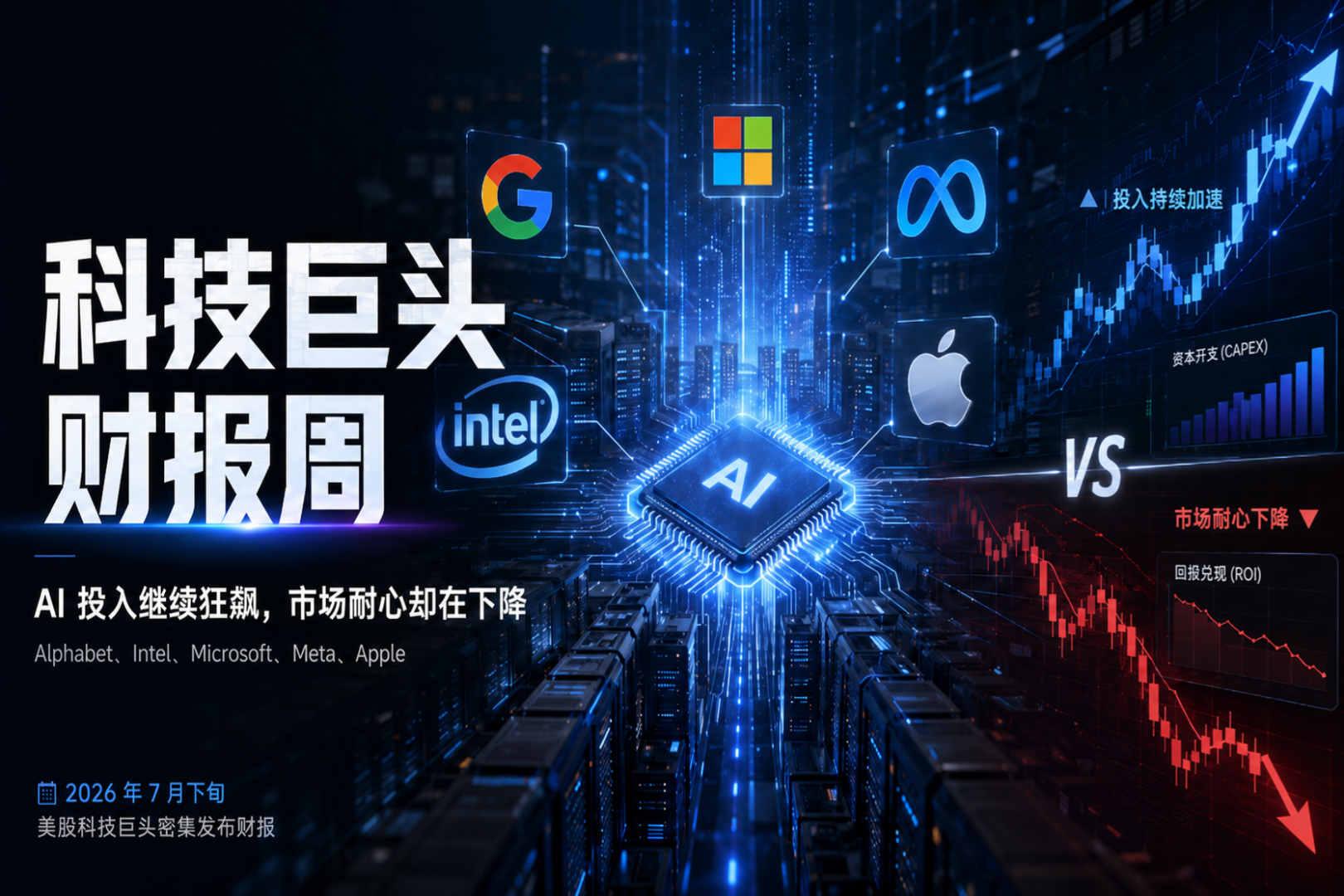
When the Market Begins to Question AI Capex: A Full Analysis of Q2 Earnings Reports from Five Tech Giants

In late July 2026, five major US tech giants—Alphabet, Intel, Microsoft, Meta, and Apple—released their Q2 earnings reports. While all companies exceeded revenue and profit expectations, driven by strong AI-related business growth, investor reactions diverged sharply due to concerns over escalating AI capital expenditures (capex) and their impact on free cash flow. Alphabet reported strong revenue growth and a surging cloud business, but its stock fell after announcing a doubled year-on-year capex and negative quarterly free cash flow for the first time. Intel posted its strongest revenue growth in over 15 years, but its stock experienced volatile trading after significantly raising its full-year capex guidance. Microsoft saw its stock surge after beating estimates and, crucially, lowering its capex forecast while projecting positive free cash flow. Meta faced the most severe sell-off as its profits declined despite revenue beats, with free cash flow plunging over 90% and its capex guidance raised. Apple reported record June-quarter results, but its stock plummeted after providing Q4 revenue guidance that fell short of expectations, citing supply chain constraints and forex headwinds. The overall takeaway is that the market's focus has shifted from validating AI demand to scrutinizing the timeline for returns on massive AI investments. Companies demonstrating a clearer path to managing capex and preserving free cash flow, like Microsoft, were rewarded, while those signaling continued aggressive spending faced investor skepticism.

Odaily星球日报1 h fa

When the Market Begins to Question AI Capex: A Full Analysis of Q2 Earnings Reports from Five Tech Giants

Odaily星球日报1 h fa

Trading

Spot

Articoli Popolari

Come comprare LA

Benvenuto in HTX.com! Abbiamo reso l'acquisto di Lagrange (LA) semplice e conveniente. Segui la nostra guida passo passo per intraprendere il tuo viaggio nel mondo delle criptovalute.Step 1: Crea il tuo Account HTXUsa la tua email o numero di telefono per registrarti il tuo account gratuito su HTX. Vivi un'esperienza facile e sblocca tutte le funzionalità,Crea il mio accountStep 2: Vai in Acquista crypto e seleziona il tuo metodo di pagamentoCarta di credito/debito: utilizza la tua Visa o Mastercard per acquistare immediatamente LagrangeLA.Bilancio: Usa i fondi dal bilancio del tuo account HTX per fare trading senza problemi.Terze parti: abbiamo aggiunto metodi di pagamento molto utilizzati come Google Pay e Apple Pay per maggiore comodità.P2P: Fai trading direttamente con altri utenti HTX.Over-the-Counter (OTC): Offriamo servizi su misura e tassi di cambio competitivi per i trader.Step 3: Conserva Lagrange (LA)Dopo aver acquistato Lagrange (LA), conserva nel tuo account HTX. In alternativa, puoi inviare tramite trasferimento blockchain o scambiare per altre criptovalute.Step 4: Scambia Lagrange (LA)Scambia facilmente Lagrange (LA) nel mercato spot di HTX. Accedi al tuo account, seleziona la tua coppia di trading, esegui le tue operazioni e monitora in tempo reale. Offriamo un'esperienza user-friendly sia per chi ha appena iniziato che per i trader più esperti.

360 Totale visualizzazioniPubblicato il 2025.06.04Aggiornato il 2026.06.02

Come comprare LA

Discussioni

Benvenuto nella Community HTX. Qui puoi rimanere informato sugli ultimi sviluppi della piattaforma e accedere ad approfondimenti esperti sul mercato. Le opinioni degli utenti sul prezzo di LA LA sono presentate come di seguito.

活动图片