介绍5种在熊市中参与NFT的策略

Cointelegraph中文Published on 2022-08-10Last updated on 2022-08-10

Abstract

熊市并非意味绝无希望,我们依然可以在熊市中布局NFT。接下来将为大家介绍5种参与NFT的策略。

假设现在是2018年的熊市,区块链领域我们拥有哪些机会呢?当时还没有DeFi,没有NFT,也没有DAO。

虽然历史依然在重演——2022年又开始了新一轮的熊市,加密货币价格从历史高点暴跌,但这并非意味着熊市中绝无希望。我们依然可以在熊市中布局NFT。这篇文章将为大家介绍5种参与NFT的策略。

1. 创建自己的NFT

许多当代传奇的NFT创作者在几年前就开始尝试NFT了。他们当时没有所有的答案,好奇地摸着石头过河,最终才创作出令人瞩目的NFT。现在,他们中的许多人被誉为先锋,因为他们的坚持不懈,他们的作品也受到了数字收藏家的高度追捧。

如果你对NFT充满好奇,想要自己创建NFT,期待复刻前辈们的成功,那你必须采取真正的行动,发表你自己的作品。好消息是,你可能不需要像NFT元老们那样等待数年才能吸引公众兴趣。现在,NFT受到了如此多的关注,你的作品可能很快就会为你带来第一笔收入。

现在已经有很多种NFT工具,可以让你轻松创建自己的NFT作品。这些工作包括:

Zora——最具Web3特质的NFT市场协议!这个工具提供了各种自己动手的NFT机制,比如拍卖行系统、版本空投变体、链上SVG等等。

Manifold——提供优秀的web3基础架构来创建你自己的NFT智能合约。想要完全掌控自己的智能合约吗?那就试试Manifold Studio。这个工具支持一系列文件类型和元数据更新。

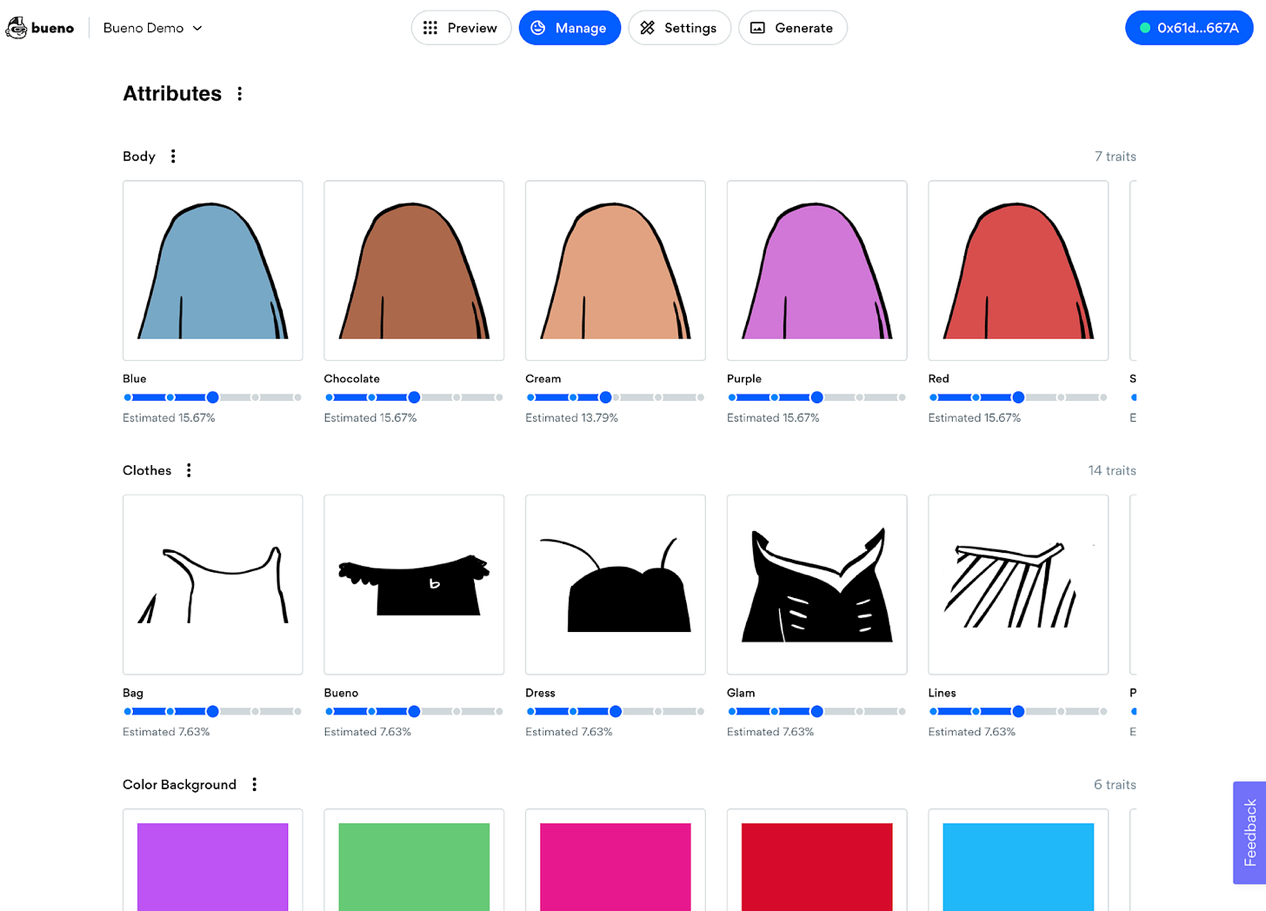
Bueno —— Bueno提供了一套无代码工具,允许你随时定制大型PFP NFT系列的艺术品,并为此类项目部署定制智能合约。Bueno还为NFT项目提供了一个DIY的微型元宇宙构建器,为社区创建有趣的活动。
2. 从Zora Finders Fee赚取推荐佣金
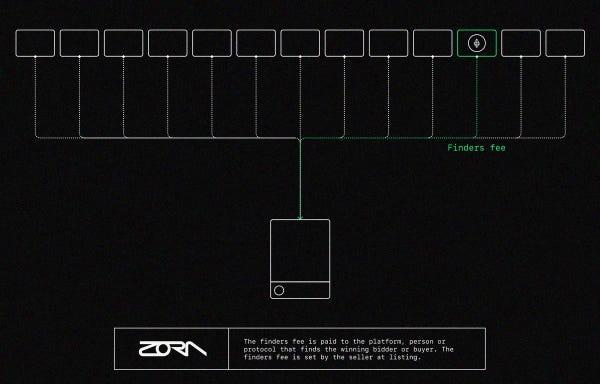
Finder's Fee:NFT 推荐的链上商业模式

如果你不喜欢自己创建NFT,而是喜欢浏览和分析其他人创作的NFT,你也可以通过Zora的链上推荐系统来赚取佣金。

前往Zora.co, 使用钱包登录,然后开始浏览上面的NFT。如果你找到了你觉得不错的NFT,点击它,就会进入Zora的控制面板。如果这个NFT设置了Finders Fee(推荐费),点击“Copy”按钮,把链接分享给更多人——一旦有人购买此NFT,你就可以从该NFT的第一次销售中收到一定比例的佣金。

3. 加入免费铸造的项目碰碰运气

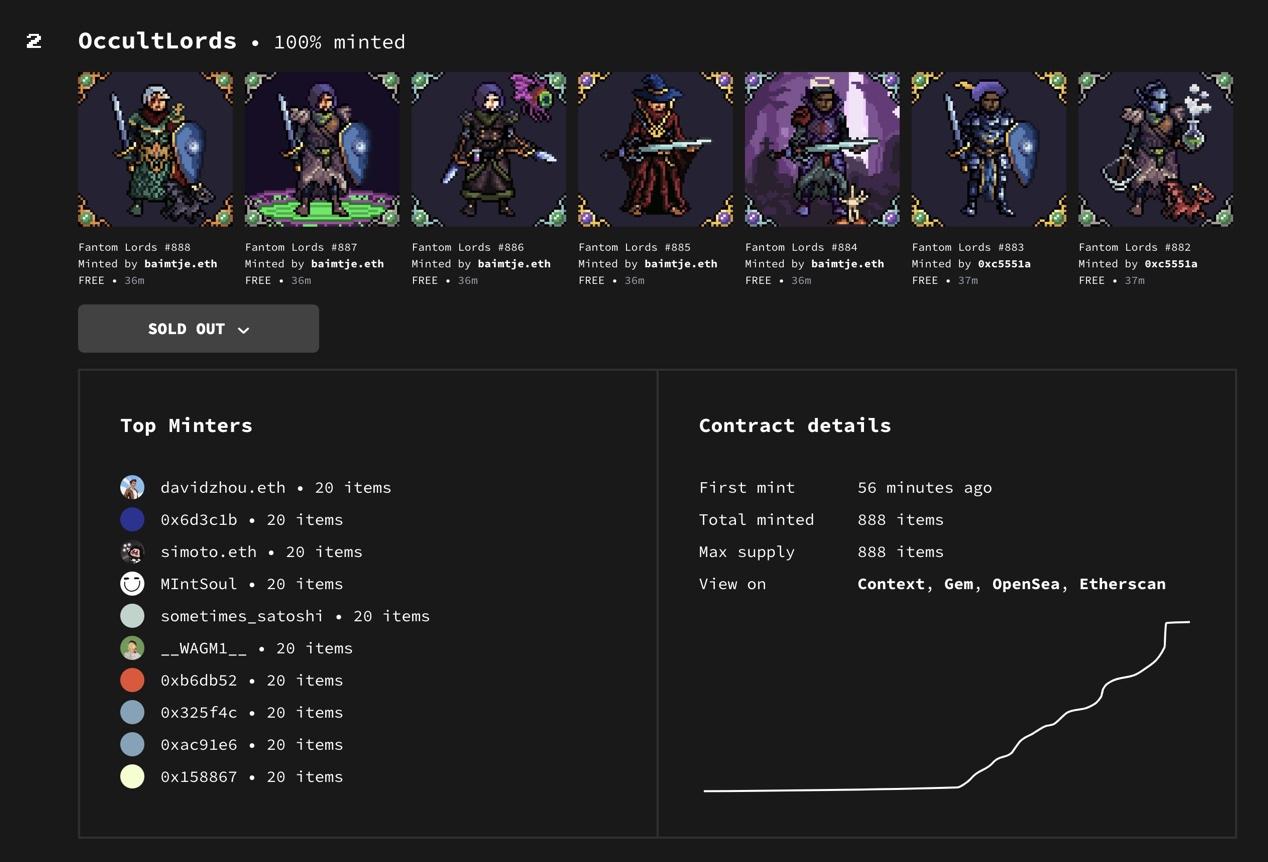
今年,免费铸造的项目已经接管了NFT的生态系统。越来越多的项目让人们免费申请NFT(减去Gas成本),然后优化二次销售版税。

某些项目,比如goblintown.wtf,让他们的早期持有人持续拥有可观的回报。然而,可以毫不费力地说,如今大多数免费的NFT项目都没有什么进展,所以你肯定不想把所有的精力都放在这上面。

从另一个角度看,加入这些项目的成本很低,因为铸造基本上是免费的,所以可能值得不时地尝试一些项目,万一有一个成功了呢?这就像转轮盘一样,开始时花一笔小钱,期待在极少数情况下赚大钱。
4. 生产NFT内容

如果你满身才华无处施展,你可以写帖子,制作歌曲或者录制视频。无论你使用哪种内容制作方式,只要是有价值的,就可以坚持下去,从而建立自己的受众基础。
现在越来越多人想要学习和体验NFT,他们对这些数字内容的兴趣可能远超你的想象。如果你坚持创作内容,久而久之,你会惊讶地发现,会有那么多人向你提供很酷的职业机会,因为这时候的你已经成为某种权威。

5. 加入NFT初创企业

如果你不想做独来独往的自由职业者,而是成为一个紧密结合的NFT团队的一员,你会看到很多很有前途的NFT项目正在招聘各种各样的职位,有很多机会供你选择。

比如NFT顾问、社区管理员、设计师等等,包含各种技能组合的职位,而且如果你对NFT感兴趣,更容易在招聘中受到青睐。

以上就是在熊市中参与NFT的5种方式。虽然NFT并不是适合所有人的万能解决方案,现在仍是一个相对小众的领域,但NFT确实提供了与众不同的机会。

Related Reads

Base Halts for Two Hours: A Single Invalid Block Reveals the Centralized Reality of L2s

Base, an Ethereum Layer-2 Rollup, experienced a two-hour network outage starting around 00:03 UTC on June 26. The halt was caused by a consensus issue that led to an invalid block being sequenced, which prevented the generation of new blocks after block 47806542. The team identified the problem, restored block sequencing by 01:51 UTC, and confirmed full recovery of ecosystem infrastructure synchronization shortly after. This incident highlights the operational reality for many L2s: while they leverage Ethereum for security and data availability, their day-to-day usability heavily depends on their sequencer and internal systems. Base employs a high-availability sequencer system with one active leader, but this setup did not prevent the outage when a consensus-level problem arose. This follows a previous 33-minute outage in August 2025 related to a faulty sequencer handover process. The downtime occurred near the scheduled activation window for the "Beryl" network upgrade, which has since been postponed. Beryl introduces the native B20 token standard, among other improvements. The incident has sparked renewed discussion about Base potentially launching its own network token in the future, shifting the conversation from mere speculation to questions about how a token might relate to sequencer decentralization, governance, and accountability in such failure scenarios.

Foresight News6m ago

Base Halts for Two Hours: A Single Invalid Block Reveals the Centralized Reality of L2s

Foresight News6m ago

STRC Must Re-Anchor for a BTC Bull Market to Happen

Title: STRC's Depegging Threatens MicroStrategy's Bitcoin-Buying Machine, and Thus the BTC Bull Run Summary: The sustained depegging of MicroStrategy's priority share STRC (trading ~25% below its $100 target) is severely disrupting the company's core business model and poses a major risk to Bitcoin (BTC) price support. STRC was MicroStrategy's most efficient and low-cost funding tool, designed to allow continuous capital raises near its $100 par value to fuel relentless BTC accumulation. Its depegging has effectively blocked this primary funding channel. The situation creates a severe cash flow crisis. STRC and other priority shares now obligate MicroStrategy to pay approximately $1.7 billion in annual cash dividends, while the company's cash reserves are only about $1.4 billion — insufficient to cover one year of payments. To raise cash, MicroStrategy is increasingly resorting to issuing common stock (MSTR) through ATM offerings. However, recent raises show most proceeds (around 90% in one week) are now used to bolster cash reserves rather than buy Bitcoin. This dilutes the key metric of Bitcoin per MSTR share, eroding the fundamental value proposition for equity investors. The company faces grim alternatives: issuing high-cost debt or selling its massive Bitcoin holdings. The latter, though hinted at, would likely trigger significant negative market reactions. Conclusion: As BTC's largest corporate holder and a major marginal buyer, MicroStrategy's funding woes mean reduced, and potentially reversing, institutional buy-side pressure. The company has shifted from being a guaranteed source of BTC demand to a significant overhang on the market. The article argues that without STRC re-anchoring to restore its funding engine, a sustained BTC bull market is in jeopardy.

marsbit27m ago

STRC Must Re-Anchor for a BTC Bull Market to Happen

marsbit27m ago

No Bull Market for BTC Without STRC Re-pegging

Summary: The sustained de-pegging of MicroStrategy's (MSTR) Strategy Preferred Shares (STRC) poses a severe threat to Bitcoin (BTC) and could prevent a bull market. STRC, designed to trade near a $100 target, has plunged to around $75, effectively shutting down MicroStrategy's cheapest and most efficient funding channel. This channel was critical for its "raise funds, buy BTC" business model. More critically, MicroStrategy now faces a massive cash outflow from these preferred shares. With approximately $10.49 billion of STRC outstanding at an 11.5% dividend yield, the annual cash obligation exceeds $1.2 billion. Combined with other preferred shares, the total annual payout nears $1.7 billion, depleting its current ~$1.4 billion cash reserve within a year. To address this, MicroStrategy is increasingly relying on common stock (MSTR) offerings via its ATM program. However, recent sales show most raised capital is now used to bolster cash reserves rather than buy more Bitcoin. This dilutes the key metric of BTC per share for common stockholders, eroding the foundation of its premium valuation. If STRC cannot re-peg, this costly dilution may continue. Worse, if cash pressure intensifies, selling Bitcoin becomes a real risk. As the largest corporate BTC holder (~847,363 BTC), any significant sales could crash the market. Thus, MicroStrategy is transforming from BTC's most reliable institutional buyer into a major potential seller, casting a significant shadow over Bitcoin's price prospects.

Odaily星球日报27m ago

No Bull Market for BTC Without STRC Re-pegging

Odaily星球日报27m ago

Tornado Cash Suffers Another Governance Attack: A Fake Proposal Targets $23 Million Community Treasury

On June 25, 2026, a deceptive governance proposal (#67) appeared in the Tornado Cash DAO, masquerading as an upgrade to implement fee adjustments and token burns. Security researchers, including Sergey Shemyakov and Pascal Caversaccio, quickly identified it as malicious. The proposal's unverified code contained a hidden function designed to stealthily replace the protocol's legitimate governance address (0x5efda50f22d34F262c29268506C5Fa42cB56A1Ce) with an attacker-controlled address (0x5efda50f22d34f272c7077689d6abc42f15e285f). If passed, this would have granted the attacker control over the DAO's treasury, containing approximately $23 million in TORN tokens, and the ability to drain all relayers. The attacker's wallet (0xd4eca8c9242b9f9faa3cf19a78defc21dc97a925) was funded via the privacy protocol Railgun four days prior, obscuring the source. The community response was swift, with the proposal receiving 27,163 TORN votes against (100%) and 0 for, far below the 100,000 TORN quorum required for validity. It is set to expire on June 30. This incident marks the second major governance attack on Tornado Cash, following a May 2023 exploit that stole $2.17 million. It highlights persistent vulnerabilities in DAO structures where power derives from token ownership. The article advises users to follow security researchers, vote against unverified proposals, and delegate voting power. For developers, implementing timelocks—a delay between proposal approval and execution—is presented as a critical security measure to allow for community review and intervention.

Foresight News47m ago

Tornado Cash Suffers Another Governance Attack: A Fake Proposal Targets $23 Million Community Treasury

Foresight News47m ago

Trading

Spot
Futures
活动图片