Крупные держатели сбрасывают биткоины — достиг ли бычий рынок пика?

cryptonews.ruPublished on 2025-01-13Last updated on 2025-11-14

Биткоин-киты активизировали с продажи. По данным Arkham, трейдер Оуэн Гунден (Owen Gunden) перевел на биржу Kraken биткоины на сумму $237 млн. Но прежде чем поддаваться панике, стоит разобраться: действительно ли киты массово сбрасывают монеты или это просто естественная часть рыночного цикла?

Аналитики Glassnode уверены: никакого «великого исхода китов» не происходит. То, что сейчас наблюдается — обычное поведение для поздней стадии бычьего рынка, когда долгосрочные инвесторы фиксируют прибыль.

Среднемесячные расходы долгосрочных держателей выросли с 12 000 биткоинов в день в начале июля до 26 000 по состоянию на четверг. Звучит пугающе? На самом деле это указывает на равномерное и постепенное распределение активов, а не на панические продажи.
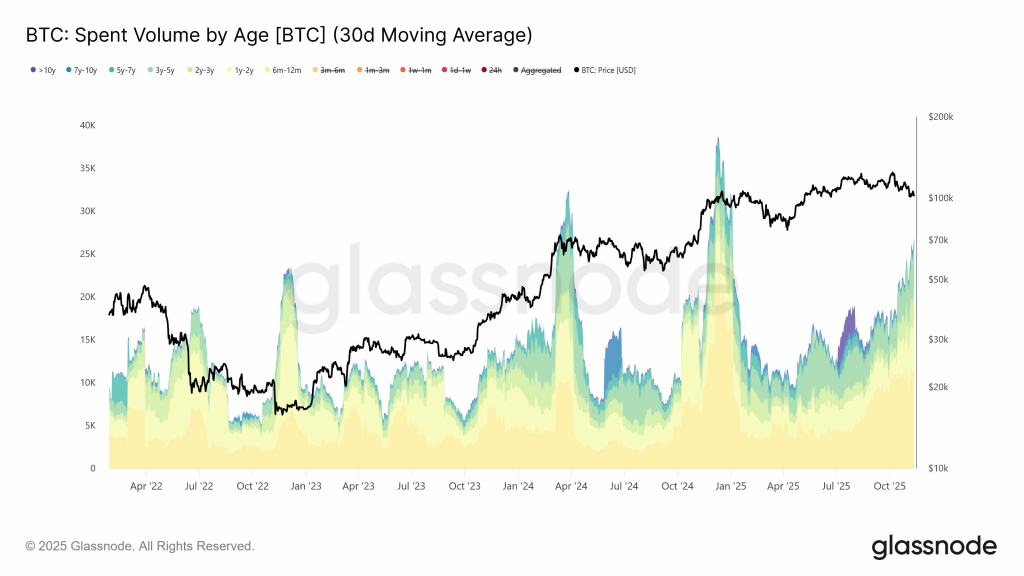
Среднемесячные расходы долгосрочных держателей. Источник: Glassnode

«Долгосрочные держатели фиксируют прибыль на протяжении всего цикла, как это было во всех предыдущих случаях», — отмечают в Glassnode. Устойчивый рост продаж отражает растущее давление распределения от старых инвесторских когорт — типичная картина для поздней стадии фиксации прибыли.

Поздний этап цикла не означает конец роста

Продажи китов представляют собой ротацию прибыли, а не панику. Это указывает на позднюю фазу бычьего цикла, но не обязательно означает, что рынок достиг пика — особенно если есть покупатели, готовые поглотить новое предложение.

Поздняя стадия цикла не означает, что рынок исчерпал потенциал роста — просто импульс ослаб, а основную роль играют макроэкономические факторы и ликвидность. Ослабевающие ожидания снижения процентных ставок и краткосрочная слабость притормозили рост, но не остановили его.

Данные блокчейна говорят о приближении дна: на это указывает коэффициент чистой нереализованной прибыли биткоина на уровне 0,476.

Четырехлетний цикл под вопросом

Пики рынка наблюдаются примерно через четыре года. В декабре 2017 года — через 1067 дней после дна, в ноябре 2021 года — примерно через 1058 дней после минимума. Недавний исторический максимум 6 октября 2025 года наступил через 1050 дней после формирования дна. С этой точки зрения вполне вероятно, что цикл уже достиг пика.

Однако концепция четырехлетнего цикла далеко не безупречна. Примеров для анализа слишком мало, а биткоин продолжает развиваться с новой динамикой спроса благодаря ETF и корпоративным инвестициям.

Такие покупатели не ориентируются на циклы и не следуют четырехлетнему ритму. Их активность недавно снизилась, но ситуация может быстро измениться. Таким образом, существуют фундаментальные причины, по которым биткоин может отойти от четырехлетнего цикла, но именно сейчас проверяется их влияние.


Related Reads

Bitwise CIO: STRC Plunge is a Bottom Signal, Bull Market to Begin in Autumn

Matt Hougan, Chief Investment Officer at Bitwise, explains the recent Bitcoin price drop below $60,000 and its connection to the steep decline in MicroStrategy's STRC (Strategy's Perpetual Preferred Stock). STRC, designed as a high-yield, stable-price instrument, fell from its $100 target to $75 due to market fears over MicroStrategy's ability to sustain its dividend amid Bitcoin's price weakness. Hougan clarifies that while MicroStrategy's overall financial position remains strong, with significant Bitcoin holdings and cash, the core market anxiety centered on the optional nature of the dividend payments. In response, MicroStrategy announced a new operational framework: it will sell some Bitcoin as needed to fund dividends, will no longer actively defend the $100 share price through dividend hikes, and may repurchase STRC on the open market. This shift marks a change in MicroStrategy's role from a consistent, one-way buyer of Bitcoin to a more dynamic participant that may both buy and sell. According to Hougan, the STRC volatility is a classic late-cycle event, signaling the painful but necessary process of flushing out excessive leverage from the market. He draws parallels to the unwinding of the GBTC premium in the previous cycle. He identifies key potential bottoming signals: MSTR trading at a discount to its net asset value (NAV), extreme readings on the Crypto Fear & Greed Index, and persistently negative Bitcoin funding rates. Hougan concludes that while the exact timing of the market bottom is unpredictable, the current deleveraging phase suggests it is near. He expresses confidence that a new bull market will begin in the fall of this year, with the next major wave of buying expected to come from institutional investors like banks, asset managers, and pension funds.

Foresight News42m ago

Bitwise CIO: STRC Plunge is a Bottom Signal, Bull Market to Begin in Autumn

Foresight News42m ago

ENS Founder Seeks to 'Seize Power' from DAO

On June 29th, the ENS community entered the on-chain voting phase for a proposal to renew the ENS DAO Security Council's veto power for two more years. Shortly after voting began, ENS founder Nick Johnson used his substantial ENS holdings to cast over 3.55 million votes against the proposal, swinging the outcome despite initial strong support. The Security Council was established in July 2024 with a 4/8 multisig veto power to protect the DAO's treasury (valued over $350 million) from malicious proposals during a period of low voter participation. Its powers were limited to vetoing only harmful proposals, not normal ones. Nick Johnson's opposition stems from broader concerns about ENS DAO's governance. In late 2025, he and others expressed frustration that the DAO had become mired in political gamesmanship, with capable contributors leaving and leadership falling to less experienced or misaligned parties. This context set the stage for a major restructuring proposal by ENS COO Katherine Wu on June 19th, titled "Next Era of ENS DAO: Empowering the ENS Foundation." The controversial proposal aims to transfer daily operations, treasury management, and long-term strategy to a restructured ENS Foundation with a professional board, while the DAO would retain core protocol governance powers. Critics, including original ENS constitution author Brantly Millegan, argue this effectively transfers treasury control from token holders to ENS Labs (the core development team), undermining the DAO's original decentralized design. Nick's massive "no" vote on the Security Council renewal is seen as the first move in this power struggle. He explained his vote was due to concerns about insufficient checks on the Council's power and the potential for its veto to be used politically. In response, Katherine Wu submitted a revised proposal with higher execution thresholds (5/8 instead of 4/8) and stricter limits. The push for change comes as ENS's annual revenue has declined significantly, from over $10 million in 2023 to under $2 million in 2025, increasing pressure to manage the treasury more effectively. Nick Johnson now faces the challenge of proving that a more structured foundation can steer ENS better than the current DAO model.

Foresight News1h ago

ENS Founder Seeks to 'Seize Power' from DAO

Foresight News1h ago

Trading

Spot
活动图片