Consensys Taps JPMorgan and Goldman Sachs for IPO Plans

TheCryptoTimesPublished on 2025-10-30Last updated on 2025-10-30

Consensys, the company that created the well-known MetaMask wallet, is getting ready to go public. This move could become one of the biggest crypto-related listings in recent years, showing that investor interest in blockchain companies is making a strong comeback. 

As reported by Axios, the Ethereum-focused firm has brought in JPMorgan and Goldman Sachs to help with its IPO plans. The timing shows that confidence in digital assets is returning after a long stretch of strict regulations and uncertainty. 

Consensys, founded by Ethereum Co-Founder Joseph Lubin, now joins Circle, Gemini, and Bullish in pursuing public listings this year. Circle went public in June with a $6.9 billion valuation, while Bullish listed on the New York Stock Exchange (NYSE) in August.

Regulatory progress and strategic momentum

Earlier this year, the Securities and Exchange Commission (SEC) dropped its lawsuit against Consensys over MetaMask’s staking services. The case had accused the firm of acting as an unregistered broker. However, the SEC’s decision to dismiss it cleared a major hurdle for Consensys ahead of its potential listing. Consequently, the move also reflected a softer stance in U.S. crypto enforcement under the President Donald Trump administration.

Moreover, MetaMask has been on an innovation streak. Last month, CEO Joseph Lubin confirmed the wallet will soon launch its long-awaited MASK token. Additionally, MetaMask recently introduced perpetual futures trading and an incentive system for users. 

The company also hinted at integrating prediction markets through Polymarket. “These launches follow MetaMask’s recent confirmation that it will launch a token… as part of its broader strategy to open new ways for users to engage,” the firm said.

Beyond MetaMask, Consensys supports SharpLink, an Ethereum treasury management firm that plans to deploy $200 million into on-chain yield strategies. The funds will run through Linea, Consensys’ Layer 2 network designed to make Ethereum faster and cheaper.

Consensys’s IPO shows that big investors are regaining trust in the crypto market. It also puts MetaMask’s parent company among the leading players driving Ethereum’s next growth phase.

Also Read: MegaETH ICO Draws Nearly $1 Billion in Frenzied Bidding


Mobile Only ImageMobile Only Image

Trending Cryptos

Related Reads

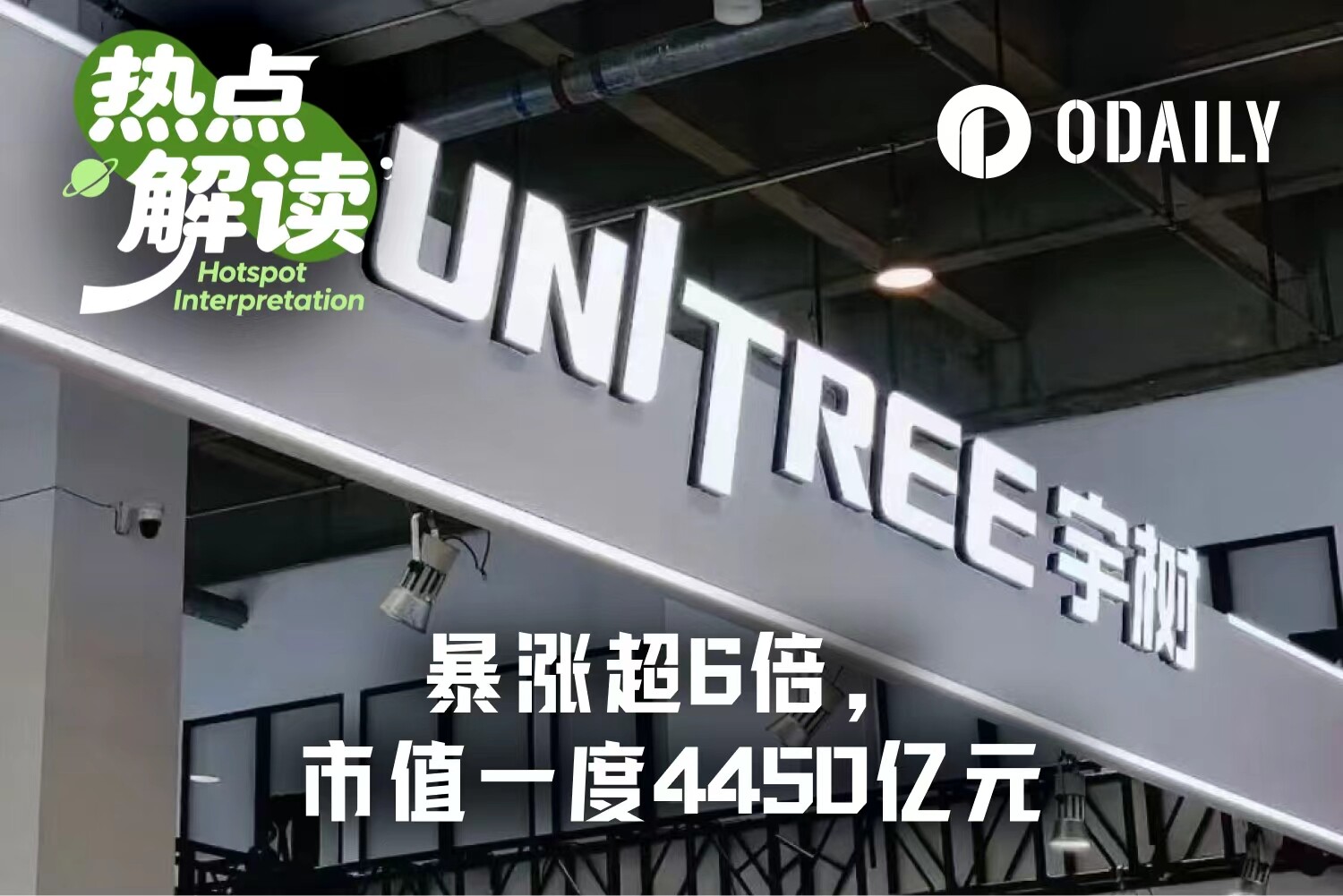
After Changxin, Yushu Takes the Lead: The Value and Weight of the First Humanoid Robot Stock

On August 19, 2026, Unitree Robotics (688836.SH), known as China's "first humanoid robotics stock," officially listed on the Shanghai Stock Exchange's STAR Market. The stock opened at 1,100 yuan, a surge of 629.44% from its 150.80 yuan IPO price, with its market capitalization briefly reaching 445 billion yuan. This highlights intense market enthusiasm for the humanoid robot sector. The IPO was characterized by high demand and low circulation, with only 7.44% of shares initially tradable. This scarcity, coupled with strong investor interest (record-high participation and a low 0.0181% lottery win rate), contributed to the dramatic price surge. Founder Wang Xingxing, holding over 31% of shares, saw his wealth exceed 110 billion yuan, making him China's wealthiest "post-90s" entrepreneur. Major institutional backers like Meituan, DeepSeek, Tencent, and Sequoia China also reaped substantial gains. Key to the valuation is Unitree's status as a profitable company in a field where many competitors are not. In 2025, it achieved 600 million yuan in adjusted net profit and delivered over 5,500 humanoid robots, ranking first globally in shipments. However, over 70% of its humanoid revenue still comes from R&D and education, with industrial applications accounting for only about 9%, indicating early-stage commercialization. The company faces competition from global players like Figure AI (est. $39-40B valuation), Boston Dynamics, and Tesla's Optimus, as well as domestic rivals like Zhiyuan and Ubtech. To become the "global humanoid robotics leader," its market cap would need to exceed 500 billion yuan. Market opinions on its future are divided: optimists cite its profitability, leading shipments, and strategic tie-up with DeepSeek; the cautious point to high valuations and unproven mass-market adoption; a neutral view expects a post-surge consolidation into an "earnings verification phase." Risks include high valuation digestion pressure, slower-than-expected commercialization in industrial/household settings, potential US FCC regulatory impacts on new models, intense competition, rapid technological iteration, and short-term stock volatility. The IPO marks a significant milestone, but Unitree's path to becoming a global leader remains challenging.

Odaily星球日报22m ago

After Changxin, Yushu Takes the Lead: The Value and Weight of the First Humanoid Robot Stock

Odaily星球日报22m ago

Token Economy Surges, Have Ordinary People Got a Slice of the Pie?

Token Frenzy: Is the Average Person Getting a Piece of the Pie? As AI adoption soars in China, daily Token consumption—the basic unit for AI text processing—has skyrocketed, exceeding 140 trillion. This "Token economy" is often measured like GDP, touted as a sign of progress. However, this metric primarily reflects supply-side activities: corporate investment, infrastructure scaling, and platform revenues. The crucial question of whether this growth translates into tangible benefits for ordinary citizens—higher wages, better jobs, improved public services, or increased leisure—remains largely unanswered. The article argues there's a fundamental mismatch. Policy, exemplified by subsidies in Beijing's Yizhuang district, often stimulates "demand" by incentivizing companies to consume more Tokens (an intermediate business cost), rather than by boosting household income or final consumer spending. This creates a closed loop where growth in Token usage justifies further production capacity expansion, without necessarily extending value to the broader population. Several disconnects are highlighted. High Token usage doesn't equal completed tasks, increased profits, or macroeconomic productivity gains. Even when corporate efficiency improves, the benefits may not trickle down due to existing economic structures favoring investment over household consumption. The risk is that AI, a genuinely productive technology, becomes another tool for supply-side expansion within a system adept at measuring output (like server capacity and call volumes) but less focused on distributing the gains widely. Drawing a parallel to Henry Ford's assembly line, the piece notes that Ford's revolution combined ruthless production efficiency with a social compact (higher wages, stability) that enabled mass consumption. Today's "Token economy" narrative enthusiastically champions the first part—process re-engineering and cost reduction—but lacks a credible mechanism for the second: ensuring that productivity gains lead to broader societal welfare. The ultimate challenge is not whether Tokens have value, but whether their economic benefits can escape a system that excels at building supply but struggles to cultivate its own demand.

marsbit1h ago

Token Economy Surges, Have Ordinary People Got a Slice of the Pie?

marsbit1h ago

Overnight Global Shock: Why Did AI Stocks Plunge Across the Board?

Overnight, U.S. AI-related stocks fell sharply, with the Nasdaq down 1.33% and the Philadelphia Semiconductor Index plunging nearly 5%. Panic spread globally, dragging down Asia-Pacific markets. Key negative drivers included: 1. **Geopolitical Tension & Macro Pressure:** Escalating U.S.-Iran tensions pushed oil prices higher, fueling inflation fears and expectations of prolonged high interest rates. Rising bond yields pressured high-valuation, capital-intensive AI stocks, especially as soaring AI infrastructure financing costs became evident. 2. **AI Commercialization Concerns:** OpenAI's Q2 results showed slowing revenue growth and widening losses, dampening market optimism about near-term AI application profitability. This shifted investor focus from pure capital expenditure narratives to actual commercial returns. 3. **Supply Chain Uncertainty:** U.S.-South Korea semiconductor investment disputes intensified. Market fears that Korean memory giants (Samsung, SK Hynix) face a dilemma—either divert capital to costly U.S. production or risk trade barriers—disrupted the critical HBM memory sector, amplifying sell-offs via leveraged ETFs. While long-term AI demand remains, the market is now scrutinizing real profitability, financing costs, and supply chain stability rather than paying premiums for unchecked growth stories. For markets like China's A-shares, the impact is primarily sentiment-driven, requiring distinction between short-term panic and fundamental deterioration.

marsbit1h ago

Overnight Global Shock: Why Did AI Stocks Plunge Across the Board?

marsbit1h ago

Trading

Spot

Hot Articles

How to Buy WELL

Welcome to HTX.com! We've made purchasing Moonwell Artemis (WELL) simple and convenient. Follow our step-by-step guide to embark on your crypto journey.Step 1: Create Your HTX AccountUse your email or phone number to sign up for a free account on HTX. Experience a hassle-free registration journey and unlock all features.Get My AccountStep 2: Go to Buy Crypto and Choose Your Payment MethodCredit/Debit Card: Use your Visa or Mastercard to buy Moonwell Artemis (WELL) instantly.Balance: Use funds from your HTX account balance to trade seamlessly.Third Parties: We've added popular payment methods such as Google Pay and Apple Pay to enhance convenience.P2P: Trade directly with other users on HTX.Over-the-Counter (OTC): We offer tailor-made services and competitive exchange rates for traders.Step 3: Store Your Moonwell Artemis (WELL)After purchasing your Moonwell Artemis (WELL), store it in your HTX account. Alternatively, you can send it elsewhere via blockchain transfer or use it to trade other cryptocurrencies.Step 4: Trade Moonwell Artemis (WELL)Easily trade Moonwell Artemis (WELL) on HTX's spot market. Simply access your account, select your trading pair, execute your trades, and monitor in real-time. We offer a user-friendly experience for both beginners and seasoned traders.

3.0k Total ViewsPublished 2024.03.29Updated 2026.06.02

How to Buy WELL

What is $WELL

WELL3, $$WELL: Revolutionizing Health and Wellness with DePIN and AI Introduction In the rapidly evolving landscape of digital technology, the health and wellness sector stands at the forefront of innovation, striving to enhance patient care and promote healthier lifestyles. A groundbreaking player in this domain is WELL3, a pioneering Web3 project that seeks to revolutionize how individuals engage with their health. By leveraging technologies such as Decentralized Physical Infrastructure Network (DePIN), Decentralized Identity (DID), and Artificial Intelligence (AI), WELL3 aims to foster secure, data-empowered health journeys. This comprehensive article delves deep into the core aspects of WELL3, $$WELL, exploring its functionalities, creators, investors, and unique features. What is WELL3, $$WELL? WELL3 serves as an innovative platform set to redefine the approach towards health and wellness. Focused on integrating DePIN and DID alongside AI systems, the project is designed to create personalized user experiences while ensuring the safety and privacy of individuals' health data. With an impressive figure of over one million pre-registered users, the primary mission of WELL3 revolves around enhancing well-being through secure, data-driven health journeys. At its core, WELL3 employs advanced blockchain technologies to ensure that users have complete control over their personal information. This project not only addresses the challenges of data security and accessibility but also aspires to create a vibrant community connected by a shared commitment to better health. Key Features of WELL3: DePIN and DID: These technologies enable secure ownership and authentication of data, giving users full control over their information. AI Integration: Utilizing AI analytics, WELL3 offers personalized insights and solutions tailored to individual health needs. Community Engagement: Facilitates a supportive environment where users can connect, share experiences, and motivate each other toward healthier living. Creator of WELL3, $$WELL The identity of the creator of WELL3 remains unspecified in the available information. As the project progresses, further details may emerge, shedding light on the visionary minds behind this transformative initiative. Investors of WELL3, $$WELL WELL3 has garnered support from a myriad of influential investment entities, highlighting its credibility and potential in the health and wellness space. Notable investors include: Animoca Brands AWS Samsung The Spartan Group Blocore Fenbushi Capital Newman Group Soul Capital XY Finance Lumoz The backing from these established organizations demonstrates a strong belief in WELL3's mission, providing it with the necessary resources to innovate and expand its offerings. How Does WELL3, $$WELL Work? WELL3 operates by melding cutting-edge technologies in a multichain framework, ensuring a seamless and innovative user experience. Below are some factors that uniquely position WELL3 in the wellness market: 1. Secure Data Ownership With the integration of DePIN and DID, users can maintain complete control over their personal health information. This layer of security is paramount in today's digital age, where data breaches and unauthorized access are rampant. Through WELL3, data ownership is decentralised, enabling users to manage their information proactively. 2. Personalization through AI WELL3 implements AI-driven analytics to provide users with tailored health insights. By harnessing the power of AI, the platform can offer individualised recommendations and solutions, encouraging users to achieve their health goals more effectively. 3. Multichain Framework The WELL3 project is designed to work across multiple blockchain platforms, including Bitcoin, Ethereum, Polygon, Solana, Blast, and TON. This multichain capability ensures that users can interact with the platform seamlessly across different networks, enhancing accessibility and usability. 4. WELL Token Central to the WELL3 ecosystem is the WELL Token, which serves multiple functions including utility, governance, and rewards. The token allows for ecosystem participation, supports health data sharing, and incentivizes users based on their engagement with the platform. Timeline of WELL3, $$WELL The trajectory of WELL3 showcases significant milestones in its development, each contributing to the project's overall success. Here is a brief timeline of critical events in the history of WELL3: February 10, 2024: WELL3 launched its NFT project, quickly rising to prominence as the largest NFT collection on the opBNB chain with over 324,000 owners and reaching 8 million NFTs created by April 27, 2024. Public Sale: The project achieved a remarkable total value locked (TVL) of approximately 15,237.2 ETH within just seven days, indicating robust market interest and backing. WELL ID Launch: The platform saw over 900,000 users sign up for the WELL ID and its corresponding NFT Ring whitelist, marking a significant adoption phase within the ecosystem. Partnership Development: WELL3 established partnerships with leading entities including Animoca Brands, AWS, Samsung, and others to enhance its ecosystem and expand its reach. Transaction Volume: WELL3 has facilitated over $17 million in transactions, reflecting its growing utility and engagement within the health and wellness community. Key Points About WELL3, $$WELL As a progressive initiative shifting towards the wellness market, WELL3 has identified several vital elements that will contribute to its ongoing success. Here are some key takeaways to note: Tokenomics The $$WELL token has a maximum supply of 42 billion, with a significant 71% earmarked for community initiatives. This distribution strategy emphasises the project's commitment to its user base and long-term sustainability. Lock-Up Period To ensure stability within the ecosystem, tokens are released in batches over a 24-month lock-up period, promoting trust and confidence among users. Ecosystem Development WELL3's vision extends toward creating a comprehensive and sustainable ecosystem to encourage thriving community engagement, health-enhancing behaviors, and digital solutions that address the pressing needs of the wellness domain. Market Fit The wellness industry, valued at $5.6 trillion, presents a lucrative opportunity that WELL3 aims to tap into. With an anticipated annual growth rate of 5-10%, the project is ideally positioned amid a rising trend towards health-conscious living. Wearables Introducing the WELL3 Ring, a crypto-incentivized wearable, aligns with the growing demand for personalized health data. This device not only enhances user experience but also redefines what it means to be engaged with one’s health in the context of Web3. Conclusion WELL3 represents a significant advancement in the integration of blockchain technology within the health and wellness sector. By addressing crucial issues around data ownership, personalization, and community engagement, this innovative platform offers a forward-thinking solution to enhance individual well-being. With robust backing from notable investors and a commitment to pioneering technologies, WELL3 stands poised to make a lasting impact in the wellness landscape. For those seeking to navigate the complexities of health in the digital age, WELL3 is certainly one to watch as it continues to evolve and grow.

1.1k Total ViewsPublished 2024.07.14Updated 2024.12.03

What is $WELL

Discussions

Welcome to the HTX Community. Here, you can stay informed about the latest platform developments and gain access to professional market insights. Users' opinions on the price of WELL (WELL) are presented below.

活动图片