Tether now holds $135B in U.S. debt – Bigger than South Korea!

ambcryptoPublished on 2025-10-29Last updated on 2025-10-29

Key Takeaways

How is the GENIUS Act influencing Tether’s growth?

It prompted Tether to launch USA₮, a compliant dollar-backed token tailored for U.S. regulations.

Is USDT still the dominant stablecoin? 

Yes, but USDC is gaining ground in transaction volume and institutional adoption.


The rise of stablecoins is increasingly being felt beyond the digital asset market.

Tether becomes the 17th largest U.S. debt holder

Tether’s USDT, the world’s largest stablecoin, now backs its token supply with approximately $135 billion in U.S. Treasury bills, according to recent disclosures.

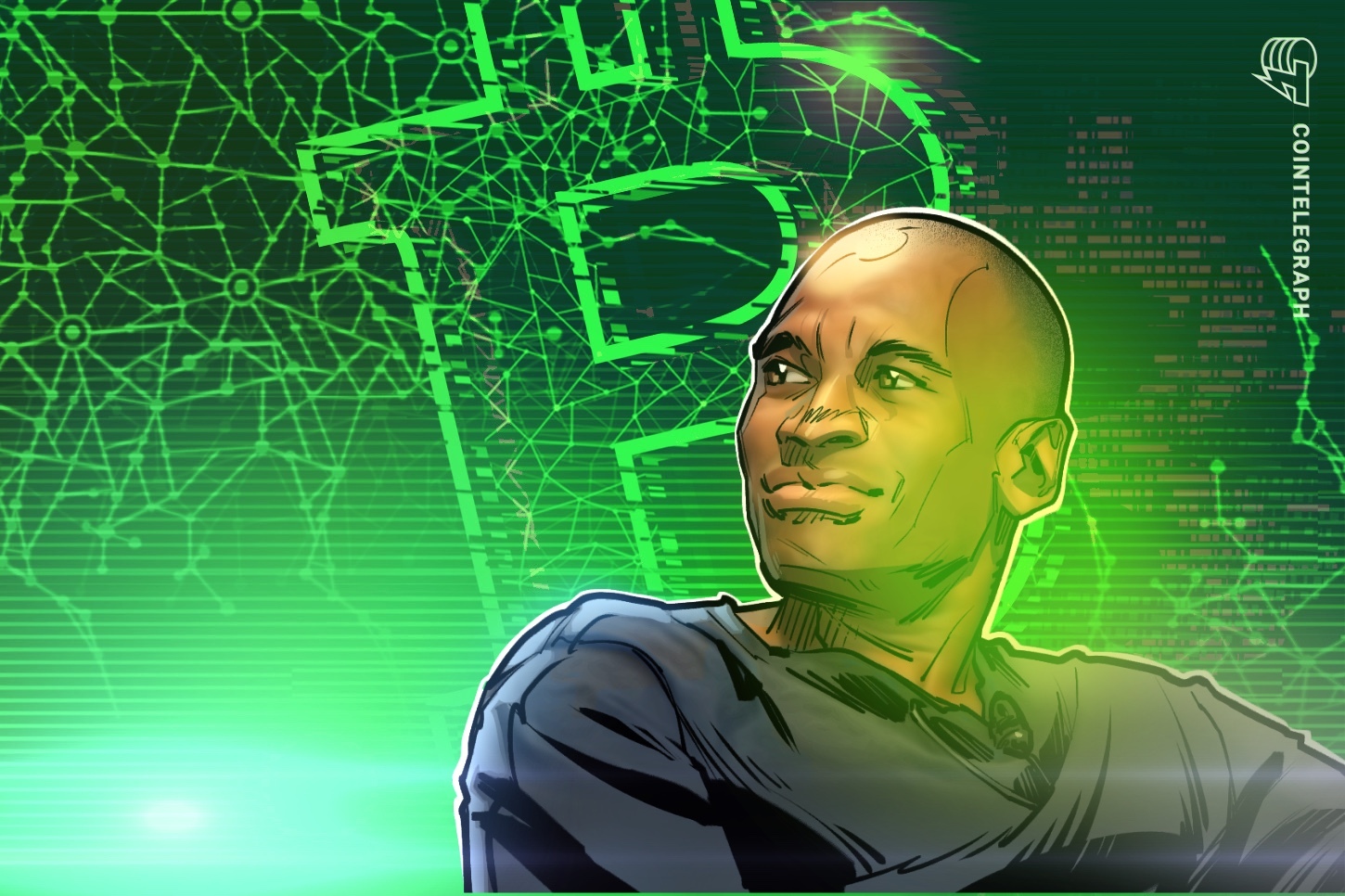
That figure makes Tether the 17th largest U.S. debt holder globally, surpassing countries such as South Korea and nearing Brazil, as noted by Tether’s CEO Paolo Ardoino.

The development underscores how dollar-pegged crypto assets have evolved into meaningful participants in global liquidity flows, particularly in the short-term bond market.

This comes at a time when the stablecoin market is entering a new regulatory and competitive phase, especially after U.S. President Donald Trump signed the GENIUS Act, establishing a clearer regulatory path for compliant stablecoins in the U.S. market.

How is the GENIUS Act boosting Tether’s growth?

In response, Tether introduced USA₮, a dollar-backed token specifically designed to meet the new U.S. regulatory requirements.

Rival issuer Circle, meanwhile, has been expanding partnerships and infrastructure placements, and overseas players like Japan’s JPYC are also scaling operations to tap into rising global stablecoin demand.

At the transaction level, stablecoin usage remains massive.

Visa’s on-chain analytics further show that stablecoins facilitated $6.4 trillion in total transfers over the past 30 days.

While USDT typically leads market activity, October data illustrate a competitive shift.

This is because USDC recorded approximately $669.15 billion in monthly transaction volume, slightly ahead of USDT’s $607.98 billion during the same period.

The figures suggest that while USDT still dominates overall market share and circulation, USDC is gaining meaningful traction in payments and institutional pipelines.

Tether is stepping up its stablecoin game

At the same time, Tether is expanding beyond stablecoins altogether.

Tether Data, the company’s technology unit, recently announced the launch of QVAC Genesis I, a 41-billion-token synthetic dataset built to train science- and engineering-focused AI models.

Alongside it, the firm introduced QVAC Workbench, an application that allows users to run AI models directly on local devices.

USDT vs. USDC

However, AMBCrypto’s analysis shows USDT still leads the market with a 79% share in August 2025, but its dominance is slowly slipping as USDC gains ground.

While USDC offers stronger transparency and fully liquid reserves overseen by BlackRock, USDT’s mix of assets, ranging from Treasuries to Bitcoin and commodities, raises more debate.

However, the 10th October flash de-peg proved that stability isn’t just about reserve composition.

This is because USDT briefly traded above $1 while USDC dipped, highlighting that trust in stablecoins now depends as much on real-world performance as the assets backing them.


Share

Trending Cryptos

Related Reads

"AI Burning Books" Is Actually a Misunderstanding

"AI Book-Burning" Is Actually a Misunderstanding Recent reports about AI companies purchasing used books, scanning them, and then destroying the physical copies have sparked widespread outrage. Terms like "AI is devouring human knowledge" have become common, fueled by dramatic visuals of books being cut and shredded. However, the actual facts reveal a more nuanced story. While companies like Anthropic have indeed spent millions to buy and "destructively scan" several million books for AI training, this volume is a small fraction of the global second-hand book market. The core act—digitizing content and then discarding the physical object—is the opposite of historical book-burning, which aimed to erase knowledge. A key point of contention is the purchase of rare or out-of-print books. Yet, if these books were legally for sale on the open market, the buyer (whether an AI firm or an individual) has the right to do with them as they wish. The real question is whether society has adequate systems to protect books of genuine cultural heritage *before* they are sold. Expecting profit-driven companies to self-regulate on this is unreliable; the solution lies in establishing public rules, such as protected lists for rare editions or granting libraries priority purchase rights. Much of the intense public reaction stems not from the scale of actual harm, but from the powerful symbolism. The image of books being fed into machines taps into deeper anxieties about AI: fears of job displacement, mistrust of tech giants, and the unsettling feeling that humanity is feeding its own cultural past to the systems that might replace it. The outrage over "AI book-burning" is thus less about the physical books and more a proxy for broader societal tensions surrounding artificial intelligence.

marsbit7m ago

"AI Burning Books" Is Actually a Misunderstanding

marsbit7m ago

Robinhood CEO named three benefits of tokenized stocks for American investors

Robinhood CEO Vlad Tenev advocates for the U.S. to allow trading of tokenized stocks domestically. He argues this model could modernize the financial system through three key benefits: **faster, near real-time settlements** reducing counterparty risk and broker capital requirements; **24/7 trading** enabling reaction to market events anytime; and **greater asset portability**, allowing tokens to be moved between platforms and held in self-custody wallets, increasing competition among services. Tenev emphasized tokenization is about rebuilding asset ownership infrastructure for freer movement, similar to information online. He highlighted potential integration with DeFi, where tokenized stocks could be used for lending or as collateral. Currently, Robinhood's stock tokens are not direct ownership of the underlying securities but are backed by them and provide access to economic value like dividends; their structure may evolve with future regulations. Tenev identified outdated securities laws and market infrastructure, developed over a century, as the main U.S. obstacle, urging regulators to adapt rules for blockchain while preserving investor protections. He warned it would be strange if the rest of the world could build the future of ownership around U.S. assets while Americans are left behind, suggesting tokenization could later expand to private company shares and other illiquid assets.

cryptonews.ru28m ago

Robinhood CEO named three benefits of tokenized stocks for American investors

cryptonews.ru28m ago

Trading

Spot

Hot Articles

Discussions

Welcome to the HTX Community. Here, you can stay informed about the latest platform developments and gain access to professional market insights. Users' opinions on the price of S (S) are presented below.

活动图片