Fed signals crypto pivot, floats ‘skinny master account’ for stablecoin players

ambcryptoPublished on 2025-10-22Last updated on 2025-10-23

Key Takeaways

Why is the Fed open to crypto?

According to Gov. Waller, it would reflect the changes that have happened in the sector, including stablecoins. 

What’s the broader benefit of the update to the sector?

Crypto leaders believe it would offer more legitimacy and boost stablecoins and the overall tokenized market. 


Alt HDs

Federal Reserve considers limited access to payment rails for stablecoin firms

Waller says Fed ready to integrate stablecoins into U.S. payment system

The U.S Federal Reserve appears ready to embrace crypto disruption, especially stablecoins. During the first-ever payment innovation conference by the regulator, Fed Governor Christopher Waller instructed the staff to accommodate stablecoin players into the U.S payment rails. 

Waller suggested a limited “skinny master account” that would allow stablecoin issuers and other innovative firms access Fed’s payment rails while mitigating risks. It would also eliminate the need for partner banks. 

Waller added that the sector has gone mainstream and the regulator will embrace it for payment innovations. 

“This is an acknowledgement that distributed ledgers and crypto-assets are no longer on the fringes but increasingly are woven into the fabric of the payment and financial systems.”

Crypto leaders welcome the move

The so-called “master accounts” are like a direct bank account at the Federal Reserve. If fintech and crypto firms get one, then they could hold reserves directly and settle transactions instantly with the Fed. It would also cut overall costs, which increase if they are forced to go through a middleman. 

Some of the beneficiaries of Waller’s proposal would be Ripple, especially since it applied for a Fed master account and banking charter this year. 

The conference was attended by top crypto and tech leaders, and they hailed the move as a game-changer. For his part, Nathan McCauley, CEO and Co-Founder of Anchorage Digital, said

“This will enable a whole host of opportunities to further the US as the leader in payments and stablecoins.”

Fed cryptoFed crypto

Source: X

According to Rob Hadick, General Partner at VC firm Dragonfly, the pivot would make adoption of tokenized assets and stablecoins inevitable. 

Cuy Sheffied, Head of Crypto at Visa, called the move “powerful,” while Fundstrat’s CIO Tom Lee viewed it as a preparation for onboarding Wall Street. 

He said

“This is a step towards facilitating moving Wall Street onto the blockchain.”

Worth pointing out, however, that the Fed, especially during the Biden era, has been cautious about the sector in the past.

In fact, some crypto-focused banks like Custodia Bank were denied access to a Fed master account. The argument? Crypto is “inherently unsafe,” “unsound,” and could pose a financial stability risk. 

Caitlin Long, founder of Custodia Bank, praised Gov. Waller’s pivot. She added that they have tried to get access for five years.  

Fed cryptoFed crypto

Source: X

Under the current pro-crypto administration, most of the regulators, including the Fed, have pivoted. In fact, even banks were barred from supporting digital assets during Biden’s reign.

By April 2025 though, most of the anti-crypto directives had been rolled back

Share

Related Reads

190 Million: 688286 Completes Two Acquisitions Within Two Months

In August 2026, Suzhou MEMSIC Semiconductor Co., Ltd. (688286.SH), despite reporting a net loss of RMB 20.62 million for the first half of the year, announced two significant acquisitions within two months, totaling approximately RMB 189 million. The company first acquired a 51.82% stake in Suzhou Novosense Electronic Technology Co., Ltd., entering the industrial gas sensor market. Shortly after, it launched a fundraising plan to acquire a 54% stake in Beijing Pudan Optoelectronics Co., Ltd., targeting the fiber-optic gyroscope core components sector. These moves represent a strategic pivot for MEMSIC, historically reliant on the consumer electronics market (e.g., MEMS microphones, pressure sensors), which is facing slowing growth and intense price competition. By acquiring Novosense and Pudan, MEMSIC aims to diversify into higher-margin industrial (e.g., chemical safety, environmental monitoring) and high-reliability sectors (e.g., aerospace, defense), leveraging their respective expertise in chemical sensing and high-precision inertial navigation. The article details the background of founder Li Gang and MEMSIC's 19-year journey, from its pioneering role in China's MEMS industry to its 2020科创板 listing and subsequent financial struggles amidst market downturns. The recent acquisitions are framed as a critical attempt to transform from a consumer electronics-focused chipmaker into a "full-scenario sensing platform" company. However, risks are noted, including the challenge of integrating the acquired companies, Pudan Optoelectronics' current unprofitability, and the overall financial strain on MEMSIC as it navigates this transition. The success of this strategic shift remains uncertain.

marsbit12m ago

190 Million: 688286 Completes Two Acquisitions Within Two Months

marsbit12m ago

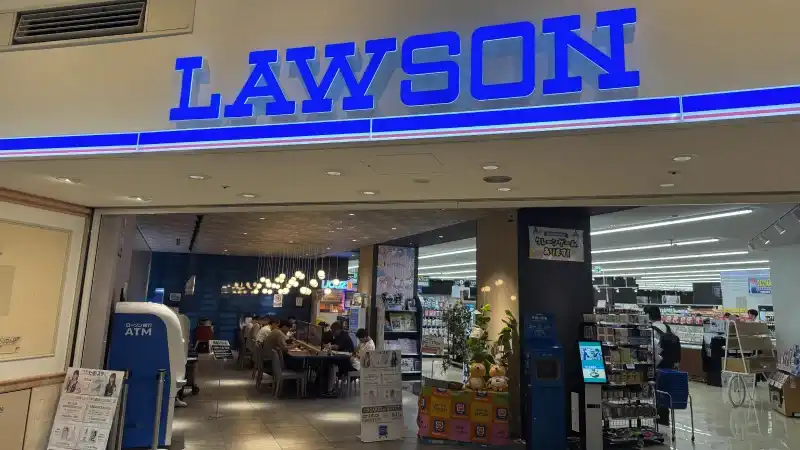
Lawson Convenience Store Tests Stablecoin Payments Again: Three Coins, Three Chains, But Japanese Regulators Haven't Given the Nod

Lawson convenience stores have conducted a second-phase pilot test of stablecoin payments in partnership with payment solution provider NetStars, moving stablecoins from exchanges to physical checkout counters. The experiment, conducted at a Tokyo store, tested payments using three stablecoins—USDC, USDT, and JPYC—across three blockchains: Solana, Morph, and Polygon. A key development was the inclusion of USDT, which is not currently on Japan's approved list of electronic payment assets. The test linked Lawson's existing POS system with NetStars' "Stablecoin Pay" service to verify that stablecoin payments could be processed without disrupting store operations. It assessed payment speed, user experience, and handling of various transaction scenarios. Payments were typically completed within five seconds. Users paid with stablecoins via MetaMask, while stores received yen settlements. NetStars covered the blockchain gas fees upfront, charging users a separate "processing fee" that also included potential foreign exchange costs for dollar-denominated stablecoins. Company executives stated the pilot was preparatory, aimed at understanding technical feasibility and challenges ahead of potential wider adoption. They highlighted the appeal of globally-traded stablecoins like USDC and USDT for foreign visitors to Japan, alongside the domestic use case for yen-pegged JPYC. However, the legal and operational framework for converting received USDT into yen remains under discussion with Japanese financial authorities. No timeline for a commercial rollout was given, pending further market demand, user needs, and final economic conditions like fee structures.

marsbit13m ago

Lawson Convenience Store Tests Stablecoin Payments Again: Three Coins, Three Chains, But Japanese Regulators Haven't Given the Nod

marsbit13m ago

Trading

Spot
活动图片