Bo Hines:29岁前白宫加密顾问火速出任 Tether 美版稳定币CEO

比推Pubblicato 2025-09-16Pubblicato ultima volta 2025-09-16

作者:Zen,PANews

原标题:29岁的加密新贵Bo Hines:从白宫加密“联络人”,到火速出任Tether美版稳定币掌舵者


刚离开白宫一个月,年仅 29 岁的前白宫总统数字资产顾问委员会执行董事 Bo Hines 又推开旋转门,谋得了一份“顶级差事”——9月12日,Tether宣布将任命 Bo Hines 为 Tether USAT 的首席执行官。

受美国监管、美元支持的USAT,是稳定币巨头Tether最新推出的稳定币项目,旨在为企业和机构提供现金和传统支付方式的数字替代方案,这也是Tether在美国签署针对稳定币的天才法案后,根据美国监管要求下的“新作”。

Tether历来因其高盈利能力而备受瞩目,其2024年利润超过130亿美元,人均利润超8000万美元,一度是全球人均创收最高的企业。对于弃政从商的Bo Hines而言,选择与Tether合作实在再合适不过。

刷足政商资源后,all in 加密货币

2025年8月10日,Bo Hines宣布辞去政府岗位。这一消息迅速在加密货币圈刷屏,数日内便有五十多家企业向其发出邀约。而离开政坛的Hines一心扑到加密货币行业,仅9天后,其于8月19日宣布加入Tether,担任数字资产和美国市场战略顾问,负责美国市场的业务拓展,与政策制定者和行业团体深度对接,并最终接过了USAT的“帅印”。

从辞职到入职基本“无缝衔接”,这不得不引人遐想,或许是Tether向其发出了“难以拒绝”的Offer,才让他选择职业转型。

而仅大半年的时间,Hines凭借在白宫期间所积累的人脉和影响力,为他日后投身加密行业奠定了基础。

2025年1月,特朗普新政府刚上任不久便任命Bo Hines为总统数字资产顾问委员会(Presidential Council of Advisers for Digital Assets)执行董事。该委员会由硅谷风险投资人David Sacks牵头,旨在指导美国对人工智能和加密货币的总体政策。
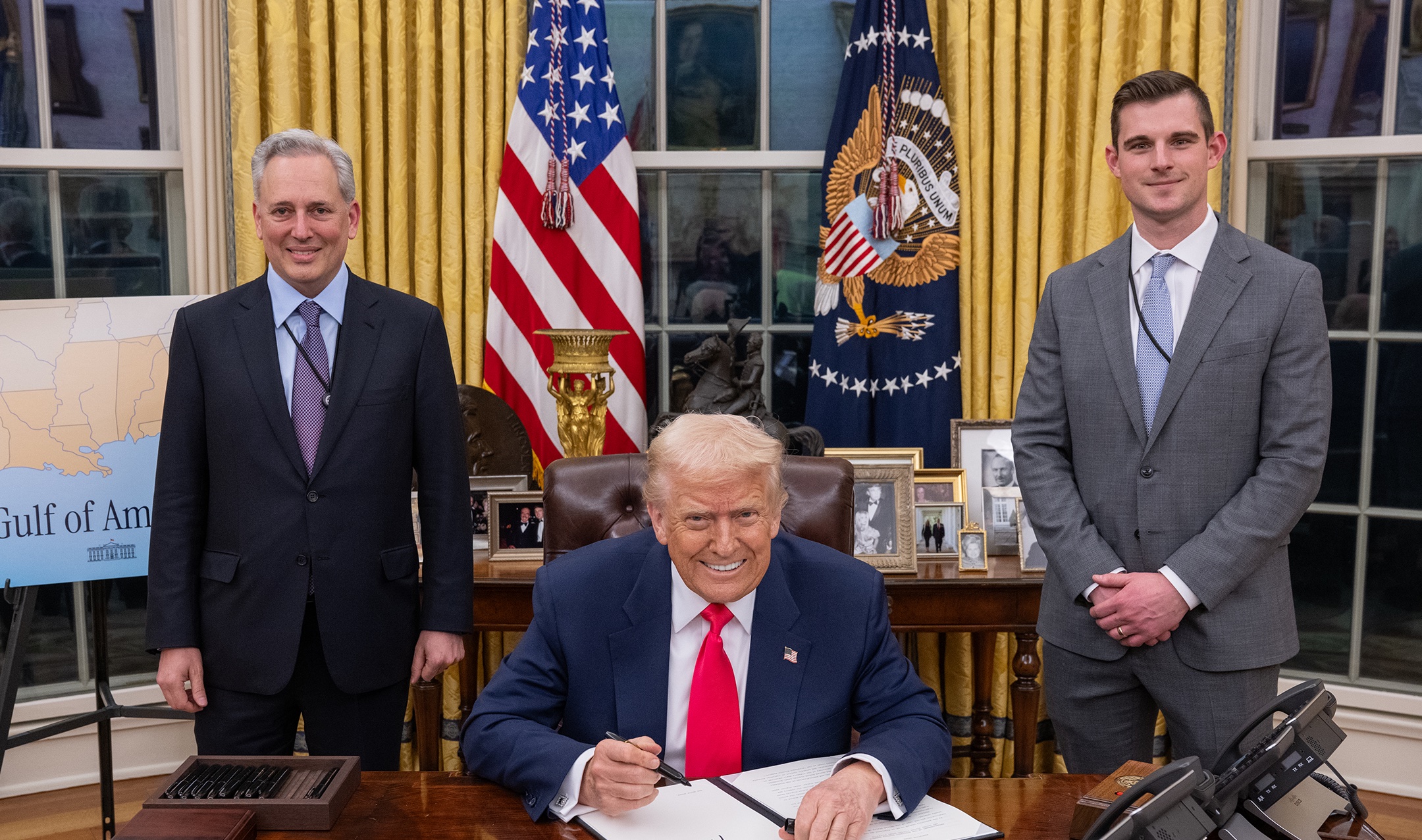
特朗普、Bo Hines(右一)与David Sacks(左一)

白宫发布的消息指出,特朗普政府希望借此把美国建设成为全球“加密资本”,并确保数字金融科技产业“毫不受限于繁琐管制”。Hines被赋予“白宫与加密行业之间的联络人”角色,他多次公开表示,要确保加密产业“拥有繁荣发展的所有必要条件”,反对在监管上对行业的打压。

Hines在接受福克斯新闻采访时直言,在拜登政府框架下,加密行业曾成为“法律战”和不公平监管的受害者。他还强调,美国绝不能在技术创新方面掉队,“必须引领传统金融市场的技术进步”。

在此期间,Hines成为推动稳定币及数字资产立法的关键人物之一。2025年6月,美国参议院以压倒性多数通过了一项稳定币监管法案(被称为GENIUS法案,天才法案),这是为美元挂钩的加密代币建立联邦监管框架的重要里程碑。法案要求稳定币发行者必须用美元或短期国债等流动资产做全额储备,并每月向公众披露其储备构成。

Hines公开表态称白宫希望在8月份之前推动该法案通过。立法获得通过后,他在多个场合称,自己亲眼见证了稳定币在现代支付体系中“现代化支付并促进金融普惠”的巨大潜力。

在推动这些政策的过程中,Hines得到了业界和政府人士的支持。加密圈的资深人士、白宫“AI与加密事务沙皇”David Sacks也公开称赞了他的工作。对于Hines的加入,Tether首席执行官Paolo Ardoino对媒体表示,Hines“对立法流程有深刻理解”,将成为Tether进军美国市场的宝贵资产。

USAT是Tether从全球扩张之下转向美国本土合规的举措,与Anchorage Digital(美国首家联邦特许加密银行)和Cantor Fitzgerald的合作,确保USAT的发行和储备管理符合天才法案。其中大家熟悉的Cantor是美债的重要经纪商,也是Tether购买美债的长期合作伙伴,在2024年成为Tether的股东,其CEO Howard Lutnick也在今年加入特朗普政府出任商务部长。而在此之前,面对欧盟的监管,Tether也仅是通过入股多家稳定币公司的方式变相入局欧盟稳定币市场。

立志从政前的Bo Hines:橄榄球运动员与比特币

Bo Hines出生于北卡罗来纳州夏洛特,就读于基督学校Charlotte Christian School。Hines以体育特长而闻名,后被北卡州立大学招募成为大学橄榄球运动员,效力于北卡州立大学狼群队(NC State Wolfpack)。

在新生赛季,Hines便以 616 码的接球数据领跑全队。其凭借出色表现在大学一年级时就入选了全美新秀阵容、大西洋海岸联盟(ACC)新生全明星阵容以及大西洋海岸联盟学术全明星阵容。

2014 年Hines效力于北卡罗来纳州立大学(82号)

当他在赛场上春风得意时,Hines的人生也第一次与加密货币擦肩而过:2014 年的圣彼得堡碗赛(St. Petersburg Bowl)由支付公司 BitPay 冠名,他在赛场上看到“Bitcoin Accepted Here”的横幅时,让当时年仅19岁的Hines首次接触到比特币。赛后,他用部分生活费买下了第一批比特币,成为最早一批涉足这一领域的大学运动员。

2015 年,出于“学习政治、追求公共服务”的理想,Hines决定从 NC State 转学至耶鲁大学。在耶鲁,他主修政治学,兼顾学业与体育,还担任学生运动员委员会联合主席。他同时开办了一档播客“Bo Knows”,讨论美国政治热点,这让他在同龄人中颇具知名度。学业之外,他不断积累政治经验:先后在参议员迈克·朗兹(Mike Rounds)和印第安纳州州长埃里克·霍尔科姆(Eric Holcomb)办公室实习。

因加密货币得以在特朗普政府任职

直到在耶鲁的最后一段运动员生涯中,Hines接连遭遇两次肩膀赛季报销伤病,不得不提前结束橄榄球运动生涯。告别赛场后,他将精力完全转向政治和法律领域。耶鲁毕业后,他进入维克森林大学法学院攻读法律。在这里,他的研究方向逐渐锁定为“加密资产的法律与政策”,研究包括美国商品期货交易委员会(CFTC)如何监管加密货币在内的相关问题。这段学习经历和实践探索,为他后来成为政府加密顾问埋下了基础。

Hines的前教授Raina Haque表示,Hines对加密货币领域表现出兴趣,但并非比特币的铁杆支持者。“他一开始并不是一个对加密货币狂热的人,好像加密货币是解决世界上所有问题的解决方案”

进入政治领域后,Hines两次尝试竞选国会议员但都未能成功。2022年,他在共和党内初选中突围获胜,但在大选中输给了民主党候选人Wiley Nickel。值得一提的是,他的竞选资金来自一个信托基金和一个由加密货币公司FTX前高管创立的政治行动委员会。2023年Hines再次参选,却未获特朗普再次背书,仅在初选中名列第四。

竞选失利并没有使他对公共事业的热情减退,反而让他逐渐把目光投向了自己长期关注的数字资产领域。政治选战后,他曾运营一家“反觉醒”主题公司,并参与设计特朗普主题的memecoin。像特朗普在今年亲自发布的代币一样,Hines发布的mem代币也是先飙升又暴跌。

经过两届竞选的经验和在法学中对加密监管的研究,Hines发现自己可以在政府与加密行业交汇的政策制定领域大展拳脚。行业组织区块链协会 (Blockchain Association) 的行业事务高级主管 Dan Spuller 也表示,Hines是少数能够同时兼顾加密货币和 MAGA 的人之一。

而后来的故事,我们都已经知道了。


Twitter:https://twitter.com/BitpushNewsCN

比推 TG 交流群:https://t.me/BitPushCommunity

比推 TG 订阅: https://t.me/bitpush

说明: 比推所有文章只代表作者观点,不构成投资建议

Letture associate

South Korean Retail Investors 'Move from Seoul to Wall Street': Buying SK Hynix ADR, Betting on Triple-Leverage ETF

A surge of Korean retail investors is shifting funds from the volatile Seoul market to Wall Street, intensifying their bets on the AI theme through unconventional and high-risk instruments. Data shows Korean investors were net buyers of about $4.5 billion in US stocks in July, nearing a yearly peak. A notable trend is their purchase of approximately $840 million worth of SK Hynix American Depositary Receipts (ADRs), despite a significant 10% premium over the company's domestic shares, leading analysts to label the move as speculative and irrational. Simultaneously, Korean traders are heavily favoring leveraged ETFs. The triple-leveraged semiconductor ETF SOXL was the most-bought US product in July, with leveraged products occupying four of the top ten spots. Experts note that this shift in geography does not represent a diversification of risk; instead, investors are merely expressing the same concentrated bet on AI hardware through different, often riskier, US-listed vehicles. Analysts warn that while this capital inflow is unlikely to systemically impact the vast US institutional market, it risks creating localized distortions and amplifying volatility, particularly in the targeted sectors and instruments. The move follows a sharp correction in the Korean market, where high leverage in semiconductor stocks and related ETFs had previously led to significant losses, prompting this search for alternative avenues to chase the AI narrative.

marsbit19 min fa

South Korean Retail Investors 'Move from Seoul to Wall Street': Buying SK Hynix ADR, Betting on Triple-Leverage ETF

marsbit19 min fa

Bithumb's First Half Report: Net Loss Exceeds $76 Million, Where Did the Profits Go?

**Title: Bithumb H1 2026 Report: Net Loss Exceeds $76M – Where Did the Profits Go?** Despite a headline net loss of approximately 108.7 billion KRW (~$76.44 million) for the first half of 2026, a detailed breakdown reveals Bithumb's core exchange business remained profitable. The significant loss was primarily driven by two major non-operating items: substantial losses on the disposal and valuation of the company's own cryptocurrency holdings (net loss ~$48.21 million) and a sharp increase in litigation provisions (~$25.93 million), largely linked to a regulatory fine. Operating revenue fell 48.7% year-on-year to ~$119 million, almost entirely from transaction fees, as market activity cooled. While the company drastically cut marketing and subsidy expenses by ~70% to protect margins, more rigid costs like payment processing and salaries declined only modestly. This highlights the vulnerability of its highly fee-dependent revenue model in a down market. Total assets decreased by ~$584 million, but this was largely attributable to an ~86% drop in client KRW deposits. The market value of client crypto assets under custody also fell (~32.7%), partly influenced by declining cryptocurrency prices rather than solely client withdrawals. In summary, the report indicates underlying exchange profitability was eroded by significant crypto asset losses and mounting regulatory/legal costs, against a backdrop of declining trading revenue. Future focus should be on revenue recovery, managing crypto-related损益, and the ongoing impact of regulatory challenges.

marsbit38 min fa

Bithumb's First Half Report: Net Loss Exceeds $76 Million, Where Did the Profits Go?

marsbit38 min fa

BitMart's Final 9 Days: A True Exchange Crisis Is Never About Shutting Down

BitMart's Final 9 Days: A True Exchange Crisis Is Not About Shutting Down On August 17, 2026, with just 9 days until BitMart's scheduled cessation of trading, the focus shifted from the platform's orderly closure to serious questions about user withdrawals, platform solvency, employee payments, and reserve transparency. Stakeholders, claiming to represent users and staff, publicly demanded asset/liability disclosures, explanations for withdrawal delays, a user repayment plan, and an independent audit, setting an August 19 deadline. While BitMart CEO Sheldon Lee denied allegations of insolvency or wrongdoing, the controversy highlighted a core vulnerability of centralized exchanges (CEXs). When an exchange announces its shutdown, normal user behavior changes dramatically, triggering a mass withdrawal event—the ultimate stress test for its liquidity and custodial integrity. The key question becomes not whether the platform has assets, but whether it holds sufficient *liquid* assets to cover all user liabilities on demand. The article argues that the trust placed in CEXs is based on the convenience they provide, abstracting users from direct control of their private keys. This trust is rarely questioned during normal operations but becomes critically exposed during a wind-down. The situation underscores the limitations of simple Proof of Reserves, which shows "what we have" but not the crucial "what we owe." True financial credibility requires transparent, auditable data on assets, liabilities, and segregated user funds. BitMart's situation reflects a broader, often overlooked issue in the crypto industry: while there is extensive focus on growth mechanisms for exchanges, there is little discussion or established protocol for a safe and transparent "exit mechanism." The final measure of an exchange's integrity, the article concludes, is not its user count or trading volume during a bull market, but its ability to ensure every last user can successfully withdraw their assets when the doors are closing. The outcome will be determined not by statements, but by whether the final user's funds securely leave the platform.

marsbit1 h fa

BitMart's Final 9 Days: A True Exchange Crisis Is Never About Shutting Down

marsbit1 h fa

Don't Speculate on 100x Coins, Just Bet on 'Cash Cows': Which Projects Are Worth Dollar-Cost Averaging in the Bear Market?

In a bearish crypto market, finding sustainable investments is more prudent than chasing speculative meme coins. This article analyzes projects generating consistent revenue, highlighting them as potential "cash cows" for long-term dollar-cost averaging (DCA). The top performers are "picks-and-shovels" plays. **Pump.fun**, a Solana-based meme coin launchpad, leads with $415.3M in monthly revenue, profiting from a 1.25% fee on token transactions. Despite market volatility, it has averaged tens of millions in monthly income in 2024. Perpetual DEX **Hyperliquid** stands out as a "bear market star," accumulating ~$352M in revenue over seven months. Its model funnels ~99% of fees into buying back and permanently burning its HYPE token. Established giants are also adapting. **Uniswap**, after enabling its fee switch, now earns protocol revenue (e.g., $5.6M recently), which is used to buy back and burn UNI, giving the token direct value accrual. Similarly, oracle provider **Chainlink** generates stable monthly revenue (~$4.57M recently) from its essential data, cross-chain, and automation services. Its new Payment Abstraction feature automatically converts service fees into LINK, accruing value in its treasury. The core thesis is clear: in a downturn, focus on projects with proven, resilient business models—those acting as essential infrastructure or capturing consistent transaction fees—rather than speculative narratives.

marsbit1 h fa

Don't Speculate on 100x Coins, Just Bet on 'Cash Cows': Which Projects Are Worth Dollar-Cost Averaging in the Bear Market?

marsbit1 h fa

Trading

Spot
活动图片