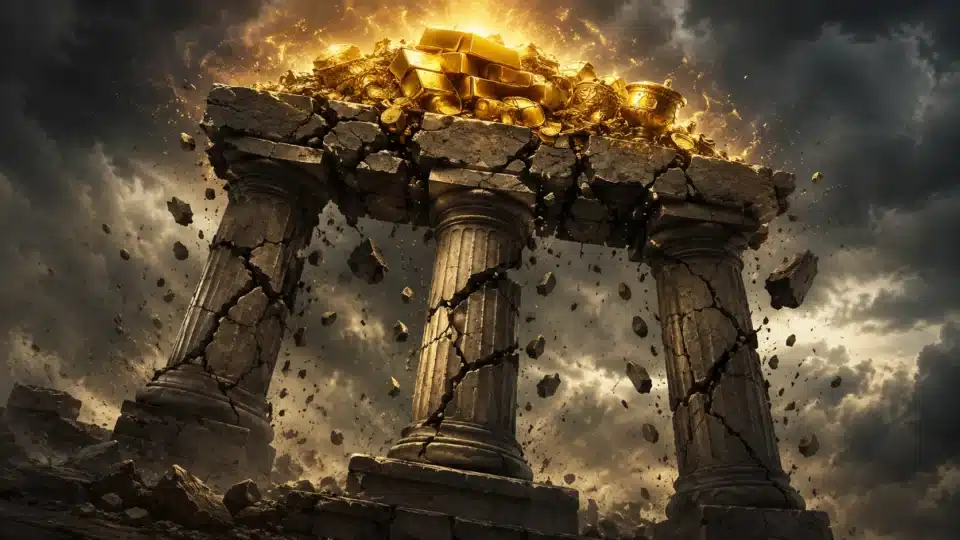
浮世绘与 Web3:去中心化的温柔表达

深潮Published on 2025-06-12Last updated on 2025-06-12

不是拒绝组织,而是让每一个参与的人都有组织的权利;不是没有焦点,而是每个焦点都能被轮到一次。

作者:Bruce

你有没有想过,一个时代,是怎么被记住的? 不是靠战争,不是靠胜利者留下的丰碑, 而是靠那些当时看起来微不足道的瞬间: 一朵盛放的樱花, 一个掠过小巷的身影, 一个孩子仰望天空的神情。浮世绘,描画的就是这些。

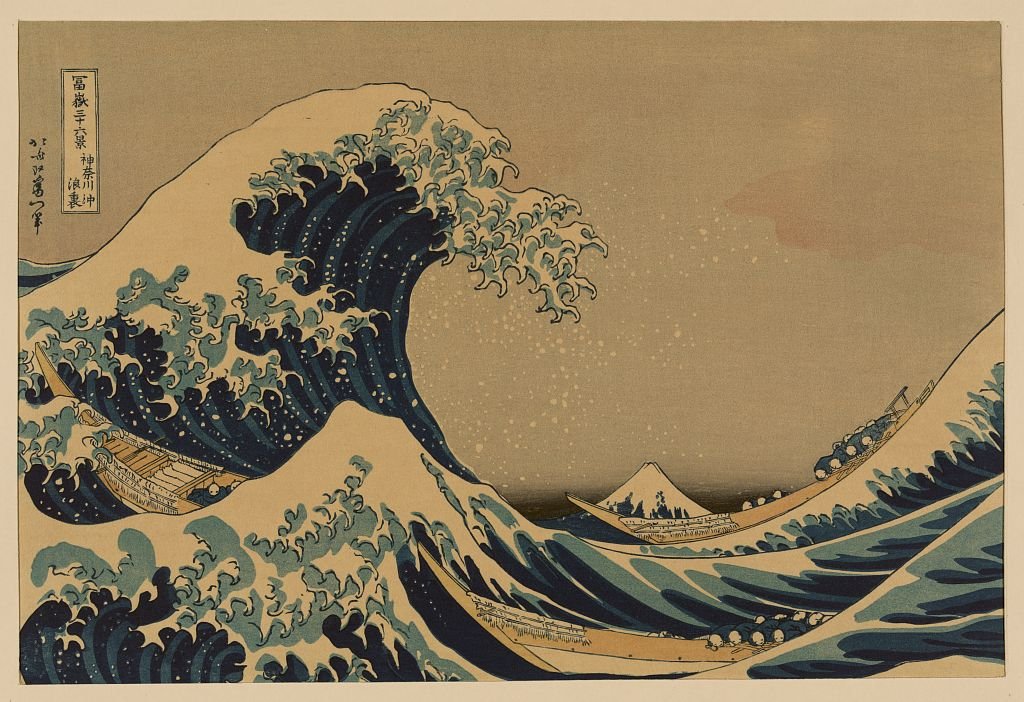
在很多人心里,浮世绘是一种风格,是种装饰,是色彩艳丽的旧日本小幅画。但它其实是一个时代的「镜像器」。你看葛饰北斋的《神奈川冲浪里》,那升腾的巨浪像是要吞噬小舟, 但如果你多看几秒,就会发现那浪不是灾难,而是一种宽博疏阔的须臾感。它并不想征服你,它只是来给你看——「刹那间的庞大」。
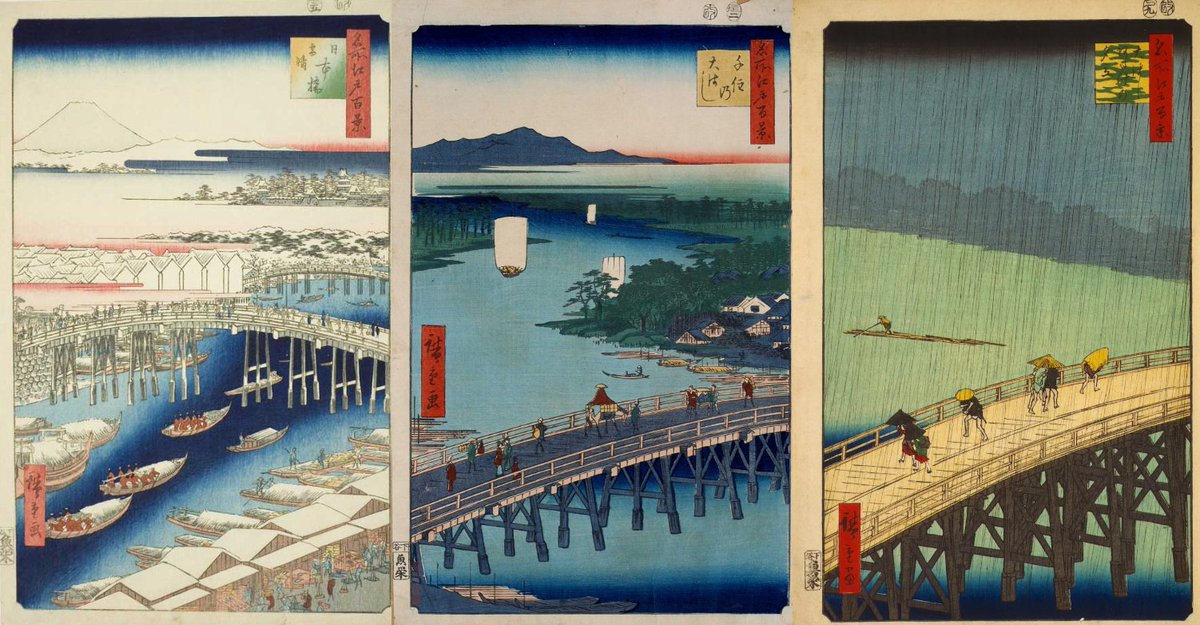
再看歌川广重的《名所江户百景》系列, 没有宫殿,没有权贵,入画的都是桥边渔火、雨中行人、黄昏渡口,或是飘荡的鲤鱼旗。你能感受到一种奇妙的安静,那不是冷漠,不是阒寂,是「活得真实」的静。
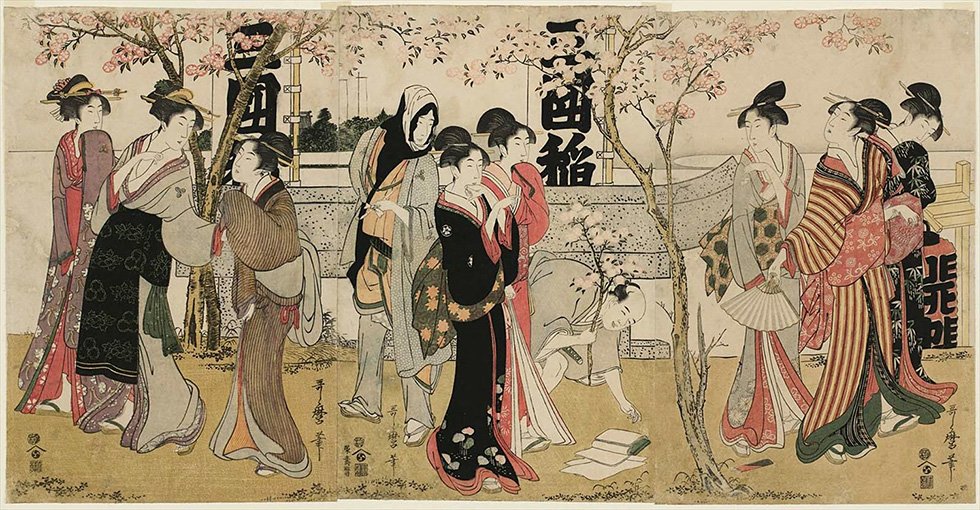
还有喜多川歌麿笔下的美人画, 她们不是雕塑般的永恒,而是鲜活柔软的、又稍纵即逝的, 像你在人群中看到一张眼神温柔的脸,然后下一秒就隐去了。
这些画,主题都不宏大,场面也不拥挤。它们执着于「眼下」——执着于晨光透窗时的熹微、弱风拂柳时的飘逸,倦猫打盹时的慵懒,执着于那一瞬间的自己。

你再对比西方画作: 从文艺复兴开始,西方绘画一直追求「永恒」—— 构图有焦点、光源有逻辑、人物有象征,画面是为了「说明一个意义」。观者站在画外,凝视被安排的画中世界。达·芬奇的《最后的晚餐》、拉斐尔的《雅典学院》, 每一个人物的位置都像设计过的剧本,每一束光线都有「主从关系」。
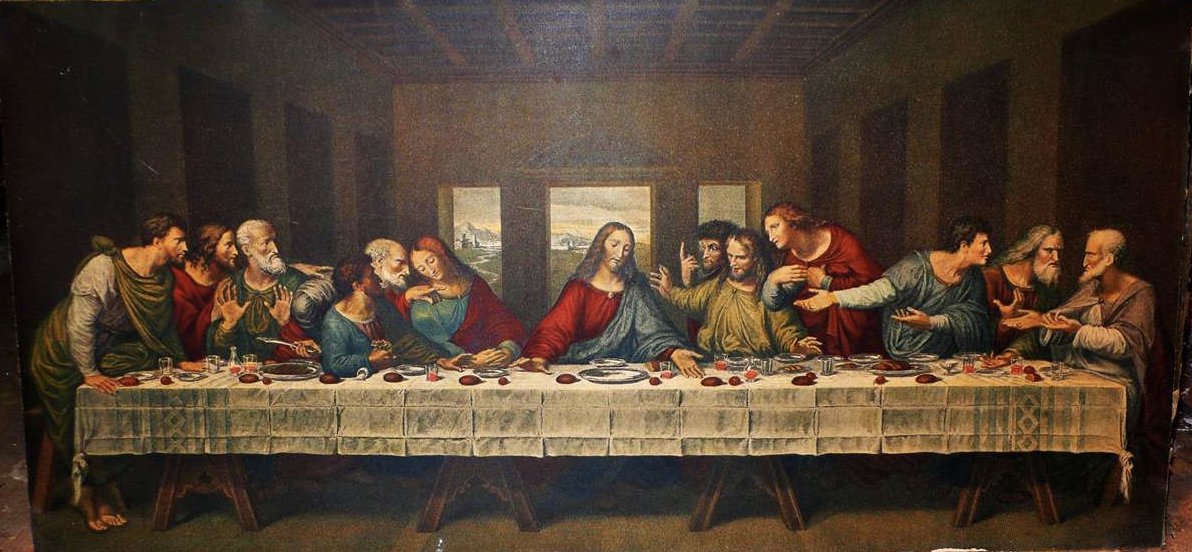
而浮世绘却反其道而行—— 它不告诉你该看哪里,不安排主角,甚至拒绝透视。画是平铺开的,每一处都重要,你看到哪里,哪里自然就是焦点。

「浮世」二字,在古时,并非褒词。其为佛教用语,指这个多舛多变、盛衰不定和悲欣交错的人间。可在江户时代,它被重新解读了。人们不再只是哀叹无常,反而开始觉得—— 既然一切都会过去, 那不妨就抓住正在发生的这一刻。于是「浮世绘」开始滥觞—— 一门用图像去记录日常的技艺, 一门用平等的视角,凝结流动时间的艺术。

浮世绘的画,不设主角,也不高举某个视点。你看不到谁站在舞台中央,谁退到角落, 你只能随着自己的目光,在画面里自由游走, 像你走进一个城市的黄昏、一个没被修饰过的街头傍晚。

它告诉你:这个世界没有「绝对的焦点」。每个元素都有自己的位置, 每个存在都在发光,哪怕只是一瞬。

这种概念,听上去是美学, 其实近乎哲学。它是对「无常」的承认: 承认一切终将消逝,不刻画永恒,去珍惜当下; 它是对「平视」的坚持: 你不需要爬上高处才能被看见, 你站在原地,也有你的意义; 它是一种「去中心化构图」的温柔: 没人规定你该看哪里,没人规定你是谁的陪衬。

我后来意识到,我喜欢浮世绘,因为这不只是种绘画的方式, 它其实也是我们该生活的方式。不是每个人都要站在聚光灯下, 也不是每一件事都要有「意义」。只要你在那个时间点,在那个位置, 你出现了,你感受了,那关于你的所有就已经成立了,甚至,这之于你,就是最大的意义。我这篇文字有什么实际意义吗? 我的落笔、你的阅读、算法的推荐、系统的留存,哪个才叫做意义?

现如今,屏幕换了,载体变了,但这种去中心化的感受,在 Web3 的世界里,被重新拾起。我们不再是简单的用户,不再是被安排的观众, 而是系统中的一个节点,一个构图点, 有自己的显示度,有属于自己的微小而确定的位置。

每个人都不再只是围观画作, 而是在参与:签名一次协议、Mint 一个 NFT,留下一笔 Tx。哪怕它很轻,也会被打包进区块,成为共识的一部分,成为构造这个来自未来的庞大世界的一块基石。

Web3,不是让你成为「明星」, 而是让你知道——「你就是画面的一笔」, 这已足够。不喧哗,不缺席, 不需要定义意义,也值得留下。

这世界会继续流动,我们都会继续变化, 但我们正站在这一刻里, 有名字、有动作、有位置, 像时光的纤维中,一个清晰的亮点,被温柔地记录了下来。在那个时刻,在那个坐标,在那笔 gas 被烧掉的瞬间, 你被承认了:你贡献了一个链上的数据,你真的在。

这世界的画布结构正在变化。从仰望到平视,从被组织到自组织,从中心照亮全场,到每一笔各自发光。你不需要成为「能改变系统的人」, 你只需要成为愿意参与这个系统的其中之一。哪怕是很小的行动,也是一种「在场」。

如果你把每一次交互都看作一笔描画, 你会发现:Web3 不是一张有「主线剧情」的剧本, 它更像一幅无尽展开的画卷。每一个人都是构图中的一个点,每一个点都不重复。

这是一种非常人本的结构。它不追问你是谁,而是问你:你想成为哪一笔?

也许这就是「去中心化」最温柔的表达。不是拒绝组织,而是让每一个参与的人都有组织的权利;不是没有焦点,而是每个焦点都能被轮到一次。

我们都在这里。不是站在画外观望,而是在画中活着。哪怕你只出现过一秒钟, 你就已经是一部分了。而这,就是你曾经在这个时代出现过的, 最好看的证据。

你觉得自己在 Web3 画卷里是哪一笔?

Related Reads

BIT Research: The 2028 Halving Is Not the End, the Real Shake-Up of the Bitcoin Mining Industry Is Just Beginning

The Bitcoin mining industry is undergoing its most complex structural adjustment since inception. Despite Bitcoin's price holding near $61,000 and the network hash rate approaching a record 1 ZH/s, miner profitability is deteriorating. The industry is operating close to its breakeven point, with the 2028 halving expected to accelerate consolidation. The challenges extend beyond the halving's subsidy reduction; the industry's revenue model has yet to successfully transition towards a fee-driven structure. Increasingly, mining companies are evolving from simple Bitcoin producers into infrastructure and energy operators, including providers of AI/HPC computing power. Competition is shifting from pure hash rate expansion to business model upgrades. Economic pressure is evident. The theoretical daily mining revenue at current prices is around $78 million, yet the actual figure is only about $33 million—a 136% gap. Transaction fees remain low at roughly $220k daily, far below historical implied levels. With a current estimated industry-wide breakeven price near $65,000, mining alone is struggling to generate ideal profits. The 2028 halving is projected to push the fundamental production cost floor to approximately $93,289. This will likely accelerate a shift towards consolidation among larger, well-capitalized miners with diversified revenue streams. Competitive advantage will belong to institutionalized players with access to low-cost energy, AI/HPC hosting operations, and stronger balance sheets. In essence, Bitcoin mining is transitioning from a "mining business" to an "infrastructure business." Future profitability and resilience will depend less on block rewards and more on diversified income sources like energy management and computational infrastructure services. For investors, the key question is not the halving itself, but which miners can successfully navigate this business model transformation.

marsbit11m ago

BIT Research: The 2028 Halving Is Not the End, the Real Shake-Up of the Bitcoin Mining Industry Is Just Beginning

marsbit11m ago

This is How God Karpathy Uses Claude?

Andrej Karpathy, a prominent figure in AI, has reportedly joined Anthropic, leading to a noticeable decrease in his open-source contributions and social media activity. A document claiming to be his personal "CLAUDE.md" file—a set of instructions for the Claude AI to follow within a specific codebase—has been circulating online. While its authenticity is unverified, the content aligns closely with Karpathy's publicly shared principles on effective AI-assisted programming. The document outlines key rules for AI coding assistants, emphasizing the importance of reading existing code thoroughly before writing new code to maintain consistency. It advises against over-engineering, advocating for simple, surgical modifications that match the project's existing style. Other guidelines include clarifying assumptions upfront, writing meaningful tests, thoughtful debugging, and carefully considering dependencies. The core message is that these principles help prevent common AI coding failures, such as introducing unnecessary abstractions, style drift, or making invisible architectural decisions. The community has noted that even experts like Karpathy require detailed instructions to guide AI effectively, akin to managing a junior developer. A related GitHub repository, "andrej-karpathy-skills," which encapsulates these ideas, is reported to significantly reduce Claude's code error rate. Ultimately, the advice stresses that the best CLAUDE.md is tailored to one's own tech stack and coding practices.

marsbit11m ago

This is How God Karpathy Uses Claude?

marsbit11m ago

Trading

Spot
活动图片