Luffa北美校园行收官,十校连线激活Web3社交“新血”

Odaily星球日报Published on 2025-04-23Last updated on 2025-04-23

Abstract

Endless启动开发者激励计划。

4 月 22 日,随着卡内基梅隆大学(Carnegie Mellon University, CMU)站活动的圆满结束,Luffa 北美校园行正式完成本阶段全部行程。

这场历时一个多月的高校巡演,覆盖了包括斯坦福大学、加州大学伯克利分校、加州大学洛杉矶分校、南加州大学、德克萨斯大学奥斯汀分校、哈佛大学、麻省理工学院、纽约大学、哥伦比亚大学及卡内基梅隆大学在内的十所北美顶尖学府。通过主题演讲、圆桌讨论、产品体验等多种形式,Luffa 构建出一条从技术前沿到思想高地的Web3探索路径,在高校中播下了去中心化社交理念的种子。
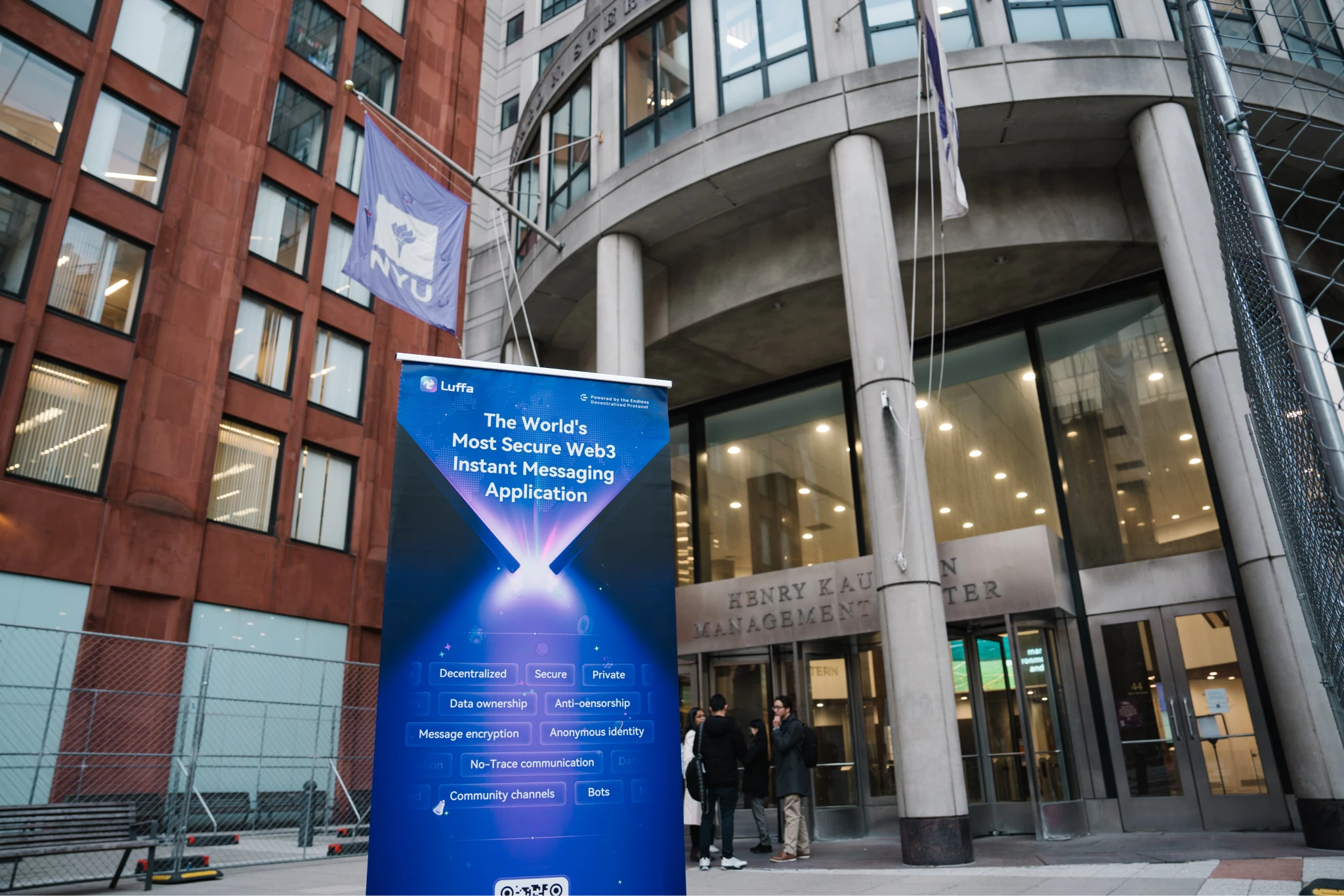
Luffa北美校园行收官,十校连线激活Web3社交“新血”

从湾区到波士顿,一场横跨北美的Web3校园对话

此次北美校园行横跨北美大陆,串联起硅谷、洛杉矶、奥斯汀、波士顿、纽约五大创新高地。活动累计吸引超 1000 名现场观众及倍增的线上参与者,涵盖学生、教授、Web3从业者、开发者、内容创作者等多元角色。

近期东海岸的几场活动重点围绕“Web3如何与 AI 更好结合”、“Web3大规模应用的基础”等话题展开互动,引发了关于 AI 训练数据隐私保护、个性化社群治理机制等议题的精彩讨论:

  • 在哈佛大学与麻省理工学院,团队重点分享了 AI 驱动的去中心化社交网络构想,围绕“去中心化身份(DID)在数据主权与社群共识中的价值”以及“人格化 AI 智能体与链上可解释数据结构”展开探讨。Luffa 与 MIT Media Lab 研究者就“AI 模型微调数据的可信引证机制”进行了进一步交流,探讨建设去中心化认知网络的可能性。两校现场均就“用户主导型链上社交机制”展开热烈讨论,部分学生与研究人员表达了参与波士顿地区实验节点共建的兴趣。

  • 在纽约大学和卡内基梅隆大学,话题则聚焦在“年轻人如何参与Web3”。Luffa 所倡导的观点——“Web3不只是下一代金融系统,更是一种全新的价值创造与治理方式”——引发广泛共鸣。现场围绕“参与式社群设计”“无门槛创作机制”等话题展开讨论,并普遍认为随着基础设施逐渐成熟,目前正是青年群体介入、塑造新一代Web3社交范式的关键时机。

  • 在哥伦比亚大学,Luffa 聚焦“AI+Web3是否能重塑下一代互联网基础设施”这一核心议题,与来自 Uniswap Labs、Polygon Labs、Stellar Development Foundation 等项目的嘉宾展开对谈。现场重点分享了 Luffa 在“链上社交智能体”方向的最新进展,构想如何通过 AI 驱动的动态人格系统,为用户建立可持续的链上社交影响力。Polygon 代表提出 Layer 2 在高频交互支持方面的潜力,Uniswap 嘉宾则分享了其对“AI 与去中心化协议协同决策”场景的长期思考。
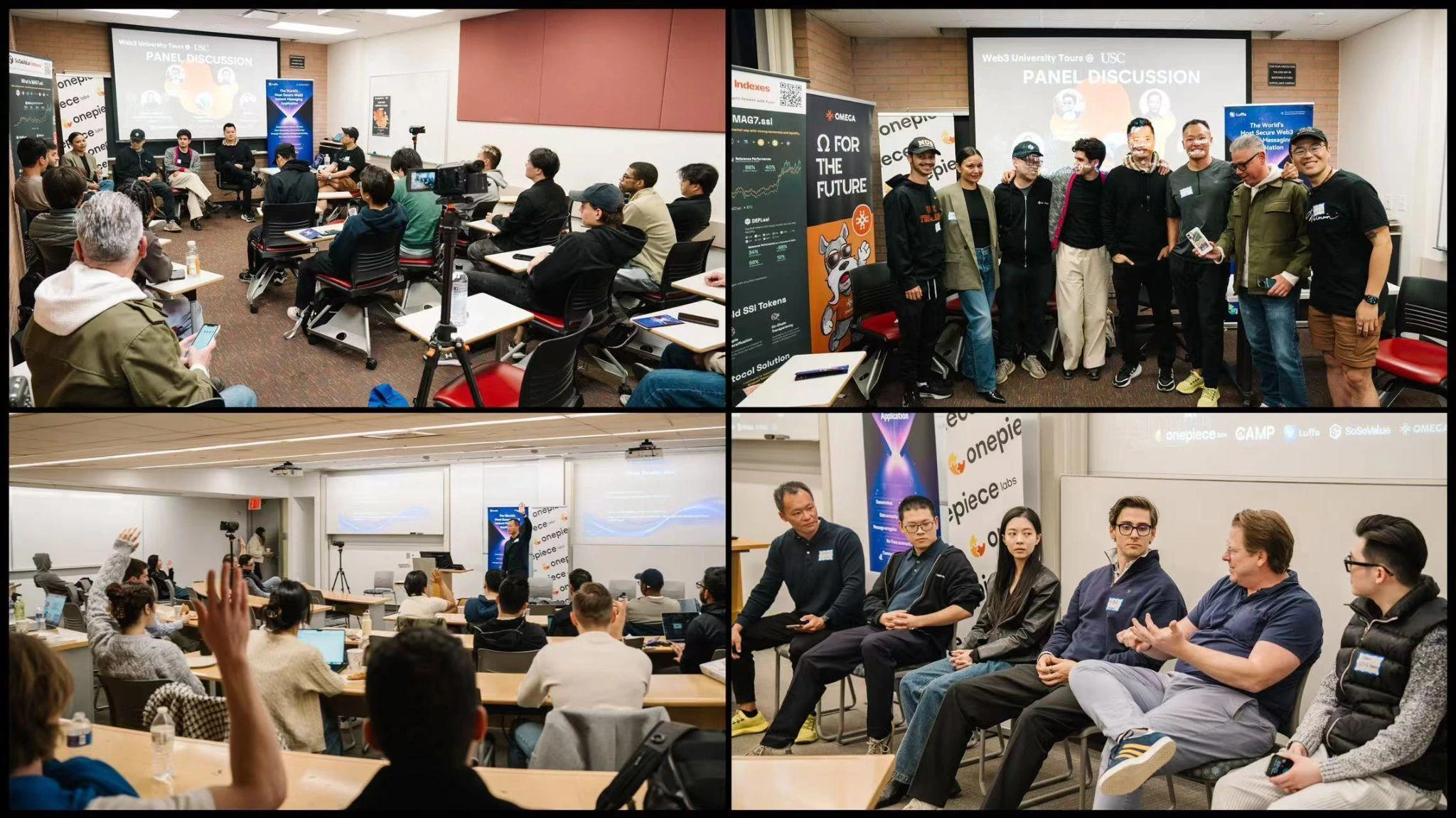
Luffa北美校园行收官,十校连线激活Web3社交“新血”

大使计划持续推进,激发更多Web3创造力

活动期间,Luffa 同步推进了面向北美高校的大使招募计划,构建由Web3核心用户和社区领袖所组成的去中心化社群网络。目前,首批种子大使已覆盖十所巡演高校,未来还将持续开放申请。他们将连接起用户与技术之间的桥梁,持续倡导 Luffa 一直以来所主张的发展理念:数据主权、隐私优先和社交场景驱动。

作为一款由 Endless Web3创世云支持的去中心化社交平台,Luffa 让用户在享有完全的数据主权和隐私保护的同时,享受到丰富的社交和金融功能,创新的技术优势获得了广泛关注。其底层协议 Endless 集成了多种 AI 能力和组件资源,“像拼乐高一样构建Web3应用”的开发模式也吸引了众多开发者的进一步合作意愿。多个高校技术团队均表示期待基于 Luffa+Endless 协议,设计更多去中心化应用场景,共同勾勒出一个充满创新与活力的Web3共创生态。

Endless 开发者激励计划启动,迈入生态建设新阶段

以十校巡演为起点,Luffa 已完成产品冷启动与开发者生态预热的第一阶段布局,即将迈入全球范围内的产品拓展与生态建设周期。

近期,团队联合 Endless 正式启动开发者激励计划,通过总额 100 万美元的专项基金,支持创新Web3应用开发。该计划面向全球高校开发者、创客团队、产品经理与黑客松参赛者开放,重点鼓励开发者探索两大关键方向:AI 代理 + Web3 和 Web2 到 Web3 的迁移。

除激励计划外,Endless 生态项目 Luffa 也将在 2025 年第二季度全面启动面向全球用户的产品推广行动,包括全球发布会筹备、社群激励机制上线等重要节点。Luffa 将继续构建开放的生态网络,携手更多开发者、研究者与内容创作者,共同探索下一代社交范式的构建路径。

北美校园行虽已收官,但Web3社交的深层变革,才刚刚拉开帷幕。

关于 Luffa

Luffa 是基于采用分布式和加密技术的社交平台,致力于保护用户隐私和数据安全。所有用户数据均受端到端加密(E2EE)保护,并且仅存储在用户自己的设备上,无中心化备份。用户账号不关联真实用户信息,有效防止个人信息泄露。在这里你还可以轻松创建自己的频道、小程序和 AI 机器人。

官网TwitterTelegramPPT 介绍用户指南

关于 Endless Web3创世云

Endless 是一个分布式智能组件协议,定位于Web2到Web3的连接器,使开发者能够轻松构建安全、高效的 Web3 应用,同时确保用户隐私、资产安全和数据自主权。Endless 集成了多种丰富的 AI 能力,使开发者能够轻松便捷地将 AI 能力整合到他们的 DApp 中,或在链上构建 AI Agent。

官网TwitterTelegramPPT 介绍开发者介绍文档

Related Reads

Predicting World Cup Knockout Matches: Why Are Different AI Models So Far Apart?

AI performance in predicting the 2026 FIFA World Cup knockout matches varied significantly, according to an analysis of models including ChatGPT, Grok, DeepSeek, Gemini, and Claude. The standout predictions came from DeepSeek and Gemini for the Netherlands vs. Morocco match. Gemini precisely forecasted a 1-1 draw and a penalty shootout win for Morocco, while DeepSeek correctly identified the high probability of a draw and Morocco's potential to advance via a defensive and counter-attacking strategy. Grok and Tongyi Qianwen (千问) demonstrated strength in predicting accurate scores for matches with clearer favorites. They correctly called the narrow 1-0 win for Canada over South Africa and Brazil's 2-1 victory over Japan, as well as Norway's 2-1 win over Ivory Coast. ChatGPT and Claude excelled more in match process analysis than in predicting exact scores or upsets. They frequently identified potential challenges for favorites, such as Japan's pressing against Brazil or DR Congo's defensive tactics against England, even when predicting the favorite's ultimate victory. A notable failure was the unanimous misjudgment of Germany vs. Paraguay. All models incorrectly favored Germany, underestimating Paraguay's ability to force a penalty shootout and cause an upset. In summary, Gemini and DeepSeek showed the most insight for high-stakes, unpredictable matches. Grok and Qianwen were reliable "score predictors" for less volatile games. ChatGPT and Claude were strong "analytical models," adept at outlining match dynamics but often hesitant to predict upsets.

Odaily星球日报6m ago

Predicting World Cup Knockout Matches: Why Are Different AI Models So Far Apart?

Odaily星球日报6m ago

Will There Be a Next Wave of Web3 Games? Veteran Player's Review: At the Peak of Hype, You Should at Least Sell Half

**Title: Is There Another Wave for Web3 Gaming? A Veteran Player's Review: When Hype Peaks, You Must Exit at Least Half** **Summary:** In an interview, veteran player "Earn Money Chicken" shares his journey and reflections on Web3 gaming. He transitioned from being a traditional in-game trader to a Web3 gamer, having profited from games like Mobox, StepN, and Seraph, but also experiencing significant losses. He defines himself primarily as a player, not an investor, attracted to Web3 games for the blend of earning potential, engaging gameplay, and the satisfaction of researching game mechanics. While he enjoys strategic "gambling" within games, he emphasizes it's not about zero-sum competition with other players. The interview explores the complex, often adversarial relationship between players, projects, and major investors (whales). The player's experience as a traditional game merchant helped develop his analytical mindset for spotting opportunities, but wasn't directly transferable. He identifies the core sources of profit in early Web3 gaming as **"era红利" (era-specific红利)** and strategic foresight, not just simple calculations. He warns that the biggest mistake ordinary players make is calculating their return-on-investment (ROI) period at peak hype, as asset and yield depreciation can trap them. Reflecting on his wins and losses, he now advocates for managing expectations. His most successful exit was from Seraph, where he sold at a relatively good time. The key problem with current Web3 games, he argues, is that most are not mature games first. A successful Web3 game must primarily be a **good, fun game** with a genuine player base willing to spend money for enjoyment, not just participants seeking profit. The blockchain element should solve problems within that context, not be the primary driver. While he believes the sector might see another speculative boom (possibly another strong "Ponzi" model attracting hype), a truly mature and sustainable Web3 game likely needs to come from a traditional major game studio. It would leverage a proven IP, mature content, a functional NFT trading system, and attract both traditional and crypto-native players, offering more normalized returns rather than extreme暴利. His final advice: Newcomers without prior experience should avoid the space now, as it's like searching for a diamond in the rough. For those remaining, the rule is: be brave when assets are low and overlooked, but **when everyone is talking about it (at peak hype), you must sell at least half your holdings.**

marsbit51m ago

Will There Be a Next Wave of Web3 Games? Veteran Player's Review: At the Peak of Hype, You Should at Least Sell Half

marsbit51m ago

The Most Hidden AI Winners

"The Most Under-the-Radar AI Winners" While core AI giants and their direct suppliers have dominated headlines, a group of seemingly unrelated, decades-old manufacturing companies have emerged as major beneficiaries. A key example is Japan's TOTO, famous for bathroom fixtures. Its stock soared 145% in a year, driven not by its mainstay toilet business but by its nearly 40-year-old semiconductor ceramic component unit. Specifically, TOTO manufactures electrostatic chucks—critical, hard-to-replace parts for advanced chip manufacturing processes like etching and EUV lithography. This segment, though only 9% of revenue, contributed over 54% of operating profit in FY2025 with a 43% margin. High barriers to entry, including deep know-how in high-purity ceramic sintering and long supplier certification cycles (5+ years), secure its position. This pattern repeats across industries. Nitto Boseki, a 128-year-old glass fiber maker, saw its stock rise 325% due to near-monopoly supply of T-glass, an essential low-expansion material for AI chip substrates. Similarly, Ajinomoto, the global MSG leader, commands 80-95% of the market for ABF film, a vital insulating layer in chip packaging. These "hidden" segments, often born from deep materials science expertise, are now bottleneck supplies in the AI hardware chain, enjoying pricing power and high margins. In China's A-share market, the theme combines this AI-driven demand with domestic substitution. Companies like Zhongci Electronic (advancing in electrostatic chucks) and Honghe Technology & Feilihua (in high-end electronic glass fabrics) are gaining traction. The investment thesis hinges on whether these domestic players can rapidly scale qualified capacity to capture the supply gap within the critical time window. Ultimately, these cases show that in the AI supply chain, high-profit concentrations exist not only at the cutting-edge tech frontier but also in indispensable, difficult-to-replicate materials and components. Market recognition often lags behind fundamental profit shifts, creating potential for significant re-ratings as traditional industrial firms are re-evaluated as key enablers of advanced semiconductor manufacturing.

marsbit1h ago

The Most Hidden AI Winners

marsbit1h ago

Trading

Spot
活动图片