Полиция на Гавайях бьет тревогу, поскольку крипто-мошенничества исчерпывают пожизненные сбережения.

cryptonews.ruPublished on 2025-01-14Last updated on 2025-04-14

Криптовалютные мошенники захлестнули Гавайи с эмоционально манипулятивными схемами, которые откачивают миллионы у жертв, используя фальшивую дружбу и мошеннические инвестиции в цифровую валюту.

Криптовалютные мошенничества захватывают Гавайи — жертвы увлекаются поддельной дружбой

Мошенничество, нацеленное на пожилых жителей, побудило полицию Кауаи (KPD) выпустить публичное предупреждение, которое было выпущено из Лихуэ 11 апреля. Власти округа Кауаи, Гавайи, привлекают внимание к виду мошенничества с криптовалютой, при котором мошенники выдают себя за романтические интересы или новых друзей, чтобы заманить жертв в ложные инвестиционные схемы.

Эти мошенники часто устанавливают первоначальный контакт через социальные сети, текстовые сообщения или телефонные звонки и постепенно выстраивают эмоциональную связь, прежде чем призывать своих целей инвестировать. Представители KPD заявили:

Однако инвестиция фальшивая, и как только жертва переводит свои средства, мошенники исчезают с деньгами.

KPD описал: “Этот вид мошенничества, известный как ‘мошенничество с обманом жертв’, включает в себя мошенников, которые со временем выстраивают доверие, чтобы эмоционально манипулировать жертвами для принятия финансовых решений.”

ФБР выпустило несколько предупреждений о растущей угрозе таких мошенничеств. В недавнем случае жительница Мэриленда потеряла более 3 миллионов долларов после того, как мошенник, выстраивавший доверие несколько недель через мессенджер, втянул её в фальшивую инвестицию в криптовалюту. Эти мошенничества часто происходят из Юго-Восточной Азии, где жертв контактируют через социальные сети или приложения для знакомств, а затем направляют инвестировать в мошеннические платформы, которые показывают фиктивные прибыли. Как только значительные средства вложены, мошенники исчезают, оставляя жертв финансово разоренными. ФБР сообщает, что такие схемы привели к миллиардным потерям, и многие жертвы не подозревают, что их обманули, пока не становится слишком поздно. Власти призывают людей с осторожностью относиться к нежелательным сообщениям и проверять любые инвестиционные возможности через надежных финансовых консультантов.

Красные флажки включают в себя нежелательные сообщения от незнакомцев, предлагающих дружбу или романтические отношения, нереалистичные обещания высокого дохода, призывы действовать быстро или тайно, и требования использовать незнакомые инструменты криптовалюты.

Местная полиция призывает жителей принимать меры для самозащиты, особенно в отношении пожилых членов семьи. Официальные лица рекомендуют никогда не отправлять деньги или криптовалюту людям, известным только через онлайн-коммуникации, избегать подозрительных ссылок и приложений и обсуждать любые финансовые решения с доверенными людьми. Хотя инцидент подчеркивает опасности, связанные с мошенничеством на основе криптовалюты, сторонники цифровых валют утверждают, что базовая технология остается легитимной и безопасной при правильном использовании.

Related Reads

ENS Founder Seeks to 'Seize Power' from DAO

On June 29th, the ENS community entered the on-chain voting phase for a proposal to renew the ENS DAO Security Council's veto power for two more years. Shortly after voting began, ENS founder Nick Johnson used his substantial ENS holdings to cast over 3.55 million votes against the proposal, swinging the outcome despite initial strong support. The Security Council was established in July 2024 with a 4/8 multisig veto power to protect the DAO's treasury (valued over $350 million) from malicious proposals during a period of low voter participation. Its powers were limited to vetoing only harmful proposals, not normal ones. Nick Johnson's opposition stems from broader concerns about ENS DAO's governance. In late 2025, he and others expressed frustration that the DAO had become mired in political gamesmanship, with capable contributors leaving and leadership falling to less experienced or misaligned parties. This context set the stage for a major restructuring proposal by ENS COO Katherine Wu on June 19th, titled "Next Era of ENS DAO: Empowering the ENS Foundation." The controversial proposal aims to transfer daily operations, treasury management, and long-term strategy to a restructured ENS Foundation with a professional board, while the DAO would retain core protocol governance powers. Critics, including original ENS constitution author Brantly Millegan, argue this effectively transfers treasury control from token holders to ENS Labs (the core development team), undermining the DAO's original decentralized design. Nick's massive "no" vote on the Security Council renewal is seen as the first move in this power struggle. He explained his vote was due to concerns about insufficient checks on the Council's power and the potential for its veto to be used politically. In response, Katherine Wu submitted a revised proposal with higher execution thresholds (5/8 instead of 4/8) and stricter limits. The push for change comes as ENS's annual revenue has declined significantly, from over $10 million in 2023 to under $2 million in 2025, increasing pressure to manage the treasury more effectively. Nick Johnson now faces the challenge of proving that a more structured foundation can steer ENS better than the current DAO model.

Foresight News2m ago

ENS Founder Seeks to 'Seize Power' from DAO

Foresight News2m ago

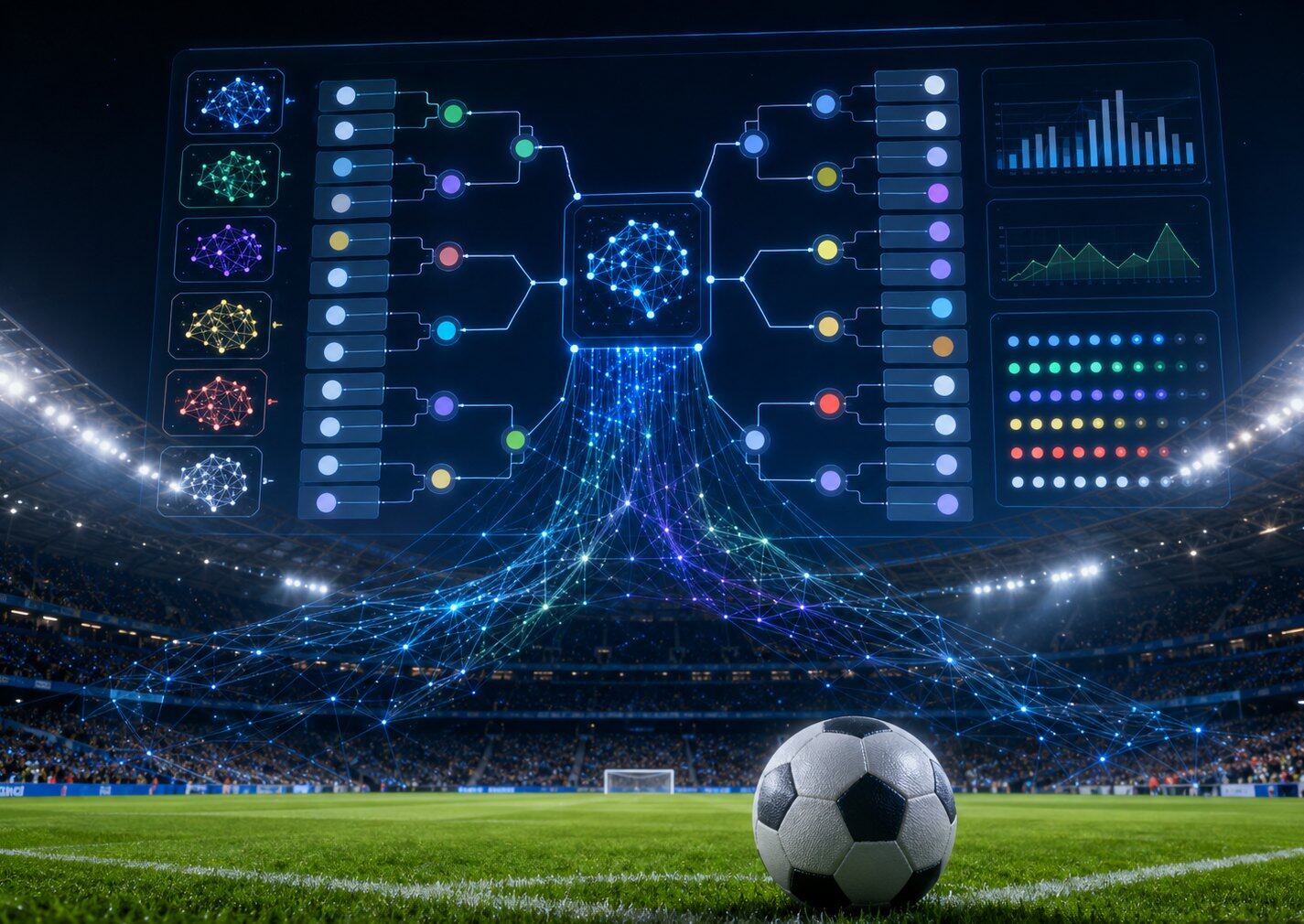
Predicting World Cup Knockout Matches: Why Are Different AI Models So Far Apart?

AI performance in predicting the 2026 FIFA World Cup knockout matches varied significantly, according to an analysis of models including ChatGPT, Grok, DeepSeek, Gemini, and Claude. The standout predictions came from DeepSeek and Gemini for the Netherlands vs. Morocco match. Gemini precisely forecasted a 1-1 draw and a penalty shootout win for Morocco, while DeepSeek correctly identified the high probability of a draw and Morocco's potential to advance via a defensive and counter-attacking strategy. Grok and Tongyi Qianwen (千问) demonstrated strength in predicting accurate scores for matches with clearer favorites. They correctly called the narrow 1-0 win for Canada over South Africa and Brazil's 2-1 victory over Japan, as well as Norway's 2-1 win over Ivory Coast. ChatGPT and Claude excelled more in match process analysis than in predicting exact scores or upsets. They frequently identified potential challenges for favorites, such as Japan's pressing against Brazil or DR Congo's defensive tactics against England, even when predicting the favorite's ultimate victory. A notable failure was the unanimous misjudgment of Germany vs. Paraguay. All models incorrectly favored Germany, underestimating Paraguay's ability to force a penalty shootout and cause an upset. In summary, Gemini and DeepSeek showed the most insight for high-stakes, unpredictable matches. Grok and Qianwen were reliable "score predictors" for less volatile games. ChatGPT and Claude were strong "analytical models," adept at outlining match dynamics but often hesitant to predict upsets.

Odaily星球日报31m ago

Predicting World Cup Knockout Matches: Why Are Different AI Models So Far Apart?

Odaily星球日报31m ago

Will There Be a Next Wave of Web3 Games? Veteran Player's Review: At the Peak of Hype, You Should at Least Sell Half

**Title: Is There Another Wave for Web3 Gaming? A Veteran Player's Review: When Hype Peaks, You Must Exit at Least Half** **Summary:** In an interview, veteran player "Earn Money Chicken" shares his journey and reflections on Web3 gaming. He transitioned from being a traditional in-game trader to a Web3 gamer, having profited from games like Mobox, StepN, and Seraph, but also experiencing significant losses. He defines himself primarily as a player, not an investor, attracted to Web3 games for the blend of earning potential, engaging gameplay, and the satisfaction of researching game mechanics. While he enjoys strategic "gambling" within games, he emphasizes it's not about zero-sum competition with other players. The interview explores the complex, often adversarial relationship between players, projects, and major investors (whales). The player's experience as a traditional game merchant helped develop his analytical mindset for spotting opportunities, but wasn't directly transferable. He identifies the core sources of profit in early Web3 gaming as **"era红利" (era-specific红利)** and strategic foresight, not just simple calculations. He warns that the biggest mistake ordinary players make is calculating their return-on-investment (ROI) period at peak hype, as asset and yield depreciation can trap them. Reflecting on his wins and losses, he now advocates for managing expectations. His most successful exit was from Seraph, where he sold at a relatively good time. The key problem with current Web3 games, he argues, is that most are not mature games first. A successful Web3 game must primarily be a **good, fun game** with a genuine player base willing to spend money for enjoyment, not just participants seeking profit. The blockchain element should solve problems within that context, not be the primary driver. While he believes the sector might see another speculative boom (possibly another strong "Ponzi" model attracting hype), a truly mature and sustainable Web3 game likely needs to come from a traditional major game studio. It would leverage a proven IP, mature content, a functional NFT trading system, and attract both traditional and crypto-native players, offering more normalized returns rather than extreme暴利. His final advice: Newcomers without prior experience should avoid the space now, as it's like searching for a diamond in the rough. For those remaining, the rule is: be brave when assets are low and overlooked, but **when everyone is talking about it (at peak hype), you must sell at least half your holdings.**

marsbit1h ago

Will There Be a Next Wave of Web3 Games? Veteran Player's Review: At the Peak of Hype, You Should at Least Sell Half

marsbit1h ago

Trading

Spot
活动图片