再砍数亿美元合同,马斯克的D.O.G.E又发现了哪些奇葩的政府部门?

marsbitPublished on 2025-02-18Last updated on 2025-02-19

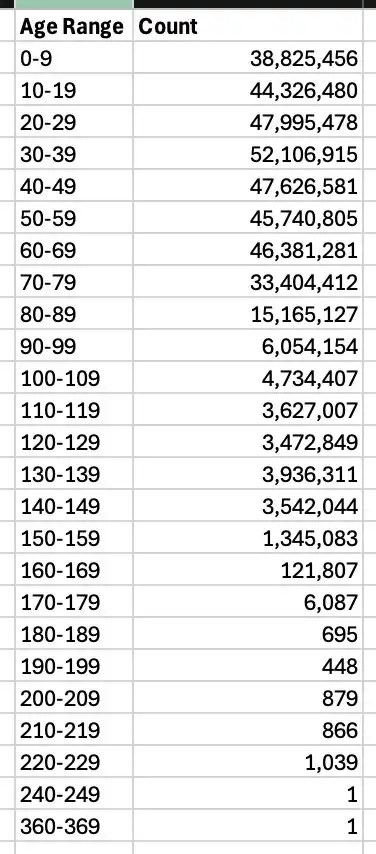
2 月 17 日,马斯克发文讽刺:「根据社会保障数据库,这些是死亡字段设置为 FALSE 的每个年龄段的人数!也许《暮光之城》是真实存在的,而且有很多吸血鬼在领取社会保障金。」并配图如下。图中显示,目前美国还有超过 2000 位 200 岁以上的老人正在领取社会保障金,其中最「高寿」的竟有 360 多岁。很显然,这是为了冒领保障金而进行的造假。目前政府效率部正在介入调查此事。

美国


自 2025 年 1 月美国新任总统特朗普任命埃隆·马斯克领导「政府效率部」(DOGE)以来,这一以企业化思维改造政府机构的改革行动迅速引发全球关注。2 月 11 日至 13 日的世界政府峰会期间,马斯克被问及政府效率部(DOGE)的任务时,直言政府效率改革就像企业转型一样,只是规模要大得多。他以旗下的 Twitter 为例,指出改革过程中削减了 80% 的人力,却通过技术提升,在一年之内取得了过去五年才能取得的成绩。通过官方推特账号「DOGE」的动态与公开信息,DOGE 团队以激进手段推动政府降本增效,其举措既带来显著成效,也引发争议。


以下是马斯克的政府效率部近期关键行动梳理:


2 月 11 日,农业部终止了 18 份合同,总额约为 900 万美元;教育部终止了 29 项总额达 1.01 亿美元的 DEI 培训补助金,终止了 89 份价值 8.81 亿美元的合同;

2 月 13 日,核实教育部取消不必要开支合同情况共 900 万美元;EPA 取消了 3 份 DEI 合同,节省 4500 万美元;此外还有 58 项合同取消,节省了超过 1.5 亿美元,涉及媒体、DEI 和咨询等类别;

2 月 14 日,取消了 167 项计划,节省了约 1.15 亿美元;教育部终止了对四家「平等援助中心」的拨款,总额达 3300 万美元;取消了拜登时代向气候正义联盟提供的 5000 万美元环境正义拨款,该联盟认为「气候正义通过自由巴勒斯坦实现」;

2 月 15 日,终止 10 家机构 586 个合约,上限价值为 21 亿美元,且已确保 4.45 亿美元的储蓄;教育部终止了 70 项总额达 3.73 亿美元的 DEI 培训补助金;取消了 9 项浪费的环保局 DEI 和环境正义合同,节省约 6000 万美元;追回拜登任职期间住房和城市发展部 (HUD) 被挪用的 19 亿美元资金,现在财政部可以将这些资金用于其他用途;

2 月 16 日,DOGE 取消了一系列对外援助合同,共计 7.29 亿美元,其中不乏一些看起来很离谱的项目:

为「莫桑比克自愿男性包皮环切手术」提供 1000 万美元;

为加州大学伯克利分校提供 970 万美元,用于培养「一批具有创业驱动技能的柬埔寨青年」;

向「选举和政治进程加强联盟」拨款 4.86 亿美元,其中 2200 万美元用于摩尔多瓦的「包容性和参与性政治进程」,2100 万美元用于印度的选民投票率;

2900 万美元用于「加强孟加拉国的政治格局」;

......


除了以上大规模缩减预算,马斯克的政府效率部还一直在精简政府部门人员,以及介入审计政府部门财政系统,这成为马斯克逐渐接近权利中心的两条路,也引起了美国社会的极大争议。


大规模裁员扩展至关键公共部门,引发社会服务担忧

据央视新闻记者报道,截至 2 月 16 日,特朗普和马斯克发起的大幅削减联邦政府工作人员数量的计划已经解雇了超过 9500 人。当地时间 2 月 16 日,美国国家卫生研究院(NIH)内部邮件显示,原计划裁撤 1500 人调整为 1165 人,受影响员工自 17 日起停职。这一调整被认为与公共卫生服务压力有关,但具体裁撤标准未公开,引发对医疗研究连续性的质疑。除此之外,美国总统多个部门当天还公布了裁员人数和裁员计划:


美国环境保护署称已解雇 388 名员工;

美国农业部两家研究机构的试用期工作人员也已被解雇,但尚不清楚有多少工作人员受到此次解雇的影响;

美国疾病控制与预防中心将有近 1300 名试用期员工被迫离职,约占该机构员工总数的十分之一;

美国国税局准备最早在下周解雇数千名员工;

美国林业局将解雇约 3400 名新雇员;

国家公园管理局将裁撤约 1000 个职位;

......


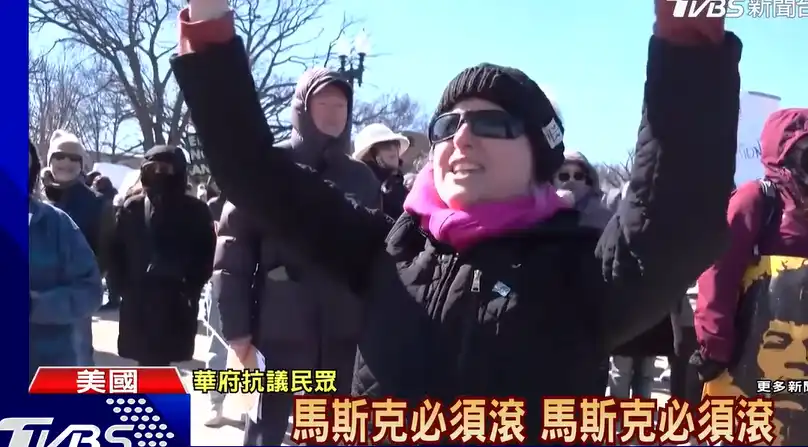
如此大规模的裁员计划,在美国国内引发了轩然大波。民主党对此提出尖锐批评,民众也纷纷走上街头,发起多次抗议活动。公共部门的人员变动,直接关系到民众的生活质量和社会的稳定发展。


美国

图源:YouTube Channel TVBS


敏感数据争夺战:纳税人隐私与国家安全争议

《华盛顿邮报》2 月 17 日披露,DOGE 团队要求访问 IRS 纳税人信息,声称用于审计政府支出效率,但未明确数据使用范围。此举引发隐私权倡导者和民主党议员强烈反对,称其可能滥用数据或威胁公民隐私。

尽管财政部声称 DOGE 仅有「只读」权限,但多个政府雇员工会并不买账,直接起诉财政部,指控其非法向马斯克团队开放支付系统访问权。此前,DOGE 团队已通过 AI 分析教育部敏感数据,这无疑加剧了人们对数据安全协议缺失的担忧。数据安全无小事,尤其是涉及到政府部门和民众的敏感信息,一旦出现漏洞,就可能引发信任危机。

在这场敏感数据的争夺战中,DOGE 的激进实验已然走上了一条不归路。若成功,或许能为全球政府改革提供全新的思路和模式,成为一种可借鉴的范例。但如果失败,美国无疑将陷入政治分裂与社会信任危机的泥沼。就像马斯克在推特所言:「要么让政府像科技公司一样运转,要么被淘汰。」只是在这场充满风险的实验中,美国政府能否找准方向,实现高效运转,还是未知数。而这场风波最终将如何收场,整个世界都在拭目以待。

最近的事态显示,DOGE 的改革已从初期「砍合同、裁部门」转向深水区:触及国家安全数据、核心公共服务和政党博弈。马斯克的硅谷式「颠覆」虽加速了流程,但也激化了宪政冲突与社会矛盾。若无法平衡效率与公信力,这场实验可能成为美国官僚体系史上最具争议的篇章。

Trending Cryptos

Related Reads

Goldman Sachs Research Report Analysis: Circle and USDC Are Moving Beyond the Crypto World, Cross-Border Payments and AI Agents Become New Battlegrounds

Goldman Sachs published a summary of its meeting with Circle Internet Group (issuer of USDC) on July 5th. The core takeaway is that stablecoins, led by USDC, are evolving from a crypto-native tool into foundational infrastructure for traditional finance and the AI economy. USDC's use cases are rapidly expanding beyond crypto trading into cross-border payments, e-commerce, capital market settlements, and notably, payments for AI agents. Circle's management emphasized that stablecoin growth is now decoupled from crypto market cycles, driven by this diversification. They outlined five key application layers and highlighted USDC's network effects, global liquidity depth, and regulatory compliance as competitive moats. Circle distinguishes USDC from bank-issued tokenized deposits, arguing the former is an open, internet-native system without bank credit risk. Strategically, Circle is building a broader fintech platform with its Arc Layer 1 blockchain, the Circle Payments Network for cross-border transfers, and an "Agentic Stack" to serve AI agent economies, where USDC already dominates. Regarding regulation, Circle views potential U.S. legislation like the CLARITY Act as a catalyst for growth rather than a constraint, expecting it to encourage broader institutional adoption and active usage. Goldman Sachs maintains a Neutral rating on Circle with a $96 price target, noting the company's shift from a pure stablecoin issuer to a financial infrastructure provider. Key risks include competition from USDT and potential earnings pressure from declining interest rates on its reserve assets.

marsbit18m ago

Goldman Sachs Research Report Analysis: Circle and USDC Are Moving Beyond the Crypto World, Cross-Border Payments and AI Agents Become New Battlegrounds

marsbit18m ago

The Robinhood Stock Tokens You Bought Are Just Debts from Jersey Island

The Robinhood stock tokens you buy are essentially debt securities issued by a shell company in Jersey, not real equity. These tokens merely track stock prices like NVIDIA or Apple but grant no shareholder rights like voting or dividends. If the underlying company fails, you have no claim on its assets. Instead, you hold a debt instrument from Robinhood Assets (Jersey) Limited, which promises returns based on stock performance. If this Jersey entity goes bankrupt, you become an unsecured creditor. This complex structure stems from Robinhood's past crisis during the 2021 GameStop short squeeze, where T+2 settlement caused liquidity issues. The blockchain-based tokens enable instant settlement, theoretically preventing such trading halts. The product is classified by the SEC as a "linked security" or structured note, carrying counterparty risk not borne by actual shareholders. It is available globally but excluded from the US, UK, and other major markets, while Robinhood offers a fully compliant, asset-backed token model in Europe under MiFID II. The system relies on oracles for pricing, which poses risks like manipulation and faulty liquidations seen in DeFi exploits. Robinhood profits from spreads and aims to become a full-chain settlement layer. Meanwhile, competitors like Ondo have launched SEC-registered, fully compliant equity tokens in the US with actual voting rights and dividends. Robinhood’s Jersey debt model appears as a transitional, regulatory-arbitrage product, aiming to capture market share ahead of future regulatory clarity.

Foresight News50m ago

The Robinhood Stock Tokens You Bought Are Just Debts from Jersey Island

Foresight News50m ago

Trading

Spot

Hot Articles

What is G$

Understanding GoodDollar ($G$): A Blueprint for Decentralized Universal Basic Income Introduction In the ever-evolving landscape of cryptocurrency and blockchain technology, initiatives that seek to address pressing social issues have garnered increased attention. One such project is GoodDollar ($G$), a Web3-based universal basic income (UBI) solution. GoodDollar endeavors to tackle inequality and bridge the wealth gap by creating and distributing accessible economic resources to those most in need. Through its innovative use of decentralized finance (DeFi), GoodDollar presents a unique model that could potentially reshape the way financial assistance is perceived and delivered globally. What is GoodDollar ($G$)? GoodDollar is a cryptocurrency protocol that facilitates the issuance and distribution of digital tokens, referred to as $G$, to its registered users on a daily basis. These tokens function as a form of universal basic income, promoting financial empowerment for individuals from various backgrounds, especially those traditionally excluded from the financial system. Operating on the blockchain, GoodDollar utilizes multiple chains, including Ethereum, Celo, and Fuse, ensuring broad access and usability. The fundamental goal of GoodDollar is to make cryptocurrency accessible and beneficial to everyone, irrespective of their economic starting point. The Creator of GoodDollar ($G$) Details concerning the creator of GoodDollar remain somewhat obscure. However, it is notably highlighted that the project has strong backing from eToro, a widely recognized investment platform that provided the initial funding and foundational support for GoodDollar's development. The vision behind the project is not solely profit-driven but leans heavily towards social entrepreneurship, aiming for a systemic change in economic accessibility. Investors of GoodDollar ($G$) GoodDollar enjoys the financial backing and operational support of eToro. This partnership has played a significant role in launching the protocol and its subsequent developments. While eToro was instrumental in establishing the foundation of the project, GoodDollar envisions transitioning towards a model funded by its community in the long run. This shift to community funding is in line with GoodDollar's commitment to decentralization, allowing its users to have a direct stake in the project's future. How Does GoodDollar ($G$) Work? GoodDollar's operational framework relies heavily on DeFi principles to generate interest from staked cryptocurrencies. This mechanism allows the project to mint and distribute $G$ tokens as a digital basic income for users worldwide. Several key features contribute to GoodDollar's uniqueness and innovation: Universal Basic Income (UBI): Every day, registered users receive free tokens, establishing an automatic income stream intended to alleviate financial pressures. Sustainable Economic Model: The project’s tokenomics aim to balance supply and demand for $G$ tokens, ensuring that the value remains stable over time. Reserve-Backed Tokens: Each $G$ token is backed by a reserve of cryptocurrencies, providing it with inherent value and reliability, a crucial aspect for maintaining user trust. Decentralized Governance: GoodDollar incorporates a democratic approach to decision-making through token-powered decentralized governance. This allows community members to actively participate in the shaping of the project's trajectory, making it truly community-driven. Global Accessibility: GoodDollar has established a considerable community footprint, boasting over 640,000 members spanning 181 countries. Such widespread reach is instrumental in facilitating UBI on a global scale. Timeline of GoodDollar ($G$) The evolution of GoodDollar is marked by several significant milestones throughout its history: 2019: The launch of the GoodDollar wallet marked the first step in operationalizing its vision of delivering UBI through cryptocurrency. 2020: Following the successful wallet rollout, the GoodDollar protocol officially debuted. This marked a crucial phase in its mission to provide daily distributed income. 2021: The project advanced further with the introduction of its Decentralized Autonomous Organization (DAO), fostering a greater level of community involvement and governance. 2022: GoodDollar unveiled its DeFi-friendly version 2 (V2), striving for enhanced user engagement and operational efficiency. The same year also saw the transition to a decentralized governance structure via GoodDAO. 2022: A new roadmap was conceptualized, focusing on initiatives like a grant program designed to promote $G$-related entrepreneurial ventures and an upgraded GoodDollar Marketplace. Key Features of GoodDollar ($G$) The GoodDollar project introduces numerous critical features aimed at redefining the landscape of basic income: Universal Basic Income: Delivering daily free tokens to its users fundamentally underscores its mission to eliminate economic precarity. Multi-Chain Operation: Leveraging multiple blockchain networks enhances accessibility and scalability, ensuring broader participation. Engagement with Decentralized Finance: The use of DeFi allows for sustainable funding of the UBI model, reinforcing its viability as an economic solution. Community Engagement and Governance: GoodDollar envisions a model where the community influences operations through democratic participation, fostering transparency and accountability. Global Community: Boasting a diverse global community enables the project to implement UBI solutions tailored to various cultural and economic contexts. Conclusion GoodDollar represents a transformative leap towards incorporating the principles of universal basic income through the innovative lens of blockchain technology. By harnessing decentralized finance, the project not only provides a solution to financial inequality but also actively engages users in its governance and operations. With a growing community and evolving roadmap, GoodDollar stands as a significant player in the intersection of cryptocurrency and social good, paving the way for a more equitable financial future. As it continues to evolve, GoodDollar’s journey may ultimately inspire other initiatives to consider similar models, furthering the cause of economic empowerment for all.

1.1k Total ViewsPublished 2024.04.01Updated 2024.12.03

What is G$

How to Buy G

Welcome to HTX.com! We've made purchasing Gravity (G) simple and convenient. Follow our step-by-step guide to embark on your crypto journey.Step 1: Create Your HTX AccountUse your email or phone number to sign up for a free account on HTX. Experience a hassle-free registration journey and unlock all features.Get My AccountStep 2: Go to Buy Crypto and Choose Your Payment MethodCredit/Debit Card: Use your Visa or Mastercard to buy Gravity (G) instantly.Balance: Use funds from your HTX account balance to trade seamlessly.Third Parties: We've added popular payment methods such as Google Pay and Apple Pay to enhance convenience.P2P: Trade directly with other users on HTX.Over-the-Counter (OTC): We offer tailor-made services and competitive exchange rates for traders.Step 3: Store Your Gravity (G)After purchasing your Gravity (G), store it in your HTX account. Alternatively, you can send it elsewhere via blockchain transfer or use it to trade other cryptocurrencies.Step 4: Trade Gravity (G)Easily trade Gravity (G) on HTX's spot market. Simply access your account, select your trading pair, execute your trades, and monitor in real-time. We offer a user-friendly experience for both beginners and seasoned traders.

6.3k Total ViewsPublished 2024.07.18Updated 2026.06.02

How to Buy G

What is @G

Graphite Network, $@G: Bridging TradFi and Web3 Introduction to Graphite Network, $@G In the vibrant world of cryptocurrencies and web3 projects, Graphite Network emerges as a beacon of innovation. With its native token, $@G, this Layer-1, Proof-of-Authority (PoA) blockchain is tailored to bridge the gap between traditional finance (TradFi) and the rapidly evolving Web3 ecosystem. As digital currencies gain traction, Graphite Network strives to offer a blockchain platform that prioritizes security, compliance, and speed, presenting itself as a facilitator of trust and accountability. What is Graphite Network, $@G? Graphite Network is not merely another blockchain project; it aims to redefine how decentralization, security, and user accountability are perceived in the digital finance realm. The project boasts a series of distinctive features: Reputation-Based Blockchain: At its core, Graphite Network implements a one-user, one-account policy, fortified with integrated Know Your Customer (KYC) verification and scoring mechanisms. This design ensures a balance between user privacy and transparency—a critical aspect of financial operations in today’s digital world. Entry-Point Node Income: The network incentivizes users to set up entry-point nodes, allowing operators to earn rewards from network transactions. This income generation model not only boosts user engagement but also reinforces network health and decentralization. EVM Compatibility: With an Ethereum-compatible virtual machine (VM), Graphite Network enables seamless integration of existing Solidity decentralized applications (dApps) and smart contracts, thereby inviting developers to leverage its capabilities without extensive modifications. KYC Integration: In an era where compliance is paramount, the integrated KYC framework with multiple verification tiers enhances the control over financial operations without mandatory participation, setting a precedent for user autonomy. Who is the Creator of Graphite Network, $@G? The Graphite Network is borne out of the endeavors of the Graphite Foundation, a non-profit organization dedicated to the development, maintenance, and evolution of the Graphite Network. The foundation’s commitment underscores the project’s vision to create a secure and sustainable blockchain environment focused on genuine user engagement and compliance. Who are the Investors of Graphite Network, $@G? Currently, there is limited information available on the specific investors backing the Graphite Network initiative. The founding organization, the Graphite Foundation, functions independently in fostering the project’s growth while seeking partnerships that resonate with its vision of a compliant and accessible blockchain platform. How Does Graphite Network, $@G Work? Graphite Network’s operation is grounded in its unique Proof-of-Authority consensus mechanism, which strikes an impressive balance between high throughput and decentralization. Let's delve into the various components that define its operation: Transport Nodes: Serving as the entry-point nodes, these are critical to the ecosystem. Operators can earn revenue from transactions that traverse the network, which not only empowers individual users but also bolsters network decentralization. Authorized Nodes: At the heart of the Graphite Network are core validators who undergo rigorous compliance tests, encompassing robust KYC verification along with technical assessments. This layer of trust is essential for ensuring that transactions within the network maintain a high level of integrity. Ticker System: Graphite Network employs a distinctive ticker system for its wrapped tokens, denoted as @G. This feature enhances clarity in asset integration, making user transactions comprehensible and straightforward. Graphite Network’s innovative approach reflects a significant step in addressing the crucial issues of digital finance, positioning itself favorably for the future as more users transition from traditional forms of finance into the world of decentralized applications. Timeline of Graphite Network, $@G To understand the progression and milestones of Graphite Network, it is beneficial to overview key events in its timeline: 2021: The inception of Graphite Network by the Graphite Foundation marks the commencement of a new chapter in blockchain development, focusing on compliance and user empowerment. Key Developments: Following its launch, the introduction of entry-point node income, the establishment of a reputation-based model, integrated KYC verification, and the provision of EVM compatibility represent significant advancements in the project. Recent Activities: The continuous development and nurturing efforts of the Graphite Foundation have focused on augmenting network features while fostering the ecosystem's growth, demonstrating a long-term commitment to sustainability and innovation. Additional Key Points Beyond its foundational components, Graphite Network encompasses several tools and features that bolster its usability: Graphite Wallet: A user-friendly Chrome extension that facilitates access to various network features and applications across Ethereum-compatible chains, enhancing user convenience. Graphite Bridge: This utility allows seamless transfers of Graphite assets across different networks, fostering an integrated and interoperable ecosystem. Graphite Explorer: Serving as an essential tool within the ecosystem, this feature enables users to view and verify smart contract source code, track transactions, and explore other vital information in real-time. Graphite Testnet: The project provides a robust testing environment for developers, allowing them to ensure stability and scalability prior to mainnet deployment. This initiative not only empowers developers but also enhances the reliability of the entire network. Conclusion Graphite Network, with its native token $@G, represents a significant stride toward bridging traditional finance and cutting-edge blockchain technology. By focusing on security, compliance, and decentralization, this innovative platform is set to lead the transition into the Web3 era. As user engagement grows and more projects leverage its capabilities, Graphite Network is poised to make lasting contributions to the rapidly evolving digital landscape. In conclusion, Graphite Network stands as a testament to what can be achieved when innovative thinking meets the growing demands of modern finance and technology. As the world explores the potential of decentralized finance, Graphite Network will undoubtedly remain a noteworthy player in this arena.

625 Total ViewsPublished 2025.01.06Updated 2025.01.06
What is @G

Discussions

Welcome to the HTX Community. Here, you can stay informed about the latest platform developments and gain access to professional market insights. Users' opinions on the price of G (G) are presented below.

活动图片