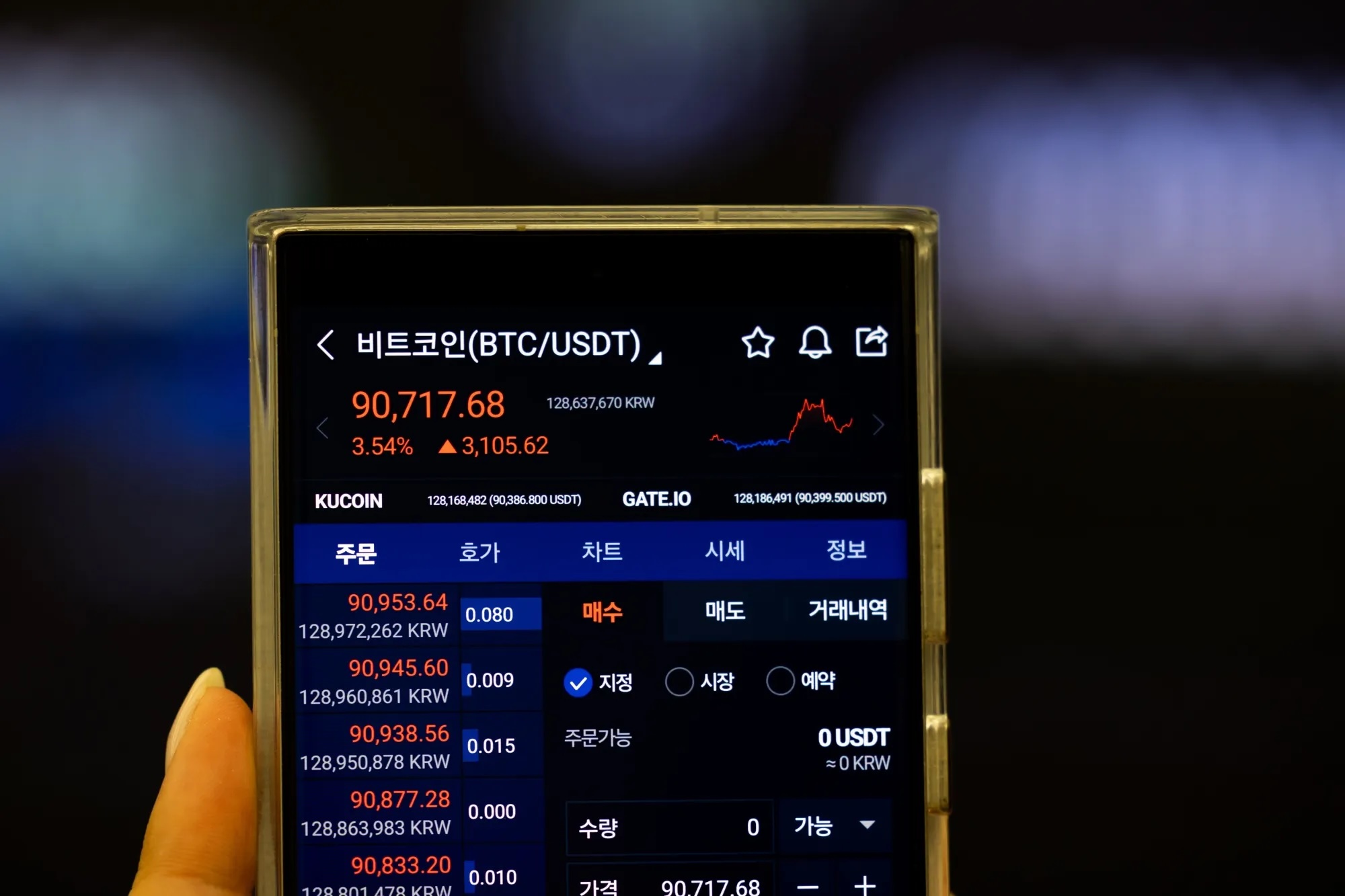
5 мемкоинов, за которыми стоит следить в декабре 2024 года

cryptonews.ruPublished on 2023-01-01Last updated on 2024-12-01

Ноябрь стал поворотным моментом для крипторынка, и мемкоины оказались одним из самых успешных его секторов.

Редакция BeInCrypto составила список мемкоинов, от которых можно ждать приятных сюрпризов в декабре 2024 года.

Department of Government Efficiency (DOGE(GOV))

В ноябре DOGE(GOV) достиг исторического максимума в $0,545 благодаря повышенному интересу к президентским выборам в США. Ажиотаж вокруг политической ситуации создал сильный импульс для мемкоина. Однако учитывая возвращение Дональда Трампа на президентский пост и объявление о создании Департамента эффективности правительства под руководством Илона Маска, ралли DOGE(GOV) может продолжиться и в декабре.
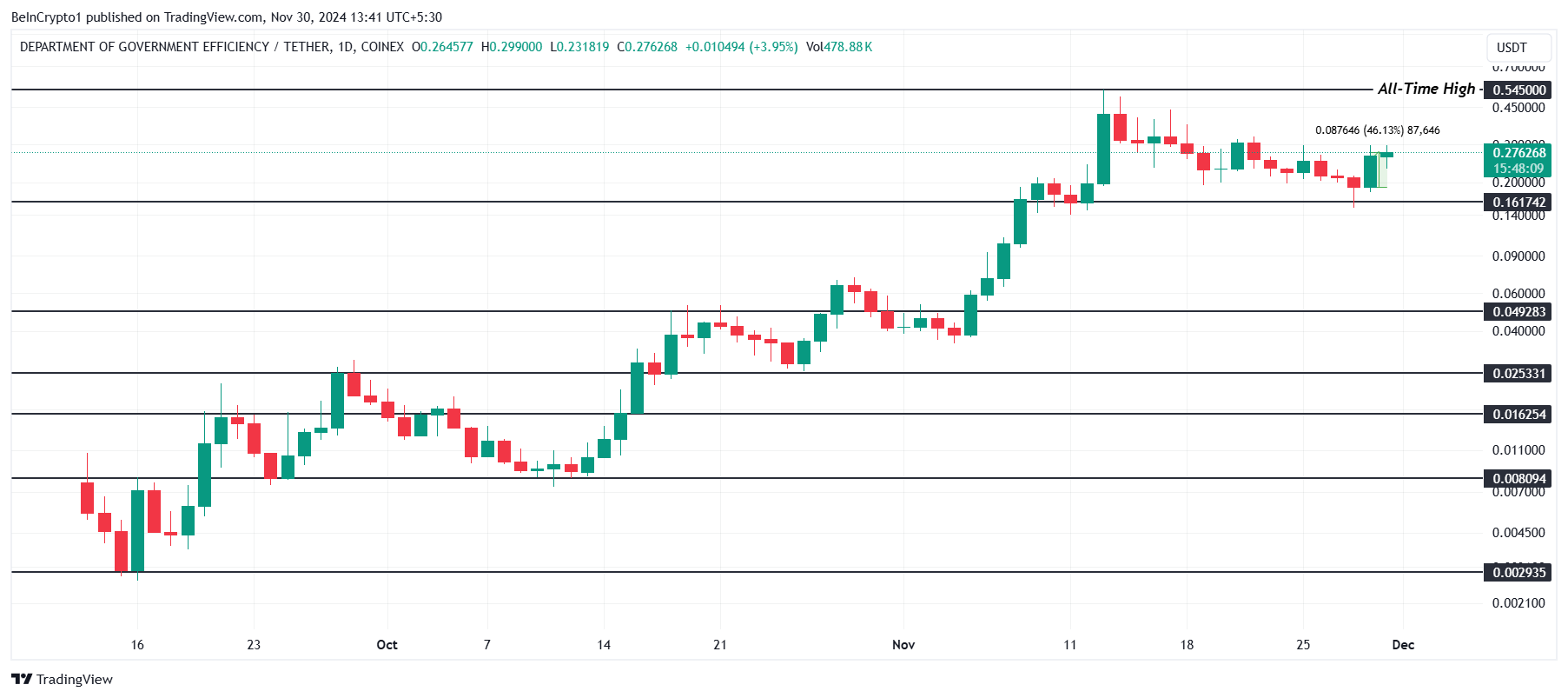
Анализ цены DOGE(GOV). Источник: TradingView

Учитывая быстрый рост DOGE(GOV), достижение отметки $1 в следующем месяце выглядит вполне вероятным.

Bonk (BONK)

В начале ноября цена BONK достигла исторического максимума $0,00006230, но затем снизилась до $0,00004607. Однако несмотря на падение, у мемкоина есть значительный потенциал для дальнейшего роста, поскольку ажиотаж вокруг экосистемы Solana продолжает расти.
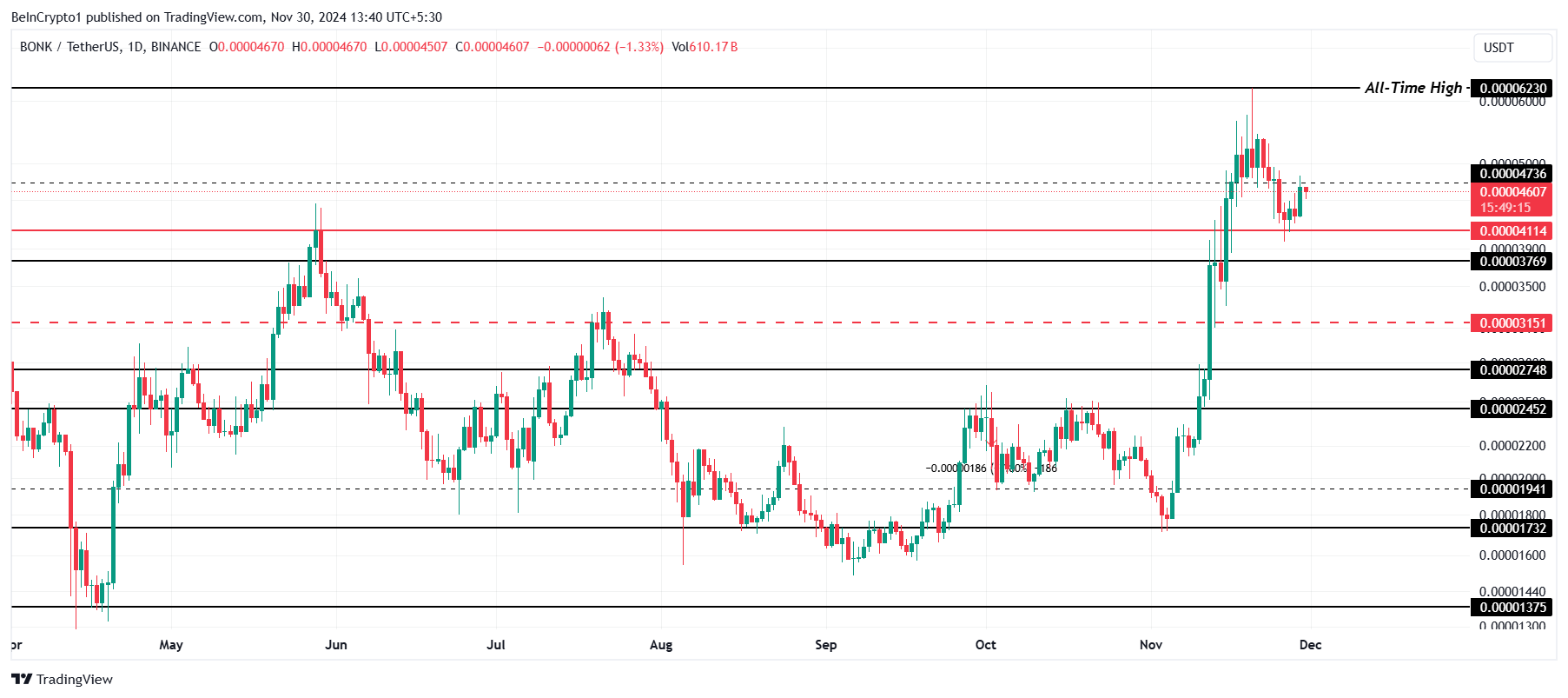
Анализ цены BONK. Источник: TradingView

На момент написания BONK торгуется под важным сопротивлением на уровне $0,00004736. Удачный прорыв и закрепление выше него поможет мем-монете установить новый исторический максимум.

Peanut the Squirrel (PNUT)

PNUT стал одним из лучших криптоактивов в этом месяце, прибавив в цене 1 416% всего за неделю. На момент написания мемкоин торгуется у отметки $1,24, удерживаясь выше важной поддержки на уровне $1,06. Пока цена находится выше этого порога, PNUT, скорее всего, избежит значительного падения и сохранит восходящий импульс.
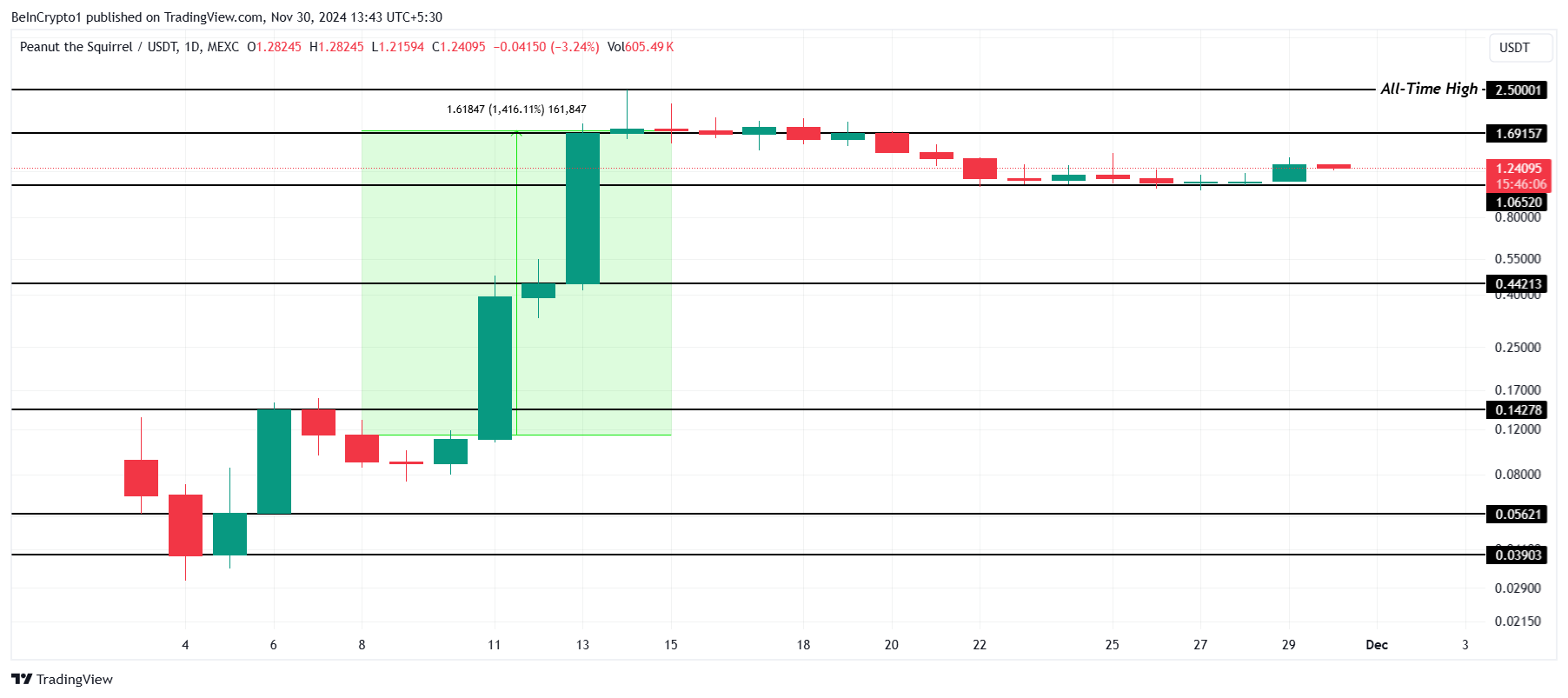
Анализ цены PNUT. Источник: TradingView

Однако если эта поддержка не устоит, мемкоин может ждать коррекция до $0,44.

Act 1: The AI Prophecy (ACT)

ACT находится на пересечении двух быстро развивающихся секторов криптовалютного рынка — искусственного интеллекта и мемкоинов. Это уникальное сочетание дает токену особое преимущество и привлекает новых инвесторов.

В начале ноября альткоин вырос на 3 044% всего за неделю. Если ACT успешно преодолеет исторический максимум в $0,95 и закрепился выше его, токен ждет продолжение ралли.
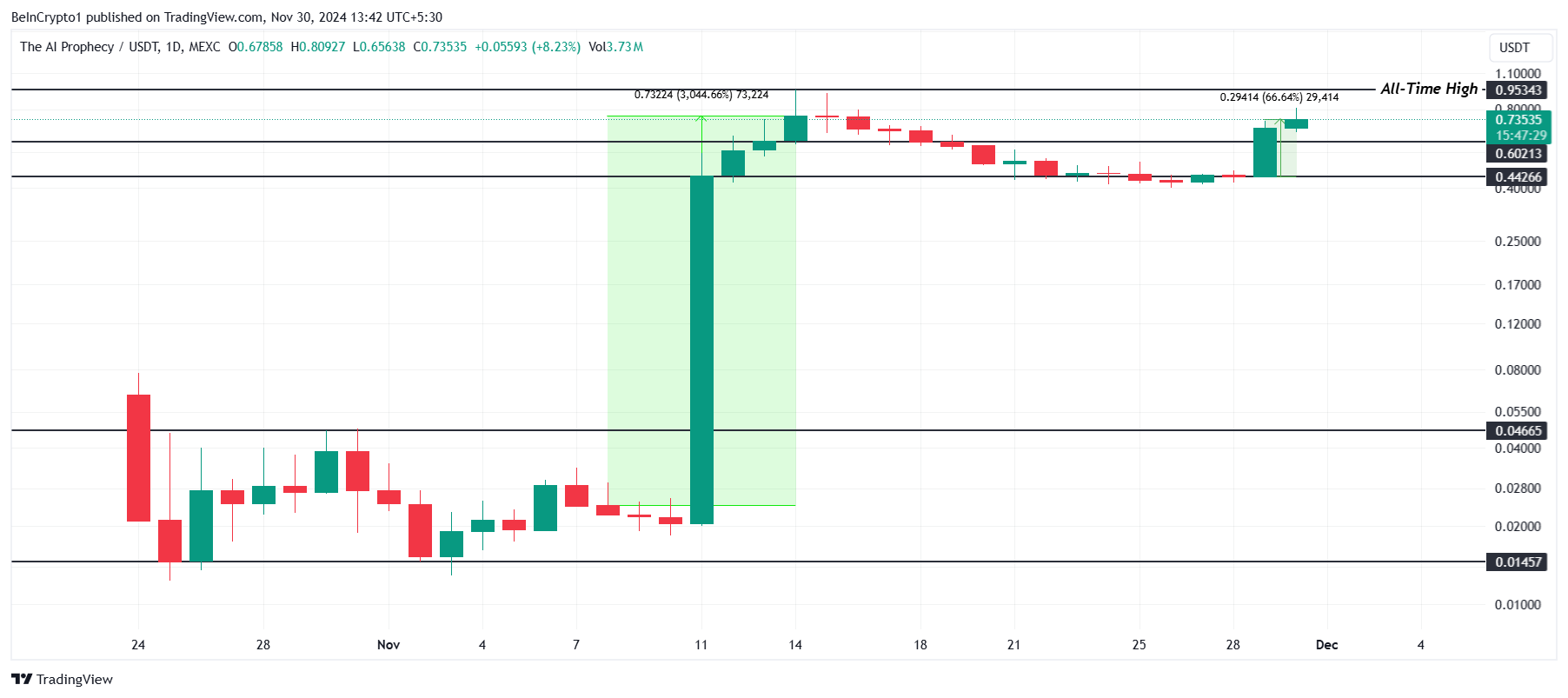
Анализ цены ACT. Источник: TradingView

Однако фиксация прибыли может спровоцировать падение ниже критической поддержки в $0,44, что аннулирует текущий бычий прогноз.

Pepe (PEPE)

PEPE неожиданно вырос в ноябре, прибавив в цене почти на 84% всего за 48 часов и достигнув исторического максимума в $0,00002597. На момент написания мемкоин торгуется в районе $0,00002091, удерживаясь выше критического для сохранения бычьего импульса уровня $0,00001677. Его потеря опровергнет позитивный прогноз и спровоцирует очередную коррекцию.
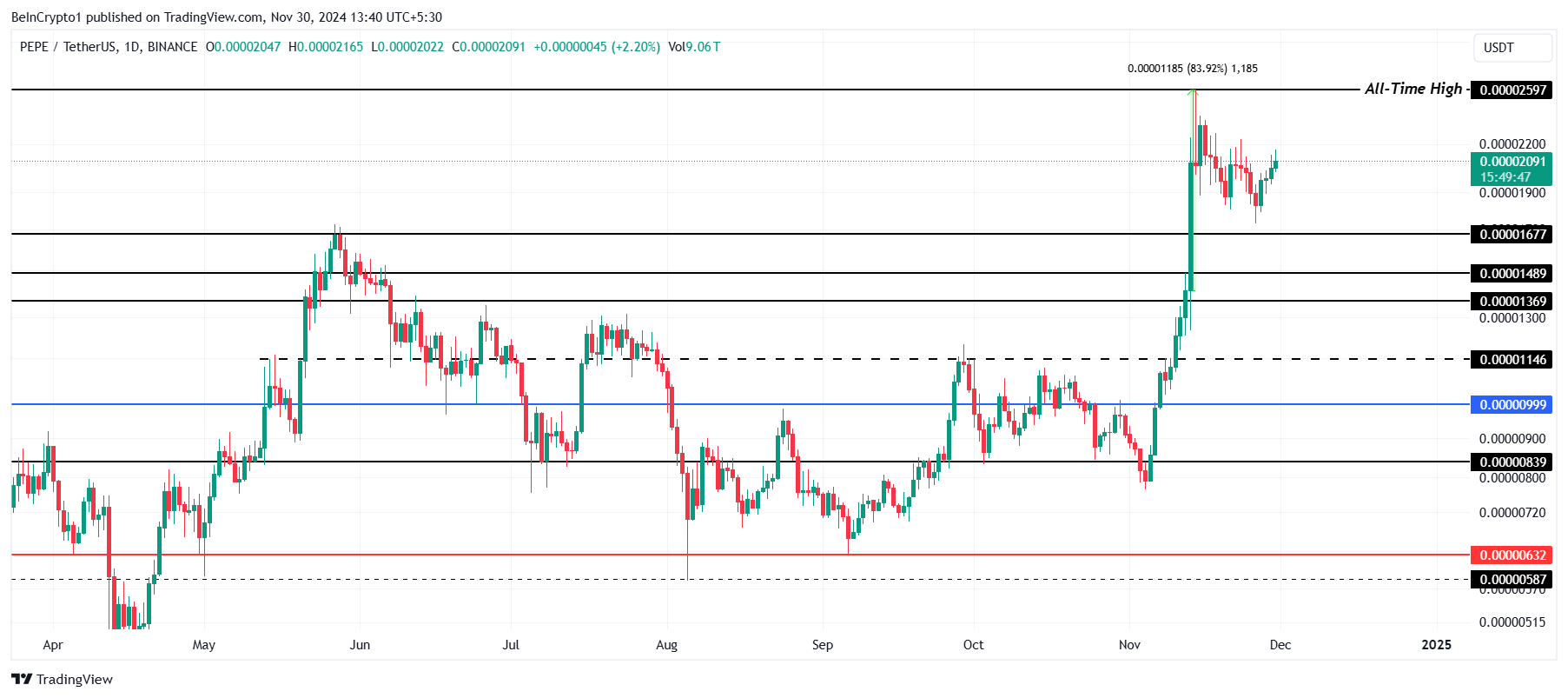

Анализ цены PEPE. Источник: TradingView

Related Reads

South Korean Institutions' Crypto Race: Dual Explosion of Stablecoins and RWA

**Summary: South Korea's Institutional Crypto Race: Stablecoins and RWA Take Off** South Korea is undergoing a structural shift in its crypto ecosystem, moving beyond its historical role as a major retail trading hub. Major financial institutions and internet platforms are now building institutional-grade blockchain infrastructure, with stablecoins and Real-World Asset (RWA) tokenization as the primary drivers. The push for a regulated Korean won stablecoin market is a major policy and corporate focus. This is driven partly by an estimated $115 billion outflow into dollar stablecoins like USDC, threatening the domestic financial system. Banks (e.g., KB Financial, Hana), payment giants (e.g., Shinhan Card, BC Card), and internet super-apps (KakaoPay, NAVER Pay) are all conducting pilots. The goal is to anchor future digital finance to the Korean won and local regulations. In RWA, South Korea is advancing rapidly within regulatory sandboxes, focusing on unique domestic assets beyond typical global templates like US Treasuries. Projects involve tokenizing ships (with Hyundai Heavy Industries), defense supply chain assets, and K-pop intellectual property, alongside more conventional assets. A legal framework is set for 2027, and platforms like NXT are preparing for regulated trading. Key opportunities for crypto-native projects lie in providing the underlying technology these traditional institutions lack: global distribution channels for tokenized assets, cross-chain liquidity solutions, and enabling infrastructure tools (e.g., for asset packaging and management). Partnerships, such as Solana with Shinhan Card or LayerZero with the Korea Gold Exchange, exemplify this proactive approach. Crucially, user access is being shaped by consumer platforms. NAVER's planned acquisition of Upbit's operator Dunamu and Kakao's development of a unified wallet aim to seamlessly integrate crypto with everyday payments for tens of millions of users. The race is now about which protocols and projects will become the foundational standards as regulation solidifies and institutional adoption accelerates.

Foresight News1h ago

South Korean Institutions' Crypto Race: Dual Explosion of Stablecoins and RWA

Foresight News1h ago

How to Detect AI-Generated Videos? A Review of Dynamic, Traceable, and Explainable Detection Systems

**How to Detect AI-Generated Videos: A Survey on Dynamic, Traceable, and Explainable Detection Systems** With rapid advances in AI video generation (e.g., Sora, Veo), creating highly realistic, multi-minute videos is now possible, widening the gap with detection research. Current AI video detection, often limited to unreliable binary classifications, is insufficient. This survey, accepted at ACL 2026, reframes the goal as **"factual fidelity verification"**—checking if a video's content (who, when, where, what) aligns with the real world perceptually and cognitively. It categorizes AI-generated videos into three paradigms: **Local Manipulation Videos (LMV**, e.g., face swaps), **Audio-Visual Editing (AVE**, e.g., lip-syncing), and **Generative Video Synthesis (GVS**, fully synthetic videos like Sora's). Detection challenges evolve from visual artifacts in LMV to multi-modal inconsistencies in AVE and higher-level world knowledge violations in GVS. The core proposal is a **Vision-Language Dual-View framework** with four hierarchical layers: 1. **Layer 1 (Intrinsic Visual Cues):** Analyzes low-level signal statistics, noise patterns, and physiological signals. 2. **Layer 2 (Spatiotemporal Consistency):** Checks for temporal coherence in object motion and scene dynamics. 3. **Layer 3 (Cross-Modal Consistency):** Verifies alignment between video, audio, and text within the video. 4. **Layer 4 (Language-Guided World-Level Reasoning):** Uses external knowledge, facts, and physical laws to judge semantic plausibility and factual correctness. The survey traces a shift in detection focus from lower layers (1 & 2) toward higher, language-involved layers (3 & 4). It also reviews evolving evaluation metrics and datasets tailored for each video paradigm. The conclusion advocates for a **dynamic, evidence-first detection system** that moves beyond simple classification. Future trustworthy detection requires combining visual evidence (from CV) with semantic reasoning and explanation (from NLP & multimodal AI), ultimately creating traceable and explainable judgments about a video's adherence to real-world constraints.

marsbit1h ago

How to Detect AI-Generated Videos? A Review of Dynamic, Traceable, and Explainable Detection Systems

marsbit1h ago

Trading

Spot
活动图片