Messari:一文速览稳定币市场的主要竞争者

marsbitОпубліковано о 2024-09-25Востаннє оновлено о 2024-09-26

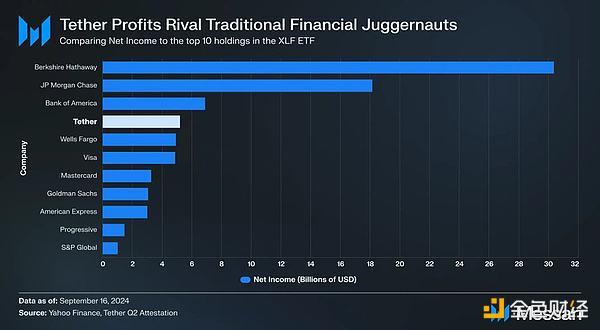
Tether上季度破纪录的盈利能力使其跻身tradfi巨头之列。但52亿美元这笔巨额利润也让它成为了那些想要分得一杯羹的新竞争对手的目标。
市场

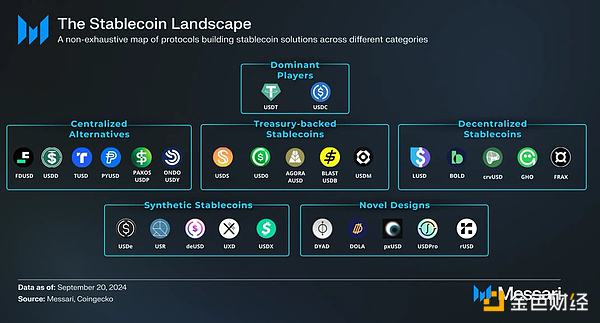
本文我们来深入快速发展的稳定币世界,涉及到中心化领域和去中心化领域。

稳定币全览

我们将做以下几类的垂直细分:
市场

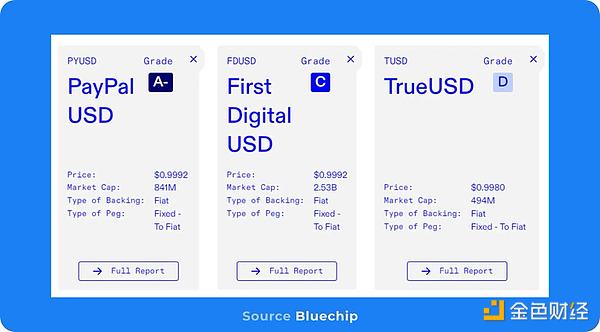
PYUSD

中心化稳定币往往缺乏透明度,而且往往只在具有明确激励的条件下才会出现高交易量。PYUSD是少数收获信任的10亿美元市值规模的中心化稳定币之一。
市场

USD0

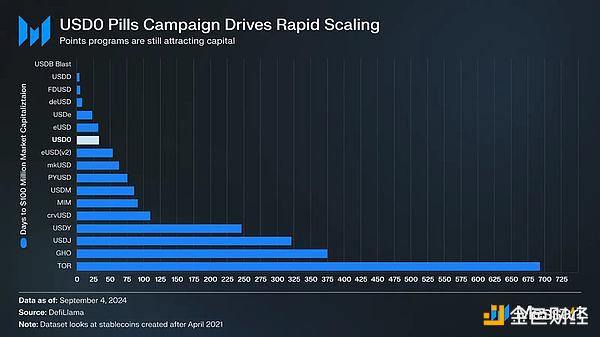
通过空投激励以及与Morpho等DeFi平台的合作整合,像USD0这样更加去中心化的金库支持型稳定币迅速增长。USD0市值约为2.5亿美元,很快就达到了这一目标。
市场

Elixir的deUSD

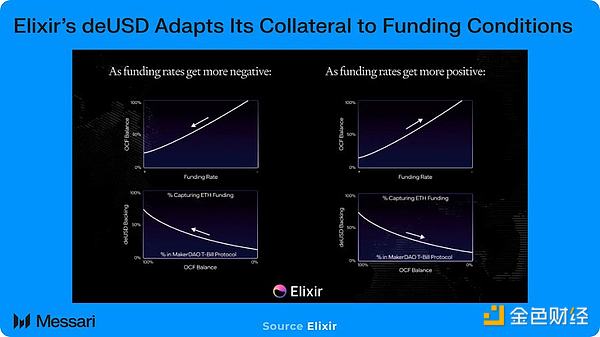
像USDe这样的合成稳定币使用“多头现货+空头期货头寸”来维持其挂钩。由于基差被压缩,USDe失去了市场份额。但像Elixir这样的新协议旨在通过调整其抵押品支持来改进Ethena模式。
市场

GHO

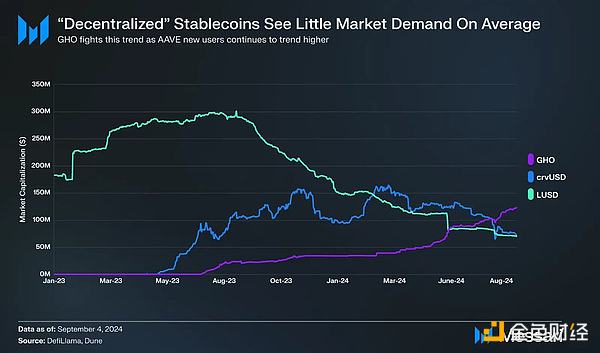
专注于最大限度地去中心化和最大限度地减少人为干预的稳定币一直以来都没有显出太多的需求。GHO可能是个例外,因为它利用了AAVE上持续增长的活跃用户群。
市场

DYAD

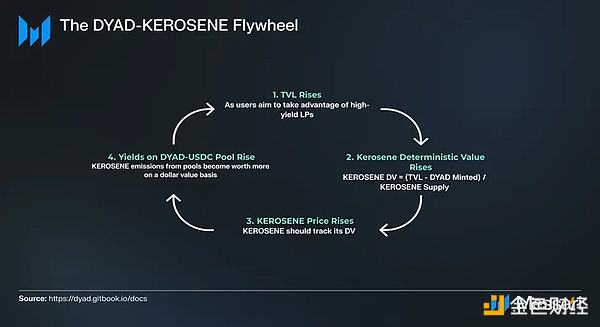
创新的设计通常试图实现某种机制来改进典型的抵押债务。

头寸模式。DYAD就是这样的一种稳定币,它的目标是通过另一种名为KEROSENE的代币利用系统内多余抵押品。KEROSENE允许用户抵押外自己的外源资产铸造更多的DYAD。而且,NFT(NOTE)持有者的KEROSENE越多,他们从流动性池中获得的收益就越多。
市场

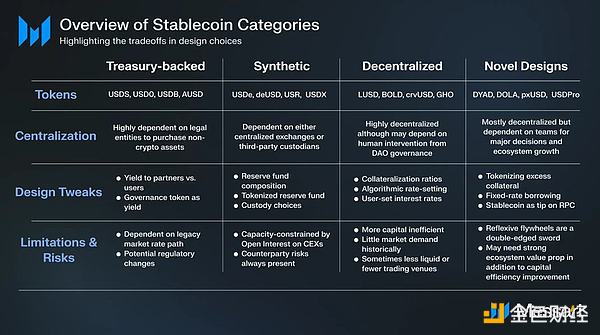
这些类别的新稳定币都在收益率、可及性、流动性、稳定性和资本效率方面相互竞争。新设计或对旧设计的调整都会涉及到各种利弊权衡:
市场

每周都有新的稳定币进入市场,稳定币领域格局也在不断发展变化。

Пов'язані матеріали

Will ONDO's 'Tokenization Narrative' Change After Its CEO's Unexpected Passing?

Ondo Finance founder and CEO Nathan Allman has passed away unexpectedly. Allman, a Brown University graduate with a background in private credit and Goldman Sachs' digital asset team, was a key architect of Ondo's pivot from DeFi structured yield products to becoming a leading Real-World Asset (RWA) protocol. He drove the strategy to tokenize traditional financial assets like US Treasuries (OUSG), yield-generating dollar assets (USDY), and US stocks/ETFs (Ondo Global Markets) for on-chain accessibility. The company announced that President Ian De Bode, a former McKinsey partner with a strong institutional strategy and operations background, will succeed Allman as CEO. While Allman's sudden departure presents a near-term challenge, testing market confidence and Ondo's continuity, the project is seen as more than a founder-driven narrative. It has an established product suite and a management team with deep traditional finance experience. The long-term impact hinges on the new leadership's ability to execute. De Bode's expertise in compliance, distribution, and institutional partnerships aligns with RWA's next phase of scaling infrastructure. The core question is whether Ondo can maintain its product momentum and institutional relationships. Ondo's native ONDO token represents governance and RWA narrative value, not direct revenue from the underlying assets. Its future as a "top tokenization play" will depend on the team's continued delivery of product growth, asset scale, and real-world demand, moving beyond the initial emotional shock.

marsbit28 хв тому

Will ONDO's 'Tokenization Narrative' Change After Its CEO's Unexpected Passing?

marsbit28 хв тому

Bankless Co-founder's Confession on Selling Off ETH: Ethereum Did the Right Thing, but 'ETH as Money' Has No Future

Bankless co-founder David Hoffman recently sold his remaining ETH holdings, sparking debate within the Ethereum community. In a detailed explanation, Hoffman clarifies that his decision was not based on bearish sentiment towards Ethereum itself, which he remains highly optimistic about, but rather on the conclusion that the "ETH is Money" narrative has largely run its course. Hoffman argues that for ETH to achieve its envisioned status as global money, Ethereum needed to execute flawlessly across multiple layers—governance, technology, and market dominance—in a highly coordinated manner. He acknowledges Ethereum's significant successes and current justified valuation but suggests the window for a major revaluation based on this monetary narrative is closing. The post examines several challenges: the strong correlation between L1 chain activity/fees and native token value; the perceived failure of the "strong version" of crypto (user-owned, egalitarian systems) versus the rise of a "weak version" (efficient ledger technology for traditional finance); and the possibility that ETH's momentum as money was uniquely tied to the distorted conditions of the 2020-2021 period. Crucially, Hoffman highlights a structural tension: Ethereum is architected as a "giver, not a taker," providing critical infrastructure like secure block space and tokenization at cost. This ethos benefits the broader ecosystem (applications, L2s) but doesn't prioritize extracting maximum value for ETH itself. The "ETH is Money" thesis required Ethereum to win a war of overwhelming market dominance—a war its design philosophy refuses to explicitly fight. Therefore, while he sees continued immense success for the Ethereum network and its ecosystem (following a "fat application" theory where value accrues to apps and L2s), Hoffman finds it increasingly difficult to foresee a structural upward revaluation for the ETH asset based on the monetary narrative. His capital reallocation reflects a belief that this particular investment thesis has played out.

Odaily星球日报34 хв тому

Bankless Co-founder's Confession on Selling Off ETH: Ethereum Did the Right Thing, but 'ETH as Money' Has No Future

Odaily星球日报34 хв тому

Торгівля

Спот
Ф'ючерси
活动图片