«Взрыв ставки на выборах» близок, CFTC предупреждает апелляционный суд

cryptonews.ruPublished on 2021-10-15Last updated on 2024-09-15

Предупреждая о неизбежном «взрыве ставки на выборах», Комиссия по торговле товарными фьючерсами США обратилась в апелляционный суд с просьбой продлить паузу на Рынки политических прогнозов Калши на время рассмотрения апелляции агентства.

«Кэлши и другие истолковали постановление окружного суда как начало сезона спекуляций на выборах», — заявила CFTC в своем заявлении, поданном в субботу, сославшись на решение судьи от 6 сентября о том, что регулирующий орган T должен был запрещать компании предлагать контракты, по которым партия будет контролировать каждую палату Конгресса.

Агентство отметило, что после принятия этого решения крупнейшая на Уолл-стрит компания Interactive Brokers объявила, что будет предлагать контракты на президентские выборы через дочернюю компанию, регулируемую CFTC.

Если Апелляционный суд США по округу Колумбия не продлит паузу по контрактам Калши на время апелляции, другие биржи, регулируемые CFTC, Социальные сети ее примеру, заявило агентство. «Взрыв спекуляций на выборах на фьючерсных биржах США нанесет ущерб общественным интересам». Вред включает в себя манипулирование рынком и «ущерб честности выборов», повторила CFTC.

Последствия для отрасли

Отдельно CFTC предложила запретить избирательные контракты на всех биржах, находящихся под ее контролем. Несколько экспертов по правовым вопросам заявили, что Мнение окружного суда может сорвать это предложение .

Читать далее |Рынки политических прогнозов США: почему победа Калши в суде имеет значение

Мнение окружного суда также имеет потенциальные последствия для Криптовалюта бизнеса. Мнение основывалось на постановлении Верховного суда по делу Лопера Брайта, которое ограничило полномочия регулирующих органов по толкованию своих установленных законом полномочий, передав такие полномочия судам.

«Вероятно, федеральные агентства продолжат сталкиваться с ограничением своих полномочий в результате решения Лоппера Брайта и отсутствия нового, более четкого законодательства со стороны Конгресса», — написал Алекс Торн, руководитель общефирменных исследований в Криптo банке Galaxy Digital, в исследовательской записке в пятницу. «Это может иметь далеко идущие последствия для Криптo ».

Длительная борьба

Kalshi подала заявку на листинг избирательных Рынки в прошлом году. CFTC заблокировала ее. Компания подала в суд и выиграла на прошлой неделе. CFTC подала заявку на экстренную отсрочку, запрещающую Kalshi немедленно листинговать свои контракты, но проиграла и эту битву. Контракты были запущены в четверг, прежде чем были временно приостановлены Апелляционным судом округа Колумбия, пока он рассматривает экстренную отсрочку.

Компания заявила в своем заявлении, поданном в пятницу, что такая задержка нанесет « непоправимый вред » компании Kalshi.

Читать дальше: Даже временная блокировка избирательных контрактов может нанести «непоправимый» вред, утверждает Калши

В последнем документе CFTC это утверждение названо «глубоко вводящим в заблуждение» и говорится, что любые финансовые потери, понесенные Калши, «меркнут по сравнению с ущербом, который может Flow в случае разрешения спекуляций на выборах на фьючерсных Рынки США».

Агентство отметило, что Kalshi предлагает сотни других контрактов на проведение мероприятий, и «если оно выиграет апелляцию, оно сможет перечислить избирательные контракты на обозримое будущее и компенсировать свои потери».

Кроме того, Калши должен был предвидеть приближение этой борьбы, заявила CFTC. «Невозвратные расходы Калши не связаны с отсрочкой, они связаны с решением Калши тратить большие средства на ставки на выборах, зная, что Комиссия не одобряла такие контракты в прошлом».

Просить разрешения или просить прощения?

Kalshi, которая ведет бизнес только в США и в долларах, пожаловалась, что, хотя она была отстранена от ставок на выборы в этом году, ее конкурент Polymarket, работающий на криптовалюте, зафиксировал огромные объемы торговли .

«Мы те, кто пытался соблюдать закон, а выгоду от задержки получают те, кто T хочет соблюдать закон», — заявил на слушании в четверг Яаков Рот из Jones Day, главный адвокат Калши.

В субботнем заявлении CFTC назвала этот аргумент «нелепым».

«Аптека не имеет права отпускать кокаин только потому, что он продается на черном рынке», — заявили в агентстве.


Related Reads

The Hunter Becomes the Hunted: The Most Profitable MEV Bot Gets Hacked

A well-known and highly profitable Ethereum MEV Bot, Jaredfromsubway.eth, suffered a sophisticated on-chain attack this Saturday, losing over $7.5 million. Analysis by Blockaid and others reveals this was not a conventional phishing or smart contract exploit, but a targeted "counter-MEV honeypot attack." The attacker meticulously laid a trap over several weeks, deploying 66 fake token contracts and liquidity pools disguised as major assets like WETH and USDC. These pools created the illusion of arbitrage opportunities. The MEV Bot's automated system detected these signals, executed trades, and in the process, granted approval permissions to attacker-controlled contracts. These approvals were not revoked, creating a persistent vulnerability. The attacker then exploited this in a single transaction, draining the bot's ETH, USDC, and USDT holdings. Jaredfromsubway.eth is notorious as one of Ethereum's most active and profitable MEV Bots, primarily known for executing "sandwich attacks" to profit from transaction slippage. Estimates suggest it has earned tens of millions in MEV revenue. The incident highlights escalating crypto security threats, demonstrating that even top-tier automated "predators" are vulnerable to novel, logic-based attacks designed to exploit their own operational rules. Following the hack, an unverified X account impersonating Jaredfromsubway.eth emerged, falsely offering a bounty for the return of funds, prompting developer warnings for users to stay vigilant.

marsbit49m ago

The Hunter Becomes the Hunted: The Most Profitable MEV Bot Gets Hacked

marsbit49m ago

The Reality of Payments in Latin America Is Not What You Think

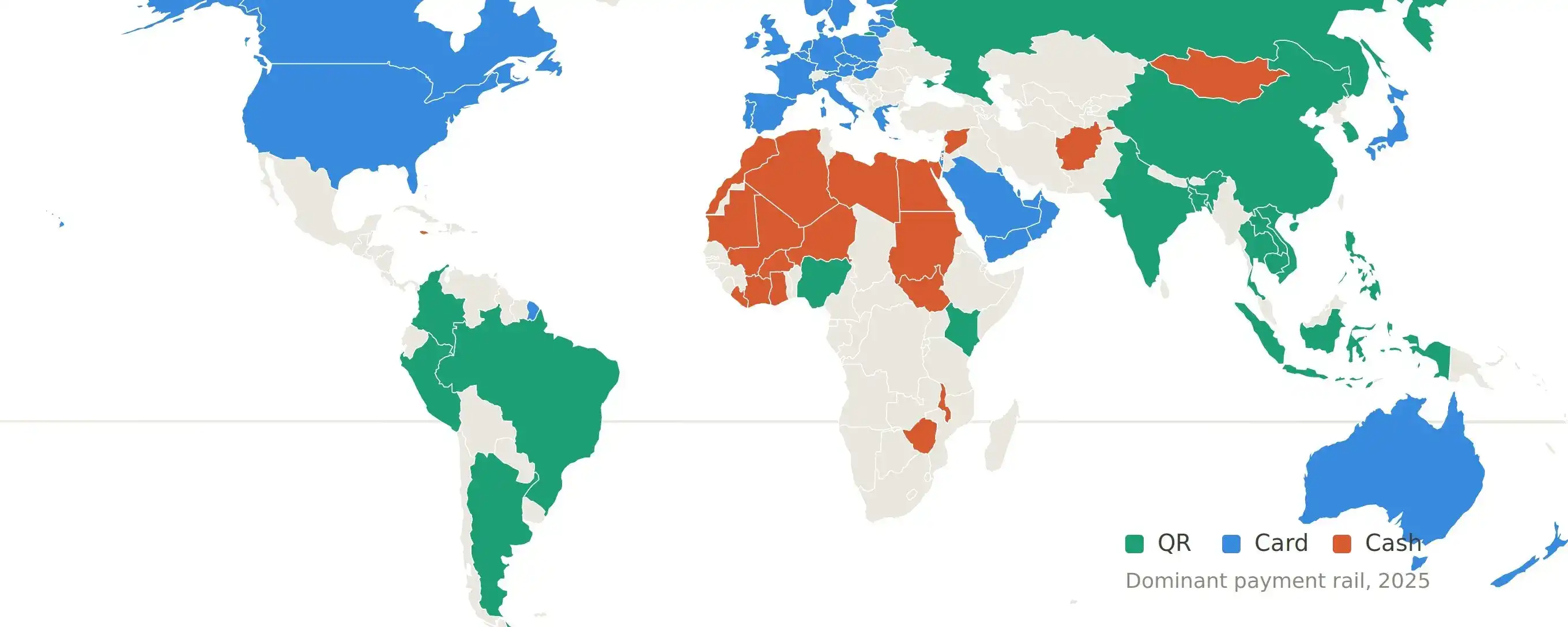
The payment landscape in Latin America is undergoing a fundamental shift, driven by on-the-ground realities that challenge common perceptions. Based on over 500 hours of field research across the region, key insights emerge. Firstly, QR code payments, like Brazil's Pix, are becoming the dominant payment method in most emerging markets, overtaking cards. However, these domestic instant payment systems lack international interoperability, creating a significant gap for cross-border users. Secondly, the narrative around crypto cards is often misunderstood; their primary volume comes from high-net-worth professionals using them for salary conversions (e.g., USDT to local currency via Pix), not retail micro-payments. Competition in payments is shifting from customer acquisition to controlling the settlement layer, leading fintechs to acquire banking licenses for efficiency. Thirdly, treating "Latin America" as a single market is a mistake. Countries like Argentina, Brazil, and Mexico have distinct economic realities, user segments, and regulatory approaches. Brazil alone has at least five distinct user segments with different financial flows. Overlooked markets like Guatemala, Honduras, and El Salvador (the "forgotten five") offer high remittance volumes with lower competitive density. Finally, regulation in Latin America is often ahead of the US, with clearer frameworks for digital assets and a pragmatic approach from regulators focused on safety rather than obstruction. The margin on stablecoin forex is rapidly compressing toward zero, meaning future winners will be those building value-added services on top of the infrastructure, not just the cheapest exchange.

marsbit1h ago

The Reality of Payments in Latin America Is Not What You Think

marsbit1h ago

Making Music in a Bear Market: The Survival Experiment of a Bitcoin Band

"Orange Pill Jam: A Bitcoin Band's Survival in the Bear Market" Orange Pill Jam is a musical group exploring themes of financial sovereignty and privacy, born from the Bitcoin community. Formed after singer Mermaid performed her song "Dollar Apocalypse" at a 2022 conference, the band creates music intended for both Bitcoin enthusiasts and general audiences. Their creative process involves Mermaid writing lyrics and melodies, which producer/multi-instrumentalist Michi then shapes with a precise, rhythm-focused approach, often demanding numerous retakes to achieve his unique standard of timing. Their songs, like "Cypherpunks' Manifesto" and "Fire of Freedom," tackle concepts of digital privacy, the pitfalls of "free" services, and personal sovereignty, influenced by experiences in places like El Salvador. Despite operating in a crypto bear market with a Copyleft model (offering music for free sharing/remixing and accepting optional Bitcoin donations), they face practical challenges. Their growth is slow on platforms like YouTube and Spotify, which aren't optimized for their niche content. The band also navigates the rise of AI-generated music. While acknowledging AI's efficiency for certain tasks, they believe human creativity occupies a unique space that algorithms cannot replicate—the ability to create new genres and capture intangible rhythmic feeling. For Orange Pill Jam, the core argument for both Bitcoin in a downturn and human artistry in the AI age lies in this irreplaceable, intentional, and imperfectly human creative process. Their project persists as an anti-algorithm experiment, valuing the unquantifiable impact of music over scalable metrics.

marsbit1h ago

Making Music in a Bear Market: The Survival Experiment of a Bitcoin Band

marsbit1h ago

Trading

Spot
Futures
活动图片