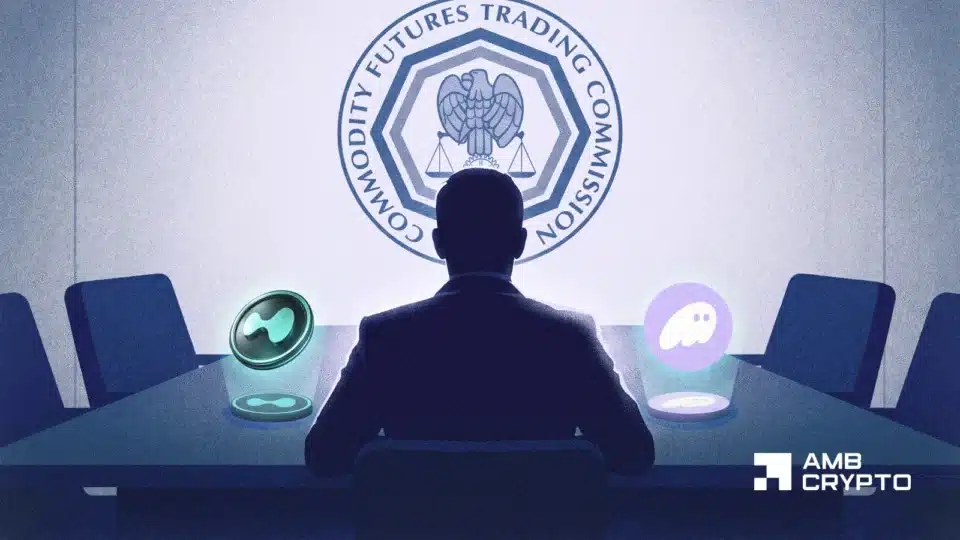
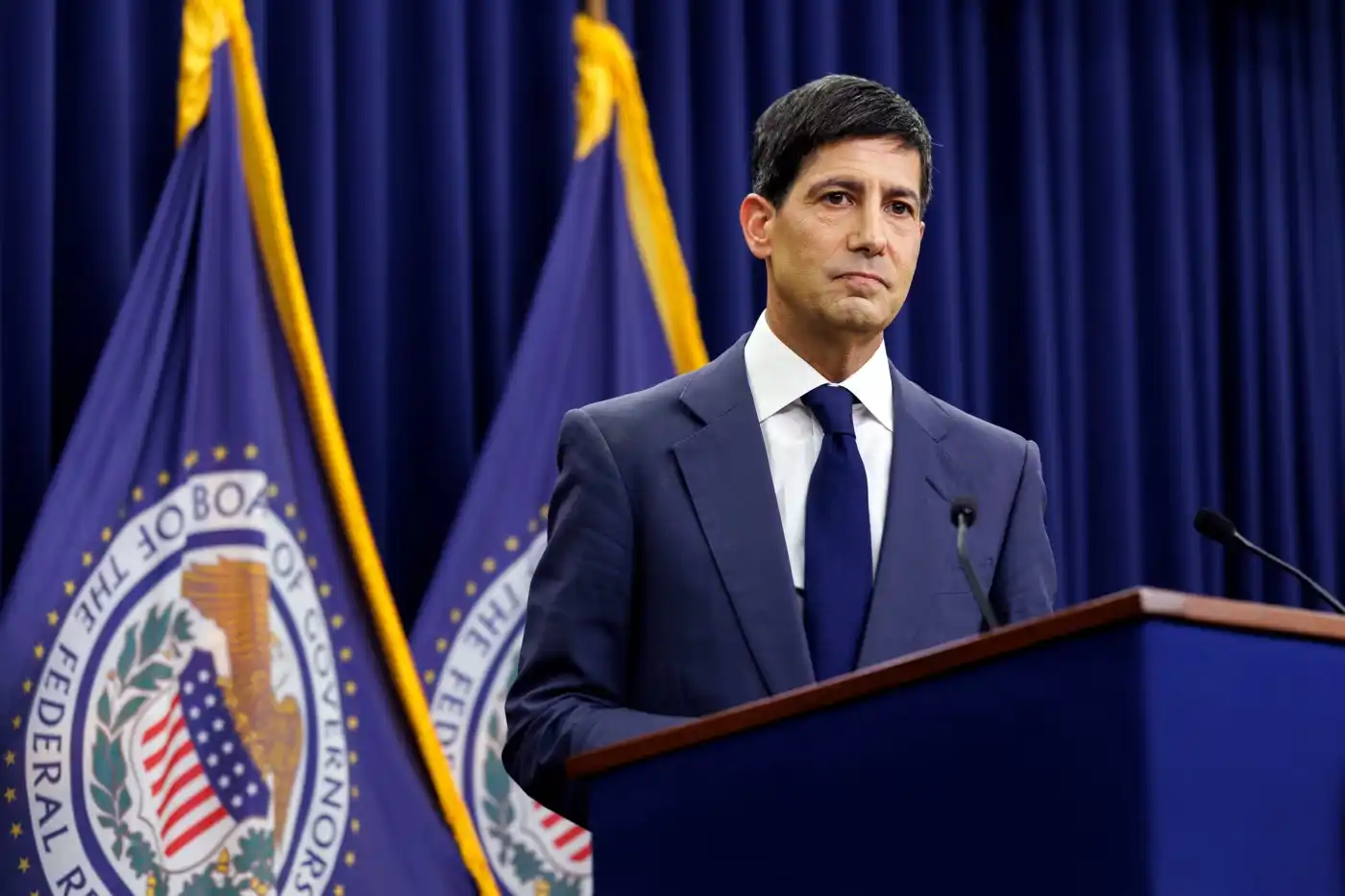
ФРС США направила United Texas Bank предупреждение о несоответствии требованиям AML

investing.ruPublished on 2024-09-05Last updated on 2024-09-05

По результатам аудита, в деятельности United Texas Bank были выявлены пробелы в области управления рисками, особенно в части обслуживания клиентов, занимающихся цифровыми активами.

Офис ФРС штата Техас выразил обеспокоенность по поводу несоблюдения законов о борьбе с отмыванием денег (AML), нарушения общих принципов систем безопасности, а также их последствий для финансовой экосистемы США.

«Проверка выявила критические недостатки в соблюдении United Texas Bank правил по борьбе с отмыванием денег и Закона о банковской тайне (BSA). Например, были выявлены существенные нарушения в отношении банковских операций и взаимодействия с клиентами, ориентированными на виртуальную валюту», — заявили в ФРС.

Совет управляющих ФРС США настоятельно призвал United Texas Bank усилить свои программы по обеспечению соответствия установленным требованиям BSA/AML, подчеркнув необходимость надежных нормативных рамок для защиты финансовой системы.

Ранее Казначейство и ФРС США выступили с предложением об унификации методов регулирования денежного обращения и распространения термина «деньги» на криптовалюты и цифровые активы.

Читайте оригинальную статью на сайте Bits.media
Related Reads

Is Ethereum Truly a "World Computer"?

Title: Is Ethereum Really a "World Computer"? Ethereum, envisioned as a "world computer" by its founder Vitalik Buterin, aims to be a decentralized platform for global applications. However, a recent analysis by Four Pillars raises questions about whether it is more accurately a "Western computer," based on the geographical distribution of its validators. Currently, the United States dominates with 38.19% of all validators, followed by Germany at 13.04%. Combined, these two countries account for over half of the network. In contrast, Asian representation is minimal, with Singapore holding only 3.15%. The concentration is partly due to affordable cloud hosting services like Hetzner and OVH in Europe and North America, as well as the prevalence of residential validators in the U.S., where individuals run nodes via home internet connections. When examining professionally operated validators, the distribution becomes more balanced. The U.S. share drops to 25.81%, while Asian countries like Singapore (7.28%), Hong Kong (6.44%), Japan (6.38%), and South Korea (4.59%) collectively approach the U.S. level. This shift reflects strategic deployments by institutions to meet regulatory requirements and reduce latency for local users. However, regions like South America, the Middle East, and Africa remain underrepresented. Ethereum's peer-to-peer network mechanisms, such as gossipsub, disadvantage areas with low node density, creating a feedback loop where delayed message propagation reduces validator performance and rewards. This imbalance challenges Ethereum's promises of censorship resistance and global accessibility. Despite these issues, opportunities exist for growth in underrepresented regions. As demand for localized staking infrastructure rises, early entrants in areas like the Middle East could establish dominant positions by offering compliant, low-latency solutions. The evolving validator landscape highlights both the structural challenges and the potential for Ethereum to move closer to its "world computer" ideal.

Foresight News1h ago

Is Ethereum Truly a "World Computer"?

Foresight News1h ago

Trading

Spot
活动图片