BACKED VC:我们需要更多应用程序

深潮Published on 2024-08-22Last updated on 2024-08-22

我们正处于“我们建造了一堆没有车的高速公路”的境地。

作者:Henry Ang

编译:深潮TechFlow

今年对加密货币来说是一个重要的里程碑:比特币和以太坊 ETF 的推出、美国两党对加密货币的支持,以及 Circle 在新货币上的扩展,首个是 EURC。尽管这些进展令人鼓舞,但对于下一个重大转折点的出现以及我们(资本配置者)如何相应地进行定位,仍然存在不安的情绪。

图:Henry Ang,BACKED VC 的区块链投资者

在 EthCC 的一些活动中,我们看到许多团队在基础设施方面工作,彼此之间的差异非常小。偶尔有应用程序开发者在各个展位之间走动,与这些团队交谈,思考在哪里建设最合适。我们的观点是,这种碎片化导致了关注点的稀释,应用程序开发者不得不在一系列复杂的选择中徘徊。尽管基础设施丰富,但缺乏有凝聚力和影响力的应用开发。借用一个我们听到过的短语,我们正处于“我们建造了一堆没有车的高速公路”的境地。

这就是资本配置者(包括我们)在塑造行业中肩负巨大责任的地方。虽然资助基础设施并非根本上是坏事,但来自后期、差异化程度低的项目所带来的潜在回报正在扭曲市场,给建设者带来了困境:你是应该尝试构建一个产品市场契合度更难实现的应用,冒着市场条件不佳而无法融资的风险?还是说,构建一个与其他竞争者有些差异化的基础设施项目会更容易,且更有可能完成融资,从而确保数年的资金周转?这种对基础设施的重投资趋势抑制了应用开发的创新,而下一次重大突破最有可能发生在这里。那么,我们该如何逆转这种趋势呢?
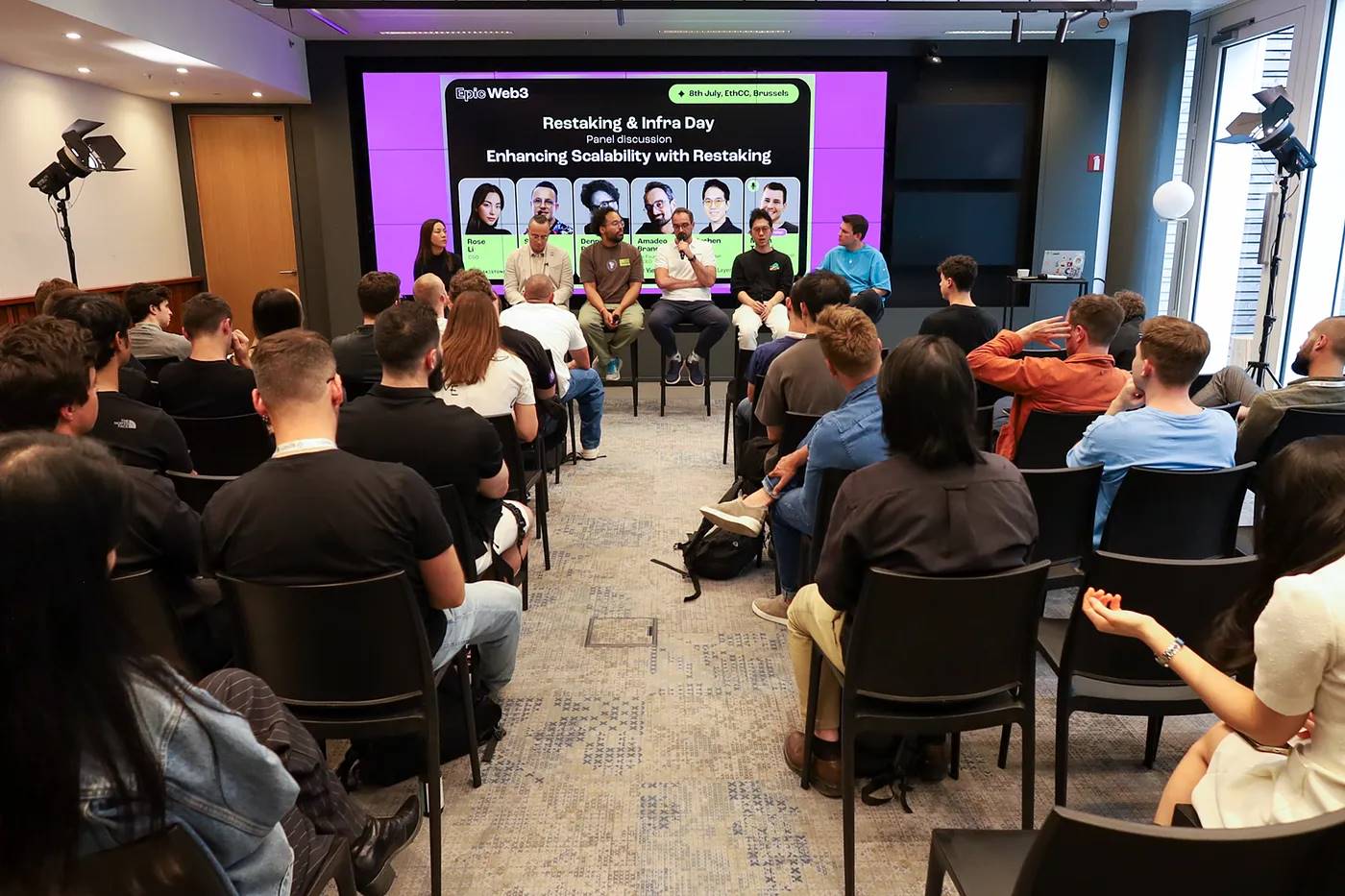
图:Henry 在今年的 EthCC 布鲁塞尔会议上参加了一场关于重质押与基础设施的有趣讲座,演讲者是我们的投资组合创始人之一 Amadeo Brands,来自 YieldNest(见图)

转变潮流:从基础设施到应用

好消息是,市场往往会自我修正,尽管这需要时间。我们认为,目前仍在盲目复制上一周期基础设施剧本的基金将开始出现业绩不佳,这将限制它们筹集新基金的能力。如果将这一现象推及整个行业,我们应该会看到资金格局的健康重置。在这一转型之前,我们希望分享一些塑造我们自身投资论点的内部见解。

首先,私有基础设施投资是否代表比公共投资更好的机会并不明确。一个常见的投资启发是,基础设施拥有更大的市场总量(TAM),并且能够承受更长的时间来找到产品市场契合度,因此资本愿意根据现有基准为其定价。例如,Monad(一个并行化的 EVM 第一层区块链)最新的估值为 30 亿美元,可以认为是“合理”的,因为 Sei 作为并行化 EVM 竞争者的交易估值为 26 亿美元,而 Aptos 和 Sui 分别作为替代 L1 竞争者的交易估值为 68 亿美元和 86 亿美元。如果你认为 Monad 拥有“更好”的社区和技术,并与 ETH 对齐,从而获得更大的流动性,你可能在适当的市场条件下承保一个约 100 亿到 200 亿美元的基础案例,代表 3-6 倍的回报。然而,这些机会并不支持早期风险投资的经济学:如果你在这一轮投资 300 万美元,3-6 倍的回报仅转化为 6-15% 的总价值投资影响,假设你管理一个 1 亿美元的基金。

其次,与流动市场机会相比,作为私营风险交易进行此类投资的风险/回报并不太有利。与其对 Monad 承保 3-6 倍的回报,你不如在 Solana 约 80 美元时进行类似的回报配置(带有流动性优先权),当时它突破了一年的阻力位,且有更清晰的指标(用户数量、总锁仓价值、交易量等)。你还将拥有更大的投资规模灵活性和更短的回报周期,这将转化为更好的内部收益率(IRR)。综上所述,我们应如何在加密领域内进行早期风险投资?

关注应用层

在 BACKED,我们的策略是有选择性地关注基础设施投资,并将大部分时间投入到评估应用层项目上。

这一决策源于我们的假设,即应用层被严重低估且投资不足。例如,Aave 的总锁仓价值(TVL)超过 115 亿美元,年化费用达到 3.025 亿美元,而其全稀释估值(FDV)为 21 亿美元。相比之下,Aptos 的全稀释估值为 68 亿美元,但总锁仓价值仅为 3.78 亿美元,年化费用仅为 85 万美元。究竟是 Aave 被低估了,还是 Aptos 被高估了?无论如何,我们相信市场会随着时间的推移更准确地反映价值,而那些服务最多用户并具备强大财务指标的应用将最终胜出。

令人鼓舞的是,我们已经开始观察到这一点的早期迹象。例如,Solana 上的应用程序 Jito、Raydium 和 pump.fun 开始产生的费用(和收入)超过了它们所依赖的区块链基础设施。接下来,我们期待估值能够更准确地反映这些基本面。

因此,我们的投资论点是支持那些深刻理解并积极利用区块链和加密经济学来提供更优秀应用的创始人。

我们认为,应用程序可以大致分为两类——加密原生(crypto-native)和加密启用(crypto-enabled),它们各自面向不同的用户群体。如今大多数应用程序都属于加密原生:例如去中心化金融(DeFi)或 Web3 游戏,用户主要在链上。这些应用推动了无权限、完全链上的经济体,我们特别感兴趣的领域包括:

  • 永续交易所(Perp Dexes)——驱动大多数中心化交易所(CEX)的交易量,但链上交易量仍然较小

  • 去中心化社交(Decentralised Social)——提供新的内容消费方式

  • 保险(Insurance)——作为重要的基础设施,但在风险评估方面面临许多挑战
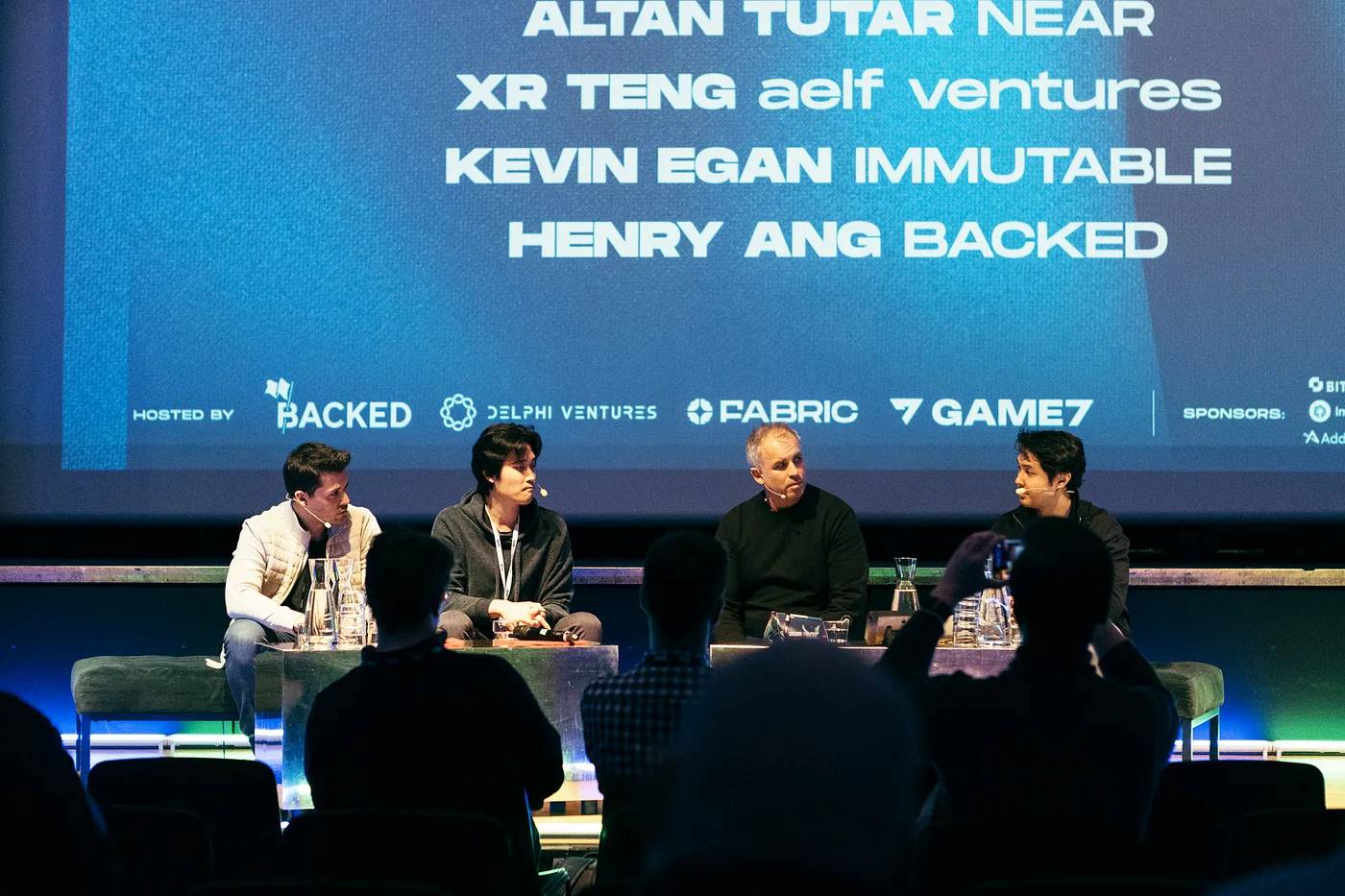
图:Henry(右侧)在 Slush 2023 的未来游戏(Future of Gaming)会议上发言

然而,还有许多应用程序属于加密启用,用户不必在链上。一些我们立即感兴趣的领域包括:

  • 支付(Payments)——通过区块链基础设施实现更快的结算和全球覆盖

  • DePIN——通过代币发行和 NFT 进行所有权追踪

  • 广告与归因市场(Advertising & Attribution Markets)——通过链上社交图谱实现

  • 资产代币化(Asset Tokenisation)——通过链上透明性和智能合约自动化实现

资本配置者在引导区块链行业中发挥关键作用

展望未来,我们必须在引导区块链行业朝着可持续增长和真正创新的方向上发挥关键作用。通过重新聚焦我们的努力,支持那些提供真实价值和效用的应用开发者,我们可以催化这一领域的下一波突破。

Related Reads

Real-Life 'Black Mirror' Pumpfun Go: 40 Yuan to Lick a Toilet, $14,000 to Tattoo a Logo on Your Forehead

Pumpfun Go, a bounty task platform launched by the meme coin platform Pump.fun, is facing intense controversy. The platform's slogan "Pay anyone to do anything" has manifested in real-world tasks where participants perform increasingly extreme or demeaning acts for cryptocurrency rewards. These tasks range from licking a gas station toilet floor for roughly $5.63 to getting a permanent "bounty.fun" logo tattooed on one's forehead for $14,000. Other completed challenges include eating live insects and quitting a job on camera. The highest-value active bounty offers approximately $560,000 for climbing Mount Everest and placing a bet on a specified platform. While some tasks involve promoting meme coins or community events, the platform has drawn widespread criticism for incentivizing the exploitation of economic desperation. Participants, often citing "we need money" as their motivation, complete these tasks for sums that can far exceed their regular income. Critics, including New York Governor Kathy Hochul, have condemned Pumpfun Go as a dystopian system that commodifies human dignity and preys on the vulnerable. Supporters argue it provides a novel income opportunity for those in need. The debate highlights deeper societal issues around power, inequality, and the historical human fascination with spectacles of humiliation. The platform's existence raises questions about the ethical limits of anonymous online markets and the persistent reality where financial need forces individuals to trade their dignity for survival.

Odaily星球日报7m ago

Real-Life 'Black Mirror' Pumpfun Go: 40 Yuan to Lick a Toilet, $14,000 to Tattoo a Logo on Your Forehead

Odaily星球日报7m ago

The Strategy That Would Never Sell Bitcoin Opened a Permanent Sales Channel

MicroStrategy, a company long known for its "never sell Bitcoin" mantra, announced a "Digital Credit Capital Framework" allowing it to sell up to $1.25 billion worth of Bitcoin. Surprisingly, its stock (MSTR) rose nearly 7% pre-market. This shift, coming just a month after a small, "ad-hoc" sale of 32 BTC for dividends, transitions from a temporary action to a formal, institutional tool. The framework outlines four clear purposes for potential sales: bolstering USD reserves, paying preferred stock dividends/interest, and repurchasing its own preferred and common stock. The key driver for this change is the immense financial pressure from MicroStrategy's complex capital structure, specifically its massive $8.5 billion perpetual preferred stock (STRC). STRC features a variable interest rate that has been reset upward eight times in a year to 12% in an attempt to stabilize its price. However, the stock has fallen over 25% below its face value. Combined with other preferred stocks and convertible notes, MicroStrategy's total annual fixed obligations now stand at $1.76 billion, equating to a daily burn of roughly $4.8 million. While its $2.55 billion in USD reserves and the new $1.25 billion BTC sales framework provide a two-year+ runway, a dangerous feedback loop exists. Falling Bitcoin prices would force the sale of more BTC to meet fixed obligations, potentially creating further sell-side pressure and lowering MSTR's asset valuation multiple. This, in turn, limits its ability to raise cash through stock issuance. The market's positive reaction likely stems from relief; the framework replaces fears of a forced, disorderly sell-off with a structured plan. However, it does not resolve the underlying high-cost capital structure, leaving the company's long-term health heavily dependent on Bitcoin's price performance.

marsbit40m ago

The Strategy That Would Never Sell Bitcoin Opened a Permanent Sales Channel

marsbit40m ago

Trading

Spot
活动图片