DOP推出Polygon PoS以增强Web3中的数据所有权

币界网Published on 2024-07-30Last updated on 2024-07-30

币界网报道:

[新闻稿-日本东京,2024年7月29日]

数据所有权协议DOP宣布即将在Polygon PoS上部署。此举旨在提高互操作性和效率,通过选择性透明度让用户更好地控制他们在Polygon网络上的个人信息。

DOP在一篇博客文章中表示:“DOP与Polygon生态系统的整合突显了为更广泛的受众带来选择性透明度的必要性。”。“我们的注意力将转向在DOP的用户界面内建立以太坊和多边形PoS之间的桥梁。”

DOP用户将受益于更高效、更具成本效益的区块链基础设施。Polygon的可扩展和快速网络将允许用户以比以太坊更低的交易成本与DOP的选择性透明度功能进行交互。这种增强的用户体验将促进个人和企业采用DOP的数据所有权解决方案。

此外,随着DOP加入Polygon生态系统,该协议将能够与网络中的其他项目和应用程序进行许多潜在的集成和协同作用。这种增强的互操作性将使DOP的选择性透明度功能得到更广泛的采用,使更多的用户能够在更广泛的去中心化应用程序中控制他们的个人信息。

关于数据所有权协议(DOP)

数据所有权协议使用户能够拥有自己的数据。在加密货币中,持有量、余额和交易历史等财务数据在区块链上是公开的。DOP技术的使命是让用户决定分享什么以及与谁分享。

DOP旨在通过选择性透明、利用零知识密码学和其他先进技术,使个人和企业能够更好地控制他们的数据。

有关更多信息,用户可以访问数据所有权协议:官方网站|推特|领英

Related Reads

Warsh's Latest Speech: The Era We Are In

Federal Reserve Chairman Kevin W. Warsh delivered a speech titled "In Our Time" at the Jackson Hole Economic Policy Symposium. The remarks struck a cautiously hawkish tone, with Warsh emphasizing that inflation remains significantly above the Fed's 2% target and should be the primary focus of monetary policy. He expressed that recent, better-than-expected CPI and PCE data do not yet signal a meaningful improvement in the underlying inflation trend. Warsh outlined core principles for monetary policy, including the firm commitment to the 2% inflation target, the importance of both price stability and maximum employment, and the primary role of short-term interest rates as a policy tool. He also stressed the relevance of monetary aggregates and advocated for a Fed that communicates with greater purpose and restraint. A significant portion of the speech addressed the practice of "forward guidance." Warsh argued that while essential during crises, forward guidance should be limited in normal times. He warned that excessive pre-commitment to future policy paths can constrain the Fed's flexibility and create a "hall-of-mirrors" problem, where markets rely too heavily on Fed signals rather than independently assessing economic fundamentals. On the current economy, Warsh noted impressive resilience, strong business investment (partly driven by AI infrastructure), healthy consumer spending, and a stable labor market with low unemployment. However, he observed that broad financial conditions are not particularly restrictive. Despite economic strength, inflation metrics remain elevated, with a high proportion of PCE basket components still showing price increases above 3%. Warsh concluded by stating the Fed's standard: policymakers must be confident that underlying inflation is moving clearly and sufficiently quickly toward the 2% target. Otherwise, "we have more work to do." He framed his approach as a commitment to disciplined policy-making rather than to any specific near-term decision.

marsbit1h ago
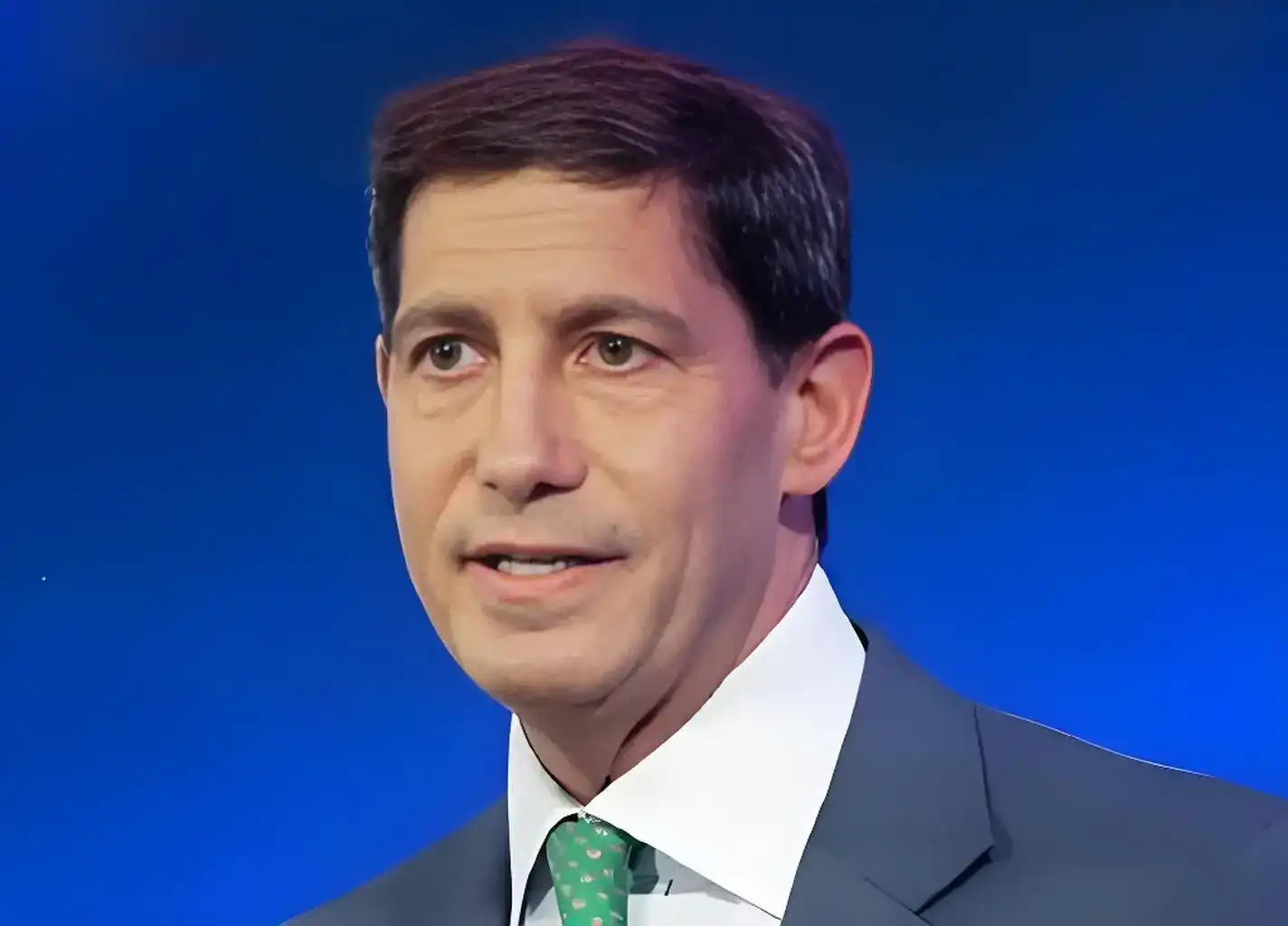
Warsh's Latest Speech: The Era We Are In

marsbit1h ago

Access to Active Sessions Instead of Databases: How the Shadow Market in Russia Has Changed

The Russian cybercriminal underground is shifting from selling massive, stolen corporate databases to trading active, short-term access to user accounts, according to a 2026 report. The value of information intercepted directly from infected devices by malware has risen nearly 13% in a year. Attackers now sell packets containing active session tokens (bypassing passwords and two-factor authentication), live email credentials, VPN and cloud storage logins, and corporate network access. A subscription for a steady stream of fresh data costs $250-$300 per month, far exceeding the value of outdated archives. While Russian regulators have successfully penalized companies for data leaks from centralized storage—with no repeat violations recorded after imposing turnover fines—this framework fails against the new threat model. Malware now steals data *after* it leaves the corporate perimeter and is on a user's personal device, a legal grey area. In 2026, 60% of studied web attacks aimed to steal keys for infiltrating corporate infrastructure. The situation mirrors global trends, akin to the Genesis Market shutdown in 2023, and highlights a structural risk: the demand for "fresh" data incentivizes botnet operators to maintain long-term control of infected devices for recurring revenue. This creates a persistent vulnerability layer between personal devices and corporate networks, currently outside the reach of existing regulatory protections.

cryptonews.ru4h ago

Access to Active Sessions Instead of Databases: How the Shadow Market in Russia Has Changed

cryptonews.ru4h ago

Trading

Spot
活动图片