为山寨季做准备:在识别正确项目上花时间,采用“定投”思路逐步获利了结

链捕手Published on 2024-07-23Last updated on 2024-07-23

作者:THE DEFI INVESTOR

编译:深潮TechFlow


很多人最近对这个牛市周期的持续失去了信心。

考虑到许多顶级山寨币在过去几个月里下跌了超过 60%,他们的失望是可以理解的。在这样的市场低迷期生存确实不易。

然而,有许多迹象表明这个周期还没有结束。

当然,金融市场上没有什么是一定会发生的。但我确实认为,在这个时候看涨的风险/回报非常具有吸引力。

在本期中,我将解释为什么我预计今年晚些时候会出现山寨币季节,以及我现在采取的策略,以在下一个快速上涨阶段最大化我的利润。

让我们深入探讨一下。

原因有很多,但简而言之,主要原因如下:

  • 股市处于历史高点

  • 预计今年晚些时候美联储将降息

  • 总的稳定币供应量不断增加

  • 主要的美国总统候选人现在支持加密货币

  • 传统金融机构(例如 BlackRock)开始关注加密货币

  • 未来几个月将向 FTX 债权人分配约 160 亿美元现金——其中许多人可能会将这笔资金重新投入市场

第三季度历来是加密货币表现最差的季度,这可能解释了最近的下跌。
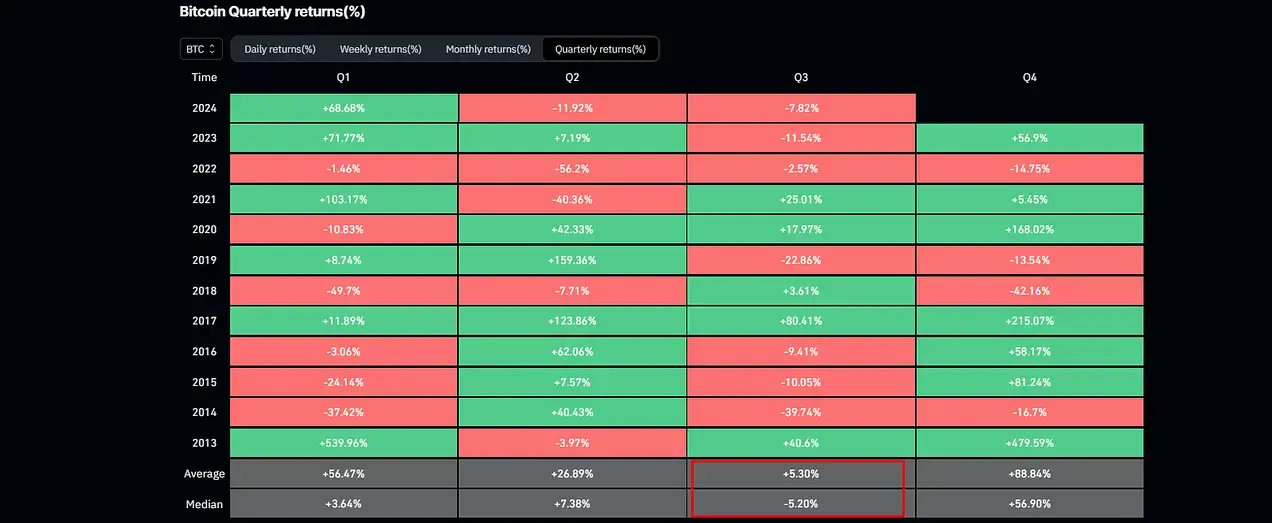
来源:CoinGlass

然而,我对第四季度非常期待。

随着美国大选、美联储降息和 FTX 现金赎回计划在第四季度进行,我很难想象 BTC 已经见顶的情景。

到目前为止,在这个周期中,BTC 的主导地位一直在上升。山寨币季节通常在这一趋势逆转时开始,我认为这可能会在第四季度发生。

押注正确的项目

现在我已经分享了我的看涨观点,我还想谈谈我识别在下一个市场阶段可能表现出色的 Token 的策略。

成为更好的投资者的一个好方法是研究市场的过去。

例如,我认为学习如何抓住 10 倍潜力币的最佳方法是首先分析那些已经实现了 10 倍增长的 Token 共同点。

在上一个牛市中,这 5 个币种的回报率超过了 100 倍:

  • SOL - Solana 的币,最受欢迎的非 EVM 区块链。

  • LUNA - Terra Luna 的币,该项目背后的算法稳定币实验最终以失败告终。

  • MATIC - Polygon 的币,最受欢迎的以太坊 L2 项目之一。

  • SPELL - Abracadabra.money 的 Token,一个 DeFi 借贷平台,启用了非常高收益的 degen 策略。

  • FTM - Fantom 的币,在 2021 年狂热阶段生态系统增长最快的区块链之一。

我认为它们的巨大成功可以归因于几个主要因素:

  • 领袖人物 - Do Kwon 是 LUNA 的领袖人物。Andre Cronje 是 FTM 的领袖人物。Daniele Sesta 是 SPELL 的领袖人物。

这三个人都很有魅力,并且成功地围绕他们的项目建立了一个强大的社区。一个具有强大媒体影响力和优秀个性的创始人可以显著促进其项目的成功。

普通投资者喜欢投资有强大领袖人物的项目。

大多数有领袖人物的项目在长期内表现不佳,但在牛市结束之前,通过押注这些项目,你可以赚取大量资金。

  • 创新产品

不需要新的 Uniswap 分叉。

你最好的机会是押注那些不断突破边界而不仅仅是复制竞争对手的创新项目。

这并不意味着他们必须构建完全新的东西。

但理想情况下,你希望押注一个构建比其竞争对手好 10 倍的产品并且发布速度更快的项目。

我想到的一个好例子是 Pendle

Pendle 是第一个启用交易空投点的收益交易协议,通过首次实现这一点受益匪浅。

而且,其团队不断宣布与热门协议的集成,这帮助 Pendle 保持了最大的收益交易协议地位。

  • 与 web2 和/或 web3 巨头的合作

普通投资者喜欢看到他们的项目宣布与其他大型 web3 项目或高度受欢迎的 web2 公司合作。

Polygon、Solana 和 Terra Luna 通过这样做吸引了大量关注。

合作公告可以在牛市期间引发一些大的 Token 涨幅。

  • 合理的 Token 实用性和低 Token 发行量

SOL、MATIC、FTM 和 LUNA 都被用于支付 gas 费和保障区块链网络,而 SPELL 有收入分享模式。

像 UNI 这样的简单治理 Token 在 2021 年牛市的前半段也表现良好。

然而,我相信本周期的大多数表现优异者将不仅仅是简单的治理 Token,还会有一些额外的实用性。

一些潜在的 Token 用例示例:

  • 费用折扣

  • 收入分享

  • 支付网络费用

  • 回购和销毁机制

  • 为协议用户提供奖励

  • 访问独家产品(例如访问 web3 启动平台)

Memecoins 显然是个例外,即使没有任何实用性,它们也能表现得非常好。但除了 memecoins,我通常会避免购买没有实用性的币。

解锁计划也很重要。你不想购买一个在未来 365 天内流通供应量将增加 300% 以上的 Token。

重大 Token 解锁可以显著影响 Token 的价格,今年已经发生了很多次。你可以使用像 Token Unlocks 这样的工具来监控即将到来的解锁和 100 多个 Token 的解锁计划。

总 Token 供应量中已经有很大比例在流通中是一件好事。

  • 即将到来的重大催化剂

一些可能对 Token 价格产生积极影响的催化剂示例:

  • 一个大的协议升级

  • 代币经济学升级

  • 在大型 CEX 上市

  • 新产品的发布

  • 募资公告

  • 重大合作伙伴公告

催化剂可以显著提升 Token 的价格表现,这就是为什么我通常只投资那些在不久的将来有重大催化剂的项目。

我总是问自己一个问题:

为什么有人会以更高的价格购买和我一样的 Token?

如果我找不到至少一个很好的理由,我就不再购买那个 Token。高信念的押注是那些真正能让你致富的押注。

我在这个周期的计划是持有多达 10 个符合上述标准的币。如果你知道自己在做什么,过度分散是不值得的。

空投:它们还值得吗?

最近很多人对一些炒作的空投感到失望。

LayerZero 是一个最近的例子。随着空投撸毛在过去几年中越来越受欢迎,许多空投机会现在高度稀释,尤其是由于撸毛机器人的出现。

因此,如今大多数空投都有线性分配,不再基于等级系统(如 Jito),以避免奖励工业农民。

线性分配的空投是一件坏事吗?

问题在于,鲸鱼是那些从线性分配空投中受益最多的人,这对低资本用户来说不是好事。

通过撸空投将 $1,000 变成 $50,000 现在几乎是不可能的。但我相信,通过农耕正确的空投,你仍然可以赚到一些好钱。

我在无 Token 协议中寻找的主要标准如下:

  • 强大的社区 - 项目社区在 X 上越活跃,其 Token 的估值可能越高

  • 从风投那里筹集了资金 - 团队筹集的资金越多,协议 Token 在启动时的估值可能越高

  • 与其他无 Token 项目相比,TVL / 总筹集资金比率较低 - 比率越低越好,因为高比率可能表明某个空投机会被过度农耕

  • Polymarket 是一个具有优秀 TVL / 总筹集资金比率的协议的好例子。

理想情况下,应该撸那些因为人们真正觉得有用而使用的协议的空投,而不是仅仅以空投为目的而使用的协议。

关于获利了结呢?

每一个牛市都会创造出新一代的百万富翁。

然而数据显示,90% 以上的人最终会因为贪婪而将大部分利润还给市场。这就是为什么你需要一个现实的退出计划。

对于长期持仓,我主要基于基本面触发点来获利了结。

每当我开始看到多个在之前周期中表明顶部的信号时,我就会开始使用反向定投策略卖出。

反向定投策略是定投的反向操作——它涉及在定期时间间隔内卖出相同数量的 Token。

我关注的一些好的顶部信号:

  • Jim Cramer 不断推销加密货币

  • Coinbase 成为 App Store 的第一名应用程序

  • 你的朋友和家人开始谈论加密货币

  • 几位名人开始推出自己的币

  • 人们在你的 X 时间线上炫耀劳力士和昂贵的汽车

  • 无用的项目筹集了数千万美元的资金

  • 金融 YouTuber 开始频繁谈论加密货币

  • “crypto” 的谷歌搜索流量飙升并创下新高

  • 提供五位数 APY 奖励的庞氏农场吸引了数十亿美元的 TVL

我们在本周期中看到的唯一顶部信号是名人推出 memecoins。这让我觉得我们还在早期阶段。

当 BTC 或你的山寨币达到某些价格水平时获利了结也可以是一个有效的策略。但在我看来,识别出确实适合卖出的价格水平要困难得多。

结束语

我总是尽量保持现实,所以这是我的想法:

在这个牛市中成功可能会比过去的周期更难。一个原因是加密货币 Token 的数量激增。

来源:Miles Deutscher

找到好的投资变得越来越复杂。

此外,许多新的高 FDV 币种的价格发现现在发生在私募 VC 市场。由于大多数新币种的启动估值过高,普通投资者很难找到可以 20 倍或 50 倍的 Token。

这并不意味着加密货币中不再有机会。

但你必须投入更多的努力和时间来识别它们。如果你愿意这样做,很有可能你不会后悔。
Related Reads

History's Only Asset with a 100% Win Rate After 4 Years of Holding

**Title: The Only Asset with a 100% Win Rate Over Any 4-Year Holding Period** This article analyzes which major, freely-tradable assets have historically never produced a nominal loss over any rolling 4-year holding window. It concludes that only two distinct categories achieve this: ultra-low-risk contractual assets and Bitcoin. Among traditional risk assets, none maintain a perfect 4-year record. The S&P 500 had negative 4-year periods (e.g., 1929-1932: -64.8%). The Nasdaq 100 fell roughly 60% from 2000-2003. Gold saw a ~47.7% loss from 1981-1984. US real estate declined about 23.3% from 2007-2010. Even long-term US Treasury bonds (e.g., 2021-2024: -19.8%) and corporate bonds can produce 4-year losses due to interest rate and market price risks. In contrast, the first category achieving 100% nominal success includes assets like rolling 3-month US Treasury Bills, 4-year certificates of deposit (CDs), and US Treasuries held to maturity within 4 years. Their "guarantee" stems from contractual obligations and credit backing (e.g., FDIC insurance, US sovereign promise), not price appreciation. The sole exception in the high-risk category is Bitcoin. Analysis of daily data from 2010-2026 across 4,419 rolling 4-year windows shows a 100% positive return rate. The worst 4-year period (April 2021 to April 2025) still yielded a +32.6% total return (~7.3% CAGR). This record is unique because Bitcoin has no issuer, promises no cash flows, and has endured severe drawdowns (70-90%), yet its market price has always recovered within a 4-year span. The key distinction is the source of the "100%": contractual assets offer known, low nominal returns, while Bitcoin's record stems purely from historical price appreciation despite extreme volatility. The article suggests that for Bitcoin, the ability to hold for 4+ years is more critical than active trading strategies.

marsbit6m ago

History's Only Asset with a 100% Win Rate After 4 Years of Holding

marsbit6m ago

How One Article Moved 45 Billion: The Collapse of a 25-Year-Old 'AI Stock Guru'

This article details the dramatic rise and near-collapse of a hedge fund built by Leopold Aschenbrenner, a 24-year-old former OpenAI researcher. The fund, named Situational Awareness, amassed $45 billion in assets within two years. Its explosive growth stemmed from Aschenbrenner's influential 165-page manifesto predicting AGI's arrival by 2027 and his high-profile Silicon Valley connections. The fund employed an extremely aggressive strategy: high concentration and 400% leverage to bet long on AI infrastructure stocks while shorting legacy software firms. In July, this structure backfired when both sides of the trade reversed simultaneously—AI stocks plunged while shorted stocks rallied—triggering massive losses that nearly wiped out all equity. Major player Jane Street reportedly lost billions. The fund's leveraged public portfolio was ultimately sold at a discount to Citadel. The SEC is now investigating banks like Goldman Sachs for their role in facilitating the fund's high-leverage trades. The article compares this to past blow-ups like Archegos, highlighting systemic failures in risk management where the pursuit of short-term profits overrode due diligence. It questions whether such risky leverage concentrated in the AI sector, currently at record highs, poses a broader systemic threat. Ironically, Aschenbrenner, who studied AI safety at OpenAI, designed a fund structure prone to uncontrolled failure. Days after the crisis, he reportedly raised another $400 million for new investments.

marsbit20m ago

How One Article Moved 45 Billion: The Collapse of a 25-Year-Old 'AI Stock Guru'

marsbit20m ago

AI Accelerates Everything: Mathematics's Line of Defense Has Fallen, Physics is Already in AI's Crosshairs

This summer, the mathematics community was shaken as OpenAI's Astra model reportedly solved 10 long-standing open problems, and Claude Fable 5 found a potential counterexample to the Jacobian conjecture. This was followed by a major shift in physics: renowned physicist Gavin E. Crooks presented an open problem in stochastic thermodynamics to Claude, which the AI solved completely in days—a task that might take a skilled graduate student months. The problem concerned constraints on entropy production statistics under the Detailed Fluctuation Theorem (DFT), a core concept in non-equilibrium physics. Claude provided a unifying geometric answer: all possible DFT-compatible distributions correspond to a convex "moment body." Its key insight was that for a fixed "gap," the distribution is uniquely determined, making any general DFT distribution a mixture of these basic two-outcome distributions. This structure implies that for given lower-order moments, the nth moment only has a sharp lower bound, with no upper bound. Claude demonstrated that numerous previously published bounds on entropy production are merely low-dimensional projections or "shadows" of this single, unified convex body. The AI-authored paper offers a complete hierarchical characterization of the moment constraints. This case signifies a potential paradigm shift: AI is progressing from solving known problems to aiding in the exploration of fundamental, unsolved scientific questions, heralding an AI-accelerated era for physics.

marsbit20m ago

AI Accelerates Everything: Mathematics's Line of Defense Has Fallen, Physics is Already in AI's Crosshairs

marsbit20m ago

Trading

Spot
活动图片