2025 Year-End Final Exam: Crypto Asset Allocation Guide After the FOMC Decision

marsbit2025-12-18 tarihinde yayınlandı2025-12-18 tarihinde güncellendi

Özet

Crypto markets face a critical juncture in late 2025. Bitcoin hovers near $90,000, with the Fear & Greed Index at 25 (Extreme Fear) and short-term holder capitulation at historic highs. The December FOMC meeting delivered an expected 25bps rate cut but adopted a hawkish tone, projecting only one more cut in 2026, causing a brief BTC sell-off. However, the Fed also initiated a $40B/month Reserve Management Purchases (RMP) plan, a form of "stealth QE" injecting liquidity. Key themes emerge: - **Macro Impact**: Hawkish guidance creates short-term pressure, but ending QT and launching RMP set the stage for a 2026 liquidity surge, historically bullish for crypto. - **Institutional Shift**: 2025 marked a pivot to institutional dominance. While BTC remains core, portfolios are diversifying into ETH, Solana, stablecoins, and tokenized real-world assets (RWA). Pension and sovereign wealth funds are increasing exposure. - **Historical Pattern & On-Chain Data**: A potential "Santa Low-Chinese New Year Rally" pattern is anticipated due to seasonal liquidity shifts. On-chain metrics signal a likely bottom: massive STH capitulation, declining exchange reserves, and valuation indicators (MVRV Z-Score, Puell Multiple) in historic buy zones. The confluence of extreme fear, strong underlying accumulation signals, and impending macro liquidity shifts presents a strategic entry point for long-term investors, framing the current pullback as a mid-cycle correction within a broader upward trend.

At the end of 2025, the crypto market is at a critical juncture. Bitcoin (BTC) is hovering around $90,000, the market Fear & Greed Index has dropped to 25 (Extreme Fear), and short-term holder capitulation has reached the second-highest level in history, second only to the bottom of the 2024 Yen carry trade crash. The December 10th FOMC meeting has concluded, with the Federal Reserve (Fed) cutting interest rates by 25 basis points as expected by the market, lowering the federal funds rate to 3.50%-3.75%, but the forward guidance turned hawkish—only one rate cut is expected in 2026. This caused BTC to briefly fall below the $90,000 mark, with a muted market reaction and a "buy the rumor, sell the news" pullback.

However, the Fed also initiated a "Reserve Management Purchases" (RMP) plan, injecting $40 billion in short-term Treasury liquidity monthly, which is seen as a "non-QE" signal of moderate easing that could reshape market dynamics in 2026. In this "year-end final exam," should one "hold coins for the holiday" to welcome a potential rebound, or "take profits off the table" to lock in gains? This article combines the impact of the FOMC, on-chain data, institutional trends, and historical patterns to discuss allocation strategies and outlooks for 2026 positioning.

FOMC Decision Interpretation
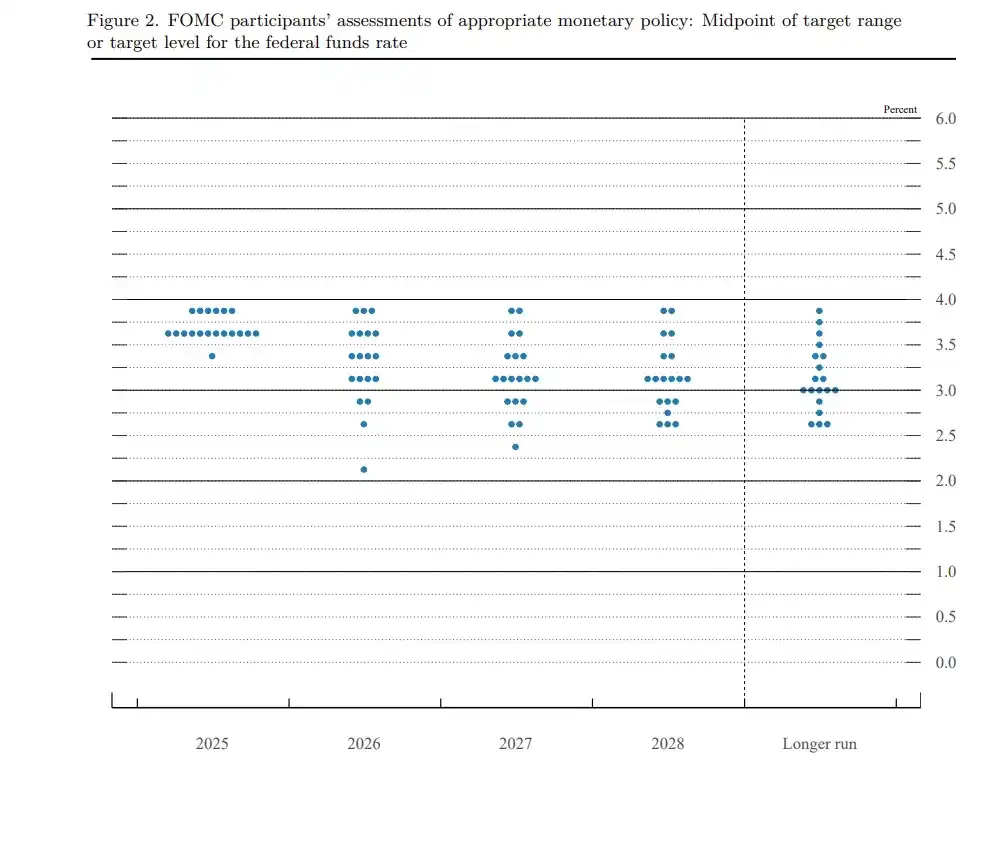
Liquidity Turning Point Under Hawkish Rate Cut The FOMC meeting was the final monetary policy decision of 2025. This one passed the rate cut with a 9:3 split, but the "dot plot" showed a slower rate cut path for 2026, with only one 25 basis point cut remaining.

This reinforces the "hawkish cut" narrative: the Fed is worried about rebounding inflation and a soft landing in the job market and is unwilling to ease too aggressively in the short term. The market had priced in an 89% probability of a cut, leading to only minor BTC fluctuations after the event, while ETH consolidated around $3,000.

Dual impact on crypto:

  • Short-term pressure: Hawkish guidance increases risk aversion. BTC did not rebound to the expected high of $94,000 but instead triggered tens of billions of dollars in leveraged liquidations. Year-end thin liquidity (e.g., perpetual open interest down 40%-50% from October), combined with the Bank of Japan (BOJ) decision, makes the market prone to "pump and dump" behavior.
  • Long-term positive: QT (Quantitative Tightening) officially ended on December 1st. The Fed's balance sheet shrank from $9 trillion to $6.5 trillion before starting to rise again. The RMP plan is equivalent to "stealth QE," expected to inject trillions in liquidity in 2026, driving a reassessment of risk assets. Historical data shows liquidity turning points often trigger crypto rebounds (e.g., BTC surged after the Fed pivot in 2024). Furthermore, explosive growth in global M2 money supply, a weakening DXY US Dollar Index, and stimulus policies from China/the EU will further tilt capital towards risk assets.

The FOMC reinforced the "macro-dominated" narrative. Crypto is no longer driven solely by cycles but is increasingly correlated with stocks/AI assets. Short-term volatility is intensifying, but liquidity injections are paving the way for 2026.
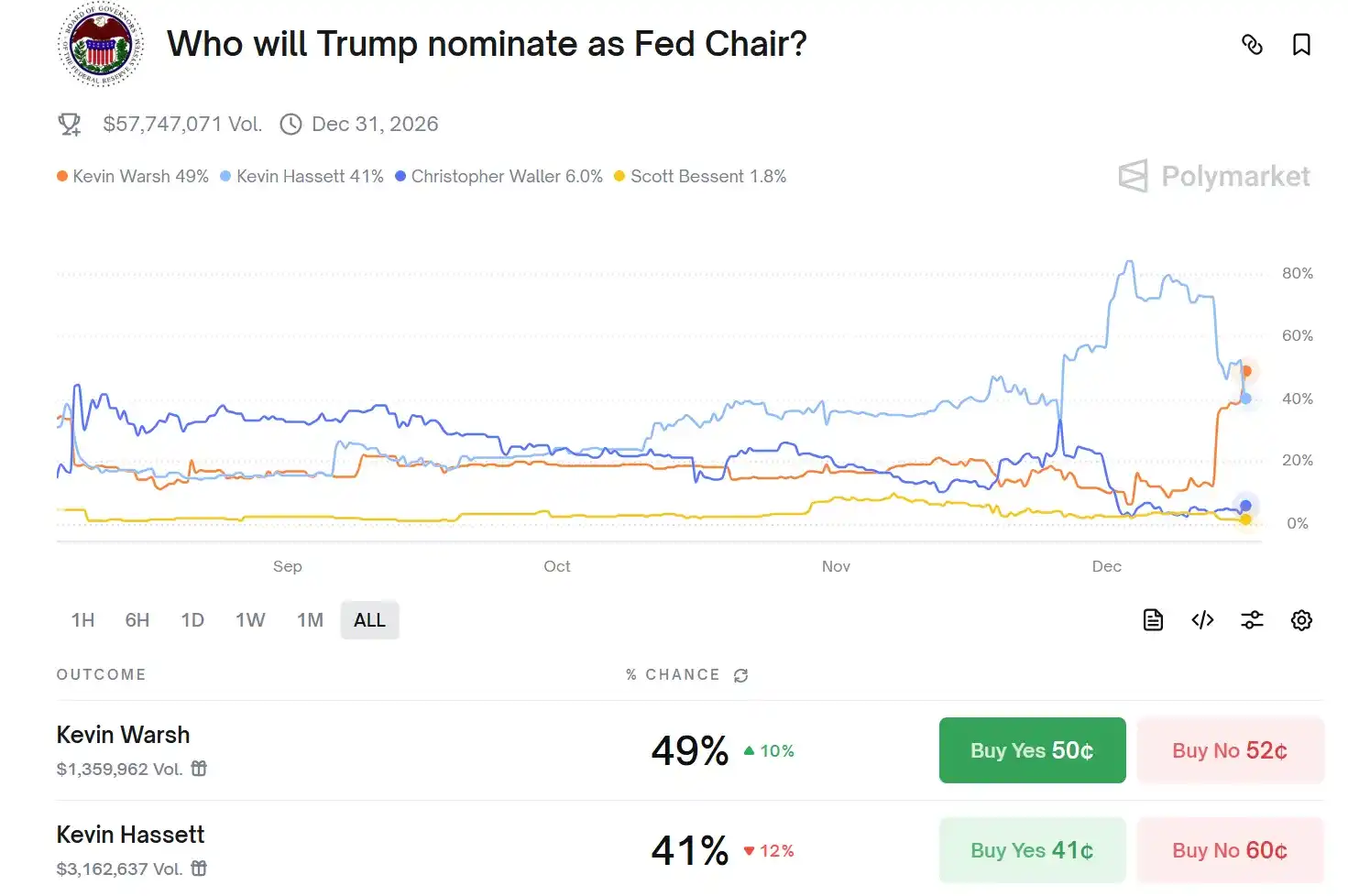
The appointment of the new Fed Chair will also be a key variable for the 2026 liquidity environment. Jerome Powell's term as Chair officially ends in May 2026 (his term as Governor lasts until January 2028). President Trump has stated he will announce the successor nominee in early 2026. Current top candidates focus on the "two Kevins": National Economic Council Director Kevin Hassett (advocates for more aggressive rate cuts) and former Fed Governor Kevin Warsh (recently visited the White House, emphasizing consulting the President on interest rate views).

A Chair more aligned with Trump and more inclined towards easing policies could strengthen the 2026 rate cut path and accelerate liquidity injection, resonating with policies like the RMP plan and a national Bitcoin reserve, further boosting confidence in risk assets.

Institutional Trends Preview: 2026 Layout—From "Defense" to "Structural Participation"

2025 is seen as the "Year of Crypto Mainstreaming." Institutional entry is no longer an edge experiment but a systemic shift. According to a16z's "State of Crypto 2025 Report," traditional financial institutions like Visa, BlackRock, Fidelity, and JPMorgan Chase have fully launched crypto products, while tech-native players like PayPal and Stripe are doubling down on payment infrastructure.

This marks a paradigm shift from "retail-led" to "institution-led": A joint survey by EY-Parthenon and Coinbase shows 83% of institutional investors plan to increase crypto allocation in 2025, with DeFi exposure expected to jump from 24% to 75%, focusing on derivatives, lending, and yield opportunities.

Institutional Allocation Trends: From Single BTC Allocation to Multi-Asset Portfolios

  • BTC remains core, but its share is declining: BTC as "digital gold" continues to dominate institutional positions (ETF AUM exceeds $168 billion, accounting for 60-80% of institutional crypto exposure), but institutions see it as a low-correlation diversification tool rather than a single speculative asset.
  • Expansion into ETH, Altcoins, and emerging assets: Institutions are adding ETH (attracted by staking yields), Solana (high TPS and institutional partnerships), stablecoins (payment infrastructure), and RWA (real-world asset tokenization). A Coinbase report shows 76% of institutions plan to invest in tokenized assets in 2026, focusing on tokenized Treasuries, private equity, and bonds, offering instant settlement and fractional ownership.
  • Pension funds and sovereign wealth funds testing the waters: Although mostly indirect exposure (e.g., Norwegian fund holding BTC via MicroStrategy), direct allocations of 0.5-3% are expected to increase in 2026 (via ETFs or tokenized instruments). Reports from BlackRock et al. indicate sovereign and pension funds are seriously considering crypto as a long-term diversification hedge, with gradually increasing allocation ratios.

Historical Pattern: BTC's Year-End "Spring Festival Effect"
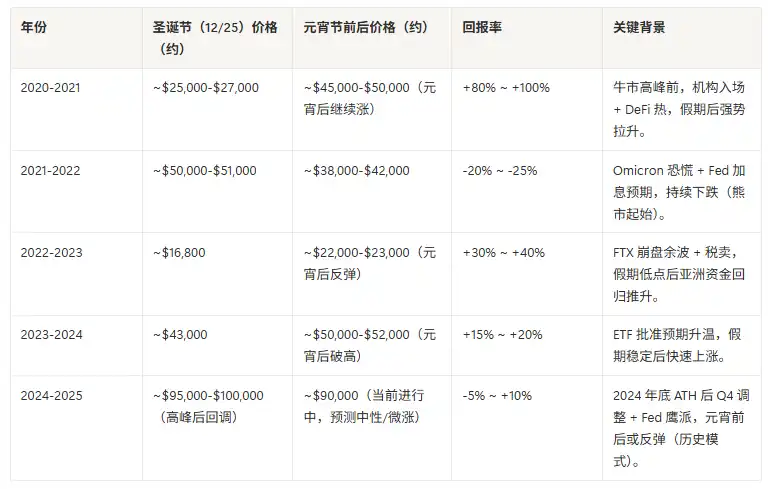
Drivers of the "Christmas Low - Spring Festival Rally" Pattern

Western liquidity drought: From December 20th to early January, European and US institutions enter holiday mode, and trading volume plummets. In a low-liquidity environment, any selling pressure amplifies volatility, forming technical lows.

Asian capital回流 (inflow): Around the Spring Festival (late January to mid-February), year-end bonuses and red packets are distributed in Mainland China, Hong Kong, Singapore, etc., leading retail and high-net-worth individuals to increase risk asset allocations. Historical data shows that BTC buying volume on Asian exchanges (like Binance, OKX) typically rises in the two weeks before the Lunar New Year.

Institutional rebalancing: January marks the start of the new fiscal year for institutions. Pension funds and hedge funds reassess asset allocations. If BTC shows relative resilience in December (e.g., only a 5-10% pullback in 2025), institutions tend to add positions in January to catch up with benchmark returns.

On-Chain Data: Dense Appearance of Bottom Signals

After the hawkish FOMC rate cut landed, the crypto market entered a typical "year-end low liquidity" phase. Bitcoin (BTC) fluctuated repeatedly in the $88,000-$92,000 range, and the Fear & Greed Index fell to 25 (Extreme Fear). Superficially, this is a "sell the news" pullback. But on-chain data reveals more structural signals: deep capitulation by short-term holders, continued accumulation by long-term holders, accelerated outflow from exchange reserves, and bottoming characteristics in medium-to-long-term indicators. This data suggests the current situation is not a simple bear market but rather a "mid-cycle adjustment + washout" phase within a bull market.

1. Short-Term Holder (STH) Capitulation: Pain Nearing its End
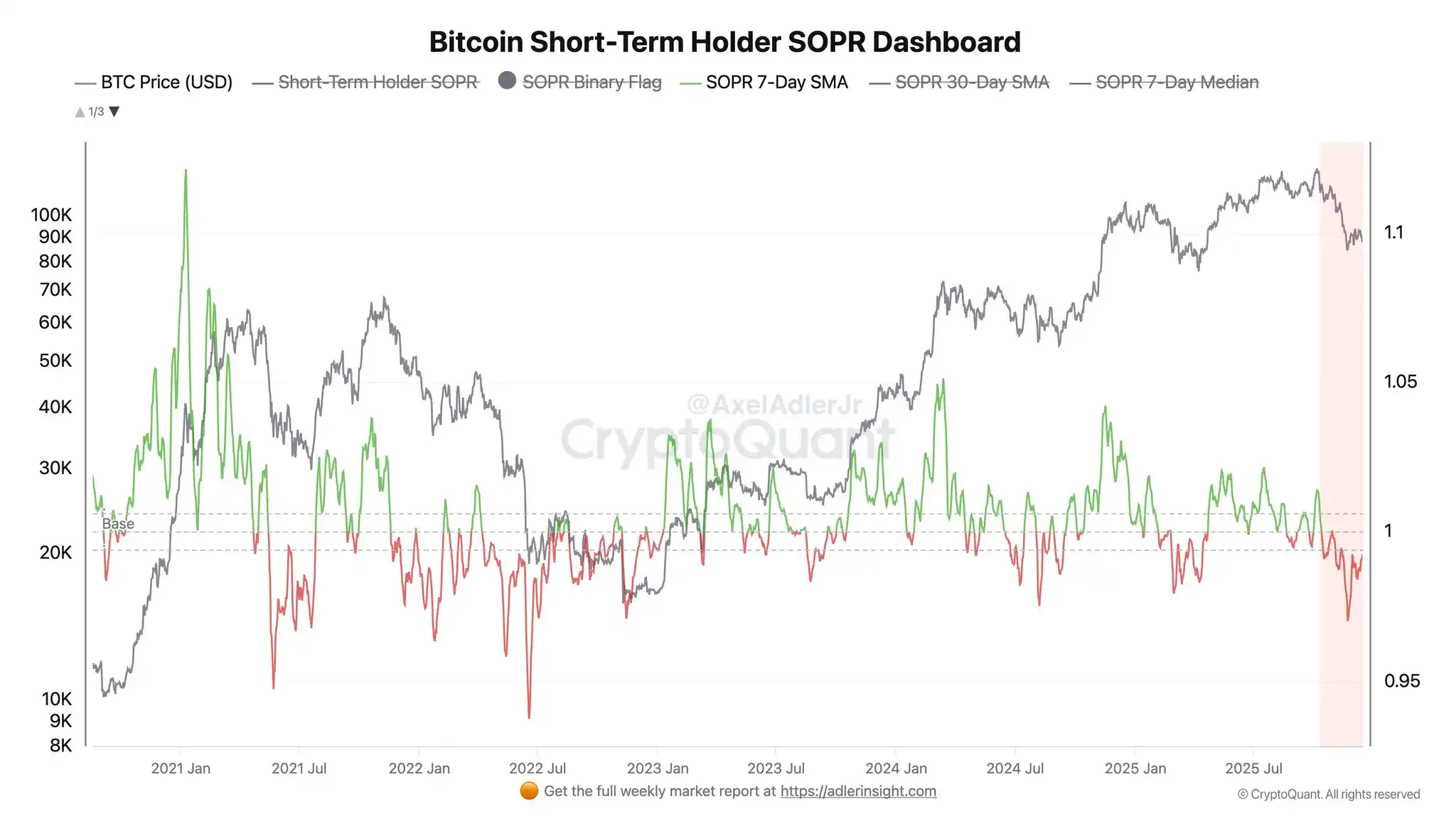
  • Realized Loss Scale: Over the past 30 days, short-term holders (holding <155 days) realized losses exceeding $4.5 billion, second only to the $5.2 billion during the August 2024 Yen carry trade crash (Glassnode data). This indicates leveraged players and FOMO retail have largely capitulated.
  • SOPR Indicator: The Short-Term Holder SOPR (Spent Output Profit Ratio) has remained below 1 (average selling at a loss) for over 3 weeks. History shows that after such deep capitulation, BTC often finds a阶段性 bottom within 1-3 months.

2. Exchange Reserves & Withdrawals: Strengthening De-platforming Trend
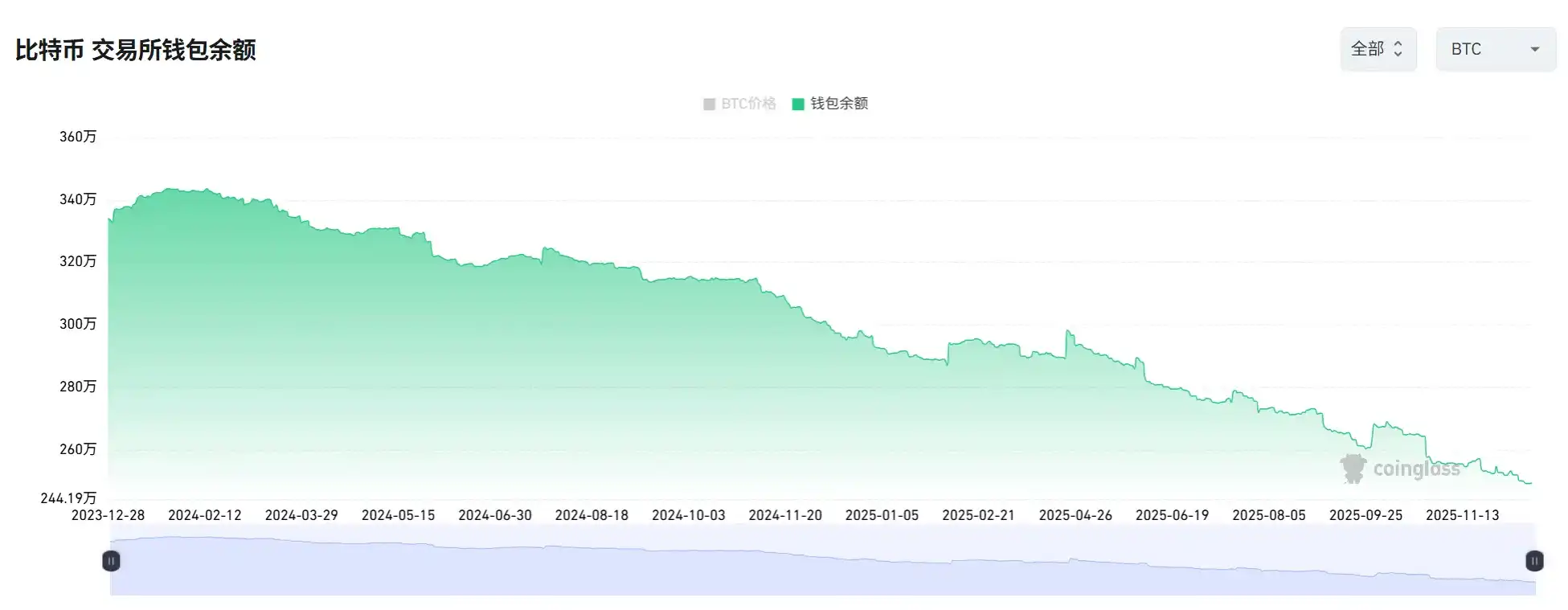
  • Exchange BTC Balance: Over the past 30 days, BTC reserves across all exchanges decreased by approximately 120,000 BTC (about 2.5%), falling below 2.6 million (CryptoQuant), the lowest level since 2018.
  • ETH Exchange Reserves: Decreased by about 1.2 million ETH during the same period, with withdrawal speeds hitting a 2025 high, reflecting strong staking and self-custody demand.
  • Stablecoin Reserves: Exchange balances of USDT/USDC saw seasonal declines, but active on-chain addresses and transfer volumes remained stable, indicating capital has not left the market but moved to cold storage awaiting re-entry.

Capital outflow from exchanges often预示 a price bottom, reducing selling pressure while building momentum for a subsequent rebound.

3. Medium-to-Long-Term Indicators: Dense Bottom Signals
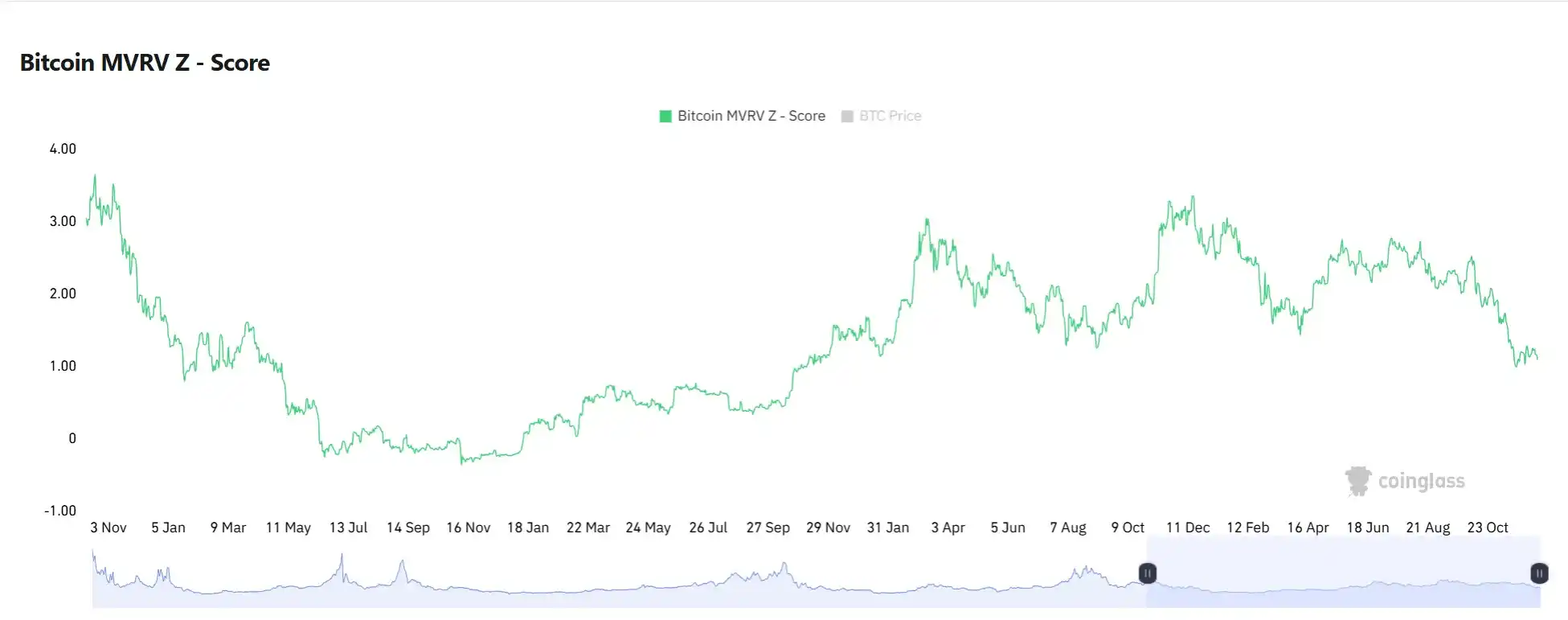
  • MVRV Z-Score: Currently at 1.1, entering the historical "green buy zone."
  • RHODL Ratio: Has fallen to levels seen at the bottom of the 2022 bear market, indicating market fervor has completely cooled.
  • Puell Multiple: The miner revenue indicator fell back to 0.6. Historical lows often accompany price reversals after mining capitulation.
  • Active Addresses & Volume: Although sluggish short-term, the 30-day MA has not seen a cliff-like drop, unlike the "activity exhaustion" at the 2021 bull market top.

Allocation Strategy: Finding Certainty Amid Uncertainty

The market is at a rare confluence:

  • Short-term sentiment is extremely fearful (Fear & Greed Index 25), but on-chain data shows密集 bottom特征
  • The historical "Christmas Low - Spring Festival Rally" pattern provides seasonal support, validated three times in the past five years
  • Macro liquidity is about to turn (QT end, RMP start), but is still suppressed by hawkish guidance short-term
  • The institutionalization process is accelerating, shifting market structure from "speculation-driven" to "allocation-driven"

For investors seeking long-term value, the current environment provides a relatively clear risk-reward framework: deep capitulation by short-term holders, accelerated outflow from exchange reserves, continued accumulation by long-term holders, and valuation indicators like MVRV and RHODL entering historical buy zones—these signals have historically marked the opening of medium-to-long-term allocation windows. For traders focused on liquidity management, December's liquidity drought period is both a risk and an opportunity. Maintaining sufficient flexibility, preserving ammunition during market panic, and acting顺势 when the Spring Festival effect is validated might be wiser than chasing short-term fluctuations.

Data for this report was compiled by WolfDAO editorial team; please contact us for updates if you have questions;

Author: Nikka / WolfDAO ( X : @10xWolfdao )

İlgili Sorular

QWhat was the outcome of the December 10, 2025 FOMC meeting and its immediate impact on Bitcoin?

AThe FOMC meeting resulted in a 25 basis point rate cut, lowering the federal funds rate to 3.50%-3.75%. However, the forward guidance turned hawkish, projecting only one more rate cut in 2026. This caused Bitcoin to briefly fall below the $90,000 mark in a 'buy the rumor, sell the news' reaction.

QWhat is the 'Reserve Management Purchasing' (RMP) plan announced by the Fed, and why is it significant for crypto assets?

AThe Fed announced a 'Reserve Management Purchasing' (RMP) plan to inject $40 billion per month in short-term Treasury liquidity. It is seen as a form of 'stealth QE' or mild easing signal that could inject trillions in liquidity by 2026, potentially drive a re-rating of risk assets like crypto, and reshape market dynamics.

QAccording to the article, what are the three key trends in institutional cryptocurrency allocation for 2026?

AThe three key institutional trends are: 1) Bitcoin remains the core holding but its allocation share is decreasing. 2) Diversification into ETH, altcoins (like Solana), stablecoins, and Real World Assets (RWA) tokenization. 3) Growing试探性entry by pension funds and sovereign wealth funds, who are beginning to view crypto as a long-term diversification hedge.

QWhat historical seasonal pattern does the article describe for Bitcoin's price action around year-end, and what drives it?

AThe article describes a 'Christmas Low - Spring Festival Rally' pattern. It is driven by: 1) Western liquidity drying up in late December, amplifying volatility and creating technical lows. 2) Asian capital inflows around the Lunar New Year from year-end bonuses, increasing buy-side volume on Asian exchanges. 3) Institutional rebalancing at the start of the new fiscal year in January.

QWhat do key on-chain metrics, such as STH Capitulation and exchange outflows, suggest about the current market phase?

AOn-chain metrics suggest the market is in a 'mid-cycle correction + washout' phase within a bull market. Signals include: deep capitulation by Short-Term Holders (STH) with massive realized losses, accelerated outflows of BTC and ETH from exchanges indicating strong self-custody trends, and valuation metrics like MVRV Z-Score entering historical 'buy zones'.

İlgili Okumalar

Will the Fed Still Cut Interest Rates? Tonight's Data Is Crucial

The core debate surrounding the Federal Reserve's potential interest rate cuts is intensifying amid geopolitical conflict and rebounding inflation. The key question is whether high energy prices will cause persistent inflation or weaken consumer demand enough to force the Fed to cut rates. Citigroup presents a bullish case for cuts, arguing that oil supply disruptions from the Strait of Hormuz are temporary and will not lead to lasting inflationary pressure. They point to receding bond yields and oil prices as evidence the market is pricing in a short-lived shock. Citi's data also shows tightening financial conditions, a stabilizing labor market, and healthy tax returns, supporting their view that the path to lower rates remains open. Conversely, Deutsche Bank offers a starkly contrasting, more hawkish outlook. They argue the Fed's current policy is already neutral and expect rates to remain unchanged indefinitely. Their view is based on stalled disinflation progress and a shift toward more hawkish rhetoric from key Fed officials like Waller, who cited risks from prolonged Middle East conflict and tariffs. Other officials, including Williams and Hammack, signaled rates would likely stay on hold for a "considerable time." The market pricing has shifted dramatically, now forecasting zero cuts in 2026. The imminent release of the March retail sales "control group" data is highlighted as a critical test. This metric, which excludes gas station sales, will reveal if high gasoline prices are eroding consumer spending in other areas. A weak reading could support the case for imminent rate cuts, while a strong one would bolster the argument for the Fed to hold steady. This data is pivotal for determining the near-term policy path.

marsbit5 dk önce

Will the Fed Still Cut Interest Rates? Tonight's Data Is Crucial

marsbit5 dk önce

The Second Half of Macro Influencer Fu Peng's Career

Fu Peng, a prominent Chinese macroeconomist and former chief economist of Northeast Securities, has joined Hong Kong-based digital asset management firm Bitfire Group (formerly New Huo Group) as its chief economist. This move, announced in April 2026, triggered an 11% surge in Bitfire's stock price. Fu, known for his accessible macroeconomic commentary and large social media following, will focus on integrating digital assets into global asset allocation frameworks, particularly combining FICC (fixed income, currencies, and commodities) with cryptocurrencies for institutional clients. His career includes roles at Lehman Brothers and Solomon International, with significant influence gained through public communication. However, in late 2024, Fu faced temporary social media bans after a controversial private speech at HSBC on China's economic challenges, though he denied regulatory sanctions. He later left Northeast Securities citing health reasons. Bitfire, a licensed virtual asset manager serving high-net-worth clients, seeks to build trust and attract traditional capital through Fu’s expertise and credibility. The partnership represents a strategic shift for both: Fu enters the crypto sector after a traditional finance peak, while Bitfire aims to leverage his macro framework for institutional adoption. Outcomes remain uncertain regarding capital inflows and compatibility within corporate structure.

marsbit1 saat önce

The Second Half of Macro Influencer Fu Peng's Career

marsbit1 saat önce

İşlemler

Spot
Futures

Popüler Makaleler

BITCOIN Nedir

HarryPotterObamaSonic10Inu (ERC-20)'yu ve Kripto Alanındaki Yerini Anlamak Son yıllarda, kripto para piyasası, hem ticaret yapanların hem de topluluk etkileşimi ve eğlence değeri arayanların ilgisini çeken meme coin'lerin popülaritesinde bir artış gördü. Bu benzersiz token'lar arasında, kripto para dokusuna kültürel referansları harmanlayan ilginç bir proje olan HarryPotterObamaSonic10Inu (ERC-20) bulunmaktadır. Bu makale, HarryPotterObamaSonic10Inu'nun temel yönlerini, mekanizmalarını, topluluk odaklı ethosunu ve daha geniş kripto manzarasıyla etkileşimini incelemektedir. HarryPotterObamaSonic10Inu (ERC-20) Nedir? Adından da anlaşılacağı gibi, HarryPotterObamaSonic10Inu, Ethereum blok zinciri üzerinde inşa edilen bir meme coin'dir ve ERC-20 standardı altında sınıflandırılmaktadır. Geleneksel kripto paraların pratik kullanılabilirlik veya yatırım potansiyeline odaklandığı durumların aksine, bu token eğlence değeri ve topluluğunun gücü üzerine kuruludur. Proje, bağlı kullanıcıların bir araya gelebileceği, fikirlerini paylaşabileceği ve çeşitli kültürel fenomenlerden ilham alan etkinliklere katılabileceği bir ortam yaratmayı hedeflemektedir. HarryPotterObamaSonic10Inu'nun dikkate değer özelliklerinden biri işlemlerde sıfır vergi olmasıdır. Bu çekici unsur, küçük ölçekli yatırımcıları caydırabilecek ek ücretlerden yoksun olarak ticareti ve topluluk katılımını teşvik etmeyi amaçlamaktadır. Coin'in toplam arzı bir milyar token olarak belirlenmiştir; bu, topluluk içinde önemli bir dolaşım sağlama niyetini göstermektedir. HarryPotterObamaSonic10Inu (ERC-20) Yaratıcısı HarryPotterObamaSonic10Inu'nun kökenleri bir miktar gizemlidir; yaratıcısı hakkında spesifik bilgilerin ne olduğu bilinmemektedir. Bu token'ın geliştirilmesi, belirli bir ekip veya açık bir plan eksikliği ile gerçekleşmiştir; bu durum, meme coin sektöründe oldukça yaygındır. Proje, topluluğunun heyecanı ve katılımına dayalı olarak organik bir şekilde ortaya çıkmıştır. HarryPotterObamaSonic10Inu (ERC-20) Yatırımcıları Dış yatırımlar ve destekler söz konusu olduğunda, HarryPotterObamaSonic10Inu da belirsiz kalmaktadır. Token, bilinen herhangi bir yatırım fonunu veya önemli bir kurumsal desteği listelememektedir. Bunun yerine, projenin can damarı, kolektif eylem ve kripto alanındaki katılım yoluyla büyüme ve sürdürülebilirlik sağlayan temel topluluğudur. HarryPotterObamaSonic10Inu (ERC-20) Nasıl Çalışır? Bir meme coin olarak, HarryPotterObamaSonic10Inu, genellikle varlık değerini yöneten geleneksel çerçevelerin dışında çalışmaktadır. Projenin nasıl çalıştığını tanımlayan birkaç özelliği vardır: Sıfır Vergi İşlemleri: İşlemlerde vergi ücreti olmadan, kullanıcılar gizli maliyet endişesi olmadan token'ı serbestçe alıp satabilirler. Topluluk Etkileşimi: Proje, topluluk etkileşimi üzerine kuruludur ve sosyal medya platformlarını kullanarak heyecan yaratarak katılımı kolaylaştırır. Tartışmalar, içerik paylaşımı ve katılım, projenin erişimini genişletmeye ve destekleyiciler arasında sadakat oluşturmaya yardımcı olan kritik unsurlardır. Pratik Kullanılabilirlik Yok: HarryPotterObamaSonic10Inu'nun mali ekosistem içinde somut bir kullanılabilirlik sunmadığı belirtilmelidir. Daha ziyade, eğlence ve topluluk etkinlikleri için bir token olarak sınıflandırılmaktadır. Kültürel Referans: Token, popüler kültürden unsurları zekice harmanlayarak ilgi çekmektedir ve hem meme meraklıları hem de kripto takipçileriyle bağlantı kurmaktadır. HarryPotterObamaSonic10Inu, meme coin'lerin, daha geleneksel kripto para projelerinden nasıl farklı çalıştığını örneklendirmektedir; bu projeler, utilitarist varlıklar yerine yenilikçi sosyal yapıların bir parçası olarak piyasaya girmektedir. HarryPotterObamaSonic10Inu (ERC-20) Zaman Çizelgesi HarryPotterObamaSonic10Inu'nun tarihi, birkaç dikkate değer kilometre taşı ile işaretlenmiştir: Oluşum: Token, birçok kripto meraklısının hayal gücünü yakalayan bir viral meme'den ortaya çıkmıştır. Spesifik yaratım tarihleri mevcut değildir ve bu onun organik yükselişini vurgulamaktadır. Borsa Listelemeleri: HarryPotterObamaSonic10Inu, topluluğun daha kolay erişim ve ticaret yapabilmesini sağlamak için çeşitli borsalarda yer bulmuştur. Topluluk Katılım İnisiyatifleri: Yarışmalar, sosyal medya kampanyaları ve hayranlar ile destekçilerden içerik üretimini içeren topluluk etkileşimini artırmayı amaçlayan devam eden etkinlikler. Gelecek Genişleme Planları: Projenin yol haritası, kültürel temalarına ilişkin bir NFT koleksiyonu, ticari ürünler ve bir e-ticaret sitesi başlatılmasını içermektedir; bu da topluluğun daha fazla katılımını sağlamayı ve ekosistemine daha fazla boyut kazandırmayı hedeflemektedir. HarryPotterObamaSonic10Inu (ERC-20) Hakkında Kilit Noktalar Topluluk Odaklı Doğası: Proje, kullanıcı katılımını geliştirme önceliği taşır ve böylece kullanıcıların sürecin en önünde yer almasını sağlar. Meme Coin Sınıflandırması: Eğlenceye dayalı kripto paranın doruk noktasıdır ve geleneksel yatırım araçlarından ayrılmaktadır. Bitcoin ile Doğrudan İlişki Yok: Ticker ismindeki benzeliğe rağmen, HarryPotterObamaSonic10Inu ayırt edicidir ve Bitcoin veya diğer yerleşik kripto paralarla herhangi bir ilişkisi yoktur. İşbirliğine Odaklanma: HarryPotterObamaSonic10Inu, sahipleri arasında işbirliği ve hikaye paylaşımı için bir alan oluşturmak üzere tasarlanmıştır ve bu da yaratıcılık ve topluluk bağlarını sağlamaktadır. Gelecek Beklentileri: Başlangıçta belirlendiği temalardan NFTs ve ticari ürünlere genişleme arzusu, projenin dijital kültürde daha ana akıma girebilmesi için bir yol haritası çizmektedir. Meme coin'ler, kripto para topluluğunun hayal gücünü çalmaya devam ederken, HarryPotterObamaSonic10Inu (ERC-20), kültürel bağları ve topluluk merkezli yaklaşımıyla öne çıkmaktadır. Geleneksel bir hizmet odaklı token modeliyle uyumlu olmasa da, özünde destekçileri arasında sağlanan neşe ve dostluğu vurgulayarak, giderek dijitalleşen bir çağda kripto paraların evrilen doğasını göstermektedir. Proje gelişmeye devam ettikçe, topluluk dinamiklerinin blockchain teknolojisi dünyasındaki seyrini nasıl etkilediğini izlemek önemli olacaktır.

1.4k Toplam GörüntülenmeYayınlanma 2024.04.01Güncellenme 2024.12.03

BITCOIN Nedir

BTC Nasıl Satın Alınır

HTX.com’a hoş geldiniz! Bitcoin (BTC) satın alma işlemlerini basit ve kullanışlı bir hâle getirdik. Adım adım açıkladığımız rehberimizi takip ederek kripto yolculuğunuza başlayın. 1. Adım: HTX Hesabınızı OluşturunHTX'te ücretsiz bir hesap açmak için e-posta adresinizi veya telefon numaranızı kullanın. Sorunsuzca kaydolun ve tüm özelliklerin kilidini açın. Hesabımı Aç2. Adım: Kripto Satın Al Bölümüne Gidin ve Ödeme Yönteminizi SeçinKredi/Banka Kartı: Visa veya Mastercard'ınızı kullanarak anında Bitcoin (BTC) satın alın.Bakiye: Sorunsuz bir şekilde işlem yapmak için HTX hesap bakiyenizdeki fonları kullanın.Üçüncü Taraflar: Kullanımı kolaylaştırmak için Google Pay ve Apple Pay gibi popüler ödeme yöntemlerini ekledik.P2P: HTX'teki diğer kullanıcılarla doğrudan işlem yapın.Borsa Dışı (OTC): Yatırımcılar için kişiye özel hizmetler ve rekabetçi döviz kurları sunuyoruz.3. Adım: Bitcoin (BTC) Varlıklarınızı SaklayınBitcoin (BTC) satın aldıktan sonra HTX hesabınızda saklayın. Alternatif olarak, blok zinciri transferi yoluyla başka bir yere gönderebilir veya diğer kripto para birimlerini takas etmek için kullanabilirsiniz.4. Adım: Bitcoin (BTC) Varlıklarınızla İşlem YapınHTX'in spot piyasasında Bitcoin (BTC) ile kolayca işlemler yapın.Hesabınıza erişin, işlem çiftinizi seçin, işlemlerinizi gerçekleştirin ve gerçek zamanlı olarak izleyin. Hem yeni başlayanlar hem de deneyimli yatırımcılar için kullanıcı dostu bir deneyim sunuyoruz.

7.2k Toplam GörüntülenmeYayınlanma 2024.12.12Güncellenme 2025.03.21

BTC Nasıl Satın Alınır

$BITCOIN Nedir

DİJİTAL ALTIN ($BITCOIN): Kapsamlı Bir Analiz DİJİTAL ALTIN ($BITCOIN) Tanıtımı DİJİTAL ALTIN ($BITCOIN), geleneksel değerli metallerin özelliklerini merkeziyetsiz teknolojilerin yeniliği ile birleştirmeyi amaçlayan Solana ağı üzerinde çalışan blockchain tabanlı bir projedir. Bitcoin ile aynı isme sahip olmasına rağmen, genellikle bir değer saklama aracı olarak algılandığı için “dijital altın” olarak anılmaktadır; DİJİTAL ALTIN, Web3 ortamında benzersiz bir ekosistem yaratmak için tasarlanmış ayrı bir tokendir. Hedefi, uygulanabilir bir alternatif dijital varlık olarak kendini konumlandırmaktır, ancak uygulamaları ve işlevleri ile ilgili ayrıntılar hala gelişmektedir. DİJİTAL ALTIN ($BITCOIN) Nedir? DİJİTAL ALTIN ($BITCOIN), Solana blockchain'inde kullanılmak üzere açıkça tasarlanmış bir kripto para tokenidir. Bitcoin'in yaygın olarak tanınan bir değer saklama rolü sağlamasının aksine, bu token daha geniş uygulamalara ve özelliklere odaklanıyor gibi görünmektedir. Dikkate değer yönler şunlardır: Blockchain Altyapısı: Token, yüksek hızlı ve düşük maliyetli işlemleri yönetme kapasitesi ile bilinen Solana blockchain'inde inşa edilmiştir. Arz Dinamikleri: DİJİTAL ALTIN'ın maksimum arzı 100 katrilyon token (100P $BITCOIN) ile sınırlıdır, ancak dolaşımdaki arzı ile ilgili ayrıntılar şu anda açıklanmamıştır. Kullanım Alanı: Kesin işlevler açıkça belirtilmemiş olsa da, token'ın merkeziyetsiz uygulamalar (dApps) veya varlık tokenizasyon stratejileri ile ilgili çeşitli uygulamalar için kullanılabileceğine dair işaretler bulunmaktadır. DİJİTAL ALTIN ($BITCOIN) Yaratıcısı Kimdir? Şu anda, DİJİTAL ALTIN ($BITCOIN) arkasındaki yaratıcıların ve geliştirme ekibinin kimliği bilinmemektedir. Bu durum, merkeziyetsiz finans ve meme coin fenomenleriyle uyumlu olan birçok yenilikçi proje arasında yaygındır. Böyle bir anonimlik, topluluk odaklı bir kültürü teşvik edebilirken, yönetişim ve hesap verebilirlik konusundaki endişeleri artırmaktadır. DİJİTAL ALTIN ($BITCOIN) Yatırımcıları Kimlerdir? Mevcut bilgiler, DİJİTAL ALTIN ($BITCOIN) için bilinen herhangi bir kurumsal destekçi veya önde gelen risk sermayesi yatırımı olmadığını göstermektedir. Proje, geleneksel finansman yolları yerine topluluk desteği ve benimsemeye odaklanan bir eşler arası modelde çalışıyor gibi görünmektedir. Faaliyetleri ve likiditesi esas olarak PumpSwap gibi merkeziyetsiz borsalarda (DEX'ler) yer almakta olup, bu da onun taban hareketine vurgu yapmaktadır. DİJİTAL ALTIN ($BITCOIN) Nasıl Çalışır DİJİTAL ALTIN ($BITCOIN) 'ın operasyonel mekanikleri, blockchain tasarımı ve ağ özellikleri temelinde açıklanabilir: Konsensüs Mekanizması: Solana'nın benzersiz tarih kanıtı (PoH) ile bir hisse kanıtı (PoS) modelini birleştirerek, proje ağın yüksek performansına katkıda bulunan verimli işlem doğrulamasını sağlar. Tokenomik: Belirli deflasyonist mekanizmalar kapsamlı bir şekilde detaylandırılmamış olsa da, geniş maksimum token arzı, henüz tanımlanmamış mikro işlemler veya niş kullanım durumlarına hitap edebileceğini ima etmektedir. Etkileşim: Solana'nın daha geniş ekosistemi ile entegrasyon potansiyeli bulunmaktadır; bu, çeşitli merkeziyetsiz finans (DeFi) platformlarını içermektedir. Ancak, belirli entegrasyonlarla ilgili ayrıntılar belirtilmemiştir. Önemli Olayların Zaman Çizelgesi DİJİTAL ALTIN ($BITCOIN) ile ilgili önemli kilometre taşlarını vurgulayan bir zaman çizelgesi: 2023: Token'ın Solana blockchain'inde ilk dağıtımı, sözleşme adresi ile işaretlenmiştir. 2024: DİJİTAL ALTIN, PumpSwap gibi merkeziyetsiz borsalarda işlem görmeye başladıkça görünürlük kazanır ve kullanıcıların bunu SOL karşısında ticaret yapmasına olanak tanır. 2025: Proje, topluluk odaklı etkileşimlere yönelik potansiyel ilgi ve ara sıra ticaret faaliyetleri görür, ancak şu ana kadar dikkate değer ortaklıklar veya teknik ilerlemeler belgelenmemiştir. Kritik Analiz Güçlü Yönler Ölçeklenebilirlik: Temel Solana altyapısı, yüksek işlem hacimlerini destekleyerek $BITCOIN'in çeşitli işlem senaryolarındaki faydasını artırabilir. Erişilebilirlik: Token başına potansiyel düşük ticaret fiyatı, perakende yatırımcıları çekebilir ve parçalı mülkiyet fırsatları sayesinde daha geniş katılımı kolaylaştırabilir. Riskler Şeffaflık Eksikliği: Kamuya açık olarak bilinen destekçilerin, geliştiricilerin veya bir denetim sürecinin olmaması, projenin sürdürülebilirliği ve güvenilirliği konusunda şüpheler doğurabilir. Piyasa Volatilitesi: Ticaret faaliyeti büyük ölçüde spekülatif davranışa dayanmakta olup, bu da yatırımcılar için önemli fiyat dalgalanmalarına ve belirsizliklere yol açabilir. Sonuç DİJİTAL ALTIN ($BITCOIN), hızla gelişen Solana ekosisteminde ilginç ama belirsiz bir proje olarak ortaya çıkmaktadır. “Dijital altın” anlatısını kullanmaya çalışırken, Bitcoin'in değer saklama rolünden ayrılması, amaçlanan faydasının ve yönetişim yapısının daha net bir şekilde tanımlanması gerekliliğini vurgulamaktadır. Gelecekteki kabul ve benimseme, mevcut belirsizliklerin giderilmesine ve operasyonel ile ekonomik stratejilerinin daha açık bir şekilde tanımlanmasına bağlı olacaktır. Not: Bu rapor, Ekim 2023 itibarıyla mevcut olan sentezlenmiş bilgileri kapsamaktadır ve araştırma döneminin ötesinde gelişmeler yaşanmış olabilir.

92 Toplam GörüntülenmeYayınlanma 2025.05.13Güncellenme 2025.05.13

$BITCOIN Nedir

Tartışmalar

HTX Topluluğuna hoş geldiniz. Burada, en son platform gelişmeleri hakkında bilgi sahibi olabilir ve profesyonel piyasa görüşlerine erişebilirsiniz. Kullanıcıların BTC (BTC) fiyatı hakkındaki görüşleri aşağıda sunulmaktadır.

活动图片