每周编辑精选 Weekly Editor's Picks(1223-1229)

Odaily星球日报Published on 2023-12-30Last updated on 2023-12-30

Abstract

优质深度分析文章及一周热点恶补。

「每周编辑精选」是Odaily星球日报的一档“功能性”栏目。星球日报在每周覆盖大量即时资讯的基础上,也会发布许多优质的深度分析内容,但它们也许会藏在信息流和热点新闻中,与你擦肩而过。

因此,我们编辑部将于每周六从过去 7 天发布的内容中,摘选一些值得花费时间品读、收藏的优质文章,从数据分析、行业判断、观点输出等角度,给身处加密世界的你带来新的启发。

下面,来和我们一起阅读吧:

每周编辑精选 Weekly Editor's Picks(1223-1229)

投资与创业

MT Capital 研报:Fair Launch,代币发行方式的深刻变革

#BRC 20、#Blast、#ZERO、#ZKFair 等项目实验中,我们见证了一种伟大的创新方式——所有人的公平分发。它们不依赖于平台币或投资者,最早期的参与者即完成了项目的投资、分发、市场推广和布道。这类似于 DeFi Summer 中的流动性挖矿,项目的自身流动性激励为整个链上创造了繁荣。公平分发极大提升了社区参与者的积极性,达到了前所未有的高度。

文章深入分析了几个关键项目,从铭文的散户驱动模型,到 Blast 的激励创新,到 ZKFair 的重视公平性,到 Analysoor 的分配方式创新,再到  Binance  用 Fair Mode 重新定义代币经济。

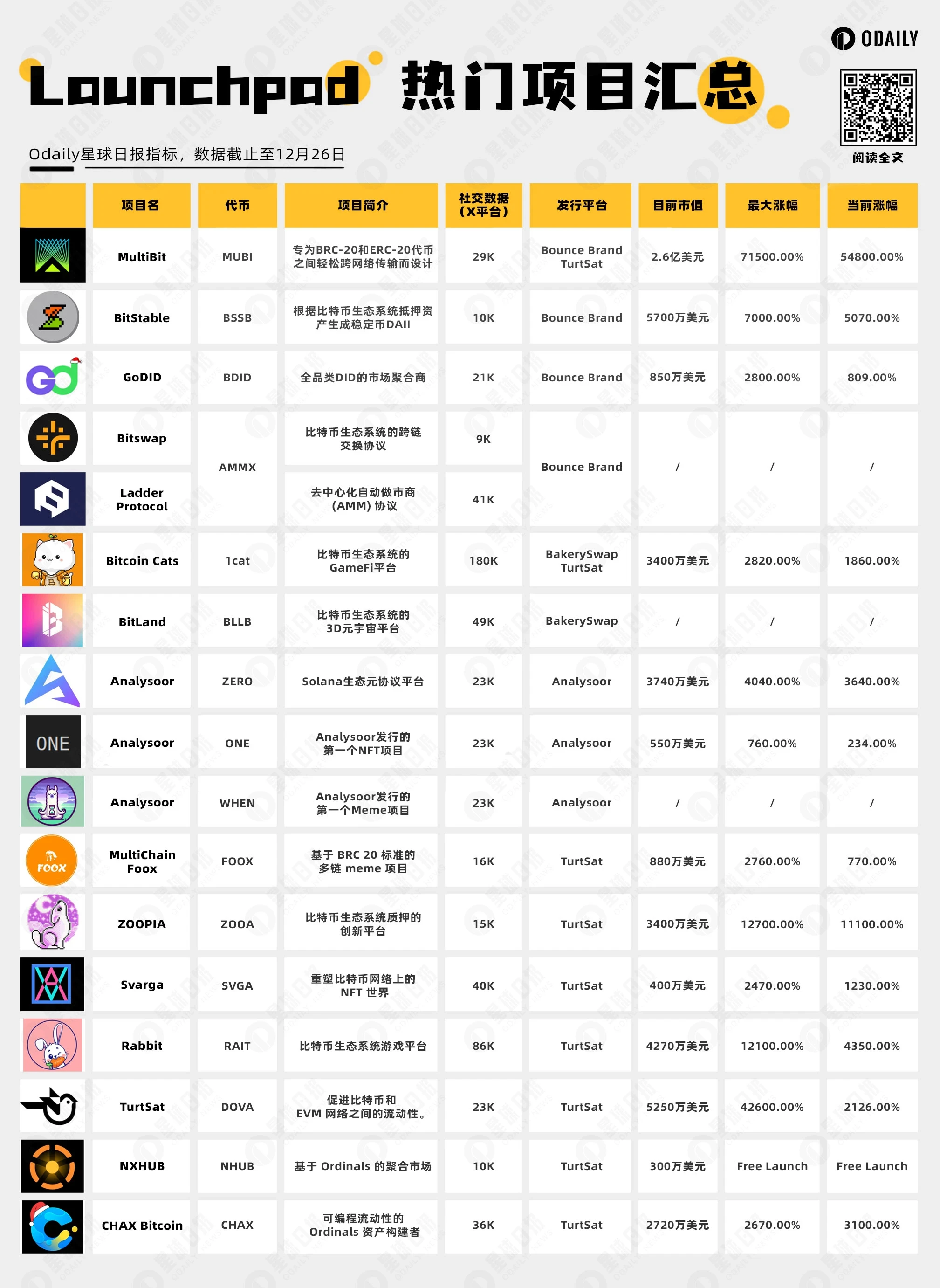
盘点四大 Launchpad 平台,谁的「金铲子」打新表现最好?

头部 Launchpad 平台发布的项目只要获得份额,一定会有不错的收益率。其中,TurtSat 由于发布的项目与比特币铭文板块更为紧密,收益率惊人。目前,Launchpad 板块的热度持续走高,打新获得份额仍是一个不错的赚钱机会。
每周编辑精选 Weekly Editor's Picks(1223-1229)

DeFi

Delphi Digital 2024 DeFi 展望:LSD 赛道已饱和,利率衍生品更具吸引力

再质押 ( Eigenlayer ) 将是 2024 年质押协议里发展最快的领域。大多数 DEX,尤其是衍生品,将受益于拥有自己的执行环境。Atm、 Pendle、 Notional(固定利率贷款)和 IPOR 是可持续的利率衍生品协议。 利率衍生品可能会成为未来几年加密货币中更有吸引力的叙事之一。

进化的死胡同?一文探讨 Coinbase 创始人力挺的 flatcoin

货币如此受欢迎的关键特征之一是,它直接融合到我们在日常经济生活中使用的主要商业语言。标准化是一个方便的功能。而 flatcoin 与我们在口语中使用的美元并不兼容。flatcoin 的流动性将低于标准化的 1: 1 美元,而这种流动性的缺乏将使它们在支付方面的用处更小。flatcoin 的另一个问题是税收。

GameFi

速览 Delphi Digital Web3游戏年度报告 20 个要点

2024 年值得期待的3A链游有 Midnight Society Deadrop、ShrapnelGunzilla Games Off The GridBig Time、Star AtlasIlluviumParallel

BGA 2023 年Web3游戏报告:获取新用户是最大挑战

与 2021 年牛市的高峰相比,所有Web3游戏的活跃度都大幅下降,但项目已将重点转移到提高入驻率和玩家留存率上。继资产所有权之后,新的收入模式和玩家奖励模式在调查中被分别认为是区块链游戏的第二大和第三大优势。

获取新用户仍是该行业面临的最大挑战。游戏性差则是另一个重要问题。监管重新成为了行业的重点关注问题。

70.0% 的受访者认为区块链游戏是骗局或庞氏骗局。

玩赚之外,用户获取的新方法还有链上定位、链上声望、Web3启动。

2024 年掠夺性收入模型将终结。

比特币生态

比特币文艺复兴:价值和共识的变与不变

宏观趋势:比特币作为加密世界的图腾,价值存储是其核心功能。比特币取得更广泛的社会接受下共识增强,机构入场,ETF 预期,比特币减半,降息预期等诸多因素叠加推升价格,叙事主体在悄然发生转移;预测价格在较长时间内不会出现大幅下跌,这是货币储值功能被更广泛认可的市场表现。

技术生态: Ordinals 的爆火将人们的目光吸引至比特币生态,是个体散户投资者参与比特币投资的新叙事,但目前仍以投机为主,不可否认投机是推动行业发展的动力之一,但情绪面投机炒作不可长久,造富效应带来太多泡沫和噪音。

乘风而上的比特币生态 IDO 平台:Bounce Finance

Bounce 的拍卖机制融合了流动性挖矿、去中心化治理和质押机制。Bounce 的目标是提高 DeFi 生态系统中拍卖的速度和效率,允许用户在不同链上构建、设计、收集和交易各种资产、代币和 NFT。Bounce 通过强大的拍卖机制为项目的初始代币发行(IDO)提供了公平的场所;为比特币生态项目的发展带来了新机遇;Bounce 还提供了定制化的选项,使项目团队能够根据自身需求进行设置。Bounce Finance 热门生态代币有 MUBI、BSSB、BDID。

Metrics Ventures 研报:Alex Lab,解锁比特币 DeFi 和 BRC-20 的巨大潜力

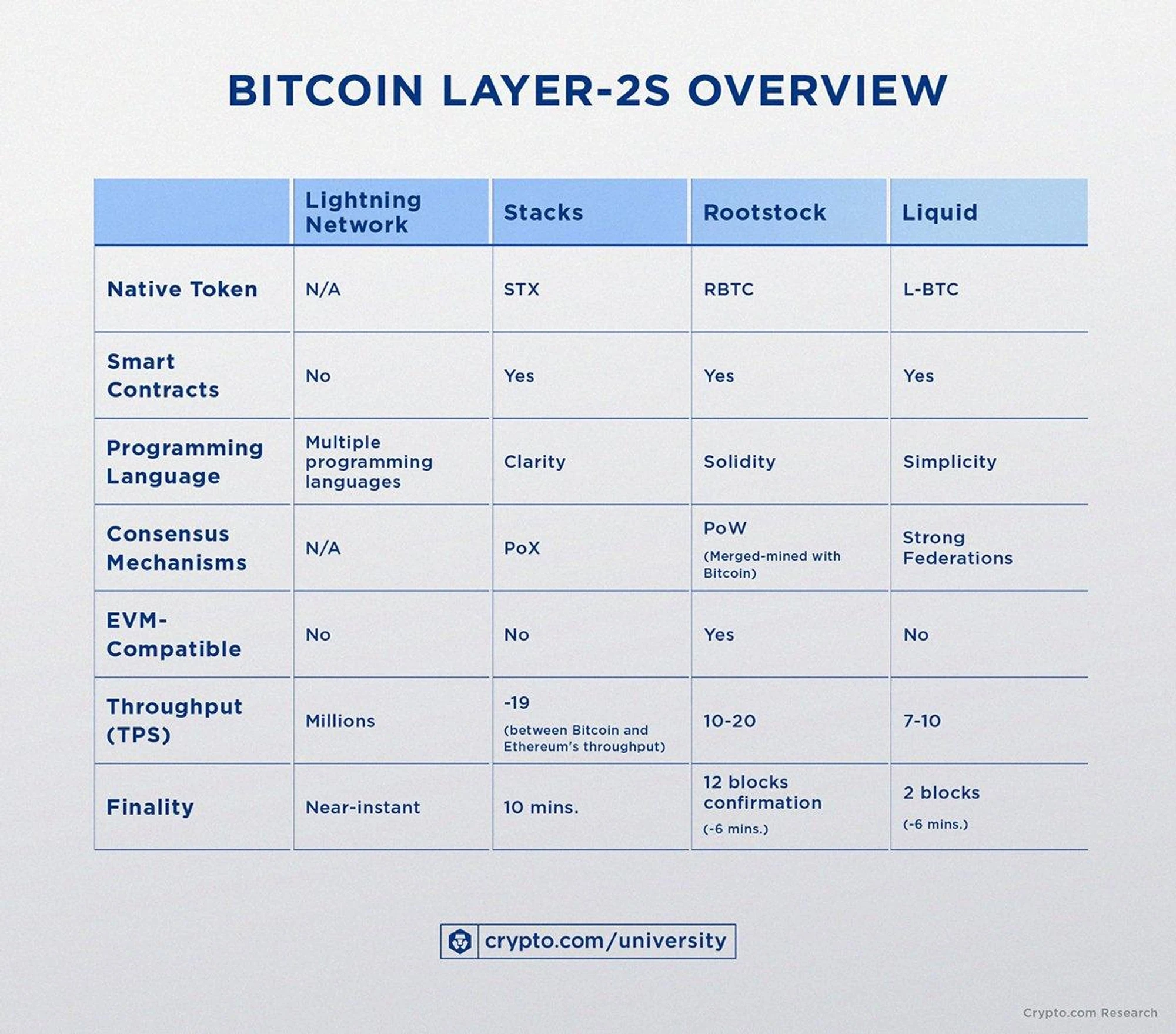
Alex Lab 是构建于比特币二层  Stacks  的 DeFi 基础设施,已推出和正在开发的功能包括比特币预言机、比特币桥、AMM、订单簿、质押、Launchpad 等一系列功能,构建起完整的 DeFi 基础套件。

从竞争格局上看,Alex Lab 是 Stacks 上的绝对龙头。与其他扩容方案相比,Stacks 是目前生态和数据增长最为健康的二层扩容方案,与其可比的是 Rootst。

Nakamoto 升级和  sBTC  的发行预计于 2024 年第一季度推出,Nakamoto 升级将为 Stacks 的性能带来全面提升,sBTC 将解锁比特币 DeFi 的新机遇,Alex Lab 将是布局这一升级的最好标的。

综合  ALEX  的估值和 TVL,ALEX 可以作为布局 STX 生态的杠杆性标的。ALEX 目前未上线大型 CEX,具有一定的流动性折价,未来上所或将带来币价的提升。
每周编辑精选 Weekly Editor's Picks(1223-1229)

玩转 Atomicals 生态:常见资产和工具一览

1. Wizz Wallet(前 ATOM Wallet)钱包

2. 铸造代打平台

3. 官方域名查询

4. ATOM 铭文浏览器

5. Atomical Market 交易市场

6. Wizz Cash 钱包仪表板、资产转账工具看板

7. mempool 比特币链上出块查询

8. Atomicals 与 Ordinals 数据对比

9. Atomicals 数据

以太坊与扩容

以太坊链上数据、技术进展和 2024 年看点

以太坊市场在机构兴趣方面的趋势变化值得注意。

即将到来的 EIP-4844 升级(Proto-dank sharding)是其性能的潜在催化剂,该升级将提高以太坊的网络效率和可扩展性,从而在市场上赢得优势,L2的手续费将更加具有竞争力。目前的L2主要以 EVM 兼容型为主,例如 Arb、OP、Metis 等。另外, Eclipse  和 Flyent 等非 EVM L2正在启动,将带来新型的应用程序和开发人员。

加密游戏将主要基于L2生态系统,钱包用户体验将得到继续改善,使以太坊生态系统吸收更多的新用户。

此外,现实世界中的资产代币化一直在获得动力,将更多的“旧世界”金融产品带到以太坊区块链上。

多生态与跨链
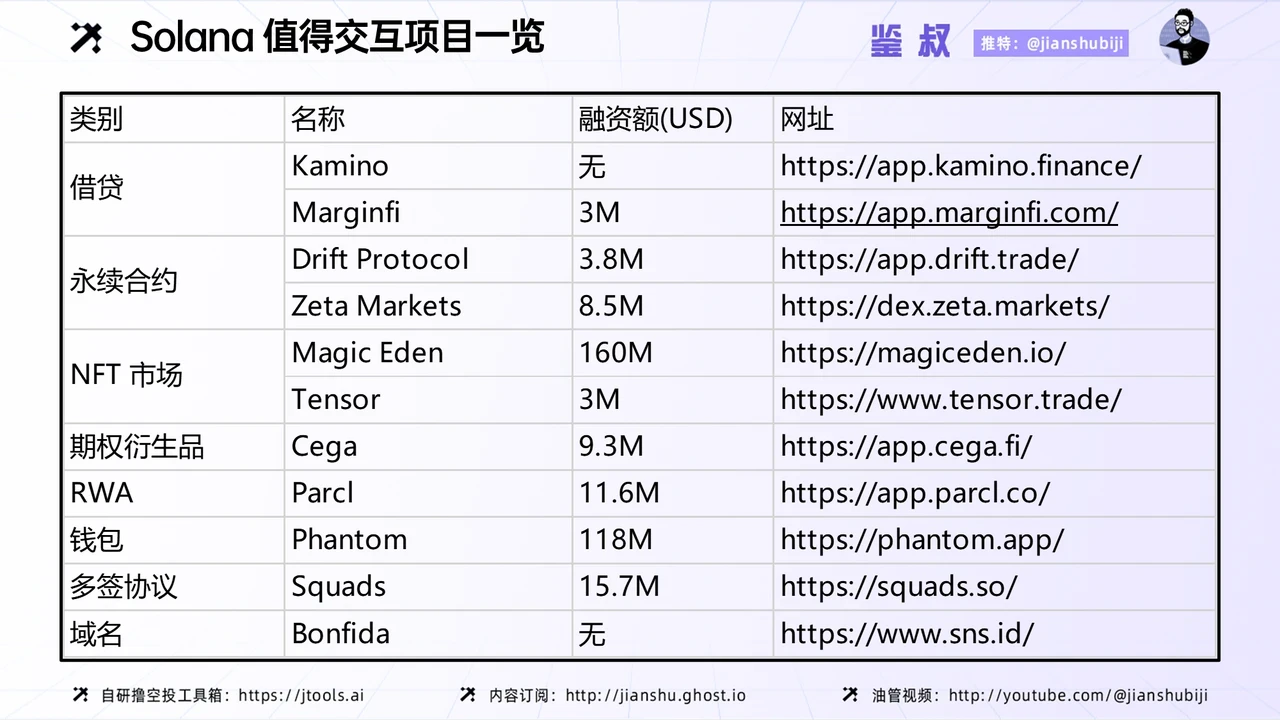
为何 Solana 能够涅槃重生,我们又该如何参与?

每周编辑精选 Weekly Editor's Picks(1223-1229)

Analysoor( 0, 1):百倍收益新战场,重塑 Fair Launch 的创新之旅

Analysoor 是 Solana 链上的第一个 Meta Protocol,采用了独特的方法来创建和分配 NFT 和代币。它通过使用区块哈希值作为随机数生成器并在每个区块上选出胜者的方式为用户提供了 Fair Launch 的铸造机制。该机制目前被证明是成功的,有效的在 $ZERO 和 Index ONE NFT 的铸造中消除了 Bot 带来的影响。

公平性和流动性引导是 Fair Launch 的核心价值支撑。铸造产生的费用不会流向项目方或矿工的钱包,而是全部被用来创造流动性,反哺生态和社区,形成正向飞轮。

Analysoor 正在形成强大的社区共识,其价值和潜力正在被越来越多的人所意识和认同。同时,其开发者也正在不断的通过更多的创新方式来进一步对抗潜在的 Bot 行为,以使得公平性能够长期的被维持和保证。其中,AI 算法和机器学习的应用将是我们接下来最有可能看到的。

与 Auction,Turt,Bake 等其它公链上的主流 Lanchpad 项目的市值相比,Analysoor 目前的市值可能被严重低估了。考虑到 Solana 生态中目前还没有一个 Launchpad 的龙头协议,Analysoor 将非常有可能成为这个角色,在未来拥有着巨大的价值增长空间。

其风险点包括技术安全性、去中心化程度、被模仿者吸血。

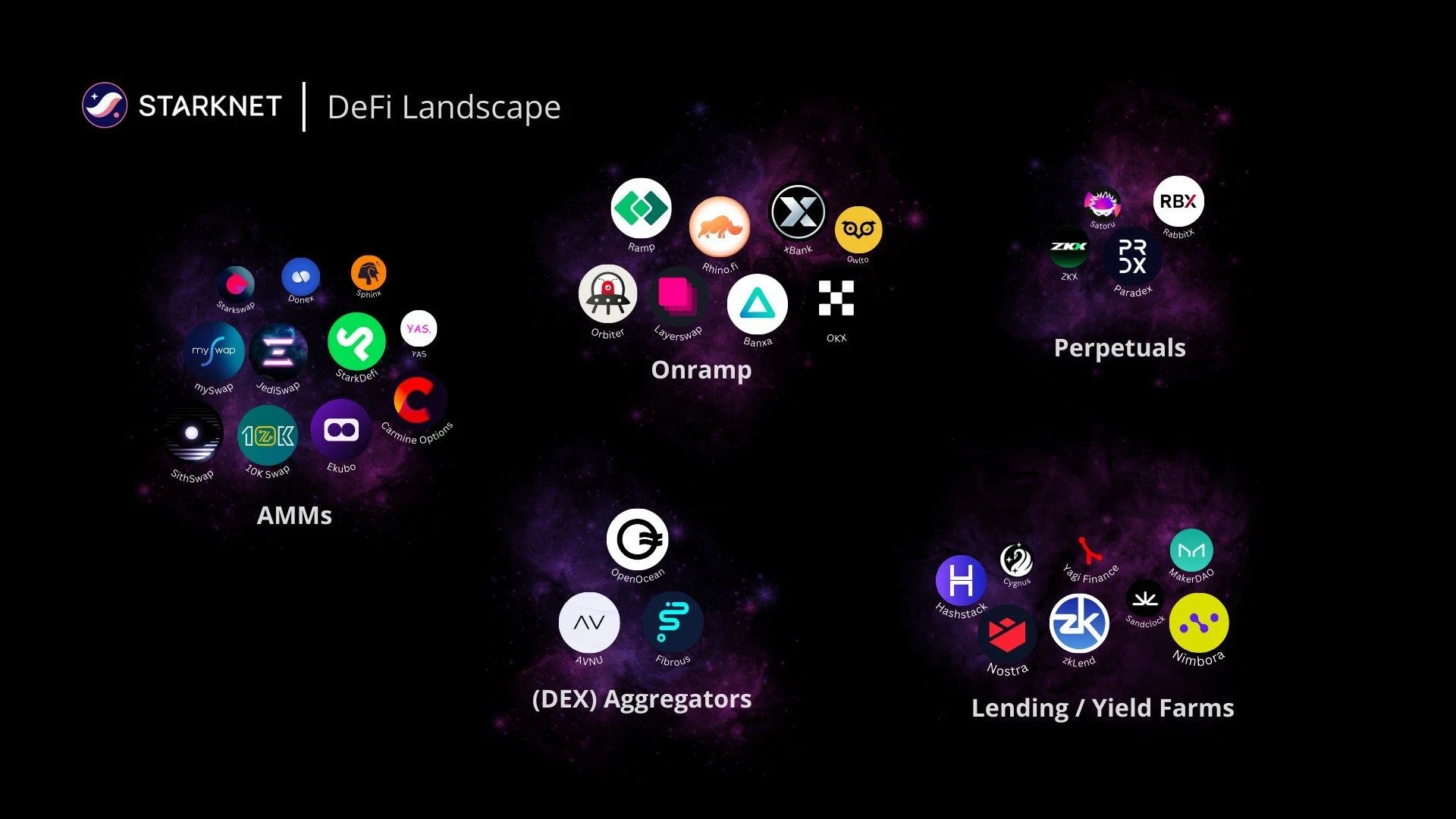
Starknet 即将空投,有哪些生态项目值得关注?

RabbitXRealms.Wrold 外,Starknet 网络大部分的生态协议依旧处于未发币的状态。
每周编辑精选 Weekly Editor's Picks(1223-1229)

7 日涨幅超 190% ,一览 Metis 生态潜力项目

12 月 18 日,MetisDAO 开发组织 MetisDAO 基金会宣布创建了一个约 1 亿美元基金以加速其生态系统的增长,将分配 460 万枚 METIS 代币,用于「序列器挖矿、追溯性资金、新项目的部署和其他努力」。根据目前的代币价格,该笔基金已经价值 3.22 亿美元。

此外,根据官方博客文章,Metis 预计明年初成为第一个去中心化排序器的 Optimistic Rollup,而 Metis 生态发展基金的分配时间将在 Metis 去中心化排序器上线一周后进行。Metis 营销主管 Jose Fabrega 在接受采访时表示测序池的最初激励来自 Metis 生态发展基金。

该生态上值得关注的项目有 DeFi 类(Hermes、NetswapHummus)、Meme 类(VMUM、BARSIK)。

安全

币圈打铭文最新诈骗套路和风险防范

谨防钓鱼网站套路、假冒知名铭文套路、声东击西型套路、盗取钱包私钥套路。

一周热点恶补

过去的一周内,部分用户表示已收到来自 Mt.Gox 的日元形式赔偿款ETH 行情回归

此外,政策与宏观市场方面,香港宣布开放比特币现货 ETF,香港金管局咨询文件:在港无牌发行、推广稳定币均属刑事罪行

观点与发声方面,Arthur Hayes如果比特币 ETF 太成功,它将摧毁比特币,Cathie Wood:GBTC 存在税收和监管方面的不确定性,Delphi Digital 年终总结:多链世界不可避免,Blur 重塑 NFT 流动性BlockworksL1将是未来十年最好的风险交易OKX CEO Star 回应上线更多 BRC-20 代币请求,将遵循 5 大上币原则上币Jupiter 联创:不会为了“拉盘”而赋予 JUP 治理之外的更多效用

机构、大公司与头部项目方面,Paxos 获 NYDFS 批准将其稳定币发行业务扩展到 SolanaTether CEO 发布 2024 年展望:计划推出多个新产品,并巩固现有业务Starknet 已在 Github 代码库内添加桥接相关文件Unibot将推出面向 Solana 的交易 BotAvalanche 基金会将通过创作者基金 Culture Catalyst 投资 Avalanche 生态 meme 币Nostr Assets Protocol 向 Damus 捐款遭打脸Bounce Brand正在开发比特币质押链 BounceBit

NFT 和 GameFi 领域,Elon Musk 发布带有“NFT”字样的视频推文……嗯,又是跌宕起伏的一周。

附《每周编辑精选》系列传送门

提前祝读者朋友们新年快乐!下期再会~

Related Reads

The Fate of Digital Banks: No Fancy App Can Outshine a Banking License

The Fate of Digital Banks: A Flashy App is No Match for a Banking License The article argues that despite attracting billions of users with fee-free checking accounts and sleek apps, most "neobanks" struggle to be profitable because their core business—transaction fees—is inherently low-margin. The real profit engine of banking is lending (credit), which generates interest income. However, many early neobanks operated without their own banking licenses, which restricted their ability to lend at scale. Examples like Nubank, Revolut, and Chime illustrate the point. While they gained users with free accounts, their eventual profitability came from rolling out credit products. The piece highlights systemic risks for neobanks that rely on third-party infrastructure, citing the Synapse bankruptcy, which froze user funds and revealed the fragility of such models. The solution, according to the author, is obtaining a formal banking license, like the U.S. OCC's national trust charter. This provides regulatory backing, allows direct custody of funds, and eliminates dependency on intermediary partners. The trend is now evident in the crypto sector, where companies like Kraken, SoFi, and others are actively pursuing such licenses. The article concludes that while technology changes, the fundamental business logic of banking—profiting from lending—remains constant. Successful digital banks ultimately conform to this old model, just with better interfaces and fairer terms.

Foresight News7m ago

The Fate of Digital Banks: No Fancy App Can Outshine a Banking License

Foresight News7m ago

In the Name of Charity, For the Benefit of the Family: How the Trump Family Turns Philanthropy into Profit?

Charity for Profit: How the Trump Family Turned Philanthropy into Personal Gain Amid a recent controversy over misleading claims about his cryptocurrency company American Bitcoin, Eric Trump invoked his children's cancer charity as evidence of his good intentions. While his Curetivity foundation (formerly the Eric Trump Foundation) has donated over $25 million to St. Jude Children's Research Hospital, an investigation reveals a pattern of self-dealing and opaque practices that benefited the Trump family business. Internal documents show that from 2011 to 2016, over $500,000 from the charity was funneled back to Trump-owned properties for event costs, transactions often omitted from tax filings. This created clear conflicts of interest, with figures like former club manager and current White House aide Dan Scavino involved on both sides. Public claims of "one of the lowest expense ratios" were contradicted by records showing significant spending on entertainment, auctions, and transportation. Facing scrutiny in 2017, Eric Trump distanced himself from the board and rebranded the foundation. After a state investigation shifted focus to compliance rather than enforcement, he returned as the public face. Fundraising events, now less transparent, continue at Trump venues. Estimates suggest these events have directed over $1 million to the Trump Organization over two decades. The same playbook of optimistic claims and obscured financial realities is now evident in Eric Trump's role at American Bitcoin. He promoted it as a highly profitable venture with low mining costs, but reports indicate most Bitcoin was purchased with funds from constant stock issuance, not mined, with actual costs far higher than claimed. While the company's stock has crashed nearly 90% from its peak, Eric Trump's personal stake remains valuable. The recurring pattern involves aggressive public defense, legal maneuvering to bury records, making minimal changes to satisfy regulators, and eventually repackaging the venture to regain trust, often successfully.

marsbit17m ago

In the Name of Charity, For the Benefit of the Family: How the Trump Family Turns Philanthropy into Profit?

marsbit17m ago

Bernstein Report: Agentic AI Will Transform CPU from Supporting Role to Leading Role, Bullish on Hygon Information

Bernstein research report: Agentic AI will turn CPUs from supporting players to leading roles, bullish on Hygon Information. Analysts led by David Dai argue that AI is transitioning from the chatbot era to the agentic AI era. Unlike simple query-response models, agentic AI involves complex workflows including retrieval, planning, tool calling, and multi-step reasoning. This shift dramatically increases the demand for CPU compute to orchestrate these tasks, manage memory, and prevent expensive GPU idling. The report forecasts that the GPU-to-CPU ratio in inference clusters will reverse from 8:1 in 2025 to 1:1 by 2029. In agentic AI workloads, CPUs could account for 50% of the compute, on par with GPUs. Consequently, the server CPU Total Addressable Market (TAM) is projected to surge from $37 billion in 2025 to $223 billion by 2030, representing a 6x expansion. Arm is identified as a key beneficiary due to its superior performance-per-watt and a strategic shift from IP licensing to designing its own chips, targeting $15 billion in chip revenue by 2030. Bernstein raises Arm's price target to $500. For x86 vendors, the report is Overweight on AMD (target $600) and Hygon Information (target CNY 450), citing leadership and strong growth in the Chinese market respectively. Intel's target is raised to $100, reflecting upgraded earnings assumptions. The analysis acknowledges significant supply-side risks, questioning whether foundry and memory capacity can support such rapid CPU growth. The optimistic demand forecast also heavily relies on Nvidia's guidance for over $1 trillion in annual AI infrastructure spend by 2027.

marsbit25m ago

Bernstein Report: Agentic AI Will Transform CPU from Supporting Role to Leading Role, Bullish on Hygon Information

marsbit25m ago

Will UNI Reach $100 in Four Years? Can Standard Chartered's Prediction Come True?

TL;DR: Standard Chartered Bank predicts UNI token will reach $100 by 2030, based on the growth of tokenized assets fueling demand for open DeFi liquidity and Uniswap's potential to capture fees from that trading. However, institutional tokenized products like BlackRock's BUIDL fund show that strict access controls and permissioned systems remain major barriers. Standard Chartered's $100 price target for Uniswap's (UNI) governance token by 2030 projects massive growth from current levels. The bank's thesis hinges on tokenized real-world assets (RWA) reaching trillions in value and a significant portion flowing into open, decentralized markets for trading and liquidity, rather than remaining in closed, permissioned systems. Uniswap's position as a leading decentralized exchange (DEX) infrastructure could allow it to capture a major share of this future trading activity. A key challenge is whether tokenized assets like bonds, funds, and stocks will trade openly on DEXs or be restricted to controlled, institutional platforms. The case of BlackRock's BUIDL fund exemplifies this tension: while it uses Uniswap's technology for settlements, trading is strictly limited to pre-approved, whitelisted institutional participants. This hybrid model provides DeFi efficiency but maintains traditional access barriers. For UNI to achieve such a high valuation, Uniswap must not only see increased trading volume from tokenized assets but also implement effective value-capture mechanisms for token holders. Recent governance proposals aim to direct protocol fees to UNI stakers, creating a clearer link between platform usage and token value. Ultimately, the realization of Standard Chartered's prediction depends on the future structure of the tokenized asset market. If open liquidity pools and reduced restrictions prevail, Uniswap's role could expand far beyond crypto-native trading. If permissioned, walled-garden systems dominate, its growth from institutional tokenization may be limited. The prediction itself signals growing institutional recognition of DeFi's potential role in the future of finance.

marsbit33m ago

Will UNI Reach $100 in Four Years? Can Standard Chartered's Prediction Come True?

marsbit33m ago

Trading

Spot
Futures
活动图片