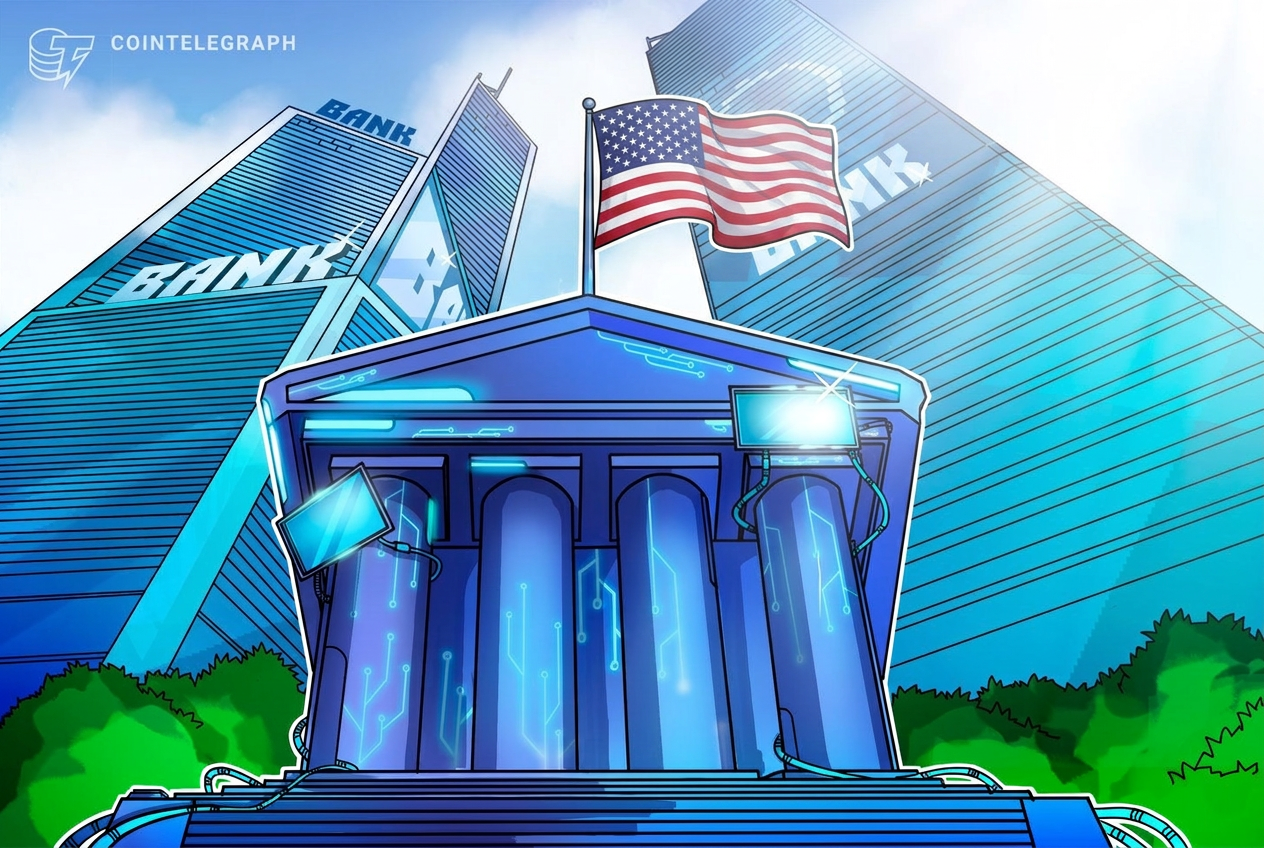
一分钟速览加密基金Paradigm成长史,所投项目最爱空投

PanewsPubblicato 2023-09-27Pubblicato ultima volta 2023-09-28

Introduzione

成员仅60余人的加密基金Paradigm从耶鲁大学获得第一笔资金后便在加密行业起飞。虽然经历过“迷途知返”,但过往辉煌业绩不容忽视。

作者:Splin Teron, 加密KOL
编译:Felix, PANews
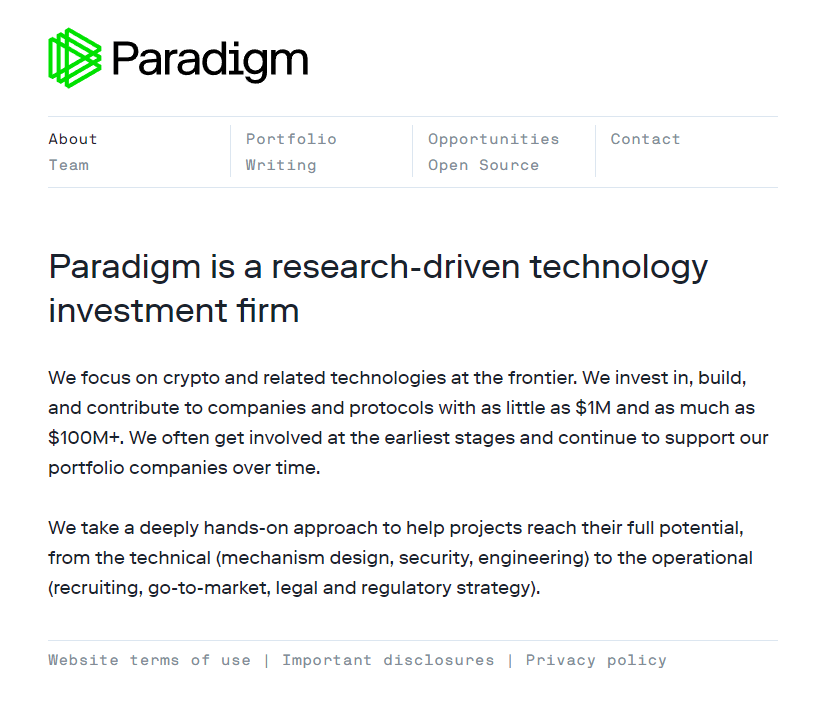
虽然目前有关Paradigm基金的详细信息很少,但众所周知,该基金投资的项目范围覆盖100万美元到1亿美元以上,且仅在加密领域内。那么仅60多名员工的Paradigm如何赢得投资者的信任并在加密社区中获得关注呢?
一分钟速览加密基金Paradigm成长史,所投项目最爱空投


Paradigm由Coinbase联合创始人Fred Ehrsam和前红杉资本合伙人Matt Huang共同创立。Paradigm的出现恰逢其时,绝非偶然。Paradigm的出现起源于2017年比特币狂热的顶峰时期,当时 Fred Ehrsam决定辞去Coinbase总裁一职。
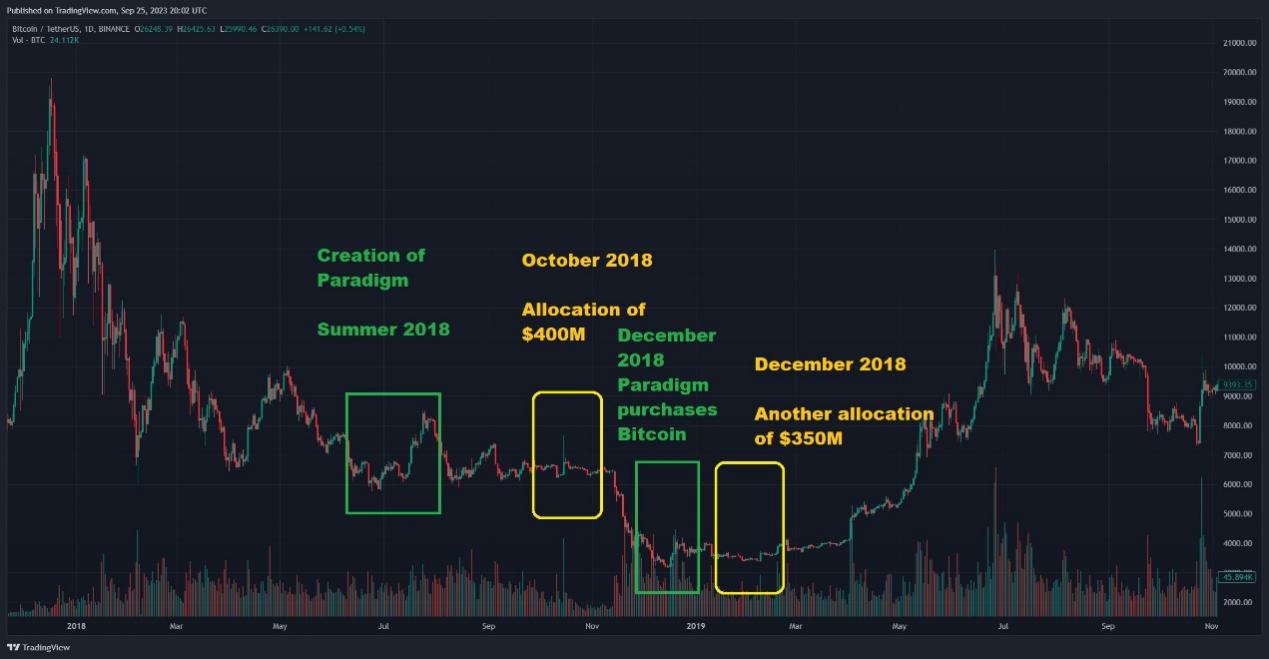
Paradigm基金于2018年夏季在充满挑战的熊市阶段推出。Paradigm的两位创始人决定离开之前的工作,去从事认为更有趣的事情。
一分钟速览加密基金Paradigm成长史,所投项目最爱空投


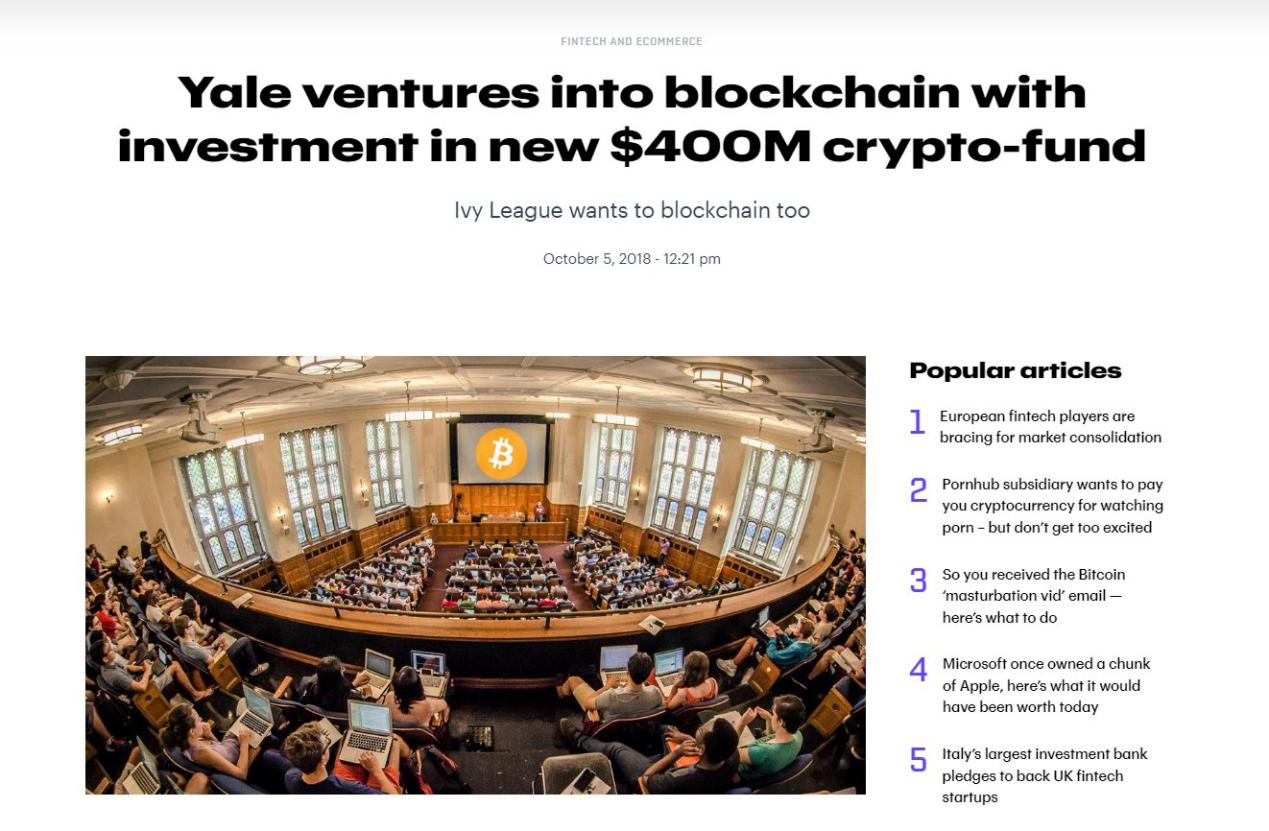
Paradigm的最初资金来自一些最保守的投资者:大学。包括耶鲁大学、哈佛大学以及斯坦福大学的捐赠基金。
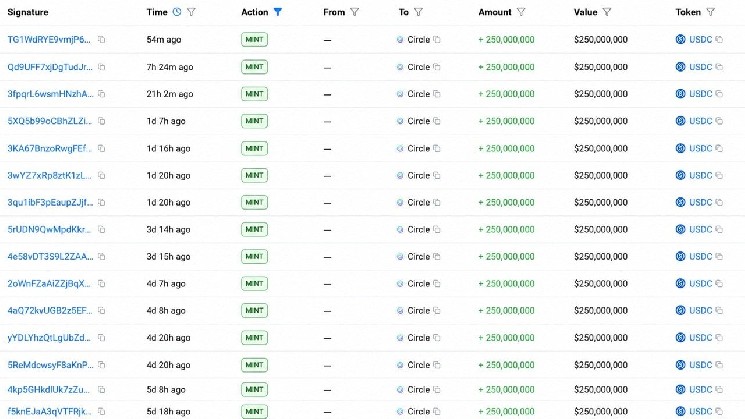
2018年10月,Paradigm从投资者那里获得了4亿美元融资(注:资金全部来自耶鲁大学捐赠基金)。到2018年12月,Paradigm主要投资于比特币和以太坊,并在比特币价格低于4000美元的时候完美抄底(注:由上图可知,抄底比特币后,未来基本都是上涨状态)。这一消息传到投资人后,机构投资者(大学)追加认购了3.5亿美元。
一分钟速览加密基金Paradigm成长史,所投项目最爱空投


除获得启动资金外,Paradigm还在大学领域开展工作,并取得了重大进展:

  • 普及加密货币
  • 加强对必要的加密货币监管的讨论
  • 支持Gary Gensler(现任美国SEC主席,曾在麻省理工教书)进行区块链和加密货币技术方面的教育

这是否意味着Paradigm与“市场负责人” 注:Gary Gensler)有联系?无从得知。
Paradigm最新投资的一个项目是Friend.tech,Friend.tech的出现,标志着SocialFi叙事的又一次启动。有趣的是,Friend.tech是在新Base网络启动。
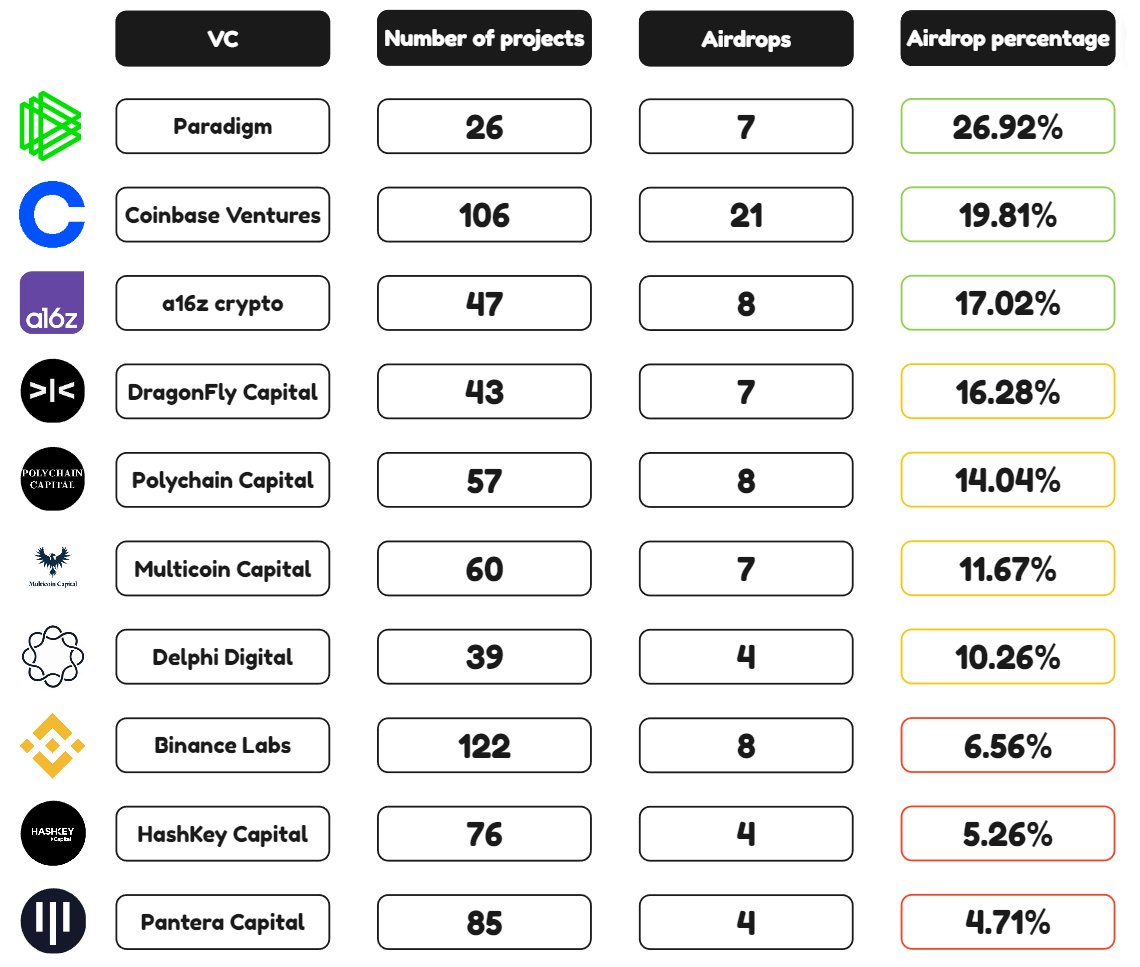
值得一提的是,在Arbitrum空投之前,Paradigm被列为加密行业最重要的三个空投的投资者:Uniswap、Ribbon Finance和dYdX 。可能这也是Paradigm在空投盛行时代受加密社区追捧的原因。有加密KOL总结了热门基金投资了哪些项目以及其中有多少进行了空投,Paradigm拔得头筹。
一分钟速览加密基金Paradigm成长史,所投项目最爱空投


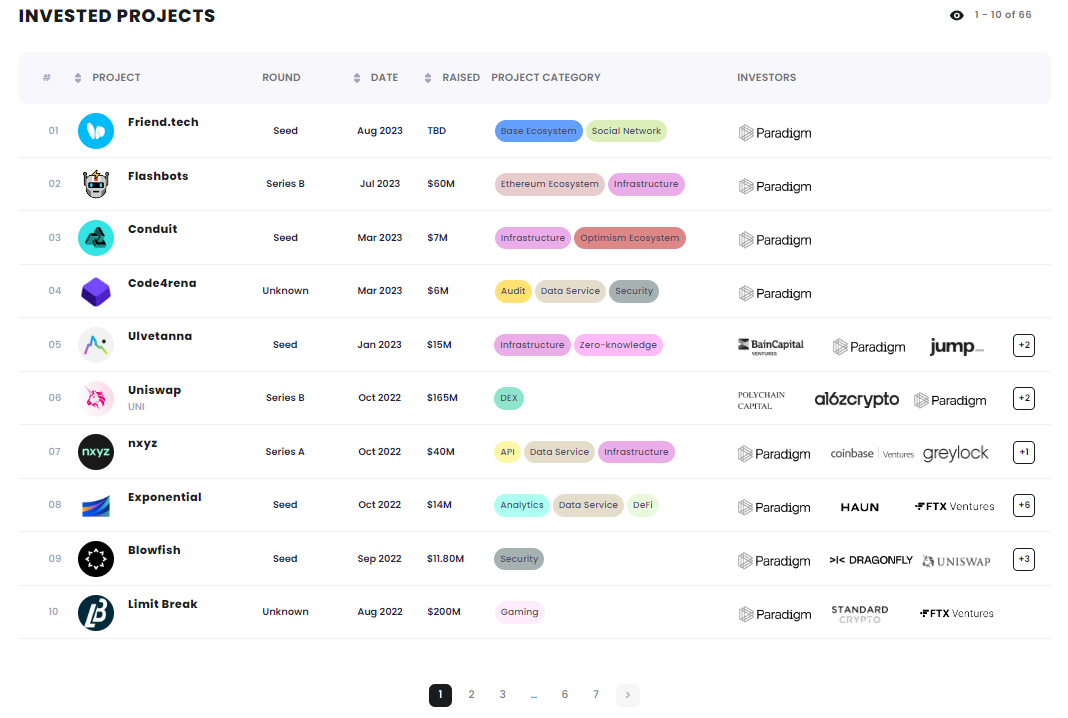
以下为Paradigm 投资的完整列表

一分钟速览加密基金Paradigm成长史,所投项目最爱空投


虽然Paradigm曾更改网站表述,将其仅专注于加密货币转向也包括人工智能等“前沿”技术。但Fred和Matt后来表示,他们坚信会长期留在加密领域。“虽然有些人可能会觉得它有争议,但我们坚信加密货币将成为一个重要趋势。事实上,我们认为它是未来20年最重要的技术趋势。”


Letture associate

Bitcoin's 'Rally Ends,' Officially Entering the Later Stage of a Bear Market?

Bitcoin prices declined 13% this week, reversing the recent rebound and signaling a likely transition into the later stages of a bear market. Key on-chain metrics deteriorated, with the short-term holder cost basis falling below the Realized Price—a pattern last seen in early 2022, characteristic of bear market maturity. The rally to ~$82k proved to be a bear market bounce, as evidenced by the 90-day realized profit/loss ratio failing to sustain above the bullish threshold of 2. Daily realized losses surged to $1.35B, including significant selling from long-term holders who accumulated near cycle tops, indicating ongoing supply redistribution. Price was rejected almost precisely at the aggregate US spot ETF cost basis of ~$83k, turning that level into resistance and leaving the average ETF investor underwater again. Spot market selling pressure intensified, with the 7-day volume delta turning significantly negative to its weakest level since February. While a major long liquidation event cleared over $400M in leverage, spot demand has not yet stepped in to absorb the resulting supply. Options markets continue pricing in higher future volatility (elevated volatility risk premium) and maintain a skew toward put options, reflecting persistent demand for downside protection, though not yet panic. Overall, market structure remains fragile. Sustained recovery likely requires a reclaim of the ETF cost basis, a shift back to positive spot demand, and a slowdown in realized loss-taking. Until then, the market risks further downside or extended consolidation within the broader bear trend.

Foresight News19 min fa

Bitcoin's 'Rally Ends,' Officially Entering the Later Stage of a Bear Market?

Foresight News19 min fa

How Risky is the "Death Spiral" of MSTR and STRC?

Summary: This article explores the perceived "death spiral" risk between MicroStrategy (MSTR), its Bitcoin holdings, and its perpetual preferred stock (STRC), drawing comparisons to the LUNA-UST collapse. While both systems feature price anchors, high yields for holders, and potential feedback loops, their core mechanisms differ fundamentally. The MSTR-STRC structure relies on continuous financing to sustain its high dividend payouts, primarily through stock ATM offerings. A negative feedback cycle could occur: falling MSTR stock price makes raising equity capital harder, increasing pressure to sell Bitcoin, which undermines STRC confidence and further depresses MSTR. However, unlike LUNA-UST's automated, direct linkage, the MSTR-STRC loop is weaker and has brakes: STRC dividends can be deferred or rates lowered, and STRC holders have a $100/share liquidation preference in bankruptcy, providing a price floor. The company's sustainability hinges on its ability to continue financing. Its current ~$900 million USD reserves cover only about 6.3 months of its ~$1.71 billion annual interest/dividend burden. The next six months are critical, aligning with both the potential bottom in Bitcoin's four-year cycle and the depletion timeline of its reserves. While a LUNA-style catastrophic collapse is deemed highly unlikely due to structural differences, the key question is whether MicroStrategy can navigate this period through healthy deleveraging to restart its capital engine.

Foresight News37 min fa

How Risky is the "Death Spiral" of MSTR and STRC?

Foresight News37 min fa

How Much Debt Does Strategy Really Have? Is There a Risk of Implosion?

MicroStrategy's Debt Risk: A Turning Point in the "Never Sell" Strategy As of June 3, 2026, MicroStrategy holds 843,706 bitcoins (valued at ~$53.1B) but faces significant financial obligations. Its capital structure includes $6.75B in convertible notes and $15.48B in perpetual preferred stock (led by the $8.5B STRC series), creating an annual payout burden of ~$1.71B. With software revenue at only ~$500M, interest and dividend obligations far exceed operating income. A critical shift occurred in late May 2026 when the company sold 32 bitcoins for ~$2.5M to cover dividends, breaking CEO Michael Saylor's long-standing "never sell" pledge. This symbolic move triggered a sharp decline in both Bitcoin's price and MSTR stock, reflecting market fears about cash flow sustainability. The core of the strain is the STRC perpetual preferred stock, designed as a "permanent loan" with no maturity date but requiring high monthly dividends (currently 11.5%). Its business model relies on a three-part cycle: issuing new STRC shares, using proceeds to buy more Bitcoin and fund a USD reserve, and using that reserve to pay dividends. This cycle depends on continuous investor demand for STRC and Bitcoin's price appreciation. Analysis shows Bitcoin needs to appreciate at least 2.3% annually to cover the $1.71B in yearly obligations at current holdings. With Bitcoin price down ~22% from March 2026 highs, this pressure has intensified. The company's $900M USD reserve can only cover about 7 months of payments if STRC issuance stalls. Key risks are not immediate bankruptcy or forced Bitcoin liquidation (as BTC is not collateral), but rather: 1) The erosion of MSTR's premium to its Bitcoin holdings (mNAV), which would cripple its ability to raise cheap capital; 2) A vicious cycle where stagnant Bitcoin prices reduce STRC demand, draining the USD reserve and forcing BTC sales, further depressing prices. The period from February 2027 to September 2028 is a crucial test, with over $5.9B in convertible notes facing put options or maturity. In essence, MicroStrategy has evolved from a simple Bitcoin holder into a complex financial entity acting like a "private Bitcoin bank," leveraging its BTC holdings to create layered financial products. Its survival depends on maintaining Bitcoin's price trend, its stock premium, and market appetite for its preferred shares. The recent token sale marks not a betrayal of its Bitcoin thesis, but an admission that the leveraged strategy must eventually be paid for.

marsbit48 min fa

How Much Debt Does Strategy Really Have? Is There a Risk of Implosion?

marsbit48 min fa

Anthropic Cries Wolf: Is the AGI Threat Real, or Just an IPO Story?

Anthropic has published an article titled "When AI builds itself," discussing the emerging concept of "recursive self-improvement," where AI begins to actively participate in designing, training, testing, and optimizing its own subsequent versions. The company presents internal data showing that by May 2026, over 80% of code merged into its codebase was written by Claude, its AI model. Claude's capabilities have expanded to handling complex, open-ended engineering tasks, achieving a 76% success rate in such areas, and even contributing to research processes, such as optimizing code performance and conducting AI safety experiments. Anthropic outlines an evolution from human-driven development to AI-assisted workflows, culminating in the current stage where AI agents can autonomously write, run, and delegate code. The company cautions that the path toward a "closed loop," where AI continuously improves itself, is becoming visible. It calls for coordinated global mechanisms to potentially slow or pause frontier AI development to allow safety research and societal structures to catch up. However, the timing of this warning coincides with Anthropic's preparations for an IPO, framing the narrative not just as a safety concern but also as a demonstration of Claude's advanced capabilities and its integral role in accelerating Anthropic's own R&D—creating a potential "flywheel" effect for competitive advantage. This contrasts with OpenAI's recent, more policy-oriented discussion of the same risks, highlighting the competitive dynamics in the AI industry as companies position themselves in both the technological and regulatory landscape.

marsbit1 h fa

Anthropic Cries Wolf: Is the AGI Threat Real, or Just an IPO Story?

marsbit1 h fa

Trading

Spot
Futures

Articoli Popolari

Come comprare UNI

Benvenuto in HTX.com! Abbiamo reso l'acquisto di Uniswap (UNI) semplice e conveniente. Segui la nostra guida passo passo per intraprendere il tuo viaggio nel mondo delle criptovalute.Step 1: Crea il tuo Account HTXUsa la tua email o numero di telefono per registrarti il tuo account gratuito su HTX. Vivi un'esperienza facile e sblocca tutte le funzionalità,Crea il mio accountStep 2: Vai in Acquista crypto e seleziona il tuo metodo di pagamentoCarta di credito/debito: utilizza la tua Visa o Mastercard per acquistare immediatamente UniswapUNI.Bilancio: Usa i fondi dal bilancio del tuo account HTX per fare trading senza problemi.Terze parti: abbiamo aggiunto metodi di pagamento molto utilizzati come Google Pay e Apple Pay per maggiore comodità.P2P: Fai trading direttamente con altri utenti HTX.Over-the-Counter (OTC): Offriamo servizi su misura e tassi di cambio competitivi per i trader.Step 3: Conserva Uniswap (UNI)Dopo aver acquistato Uniswap (UNI), conserva nel tuo account HTX. In alternativa, puoi inviare tramite trasferimento blockchain o scambiare per altre criptovalute.Step 4: Scambia Uniswap (UNI)Scambia facilmente Uniswap (UNI) nel mercato spot di HTX. Accedi al tuo account, seleziona la tua coppia di trading, esegui le tue operazioni e monitora in tempo reale. Offriamo un'esperienza user-friendly sia per chi ha appena iniziato che per i trader più esperti.

467 Totale visualizzazioniPubblicato il 2024.12.12Aggiornato il 2026.06.02

Come comprare UNI

Discussioni

Benvenuto nella Community HTX. Qui puoi rimanere informato sugli ultimi sviluppi della piattaforma e accedere ad approfondimenti esperti sul mercato. Le opinioni degli utenti sul prezzo di UNI UNI sono presentate come di seguito.

活动图片