从购买代币到链上交互,盘点Web3中的新兴消费者行为

PanewsPublished on 2023-09-07Last updated on 2023-09-07

Abstract

人是寻求地位的猴子,寻求最有效的途径来最大化社会资本——可概括为“地位即服务”。

作者:Esther Kim
翻译:MetaCat
排版:MetaCat
Web3 社交时代的开启,从传统数字社交范式演变而来。

从购买代币到链上交互,盘点Web3中的新兴消费者行为


前段时间 Twitter 上的很多推文都是关于扎克伯格的“Threads”。令人惊讶的是,Threads 有 Web3 的气息,它在短短几个小时内就吸引了 500 万用户,你可以编写和阅读帖子,还可以连接你的 Instagram 联系人,并与其他开放的可互操作社交应用程序(比如 Mastodon)进行交互。这让我想到了现在的 Web3 社交 dApp。
Web3 经常打着隐私和自我主权的旗帜来吸引用户,但介于 Web2 社交媒体如此巨大的垄断地位和用户已然形成的社交产品使用习惯,我认为前进的道路只有一条,让 Web3 原生社交 dApp 取得成功的关键是:塑造新兴消费者行为。
Consumer sales depend on the habits and behaviors of consumers, and those who manipulate consumer markets cannot but address behavior and attitude.
- Benjamin R. Barber from Consumed

我们今天看到的大多数 Web3 社交项目都是复制现有成功社交网络产品,并增加了加密功能。当然,这是有充分理由的。但自称“Web3 的[一些著名的 Web2 公司]”的项目数量之多令人吃惊。Web3 社交必须了解用户为何需要社交应用(社交资本、娱乐、实用性),并通过激发新的新兴用户行为来玩不同的游戏。Web3 社交应该鼓励新的消费者行为,并使之有别于现有的社交网络产品的用户界面和使用体验。
让我们来探索一下

  1. 用户在社交应用中想要什么(Status as a Service)
  2. 著名的 Web3 社交产品正在做什么
  3. Web3 中的拟物化与新兴消费者行为


状态即服务(StatusasaService)
首先,只有当我们从“第一性原理”的角度,理解应用程序形式的社交网络时,用户体验和创作者代币化才有意义。根据“状态即服务”,社交网络提供三个维度的价值:娱乐、实用性和社会资本(来自人际网络的资本)。当用户和创作者期望在娱乐和实用的同时获得社会资本(地位)时,他们就会被引导。
人是寻求地位的猴子,寻求最有效的途径来最大化社会资本——可概括为“地位即服务”
让我们暂停一下,看看基于这些要素的 Web3 社交项目有多么引人注目。
Web3 社交地标
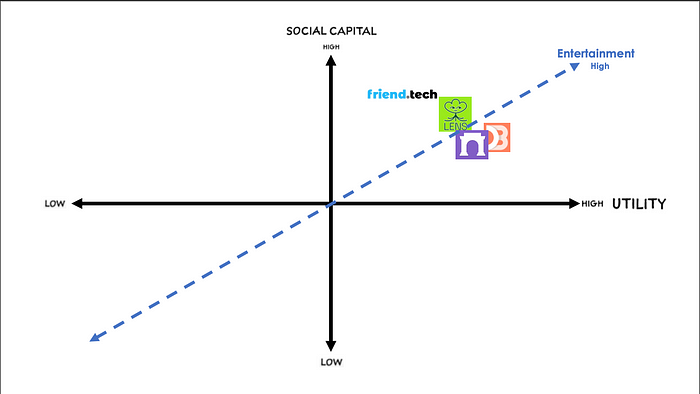
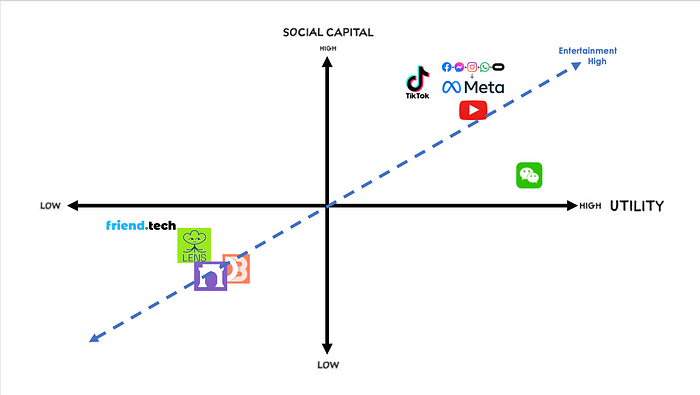
有四个具有里程碑意义的 Web3 社交产品已经获得了巨大的关注,并且是这个思想实验的良好模型:Lens、Farcaster、Friendtech 和 Debank。
Lens 和 Farcaster 是去中心化的,协议较多,可插入瘦应用程序,而且使用体验很熟悉(大多数应用程序可与具有加密功能的 Twitter、Youtube 和 Facebook 相媲美)。
同时,Friendtech 和 Debank 在体验上更加偏向 Web3 原生,用户不太熟悉,依赖于与 NFT、钱包到钱包交互和 DeFi 模型的非拟物消费者交互。从社会资本、实用性和娱乐性的角度来看,这些应用程序满足了社交应用程序的基本要求。

从购买代币到链上交互,盘点Web3中的新兴消费者行为


在我看来,这些 Web3 社交应用是 Web3 社交的最佳代表。即来自状态即服务的象限。
下文将快速介绍上面提到的四个 Web3 社交 Dapp 👇 ,如果你已经知道,请跳过
Lens 和 Farcaster:社交图谱和个人资料贯穿其 dApp(社会资本),在其生态系统(娱乐和实用)中推出了可与 Twitter、Facebook、微信相媲美的各种应用程序。两者都偏协议且对开发者友好,为新颖的应用程序实验提供了更多机会。
Debank:最流行的可增值的个人资料,经过排名和流式传输(社会资本),互动类似 NFT 出价,以消息传递(娱乐和实用)的形式实现真正的财务实现。
Friendtech:你可以创建一个 following ,别人可以窃取(购买)你的图片,并绘制一个社交图谱,使你成为最高出价者(社会资本),“窃取”的新颖性(娱乐),窃取所涉及的交易(效用) 。
尽管 Web3 假设具有巨大的吸引力并且部分成功,但与我们这一代最受欢迎的社交应用程序相比,这种差异是有害的。

从购买代币到链上交互,盘点Web3中的新兴消费者行为


所以,做只有 Web3 原生社交才能做的事情。让我们探讨一下它们是什么以及它们如何工作。
新兴消费者行为
大众不太可能为隐私、自治或主权身份买单,尤其是以牺牲便利性为代价,至少目前是这样。因此,为了在不久的将来取得成功,Web3 社交产品应该促进新兴的消费者行为,并构建能够通过加密货币的标志性功能,提供非拟物化社交体验的产品。让我们看看下面的项目。
1. 具有加密功能的拟物化——Lens Protocol

从购买代币到链上交互,盘点Web3中的新兴消费者行为


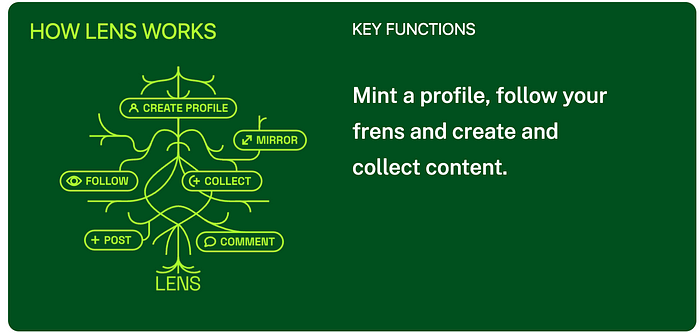
Lens Protocol 允许用户创建一个个人资料文件,该文件将把用户的社交图谱和凭据携带到其生态系统中构建的所有应用程序上。创建你的个人资料,并在应用程序之间携带它的行为是非拟物化的,但其生态系统中的应用程序复制了许多大家熟悉的 Web2 应用程序,但是具有更好的创作者经济、数据主权、代币集成以及“分享即赚钱”或“玩即赚钱”的选项。

从购买代币到链上交互,盘点Web3中的新兴消费者行为

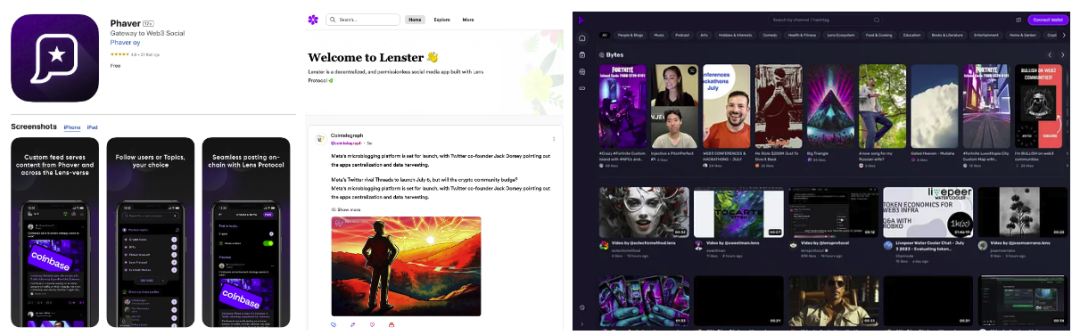
Phaver、Luster 和 Lenstube 是基于Lens Protocol 构建的应用程序。他们的界面与 Twitter/Facebook/Youtube 类似,但具有加密原生功能:评论、分享、点赞、书签等都是现有的用户体验。
归根到底,这些项目只是现有用户体验的“升级”版。如果用户进行相同的操作(拟物化行为),那么网络效应和平台的规模将决定项目的成败。如果你的竞争对手是 Meta(Threads、Facebook、Instagram),那将很难被击败。
2. 具有加密功能的拟物化——Farcaster
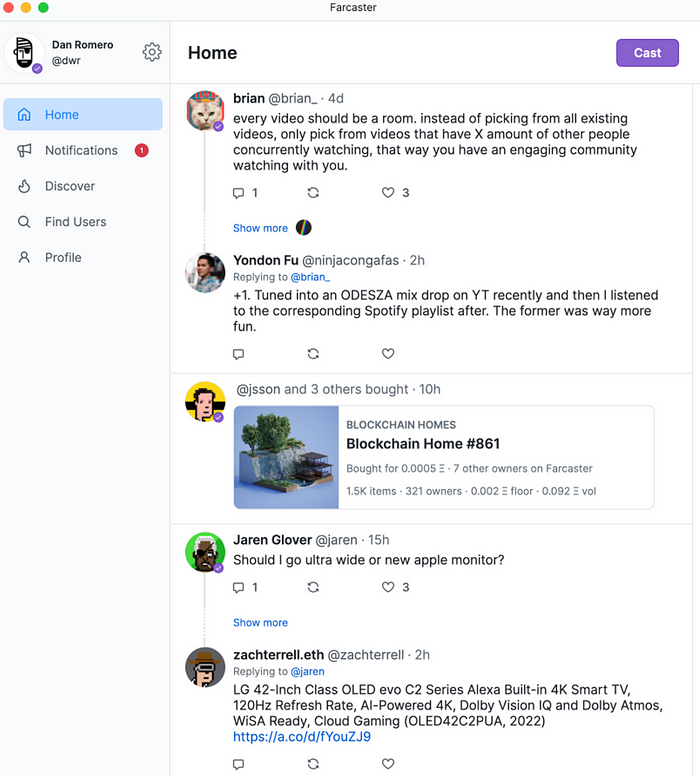
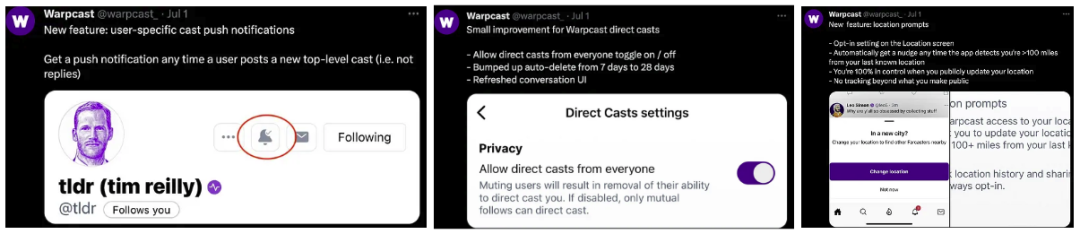
同样,Farcaster 也以“充分去中心化”而知名,旨在将权力归还给用户和开发者。Farcaster(应用程序)拥有熟悉的用户界面,下面的 Warpcast 更新(Farcaster 客户端)的 Twitter 屏幕截图再次反映了拟物化的用户体验。

从购买代币到链上交互,盘点Web3中的新兴消费者行为

Farcaster:类似 Twitter 的界面,交互是拟物化的。来源:https://danromero.org/farcaster/

从购买代币到链上交互,盘点Web3中的新兴消费者行为

Warpcast:推送通知、直接消息、位置提示都是社交应用程序上现有的功能。
这并不是说这两个项目必须与 Meta 或 Twitter 竞争。事实上,Lens 和 Farcaster 是增长最快、规模最大的 Web3 社交协议,具有创新和加密原生品质(数据管理、开放社交图谱、NFT 集成和社区主导的增长)。
这里的要点是,这些应用程序本身是现有消费者行为的某种迭代,这将使它们与现有的传统社交平台直接竞争,我敢打赌这不是最好的市场策略。
相反,如果 Web3 社交驱动消费者行为会怎样?
3. 新兴消费者行为——Friendtech(以前的 Stealcam)

从购买代币到链上交互,盘点Web3中的新兴消费者行为

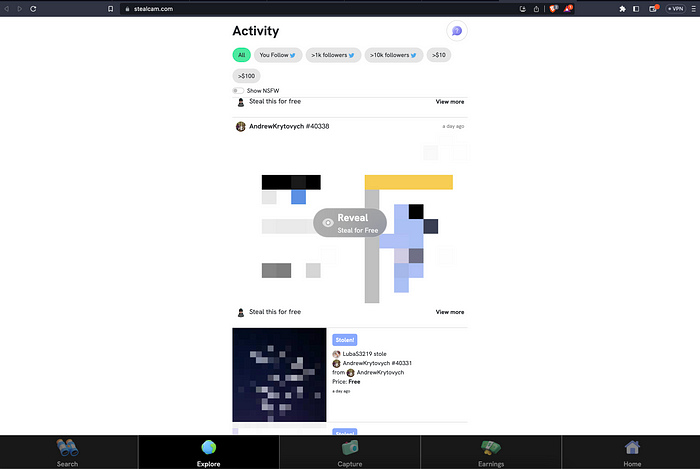
来源:https://www.stealcam.com/
Friendtech 从一开始就将自己定位为“金融和社交体验之家”,并证明了 Web3 Social 不需要成为我们喜爱的 Facebook 和 Twitter 的“补充”或“替代品”,而是一个平行的选择(我个人更愿意相信,Web3 社交应该与 Web2 玩正和游戏)。尽管 Friendtech 正在通过更多以金融为中心的服务进行改造,但让我们快速深入了解他们的诞生项目“Stealcam”,了解项目如何改变消费者行为。

从购买代币到链上交互,盘点Web3中的新兴消费者行为

暗示即将推出的 Friendtech。来源:https://www.friend.tech/
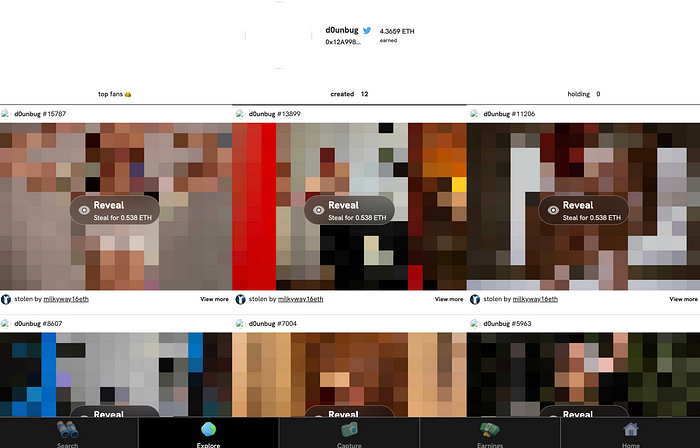
Stealcam:任何人都可以上传单张图片。该图片是 Arbitrum 上的 NFT,只有在“被盗”时才能看到。第一个用户可以免费“窃取”图片,但第二次“窃取”时必须支付少量的最低金额。此后,每次“偷窃”都会以 10% 的涨幅进行。在“窃取”图片之前你无法看到该图片,并且一旦有人从你那里“窃取”(购买)它(无需同意),该图像就会消失。
当它刚推出时,它是电子女孩、艺术家甚至作家收获创作者经济成果的完美场所。对于用户来说,这是一个有趣的投注游戏,因为如果他们的图片被“窃取”,他们将获得一定比例的购买金额。

从购买代币到链上交互,盘点Web3中的新兴消费者行为


注意 0x、ETH。来源:https://www.stealcam.com/profiles/0x12A998aB13a839eDc5F736aEA164F0378f9E8bA5
凭借新颖性(娱乐性)、实用性(对于创作者)和社会资本积累,Stealcam 是产品如何驱动消费者行为的典型例子(付费观看图像而不知道它是什么,图像被从你那里“窃取”)。
4. 新兴消费者行为——Debank
另一个创建消费者行为新框架的有趣应用程序是 Web3 原生消息应用程序Debank。

从购买代币到链上交互,盘点Web3中的新兴消费者行为

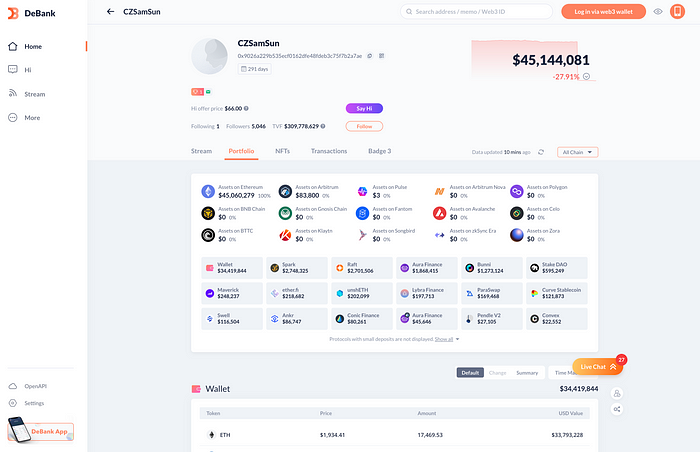
Debank 的 web3 社交排名第一个排名资料。你相信这是一个消息应用程序的界面吗?来源:https://debank.com/profile/0x9026a229b535ecf0162dfe48fdeb3c75f7b2a7ae
Debank 和 Friendtech 一样,重点关注金融 x 社交,不过他们的“信息流”很像熟悉的“feed”,复制了现有的应用程序,但其功能和应用程序的意图显然不同。

从购买代币到链上交互,盘点Web3中的新兴消费者行为


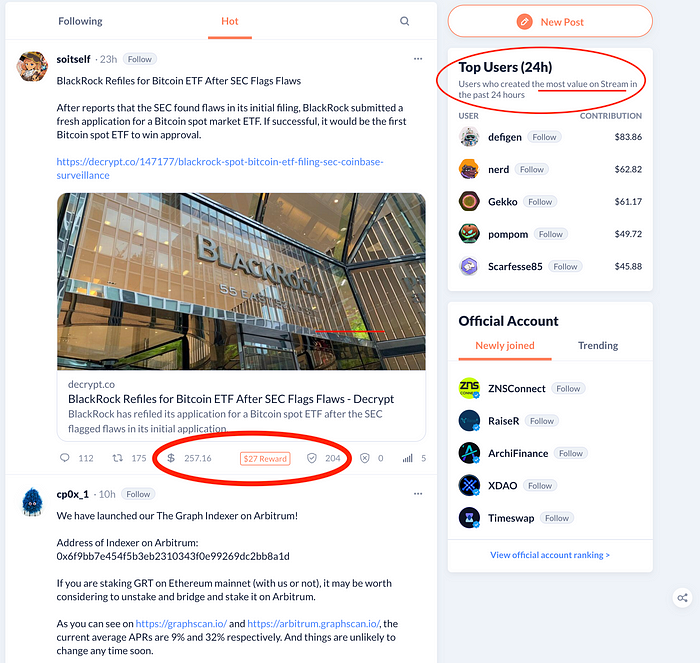
突出的功能与我们对社交应用的传统理解有很大不同。来源:https://debank.com/stream?tab=hot
产品如何改变消费者行为的一个代表性例子是 Debank 的“Attention NFT”或“Saying Hi”概念。根据白皮书,用户交换/交易“注意力”。当接收者铸造时,注意力作为一种采用 NFT 的技术的资产。其中的新颖之处在于,在消息接收者打开应用程序铸造 NFT 前,买家可以首先通过发送消息对 NFT 进行出价。当接收者登录应用程序时,他们可以关注所有接收到的消息的所有报价的总和,作为 Attention NFT 的最终价格。
值得再次强调的是,这样的项目将开启一种新的消费者行为模式。“注意力作为 NFT”本身就是对价值交换的一种新理解,但与经济激励相结合,消费者有动力开始在这里建立他们的社会资本。最终,我们如何理解“消息传递”和经济激励的社交互动的范式,也必然会被扩大。
📌注意,代币本身已经是一种新的消费形式,可以用来设计新的行为(就像我们看到的 Zoom 统一虚拟会议和 Twitter 统一微博客一样)。此外,我们从 Status-as-a-service 中了解到,新的社交网络类似于加密项目(特别是 IC0),因此处于利用社交应用程序功能的完美位置。
想想看,它们都有某种形式的社会资本(Web3 通常以代币的形式),需要一些工作量证明来赚取社会资本,并且存在内在的稀缺性。
Web3 确实拥有驾驭新兴消费者行为的最佳工具。
结论
Web3 社会叙事面临着非常复杂的挑战,隐私、监管、数据去中心化、代币价格等。然而,价值主张、无信任交换和活动证明的新范式是 Web3 特有的,现有的社交网络(即使规模更大)也永远无法复制。因此,不仅仅是复制现有的消费者行为框架,也要迫不及待地尝试更多可以重新定义社交活动的新颖社交互动概念。

Related Reads

Uncovering the Truth About Agent Commerce, Payments, and Infrastructure

Decoding Agent Commerce, Payments, and Infrastructure: The Reality Over the past year, I've been building infrastructure for the Agent economy, engaging with major players like Stripe, Visa, Coinbase, Google, and dozens of startups. A clear conclusion emerges: true, large-scale demand does not yet exist. Startups face structural challenges. Data points illustrate this gap. Stripe's Agent commerce platform has over 1,000 merchants but only single-digit transacting agents. Visa's Agent payment token requires 9-month KYC and a $250M revenue threshold, accessible only to giants like Amazon. On-chain analysis reveals actual daily Agent transaction volume is around $17k, half of which are test transactions. The article analyzes four potential markets: **1. Agent-to-Merchant (A2M):** Current AI shopping UX is often inferior to traditional e-commerce for visual, comparison-heavy purchases (clothing, electronics). Chat interfaces are a step back. Real merchant interest is defensive "Agent Engine Optimization," fearing future obsolescence, not current demand. Potential exists in high-frequency, low-decision purchases (e.g., food delivery) or simplifying terrible UX (complex checkouts, non-native shoppers), but these require massive consumer distribution channels dominated by giants like DoorDash and Amazon. **2. Agent-to-API (A2A):** Developers already have subscriptions and billing for core APIs (compute, data). The argument for micro-payments via crypto for sub-dollar API calls is addressed by pre-paid balances today. The deeper issue is supplier resistance; major SaaS firms rely on enterprise contracts, not fractional cent pricing. Opportunity lies in the long tail of niche services, but this is a smaller market catering to developers, a historically low-paying group. **3. Agent-to-Agent (A2A):** This remains a theoretical long-term vision with near-zero current transaction volume. It involves unique challenges: discovery, trust, negotiation, dispute resolution. When it materializes, it will require a fundamentally new settlement infrastructure for high-speed, variable-value, multi-party transactions. It's a real long-term bet, but not the current market. **4. Agent-to-Finance (A2F):** This is the only category with existing, paying demand. Integrating AI into financial workflows (trading, portfolio management) is a natural evolution and enables new capabilities like autonomous rebalancing. However, competition favors incumbents with regulatory licenses, compliance infrastructure, and existing client relationships. **The Real Issue:** Why is infrastructure still being built? Incumbents can afford long-term bets, and payment companies see every problem as a nail for their payment hammer. However, payment is just one piece. The core challenge is *coordination*—orchestrating work between Agents and humans, verifying outcomes, and settling results. Payment is part of settlement, which is part of coordination. Companies that solve the coordination problem will subsume payments, not the other way around. Startups lack the infinite runway of giants and must find today's real market, which, after a year of exploration, lies outside these four categories—in an area with real, growing, and underserved activity.

marsbit3h ago

Uncovering the Truth About Agent Commerce, Payments, and Infrastructure

marsbit3h ago

Trading

Spot
Futures

Hot Articles

How to Buy NFT

Welcome to HTX.com! We've made purchasing AINFT (NFT) simple and convenient. Follow our step-by-step guide to embark on your crypto journey.Step 1: Create Your HTX AccountUse your email or phone number to sign up for a free account on HTX. Experience a hassle-free registration journey and unlock all features.Get My AccountStep 2: Go to Buy Crypto and Choose Your Payment MethodCredit/Debit Card: Use your Visa or Mastercard to buy AINFT (NFT) instantly.Balance: Use funds from your HTX account balance to trade seamlessly.Third Parties: We've added popular payment methods such as Google Pay and Apple Pay to enhance convenience.P2P: Trade directly with other users on HTX.Over-the-Counter (OTC): We offer tailor-made services and competitive exchange rates for traders.Step 3: Store Your AINFT (NFT)After purchasing your AINFT (NFT), store it in your HTX account. Alternatively, you can send it elsewhere via blockchain transfer or use it to trade other cryptocurrencies.Step 4: Trade AINFT (NFT)Easily trade AINFT (NFT) on HTX's spot market. Simply access your account, select your trading pair, execute your trades, and monitor in real-time. We offer a user-friendly experience for both beginners and seasoned traders.

6.9k Total ViewsPublished 2024.03.29Updated 2026.06.02

How to Buy NFT

What is Altura NFT?

Altura: Providing One-Stop NFT Solutions for Game Developers

55.9k Total ViewsPublished 2024.06.12Updated 2024.06.12

What is Altura NFT?

What is AINFT

EternaFi Agents and $AINFT: A Comprehensive Analysis of AI-Powered NFT Infrastructure in the Web3 Ecosystem The intersection of artificial intelligence (AI) and blockchain technology is rapidly evolving, establishing innovative platforms that redefine ownership models and economic participation. EternaFi Agents, along with its native token $AINFT, exemplifies a groundbreaking approach to the tokenization of AI infrastructures through the means of non-fungible tokens (NFTs). Launched in July 2025 by the development team at Nova Club, EternaFi merges the advancements of AI with the decentralized financial mechanisms of blockchain, presenting a unique investment opportunity for participants within the web3 ecosystem. This article aims to provide an in-depth assessment of EternaFi Agents, covering its core components, functionality, and significance within the crypto landscape. Introduction and Project Overview EternaFi Agents stands as a salient example of how blockchain technology can democratize access to advanced AI capabilities. The project endeavors to reshape the paradigm of AI ownership by diversifying economic participation, making sophisticated AI systems accessible to a larger pool of stakeholders. At its core, the project tokenizes a proprietary large language model (LLM) developed by Nova Club, allowing NFT holders to gain fractional exposure to the model's economic performance. By utilizing NFTs representing stakes in the LLM, EternaFi Agents fosters a model wherein stakeholders not only participate in AI service consumption but also enjoy sharing in the economic rewards generated by the platform. This transformative approach enables the development of sustainable revenue models for AI services, all the while promoting broad community engagement and facilitating transparent governance. What is EternaFi Agents? EternaFi Agents represents an AI-NFT infrastructure project that aims to blend the capabilities of AI with blockchain technology in a coherent ecosystem. The essential feature of this project is the creation of NFTs that serve as financial instruments, representing fractions of ownership in Nova Club's proprietary AI infrastructure. Each NFT symbolizes direct exposure to the economic performance of the underlying AI system, providing a lucrative opportunity for investors. The project operates on the Base blockchain, known for its scalability and efficiency, thus ensuring manageable transaction costs while facilitating a seamless operational experience. One of the notable features includes a revenue-sharing mechanism, wherein NFT holders can receive portions of subscription income generated by the AI services provided on the platform. This innovative approach establishes a connection between the success of the AI services and the economic dividends distributed among the holders, thus ensuring an alignment of interests across the community. Who is the Creator of EternaFi Agents? The creative force behind EternaFi Agents is Nova Club, a development team based in Singapore proficient in the amalgamation of AI and blockchain technology. Their prior experience in AI development and cryptocurrency analysis gives credence to the project, contributing a breadth of expertise to the creation of EternaFi Agents. Nova Club’s mission centers on democratizing access to cutting-edge AI technologies while building sustainable economic models that benefit users alongside developers. Their commitment to transparency, community governance, and innovation is reflected in the design and implementation of the EternaFi platform, aiming to establish a unique ecosystem that fosters positive engagement and long-term value creation. Who are the Investors of EternaFi Agents? The specific details concerning investors or investment organizations backing EternaFi Agents are not publicly available. However, EternaFi has adopted an inclusive approach to funding its development through the sale of NFTs to the public, allowing a wide array of participants to invest in the ecosystem. The project’s architecture ensures that core infrastructure is funded responsibly while allowing community members to partake in the ownership and economic returns generated from the AI services. This model emphasizes community engagement by aligning the interests of investors and project developers, creating a collaborative environment where long-term participation is incentivized. How Does EternaFi Agents Work? EternaFi Agents operates through a multifaceted ecosystem where NFTs serve as a primary means of ownership representation within the project. Each NFT holder is entitled to a share of the monthly subscription income produced by the underlying AI-powered platform, thereby positioning NFT ownership as a lucrative investment vehicle. Revenue Generation Mechanism The primary source of revenue generation for the EternaFi platform stems from subscription fees related to the AI services provided. Users can access various tiered services, ranging from basic market analysis tools to comprehensive AI-assisted trading solutions. These services are monetized and form the basis for the revenue-sharing framework, which distributes profits to NFT holders through automated smart contracts. An innovative feature of the EternaFi ecosystem is the revenue-sharing mechanism that operates transparently, ensuring that rewards are allocated based on verifiable metrics from the AI platform's operations. This creates a direct link between the performance of AI services and the returns available to community investors, establishing a sustainable economic model. Staking and Vesting Mechanisms Participants within EternaFi can engage in staking their NFTs to unlock additional economic benefits. The vesting schedule is designed to promote long-term commitment among participants, rewarding those who exhibit ongoing support for the project. This ensures a robust alignment of interests and fosters a sense of community engagement essential for achieving the project's long-term goals. Transparent Governance EternaFi Agents embraces decentralized governance, allowing NFT holders to play an active role in decision-making regarding the platform's development and future directions. The governing structure includes community voting mechanisms, providing NFT holders with the opportunity to influence significant decisions and contributing to a collaborative approach to project growth. Timeline of EternaFi Agents The development trajectory of EternaFi Agents showcases a systematic approach toward building a sustainable AI infrastructure while meeting the needs of community participants. Below is a timeline of important milestones in the project’s history: July 2025: Launch of EternaFi Agents, including the public sale of NFTs and deployment of the $AINFT token on the Base blockchain. Q4 2025: Establishment of market infrastructure including liquidity pools and launch of staking dashboards for NFT holders. 2026: Initiation of community engagement programs, expanding AI capabilities, and integration with cross-chain technologies. Q4 2026: Implementation of the dividend distribution system, allowing NFT holders to reap economic benefits from their investments. These milestones signify the focus on establishing a functional and participative ecosystem while ensuring continuous evolution to meet market demands. Technological Infrastructure and Blockchain Integration EternaFi Agents is anchored in an advanced technological framework combining AI systems with blockchain capabilities. Operating on the Base blockchain, the project leverages the advantages of scalability and low transaction costs. The underlying smart contract architecture governs the NFT ownership, revenue sharing, and community management features, ensuring efficiency and transparency. AI System Development The proprietary large language model underpinning EternaFi Agents has been independently developed and designed to cater to revenue-generating applications without reliance on proprietary external frameworks. This endeavor reflects a commitment to creating a versatile and adaptable AI infrastructure capable of delivering meaningful services to users, thus generating economic value for investors. Security Measures The robustness of EternaFi’s security infrastructure is paramount. Regular audits and stringent security measures ensure the integrity of the AI systems and blockchain mechanisms, safeguarding against potential vulnerabilities while fostering confidence among participants. Conclusion EternaFi Agents signifies a landmark innovation within the realm of artificial intelligence and blockchain technology, opening avenues for community ownership and economic participation in advanced AI capabilities. The project’s comprehensive strategy to tokenize AI infrastructure via NFTs establishes a precedent for future decentralized ecosystems. By harmonizing technical sophistication with user-centric economic models, EternaFi not only fosters engagement but also generates a sustainable revenue-sharing framework for community participants. The significance of EternaFi extends well beyond its operational success as it exemplifies how blockchain can democratize cutting-edge AI technologies, paving the way for future ventures in this intersectional space. The evolution of EternaFi Agents may herald a new era of AI development characterized by participant-driven governance, sustainable economic models, and transparent verification, ultimately contributing to the broader democratization of AI and technology accessibility across industries.

3.9k Total ViewsPublished 2025.08.14Updated 2025.08.14
What is AINFT

Discussions

Welcome to the HTX Community. Here, you can stay informed about the latest platform developments and gain access to professional market insights. Users' opinions on the price of NFT (NFT) are presented below.

活动图片