长推:详细解读SEC的起诉CZ的文件内容

MarsBitОпубликовано 2023-06-06Обновлено 2023-06-06

Введение

起诉的目标是3家Binance的实体+CZ本人

注:本文来自@Loki_Zeng 推特,其是@Foresight_News专栏作者,原推文内容由MarsBit整理如下:
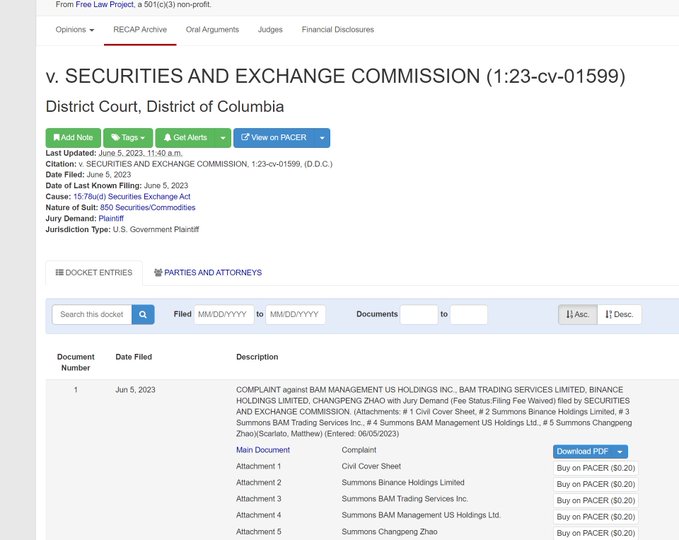
找到了SEC的起诉文件
https://courtlistener.com/docket/67474542/v-securities-and-exchange-commission/
binance


描述:美国证券交易委员会提交了针对 BAM MANAGEMENT US HOLDINGS INC.、BAM TRADING SERVICES LIMITED、BINANCE HOLDINGS LIMITED、CHANNGPENG ZHAO 的投诉,即起诉的目标是3家Binance的实体+CZ本人
第一项指控:Binance在CZ的领导下提供证券的三项核心服务:交易所、经纪-交易商、清算。Binance意识到按照美国法律从事这些业务需要注册,但选择了不注册,以逃脱监管。
第二项指控:Binance and BAM Trading非法提供和销售未注册证券,包括BNB Vault、Staking、Simple Earn。用户没有完全获取实际信息,包括潜在的风险。
注:这一条指控类似之前对Gemini的指控
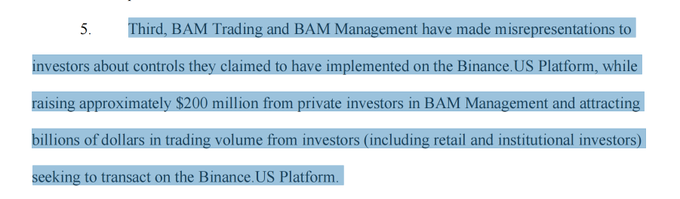
第三项指控:Binance and BAM Trading对Binance US做出了虚假称述。并藉此获得了大约2亿美元的投资和数十亿美元的交易额。
binance


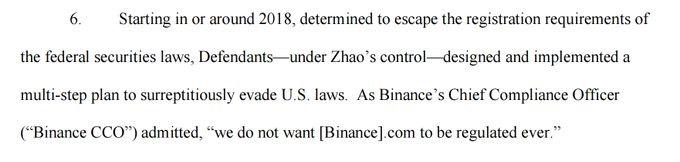
SEC认为,Binance从2018年开始通过一个多步计划逃脱美国监管。 Binance CCO承认:【我们永远不希望Binance受到监管】
binance


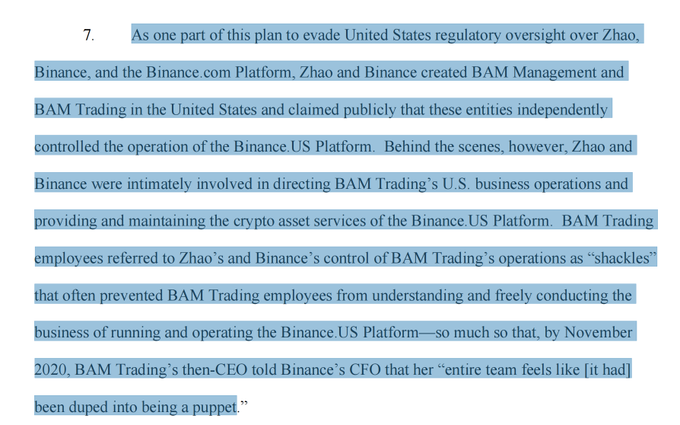
Binance成立了BAM Management 和BAM Trading两家主体用于Binance US的运营。尽管名义上独立,但CZ和Binance仍保持对Binance US的控制直到2020年11月。
BAM Trading 的时任CEO曾向Binance的CFO表示,【整个团队(BAM Trading)被当成了傀儡】
binance


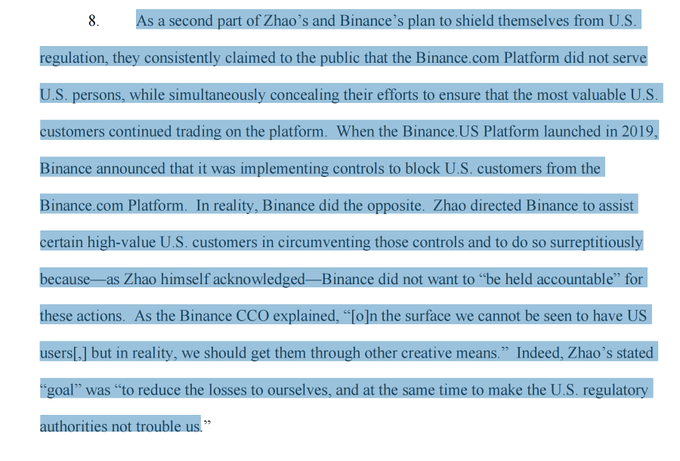
SEC认为尽管自19年US站成立后,Binance一直在宣成Binance主站 不服务美国用户,并采取了相关措施避免。
但在实际行动上,CZ指示币安秘密协助某些【高净值用户】摆脱限制。
SEC认为CZ的目的是【不会使得监管找麻烦】的同时【减少损失】
binance


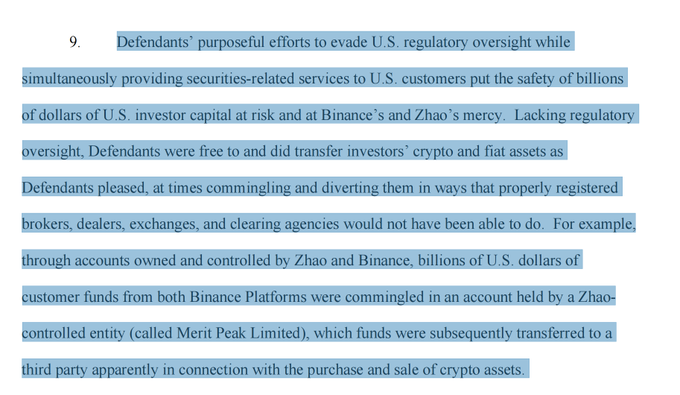
这种做法使得数十亿美国投资者的资金被置于风险之中,由Binance和CZ直接控制。
Binance和CZ拥有自由转移资金的能力,它们也这样做了,例如,2个平台(Binance US和Binance)的资金被转移到同一个实体(Merit Peak Limited),并在之后转移到了第三方地址。
binance


注:这解释了之前【币安混合用户资金】的传闻,关键点不在于【用户资金】,而在于这些资金属于Binance US的美国投资人。
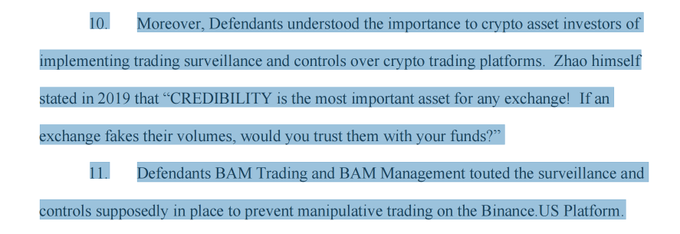
第10条是对CZ的谴责,不重要。
BAM Trading and BAM Management声称监控(上文没说是什么监控)是为了避免Binance US上的市场操纵行为。
binance


但SEC认为BAM Trading and BAM Management未能实施有效的交易监视或操纵交易控制(按照这里说的,前文的【监控】应该指的是合规层面的内控工作)。
SEC认为那些有效的措施都不存在,存在的都是无效的措施。
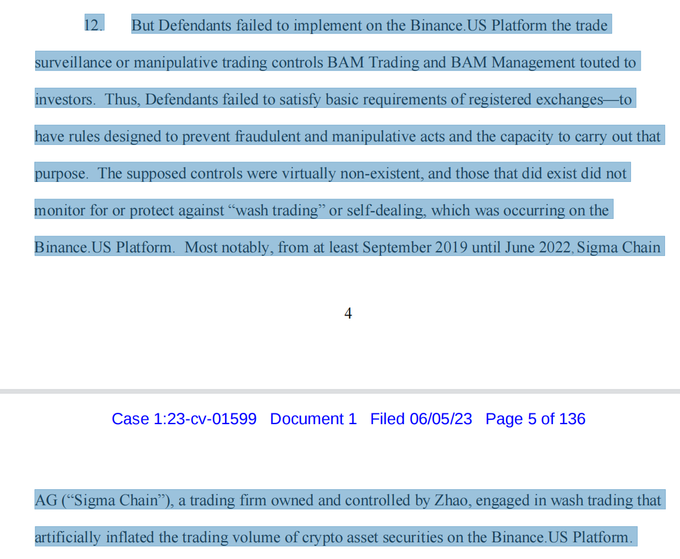
binance


至少能够确定的一点是:CZ控制的Sigma Chain AG在Binance在2019-2022年期间从事虚假交易,夸大了Binance US的交易量。
SEC最后总结:
依据《证券法》和《交易法》,CZ和上述的几家公司违反并将继续违反:
1)发行和销售未注册证券
2)在Binance平台上影响未注册证券的交易
3)组合核心证券市场功能并故意逃避登记
4)明显违反利益冲突原则
注:有说法称是13条指控,指的是SEC一共总结了13条,不是说有13条罪名
相关主体架构
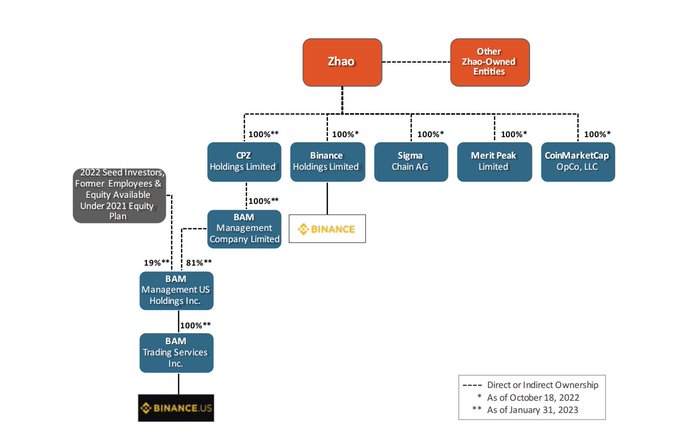
binance


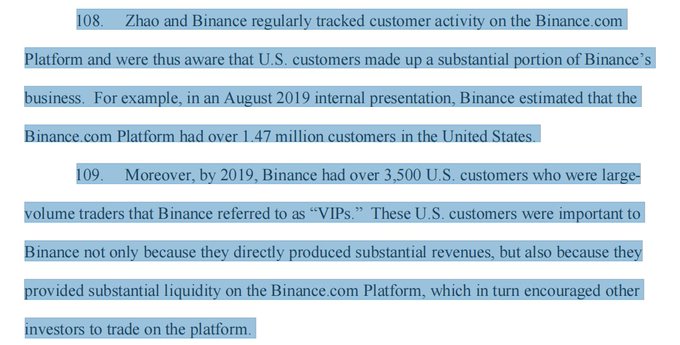
Binance2019年的内部报告显示其有147万名美国用户,有3500名【VIP】,这些VIP提供了大量的交易量和流动性
binance


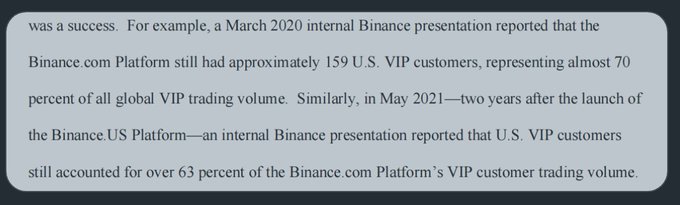
接下来详细介绍了Binance的顾问和CZ的规避方法,包括让美国使用VPN、使用新的KYC等... 到2021年5月,美国VIP仍占据币安VIP交易量的63%。
binance


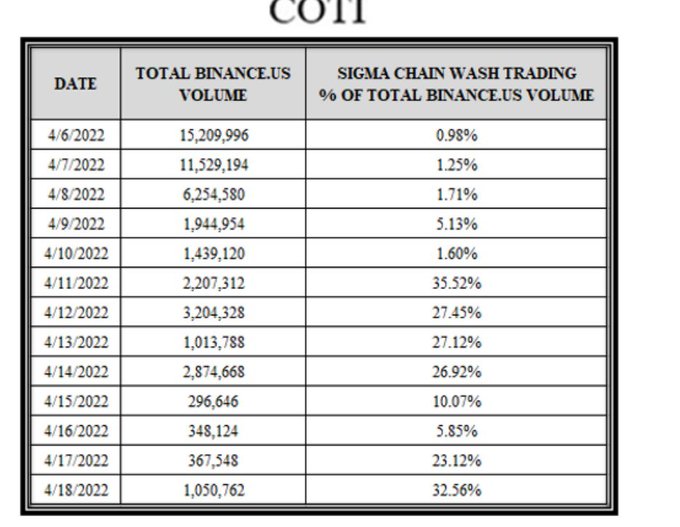
SIGMA CHAIN的刷量占比,最高占到日交易量的35.5%

binance


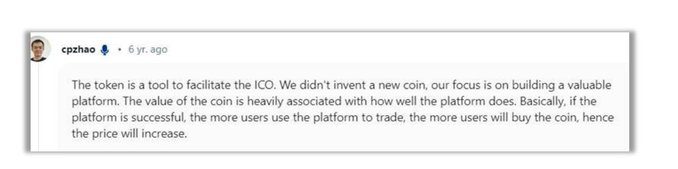
详情中还提到了发行的BNB和BUSD都是未注册证券,CZ的许多公开发言甚至6年前的论坛发言也被当做佐证的一部分.
除了BUSD和BNB以外,Binance和Binance US还提供其它【未注册证券】的交易,包括: SOL/ADA/Matic等
binance


总结:性质上还是民事诉讼,最坏情况就是关停Binance US,Binance主站彻底退出US市场,并且罚款。
关于理财/Staking认定为证券可以参考Coinbase/Gemini的案子。
如果这几项指控成立,罚金预计不会低,但大概率也就仅此而已。
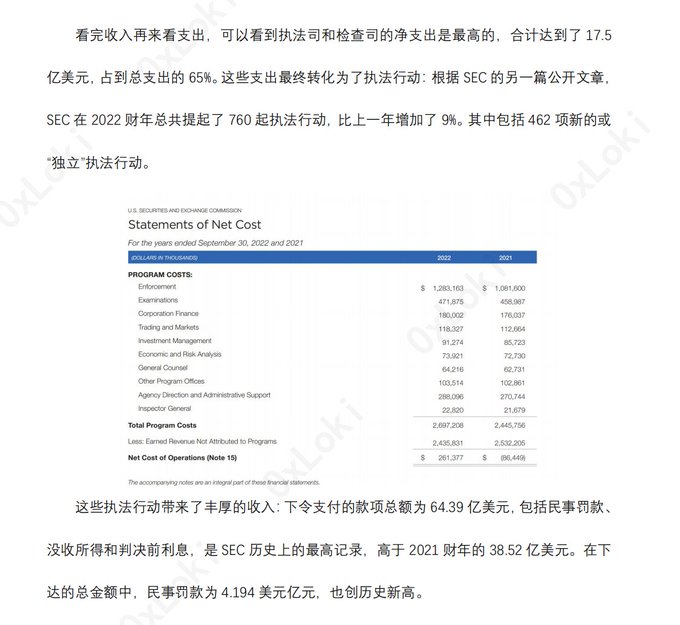
补充另外一个维度的数据:2022财年SEC共发起760项执法行动,下令支付总额为64.39亿美元。
binance


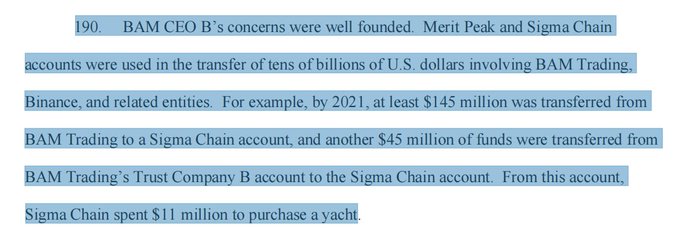
关于1100万美元的游艇:原文说的是在2021年,至少145M资金从BAM Trading转到Sigma Chain,另外45M资金从信托账户转到Sigma Chain。
然后SigmaChain用1100万美元买了游艇。没有一句话表明这1100万是客户的钱,拿自己/自己实控公司的钱买游艇有啥问题?

binance

Похожее

HYPE Spot ETF Continuously Accumulates 1% in 14 Days: Is the $75 New High Just the Starting Point?

Hyperliquid (HYPE) has surged to a new all-time high of $75 amid strong institutional and ETF-driven buying pressure. The article highlights several key bullish factors. First, the HYPE spot ETFs from 21Shares and Bitwise have seen 14 consecutive days of net inflows, totaling over $136 million and absorbing nearly 1% of HYPE's market cap—a faster initial pace than BTC or ETH ETFs. This ETF demand provides a solid price floor. Second, the protocol's own Assistance Fund (AF) mechanism, which uses 99% of fees to buy back and burn HYPE, has already removed over $1.1 billion worth of tokens, creating a dual support system alongside ETF inflows. This combined buying power is expected to counter potential selling pressure from upcoming team token unlocks. Institutionally, venture firm a16z is now considered one of the largest external holders of HYPE, with multiple addresses accumulating millions of tokens. Galaxy Digital is also actively buying. Analysts and firms like Bitwise and Grayscale are framing HYPE not as a mere meme coin but as a "second-generation" crypto with real value capture and infrastructure potential. Furthermore, Hyperliquid Strategies (PURR), a publicly traded company holding a large HYPE treasury, is set to join the Russell 3000 Index, potentially unlocking further passive investment flows. The ongoing feud between prominent backers like Arthur Hayes (pro-HYPE) and Kyle Samani (pro-SOL) underscores the intense market debate, with Hayes famously betting HYPE will outperform all top-ten crypto assets this year.

Odaily星球日报2 мин. назад

HYPE Spot ETF Continuously Accumulates 1% in 14 Days: Is the $75 New High Just the Starting Point?

Odaily星球日报2 мин. назад

ETH Bull and Bear Views Compilation: Can Ethereum's Value Flow Back to ETH?

Titled "ETH Bull and Bear Views: Can Ethereum's Value Flow Back to ETH?", this article synthesizes the current heated debate around Ethereum's native token, ETH, following Bankless co-founder David Hoffman's decision to sell his entire ETH holdings. The **bullish case**, represented by figures like Tom Lee (BitMine CEO) and Raoul Pal, argues that ETH's core thesis remains intact. They contend Ethereum is the essential, secure, and neutral foundational layer for future finance—encompassing stablecoins, RWA, DeFi, L2s, and Agentic AI. Bulls bet on ETH's long-term revaluation as institutional adoption of on-chain finance grows, with significant buying activity from entities like BitMine and Consensys cited as evidence. Conversely, the **bearish perspective**, led by Hoffman and analysts like Markus Thielen, questions ETH's value capture mechanism. They acknowledge Ethereum's network success but argue that the value created by L2s, DeFi, and applications does not sufficiently accrue to the ETH token itself. Bears point to ETH's prolonged underperformance versus the broader crypto market, lack of traditional cash flows, weakening "ultrasound money" narrative, and apparent institutional retreat (e.g., Harvard Management Company exiting its ETH ETF position) as key concerns. The debate highlights a pivotal shift: ETH is no longer just a community belief asset. The central question is whether ETH can transition from being a "**used infrastructure**" to a "**continuously bought and held core asset**" as more value enters the Ethereum ecosystem. The market is now critically examining the direct link between network growth and ETH's value.

marsbit48 мин. назад

ETH Bull and Bear Views Compilation: Can Ethereum's Value Flow Back to ETH?

marsbit48 мин. назад

Crypto is dead, Perps are forever

The crypto industry is shifting from a focus on creating native assets (like altcoins and protocol tokens) to becoming a "global asset pipeline." Native cryptocurrencies, except for Bitcoin, are seen as failing in their value storage and utility promises, with demand driven largely by speculation. Attention and liquidity are now moving toward real-world assets (RWAs) like U.S. stocks, bonds, gold, and oil traded on-chain via perpetual contracts (Perps). Stablecoins like USDT and USDC set the precedent, proving blockchain's core strength is efficient global settlement and transfer, not inventing new monetary systems. Meanwhile, assets like Ethereum and many DeFi tokens struggle as their narratives weaken against tangible traditional assets and the rapid real-world progress of AI. Perpetual contracts have emerged as a pivotal innovation. They simplify trading by offering pure price exposure to any asset, bypassing complexities of ownership, custody, and traditional market hours. Projects like Hyperliquid gained traction by combining CEX-like efficiency with on-chain transparency, capitalizing on post-FTX distrust, macroeconomic volatility, and the surge in demand for 24/7 stock trading. In conclusion, while the era of speculative native "crypto assets" may be over, perpetual contracts persist as the industry's most potent financial instrument—transforming all assets into globally accessible, constantly tradable instruments centered on price speculation.

marsbit54 мин. назад

Crypto is dead, Perps are forever

marsbit54 мин. назад

Tencent, Alibaba, ByteDance in a Battle for the Skill Store

Skill is becoming a key concept in the AI field, essentially serving as a structured "instruction manual" for AI Agents that specifies tool calls, decision logic, and output standards. This allows Agents to execute predefined tasks. As the number of Skills grows, distribution platforms have emerged. Major tech companies are swiftly entering this space. In March, Tencent, Alibaba, and ByteDance launched Skill stores within their respective Agent platforms. Subsequently, players like Zhipu AI, Meituan, and Xiaohongshu joined the fray. This competition for the "Skill store" is fundamentally a battle for the AI-era user entry point; whoever controls distribution controls the users. While ByteDance's Coze has experimented with paid Skills, most platforms offer them for free. The real value lies not in the stores themselves but in using them to attract and retain users within an ecosystem, driving revenue from services like cloud computing, model calls, or advertising. The landscape features three main player types: 1) **Internet giants** (e.g., Alibaba, ByteDance, Tencent, Meituan), leveraging Skills to drive traffic and monetize through their broader ecosystems (cloud services, transactions, ads). 2) **Large model companies** (e.g., Zhipu AI, Moonshot AI), using Skill stores to increase user engagement and monetize model API calls. 3) **Content platforms** (e.g., Xiaohongshu), treating Skills as a new content format to generate traffic and ad revenue. However, transforming Skill stores into a sustainable business faces significant hurdles. Key challenges include: the **difficulty in pricing Skills** due to inconsistent outputs across different models and contexts; **lack of cost transparency** (varying token consumption); **security risks** like Skill poisoning; and the **absence of standardized protocols** for development and evaluation. Unlike standardized mobile apps, Skills are often personalized workflows resistant to uniformity, which hinders the establishment of a reliable review and monetization system akin to the App Store. While there is genuine user demand for paid Skills—particularly in enterprise (e.g., contract review) and certain personal productivity scenarios—current platforms offer developers limited and unpredictable distribution. The future of Skill stores depends on overcoming these standardization, evaluation, and safety challenges to make acquiring a Skill as straightforward as downloading an app. For now, the stores function more as display shelves than robust marketplaces.

marsbit54 мин. назад

Tencent, Alibaba, ByteDance in a Battle for the Skill Store

marsbit54 мин. назад

Торговля

Спот
Фьючерсы
活动图片