刚刚,“云计算一哥”版龙虾发布,奥特曼打着官司也要云站台

marsbitPublished on 2026-04-29Last updated on 2026-04-29

云计算一哥,亚马逊云科技的龙虾,刚刚也被端上桌了。
这只龙虾叫做Amazon Quick

它就是“活”在你电脑里的那种,直接连接你的本地文件、日历、邮件和各类应用,不需要任何上传文件的动作(需授权)。

但最重要的一点是,Amazon Quick已经做到了打通生态——

无论你用Slack还是Teams,Outlook还是Gmail,Salesforce还是Asana,它都能无缝工作。

举个栗子。

亚马逊云科技副总裁Jigar Thakkar在现场只是跟Amazon Quick说了一句:

拉Manuj开30分钟的会,脑暴一下产品策略。
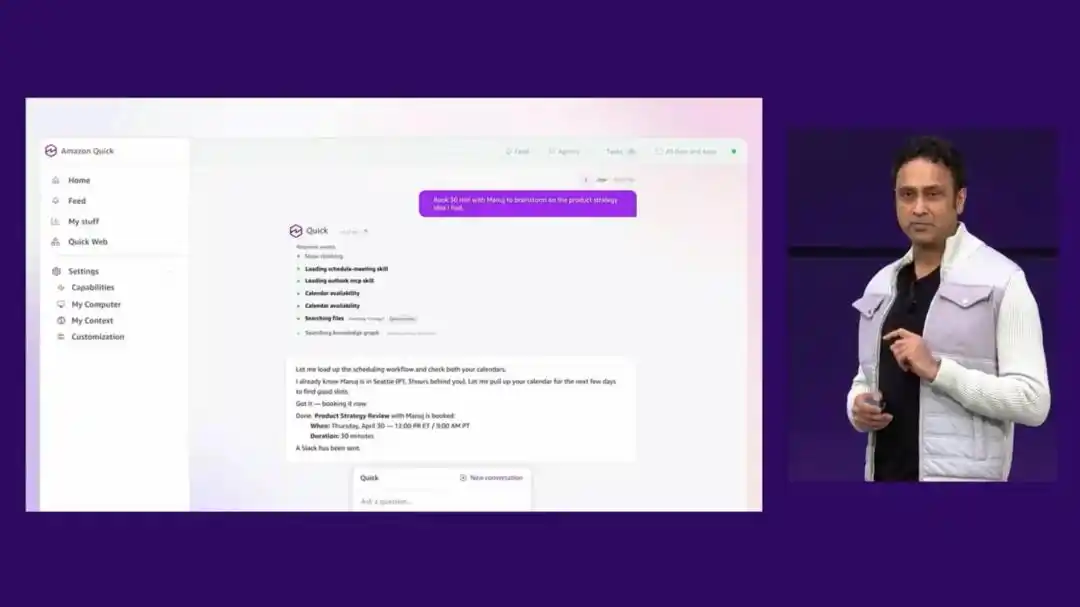
然后Amazon Quick就能秒懂项目是什么、理解同事之间的关系、自动检查日历和时区、发出会议邀请,再顺手发Slack(类似钉钉)消息通知。

没有来回切换标签页,没有繁琐的复制粘贴,一气呵成。

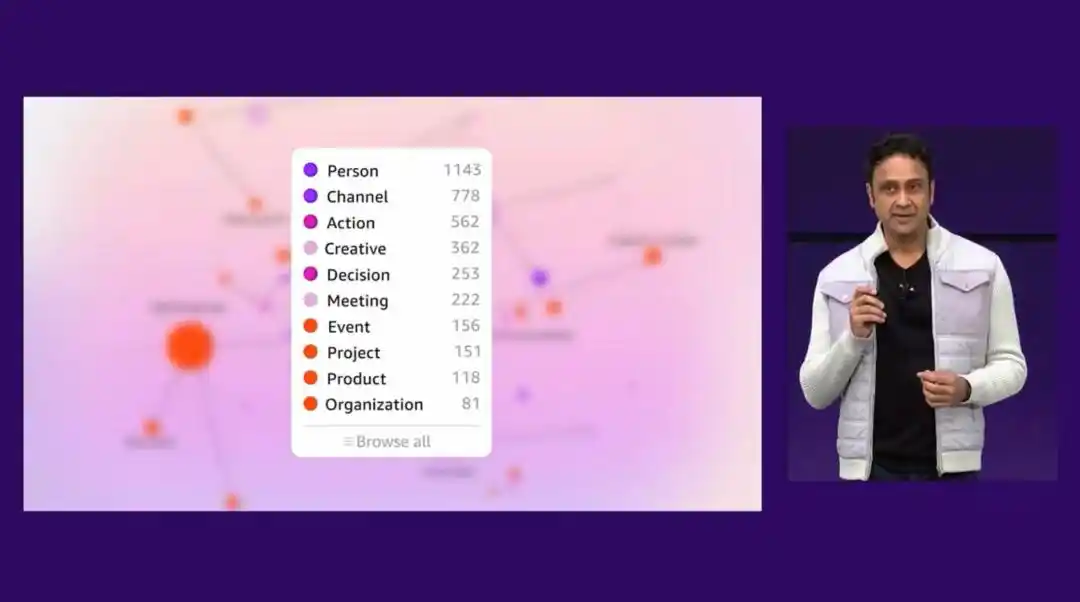
而之所以Amazon Quick能做到这一点,是因为它的背后有一张知识图谱,会连接邮件、Slack、CRM、日历、本地文档和文件等等。

简单来说,就是把人、项目、决策、行动串成一张活的工作地图。
不仅如此,Amazon Quick还是个主动的Agent。

例如下午跟客户有个会,它会在你没有任何操作的情况下,主动去提醒你,顺便帮你准备材料:

做公司和行业研究,从内部系统里拉客户案例,从本机文件里拿产品路线图,再叠加客户团队的brief、邮件和Slack线程,最后生成一份可直接带去开会的PPT。
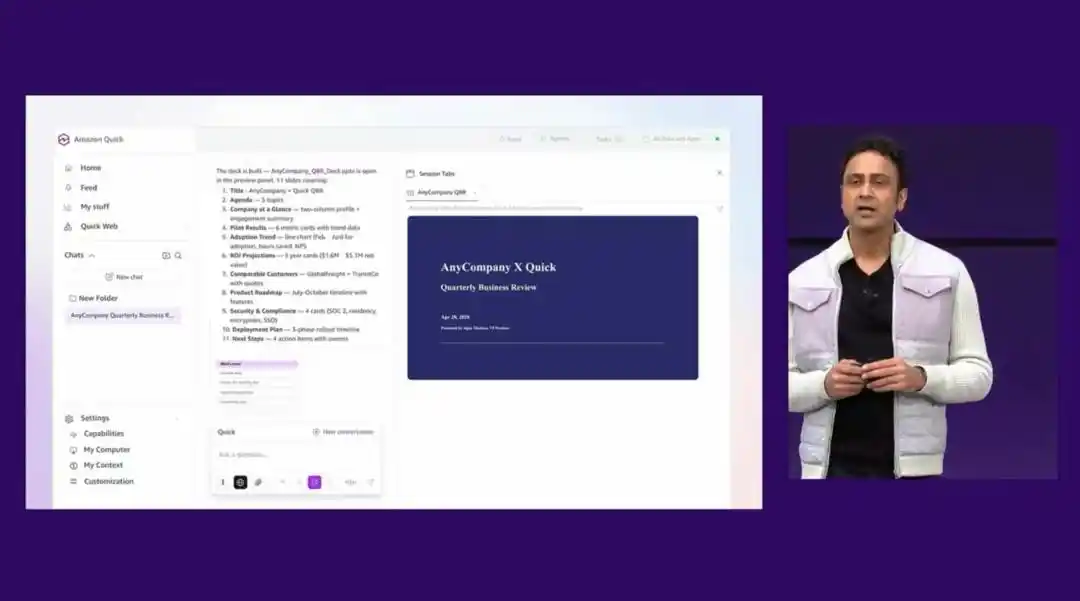
几分钟,全程真的只需要几分钟!

不过有一说一,亚马逊云科技并非是要把Amazon Quick搞成一个效率工具,从Jigar Thakkar的表述来看,它要解决的是三个层级的问题:

个人层面,它帮你安排会议、准备brief、生成文档、邮件、表格和PPT;

团队层面,它可以创建共享Spaces,把散落在邮件、共享盘、审批系统里的流程放到同一个持续更新的工作空间里;

企业层面,当所有员工都以这种方式工作,Agent就是组织运转方式的一部分。

而这,还仅仅是亚马逊云科技在今天What’s Next with AWS发布会里的开胃菜。

奥特曼打着官司也要云站台

没错,Sam Altman(奥特曼)这次也来站台了,但却是以“云”的方式(录制视频)。

因为这两天他正在奥克兰忙着跟马斯克打官司......

但更drama的是,OpenAI前脚刚跟微软调整完合作关系,后脚立马投奔了亚马逊云科技。

而这也是亚马逊云科技首次把OpenAI最强闭源模型给接了进来(去年8月接过两款开源模型),以至于CEOMatt Garman在现场说:

这是我们的客户长期以来一直向我们提出的请求。
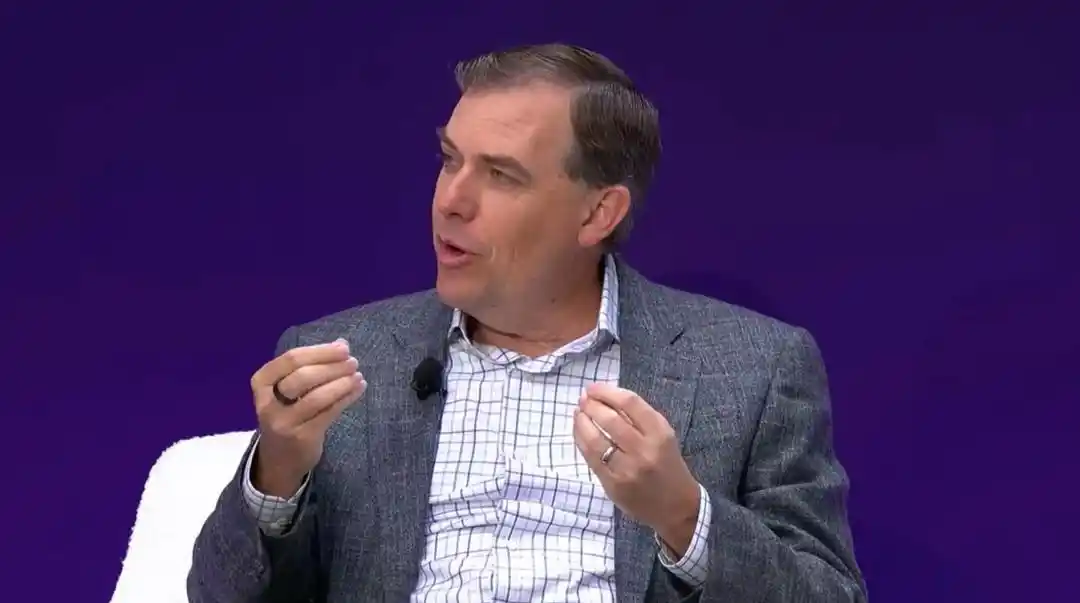
奥特曼也在视频中表示:

亚马逊云科技重新定义了云计算,让开发者不用再为基础设施操心;而今天,我们和亚马逊云科技的合作,要在Agentic AI时代,做同样的事。

这一次双方的深度“握手”,直接来了个三连炸(目前均处于有限预览阶段)。
首先,就是OpenAI最新前沿模型正式登陆Amazon Bedrock

从今天起,客户可以直接在Amazon Bedrock上调用包括GPT-5.4在内的最新OpenAI模型,并在未来几周内接入OpenAI的各个前沿大模型(包括GPT-5.5)。

这意味着,客户终于可以在同一个控制台内,对OpenAI、Anthropic、Meta、Mistral以及亚马逊自家的模型进行评估、部署和微调。

更重要的是,OpenAI模型在Bedrock上将直接继承亚马逊云科技企业级的安全控制:基于IAM的访问管理、AWS PrivateLink连接、静态/传输加密、以及CloudTrail的全面日志记录。

不需要重新配置基础设施,不需要学习新的安全模型,数据不出VPC(虚拟私有云),一切都在企业原有的安全框架内无缝运行。

其次,Codex也登陆Amazon Bedrock了。

亚马逊云科技表示,Codex每周已有超过400万人使用。接入Bedrock后,企业团队可以用亚马逊云科技凭证访问Codex,通过Bedrock基础设施处理推理,并从Codex CLI、Codex桌面应用和Visual Studio Code扩展开始使用。

这和Matt Garman在现场谈到的软件开发变化形成呼应。

他提到,AI和Agentic Development已经改变了软件开发生命周期,从创建软件、运营软件到安全环节都在发生变化。过去一个bug可能要几周修掉,现在有团队从社交渠道看到bug报告,20分钟内就修复并发布。
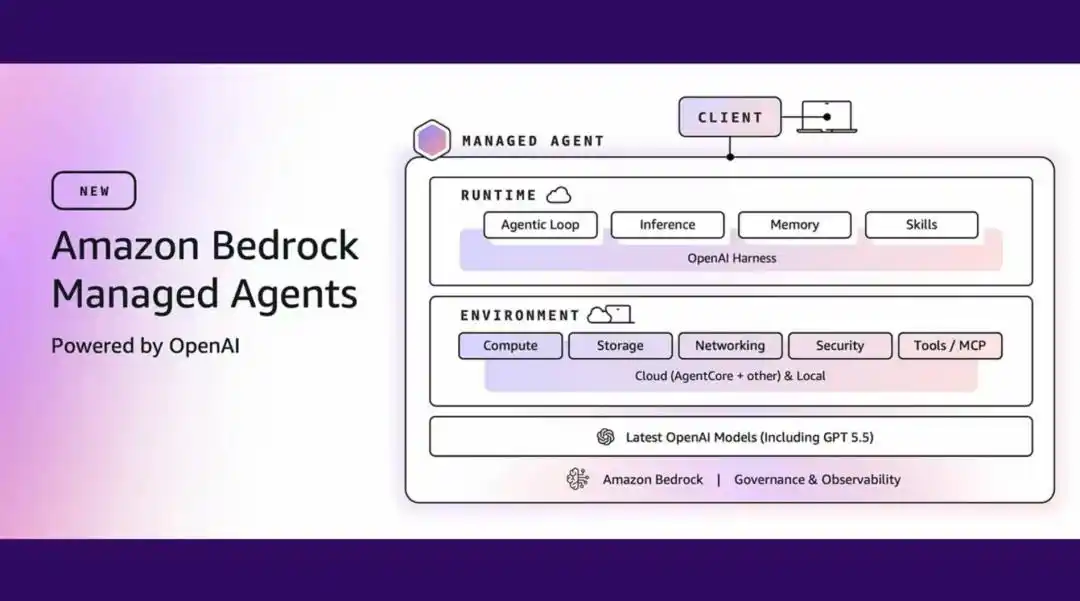
最后,就是这次新出的,由OpenAI驱动的Bedrock Managed Agents

亚马逊云科技的判断是,最强Agent不只需要聪明模型,还需要生产级基础设施:跨会话记忆、技能、身份权限、计算环境、审计日志、治理能力。

Bedrock Managed Agents的定位,就是把OpenAI前沿模型和Agent能力,与亚马逊云科技全球基础设施、安全和服务生态结合起来,让客户更快部署生产级OpenAI Agent,而不是把大量时间花在搭基础设施上。

Amazon Connect也变了

如果说Quick是面向个人和团队的桌面AI助手,Bedrock是AI模型和Agent的底座,那么Amazon Connect这次的变化,更像亚马逊云科技把自己的业务经验,打包成一组可落地的Agent应用。

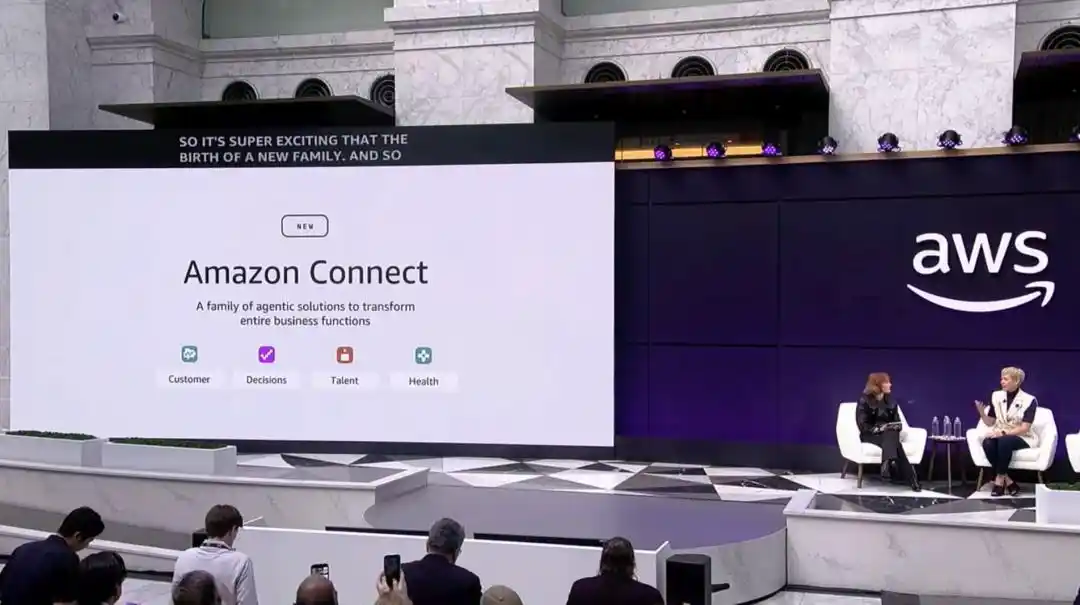
因为今天,Amazon Connect已经从一个单一产品扩展为四个Agentic AI解决方案:

  • Amazon Connect Decisions
  • Amazon Connect Talent
  • Amazon Connect Customer
  • Amazon Connect Health

它们分别面向供应链、招聘、客户体验和医疗健康。
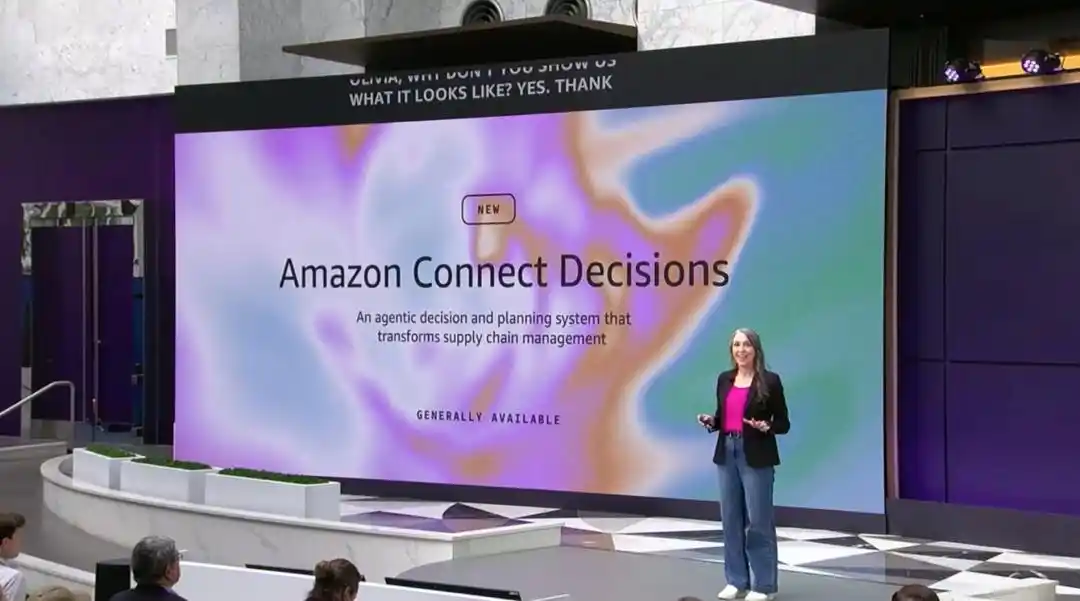
先看Amazon Connect Decisions

这是面向供应链决策的AI方案。亚马逊云科技发现,供应链中断通常会让企业花超过两周时间解决,团队要在碎片化系统、表格和邮件之间手动收集数据。

Connect Decisions则基于超过25个专业供应链工具、30年亚马逊运营科学,以及Amazon Supply Chain Optimization Technologies(SCOT)基础模型构建。

Agent会理解业务上下文,为不同产品设置合适预测,主动询问促销、节假日等会影响预测的信息,并把这些因素纳入结果,把几千条告警压缩成少数真正需要人判断的事项。
再看Amazon Connect Talent

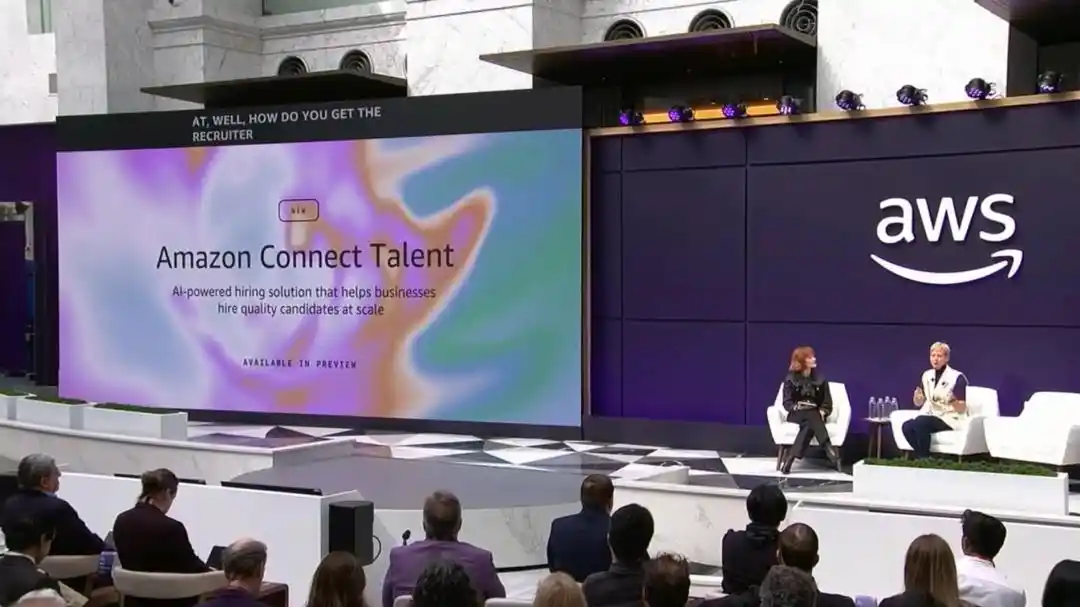
它瞄准的是大规模招聘。在亚马逊自己的经验里,2025年旺季就招聘了25万名季节性员工。Connect Talent从现有岗位描述出发,让AI Agent分析岗位需求,生成面试计划、关键能力项、结构化问题和评估标准。招聘人员审核通过后,系统可以自动邀请候选人,在候选人方便的时间进行语音面试。

这对候选人来说,意味着不用为了一个电话初筛反复协调时间;对招聘人员来说,第二天打开系统时,看到的不是一堆还没处理的简历,而是匿名能力评分、完整转录和笔记。
Amazon Connect Customer则是原Amazon Connect客服系统的升级版。

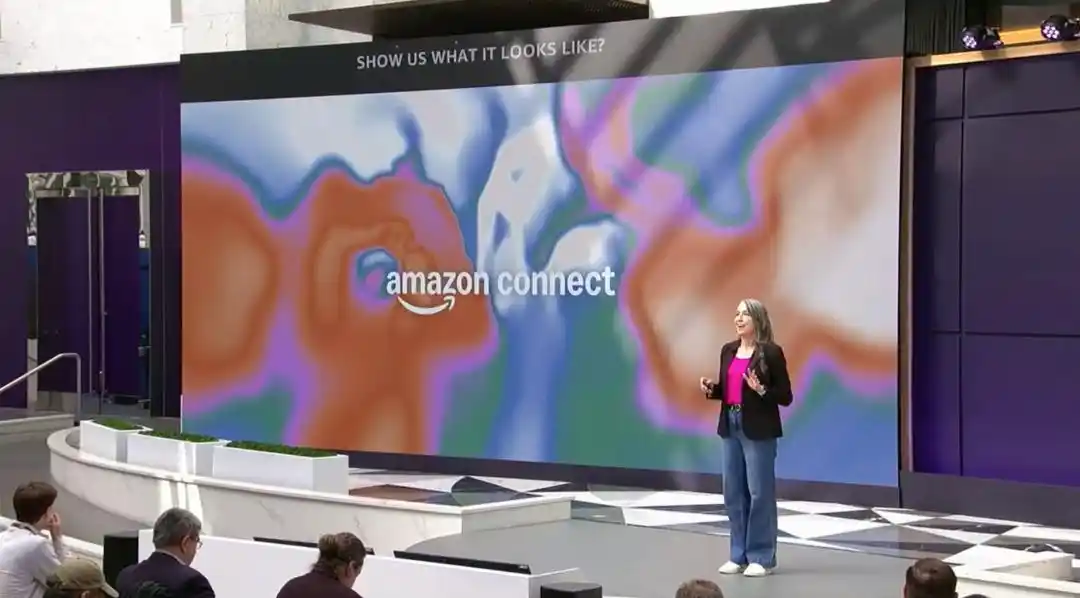
它继续面向语音、聊天和数字渠道的客户体验,但新增配置能力,让组织可以在数周而非数月内配置会话式AI体验,并且不需要很强技术背景。业务团队可以直接设计和部署身份验证、支付处理、个性化推荐、问题解决等复杂客户流程。
最后是Amazon Connect Health

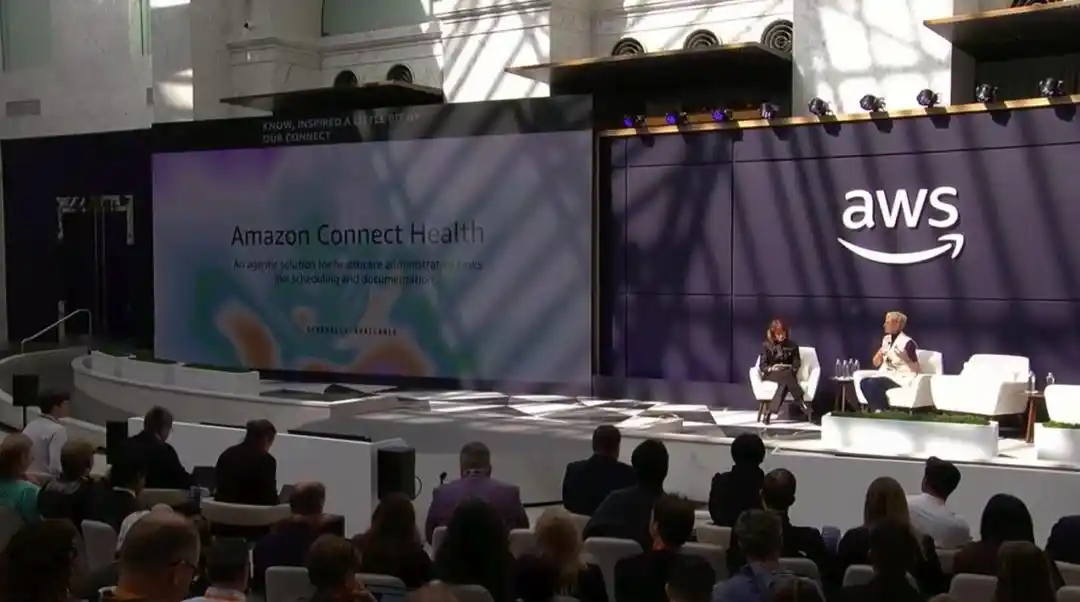
它面向的是医疗健康场景,重点是自动化预约、文档等行政任务,让医护人员把更多时间留给患者。
除此之外,这次亚马逊云科技还提出了一种有意思的产品哲学,Humorphism(拟人化设计)。

应用AI解决方案高级副总裁Colleen Aubrey解释说:

过去的软件界面是Skeumorphism(拟物化),把现实中的文件夹搬到屏幕上;而智能体时代,我们需要顺应人类互动的动态学。当你卡住时队友会帮忙,当你专注时队友会等待,这才是Agent该有的样子。

这场发布会想说什么?

把Quick、Bedrock和Connect放在一起看,这场What’s Next with AWS其实只讲了一件事:

Agent,已经是一种新的企业操作系统。

Julia White开场就提到,我们正处在AI的Agentic Era。虽然还在早期,但Agent已经开始深刻改变工作方式。Matt Garman也延续了他此前关于“十亿Agent世界”的判断:这个方向不仅没有放慢,反而比预期推进得更快,几乎每个行业都在看到Agent带来的业务变化。

但他也提醒,企业不能只是把原来的流程原封不动交给Agent做。

这很像早期云计算迁移。很多企业最初只是把本地数据中心的架构搬到云上,后来才意识到,云真正的价值在于横向扩展、Serverless、快速试错和全新架构。

Agent也是一样。如果只是让AI照着旧流程跑一遍,当然会有效率提升,但很难带来5倍、10倍的体验变化。真正的机会,是重新设计应用和工作流。

所以,这场发布会真正抛出的问题是:

当AI不再只是回答问题,而是能理解上下文、调用工具、持续记忆、主动执行,企业到底应该怎样工作?

亚马逊云科技给出的答案是:

让AI进桌面、进模型平台、进行业流程,最后进入企业日常运营。

这只小龙虾能不能真香,还要看企业实际落地。但至少从这场发布会看,云计算一哥已经不满足于做AI时代的水电煤。

它想做的是,Agent时代的新工位。

本文来自微信公众号“量子位”(ID:QbitAI),作者:金磊

Trending Cryptos

Related Reads

Annual Salary of Millions Competing for Electricians, Meta Rushes to Open Its Own Technical School

The AI boom is facing an unexpected bottleneck: a severe shortage of skilled construction workers and electricians. As tech giants like Meta, OpenAI, and Alphabet race to build massive data centers—such as OpenAI's $16 billion "Stargate" project—they are hitting a critical labor wall. The U.S. needs an estimated 130,000 more electricians, 240,000 construction workers, and 150,000 supervisors by 2030 for AI infrastructure alone, but tens of thousands of electrician jobs go unfilled each year. While AI companies offer high premiums, with electricians earning up to $280,000 annually, worker scarcity still causes massive losses—delays on a single project can cost $14.2 million per month. The complexity of building AI data centers, which require immense power (equivalent to powering hundreds of thousands of homes), sophisticated electrical systems, and advanced liquid cooling solutions, demands highly skilled technicians who are in short supply. To combat this, companies are investing heavily in training. Meta has committed $115 million to a free training school offering tuition, housing, and stipends, targeting 5,000 new workers. OpenAI is partnering with unions to secure skilled labor. These efforts are paying off, with a significant rise in Gen Z interest in trade schools over college. However, the power demands are staggering. AI data centers are driving a rapid surge in electricity consumption, projected to account for up to 12% of U.S. power use by 2028 and raising costs for consumers. Furthermore, the construction boom is project-based, leading to a potential future glut of trained workers once building peaks, which could depress wages industry-wide. The race for AI supremacy now depends as much on skilled hands as on advanced chips.

marsbit14m ago

Annual Salary of Millions Competing for Electricians, Meta Rushes to Open Its Own Technical School

marsbit14m ago

OpenAI No Longer Sells Its Most Expensive Model for Profit

OpenAI is shifting its business strategy away from promoting its most expensive, flagship models for every task. Recent price cuts—80% for GPT-5.6 Luna and 20% for Terra—signal a deeper change: the company now actively advises users that many tasks don't require the most powerful model. Instead, OpenAI recommends a tiered approach: use the high-end GPT-5.6 Sol for complex planning and analysis, then delegate execution to cheaper models like Luna. This mirrors moves by Anthropic, which recently launched Claude Opus 5 at half the price of its top model, Fable 5. Both companies are de-emphasizing flagship models as primary revenue drivers, using them instead for brand prestige and technological showcases. The industry is entering a "mass-market" phase, similar to automotive, where high-volume, cost-effective models handle daily operations and drive scale. OpenAI's price reductions are partly enabled by AI models themselves optimizing underlying code and infrastructure, creating a self-reinforcing cycle of efficiency gains and cost reduction. Competition is shifting from "who is smartest" to "who offers the best value." The goal is no longer selling individual models but fostering widespread API adoption and ecosystem lock-in. By making AI calls cheap and ubiquitous, companies like OpenAI aim to become the indispensable, utility-like infrastructure powering automated workflows—the "water and electricity" of software, quietly embedded everywhere.

marsbit14m ago

OpenAI No Longer Sells Its Most Expensive Model for Profit

marsbit14m ago

Will the Fed Definitely Raise Interest Rates in September? How Will Crypto and U.S. Stocks Withstand the Pressure?

The market's expectation for a September Fed rate hike surged dramatically in early August, jumping from under 50% to over 80% within a week. This shift followed a contentious July FOMC meeting, where a 9-3 vote to hold rates revealed growing dissent from hawkish members advocating for an immediate hike to combat persistent inflation. The primary catalyst for this repricing is rising oil prices, driven by renewed geopolitical tensions around the Strait of Hormuz, which threaten global supply. Energy costs directly influence inflation metrics, making the upcoming July CPI report (due August 12th) a critical data point. If it shows inflation reaccelerating, the probability of a September hike will solidify. For Bitcoin and crypto assets, this is typically bearish news. Bitcoin continues to behave as a high-beta, liquidity-sensitive risk asset. A rate hike raises the opportunity cost of holding non-yielding assets and could drive capital toward money markets, pressuring crypto prices in the short term. However, historical patterns suggest that if a hike is perceived as the end of a tightening cycle rather than the start, any negative price impact may be brief. U.S. stocks, particularly crypto-linked equities like Coinbase and growth-oriented tech stocks, are also vulnerable. Higher rates increase discount rates in valuation models, putting pressure on high-multiple companies. This coincides with a pivotal tech earnings season where investor focus has shifted from massive AI capital expenditure to tangible revenue and cash flow generation. Companies with negative cash flow and weak growth narratives could face heightened volatility if borrowing costs rise in September. In summary, a September Fed hike has evolved into a mainstream market scenario. Key factors to watch are oil prices, the July CPI report, and Fed communications, which will determine the final decision and its impact on volatile crypto and equity markets.

marsbit25m ago

Will the Fed Definitely Raise Interest Rates in September? How Will Crypto and U.S. Stocks Withstand the Pressure?

marsbit25m ago

Trading

Spot

Hot Articles

How to Buy 龙虾

Welcome to HTX.com! We've made purchasing 龙虾 (龙虾) simple and convenient. Follow our step-by-step guide to embark on your crypto journey.Step 1: Create Your HTX AccountUse your email or phone number to sign up for a free account on HTX. Experience a hassle-free registration journey and unlock all features.Get My AccountStep 2: Go to Buy Crypto and Choose Your Payment MethodCredit/Debit Card: Use your Visa or Mastercard to buy 龙虾 (龙虾) instantly.Balance: Use funds from your HTX account balance to trade seamlessly.Third Parties: We've added popular payment methods such as Google Pay and Apple Pay to enhance convenience.P2P: Trade directly with other users on HTX.Over-the-Counter (OTC): We offer tailor-made services and competitive exchange rates for traders.Step 3: Store Your 龙虾 (龙虾)After purchasing your 龙虾 (龙虾), store it in your HTX account. Alternatively, you can send it elsewhere via blockchain transfer or use it to trade other cryptocurrencies.Step 4: Trade 龙虾 (龙虾)Easily trade 龙虾 (龙虾) on HTX's spot market. Simply access your account, select your trading pair, execute your trades, and monitor in real-time. We offer a user-friendly experience for both beginners and seasoned traders.

5.2k Total ViewsPublished 2026.03.12Updated 2026.06.02

How to Buy 龙虾

Discussions

Welcome to the HTX Community. Here, you can stay informed about the latest platform developments and gain access to professional market insights. Users' opinions on the price of 龙虾 (龙虾) are presented below.

活动图片