White House 'Exclusive' Teleprompter Operator Cashes in Over $100,000 Using Insider Information for Predictions

Odaily星球日报Xuất bản vào 2026-07-22Cập nhật gần nhất vào 2026-07-22

Tóm tắt

The White House is embroiled in another insider trading scandal, this time involving a teleprompter operator for former President Trump. Gabriel Perez, a longtime aide who controlled Trump's speech teleprompters, used his advance knowledge of speech content to profit over $100,000 on prediction markets like Kalshi by betting on which specific words Trump would mention. After Kalshi's monitoring systems flagged suspicious trading activity and froze his funds, the case was referred to the CFTC. Perez was suspended without pay by Trump, who called his actions "disgusting." Unlike previous insiders prosecuted in similar cases, Perez faced no criminal charges, only a CFTC settlement requiring him to return profits and cease such trading. The article highlights how "mention" markets are uniquely vulnerable to manipulation by insiders or even the speakers themselves, citing examples like a Grammy host jokingly saying a random word and a Coinbase CEO reading all prediction market options aloud. As prediction markets like Kalshi tighten compliance—such as requiring users to disclose employers—the piece argues this crackdown on insider trading, while promoting regulatory compliance, may move these markets further from "collective wisdom" and closer to being pure gambling venues.

Original | Odaily Planet Daily (@OdailyChina)

Author | Golem (@web3_golem)
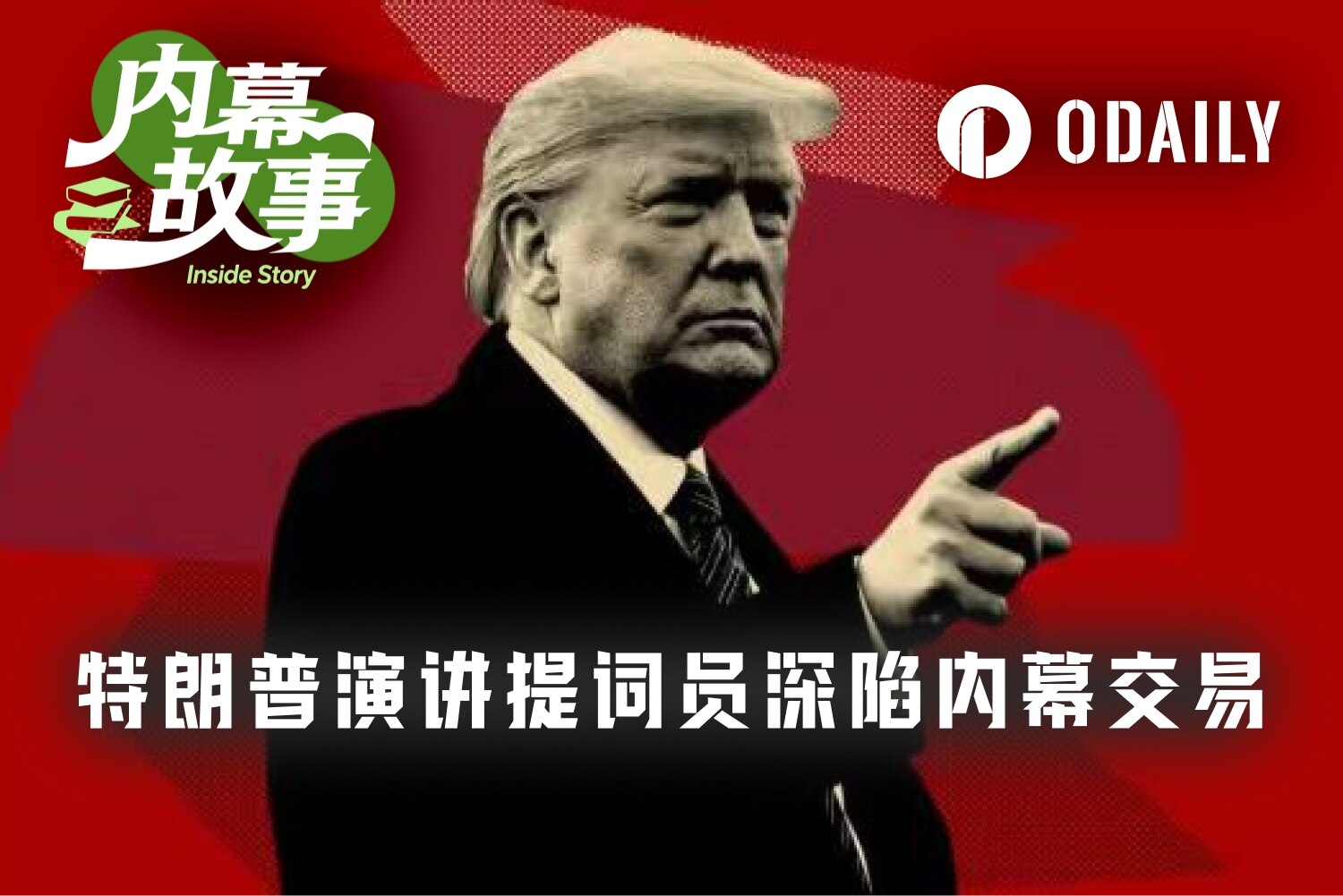
Recently, the White House was embroiled in yet another insider trading scandal.

A White House staff member traded using insider information to profit tens of thousands of dollars in prediction markets. The insider's identity turned out to be a long-term operator responsible for Trump's teleprompter during speeches. This employee has now been suspended and had his salary stopped.

This teleprompter operator has become the third insider disclosed by U.S. judicial authorities, following a special forces soldier involved in the Maduro capture operation and a Google security engineer, to have profited substantially in prediction markets using insider information. (Related Reading: After 4 Months, Polymarket Helped Trump Catch the Leaker of a Military Operation, but the Cost Was...; Checking the Answers Before Handing in the Test? Google Engineer Entangled in Polymarket Insider Trading Case)

Reported by Kalshi, Funds Frozen, But Ultimately Avoids Criminal Liability

The protagonist is named Gabriel Perez, who has been operating the teleprompter for Trump's speeches since 2016. Perez's journey to this job is rather dramatic. In 2016, Trump's campaign team urgently needed a teleprompter operator, so they searched for "teleprompter" on Google and found Perez's company. Perez was thus hired by Trump's team.
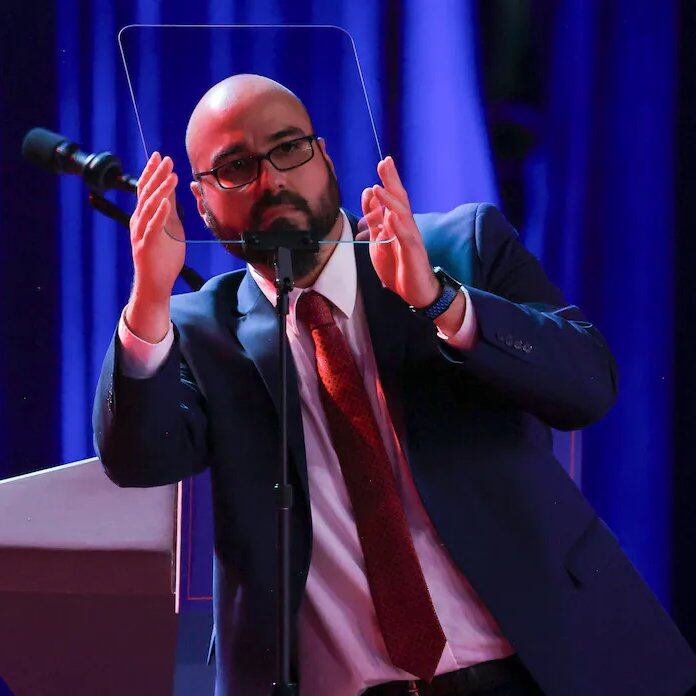
Gabriel Perez

Although Perez was hired by chance, over these 10 years, he gradually became one of Trump's closest aides. American Politico even stated that "Perez has become the only person Trump trusts," as he often receives Trump's personal last-minute modifications to public speeches.

Therefore, Perez became one of the few people with access to Trump's complete speech drafts in advance and held near-final approval authority over almost all of Trump's prepared remarks. This power is not insignificant. Perez's official title at the White House is Deputy Assistant to the President and Technical Advisor, with an annual salary of $175,000, only $20,000 less than senior staff like Chief of Staff Susie Wiles and Press Secretary Karoline Leavitt.

Such compensation already places him in the high-income bracket in the U.S., but the greedy Perez was not satisfied.

When prediction markets became popular, with countless players betting on which specific words Trump would "mention" in certain speeches, Perez discovered that his "privilege" could bring him even more wealth.

CFTC investigators found that Perez placed bets on over a dozen of Trump's speeches within about three months, with total profits exceeding $100,000. This included Trump's prime-time speech in December of last year, his speech at the World Economic Forum in Davos, Switzerland, in January of this year, the State of the Union address in February, and Trump's remarks at the Medal of Honor ceremony in March.

The U.S. President's statutory annual salary is $400,000, and with various allowances, the President receives approximately $569,000 per year. If Perez hadn't been caught, at his rate of earning over $100,000 in three months, his annual income, though his power is less than the President's, would have exceeded the President's salary.

However, even knowing the speech content in advance, Perez could not always successfully predict which words Trump would mention in his speeches because Trump often goes off-script "impromptu." When Trump skipped a word Perez had bet on during a speech, Perez would immediately sell to cut his losses. Trump himself admitted during a speech at the Detroit Economic Club in January that he doesn't look at the teleprompter 80% of the time.

Similar to the fates of the special forces soldier and the Google security engineer, Perez's exposure also originated from the prediction market platform's proactive reporting. Perez frequently used Kalshi for insider trading. Starting in March of this year, Kalshi's monitoring system detected some abnormal trades related to specific words mentioned in Trump's speeches, thus drawing attention to Perez.

After concluding its internal investigation, Kalshi quickly froze over $90,000 in Perez's account and handed the case over to the U.S. Commodity Futures Trading Commission (CFTC). Upon learning of this, Trump commented that it was "disgraceful" and personally decided to suspend Perez without pay during the suspension.

Ultimately, Perez's greed led him to lose both his profits and his original job. However, compared to the special forces soldier and the Google security engineer, Perez was fortunate because U.S. judicial authorities did not file criminal charges against him; Perez won't face jail time.

During the investigation, the CFTC had notified federal prosecutors in Manhattan, but the prosecutors declined to open a criminal investigation. According to informed sources, CFTC regulators have expressed willingness to reach a settlement with Perez and have discussed terms with him. The result requires Perez to return his profits and cease similar trades thereafter.

Perez is Just the Beginning of Purging Insiders from "Mention" Markets

The reason Perez avoided jail is that prosecutors believe his actions do not constitute a criminal offense; he neither leaked important government information in advance nor caused harm to national security. As Trump said, "it's just disgraceful," damaging the clean image of government officials.

In March of this year, the White House warned staff not to use non-public information to place bets in prediction markets. White House spokesperson Davis Ingles stated: "The White House has strict ethics guidelines, and we expect all staff and officials to adhere to them."

But Perez is definitely not the only White House staff member profiting from insider information, and Trump, who openly runs a paid subscription group, is even less qualified to comment on this teleprompter operator (Related Reading: $100,000 a Month, Trump Starts Selling 'Alpha' ).

It's no wonder Perez couldn't resist the temptation; the "mention" markets in prediction platforms are indeed the category most susceptible to manipulation. When the cost for insiders to participate is pushed extremely low, while the potential returns are extremely high, it ceases to be merely a moral issue and becomes a mechanism design problem. In the face of profit, even outwardly respectable and ostensibly righteous politicians cannot guarantee they will never cross that line.

The gameplay of "mention" markets involves users betting on specific words, phrases, or topics that will be mentioned in public speeches. Compared to other events (such as political elections, sports events, etc.), the cost of cheating in "mention" markets is extremely low. It's not limited to people like Perez who know the speech content in advance; for the speaker themselves, cheating is as simple as uttering a word, literalizing "a word is worth a thousand pieces of gold."

At the Grammy Awards ceremony in February this year, host Trevor Noah, after saying "welcome back to the Grammys," suddenly shouted the word "Potato." As everyone was confused, Trevor Noah continued, "if you bet on Polymarket that I was going to say this word, you just made a killing," and congratulated user "Noah 22." However, in reality, the "What will be mentioned at the Grammy Awards" prediction on Polymarket didn't even have "potato" as an option, and the user "noah-22" was purely fictional.

Grammy host shouting potato at the awards ceremony

Some analyses later suggested this was a marketing activity by Polymarket, but it already demonstrated the speaker's ability to manipulate the "mention" market.

There's an even more direct example. In October 2025, during Coinbase's Q3 earnings call, just as the meeting was about to end, CEO Brian Armstrong said he noticed many people were betting in prediction markets on what he would mention during this call. He then opened Polymarket and read aloud all the words listed in the options, ultimately causing all outcomes in that market to reach 100% probability, ending in a draw.

The above are just two examples showcasing speakers' control over "mention" markets; there are certainly many more individuals truly profiting from this lurking beneath the surface. However, as regulation of prediction markets gradually intensifies, perhaps all insiders in "mention" markets will eventually be purged. Perez is just the beginning.

Last month, Kalshi updated its policy, requiring users to disclose their employers. Kalshi's head of enforcement, Bobby DeNault, explained the rationale: "If you have access to information because of your job or employment, and you have a legal duty related to that information, you have an obligation not to take that information for your own use and not to convert it for personal use." Polymarket has not yet imposed such strict disclosure requirements on users, but in the increasingly competitive and compliant prediction market landscape, it is believed that stricter compliance requirements from Polymarket are also on the horizon.

From the special forces soldier and Google engineer to the White House teleprompter operator, prediction markets are step by step purging insider trading. Simultaneously, the market is undergoing a demystification of prediction markets. What was once thought to reflect the wisdom of the crowd is, in reality, just a cash machine for a few insiders.

Although purging insider trading makes prediction markets more compliant, it also moves them further away from truth and closer to being pure casinos.


Tiền kỹ thuật số thịnh hành

Câu hỏi Liên quan

QWho is Gabriel Perez and what was his role in the White House?

AGabriel Perez was a White House staffer, officially titled Deputy Assistant to the President and Technical Advisor. His primary role was operating the teleprompter for former President Donald Trump's speeches, a position he held since 2016.

QHow did Gabriel Perez allegedly profit over $100,000 using inside information?

AGabriel Perez allegedly used his advance knowledge of the prepared text of Trump's speeches to place bets on prediction markets, specifically Kalshi, on whether Trump would mention specific words or phrases during those speeches. Over approximately three months, he profited over $100,000 from these bets.

QWhy was Perez not criminally prosecuted for his actions, according to the article?

AFederal prosecutors reportedly declined to bring criminal charges. They determined Perez's actions did not constitute a criminal offense, as he did not leak significant government information or pose a threat to national security. The CFTC pursued a civil settlement instead.

QWhat action did prediction market platform Kalshi take after discovering Perez's suspicious activity?

AKalshi's monitoring system flagged abnormal trading activity related to Trump's speech keywords. After an internal investigation, Kalshi froze over $90,000 in Perez's account and reported the case to the U.S. Commodity Futures Trading Commission (CFTC).

QAccording to the article, what is a major flaw with 'mention' markets on prediction platforms?

AA major flaw is their vulnerability to manipulation and insider trading. The cost for insiders (like speechwriters, teleprompter operators, or the speakers themselves) to influence the outcome is extremely low, as they can simply include or exclude specific words, making these markets easy targets for exploitation rather than reflecting true crowd wisdom.

Nội dung Liên quan

Sau ba quý liên tiếp suy giảm, thị trường tiền điện tử có thể đón cửa sổ ổn định trong quý III?

Thị trường tiền mã hóa vừa trải qua quý tồi tệ nhất kể từ năm 2022, với vốn hóa giảm 12.6% xuống 2.1 nghìn tỷ USD, khối lượng giao dịch sụt giảm và dòng tiền rút mạnh khỏi các quỹ ETF Bitcoin. Bitcoin và Ethereum lần lượt giảm 14.2% và 25.4% trong quý, đánh dấu sự đảo ngược so với mối tương quan trước đây với các tài sản rủi ro như Nasdaq. Dòng vốn ETF chứng khoán Mỹ ghi nhận dòng ròng rút khoảng 46.7 tỷ USD trong quý II, báo hiệu áp lực bán. Tuy nhiên, dấu hiệu tích cực ban đầu xuất hiện khi các nhà đầu tư dài hạn bắt đầu tích lũy trở lại và dòng ETF có đợt thu hút ngắn hạn. Toàn bộ thị trường hiện tập trung vào cuộc họp của Cục Dự trữ Liên bang Mỹ (FOMC) vào cuối tháng 7. Các tín hiệu chính sách tiền tệ sẽ quyết định xu hướng: tín hiệu ôn hòa có thể đẩy Bitcoin lên vùng 68,000-84,000 USD, trong khi lập trường cứng rắn có thể kéo giá về vùng 50,000-56,000 USD. Tiến trình pháp lý của Đạo luật CLARITY gần như đình trệ, làm giảm kỳ vọng và gia tăng phí rủi ro cho toàn ngành. Trong bối cảnh ảm đạm, hai lĩnh vực nổi bật là thị trường dự đoán (tăng trưởng 48.7%) và bộ sưu tập kỹ thuật số được mã hóa (tăng ~143%), cho thấy sự chuyển dịch nhu cầu thực tế. Nhìn chung, thị trường thiếu động lực cho một đợt tăng trưởng mạnh dựa trên tâm lý. Các quyết định giao dịch trong quý III sẽ chủ yếu xoay quanh diễn biến giá, lựa chọn chính sách và kỳ vọng lãi suất.

marsbitHôm qua 08:39

Sau ba quý liên tiếp suy giảm, thị trường tiền điện tử có thể đón cửa sổ ổn định trong quý III?

marsbitHôm qua 08:39

Giao Dịch SpaceX, Đã Mở Khóa: SPCXON Được Giao Dịch Trên WEEX

SpaceX đã thực hiện đợt IPO lớn nhất lịch sử vào tháng 6/2026, nhưng nhiều nhà giao dịch không thể tiếp cận do các rào cản như hạn chế môi giới và khu vực. Sàn giao dịch tiền điện tử WEEX đã giới thiệu SPCXON/USDT, một công cụ token hóa cho phép tiếp cận biến động giá của SpaceX thông qua tài khoản crypto được quyết toán bằng USDT, mà không cần môi giới Mỹ hay tài khoản ngân hàng. Sản phẩm này, xây dựng trên nền tảng cổ phiếu token hóa của Ondo, dành cho các nhà giao dịch bên ngoài Hoa Kỳ. Trường hợp đầu tư dựa trên đà tăng doanh thu Starlink và các cột mốc Starship, trong khi các yếu tố cần thận trọng bao gồm định giá cao, lượng cổ phiếu lưu hành công chúng ít và sự kiện mở khóa cổ phiếu nội bộ sắp tới. Lưu ý quan trọng: SPCXON cung cấp mức tiếp xúc với hiệu quả kinh tế, không phải quyền sở hữu cổ phiếu trực tiếp, và có thể giao dịch ở mức cao hơn hoặc thấp hơn giá trị tài sản ròng. WEEX tích hợp SPCXON cùng các sản phẩm TradFi token hóa khác như MicroStrategy (MSTRON) và Micron (MUON) vào một tài khoản thống nhất, cho phép luân chuyển giữa crypto và cổ phiếu dễ dàng. Sàn cũng đang chạy chiến dịch TradFi Trading Challenge với quỹ thưởng $50,000.

TheNewsCryptoHôm qua 08:32

Giao Dịch SpaceX, Đã Mở Khóa: SPCXON Được Giao Dịch Trên WEEX

TheNewsCryptoHôm qua 08:32

BIT Trading Hours: BTC Vẫn Chịu Áp Lực Từ Đường MA 200 Tuần, Bị Từ Chối Có Thể Tái Khởi Động Đợt Giảm, Ngành Lưu Trữ và Bán Dẫn Tăng Mạnh Đêm Qua Bắt Đầu Giảm Trong Khung Giờ Giao Dịch Ban Đêm

Bitcoin (BTC) hiện giao dịch quanh mức $66,000, đối mặt với vùng kháng cự mạnh gần $68,000 - nơi tập trung nhiều lệnh mua trước đó có thể chốt lời. Về mặt kỹ thuật, BTC đang nằm giữa đường trung bình động 200 tuần (MA ~$63,333) và đường trung bình động hàm mũ 200 tuần (EMA ~$68,328). Việc không thể vượt qua mức $68,000 có thể kéo giá về kiểm tra lại vùng hỗ trợ $63,000. Thị trường hiện có tính thanh khoản thấp và được xem là đang trong đợt phục hồi nhẹ. Trên thị trường chứng khoán Mỹ, các chỉ số tương lai giảm nhẹ. Nhóm cổ phiếu bán dẫn và lưu trữ, vốn tăng mạnh vào đêm trước, đã điều chỉnh giảm trong phiên giao dịch ngoài giờ. Tuy nhiên, Super Micro Computer (SMCI) tăng mạnh sau báo cáo doanh thu và đơn đặt hàng tích cực. Dầu thô tăng (trên $91) và lợi suất trái phiếu kho bạc Mỹ tăng cao tiếp tục gây áp lực lên thị trường cổ phiếu và làm dấy lên lo ngại lạm phát. Tại châu Á, thị trường Hàn Quốc phục hồi nhẹ cùng với cổ phiếu công nghệ, trong khi Nhật Bản thận trọng do đồng Yên yếu kỷ lục. Các sự kiện quan trọng sắp tới bao gồm báo cáo thu nhập từ các gã khổng lồ công nghệ như Alphabet, Tesla, IBM; sự kiện AI của AMD; và cuộc họp chính sách tiền tệ của Ngân hàng Trung ương châu Âu.

marsbitHôm qua 08:31

BIT Trading Hours: BTC Vẫn Chịu Áp Lực Từ Đường MA 200 Tuần, Bị Từ Chối Có Thể Tái Khởi Động Đợt Giảm, Ngành Lưu Trữ và Bán Dẫn Tăng Mạnh Đêm Qua Bắt Đầu Giảm Trong Khung Giờ Giao Dịch Ban Đêm

marsbitHôm qua 08:31

Chủ tịch CFTC cũ, Chủ tịch Circle Tarbert: Một mặt khuyên bạn chủ nghĩa dài hạn, mặt kia tự mình thoái vốn 30 triệu USD

Tác giả: Zen, PANews Trước tình cảnh cổ phiếu Circle (CRCL) giảm 70% so với đỉnh và bị hạ xếp hạng, Chủ tịch Heath Tarbert - cựu Chủ tịch CFTC - trong một cuộc phỏng vấn ngày 14/7 đã kêu gọi các nhà đầu tư kiên nhẫn và tập trung vào tầm nhìn dài hạn của công ty. Tuy nhiên, hành động của ông lại trái ngược hoàn toàn. Kể từ khi Circle IPO, Tarbert đã không ngừng bán cổ phiếu CRCL thông qua kế hoạch giao dịch 10b5-1 được lập trước, thu về tổng cộng khoảng 30 triệu USD. Ông chưa từng mua lại cổ phiếu trên thị trường mở, ngay cả khi giá cổ phiếu lao dốc. Bài viết nêu bật sự mâu thuẫn giữa lời nói "chủ nghĩa dài hạn" và hành động "thoái vốn" mạnh tay của Tarbert. Sự nghiệp của ông được mô tả là điển hình của "cánh cửa xoay" chính trị-thương mại Mỹ: từ các vị trí cấp cao tại Bộ Tài chính và CFTC, ông nghỉ hưu chỉ 27 ngày trước khi gia nhập Citadel Securities - một nhà tạo lập thị trường lớn - vào thời điểm công ty này đang đối mặt với cuộc điều tra của Quốc hội sau sự kiện GameStop. Sau đó, ông chuyển sang Circle, nơi ông được cho là đã sử dụng kinh nghiệm và quan hệ quản lý để giúp công ty vượt qua các rào cản pháp lý và niêm yết thành công. Bài báo đặt câu hỏi liệu Tarbert có thực sự tin vào tương lai dài hạn của Circle hay không, khi mà ông liên tục chốt lời trong khi lại khuyên các cổ đông nhỏ lẻ giữ vị thế. Nó gợi ý rằng mô hình của ông là tận dụng tối đa kiến thức về chu kỳ chính sách và cơ hội thị trường để biến các nguồn lực và uy tín tích lũy được thành lợi thế nghề nghiệp và tài chính cá nhân, trong khi rủi ro dài hạn được chuyển sang cho các nhà đầu tư tin tưởng vào những tường thuật công khai của ông.

marsbitHôm qua 08:08

Chủ tịch CFTC cũ, Chủ tịch Circle Tarbert: Một mặt khuyên bạn chủ nghĩa dài hạn, mặt kia tự mình thoái vốn 30 triệu USD

marsbitHôm qua 08:08

Gate Research: Làn sóng "phố Wall hóa" trong các sản phẩm tài chính tiền điện tử - Cạnh tranh hay Hội tụ?

Gate Research Institute: Sự hòa hợp hay cạnh tranh trong làn sóng "phố Wall hóa" các sản phẩm tài chính tiền mã hóa? Từ tầm nhìn ban đầu về một hệ thống tài chính phi tập trung, loại bỏ trung gian của Bitcoin, thị trường tiền mã hóa đang chứng kiến sự hội tụ mạnh mẽ với tài chính truyền thống (TradFi). Các quỹ ETF Bitcoin, tài sản thế giới thực được mã hóa (RWA) và trái phiếu chính phủ trên chuỗi cho thấy các tổ chức như BlackRock, Fidelity đang đưa tài sản mã hóa vào hệ thống phát hành, định giá, lưu ký và phân phối truyền thống. Tuy nhiên, đây không phải là một trò chơi tổng bằng không. Xu hướng này thể hiện sự bổ sung lẫn nhau: TradFi cung cấp khung pháp lý, mạng lưới phân phối rộng và sự tin cậy, trong khi Crypto mang lại tính mở, thanh khoản toàn cầu 24/7 và khả năng thanh toán lập trình được. Hai hướng đi tiêu biểu minh chứng cho sự hội tụ hai chiều: các sàn giao dịch tiền mã hóa (CEX) như Gate mở rộng sang giao dịch cổ phiếu thực, ETF thông qua cơ sở hạ tầng môi giới truyền thống; trong khi các công ty môi giới truyền thống như Robinhood tích hợp tài sản mã hóa và phát triển tài sản mã hóa (như cổ phiếu mã hóa) để thu hút người dùng. Mục tiêu chung của cả hai hướng là tranh giành "tài khoản tài chính tổng hợp" thế hệ tiếp theo - một điểm vào duy nhất nơi người dùng có thể giao dịch đa dạng tài sản từ cổ phiếu, tiền mã hóa đến RWA. Sự tăng trưởng mạnh mẽ của thị trường RWA, đặc biệt là cổ phiếu mã hóa, bất chấp xu hướng thị trường giảm, cho thấy đây là một xu hướng cấu trúc thực sự. Kết luận, "phố Wall hóa" không có nghĩa là thị trường tiền mã hóa bị TradFi thôn tính. Thay vào đó, đây là một sự chuyển đổi hai chiều, nơi cả hai hệ thống đang cùng nhau định hình lại thị trường vốn thành một cấu trúc hỗn hợp hiệu quả và toàn cầu hơn, với trải nghiệm người dùng liền mạch cho nhiều loại tài sản khác nhau.

marsbitHôm qua 08:06

Gate Research: Làn sóng "phố Wall hóa" trong các sản phẩm tài chính tiền điện tử - Cạnh tranh hay Hội tụ?

marsbitHôm qua 08:06

Giao dịch

Giao ngay

Bài viết Nổi bật

Làm thế nào để Mua HOUSE

Chào mừng bạn đến với HTX.com! Chúng tôi đã làm cho mua Housecoin (HOUSE) trở nên đơn giản và thuận tiện. Làm theo hướng dẫn từng bước của chúng tôi để bắt đầu hành trình tiền kỹ thuật số của bạn.Bước 1: Tạo Tài khoản HTX của BạnSử dụng email hoặc số điện thoại của bạn để đăng ký tài khoản miễn phí trên HTX. Trải nghiệm hành trình đăng ký không rắc rối và mở khóa tất cả tính năng. Nhận Tài khoản của tôiBước 2: Truy cập Mua Crypto và Chọn Phương thức Thanh toán của BạnThẻ Tín dụng/Ghi nợ: Sử dụng Visa hoặc Mastercard của bạn để mua Housecoin (HOUSE) ngay lập tức.Số dư: Sử dụng tiền từ số dư tài khoản HTX của bạn để giao dịch liền mạch.Bên thứ ba: Chúng tôi đã thêm những phương thức thanh toán phổ biến như Google Pay và Apple Pay để nâng cao sự tiện lợi.P2P: Giao dịch trực tiếp với người dùng khác trên HTX.Thị trường mua bán phi tập trung (OTC): Chúng tôi cung cấp những dịch vụ được thiết kế riêng và tỷ giá hối đoái cạnh tranh cho nhà giao dịch.Bước 3: Lưu trữ Housecoin (HOUSE) của BạnSau khi mua Housecoin (HOUSE), lưu trữ trong tài khoản HTX của bạn. Ngoài ra, bạn có thể gửi đi nơi khác qua chuyển khoản blockchain hoặc sử dụng để giao dịch những tiền kỹ thuật số khác.Bước 4: Giao dịch Housecoin (HOUSE)Giao dịch Housecoin (HOUSE) dễ dàng trên thị trường giao ngay của HTX. Chỉ cần truy cập vào tài khoản của bạn, chọn cặp giao dịch, thực hiện giao dịch và theo dõi trong thời gian thực. Chúng tôi cung cấp trải nghiệm thân thiện với người dùng cho cả người mới bắt đầu và người giao dịch dày dạn kinh nghiệm.

Tổng lượt xem 664Xuất bản vào 2025.04.27Cập nhật vào 2026.06.02

Làm thế nào để Mua HOUSE

Thảo luận

Chào mừng đến với Cộng đồng HTX. Tại đây, bạn có thể được thông báo về những phát triển nền tảng mới nhất và có quyền truy cập vào thông tin chuyên sâu về thị trường. Ý kiến ​​của người dùng về giá của HOUSE (HOUSE) được trình bày dưới đây.

活动图片