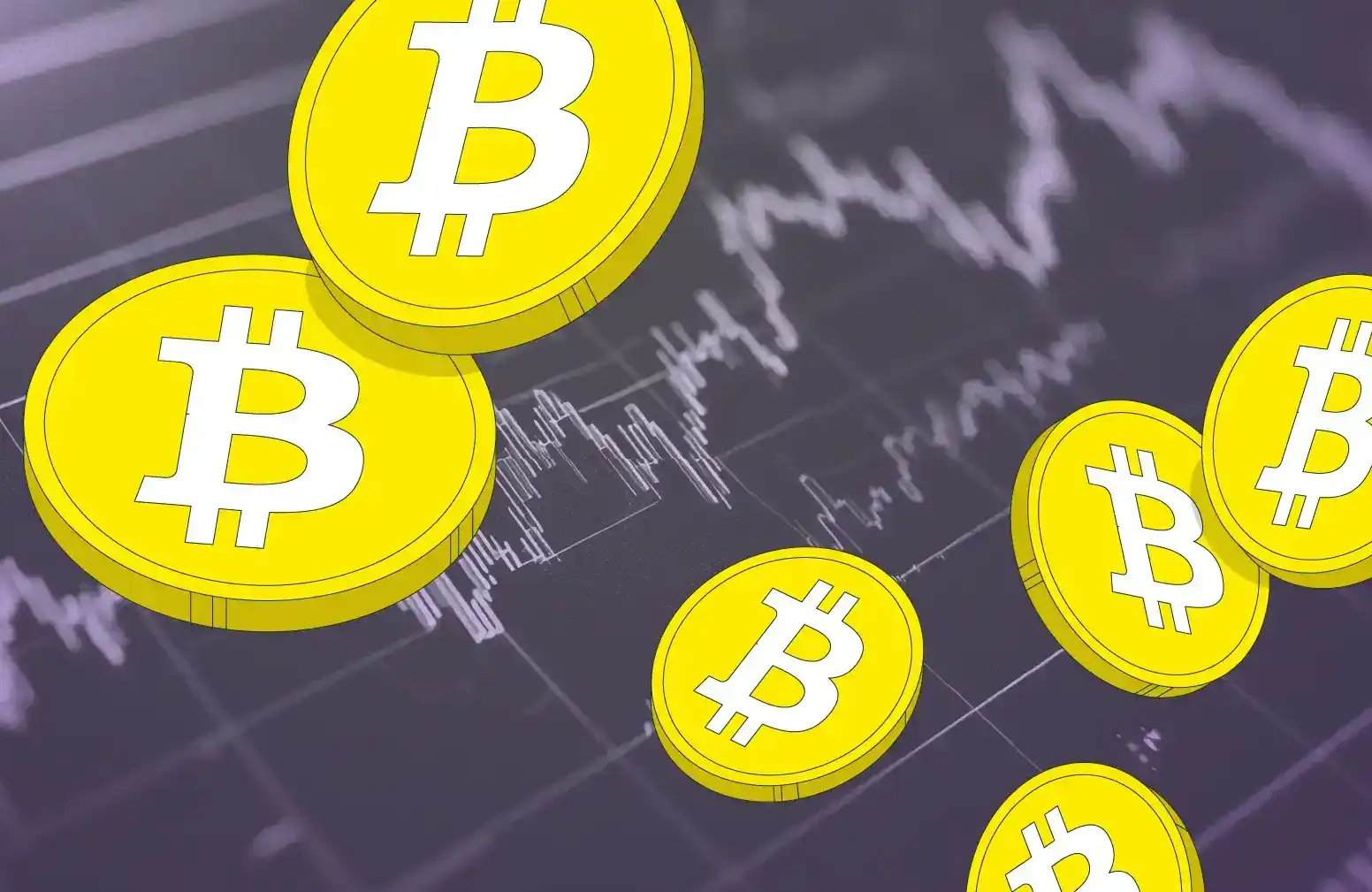
由于 3 万美元的比特币价格成为关键战线,美联储所剩弹药所剩无几

Cointelegraph中文2023-05-05 tarihinde yayınlandı2023-05-05 tarihinde güncellendi

Özet

比特币价格在 5 月 2 日成功捍卫了 28,000 美元的支撑位,但尚未证明从 4 月 30 日起收回 29,200 美元水平所需的实力。

比特币价格在 5 月 2 日成功捍卫了 28,000 美元的支撑位,但尚未证明从 4 月 30 日起收回 29,200 美元水平所需的实力。

一些分析师将近期的下跌趋势归因于美联储将于 5 月 3 日加息的预期,但实际上,市场定价 92% 的可能性温和加息 25 个基点至自以来的最高水平2007 年 9 月。

正如市场情报平台Decentrader指出的那样,美联储主席杰罗姆鲍威尔的言论更有可能带来意外因素,要么指向进一步措施放缓经济,要么暗示最终利率接近5%的可能性更高。鲍威尔定于东部时间下午 2 点 30 分举行新闻发布会。

从就业角度看,央行有理由认为市场持续过热。美国政府报告称,3 月份每个失业工人有 1.6 个职位空缺。此外,根据 5 月 3 日发布的《ADP 全国就业报告》,4 月份民间就业岗位增加 29.6 万个,远高于市场预期的 14.8 万个。

然而,提高利率对家庭和小企业尤其有负面影响。融资和抵押贷款变得更加昂贵,而固定收益投资变得更具吸引力。这种抑制通货膨胀的不良影响可能会进一步动摇金融体系的核心,正如最近第一共和国银行倒闭所表明的那样。

价格突破 30,000 美元可能是投资者的看法从将比特币视为风险资产转变为直接受益于较弱的传统银行系统的稀缺数字资产的明确迹象。

但要衡量比特币在 28,000 美元上方的弹性是否可持续,投资者必须分析买家是否使用了过度杠杆,以及专业交易员是否使用BTC衍生品定价市场低迷的可能性更高。

比特币季度期货在鲸鱼和套利平台中很受欢迎。然而,这些固定月份合约的交易价格通常比现货市场略有溢价,表明卖家要求更多资金以延迟结算。

因此,健康市场中的期货合约应该以 5% 到 10% 的年化溢价交易——这种情况被称为期货溢价,这并不是加密市场独有的。

数据表明比特币交易员在过去几周格外谨慎。即使BTC价格在 4 月 26 日徘徊在 30,000 美元附近,也没有迹象表明对杠杆多头有需求。

此外,比特币期货溢价自 4 月 23 日以来一直停滞在 2% 附近,表明买家不愿使用杠杆,这对市场来说是健康的。通过避免期货合约敞口,它大大降低了比特币价格下跌期间大量清算的风险。

比特币期权市场也有助于解释最近的调整是否让投资者变得更加乐观。当套利柜台和做市商为上行或下行保护收取过高费用时,25% 的 delta 偏斜是一个明显的迹象。

简而言之,如果交易员预期比特币价格下跌,偏斜指标将升至 7% 以上,而兴奋阶段往往会有 7% 的负偏斜。

期权 delta 的 25% 偏斜表明过去四个星期看涨期权和看跌期权之间的需求平衡。鉴于比特币价格在 4 月 25 日至 4 月 30 日期间上涨了 10%,上次测试 30,000 美元阻力位时,这应该令人感到意外。

因此,比特币期权和期货市场表明,专业交易员不会在短期内将BTC价格突破 30,000 美元。另一方面,这些鲸鱼正在定价类似的意外正面和负面走势的可能性。

最终,鉴于美联储在不引发经济衰退的情况下加息显然有一个限度,无论 5 月 3 日的决定如何,比特币的价格都应该受到积极影响。

美联储主席鲍威尔最终将迫使美国财政部向经济注入更多资金以遏制银行业危机,这将有利于比特币等稀缺资产。
İlgili Okumalar

Fu Peng's First Public Speech in 2026: What Exactly Are Crypto Assets? Why Did I Join the Crypto Asset Industry?

Fu Peng, a renowned macroeconomist and now Chief Economist at New火 Group, delivered his first public speech of 2026 at the Hong Kong Web3 Festival. He explained his perspective on crypto assets and why he joined the industry, framing it within the context of macroeconomic trends and financial evolution. Fu emphasized that crypto assets are transitioning from an early, belief-driven phase to a mature, institutionally integrated asset class. He drew parallels to the 1970s-80s, when technological advances (like computing) revolutionized traditional finance, leading to the rise of FICC (Fixed Income, Currencies, and Commodities). Similarly, current advancements in AI, data, and blockchain are reshaping finance, with crypto assets becoming part of a new "FICC + C" (C for Crypto) framework. He noted that institutional capital, including traditional hedge funds, avoided early crypto due to its speculative nature but are now engaging as regulatory clarity emerges (e.g., stablecoin laws, CFTC classifying crypto as a commodity). Fu predicted that 2025-2026 marks a turning point where crypto becomes a standardized, financially viable asset for diversified portfolios, akin to commodities or derivatives in traditional finance. Fu defined Bitcoin not as "digital gold" in a simplistic sense but as a value-preserving, financially tradable asset. He highlighted that crypto's future lies in regulated, institutional adoption, moving away from retail-dominated trading. His entry into crypto signals this maturation, where traditional finance integrates crypto into mainstream asset management.

marsbit4 dk önce

Fu Peng's First Public Speech in 2026: What Exactly Are Crypto Assets? Why Did I Join the Crypto Asset Industry?

marsbit4 dk önce

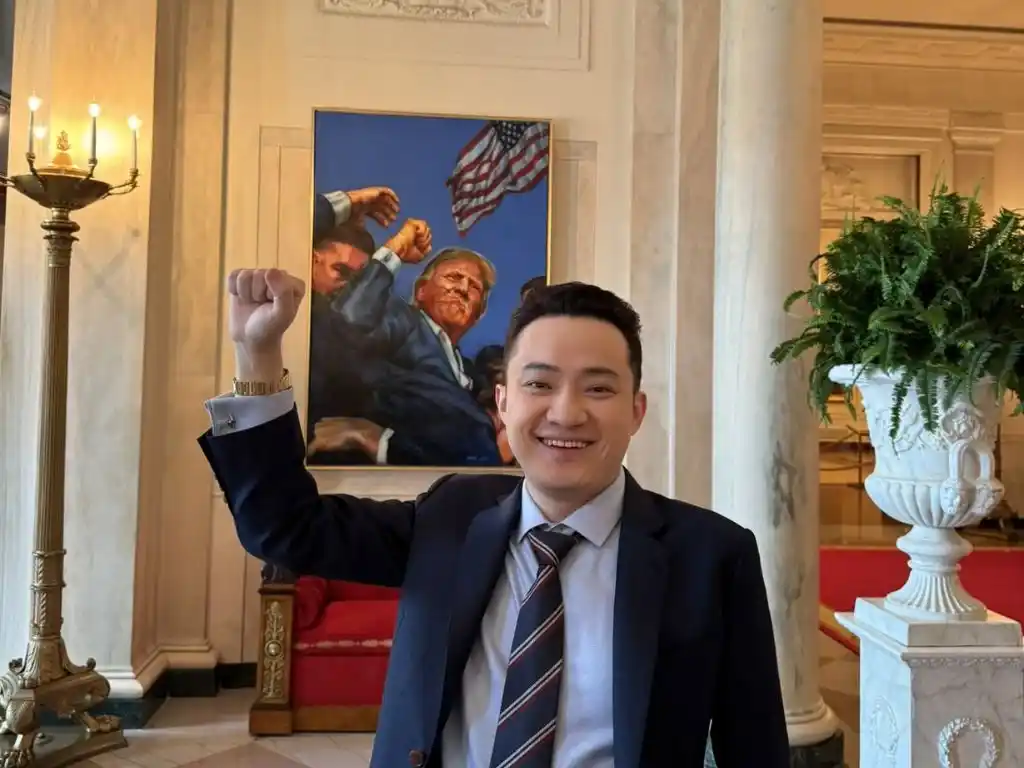
Justin Sun Sues Trump Family: What $75 Million Bought Was Only a Blacklist

Justin Sun, founder of Tron, has filed a lawsuit in federal court against World Liberty Financial (WLF), alleging he was made the "primary target of a fraudulent scheme" after investing $75 million. Sun claims the investment secured him an advisor title and WLFI tokens, which were later frozen by WLF, causing "hundreds of millions in losses." The dispute began in late 2024 when Sun's investment helped revive WLF's struggling token sale, which ultimately raised $550 million. Shortly after, the SEC dropped its lawsuit against Sun following Donald Trump's inauguration. However, relations soured when Sun refused WLF's demands for additional funding. In August 2025, WLF added a "blacklist" function to its smart contract, allowing it to unilaterally freeze tokens. Sun's holdings, worth approximately $107 million, were frozen, and he was threatened with token destruction. The lawsuit highlights WLF's structure, which directs 75% of token sale profits to the Trump family, who had earned $1 billion by December 2025. WLF's CEO is Zach Witkoff, son of U.S. Middle East envoy Steve Witkoff. The project faces scrutiny for opaque operations, including a controversial loan arrangement on the Dolomite platform, co-founded by a WLF advisor. Despite Sun's history with the SEC, the case underscores centralization risks within DeFi, as WLF controls governance and holds powers to freeze assets arbitrarily. Sun's tokens remain frozen as legal proceedings begin.

marsbit12 dk önce

Justin Sun Sues Trump Family: What $75 Million Bought Was Only a Blacklist

marsbit12 dk önce

$500 to Buy OpenAI Stock: Silicon Valley's Most Respectable Liquidity Invitation

Silicon Valley's largest venture capital platform, AngelList, has launched a new fund called USVC, allowing U.S. retail investors to buy into high-profile AI companies like OpenAI, Anthropic, and xAI with a minimum investment of $500—no accredited investor status required. Promoted by AngelList co-founder Naval Ravikant, the fund is framed as an opportunity for ordinary people to access high-growth private tech investments traditionally reserved for VCs. However, critics argue it functions more like an exit vehicle for early insiders. USVC acquires shares not through primary rounds but largely via secondary transactions—purchasing stakes from early investors, VC funds, and employees looking to cash out at peak valuations. With companies like xAI heavily weighted in the portfolio, the fund effectively channels retail money into providing liquidity for insiders who entered at much lower valuations. The fund’s structure raises concerns: shares are illiquid, with no secondary market, and buybacks are limited and discretionary. The actual annual fee reaches 3.61%, far above the advertised 1% management fee. This model parallels the "low float, high fully diluted valuation" strategy seen in crypto, where early investors profit by selling to latecomers at inflated prices. The timing—alongside similar moves by platforms like Robinhood—suggests that Silicon Valley’s sudden interest in retail inclusion may be less about democratizing access and more about securing exits for insiders.

marsbit43 dk önce

$500 to Buy OpenAI Stock: Silicon Valley's Most Respectable Liquidity Invitation

marsbit43 dk önce

İşlemler

Spot
Futures
活动图片