Can Iran 'Control' the Strait of Hormuz?

marsbitPublished on 2026-04-27Last updated on 2026-04-27

Abstract

Iran has announced a comprehensive plan to assert control over the strategic Strait of Hormuz, a critical global oil shipping chokepoint. The proposed measures include requiring all vessels to obtain Iranian permission for passage, imposing fees for security, environmental protection, and navigation management—preferably paid in Iranian rials—and absolutely banning Israeli ships. Vessels from countries deemed hostile by Iran’s top security bodies may also be barred. Analysts suggest Iran’s motives are multifaceted: increasing pressure on the U.S. and Israel by leveraging control over oil transit to influence global prices and inflation; creating a new revenue stream, potentially exceeding $7.7 billion annually, to counter Western sanctions and support postwar reconstruction; and using transit permissions as bargaining chips in future negotiations, notably with the U.S. However, the plan faces significant practical and diplomatic challenges. Enforcing comprehensive interception and fee collection in the busy waterway, patrolled by international military forces, would be difficult. The U.S. has already countering with a blockade of Iranian ports and threats to intercept any ship paying fees, potentially strangling Iran’s oil exports and fee revenue. Broad international opposition, led by European and Gulf states, and legal controversies further complicate implementation. The proposal may ultimately serve more as a negotiating tactic than a feasible policy, with its execution ...

According to Iran's Mehr News Agency on the 25th, citing an Iranian lawmaker, Iran has formulated a comprehensive plan for managing the Strait of Hormuz. Analysts point out that Iran's move has multiple purposes, including increasing pressure on the United States and Israel and securing new stable sources of revenue. However, the proposal to charge fees for passing vessels has sparked international opposition. The United States is pressuring Iran by blockading its ports and ships, and whether Iran's plan to control the strait can be implemented remains uncertain.

This is a file photo of the Strait of Hormuz taken on February 19, 2025. Photo by Wang Qiang, Xinhua News Agency.

What Are the Objectives?

According to Mehr News Agency, the news was revealed by Iranian Islamic Parliament member Behnam Saidi. Iranian media previously reported that the Iranian parliament reviewed several proposals regarding the governance of the Strait of Hormuz on the 5th and decided to establish a special committee to formulate a comprehensive plan and legal safeguards for exercising jurisdiction over the strait.

According to Saidi, the comprehensive plan includes:

Sovereignty over the Strait of Hormuz will be entirely in Iran's hands;

Ships and vessels navigating the area must obtain permission from Iran;

Vessels passing through the area must pay relevant fees for safety, environmental protection, shipping management, and permit issuance, with priority given to payment in rials;

Vessels from countries designated as hostile by Iran's Supreme National Security Council or the General Staff of the Armed Forces are prohibited from passing through the Strait of Hormuz, with Israeli vessels absolutely banned;

For countries that have caused losses to Iran, relevant countries must first reach an agreement with Iran on compensation methods before their vessels can be granted passage permits.

Analysts believe the plan reveals multiple objectives for Iran.

First, to continue pressuring the U.S. and Israel. By controlling the Strait of Hormuz, a global shipping chokepoint, Iran aims to influence international oil prices, exacerbating inflationary pressures and economic burdens on the U.S. and Israel while prompting the international community to call for de-escalation and open shipping lanes, thereby putting economic and diplomatic pressure on both countries. The ban on vessels from "hostile countries" directly targets the U.S. and Israel. Additionally, linking strait passage to war compensation claims aims to force the U.S. to make concessions on compensation.

Second, to leave room for U.S.-Iran negotiations. Although Iran has maintained a tough stance toward the U.S., it has not completely closed the door to talks. Iran recently sent Foreign Minister Araghchi to Pakistan, claiming no negotiations with the U.S., but also conveying messages to the U.S. through Pakistan and hinting that Araghchi might return to Islamabad soon. In introducing the comprehensive plan, Saidi listed Israel as "absolutely prohibited" but did not name the U.S., possibly暗示暗示暗示暗示暗示暗示暗示暗示暗示暗示暗示暗示暗示暗示暗示暗示暗示暗示暗示暗示暗示暗示暗示暗示暗示暗示暗示暗示暗示暗示暗示暗示暗示暗示暗示暗示暗示暗示暗示暗示暗示暗示暗示暗示暗示暗示暗示暗示暗示暗示暗示暗示暗示暗示暗示暗示暗示暗示暗示暗示暗示暗示暗示暗示暗示暗示暗示暗示暗示暗示暗示暗示暗示暗示暗示暗示暗示暗示暗示暗示暗示暗示暗示暗示暗示暗示暗示暗示暗示暗示暗示暗示暗示暗示暗示暗示暗示暗示暗示暗示暗示暗示暗示暗示暗示暗示暗示暗示暗示暗示暗示暗示暗示暗示暗示暗示暗示暗示暗示暗示暗示暗示暗示暗示暗示暗示暗示暗示暗示暗示暗示暗示暗示暗示暗示暗示暗示暗示暗示暗示暗示暗示暗示暗示暗示暗示暗示暗示暗示暗示暗示暗示暗示暗示暗示暗示暗示暗示暗示暗示暗示暗示暗示暗示暗示暗示暗示暗示暗示暗示暗示暗示暗示暗示暗示暗示暗示暗示暗示暗示暗示暗示暗示暗示暗示暗示暗示暗示暗示暗示暗示暗示暗示暗示暗示暗示暗示暗示暗示暗示暗示暗示暗示暗示暗示暗示暗示暗示暗示暗示暗示暗示暗示暗示暗示暗示暗示暗示暗示暗示暗示暗示暗示暗示暗示暗示暗示暗示暗示暗示暗示暗示暗示暗示暗示暗示暗示暗示暗示暗示暗示暗示暗示暗示暗示暗示暗示暗示暗示暗示暗示暗示暗示暗示暗示暗示暗示暗示暗示暗示暗示暗示暗示暗示暗示暗示暗示暗示暗示暗示暗示暗示暗示暗示暗示暗示暗示暗示暗示暗示暗示暗示暗示暗示暗示暗示暗示暗示暗示暗示暗示暗示暗示暗示暗示暗示暗示暗示暗示暗示暗示暗示暗示暗示暗示暗示暗示暗示暗示暗示暗示暗示暗示暗示暗示暗示暗示暗示暗示暗示暗示暗示暗示暗示暗示暗示暗示暗示暗示暗示暗示暗示暗示暗示暗示暗示暗示暗示暗示暗示暗示暗示暗示暗示暗示暗示暗示暗示暗示暗示暗示暗示暗示暗示暗示暗示暗示暗示暗示暗示暗示暗示暗示暗示暗示暗示暗示暗示暗示暗示暗示暗示暗示暗示暗示暗示暗示暗示暗示暗示暗示暗示暗示暗示暗示暗示暗示暗示暗示暗示暗示暗示暗示暗示暗示暗示暗示暗示暗示暗示暗示暗示暗示暗示暗示暗示暗示暗示暗示暗示暗示暗示暗示暗示暗示暗示暗示暗示暗示暗示暗示暗示暗示暗示暗示暗示暗示暗示暗示暗示暗示暗示暗示暗示暗示暗示暗示暗示暗示暗示暗示暗示暗示暗示暗示暗示暗示暗示暗示暗示暗示暗示暗示暗示暗示暗示暗示暗示暗示暗示暗示暗示暗示暗示暗示暗示暗示暗示暗示暗示暗示暗示暗示暗示暗示暗示暗示暗示暗示暗示暗示暗示暗示暗示暗示暗示暗示暗示暗示暗示暗示暗示暗示暗示暗示暗示暗示暗示暗示暗示暗示暗示暗示暗示暗示暗示暗示暗示暗示暗示暗示暗示暗示暗示暗示暗示暗示暗示暗示暗示暗示暗示暗示暗示暗示暗示暗示暗示暗示暗示暗示暗示暗示暗示暗示暗示暗示暗示暗示暗示暗示暗示暗示暗示暗示暗示暗示暗示暗示暗示暗示暗示暗示暗示暗示暗示暗示暗示暗示暗示暗示暗示暗示暗示暗示暗示暗示暗示暗示暗示暗示暗示暗示暗示暗示暗示暗示暗示暗示暗示暗示暗示暗示暗示暗示暗示暗示暗示暗示暗示暗示暗示暗示暗示暗示暗示暗示暗示暗示暗示暗示暗示暗示暗示暗示暗示暗示暗示暗示暗示暗示暗示暗示暗示暗示暗示暗示暗示暗示暗示暗示暗示暗示暗示暗示暗示暗示暗示暗示暗示暗示暗示暗示暗示暗示暗示暗示暗示暗示暗示暗示暗示暗示暗示暗示暗示暗示暗示暗示暗示暗示暗示暗示暗示暗示暗示暗示暗示暗示暗示暗示暗示暗示暗示暗示暗示暗示暗示暗示暗示暗示暗示暗示暗示暗示暗示暗示暗示暗示暗示暗示暗示暗示暗示暗示暗示暗示暗示暗示暗示暗示暗示暗示暗示暗示暗示暗示暗示暗示暗示暗示暗示暗示暗示暗示暗示暗示暗示暗示暗示暗示暗示暗示暗示暗示暗示暗示暗示暗示暗示暗示暗示暗示暗示暗示暗示暗示暗示暗示暗示暗示暗示暗示暗示暗示暗示暗示暗示暗示暗示暗示暗示暗示暗示暗示暗示暗示暗示暗示暗示暗示暗示暗示暗示暗示暗示暗示暗示暗示暗示暗示暗示暗示暗示暗示暗示暗示暗示暗示暗示暗示暗示暗示暗示暗示暗示暗示暗示暗示暗示暗示暗示暗示暗示暗示暗示暗示暗示暗示暗示暗示暗示暗示暗示暗示暗示暗示暗示暗示暗示暗示暗示暗示暗示暗示暗示暗示暗示暗示暗示暗示暗示暗示暗示暗示暗示暗示暗示暗示暗示暗示暗示暗示暗示暗示暗示暗示暗示暗示暗示暗示暗示暗示暗示暗示暗示暗示暗示暗示暗示暗示暗示暗示暗示暗示暗示暗示暗示暗示暗示暗示暗示暗示暗示暗示暗示暗示暗示暗示暗示暗示暗示暗示暗示暗示暗示暗示暗示暗示暗示暗示暗示暗示暗示暗示暗示暗示暗示暗示暗示暗示暗示暗示暗示暗示暗示暗示暗示暗示暗示暗示暗示暗示暗示暗示暗示暗示暗示暗示暗示暗示暗示暗示暗示暗示暗示暗示暗示暗示暗示暗示暗示暗示暗示暗示暗示暗示暗示暗示暗示暗示暗示暗示暗示暗示暗示暗示暗示暗示暗示暗示暗示暗示暗示暗示暗示暗示暗示暗示暗示暗示暗示暗示暗示暗示暗示暗示暗示暗示暗示暗示暗示暗示暗示暗示暗示暗示暗示暗示暗示暗示暗示暗示暗示暗示暗示暗示暗示暗示暗示暗示暗示暗示暗示暗示暗示暗示暗示暗示暗示暗示暗示暗示暗示暗示暗示暗示暗示暗示暗示暗示暗示暗示暗示暗示暗示暗示暗示暗示暗示暗示暗示暗示暗示暗示暗示暗示暗示暗示暗示暗示暗示暗示暗示暗示暗示暗示暗示暗示暗示暗示暗示暗示暗示暗示暗示暗示暗示暗示暗示暗示暗示暗示暗示暗示暗示暗示暗示暗示暗示暗示暗示暗示暗示暗示暗示暗示暗示暗示暗示暗示暗示暗示暗示暗示暗示暗示暗示暗示暗示暗示暗示暗示暗示暗示暗示暗示暗示暗示暗示暗示暗示暗示暗示暗示暗示暗示暗示暗示暗示暗示暗示暗示暗示暗示暗示暗示暗示暗示暗示暗示暗示暗示暗示暗示暗示暗示暗示暗示暗示暗示暗示暗示暗示暗示暗示暗示暗示暗示暗示暗示暗示暗示暗示暗示暗示暗示暗示暗示暗示暗示暗示暗示暗示暗示暗示暗示暗示暗示暗示暗示暗示暗示暗示暗示暗示暗示暗示暗示暗示暗示暗示暗示暗示暗示暗示暗示暗示暗示暗示暗示暗示暗示暗示暗示暗示暗示暗示暗示暗示暗示暗示暗示暗示暗示暗示暗示暗示暗示暗示暗示暗示暗示暗示暗示暗示暗示暗示暗示暗示暗示暗示暗示暗示暗示暗示暗示暗示暗示暗示暗示暗示暗示暗示暗示暗示暗示暗示暗示暗示暗示暗示暗示暗示暗示暗示暗示暗示暗示暗示暗示暗示暗示暗示暗示暗示暗示暗示暗示暗示暗示暗示暗示暗示暗示暗示暗示暗示暗示暗示暗示暗示暗示暗示暗示暗示暗示暗示暗示暗示暗示暗示暗示暗示暗示暗示暗示暗示暗示暗示暗示暗示暗示暗示暗示暗示暗示暗示暗示暗示暗示暗示暗示暗示暗示暗示暗示暗示暗示暗示暗示暗示暗示暗示暗示暗示暗示暗示暗示暗示暗示暗示暗示暗示暗示暗示暗示暗示暗示暗示暗示暗示暗示暗示暗示暗示暗示暗示暗示暗示暗示暗示暗示暗示暗示暗示暗示暗示暗示暗示暗示暗示暗示暗示暗示暗示暗示暗示暗示暗示暗示暗示暗示暗示暗示暗示暗示暗示暗示暗示暗示暗示暗示暗示暗示暗示暗示暗示暗示暗示暗示暗示暗示暗示暗示暗示暗示暗示暗示暗示暗示暗示暗示暗示暗示暗示暗示暗示暗示暗示暗示暗示暗示暗示暗示暗示暗示暗示暗示暗示暗示暗示暗示暗示暗示暗示暗示暗示暗示暗示暗示暗示暗示暗示暗示暗示暗示暗示暗示暗示暗示暗示暗示暗示暗示暗示暗示暗示暗示暗示暗示暗示暗示暗示暗示暗示暗示暗示暗示暗示暗示暗示暗示暗示暗示暗示暗示暗示暗示暗示暗示暗示暗示暗示暗示暗示暗示暗示暗示暗示暗示暗示暗示暗示暗示暗示暗示暗示暗示暗示暗示暗示暗示暗示暗示暗示暗示暗示暗示暗示暗示暗示暗示暗示暗示暗示暗示暗示暗示暗示暗示暗示暗示暗示暗示暗示暗示暗示暗示暗示暗示暗示暗示暗示暗示暗示暗示暗示暗示暗示暗示暗示暗示暗示暗示暗示暗示暗示暗示暗示暗示暗示暗示暗示暗示暗示暗示暗示暗示暗示暗示暗示暗示暗示暗示暗示暗示暗示暗示暗示暗示暗示暗示暗示暗示暗示暗示暗示暗示暗示暗示暗示暗示暗示暗示暗示暗示暗示暗示暗示暗示暗示暗示暗示暗示暗示暗示暗示暗示暗示极好的谈判筹码。
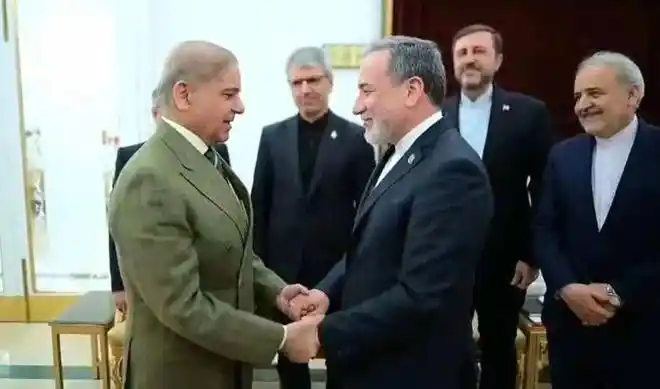
On April 25, 2026, Pakistani Prime Minister Shehbaz Sharif (left) held talks with Iranian Foreign Minister Araghchi in Islamabad, the capital of Pakistan. Photo provided by the Pakistani Prime Minister's Office.

Third, to provide Iran with a new source of income. Statistics show that if Iran charges $1 per barrel of oil passing through the Strait of Hormuz, based on pre-conflict traffic volumes, Iran would earn over $7.7 billion annually. International舆论 believes this could become an important funding source for Iran to resist U.S.-Western blockade and conduct post-war reconstruction. Requiring priority payment in rials is to avoid restrictions on toll revenue by the U.S. dollar system.

Can It Be Implemented?

Regarding follow-up procedures, Saidi said the plan has been submitted to the National Security Committee of the Iranian Islamic Parliament. Once the plenary session resumes, it will be submitted to the presidium and reviewed at the plenary session. The plan may also be approved and issued by the Supreme National Security Council.

In this regard, Abdul Aziz Shabani, a researcher at the Riyadh Center for Political and Strategic Studies, analyzed that approval by the plenary session would赋予 the plan formal legal attributes, but the process is complex and more likely to provoke international opposition. Approval and issuance by the Supreme National Security Council is a more flexible and faster path, also便于 adjustments based on developments.

However, Shabani believes that from a practical perspective, implementing comprehensive interception and charging for all vessels passing through the strait, given the high traffic volume and the presence of other countries' military forces, will be very difficult. Future implementation of the plan is more likely to be limited and selective.

At the same time, Iran's move is controversial under international law and has sparked considerable opposition. Iran's imposition of tolls on this critical maritime passage will inevitably increase transit time and costs for vessels, affecting the economies of many countries broadly. Many countries globally, including Gulf states, have expressed hope that the Strait of Hormuz remains畅通. The UK and France have previously led efforts to form a coalition attempting multinational actions to keep the strait open. If Iran强行 imposes fees, it may face international pressure and diplomatic被动.

Additionally, the United States is countering by blockading Iranian ports and vessels. The U.S. has clearly stated it will never allow Iran to permanently control the strait or establish a toll system. If the blockade continues, causing Iran's oil storage facilities to reach capacity, Iran may be forced to halt production, which could cause significant damage to its oil extraction infrastructure. The U.S. has also threatened to intercept and inspect all vessels paying tolls to Iran in international waters. This could result in no vessels passing through the strait and Iran receiving no toll revenue.

Of course, the U.S. blockade of Iran comes at a great cost, and the longer it lasts, the more it could affect the Republican Party's midterm election prospects. The U.S. may not be able to sustain it for very long. Iran might also use the toll proposal merely as a bargaining chip in negotiations with the U.S. to exchange for interests,未必 strongly pushing for implementation. Therefore, whether this plan will be implemented and to what extent remains uncertain.


Trending Cryptos

Related Questions

QWhat are the main purposes behind Iran's proposed comprehensive plan to manage the Strait of Hormuz?

AIran's plan aims to increase pressure on the United States and Israel, secure a new stable source of income through transit fees, and leave room for potential negotiations with the U.S., particularly by using passage rights as a bargaining chip.

QWhat specific measures does Iran's proposed plan include for the Strait of Hormuz?

AThe plan includes asserting full Iranian sovereignty over the strait, requiring vessels to obtain Iranian permission for passage, imposing fees for safety and environmental management, absolutely banning Israeli ships, and conditioning passage for countries that have caused losses to Iran on prior compensation agreements.

QWhat challenges does Iran face in implementing its plan to control the Strait of Hormuz?

AImplementation faces practical difficulties due to high traffic and foreign military presence, international opposition and legal controversies, countermeasures from the U.S. including blockades and threats to intercept paying vessels, and potential diplomatic isolation.

QHow might the international community, particularly the U.S., respond to Iran's attempt to charge fees in the Strait of Hormuz?

AThe U.S. has explicitly opposed the plan, implementing blockades against Iranian ports and threatening to intercept any vessels that pay fees to Iran. Other countries, including Gulf states and European nations like the UK and France, have also opposed the move and are working to keep the strait open.

QWhat potential economic benefits does Iran hope to gain from charging transit fees in the Strait of Hormuz?

AIran estimates that charging $1 per barrel of oil transported through the strait could generate over $7.7 billion annually, providing a significant source of income to resist Western sanctions and fund post-war reconstruction, while preferring payment in rials to avoid dollar system restrictions.

Related Reads

After Three Consecutive Quarters of Decline, Can the Crypto Market Find a Window for Stabilization in Q3?

The cryptocurrency market has just concluded its worst-performing quarter since 2022, with total capitalization dropping 12.6% to $2.1 trillion. All core metrics indicate capital is leaving the sector, not just rotating within it. Bitcoin fell 14.2% and Ethereum dropped 25.4% in Q2, breaking their previous correlation with US tech stocks. A key driver is the reversal in US spot Bitcoin ETF flows, which saw a net outflow of approximately $4.67 billion in Q2, including a record monthly outflow near $4.5 billion in June. While recent data suggests long-term holders are accumulating again, sustained ETF outflows mean continued selling pressure. Market focus is now singularly on the Federal Reserve. The upcoming July FOMC meeting is seen as the most critical event for Q3. A dovish signal could support Bitcoin reclaiming a $68,000-$84,000 range, while a hawkish stance might establish a new trading band around $50,000-$56,000. Additionally, regulatory uncertainty persists, with the progress of the crucial *CLARITY Act* stalling in the Senate, reducing its perceived 2026 passage probability to 40-45%. Despite the broad downturn, a few sectors showed growth. Prediction markets saw nominal volume surge 48.7% year-over-year to $113.8 billion, and tokenized collectibles transaction volume rose 143% quarterly to $1.4 billion. The Real-World Asset (RWA) tokenization sector also continued steady growth, now representing ~$28.1 billion in on-chain value. The market's foundation for an extreme crash appears limited, with Bitcoin price hovering near its 200-week moving average. However, the trading paradigm has shifted from narrative-driven speculation to decisions based on price action, policy developments, and interest rate expectations, making a broad sentiment-driven rally unlikely in the near term.

marsbitYesterday 08:36

After Three Consecutive Quarters of Decline, Can the Crypto Market Find a Window for Stabilization in Q3?

marsbitYesterday 08:36

BIT Trading Moment: BTC Still Suppressed by Weekly 200 EMA, Rejection May Restart Decline; Storage and Semiconductors that Surged Last Night Begin Falling in Evening Trading

**Crypto & Stock Market Wrap: Bitcoin Tests Resistance, Stocks Retreat After AI Surge** Bitcoin consolidates around $66,000, facing key resistance near $68,000—an area seen as a major psychological and technical hurdle where previous rallies have failed. Analysts note the cryptocurrency is caught between its 200-week moving average (~$63,333) and 200-week EMA (~$68,328). A clear break above $68k is needed to signal a stronger bullish trend, while a rejection could lead to a retest of $63k support. Market sentiment remains cautious, with low futures open interest pointing to a low-liquidity rebound rather than a full bull market. Bitcoin spot ETFs saw another $203 million inflow. US stock futures pointed lower after a strong Tuesday session led by a massive rebound in semiconductors and memory stocks. The rally was fueled by renewed optimism about AI-driven hardware demand, with Micron, SanDisk, and SK Hynix surging. However, those gains reversed in pre-market trading. Super Micro Computer (SMCI) soared over 20% after hours on strong guidance and a record backlog. Other standouts included Rocket Lab and nuclear energy plays Oklo and X-Energy. Rising oil prices (Brent above $91) and climbing Treasury yields (10-year near 4.64%), however, are reigniting inflation concerns and acting as a headwind for equities. In Asia, markets were mixed. South Korea's KOSPI pared early gains to close slightly higher as semiconductor stocks like SK Hynix gave back initial surges. Japan's Nikkei edged lower as the yen hit a fresh 38-year low against the dollar, raising fears of potential market intervention. Key events to watch include the Samsung Galaxy launch, AMD's AI event, and a slew of major tech earnings from Alphabet, Tesla, and IBM after the close on Wednesday, followed by the ECB meeting and Intel's earnings on Thursday.

marsbitYesterday 08:28

BIT Trading Moment: BTC Still Suppressed by Weekly 200 EMA, Rejection May Restart Decline; Storage and Semiconductors that Surged Last Night Begin Falling in Evening Trading

marsbitYesterday 08:28

Former CFTC Chairman, Circle President Tarbert: Preaching Long-Termism While Cashing Out $30 Million Himself

Former CFTC Chairman and Circle President Heath Tarbert has consistently advocated for a long-term vision in public, urging patience from investors as Circle’s stock price has fallen significantly from its peak. However, it has been revealed that since Circle’s IPO, Tarbert has continuously sold his CRCL shares through pre-arranged trading plans, cashing out approximately $30 million, without making any public market purchases. This contrast between his public messaging and personal actions has drawn criticism. Tarbert joined Circle in July 2023 as Chief Legal Officer, leveraging his regulatory experience to help guide the company through its IPO and expansion. Despite promoting stablecoins as long-term infrastructure, he established a 10b5-1 trading plan just before Circle went public, leading to substantial stock sales over the following year. In March 2026, he initiated another plan to sell more shares. His career trajectory highlights a pattern of moving between high-level regulatory roles and influential positions in the financial sector. After resigning as CFTC Chairman in early 2021, he joined Citadel Securities as Chief Legal Officer just 27 days later, during a period of intense regulatory scrutiny for the firm. He later joined Circle, aiding its efforts to navigate regulatory challenges for its public listing. While Tarbert's expertise in policy and compliance is valuable to companies like Circle, his actions—advocating long-term confidence while personally divesting—raise questions about the alignment between his public statements and his private financial decisions, leaving investors who followed his advice to bear the market risks.

marsbitYesterday 08:06

Former CFTC Chairman, Circle President Tarbert: Preaching Long-Termism While Cashing Out $30 Million Himself

marsbitYesterday 08:06

Gate Research Institute: The 'Wall Street-ization' Wave of Crypto Financial Products – Competition or Integration?

The article titled "Gate Research Institute: Are Crypto Financial Products Sparking a 'Wall Street' Wave—Competition or Convergence?" explores the evolving relationship between the crypto ecosystem and traditional finance (TradFi). The piece begins by reflecting on Bitcoin's original 2009 vision of decentralization, disintermediation, and moving away from banks. It then contrasts this with the 2024 landscape, where key crypto assets like Bitcoin are increasingly held through Wall Street products like ETFs issued by giants like BlackRock. The article questions whether this signifies that TradFi is systematically taking over the rights to issue, price, custody, and distribute crypto financial assets. The core argument is that this is not a zero-sum takeover but rather a bidirectional convergence where each side addresses the other's weaknesses. Crypto offers 24/7 global markets, programmable settlement, and open access but lacks compliant channels, institutional-grade custody, deep fiat liquidity, and mainstream distribution. TradFi possesses these but is constrained by legacy systems, limited operating hours, and slow settlement. Two primary convergence paths are highlighted: * **Path A (CEX to TradFi):** Exemplified by Gate, which has progressed from offering tokenized stocks and CFDs to providing direct, real stock trading (US, Hong Kong, South Korea) within its platform, using USDT. * **Path B (TradFi to Crypto):** Exemplified by Robinhood, which has integrated crypto trading, acquired exchanges like Bitstamp, and is moving traditional assets like stocks onto the blockchain via tokenization and its own Layer 2. Both paths are ultimately competing to become the next-generation, unified financial account—a "super account" where users can seamlessly trade cryptocurrencies, stocks, ETFs, RWA (Real World Assets), and tokenized treasury products in one interface. The growth of RWA and tokenized treasuries (e.g., BlackRock's BUIDL) is presented as the asset-layer fusion, providing stable, yield-bearing assets on-chain and acting as a bridge between the two worlds. In conclusion, the "Wall Street-ization" of crypto is framed as a mutual transformation. Decentralized ideals persist in the protocol layer, while at the application layer, a more efficient, global, and accessible unified capital market is emerging from this convergence. The future competition lies not between crypto exchanges and stockbrokers, but between platforms vying to offer the most comprehensive asset coverage, liquidity, and user experience within a single account.

marsbitYesterday 08:01

Gate Research Institute: The 'Wall Street-ization' Wave of Crypto Financial Products – Competition or Integration?

marsbitYesterday 08:01

Trading

Spot

Hot Articles

Discussions

Welcome to the HTX Community. Here, you can stay informed about the latest platform developments and gain access to professional market insights. Users' opinions on the price of S (S) are presented below.

活动图片