What happened in crypto today – Surging ETF inflows, XRP’s morning dumps, & more

ambcryptoPubblicato 2026-03-16Pubblicato ultima volta 2026-03-16

Introduzione

BlockFills filed for Chapter 11 bankruptcy, revealing liabilities of up to $500 million against assets of only $50–100 million, highlighting severe liquidity stress in crypto lending. The firm absorbed $75 million in bad debt after Bitcoin's sharp decline triggered margin call failures. Meanwhile, institutional capital is shifting toward regulated crypto ETFs, with Bitcoin ETFs seeing $767.3 million in net inflows—dominated by BlackRock’s IBIT—and Ethereum ETFs adding $160.8 million. In XRP markets, a recurring "10 AM dump" pattern faded over the weekend, suggesting a potential reduction in algorithmic selling pressure. These trends point to structural vulnerabilities in crypto credit and growing institutional preference for ETF exposure.

BlockFills filed for Chapter 11 on the 15th of March, revealing liabilities between $100 million and $500 million against assets of only $50–$100 million.

This imbalance exposed severe liquidity stress. Pressure intensified earlier when Bitcoin [BTC] plunged from $97,000 to below $64,000 during February’s “Black Storm.”

As prices collapsed, institutional borrowers failed to meet margin calls. BlockFills then absorbed roughly $75 million in bad debt from these defaults.

Meanwhile, the firm had halted withdrawals on the 11th of February, signaling depleted liquidity buffers. Legal pressure soon compounded the crisis as Dominion Capital alleged misuse of customer assets.

These events reveal structural weaknesses in centralized crypto lending. When collateral values fall faster than liquidations execute, balance sheets quickly unravel.

As liquidity providers disappear, market depth thins, slippage rises, and institutional trust across crypto credit markets weakens further.

Institutional capital shifts toward crypto ETFs

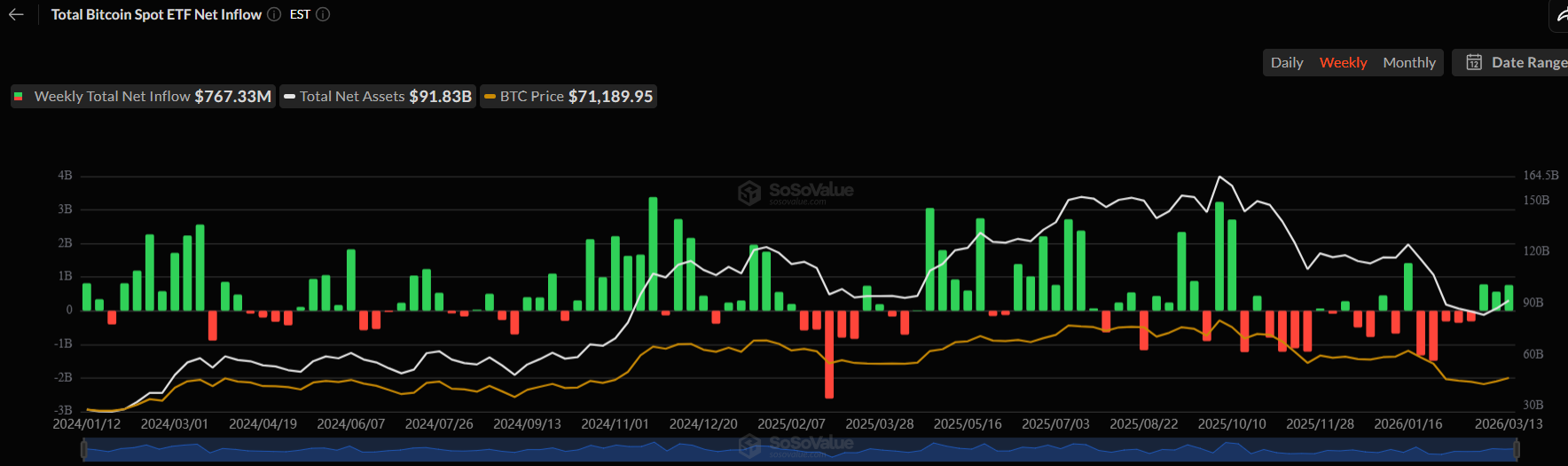
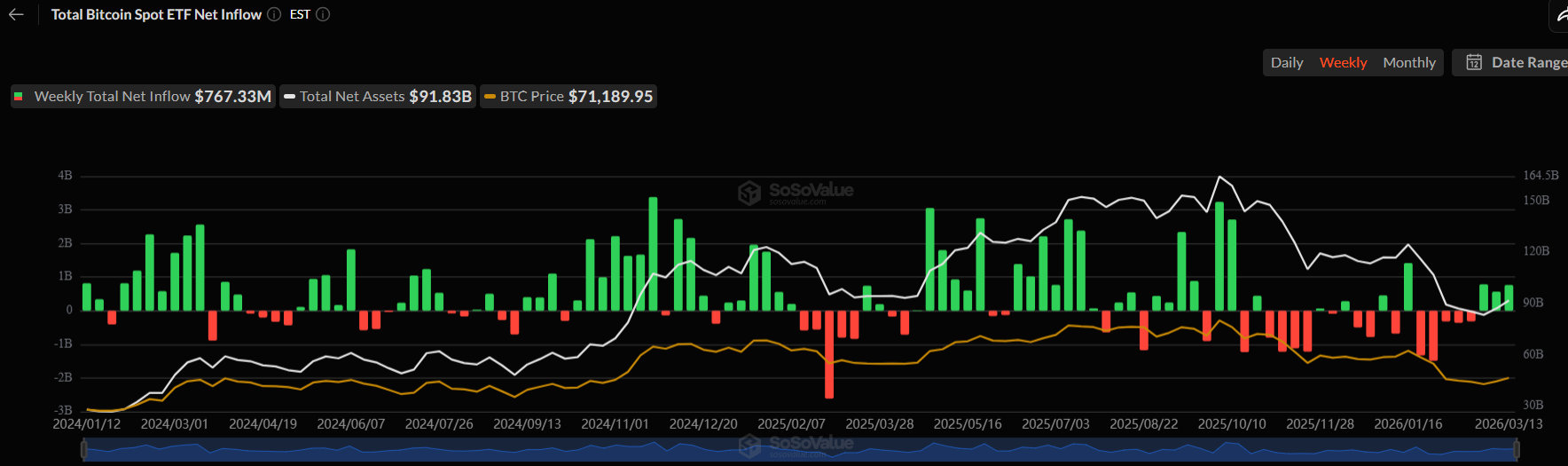
Institutional capital continues flowing through regulated crypto ETFs even as credit markets face strain. Over the past week, Bitcoin ETFs recorded $767.3 million in net inflows.

Approximately over $600 million of that capital was drawn to BlackRock’s IBIT, which dominated activity.
Source: SoSoValue

In contrast, Grayscale’s GBTC saw a $25.9 million exit, highlighting continued capital rotation. As Bitcoin [BTC] demand strengthens through ETFs, Ethereum funds also record steady accumulation.

Ethereum ETFs added $160.8 million in net inflows, reflecting steady institutional demand as investors continued reallocating exposure across different Ethereum investment products.

Beyond ETF flows, the Ethereum Foundation moved $10 million in ETH after initiating its first staking activity weeks earlier.

These developments signal that big investors prefer safer options, as ETFs are becoming more popular than riskier lending methods to access the crypto market.

Jane Street’s playbook echoes in XRP markets

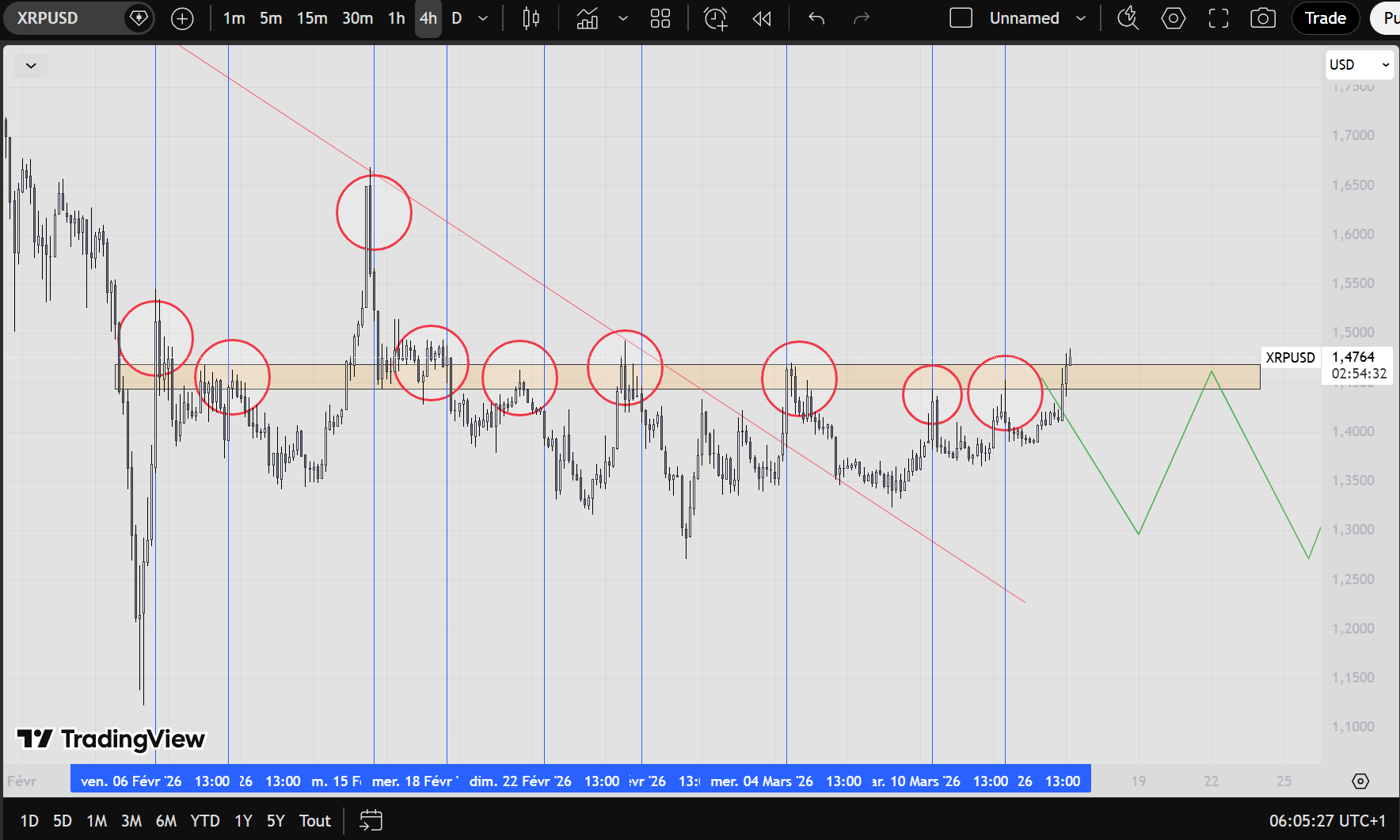
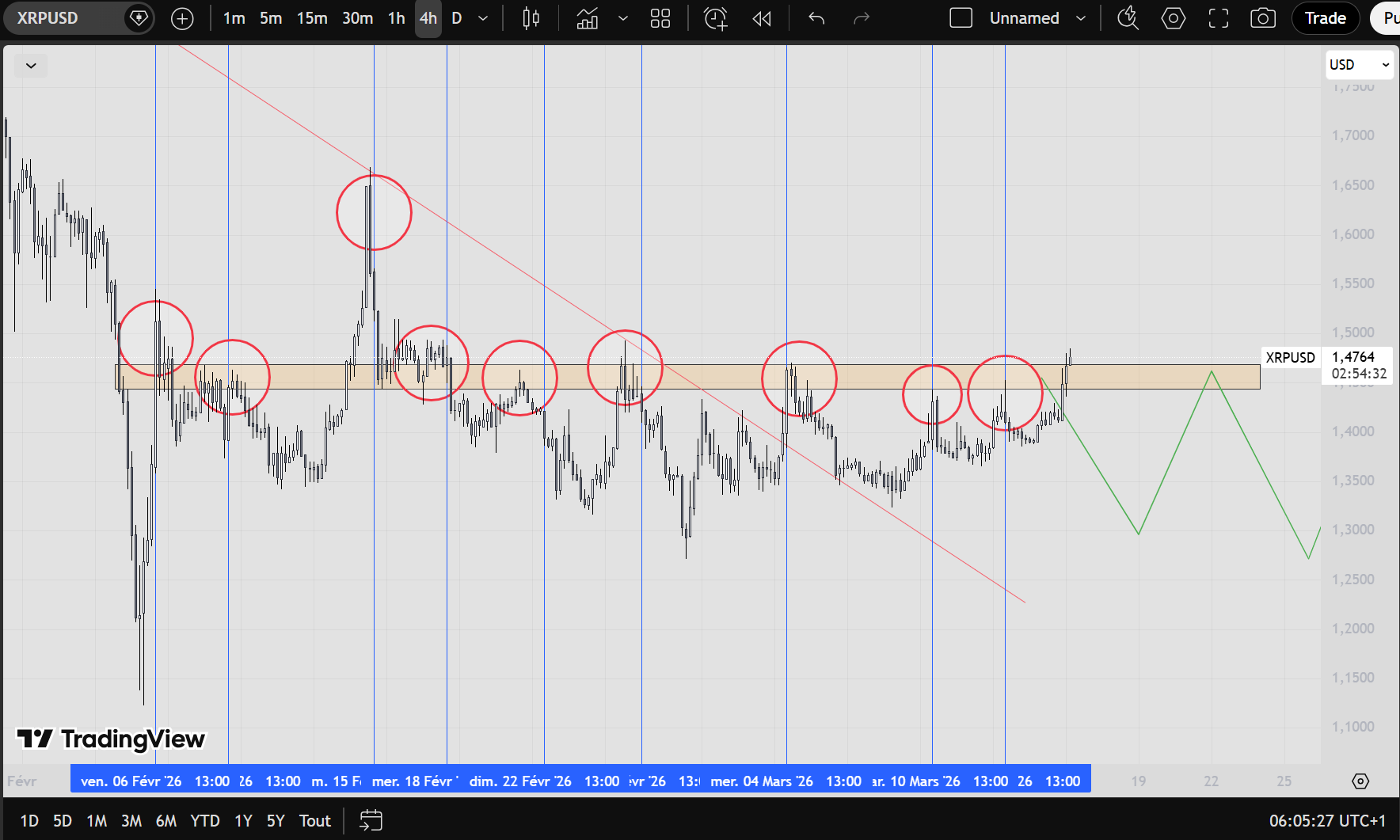
Over the weekend, Ripple [XRP] climbed from $1.41 to nearly $1.48 without a familiar rejection. This shift stood out because analyst ArthurXRP had earlier identified a recurring pattern.

In prior sessions, XRP repeatedly rallied toward the $1.48 resistance during off-hours trading.

Soon after, sharp selling pressure often appeared near the 10 AM EST U.S. market opening. Each rejection pushed the price back toward the $1.40–$1.42 range, reinforcing the ceiling.
Source: ArthurXRP/X

This behavior closely mirrors the “vanishing volatility” episode tied to the Jane Street controversy in early 2026. For months, crypto markets experienced a clockwork “10 AM dump,” widely attributed to institutional algorithmic flows.

Investigations alleged a “morning pump, afternoon dump” strategy used to profit from derivatives positioning. Yet as regulatory scrutiny intensified, the pattern abruptly faded.

Such dynamic hedge algorithms often create structured flows. When these systems pause, the selling pressure disappears. XRP’s weekend breakout therefore hints that institutional liquidity mechanisms may have temporarily stepped back.


Final Summary

  • Bitcoin’s market stress exposed structural fragility in centralized crypto lending after BlockFills’ collapse revealed liquidity mismatches and rising counterparty risk.
  • Ethereum reflects shifting institutional behavior as ETF inflows grow, while XRP’s disrupted sell pattern hints at fading algorithmic pressure.


Crypto di tendenza

Domande pertinenti

QWhat were the main reasons behind BlockFills filing for Chapter 11 bankruptcy?

ABlockFills filed for Chapter 11 due to severe liquidity stress, with liabilities between $100 million and $500 million against assets of only $50–$100 million. This imbalance was exacerbated by Bitcoin's price plunge from $97,000 to below $64,000, causing institutional borrowers to default on margin calls and resulting in approximately $75 million in bad debt. The firm had also halted withdrawals, signaling depleted liquidity, and faced legal pressure over alleged misuse of customer assets.

QHow did Bitcoin and Ethereum ETFs perform in terms of institutional inflows recently?

ABitcoin ETFs recorded $767.3 million in net inflows over the past week, with over $600 million drawn to BlackRock's IBIT. In contrast, Grayscale's GBTC saw a $25.9 million outflow. Ethereum ETFs added $160.8 million in net inflows, reflecting steady institutional demand and a shift toward safer investment products like ETFs rather than riskier lending methods.

QWhat pattern did analyst ArthurXRP identify in XRP's price movement, and how did it relate to Jane Street's controversy?

AArthurXRP identified a recurring pattern where XRP rallied toward $1.48 during off-hours trading but faced sharp selling pressure near 10 AM EST, pushing the price back to the $1.40–$1.42 range. This behavior mirrored the '10 AM dump' pattern from the Jane Street controversy in early 2026, which was attributed to institutional algorithmic flows. The weekend breakout suggested a temporary step back from these liquidity mechanisms.

QWhat structural weaknesses in centralized crypto lending were revealed by BlockFills' collapse?

AThe collapse revealed that when collateral values fall faster than liquidations can execute, balance sheets quickly unravel. This leads to liquidity providers disappearing, market depth thinning, slippage rising, and institutional trust in crypto credit markets weakening further, highlighting the fragility of centralized lending models under stress.

QHow did the Ethereum Foundation's activity reflect broader institutional trends in the crypto space?

AThe Ethereum Foundation moved $10 million in ETH after initiating its first staking activity, signaling alignment with institutional trends favoring safer, regulated options like ETFs. This, combined with steady ETF inflows, indicates a shift away from riskier lending methods toward more secure and transparent investment vehicles.

Letture associate

In Conversation with Ray Dalio: We Are Currently in an AI Bubble, with 1% of My Portfolio in Bitcoin

Ray Dalio, founder of Bridgewater Associates, warns in an interview that the current AI boom shows classic bubble characteristics, which could lead to significant economic downturns as seen in past cycles like 1929 or 2000. He explains that speculative enthusiasm, fueled by debt and overvaluation, often precedes a crash when rising rates or taxation force asset sales, causing widespread losses and recession. Dalio also outlines his "Big Cycle" theory, describing an approximate 80-year pattern where widening wealth gaps, massive government deficits, and shifting geopolitical power (like China's rise) create internal conflict and global instability. He emphasizes that we are in a late-cycle, transitional phase where traditional powers like the US and UK face decline. For personal wealth protection, Dalio advises diversification beyond cash into assets like stocks, bonds, real estate, and particularly gold, which he prefers over Bitcoin. While he holds about 1% of his portfolio in Bitcoin as a non-printable hard asset, he views gold as more secure from technological or governmental threats. Regarding AI's impact, Dalio believes it will disproportionately benefit capital owners, worsening inequality by replacing both physical and cognitive labor. He suggests that human intuition and emotional intelligence, combined with AI, will be key for future workers. On taxation, Dalio argues that wealth taxes are impractical and risk triggering asset sell-offs, reducing productive investment. He points to the UK as a cautionary example of debt, low productivity, and political strife. Geopolitically, Dalio foresees a more regionalized world, with the US showing weakness in prolonged conflicts like with Iran, akin to past imperial declines. The ideal outcome, he suggests, is coexisting powerful blocs (e.g., Americas, China-Asia Pacific) without major war.

marsbit2 h fa

In Conversation with Ray Dalio: We Are Currently in an AI Bubble, with 1% of My Portfolio in Bitcoin

marsbit2 h fa

Daily 7.2 Trillion KRW: Foreign Capital's Record Net Buying on Friday! Wall Street Says Headwinds for Korean Stock Fund Flows Have Subsided

South Korean stock market sees a dramatic shift in fund flows. On July 31, foreign investors made a record net purchase of approximately KRW 7.2 trillion in KOSPI stocks, marking a fundamental reversal from the persistent large-scale net outflows seen in previous months. This contributed to a significant narrowing of foreign net selling in July to KRW 9.8 trillion, down sharply from KRW 48.4 trillion in June and KRW 44.5 trillion in May. Simultaneously, domestic institutional pressure eased. South Korean pension funds and asset managers turned to a net buying position in July, purchasing KRW 1.0 trillion worth of KOSPI shares, contrasting with net sales in May and June. Market volatility is expected to be dampened by new financial regulations. Effective July 31, the Financial Services Commission tightened access for retail investors to single-stock leveraged ETFs by raising the minimum cash deposit requirement. Trading volumes for these products subsequently dropped to about 50% of their monthly average. Citigroup Research maintains its year-end KOSPI target of 10,000 points. The firm cites several supportive factors: the substantial easing of headwinds from capital outflows, a robust fundamental outlook for the semiconductor sector, historically low market valuations, strong economic fundamentals, and the potential for policy support from financial authorities if needed.

marsbit2 h fa

Daily 7.2 Trillion KRW: Foreign Capital's Record Net Buying on Friday! Wall Street Says Headwinds for Korean Stock Fund Flows Have Subsided

marsbit2 h fa

Thanks to Dice Rolls, Bitcoin Keys Are Stored Offline, But Not Everyone Will Do It

The article discusses using dice rolls to generate secure Bitcoin wallet seeds, providing entropy independent of potentially flawed hardware random number generators. It explains that each fair dice roll offers about 2.585 bits of entropy, with around 50 rolls needed for a standard 12-word seed phrase and 99+ recommended for higher security. This method gained attention after a vulnerability was revealed in some Coldcard hardware wallets, where a faulty firmware RNG (dating back to 2021) compromised generated keys. The analysis notes that while a dice-generated main seed was safe from this specific flaw, other Coldcard functions (like creating paper wallets, backup keys, or passwords) could still be vulnerable if they used the defective RNG. The piece argues that while dice-based entropy is technically robust, the manual process is error-prone, tedious, and unrealistic for most new users, who might make mistakes in recording or inputting rolls. It concludes that while manual entropy generation should remain an option for advanced users, the long-term goal is to develop reliable, user-friendly hardware and software that securely generates randomness without requiring specialized knowledge. Coldcard users are advised to check their firmware version and replace any secondary secrets (like paper wallet keys) created with vulnerable devices, while also considering multi-signature setups with devices from different manufacturers for added security.

cryptonews.ru7 h fa

Thanks to Dice Rolls, Bitcoin Keys Are Stored Offline, But Not Everyone Will Do It

cryptonews.ru7 h fa

Trading

Spot

Articoli Popolari

Cosa è XRP 2.0

XRP 2.0: Una Nuova Frontiera nel Paesaggio delle Criptovalute Introduzione a XRP 2.0 Nel mondo in continua evoluzione delle criptovalute, nuovi progetti emergono continuamente, cercando attenzione e adozione. Una tale iniziativa promettente è XRP 2.0, un nuovo progetto di criptovaluta progettato per sfruttare avanzate tecnologie blockchain e metodologie di crittografia robuste. Anche se il nome richiama alla mente l'XRP di Ripple, è fondamentale notare che XRP 2.0 opera in modo indipendente, concentrandosi sul miglioramento della sicurezza delle transazioni, della privacy e della scalabilità. Mentre il panorama finanziario digitale abbraccia sempre di più soluzioni decentralizzate, XRP 2.0 mira a contribuire in modo significativo al web3 e all'espansione generale dei progetti crypto. Cos'è XRP 2.0? Alla sua base, XRP 2.0 è un progetto di criptovaluta che mira a creare un ecosistema di valuta digitale sicuro e decentralizzato. La sua tecnologia fondamentale integra principi di blockchain sofisticati con tecniche di crittografia all'avanguardia. L'obiettivo principale di XRP 2.0 è quello di affermarsi come una piattaforma affidabile ed efficiente in grado di consentire un'esecuzione rapida delle transazioni, dando priorità a migliori protezioni della privacy per i suoi utenti. Il progetto è promosso come una soluzione a molte limitazioni affrontate dalle criptovalute esistenti, proponendo un sistema in grado di gestire un volume maggiore di transazioni con migliorata velocità e privacy. Questa versatilità pone XRP 2.0 come un significativo competitor in un mercato affollato di varie valute digitali. Chi è il Creatore di XRP 2.0? L'identità del creatore dietro XRP 2.0 è stata segnalata come 'Wilbur'. Tuttavia, i dettagli completi riguardanti Wilbur o l'entità associata rimangono sfuggenti. L'anonimato di molti creatori di criptovalute non è un fenomeno raro nel settore, spesso progettato per mantenere un certo grado di privacy e sicurezza. Chi sono gli Investitori di XRP 2.0? Al momento, informazioni specifiche relative alle fondazioni o organizzazioni di investimento a supporto di XRP 2.0 non sono disponibili pubblicamente. Nel settore delle criptovalute, il supporto di investitori rinomati può influenzare significativamente la credibilità e il successo di un progetto, tuttavia la trasparenza riguardo ai sostenitori finanziari di XRP 2.0 non è stata stabilita. Come Funziona XRP 2.0? XRP 2.0 si distingue per l'impiego di una combinazione di tecnologia blockchain e algoritmi di crittografia avanzati che garantiscono transazioni sicure e decentralizzate. La sua struttura innovativa include caratteristiche uniche progettate per promuovere il coinvolgimento degli utenti e ampliare le funzionalità oltre le transazioni convenzionali delle criptovalute. Tra queste caratteristiche, XRP 2.0 incorpora capacità alimentate da intelligenza artificiale, come funzionalità di testo in immagini e testo in voce. Queste aggiunte sono progettate per migliorare l'esperienza interattiva per gli utenti, promuovendo una maggiore applicabilità in vari settori. Unendo progressi tecnologici con design incentrati sugli utenti, XRP 2.0 mira a catturare l'attenzione di una vasta gamma di individui e aziende che cercano di integrare soluzioni di criptovaluta nei loro framework operativi. Cronologia di XRP 2.0 Comprendere XRP 2.0 richiede di esaminare i traguardi che hanno definito il suo percorso fino ad ora: 23 luglio 2023: XRP 2.0 viene introdotto come un nuovo progetto di criptovaluta, mirante a rivoluzionare le capacità di transazione sicura e decentralizzata nel dominio blockchain. 8 settembre 2023: Si verifica il lancio di un altro progetto, XRP20, marcando l'emergere di un token ERC-20 sulla blockchain di Ethereum che resta non correlato a XRP 2.0. 13 novembre 2023: Il ledger XRP subisce un significativo aggiornamento con il rilascio della versione 2.0.0 del software server rippled. È essenziale notare che questo sviluppo è scollegato dal progetto di criptovaluta XRP 2.0. Punti Chiave su XRP 2.0 Per distillare l'essenza di XRP 2.0, emergono diversi fattori critici: Caratteristiche Uniche: L'inclusione di funzionalità come il testo in immagini e testo in voce alimentato da intelligenza artificiale diversifica ulteriormente le potenziali applicazioni di XRP 2.0. Tecnologia Blockchain: Il framework utilizza meccanismi blockchain avanzati e protocolli di crittografia, garantendo un ambiente sicuro e decentralizzato per le transazioni. Scalabilità e Privacy: XRP 2.0 dà priorità a migliori protezioni della privacy nei processi di transazione e alla scalabilità necessaria per accogliere una base di utenti in crescita. Nessuna Affiliazione con Ripple: È importante notare che, nonostante il suo nome, XRP 2.0 non ha alcuna fedeltà o collaborazione con l'XRP di Ripple, distinguendo il proprio framework operativo e obiettivi all'interno dell'ecosistema delle criptovalute. Conclusione XRP 2.0 rappresenta un'ambiziosa venture nell'ambito delle criptovalute, mirante a offrire una combinazione di sicurezza, privacy ed efficienza nelle transazioni digitali. Integrando tecnologie sofisticate e caratteristiche user-friendly, il progetto si propone di ampliare gli orizzonti di ciò che le criptovalute possono realizzare nell'economia digitale odierna. Sebbene l'anonimato del suo creatore e la mancanza di investitori dichiarati possano sollevare domande per alcuni, il focus di XRP 2.0 su funzionalità avanzate e decentralizzazione ne amplifica l'appeal in un mercato crypto sempre più affollato. Man mano che il panorama delle criptovalute continua a evolversi, XRP 2.0 potrebbe emergere come un attore decisivo nell'espansione di soluzioni blockchain sicure e scalabili.

231 Totale visualizzazioniPubblicato il 2024.04.05Aggiornato il 2024.12.03

Cosa è XRP 2.0

Come comprare XRP

Benvenuto in HTX.com! Abbiamo reso l'acquisto di XRP (XRP) semplice e conveniente. Segui la nostra guida passo passo per intraprendere il tuo viaggio nel mondo delle criptovalute.Step 1: Crea il tuo Account HTXUsa la tua email o numero di telefono per registrarti il tuo account gratuito su HTX. Vivi un'esperienza facile e sblocca tutte le funzionalità,Crea il mio accountStep 2: Vai in Acquista crypto e seleziona il tuo metodo di pagamentoCarta di credito/debito: utilizza la tua Visa o Mastercard per acquistare immediatamente XRPXRP.Bilancio: Usa i fondi dal bilancio del tuo account HTX per fare trading senza problemi.Terze parti: abbiamo aggiunto metodi di pagamento molto utilizzati come Google Pay e Apple Pay per maggiore comodità.P2P: Fai trading direttamente con altri utenti HTX.Over-the-Counter (OTC): Offriamo servizi su misura e tassi di cambio competitivi per i trader.Step 3: Conserva XRP (XRP)Dopo aver acquistato XRP (XRP), conserva nel tuo account HTX. In alternativa, puoi inviare tramite trasferimento blockchain o scambiare per altre criptovalute.Step 4: Scambia XRP (XRP)Scambia facilmente XRP (XRP) nel mercato spot di HTX. Accedi al tuo account, seleziona la tua coppia di trading, esegui le tue operazioni e monitora in tempo reale. Offriamo un'esperienza user-friendly sia per chi ha appena iniziato che per i trader più esperti.

1.7k Totale visualizzazioniPubblicato il 2024.12.10Aggiornato il 2026.06.02

Come comprare XRP

Discussioni

Benvenuto nella Community HTX. Qui puoi rimanere informato sugli ultimi sviluppi della piattaforma e accedere ad approfondimenti esperti sul mercato. Le opinioni degli utenti sul prezzo di XRP XRP sono presentate come di seguito.

活动图片













