U.S. Banks Push Congress to Restrict Stablecoins and Crypto Data Access

TheNewsCryptoPubblicato 2026-01-22Pubblicato ultima volta 2026-01-22

Introduzione

U.S. banks, led by the American Bankers Association (ABA), are urging Congress to impose restrictions on stablecoins and financial data access. They advocate for a ban on yield-bearing stablecoins, warning that such products could draw trillillions of dollars from bank deposits, reducing lending capacity and creating financial stability risks. Additionally, banks seek changes to Section 1033 banking rules to impose stronger liability rules and potential fees on data sharing, which currently allows users to connect bank accounts to crypto platforms. Crypto and fintech groups argue these efforts are anti-competitive, designed to protect banks from innovation, and could effectively kill open banking by blocking connections or charging fees. This dispute has delayed a key crypto market structure bill in the U.S. Senate.

The traditional banks in the U.S. are pushing the lawmakers to change the crypto rules that would limit the stablecoins and financial data sharing. This push was led by the American Bankers Association (ABA), which is the major group of U.S. banks.

Why Banks Want Stablecoin Yields Banned

ABA’s are demanding a ban on the stablecoin yield. They say that the yield-bearing stablecoins could pull money out of the banks’ deposits and reduce the banks’ ability to lend, which creates financial stability risks. Brian Moynihan, CEO of Bank of America, warns that “trillions of money” will move from banks into stablecoins if the yield is allowed.

In reply, Crypto and Fintech groups argue that this would protect banks from the competition and make the stablecoins less useful and lock innovations behind the bank-controlled products.

ABA is also pushing to change the banking rules of Section 1033, which allows users have the right to share their financial data with the apps they choose. Right now, under the existing rules, users can connect their bank accounts to crypto wallets, exchanges, stablecoin apps, and fintech tools. But Banks are opposing the current rules and need the stronger liability rules and potential fees or restrictions on data sharing.

Crypto and fintech groups warn that the banks could use these crypto rule changes in their favor by charging fees for the data access, block connections, and slowly kill the open banking without banning it right away.

Stablecoin Yield Dispute Delays Key U.S. Crypto Bill

These disagreements and debate slows the progress on a major crypto market structure bill in the U.S. Senate, which involves who regulates crypto, how the stablecoin works, and how crypto fits into traditional finance. The current debate on stablecoin yield and financial stability sharing has caused a delay in voting from the Senate Banking Committee, and the coinbase has withdrawn its support for the bill.

Overall, banks want to grow crypto under the banking system, but crypto firms prefer decentralization on digital assets, user access, and financial data.

Highlighted Crypto News:

Crypto Analyst Underlines Possible ETH Price High After Revised Monthly Projection
TagsbanksCryptoStablecoin

Letture associate

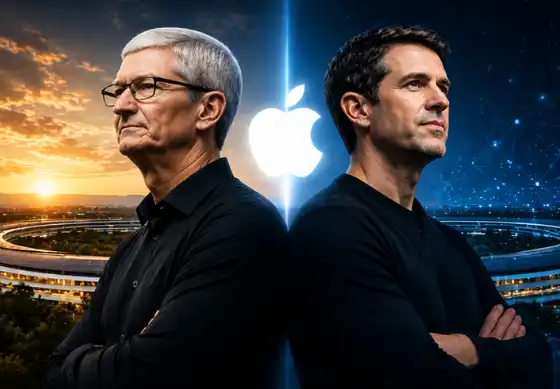
Cook's Curtain Call and Ternus Takes the Helm: The Disruption and Reboot of Apple's 4 Trillion Dollar Empire

Tim Cook has officially announced he will step down as CEO of Apple in September, transitioning to executive chairman after a 15-year tenure during which he grew the company’s market value from around $350 billion to nearly $4 trillion. He will be succeeded by John Ternus, a 50-year-old hardware engineering veteran who has been groomed for the role through increasing public visibility and internal responsibility. Ternus’s appointment signals a strategic shift toward hardware and engineering leadership, with Johny Srouji—head of Apple Silicon—taking on an expanded role as Chief Hardware Officer. This consolidation aims to strengthen Apple’s core technological capabilities. However, Cook’s departure highlights a significant unresolved issue: Apple’s delayed and fragmented approach to artificial intelligence. Despite early efforts, such as hiring John Giannandrea from Google in 2018, Apple’s AI initiatives—particularly around Siri—have struggled with internal restructuring and reliance on external partnerships, including with Google. The transition comes at a critical moment as Apple faces paradigm shifts with the rise of artificial general intelligence (ASI). The company’s closed ecosystem of hardware, software, and services—once a major advantage—now presents challenges in adapting to an AI-centric world where intelligence may matter more than the device itself. Ternus must quickly articulate a clear AI strategy, possibly starting at WWDC, to reassure markets and redefine Apple’s role in a new technological era. His task is not only to maintain Apple’s operational excellence but also to reinvigorate its capacity to innovate and lead in the age of AI.

marsbit46 min fa

Cook's Curtain Call and Ternus Takes the Helm: The Disruption and Reboot of Apple's 4 Trillion Dollar Empire

marsbit46 min fa

Trading

Spot
Futures
活动图片