Trump's First Year in Office: Memorable Moments and Controversies

marsbitPubblicato 2026-01-20Pubblicato ultima volta 2026-01-20

Introduzione

Donald Trump's first year in office (2026) was marked by a controversial foray into cryptocurrency. Shortly before his inauguration, a mysterious wallet purchased a newly created token, $TRUMP, just hours before he publicly announced it. The token's price skyrocketed, allowing early insiders to profit over $100 million, while 810,000 wallets, many belonging to new investors, lost a total of $2 billion. His family then launched "World Liberty Financial," a DeFi platform where they held a 60% stake, generating hundreds of millions from token sales and stablecoin interest. This created a system of "access capitalism," where investments bought proximity to power. Concurrently, Trump's administration dismantled regulatory oversight. The SEC chairman was replaced, numerous crypto lawsuits were dropped, and a key Justice Department crypto enforcement team was dissolved, clearing the path for his ventures. He also issued controversial pardons to convicted crypto figures like Ross Ulbricht (Silk Road) and Changpeng Zhao (Binance), while denying clemency to those who donated to Democrats, creating a clear "price list" for pardons. The article argues this constitutes a legalized, industrialized form of corruption, where rules are designed by the same people who profit from them. The system is not hidden but operates transparently on the blockchain, turning what Trump once called "air" into a multi-billion dollar enterprise, with ordinary investors acting as the fuel.

By Lin Wanwan @linwanwan823, Dongcha Beating

January 20, 2026 marks the first anniversary of Trump's official inauguration.

Rewind to 72 hours before the inauguration ceremony, an encrypted wallet with the code 6QSc2Cx began purchasing large amounts of a new token at 18 cents per coin. This token had been created just hours earlier with no public promotion.

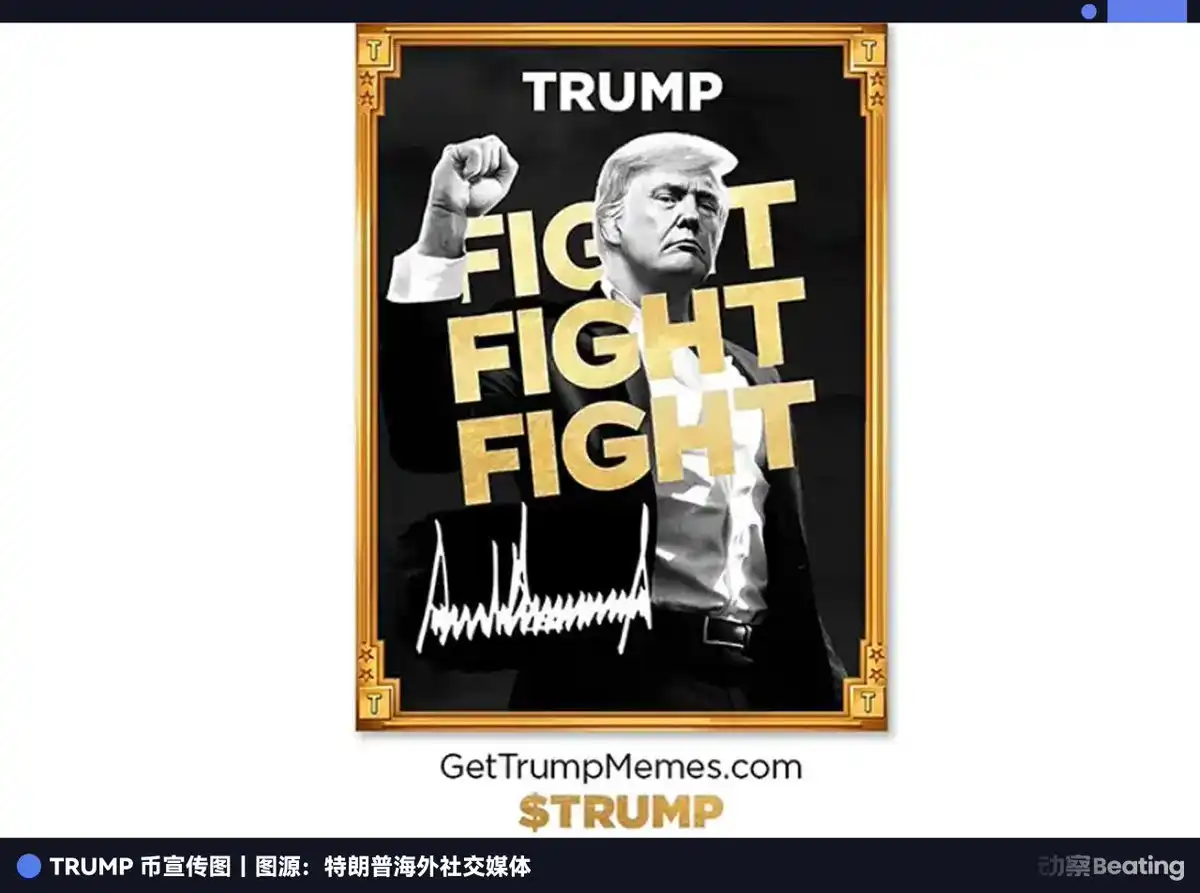
A few hours later, Trump announced on social media: he had issued a cryptocurrency named after himself, $TRUMP.

After the announcement, the token's price surged from under $1 to $75 within 48 hours. The wallet that entered early sold at the peak, making a profit of $109 million.

The New York Times commissioned an on-chain analysis company to track this and found that there was more than one such "mystery insider."

On the same day, an American truck driver using the online name Mike invested his daughter's entire college fund into TRUMP tokens. He posted on an overseas media platform: "The President won't let us lose money."

Three weeks later, he lost $47,000.

Six months later, the team that issued this token had cashed out over $1 billion.

Six years ago, Trump said: "Cryptocurrency is based on thin air." He was right. He just didn't complete the thought: how much that air is worth depends on who's selling it.

Appetizer

No one knows who they are on the other end of the wallet. No one knows how they knew in advance. But one thing is certain: when these people exited, another group was entering.

Chainalysis data shows that 810,000 wallets lost money on the TRUMP token, totaling over $2 billion. An average loss of $2,500 per person.

Nearly half of them were newcomers who had created their crypto wallets for the first time on the day the token was issued. They saw the news about the "President issuing a coin," downloaded the app, and transferred their savings.

Further analysis by Chainalysis showed that the average holding time for these new wallets was 47 hours. They bought near the peak and sold after the price had halved. On-chain data还原(reconstructed) a typical path: download App → deposit funds → buy → watch it rise → buy more → crash → sell at a loss → uninstall App. The entire process took less than a week.

Someone posted on Reddit: "I used my daughter's college fund." The top-voted reply under the post was: "Bro, the President won't let you lose money."

The President indeed didn't let everyone lose money; after all, many people made life-changing money that day. It's just that the majority weren't the ones making it.
Someone posted a rocket emoji on Twitter with the caption "TRUMP to the moon". Eleven days later, he posted again: "Had enough of this TRUMP garbage, sold it all."

When he sold, the token price was between $24 and $27. If he had held on for a few more months, he would have seen the price drop below $5, a decline of over 90% from its peak.

Meanwhile, the issuers of the $TRUMP token, two companies linked to the Trump family, earned over $320 million in transaction fees in the first year alone. This doesn't include the 800 million tokens they held, worth tens of billions of dollars at the issuance price.

The interesting part is the token's purchase terms. There was a line of fine print: purchasers agree to waive the right to participate in any class action lawsuits.

And another line: this token is "not an investment opportunity" and "is not related to any political activity or government position."

Translation: If you buy it and lose, you can't sue me. The money I make has nothing to do with me being President.

Main Course

$TRUMP was just the appetizer.

The real main course is called World Liberty Financial. This is a "decentralized financial platform" founded in September 2024 by the Trump family and several partners. The platform issued a governance token called WLFI and a stablecoin called USD1.

The equity structure is as follows: the Trump family holds 60%. 75% of the net income from token sales goes to the family. The reserve assets for the stablecoin USD1 are invested in U.S. Treasury bonds, generating about $80 million in annual interest, 75% of which also goes to the family.

In other words, this is not a project Trump "supports," nor is it a project Trump "endorses." This is a project directly owned by the Trump family from which they receive dividends.
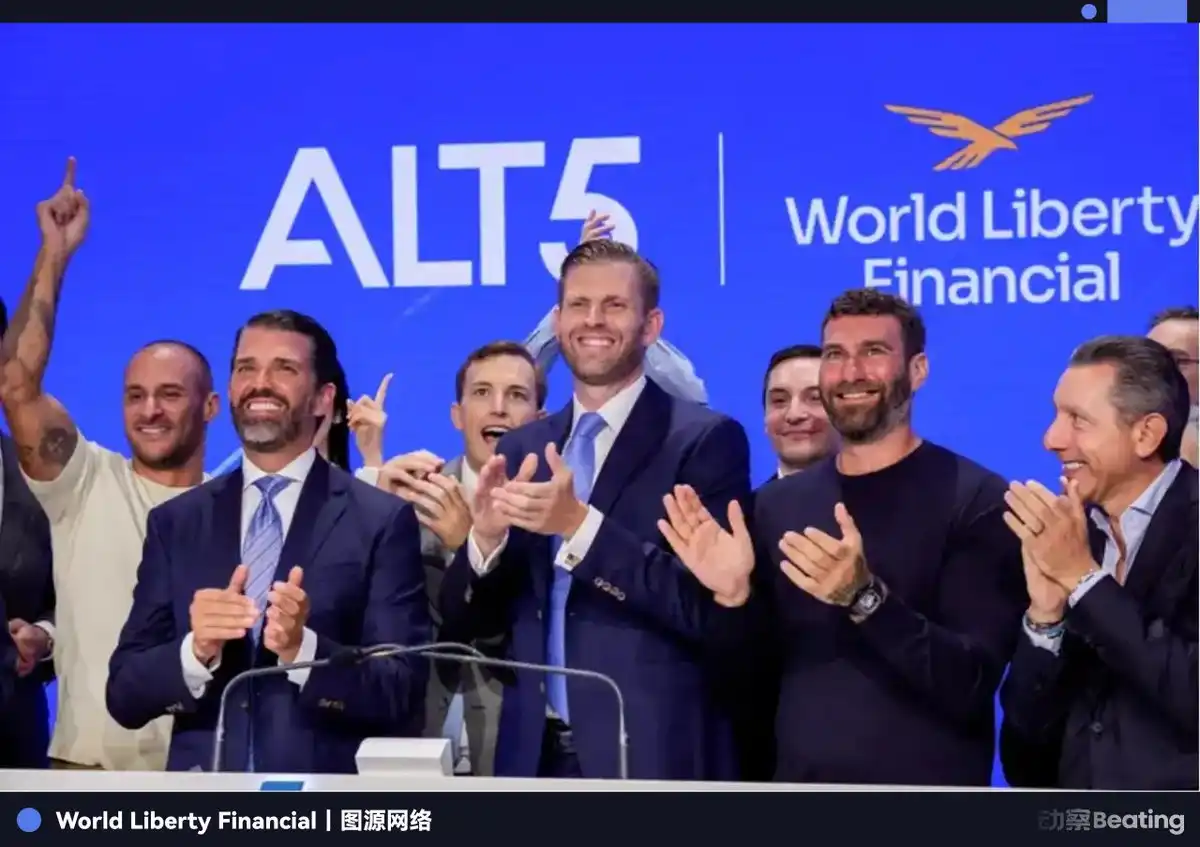
As of the end of 2025, World Liberty had raised over $550 million. The list of investors reads like an Interpol watch list:

MGX, the Abu Dhabi sovereign wealth fund, led by a member of the UAE royal family. In May 2025, it invested $2 billion worth of USD1 stablecoins in Binance. This means UAE government funds, through the stablecoin issued by the Trump family, flowed into the world's largest crypto exchange.

Why would these people put money into a crypto project owned by the family of a sitting U.S. President?

Reuters interviewed several investors and received strikingly consistent answers: "Proximity to the President."

There's an old Wall Street joke: How much is a round of golf with the President worth?

The answer: It depends on whether you're playing golf or paying legal fees.

World Liberty rewrote the answer to this joke. Now there's a clear price: WLFI tokens start at $250,000. "Platinum Seats" cost $1 million. "Founding Partners" cost $20 million.

You're not buying a token. You're buying a photo op, a dinner, a name to be remembered.

In political science, this is called "access capitalism." Previously, it was hidden in Super PACs, charity dinners, and lobbying firm invoices. Now it's written into smart contracts, traded 24/7, globally accessible.

The democratization of corruption.

A financial commentator put it more bluntly: "Eric Trump is in Dubai selling $20 million token packages while his father is simultaneously shaping U.S. crypto policy. You call this a business model? I call it a paid access lane."

Clearing the Field

But this paid access lane has one prerequisite: no one can be allowed to investigate.

So the first thing Trump did after taking office was to clear out everyone who might investigate him. The speed and efficiency were nothing short of artistic.

First: personnel purge.

On inauguration day, SEC Chairman Gary Gensler resigned. This "Crypto Hunter" had sued almost every major exchange during his tenure. His replacement, Paul Atkins, had previously served as an advisor to a crypto industry association.

The newly formed SEC "Crypto Task Force" was led by Hester Peirce, whose nickname in the industry is "Crypto Mom," known for years of opposing regulation.

Next followed: case clearance.

Cases from the Gensler era were dropped one after another. Coinbase case, dropped. Ripple case, dropped. Kraken case, dropped. OpenSea investigation, terminated. Uniswap investigation, terminated. Robinhood investigation, terminated.

The New York Times统计(statistics): The dismissal rate for SEC crypto cases was 33%, compared to 4% for other cases. This disparity is unprecedented in SEC history.

Finally: agency dissolution.

On April 7, 2025, Deputy Attorney General Todd Blanche signed a memorandum announcing the immediate dissolution of the "National Cryptocurrency Enforcement Team." This team, established in 2021, specialized in investigating crypto money laundering, hacking, and fraud.

Blanche wrote in the memo: "The Department of Justice is not a digital asset regulator."

What he didn't write: When he signed this memo, he personally held over $150,000 in crypto assets. Blanche was later questioned about this during congressional testimony. He said: "My crypto holdings were 'compliantly disclosed.'"

He was right. Disclosed, therefore compliant. Compliant, therefore not a conflict of interest.

This is the brilliance of this play: it doesn't need to hide conflicts of interest, it just needs to turn conflicts of interest into a form.

Within three months, the personnel were changed, the cases were dropped, and the investigating agencies were disbanded.

The referee didn't just join the game; the referee dismantled the playing field.

The Price List for Pardons

This business scheme was missing one last component: credibility.

For Trump's crypto empire to attract global funds, it needed to make those "with records" respectable again. They had money, resources, and connections, but their status was "convicted felons" or "indicted defendants."

What to do?

Pardons.

On January 21, 2025, Trump's second day in office, he signed the first crypto-related pardon. The pardoned individual was Ross Ulbricht, founder of the "Silk Road" dark web market, originally sentenced to two life sentences plus 40 years for operating a platform that facilitated $1 billion in drug transactions. Court records show at least 6 people died from drugs purchased on the platform.

Trump wrote on Truth Social: "The people who prosecuted him are scum."

After his release, Ulbricht appeared on stage at the 2025 Bitcoin Conference, telling the cheering crowd: "A few months ago I was in prison, now I'm free, thanks to you, thanks to Trump."

In March, the four founders of BitMEX were pardoned; they had pleaded guilty to violating anti-money laundering laws and were called operators of a "money laundering platform" by prosecutors. In October, Binance founder Changpeng Zhao (CZ) was pardoned; he had pleaded guilty in 2023 and served time for allowing the platform to be used for money laundering.

Three pardons, six people in total, spanning dark web drugs, money laundering, and illegal operations. All cleared within ten months.

But more telling are those who were *not* pardoned.

Sam Bankman-Fried (SBF), founder of FTX, sentenced to 25 years in 2024 for fraud causing $8 billion in customer losses. He donated $5.2 million to the Biden campaign in 2020.

Not pardoned.

Do Kwon, founder of Terra/Luna, sentenced to 15 years in December 2025; his algorithmic stablecoin collapse caused investors $40 billion in losses.

Not pardoned.

In terms of severity of crimes, the losses caused by SBF and Do Kwon far exceeded those of the pardoned individuals. In terms of legal definition, the FTX case was outright customer fund fraud.

What's the difference?

The pardoned: Either invested in Trump's projects, or their companies had business dealings with Trump, or had massive influence in the crypto community to help endorse.

The not pardoned: Donated to Democrats, or had no business relationship with Trump whatsoever.

This is a price list for pardons.

It's not written on paper; it's written in court verdicts, on pardon documents, on the prison walls of those still serving time.

The true function of the pardon is not to免除(waive) punishment. The punishment was already served. Ross Ulbricht served 11 years, Changpeng Zhao served 4 months, the BitMEX founders paid $100 million fines.

The function of the pardon is to send signals.

Signal one: Those who cooperate with me, I will protect. Signal two: Those who don't cooperate with me, look at Sam Bankman-Fried. Signal three: I make the rules, and I can change them.

You follow the organization, the organization has your back.

Trump wrote this into the Federal Register.

The Assembly Line of Corruption

Is this corruption?

Of course not. Corruption is sneaky, needs to be hidden, risks investigation.

This is a meticulously designed system. Every component is legal, every transaction is recorded on the blockchain, every disclosure is written in government documents. It doesn't need to hide. It was designed not to need hiding.

Traditional corruption is a handicraft workshop. You need middlemen, need to launder money, worry about being recorded, worry about witnesses turning. Every transaction is a risk.

This play is an assembly line. Token contracts automatically distribute profits, the blockchain automatically records, disclosure forms are automatically compliant. No middlemen, no cash, no witnesses. Just code.

Code doesn't turn state's evidence. Code doesn't lie. Code just runs as designed.

And the people who designed it happen to be the ones who design the rules.

Genius

Trump's genius isn't in corruption. Anyone can be corrupt.

His genius lies in: designing corruption as a product.

Bribery becomes "investment." Graft becomes "dividends." Pardons become "judicial reform." Regulatory retreat becomes "supporting innovation."

It's all written in the terms, recorded on the blockchain, legal, compliant, open, and transparent.

In 2019, Trump said cryptocurrency is "based on thin air."

He was right.

He just omitted the second half: Air can also be sold for money, as long as the seller gets to decide what is legal.

This system is still running. Tokens are still trading, stablecoins are still generating interest, money from all over the world is still pouring into those wallet addresses stamped with Trump's name.

And those 810,000 retail investors who lost money, those newcomers who rushed in when they saw "President issues coin," those who thought buying TRUMP tokens was patriotic.

They are not investors. They are fuel.

The casino doesn't thank the gamblers. The casino just榨干(squeezes them dry).

Some might ask: Is this legal? That question itself is already outdated.

In this game, "legal" is not a description, but a product feature. Just like the iPhone has a waterproof feature, this system has a "legal" feature.

It is designed to be legal, just as it is designed to be profitable.

The real question is not "Is this legal?"

The real question is: When the person who defines what is legal is the same person who profits from it, what does the word "legal" even mean anymore?

In 2019, Trump said crypto was based on air. In 2025, he proved himself right: air can be priced, can be traded, can make a President a billionaire.

The only prerequisite is, you have to be the one who gets to decide what "air" is.

Domande pertinenti

QWhat was the primary mechanism through which the Trump family allegedly profited from the cryptocurrency ventures described in the article?

AThe Trump family directly owned and profited from projects like the $TRUMP token and the World Liberty Financial platform. They held 60% ownership, received 75% of token sale net income, and earned 75% of the interest from the USD1 stablecoin's reserve assets.

QHow did the regulatory environment change under the new administration to facilitate these cryptocurrency operations?

AThe administration replaced key regulators like the SEC chairman with industry-friendly figures, systematically dropped ongoing crypto-related cases with an unusually high dismissal rate, and dissolved the Justice Department's National Cryptocurrency Enforcement Team, effectively removing regulatory oversight.

QWhat pattern did the article identify regarding presidential pardons for figures in the cryptocurrency industry?

AThe pardons followed a clear pattern: individuals who had invested in Trump-related projects, had business ties to Trump, or had significant influence in the crypto community were pardoned (e.g., Ross Ulbricht, BitMEX founders, Changpeng Zhao). Those who donated to Democrats or had no business relationship with Trump (e.g., Sam Bankman-Fried, Do Kwon) were not pardoned, creating a de facto price list for clemency.

QAccording to the article, what was the fate of the average retail investor who bought the $TRUMP token?

AChainalysis data showed that 810,000 wallets lost money on the $TRUMP token, totaling over $2 billion, with an average loss of $2,500 per person. Nearly half were first-time crypto users who bought near the peak and sold after the price crashed, often within a week.

QHow does the article characterize the difference between traditional corruption and the system described as being built by the Trump administration?

AThe article characterizes traditional corruption as a 'cottage industry' requiring intermediaries, money laundering, and carrying risk of exposure. In contrast, it describes the new system as an 'assembly line' where corruption is automated through smart contracts and blockchain, with profits automatically distributed and all actions designed to be 'legally compliant' by the very people who write the rules and profit from them.

Letture associate

Cook's Curtain Call and Ternus Takes the Helm: The Disruption and Reboot of Apple's 4 Trillion Dollar Empire

Tim Cook has officially announced he will step down as CEO of Apple in September, transitioning to executive chairman after a 15-year tenure during which he grew the company’s market value from around $350 billion to nearly $4 trillion. He will be succeeded by John Ternus, a 50-year-old hardware engineering veteran who has been groomed for the role through increasing public visibility and internal responsibility. Ternus’s appointment signals a strategic shift toward hardware and engineering leadership, with Johny Srouji—head of Apple Silicon—taking on an expanded role as Chief Hardware Officer. This consolidation aims to strengthen Apple’s core technological capabilities. However, Cook’s departure highlights a significant unresolved issue: Apple’s delayed and fragmented approach to artificial intelligence. Despite early efforts, such as hiring John Giannandrea from Google in 2018, Apple’s AI initiatives—particularly around Siri—have struggled with internal restructuring and reliance on external partnerships, including with Google. The transition comes at a critical moment as Apple faces paradigm shifts with the rise of artificial general intelligence (ASI). The company’s closed ecosystem of hardware, software, and services—once a major advantage—now presents challenges in adapting to an AI-centric world where intelligence may matter more than the device itself. Ternus must quickly articulate a clear AI strategy, possibly starting at WWDC, to reassure markets and redefine Apple’s role in a new technological era. His task is not only to maintain Apple’s operational excellence but also to reinvigorate its capacity to innovate and lead in the age of AI.

marsbit45 min fa

Cook's Curtain Call and Ternus Takes the Helm: The Disruption and Reboot of Apple's 4 Trillion Dollar Empire

marsbit45 min fa

Trading

Spot
Futures

Articoli Popolari

Cosa è $S$

Comprendere SPERO: Una Panoramica Completa Introduzione a SPERO Mentre il panorama dell'innovazione continua a evolversi, l'emergere delle tecnologie web3 e dei progetti di criptovaluta gioca un ruolo fondamentale nel plasmare il futuro digitale. Un progetto che ha attirato l'attenzione in questo campo dinamico è SPERO, denotato come SPERO,$$s$. Questo articolo mira a raccogliere e presentare informazioni dettagliate su SPERO, per aiutare gli appassionati e gli investitori a comprendere le sue basi, obiettivi e innovazioni nei domini web3 e crypto. Che cos'è SPERO,$$s$? SPERO,$$s$ è un progetto unico all'interno dello spazio crypto che cerca di sfruttare i principi della decentralizzazione e della tecnologia blockchain per creare un ecosistema che promuove l'impegno, l'utilità e l'inclusione finanziaria. Il progetto è progettato per facilitare interazioni peer-to-peer in modi nuovi, fornendo agli utenti soluzioni e servizi finanziari innovativi. Al suo interno, SPERO,$$s$ mira a responsabilizzare gli individui fornendo strumenti e piattaforme che migliorano l'esperienza dell'utente nello spazio delle criptovalute. Questo include la possibilità di metodi di transazione più flessibili, la promozione di iniziative guidate dalla comunità e la creazione di percorsi per opportunità finanziarie attraverso applicazioni decentralizzate (dApps). La visione sottostante di SPERO,$$s$ ruota attorno all'inclusività, cercando di colmare le lacune all'interno della finanza tradizionale mentre sfrutta i vantaggi della tecnologia blockchain. Chi è il Creatore di SPERO,$$s$? L'identità del creatore di SPERO,$$s$ rimane piuttosto oscura, poiché ci sono risorse pubblicamente disponibili limitate che forniscono informazioni dettagliate sul suo fondatore o fondatori. Questa mancanza di trasparenza può derivare dall'impegno del progetto per la decentralizzazione—un ethos che molti progetti web3 condividono, dando priorità ai contributi collettivi rispetto al riconoscimento individuale. Centrando le discussioni attorno alla comunità e ai suoi obiettivi collettivi, SPERO,$$s$ incarna l'essenza dell'empowerment senza mettere in evidenza individui specifici. Pertanto, comprendere l'etica e la missione di SPERO rimane più importante che identificare un creatore singolo. Chi sono gli Investitori di SPERO,$$s$? SPERO,$$s$ è supportato da una varietà di investitori che vanno dai capitalisti di rischio agli investitori angelici dedicati a promuovere l'innovazione nel settore crypto. Il focus di questi investitori generalmente si allinea con la missione di SPERO—dando priorità a progetti che promettono avanzamenti tecnologici sociali, inclusività finanziaria e governance decentralizzata. Queste fondazioni di investitori sono tipicamente interessate a progetti che non solo offrono prodotti innovativi, ma contribuiscono anche positivamente alla comunità blockchain e ai suoi ecosistemi. Il supporto di questi investitori rafforza SPERO,$$s$ come un concorrente degno di nota nel dominio in rapida evoluzione dei progetti crypto. Come Funziona SPERO,$$s$? SPERO,$$s$ impiega un framework multifunzionale che lo distingue dai progetti di criptovaluta convenzionali. Ecco alcune delle caratteristiche chiave che sottolineano la sua unicità e innovazione: Governance Decentralizzata: SPERO,$$s$ integra modelli di governance decentralizzati, responsabilizzando gli utenti a partecipare attivamente ai processi decisionali riguardanti il futuro del progetto. Questo approccio favorisce un senso di proprietà e responsabilità tra i membri della comunità. Utilità del Token: SPERO,$$s$ utilizza il proprio token di criptovaluta, progettato per servire varie funzioni all'interno dell'ecosistema. Questi token abilitano transazioni, premi e la facilitazione dei servizi offerti sulla piattaforma, migliorando l'impegno e l'utilità complessivi. Architettura Stratificata: L'architettura tecnica di SPERO,$$s$ supporta la modularità e la scalabilità, consentendo un'integrazione fluida di funzionalità e applicazioni aggiuntive man mano che il progetto evolve. Questa adattabilità è fondamentale per mantenere la rilevanza nel panorama crypto in continua evoluzione. Coinvolgimento della Comunità: Il progetto enfatizza iniziative guidate dalla comunità, impiegando meccanismi che incentivano la collaborazione e il feedback. Nutrendo una comunità forte, SPERO,$$s$ può affrontare meglio le esigenze degli utenti e adattarsi alle tendenze di mercato. Focus sull'Inclusione: Offrendo basse commissioni di transazione e interfacce user-friendly, SPERO,$$s$ mira ad attrarre una base utenti diversificata, inclusi individui che potrebbero non aver precedentemente interagito nello spazio crypto. Questo impegno per l'inclusione si allinea con la sua missione generale di empowerment attraverso l'accessibilità. Cronologia di SPERO,$$s$ Comprendere la storia di un progetto fornisce preziose intuizioni sulla sua traiettoria di sviluppo e sui traguardi. Di seguito è riportata una cronologia suggerita che mappa eventi significativi nell'evoluzione di SPERO,$$s$: Fase di Concettualizzazione e Ideazione: Le idee iniziali che formano la base di SPERO,$$s$ sono state concepite, allineandosi strettamente con i principi di decentralizzazione e focus sulla comunità all'interno dell'industria blockchain. Lancio del Whitepaper del Progetto: Dopo la fase concettuale, è stato rilasciato un whitepaper completo che dettaglia la visione, gli obiettivi e l'infrastruttura tecnologica di SPERO,$$s$ per suscitare interesse e feedback dalla comunità. Costruzione della Comunità e Prime Interazioni: Sono stati effettuati sforzi attivi di outreach per costruire una comunità di early adopters e potenziali investitori, facilitando discussioni attorno agli obiettivi del progetto e ottenendo supporto. Evento di Generazione del Token: SPERO,$$s$ ha condotto un evento di generazione del token (TGE) per distribuire i propri token nativi ai primi sostenitori e stabilire una liquidità iniziale all'interno dell'ecosistema. Lancio della Prima dApp: La prima applicazione decentralizzata (dApp) associata a SPERO,$$s$ è stata attivata, consentendo agli utenti di interagire con le funzionalità principali della piattaforma. Sviluppo Continuo e Partnership: Aggiornamenti e miglioramenti continui alle offerte del progetto, inclusi partnership strategiche con altri attori nello spazio blockchain, hanno plasmato SPERO,$$s$ in un concorrente competitivo e in evoluzione nel mercato crypto. Conclusione SPERO,$$s$ rappresenta una testimonianza del potenziale del web3 e delle criptovalute di rivoluzionare i sistemi finanziari e responsabilizzare gli individui. Con un impegno per la governance decentralizzata, il coinvolgimento della comunità e funzionalità progettate in modo innovativo, apre la strada verso un panorama finanziario più inclusivo. Come per qualsiasi investimento nello spazio crypto in rapida evoluzione, si incoraggiano potenziali investitori e utenti a ricercare approfonditamente e a impegnarsi in modo riflessivo con gli sviluppi in corso all'interno di SPERO,$$s$. Il progetto mostra lo spirito innovativo dell'industria crypto, invitando a ulteriori esplorazioni delle sue innumerevoli possibilità. Mentre il percorso di SPERO,$$s$ è ancora in fase di sviluppo, i suoi principi fondamentali potrebbero effettivamente influenzare il futuro di come interagiamo con la tecnologia, la finanza e tra di noi in ecosistemi digitali interconnessi.

75 Totale visualizzazioniPubblicato il 2024.12.17Aggiornato il 2024.12.17

Cosa è $S$

Cosa è AGENT S

Agent S: Il Futuro dell'Interazione Autonoma in Web3 Introduzione Nel panorama in continua evoluzione di Web3 e criptovalute, le innovazioni stanno costantemente ridefinendo il modo in cui gli individui interagiscono con le piattaforme digitali. Uno di questi progetti pionieristici, Agent S, promette di rivoluzionare l'interazione uomo-computer attraverso il suo framework agentico aperto. Aprendo la strada a interazioni autonome, Agent S mira a semplificare compiti complessi, offrendo applicazioni trasformative nell'intelligenza artificiale (AI). Questa esplorazione dettagliata approfondirà le complessità del progetto, le sue caratteristiche uniche e le implicazioni per il dominio delle criptovalute. Cos'è Agent S? Agent S si presenta come un innovativo framework agentico aperto, progettato specificamente per affrontare tre sfide fondamentali nell'automazione dei compiti informatici: Acquisizione di Conoscenze Specifiche del Dominio: Il framework apprende in modo intelligente da varie fonti di conoscenza esterne ed esperienze interne. Questo approccio duale gli consente di costruire un ricco repository di conoscenze specifiche del dominio, migliorando le sue prestazioni nell'esecuzione dei compiti. Pianificazione su Lungo Orizzonte di Compiti: Agent S impiega una pianificazione gerarchica potenziata dall'esperienza, un approccio strategico che facilita la suddivisione e l'esecuzione efficiente di compiti complessi. Questa caratteristica migliora significativamente la sua capacità di gestire più sottocompiti in modo efficiente ed efficace. Gestione di Interfacce Dinamiche e Non Uniformi: Il progetto introduce l'Interfaccia Agente-Computer (ACI), una soluzione innovativa che migliora l'interazione tra agenti e utenti. Utilizzando Modelli Linguistici Multimodali di Grandi Dimensioni (MLLM), Agent S può navigare e manipolare senza sforzo diverse interfacce grafiche utente. Attraverso queste caratteristiche pionieristiche, Agent S fornisce un framework robusto che affronta le complessità coinvolte nell'automazione dell'interazione umana con le macchine, preparando il terreno per innumerevoli applicazioni nell'AI e oltre. Chi è il Creatore di Agent S? Sebbene il concetto di Agent S sia fondamentalmente innovativo, informazioni specifiche sul suo creatore rimangono elusive. Il creatore è attualmente sconosciuto, il che evidenzia sia la fase embrionale del progetto sia la scelta strategica di mantenere i membri fondatori sotto anonimato. Indipendentemente dall'anonimato, l'attenzione rimane sulle capacità e sul potenziale del framework. Chi sono gli Investitori di Agent S? Poiché Agent S è relativamente nuovo nell'ecosistema crittografico, informazioni dettagliate riguardanti i suoi investitori e sostenitori finanziari non sono documentate esplicitamente. La mancanza di approfondimenti pubblicamente disponibili sulle fondazioni di investimento o sulle organizzazioni che supportano il progetto solleva interrogativi sulla sua struttura di finanziamento e sulla roadmap di sviluppo. Comprendere il supporto è cruciale per valutare la sostenibilità del progetto e il suo potenziale impatto sul mercato. Come Funziona Agent S? Al centro di Agent S si trova una tecnologia all'avanguardia che gli consente di funzionare efficacemente in contesti diversi. Il suo modello operativo è costruito attorno a diverse caratteristiche chiave: Interazione Uomo-Computer Simile a Quella Umana: Il framework offre una pianificazione AI avanzata, cercando di rendere le interazioni con i computer più intuitive. Mimando il comportamento umano nell'esecuzione dei compiti, promette di elevare le esperienze degli utenti. Memoria Narrativa: Utilizzata per sfruttare esperienze di alto livello, Agent S utilizza la memoria narrativa per tenere traccia delle storie dei compiti, migliorando così i suoi processi decisionali. Memoria Episodica: Questa caratteristica fornisce agli utenti una guida passo-passo, consentendo al framework di offrire supporto contestuale mentre i compiti si sviluppano. Supporto per OpenACI: Con la capacità di funzionare localmente, Agent S consente agli utenti di mantenere il controllo sulle proprie interazioni e flussi di lavoro, allineandosi con l'etica decentralizzata di Web3. Facile Integrazione con API Esterne: La sua versatilità e compatibilità con varie piattaforme AI garantiscono che Agent S possa adattarsi senza problemi agli ecosistemi tecnologici esistenti, rendendolo una scelta attraente per sviluppatori e organizzazioni. Queste funzionalità contribuiscono collettivamente alla posizione unica di Agent S all'interno dello spazio crittografico, poiché automatizza compiti complessi e multi-fase con un intervento umano minimo. Man mano che il progetto evolve, le sue potenziali applicazioni in Web3 potrebbero ridefinire il modo in cui si svolgono le interazioni digitali. Cronologia di Agent S Lo sviluppo e le tappe di Agent S possono essere riassunti in una cronologia che evidenzia i suoi eventi significativi: 27 Settembre 2024: Il concetto di Agent S è stato lanciato in un documento di ricerca completo intitolato “Un Framework Agentico Aperto che Usa i Computer Come un Umano”, mostrando le basi per il progetto. 10 Ottobre 2024: Il documento di ricerca è stato reso pubblicamente disponibile su arXiv, offrendo un'esplorazione approfondita del framework e della sua valutazione delle prestazioni basata sul benchmark OSWorld. 12 Ottobre 2024: È stata rilasciata una presentazione video, fornendo un'idea visiva delle capacità e delle caratteristiche di Agent S, coinvolgendo ulteriormente potenziali utenti e investitori. Questi indicatori nella cronologia non solo illustrano i progressi di Agent S, ma indicano anche il suo impegno per la trasparenza e il coinvolgimento della comunità. Punti Chiave su Agent S Man mano che il framework Agent S continua a evolversi, diversi attributi chiave si distinguono, sottolineando la sua natura innovativa e il potenziale: Framework Innovativo: Progettato per fornire un uso intuitivo dei computer simile all'interazione umana, Agent S porta un approccio nuovo all'automazione dei compiti. Interazione Autonoma: La capacità di interagire autonomamente con i computer attraverso GUI segna un passo avanti verso soluzioni informatiche più intelligenti ed efficienti. Automazione di Compiti Complessi: Con la sua metodologia robusta, può automatizzare compiti complessi e multi-fase, rendendo i processi più veloci e meno soggetti a errori. Miglioramento Continuo: I meccanismi di apprendimento consentono ad Agent S di migliorare dalle esperienze passate, migliorando continuamente le sue prestazioni e la sua efficacia. Versatilità: La sua adattabilità attraverso diversi ambienti operativi come OSWorld e WindowsAgentArena garantisce che possa servire un'ampia gamma di applicazioni. Man mano che Agent S si posiziona nel panorama di Web3 e delle criptovalute, il suo potenziale per migliorare le capacità di interazione e automatizzare i processi segna un significativo avanzamento nelle tecnologie AI. Attraverso il suo framework innovativo, Agent S esemplifica il futuro delle interazioni digitali, promettendo un'esperienza più fluida ed efficiente per gli utenti in vari settori. Conclusione Agent S rappresenta un audace passo avanti nell'unione tra AI e Web3, con la capacità di ridefinire il modo in cui interagiamo con la tecnologia. Sebbene sia ancora nelle sue fasi iniziali, le possibilità per la sua applicazione sono vaste e coinvolgenti. Attraverso il suo framework completo che affronta sfide critiche, Agent S mira a portare le interazioni autonome al centro dell'esperienza digitale. Man mano che ci addentriamo nei regni delle criptovalute e della decentralizzazione, progetti come Agent S giocheranno senza dubbio un ruolo cruciale nel plasmare il futuro della tecnologia e della collaborazione uomo-computer.

402 Totale visualizzazioniPubblicato il 2025.01.14Aggiornato il 2025.01.14

Cosa è AGENT S

Come comprare S

Benvenuto in HTX.com! Abbiamo reso l'acquisto di Sonic (S) semplice e conveniente. Segui la nostra guida passo passo per intraprendere il tuo viaggio nel mondo delle criptovalute.Step 1: Crea il tuo Account HTXUsa la tua email o numero di telefono per registrarti il tuo account gratuito su HTX. Vivi un'esperienza facile e sblocca tutte le funzionalità,Crea il mio accountStep 2: Vai in Acquista crypto e seleziona il tuo metodo di pagamentoCarta di credito/debito: utilizza la tua Visa o Mastercard per acquistare immediatamente SonicS.Bilancio: Usa i fondi dal bilancio del tuo account HTX per fare trading senza problemi.Terze parti: abbiamo aggiunto metodi di pagamento molto utilizzati come Google Pay e Apple Pay per maggiore comodità.P2P: Fai trading direttamente con altri utenti HTX.Over-the-Counter (OTC): Offriamo servizi su misura e tassi di cambio competitivi per i trader.Step 3: Conserva Sonic (S)Dopo aver acquistato Sonic (S), conserva nel tuo account HTX. In alternativa, puoi inviare tramite trasferimento blockchain o scambiare per altre criptovalute.Step 4: Scambia Sonic (S)Scambia facilmente Sonic (S) nel mercato spot di HTX. Accedi al tuo account, seleziona la tua coppia di trading, esegui le tue operazioni e monitora in tempo reale. Offriamo un'esperienza user-friendly sia per chi ha appena iniziato che per i trader più esperti.

826 Totale visualizzazioniPubblicato il 2025.01.15Aggiornato il 2025.03.21

Come comprare S

Discussioni

Benvenuto nella Community HTX. Qui puoi rimanere informato sugli ultimi sviluppi della piattaforma e accedere ad approfondimenti esperti sul mercato. Le opinioni degli utenti sul prezzo di S S sono presentate come di seguito.

活动图片