Treasury Buyback Boost Fades, Long-Term Bonds Extend Declines, Nasdaq Futures Fall, Spot Gold Down 1%, Oil Prices Rise

marsbitPubblicato 2026-08-20Pubblicato ultima volta 2026-08-20

Introduzione

U.S. Treasury's plan to double long-term bond buybacks provided only a brief market lift before its effects faded. Concerns over inflation, fueled by rising oil prices, resurfaced, leading to declines in Nasdaq futures and renewed selling in long-dated Treasuries. The yield on the 30-year bond rose 6 basis points to 5.25%. Spot gold fell 1%, while WTI crude oil gained 3%. Asian equity markets, particularly in South Korea and Japan, saw strong gains driven by major shareholder return plans from chipmakers like SK Hynix and Samsung. However, the core drivers of the bond sell-off—persistent inflation risks, high government debt levels, and heavy corporate AI-related issuance—remain unresolved. Analysts compared the Treasury's operation to a form of "Operation Twist" but expressed skepticism about its lasting impact, noting it signals official concern over borrowing costs rather than a fundamental solution. In currency markets, the U.S. dollar weakened slightly, providing room for Asian currencies to strengthen. Geopolitical tensions supported oil prices, while Bitcoin rose following supportive comments from U.S. political figures.

Author: Long Yue, Zhang Yaqi, Wall Street News

The U.S. Treasury's announcement of an incremental long-term Treasury buyback plan provided a brief boost to market sentiment, but the effect quickly faded. Rising oil prices brought inflation risks back into investors' focus, with U.S. stock futures falling and long-term bond yields climbing again.

On Thursday, before the U.S. market opened, Nasdaq 100 index futures extended losses to 0.5%. Earlier, memory chip stocks rose broadly, with SK Hynix up about 5%, SanDisk up about 3%, Western Digital up about 2%, Micron Technology up about 2%, and Seagate Technology up about 2%. SK Hynix and Samsung Electronics announced large-scale shareholder return plans, totaling a massive 140 trillion won, directly igniting the South Korean stock market. The Nikkei 225 closed up 1.4% at 66,216.79 points; the KOSPI index closed up 5.9% at 6,852.58 points.

U.S. long-term bonds extended their decline, with the 30-year Treasury yield rising 6 basis points to 5.25%. The Bloomberg index tracking U.S. Treasuries with maturities of 20 years and above surged 1.7% on Wednesday, marking its biggest single-day gain since February 2025. Driven by this, Japanese, Australian, and New Zealand government bond prices also rose. Spot gold fell by 1.0% intraday to $4,477.33 per ounce.

Jack McIntyre, portfolio manager at Brandywine Global Investment Management, said: "This administration needs a win, perhaps by artificially suppressing long-term Treasury rates." "The sentiment in the global long-end market is as pessimistic as I've seen in a long time; they have to do something."

  • Before the U.S. market opened, memory chip stocks rose broadly, with SK Hynix up about 5%, SanDisk up about 3%, Western Digital up about 2%, Micron Technology up about 2%, Seagate Technology up about 2%.
  • U.S. long-term bonds extended their decline, with the 30-year Treasury yield rising 6 basis points to 5.25%.
  • The U.S. Dollar Index rose slightly by 0.1% during Asian trading hours, having fallen 0.8% the previous day, hitting its lowest level since May.
  • Euro/USD rose 0.1% to 1.1687, its highest level since May 14th.
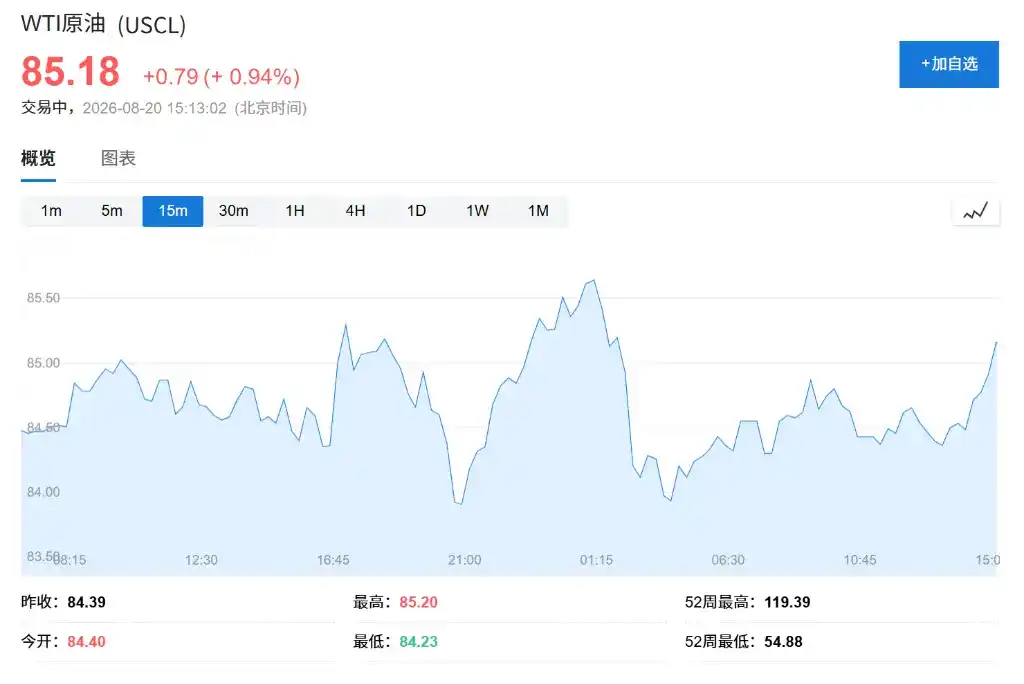
  • WTI crude oil rose 3% intraday to $86.94 per barrel. Brent crude oil rose 2.6% intraday to $94.10 per barrel.
  • Spot gold fell by 1.0% intraday to $4,477.33 per ounce.
  • Spot silver fell by 1.0% intraday to $66.3 per ounce.
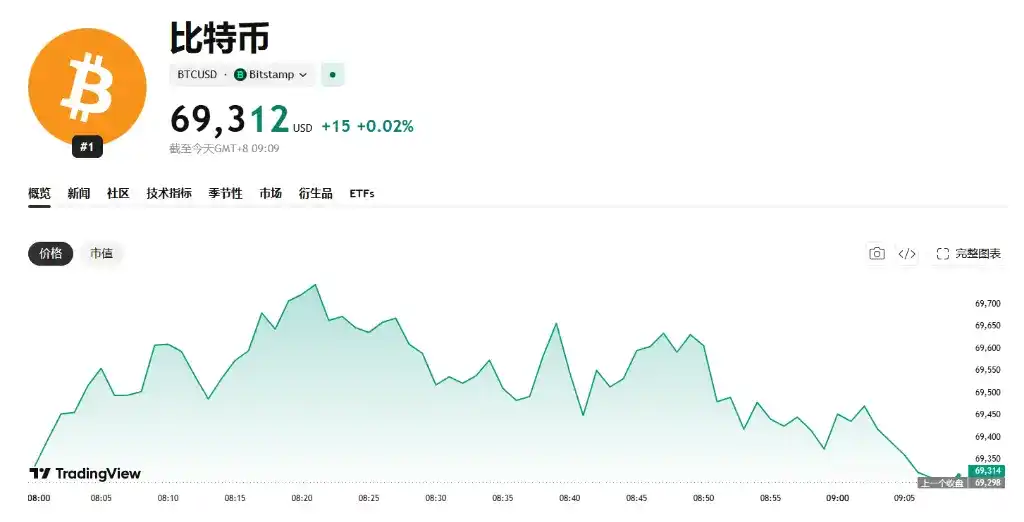
  • Bitcoin rose above $69,300.

The U.S. Treasury announced that it will at least double the size of its long-term Treasury buyback program. This move aims to suppress long-term Treasury yields, which have recently climbed to multi-decade highs.

Earlier this week, long-term U.S. Treasury yields surged significantly. Among them, the 30-year yield touched its highest level since 2007; last week's 10-year Treasury auction was completed at the highest funding cost since 2007, and the yield on the 30-year auction even reached its highest level since 2001.
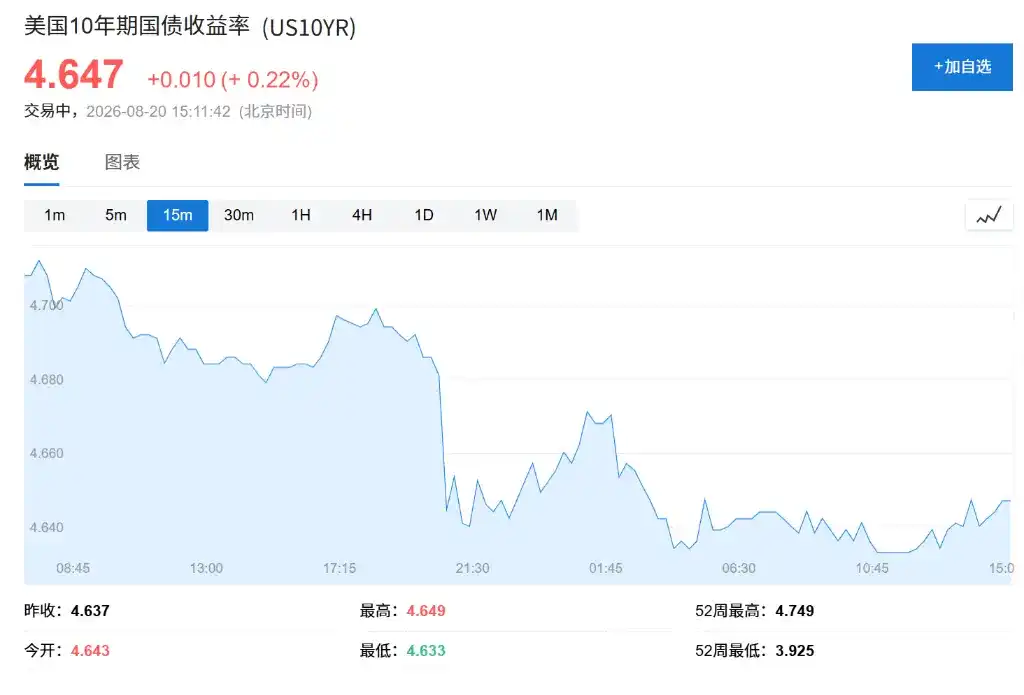
Market participants compared this buyback operation to the Federal Reserve's "Operation Twist." The Treasury has not specified the exact source of the buyback funds, but it typically relies on short-term Treasury bills to meet floating funding needs. If the authorities essentially replace long-term bonds with short-term bonds, this operation is mechanistically similar to "Operation Twist."

Jack McIntyre, portfolio manager at Brandywine Global Investment Management, said: "This administration needs a win, perhaps by artificially suppressing long-term Treasury rates." "The sentiment in the global long-end market is as pessimistic as I've seen in a long time; they have to do something."

Although short-term market sentiment improved noticeably, several analysts remain skeptical about the lasting effect of the buyback policy.

Gerald Gan, Chief Investment Officer at Reed Capital, stated: "The buyback plan convinces me that the U.S. Treasury is extremely concerned about long-term borrowing costs. But just like intervening in the yen exchange rate, this effect is temporary; the buybacks cannot last very long."

In the foreign exchange market, the Bloomberg Dollar Index rose slightly by 0.1% during Asian trading hours, having fallen 0.8% the previous day, hitting its lowest level since May. Euro/USD rose 0.1% to 1.1687, its highest level since May 14th.
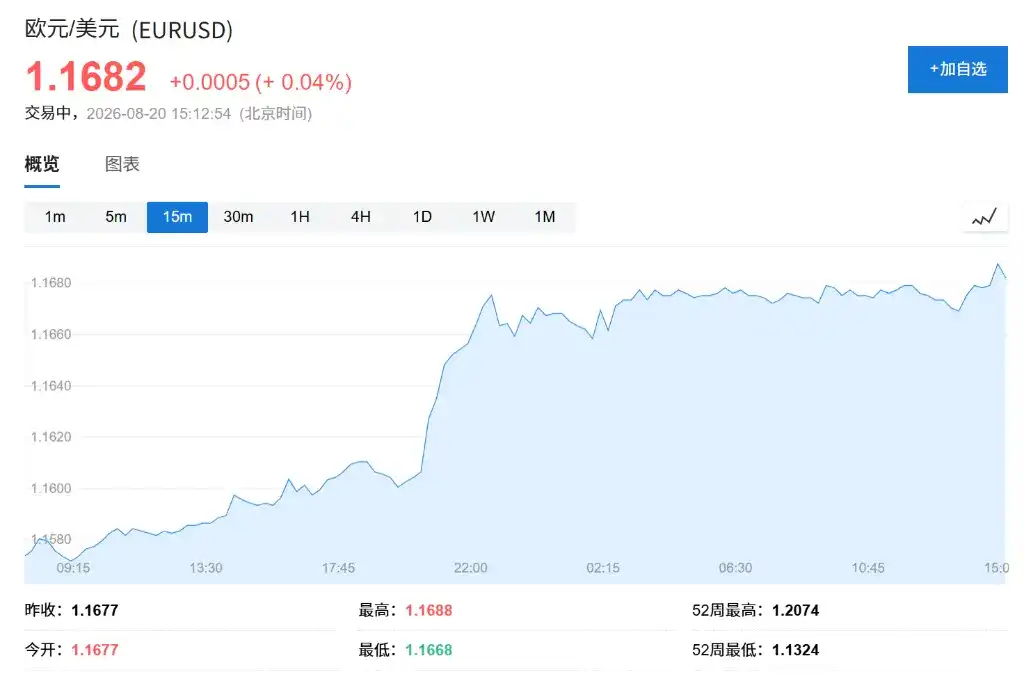
Lloyd Chan, FX strategist at MUFG Bank in Singapore, wrote in a research note: "The buyback alone is unlikely to alter the longer-term fundamentals, but it does signal that policymakers are inclined to resist further yield increases. This suggests that the relative rate logic previously supporting the U.S. dollar is fading."

Bloomberg market strategist Mark Cranfield also pointed out: "For investors weighing Treasury buybacks against the ongoing expansion of the U.S. fiscal deficit, the dollar is becoming the weakest link, providing further room for Asian currencies to strengthen."

The underlying drivers of this bond market turmoil have not dissipated. Recent pressure on global bond markets stems from investors demanding higher compensation for inflation risks and rising government debt levels, with Middle East tensions further exacerbating price pressures; meanwhile, companies issuing debt in a concentrated manner to fund the AI boom have also intensified the severity of this sell-off.

In the commodity markets, Brent crude oil rose 0.4% to around $92 per barrel. Trump had previously stated he would launch an "unprecedented economic war" against Iran and accused Iran of missing the opportunity to make a deal with him, with geopolitical risk premiums supporting oil prices.
Gold, after rising to its highest level since early June, retreated slightly, falling 0.8% to around $4,480 per ounce. Bitcoin rose above $69,300, following Trump's meeting with cryptocurrency industry executives at the White House, where he urged Congress to push related legislation forward.
Domande pertinenti

QWhat was the immediate market reaction to the US Treasury's announcement of increasing its long-term Treasury bond buyback size, and why did this effect prove short-lived?

AThe immediate market reaction was a brief improvement in sentiment, notably seen in a 1.7% gain for the Bloomberg index tracking 20+ year US Treasuries on Wednesday. However, the effect quickly faded as the underlying drivers of bond market stress, such as inflation concerns from rising oil prices and persistent investor pessimism about government debt levels, reasserted themselves, leading to renewed declines in long-term bond prices.

QAccording to analysts cited in the article, why is the US Treasury's increased buyback plan unlikely to have a lasting impact on long-term yields?

AAnalysts, such as Gerald Gan of Reed Capital, believe the buyback plan is a sign of the Treasury's deep concern over long-term borrowing costs but view its effects as temporary, similar to currency interventions. They argue it cannot last long and does not address the fundamental issues of persistent fiscal deficits and inflation risks that are driving yields higher.

QWhat were the key factors cited as the deeper causes behind the recent turmoil in global bond markets?

AThe deeper causes cited are investors demanding higher compensation for inflation risks and rising government debt levels, heightened geopolitical tensions (particularly in the Middle East) adding to price pressures, and a surge in corporate bond issuance to finance the AI boom, which intensified the sell-off in the bond market.

QHow did the announcement of major shareholder return plans by SK Hynix and Samsung Electronics affect Asian stock markets?

AThe announcements of major shareholder return plans by SK Hynix and Samsung Electronics, totaling a combined 140 trillion won, ignited a rally in the Korean stock market. This contributed to a 5.9% surge in South Korea's KOSPI index. Japanese stocks also rose, with the Nikkei 225 gaining 1.4%.

QWhat impact did the US Treasury's buyback announcement have on the foreign exchange market, particularly regarding the US dollar and Asian currencies, according to strategists?

AThe buyback announcement signaled that policymakers are inclined to resist further yield rises, which undermined the relative interest rate logic that had been supporting the US dollar. This led to a slight dollar weakness and created room for further strength in Asian currencies, as noted by strategists from MUFG Bank and Bloomberg.

Letture associate

Bessent's True Agenda

U.S. Treasury Secretary Besant's recent interventions in the bond market are seen by some as an attempt to artificially trigger a massive short squeeze before the midterm elections. The alleged goal is to push the 10-year yield toward 5% initially, then use covering by short sellers to drive it down to around 4.3%, providing political breathing room for the Trump administration. Analysts point to near-record short positions held by CTA trend-following funds. According to Goldman Sachs data, a price rally of two standard deviations could trigger historically large short-covering. Besant's tactics reportedly include bond buybacks, shifting issuance toward shorter-term debt, and potentially canceling ultra-long bond auctions to pressure these market positions. So far, interventions like modest buybacks have had limited effect on yields, with the Treasury later hinting at using its General Account (TGA) cash for support. Critics argue these measures cannot address structural pressures like large deficits and high inflation. Instead, the strategy appears tactical—aimed at buying time and exploiting technical market vulnerabilities rather than reversing the underlying yield trend. The political timeline is clear: achieve lower yields ahead of the midterms to help lower mortgage rates and craft a favorable narrative. However, analysts warn that once the election passes, structural upward pressure on yields and equity valuations could reassert themselves more forcefully. Market signals suggest this potential short-squeeze dynamic could intensify in the coming days.

marsbit33 min fa

Bessent's True Agenda

marsbit33 min fa

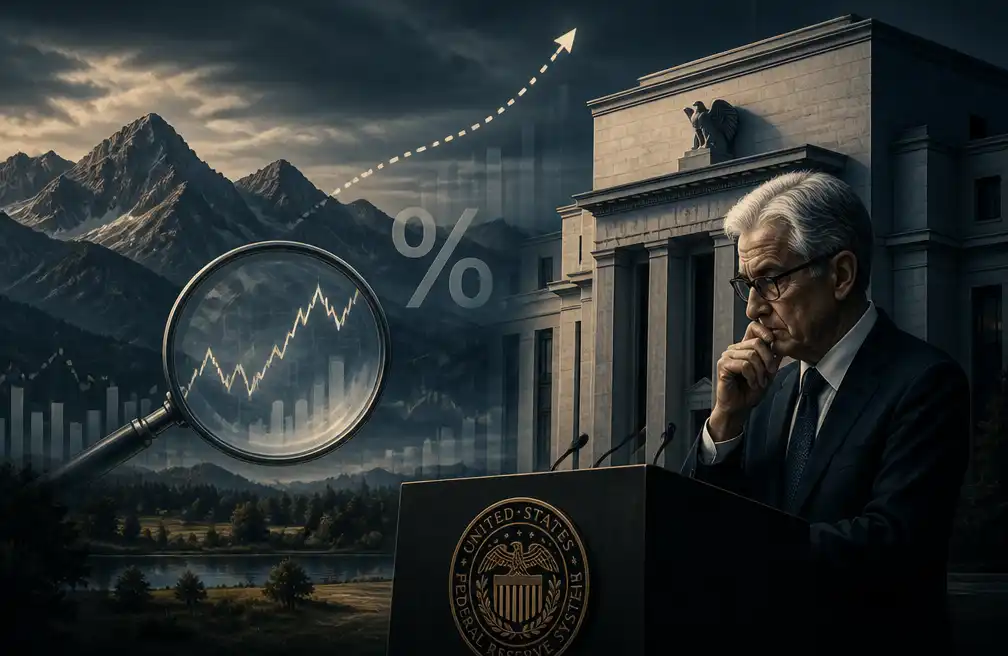
Jackson Hole Speech Preview: Is the Fed Seeking Justification for a Rate Hike?

"Jackson Hole Speech Preview: Is the Fed Looking for Reasons to Raise Rates?" Ahead of the key Jackson Hole symposium, Federal Reserve officials and the IMF are signaling heightened concern over persistent inflation, with some advocating for tighter policy. Boston Fed President Susan Collins, in a recent article, supported holding rates steady only if evidence of falling inflation continues. Otherwise, she argues for prompt tightening, noting inflation has been above target for over five years and warning that prolonged deviation could entrench consumer expectations. Although not a voting member this year, her stance aligns with several officials; three FOMC voters dissented in July, favoring a rate hike. Richmond Fed's Tom Barkin warned of a future "reckoning" regarding the $40 trillion public debt, while IMF Managing Director Kristalina Georgieva urged central banks to maintain a laser focus on price stability. The core dilemma lies in the sources of inflation: Trump-era tariffs, Middle East conflict-driven oil prices, and surging AI investment. Collins believes the first two factors are fading, but identifies AI infrastructure spending as exerting "upward pressure" on core goods inflation. The problem is that interest rate hikes primarily curb demand, not these supply-side shocks. Georgieva framed it as a "tug of war" between negative supply shocks from the Middle East and positive demand shocks from AI. Meanwhile, economic data shows strain. The August Consumer Confidence Index fell to a seven-month low of 89.4. While the present situation index improved, future expectations plummeted. Consumers expect higher inflation (5.8% vs. 5.6% last month), likely influenced by high gas prices. Other data points are weak: July retail sales saw the largest drop in over a year, and job growth stalled. Key upcoming events include the July PCE inflation data (expected to remain well above the 2% target) and new Fed Chair Kevin Warsh's first major speech at Jackson Hole. Market pricing remains conflicted, showing a high probability of a December hike but expecting no move in September. Gold prices, however, have surged over 7% to near three-month highs, signaling market anxiety.

marsbit49 min fa

Jackson Hole Speech Preview: Is the Fed Seeking Justification for a Rate Hike?

marsbit49 min fa

Today, HYPE Activates Its Second Buyback Engine

"Hyperliquid Activates Second Buyback Engine with AQAv2 Launch" On August 26th, Hyperliquid officially activated its Aligned Quote Assets v2 (AQAv2) mechanism, introducing a major new source of revenue and buyback power for its native token, HYPE. Unlike the existing revenue stream from trading fees, AQAv2 generates income by sharing approximately 90% of the adjusted reserve earnings from stablecoins (primarily USDC) circulating on the Hyperliquid chain. This income is settled every 30 days and automatically funneled into the Assistance Fund for HYPE buybacks, with the first expected distribution on October 3rd. Through a partnership with Circle (issuer of USDC) and Coinbase (treasury manager), Hyperliquid leverages its user base and financial infrastructure to share in the yield generated by stablecoin reserves. This transforms its liquidity and distribution capabilities into a scalable business model. Initial estimates project AQAv2 could generate $150-200 million in annual buyback funds, based on the current ~$6.43 billion USDC supply on Hyperliquid and an assumed reserve yield. Crucially, this revenue is weakly correlated with trading activity and grows directly with the platform's stablecoin adoption. With HYPE recently reaching an all-time high, AQAv2 provides a new fundamental support layer. It shifts Hyperliquid's value capture beyond just transaction fees, anchoring HYPE's long-term buyback potential to the expanding scale of its stablecoin ecosystem.

marsbit53 min fa

Today, HYPE Activates Its Second Buyback Engine

marsbit53 min fa

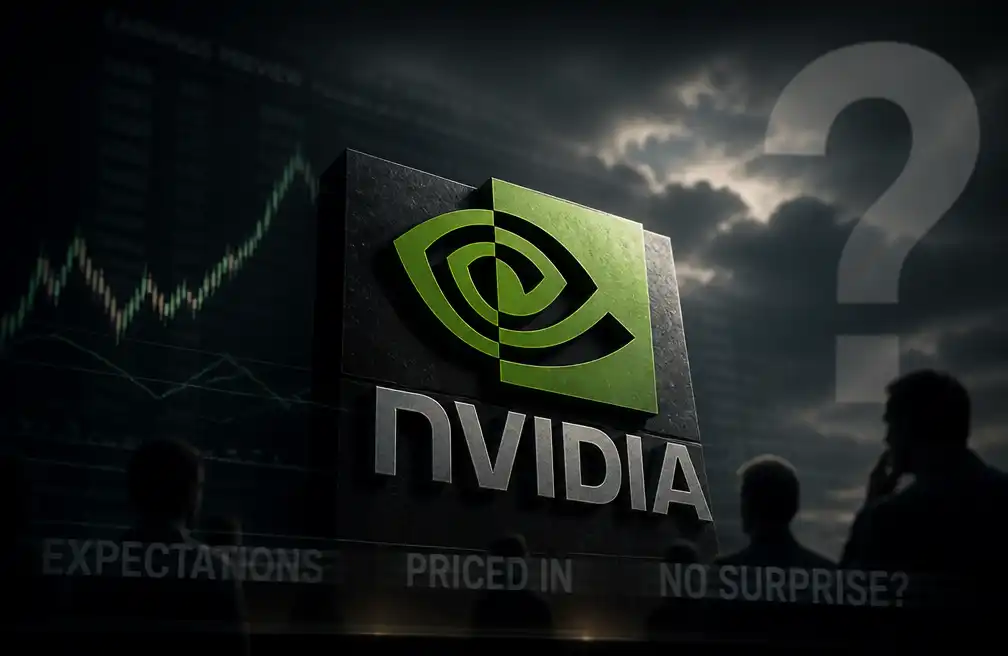
NVIDIA Earnings Preview: The Market No Longer Expects a Positive Surprise

NVIDIA's upcoming earnings report has seen market expectations shift from anticipating big positive surprises to seeking clarity on capital allocation and future growth sustainability. While analysts forecast Q2 revenue near doubling year-over-year to $92.18 billion, option markets are pricing in a relatively muted post-earnings stock move of around 5.4%—the lowest implied volatility in two years. This reflects a growing sense that the phase of massive AI-driven earnings beats and stock surges may be ending. This year, NVIDIA's stock has slightly underperformed the S&P 500 and significantly lagged the semiconductor index. Analysts now emphasize the need for more than just beating estimates. Key investor focuses include details on how NVIDIA will deploy its capital, maintain its exceptional gross margins amid rising costs, and use its substantial free cash flow for investments and share buybacks. The forward P/E ratio of about 21x suggests the market is already pricing in a growth deceleration. NVIDIA's recent strategic moves—like facilitating massive AI financing, guaranteeing loans for data center projects (including a major one for OpenAI), and investing in power infrastructure—have positioned it beyond a mere chipmaker. However, this raises questions about potential "circular financing," where revenue might be artificially supported by lending to customers. The health of its AI clients, like OpenAI which reported slowing revenue growth, is now crucial. The report arrives amid a challenging backdrop: political pushback against AI data centers, rising borrowing costs, and massive debt-funded spending by cloud giants. Investors are keenly watching for signals on the transition to the new Blackwell and upcoming Vera Rubin architectures and, ultimately, whether the explosive demand for AI is losing momentum.

marsbit1 h fa

NVIDIA Earnings Preview: The Market No Longer Expects a Positive Surprise

marsbit1 h fa

Trading

Spot
活动图片