The Trump Family's Crypto Banking Dream: A New Experiment in Power and Capital

marsbitPubblicato 2026-01-14Pubblicato ultima volta 2026-01-14

Introduzione

Trump's family is pursuing a national trust bank charter instead of meme coins or NFTs, aiming to become part of the financial system itself. If approved by the OCC, their entity, WLTC, would gain direct access to national payment systems and a rare license to provide crypto custody services—a high-demand, tightly regulated market. The permanent, transferable banking charter is a lasting institutional asset, unlike temporary political influence. The move aligns with favorable 2025 legislation, partly influenced by millions in crypto industry donations to Trump’s camp. While benefiting the whole industry, Trump’s family also gains privately through WLFI, which takes 75% of profits—creating a closed loop where political power directly enables private profit. The approval process relies on regulatory discretion, allowing political influence to shape outcomes without overt rule-breaking. WLTC’s potential approval could disrupt the institutional crypto custody market, currently valued in the hundreds of billions, by leveraging its federal bank status to attract risk-averse institutional clients. It may also challenge the USDT-USDC duopoly in stablecoins by offering integrated issuance, custody, and exchange services under one roof. This model prioritizes regulatory arbitrage and political connections over innovation, potentially reshaping competition in crypto around privilege and access rather than market efficiency. The case illustrates a new era of seamless power-capital int...

Author: Nikka, WolfDAO

I. Banking License: The Precise Calculation of a Permanent Franchise
The Trump family's choice to apply for a national trust bank charter, rather than issuing Meme coins or endorsing NFT projects, is driven by a profound logic of power. Meme coins are a one-time monetization of attention, and stablecoin companies are merely ordinary commercial entities. However, a national trust bank is not a participant in the financial system; it is part of the financial system itself.

Once approved by the OCC, WLTC will have the right to directly access the national payment system, as well as the most critical asset—a scarce license to provide crypto asset custody services to institutional clients. Custody services are a rigid demand for traditional financial institutions entering the crypto world, but the OCC has so far approved only a handful of pure crypto banks, such as Anchorage Digital. This is a highly scarce, high-demand market with extremely high regulatory barriers.

The deeper value lies in the permanence and transferability of the license. Political influence may fade after leaving office, but a federal bank charter is a permanent institutional asset—it can be transferred, used as collateral for financing, and generate ongoing rental income. The Trump family is not applying for a project; they are applying for a financial franchise that can be passed down through generations.

The timing is equally precise. The partial passage of the 2025 GENIUS Act and CLARITY Act provides a legal basis for stablecoins and custody services. This legislation itself carries a strong political background—a regulatory-friendly environment bought by the crypto industry's donations of tens to hundreds of millions of dollars to the Trump camp. However, legislation only opens the door; the real competition lies in who gets through the fastest. While Circle and Ripple are stronger in terms of resources, they lack what WLFI possesses: direct access to political influence.

In this framework, the role of USD1 becomes clear—it is not the goal but a tool to obtain the license. Its $3.3 billion market capitalization is propped up by Binance's 20% annualized yield and subsidies from the WLFI treasury. The existence of USD1 only needs to demonstrate that WLFI has operational experience and partnership channels, and its surface-level metrics are sufficient to meet "business feasibility" requirements. Once the license is secured, whether USD1 continues to exist is no longer critical—WLTC can provide custody for any stablecoin, collecting "toll fees" across the entire crypto financial system.

II. The Perfect Closed Loop of Rent-Seeking

To understand the essence of WLFI, one must return to the wave of political donations in 2025. The crypto industry injected tens to hundreds of millions of dollars into the Trump camp: $20 million from Crypto.com's parent company, millions from Gemini, Blockchain, and a16z founders. These donations bought a policy environment beneficial to all crypto businesses—a classic public good.

However, the Trump family not only enjoys this public good but also reaps private benefits through WLFI: a 75% profit share, already amounting to tens of billions of dollars. This creates a perfect closed loop of interests: using the industry's money to buy policy favors, using policy favors to support their own business, and using business profits to continue influencing policy. Traditional political donations at least have a layer of separation between donors and beneficiaries, but the WLFI model is "industry donations → family profits," where policymakers are simultaneously direct beneficiaries.

What is even more ingenious is that this model is entirely legal in form. The Trump family profits by operating a "market-driven" enterprise—with products, operations, and clients. However, in reality, this enterprise's core competitiveness is not technology or products but the privilege of political connections and regulatory access.

The OCC's discretionary power is precisely where rent-seeking finds its space. Bank charter applications are not binary approve/reject decisions but complex processes with countless discretionary points. What kind of capital structure is "adequate"? What kind of management experience is "qualified"? Each discretionary point provides room for political influence to operate. WLFI doesn't need the OCC to break rules; it only needs "friendly" judgments at countless discretionary points—slightly looser requirements here, slightly more flexible interpretations of standards there. Each individual judgment may seem reasonable, but cumulatively, they create significant differences.

III. Restructuring Competition in the Crypto Industry

WLFI's bank application is essentially competing for a massive but sparsely populated market—institutional-grade crypto custody services. Currently, global institutional demand for crypto asset custody is conservatively estimated at over a hundred billion dollars, but there are only a handful of institutions with compliant custody qualifications. The OCC has approved only a few, such as Anchorage Digital; while Coinbase and Gemini offer custody services, they lack federal bank status.

If WLTC is approved, the most direct impact will be a redivision of the pie in this blue-ocean market. Traditional financial institutions—pension funds, sovereign wealth funds, family offices—prioritize custody security and compliance over yield when seeking crypto asset allocation. A custody institution with a federal bank charter, directly regulated by the OCC, would be irresistibly attractive to these institutional clients. This means that companies like Circle and Coinbase, already in line waiting for licenses, might watch helplessly as WLFI cuts in line using political advantages, seizing first-mover benefits.
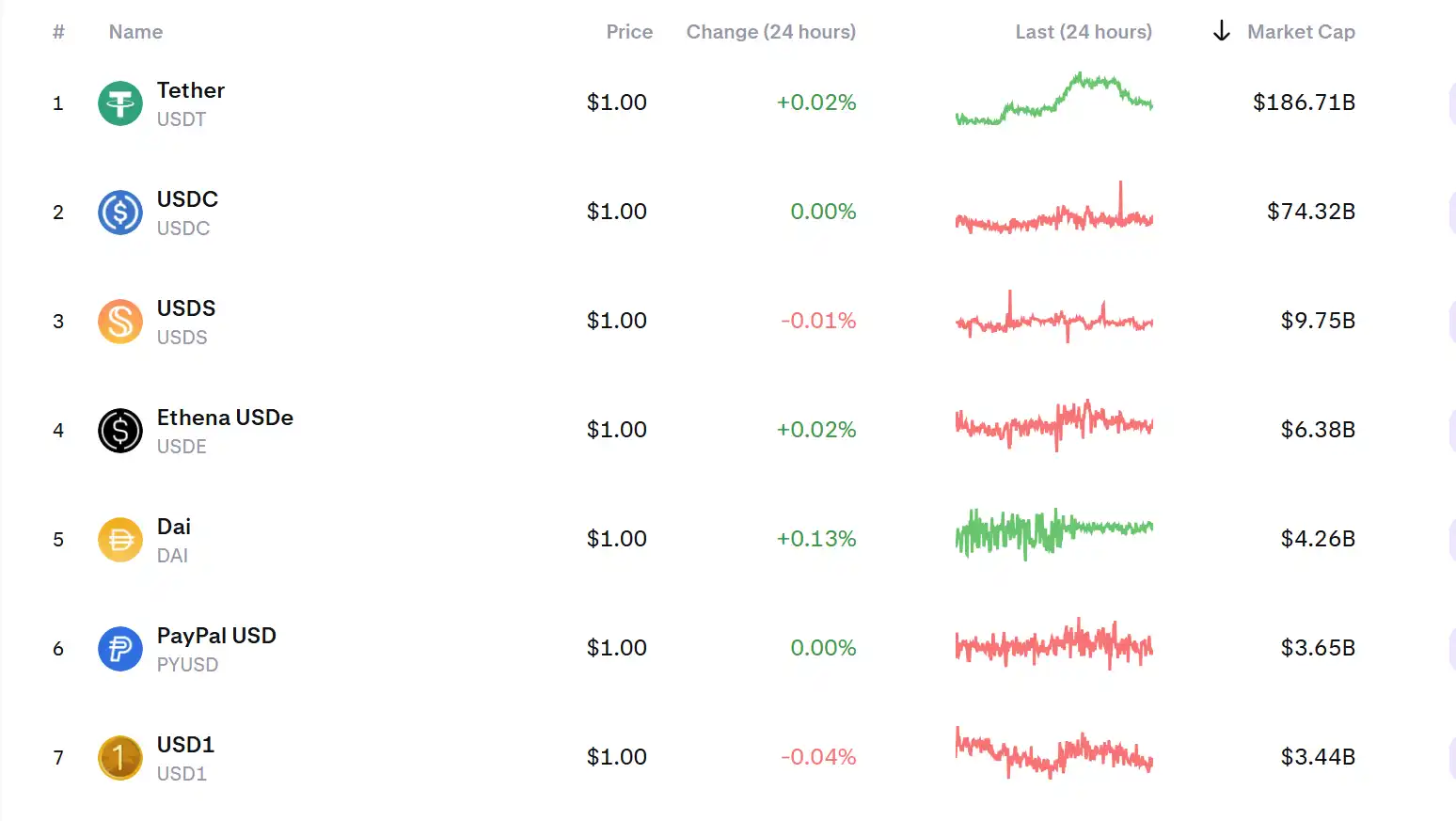
From the perspective of the stablecoin competition landscape, WLTC's approval would break the duopoly of USDT and USDC. Although USD1's current market capitalization is only $3.3 billion, the institutional红利 (institutional红利红利红利红利红利红利红利红利红利红利红利红利红利红利红利红利红利红利红利红利红利红利红利红利红利红利红利红利红利红利红利红利红利红利红利红利红利红利红利红利红利红利红利红利红利红利红利红利红利红利红利红利红利红利红利红利红利红利红利红利红利红利红利红利红利红利红利红利红利红利红利红利红利红利红利红利红利红利红利红利红利红利红利红利红利红利红利红利红利红利红利红利红利红利红利红利红利红利红利红利红利红利红利红利红利红利红利红利红利红利红利红利红利红利红利红利红利红利红利红利红利红利红利红利红利红利红利红利红利红利红利红利红利红利红利红利红利红利红利红利红利红利红利红利红利红利红利红利红利红利红利红利红利红利红利红利红利红利红利红利红利红利红利红利红利红利红利红利红利红利红利红利红利红利红利红利红利红利红利红利红利红利红利红利红利红利红利红利红利红利红利红利红利红利红利红利红利红利红利红利红利红利红利红利红利红利红利红利红利红利红利红利红利红利红利红利红利红利红利红利红利红利红利红利红利红利红利红利红利红利红利红利红利红利红利红利红利红利红利红利红利红利红利红利红利红利红利红利红利红利红利红利红利红利红利红利红利红利红利红利红利红利红利红利红利红利红利红利红利红利红利红利红利红利红利红利红利红利红利红利红利红利红利红利红利红利红利红利红利红利红利红利红利红利红利红利红利红利红利红利红利红利红利红利红利红利红利红利红利红利红利红利红利红利红利红利红利红利红利红利红利红利红利红利红利红利红利红利红利红利红利红利红利红利红利红利红利红利红利红利红利红利红利红利红利红利红利红利红利红利红利红利红利红利红利红利红利红利红利红利红利红利红利红利红利红利红利红利红利红利红利红利红利红利红利红利红利红利红利红利红利红利红利红利红利红利红利红利红利红利红利红利红利红利红利红利红利红利红利红利红利红利红利红利红利红利红利红利红利红利红利红利红利红利红利红利红利红利红利红利红利红利红利红利红利红利红利红利红利红利红利红利红利红利红利红利红利红利红利红利红利红利红利红利红利红利红利红利红利红利红利红利红利红利红利红利红利红利红利红利红利红利红利红利红利红利红利红利红利红利红利红利红利红利红利红利红利红利红利红利红利红利红利红利红利红利红利红利红利红利红利红利红利红利红利红利红利红利红利红利红利红利红利红利红利红利红利红利红利红利红利红利红利红利红利红利红利红利红利红利红利红利红利红利红利红利红利红利红利红利红利红利红利红利红利红利红利红利红利红利红利红利红利红利红利红利红利红利红利红利红利红利红利红利红利红利红利红利红利红利红利红利红利红利红利红利红利红利红利红利红利红利红利红利红利红利红利红利红利红利红利红利红利红利红利红利红利红利红利红利红利红利红利红利红利红利红利红利红利红利红利红利红利红利红利红利红利红利红利红利红利红利红利红利红利红利红利红利红利红利红利红利红利红利红利红利红利红利红利红利红利红利红利红利红利红利红利红利红利红利红利红利红利红利红利红利红利红利红利红利红利红利红利红利红利红利红利红利红利红利红利红利红利红利红利红利红利红利红利红利红利红利红利红利红利红利红利红利红利红利红利红利红利红利红利红利红利红利红利红利红利红利红利红利红利红利红利红利红利红利红利红利红利红利红利红利红利红利红利红利红利红利红利红利红利红利红利红利红利红利红利红利红利红利红利红利红利红利红利红利红利红利红利红利红利红利红利红利红利红利红利红利红利红利红利红利红利红利红利红利红利红利红利红利红利红利红利红利红利红利红利红利红利红利红利红利红利红利红利红利红利红利红利红利红利红利红利红利红利红利红利红利红利红利红利红利红利红利红利红利红利红利红利红利红利红利红利红利红利红利红利红利红利红利红利红利红利红利红利红利红利红利红利红利红利红利红利红利红利红利红利红利红利红利红利红利红利红利红利红利红利红利红利红利红利红利红利红利红利红利红利红利红利红利红利红利红利红利红利红利红利红利红利红利红利红利红利红利红利红利红利红利红利红利红利红利红利红利红利红利红利红利红利红利红利红利红利红利红利红利红利红利红利红利红利红利红利红利红利红利红利红利红利红利红利红利红利红利红利红利红利红利红利红利红利红利红利红利红利红利红利红利红利红利红利红利红利红利红利红利红利红利红利红利红利红利红利红利红利红利红利红利红利红利红利红利红利红利红利红利红利红利红利红利红利红利红利红利红利红利红利红利红利红利红利红利红利红利红利红利红利红利红利红利红利红利红利红利红利红利红利红利红利红利红利红利红利红利红利红利红利红利红利红利红利红利红利红利红利红利红利红利红利红利红利红利红利红利红利红利红利红利红利红利红利红利红利红利红利红利红利红利红利红利红利红利红利红利红利红利红利红利红利红利红利红利红利红利红利红利红利红利红利红利红利红利红利红利红利红利红利红利红利红利红利红利红利红利红利红利红利红利红利红利红利红利红利红利红利红利红利红利红利红利红利红利红利红利红利红利红利红利红利红利红利红利红利红利红利红利红利红利红利红利红利红利红利红利红利红利红利红利红利红利红利红利红利红利红利红利红利红利红利红利红利红利红利红利红利红利红利红利红利红利红利红利红利红利红利红利红利红利红利红利红利红利红利红利红利红利红利红利红利红利红利红利红利红利红利红利红利红利红利红利红利红利红利红利红利红利红利红利红利红利红利红利红利红利红利红利红利红利红利红利红利红利红利红利红利红利红利红利红利红利红利红利红利红利红利红利红利红利红利红利红利红利红利红利红利红利红利红利红利红利红利红利红利红利红利红利红利红利红利红利红利红利红利红利红利红利红利红利红利红利红利红利红利红利红利红利红利红利红利红利红利红利红利红利红利红利红利红利红利红利红利红利红利红利红利红利红利红利红利红利红利红利红利红利红利红利红利红利红利红利红利红利红利红利红利红利红利红利红利红利红利红利红利红利红利红利红利红利红利红利红利红利红利红利红利红利红利红利红利红利红利红利红利红利红利红利红利红利红利红利红利红利红利红利红利红利红利红利红利红利红利红利红利红利红利红利红利红利红利红利红利红利红利红利红利红利红利红利红利红利红利红利红利红利红利红利红利红利红利红利红利红利红利红利红利红利红利红利红利红利红利红利红利红利红利红利红利红利红利红利红利红利红利红利红利红利红利红利红利红利红利红利红利红利红利红利红利红利红利红利红利红利红利红利红利红利红利红利红利红利红利红利红利红利红利红利红利红利红利红利红利红利红利红利红利红利红利红利红利红利红利红利红利红利红利红利红利红利红利红利红利红利红利红利红利红利红利红利红利红利红利红利红利红利红利红利红利红利红利红利红利红利红利红利红利红利红利红利红利红利红利红利红利红利红利红利红利红利红利红利红利红利红利红利红利红利红利红利红利红利红利红利红利红利红利红利红利红利红利红利红利红利红利红利红利红利红利红利红利红利红利红利红利红利红利红利红利红利红利红利红利红利红利红利红利红利红利红利红利红利红利红利红利红利红利红利红利红利红利红利红利红利红利红利红利红利红利红利红利红利红利红利红利红利红利红利红利红利红利红利红利红利红利红利红利红利红利红利红利红利红利红利红利红利红利红利红利红利红利红利红利红利红利红利红利红利红利红利红利红利红利红利红利红利红利红利红利红利红利红利红利红利红利红利红利红利红利红利红利红利红利红利红利红利红利红利红利红利红利红利红利红利红利红利红利红利红利红利红利红利红利红利红利红利红利红利红利红利红利红利红利红利红利红利红利红利红利红利红利红利红利红利红利红利红利红利红利红利红利红利红利红利红利红利红利红利红利红利红利红利红利红利红利红利红利红利红利红利红利红利红利红利红利红利红利红利红利红利红利红利红利红利红利红利红利红利红利红利红利红利红利红利红利红利红利红利红利红利红利红利红利红利红利红利红利红利红利红利红利红利红利红利红利红利红利红利红利红利红利红利红利红利红利红利红利红利红利红利红利红利红利红利红利红利红利红利红利红利红利红利红利红利红利红利红利红利红利红利红利红利红利红利红利红利红利红利红利红利红利红利红利红利红利红利红利红利红利红利红利红利红利红利红利红利红利红利红利红利红利红利红利红利红利红利红利红利红利红利红利红利红利红利红利红利红利红利红利红利红利红利红利红利红利红利红利红利红利红利红利红利红利红利红利红利红利红利红利红利红利红利红利红利红利红利红利红利红利红利红利红利红利红利红利红利红利红利红利红利红利红利红利红利红利红利红利红利红利红利红利红利红利红利红利红利红利红利红利红利红利红利红利红利红利红利红利红利红利红利红利红利红利红利红利红利红利红利红利红利红利红利红利红利红利红利红利红利红利红利红利红利红利红利红利红利红利红利红利红利红利红利红利红利红利红利红利红利红利红利红利红利红利红利红利红利红利红利红利红利红利红利红利红利红利红利红利红利红利红利红利红利红利红利红利红利红利红利红利红利红利红利红利红利红利红利红利红利红利红利红利红利红利红利红利红利红利红利红利红利红利红利红利红利红利红利红利红利红利红利红利红利红利红利红利红利红利红利红利红利红利红利红利红利红利红利红利红利红利红利红利红利红利红利红利红利红利红利红利红利红利红利红利红利红利红利红利红利红利红利红利红利红利红利红利红利红利红利红利红利红利红利红利红利红利红利红利红利红利红利红利红利红利红利红利红利红利红利红利红利红利红利红利红利红利红利红利红利红利红利红利红利红利红利红利红利红利红利红利红利红利红利红利红利红利红利红利红利红利红利红利红利红利红利红利红利红利红利红利红利红利红利红利红利红利红利红利红利红利红利红利红利红利红利红利红利红利红利红利红利红利红利红利红利红利红利红利红利红利红利红利红利红利红利红利红利红利红利红利红利红利红利红利红利红利红利红利红利红利红利红利红利红利红利红利红利红利红利红利红利红利红利红利红利红利红利红利红利红利红利红利红利红利红利红利红利红利红利红利红利红利红利红利红利红利红利红利红利红利红利红利红利红利红利红利红利红利红利红利红利红利红利红利红利红利红利红利红利红利红利红利红利红利红利红利红利红利红利红利红利红利红利红利红利红利红利红利红利红利红利红利红利红利红利红利红利红利红利红利红利红利红利红利红利红利红利红利红利红利红利红利红利红利红利红利红利红利红利红利红利红利红利红利红利红利红利红利红利红利红利红利红利红利红利红利红利红利红利红利红利红利红利红利红利红利红利红利红利红利红利红利红利红利红利红利红利红利红利红利红利红利红利红利红利红利红利红利红利红利红利红利红利红利红利红利红利红利红利红利红利红利红利红利红利红利红利红利红利红利红利红利红利红利红利红利红利红利红利红利红利红利红利红利红利红利红利红利红利红利红利红利红利红利红利红利红利红利红利红利红利红利红利红利红利红利红利红利红利红利红利红利红利红利红利红利红利红利红利红利红利红利红利红利红利红利红利红利红利红利红利红利红利红利红利红利红利红利红利红利红利红利红利红利红利红利红利红利红利红利红利红利红利红利红利红利红利红利红利红利红利红利红利红利红利红利红利红利红利红利红利红利红利红利红利红利红利红利红利红利红利红利红利红利红利红利红利红利红利红利红利红利红利红利红利红利红利红利红利红利红利红利红利红利红利红利红利红利红利红利红利红利红利红利红利红利红利红利红利红利红利红利红利红利红利红利红利红利红利红利红利红利红利红利红利红利红利红利红利红利红利红利红利红利红利红利红利红利红利红利红利红利红利红利红利红利红利红利红利红利红利红利红利红利红利红利红利红利红利红利红利红利红利红利红利红利红利红利红利红利红利红利红利红利红利红利红利红利红利红利红利红利红利红利红利红利红利红利红利红利红利红利红利红利红利红利红利红利红利红利红利红利红利红利红利红利红利红利红利红利红利红利红利红利红利红利红利红利红利红利红利红利红利红利红利红利红利红利红利红利红利红利红利红利红利红利红利红利红利红利红利红利红利红利红利红利红利红利红利红利红利红利红利红利红利红利红利红利红利红利红利红利红利红利红利红利红利红利红利红利红利红利红利红利红利红利红利红利红利红利红利红利红利红利红利红利红利红利红利红利红利红利红利红利红利红利红利红利红利红利红利红利红利红利红利红利红利红利红利红利红利红利红利红利红利红利红利红利红利红利红利红利红利红利红利红利红利红利红利红利红利红利红利红利红利红利红利红利红利红利红利红利红利红利红利红利红利红利红利红利红利红利红利红利红利红利红利红利红利红利红利红利红利红利红利红利红利红利红利红利红利红利红利红利红利红利红利红利红利红利红利红利红利红利红利红利红利红利红利红利红利红利红利红利红利红利红利红利红利红利红利红利红利红利红利红利红利红利红利红利红利红利红利红利红利红利红利红利红利红利红利红利红利红利红利红利红利红利红利红利红利红利红利红利红利红利红利红利红利红利红利红利红利红利红利红利红利红利红利红利红利红利红利红利红利红利红利红利红利红利红利红利红利红利红利红利红利红利红利红利红利红利红利红利红利红利极速扩张。关键在于,WLTC可以提供“一站式服务”——发行、托管、兑换全部内部化,不再依赖第三方。对于机构客户来说,这意味着更少的对手方风险、更简化的合规流程、更低的运营成本。Tether和Circle必须通过多个合作银行和托管商提供类似服务,而WLTC作为联邦银行可以独立完成,这个效率优势是结构性的。

The most pragmatic observation is that WLFI is pioneering a new business path: not through technological innovation or market competition, but by building competitive barriers through political resources and regulatory arbitrage. The success of this path will attract more capital and entrepreneurs to emulate it, forming a new business ecosystem centered on licenses and with political relationships as the moat. In this ecosystem, the rule-makers and the biggest beneficiaries may be the same group, and genuine market competition gives way to power distribution and interest exchange.

Conclusion

The most profound revelation of this case is not about cryptocurrency but about power itself. It reveals the extent to which the fusion of power and capital can achieve seamless integration in the digital age. Traditional revolving doors between politics and business at least had a time lag, but the WLFI model operates in real-time synchronization: formulating policies while operating a business, pushing for oversight while applying for licenses. This increase in efficiency is also a multiplication of corruption risks.


Domande pertinenti

QWhat type of banking license is the Trump family seeking for WLTC, and why is it strategically significant?

AThe Trump family is applying for a National Trust Bank charter. It is strategically significant because it grants direct access to the national payment system and provides a highly scarce license for crypto asset custody services, creating a permanent, transferable financial franchise with regulatory barriers that offer sustained rent-seeking opportunities.

QHow does the WLFI model create a 'perfect closed loop' of power and profit according to the article?

AThe WLFI model creates a perfect closed loop by using millions in political donations from the crypto industry to influence policy for a favorable regulatory environment, which then directly benefits the family's own enterprise (WLFI) through a 75% profit share. The policy maker is the direct beneficiary, leveraging political influence for regulatory arbitrage and private gain.

QWhat key legislative acts passed in 2025 provided the foundation for WLFI's banking ambitions?

AThe GENIUS Act and the CLARITY Act, passed in 2025, provided the legal foundation for stablecoins and custody businesses, creating a regulatory-friendly environment that was largely influenced by substantial political donations from the crypto industry to the Trump camp.

QHow could the approval of WLTC disrupt the existing stablecoin market dominated by USDT and USDC?

AApproval of WLTC would disrupt the stablecoin duopoly by allowing it to offer integrated, one-stop-shop services—issuance, custody, and exchange—all within a federally chartered bank. This structural efficiency reduces counterparty risk and operational costs for institutional clients, posing a significant competitive challenge to Tether and Circle, which rely on multiple external partners.

QWhat does the article suggest is the core competitive advantage of WLFI, beyond technology or product innovation?

AThe article suggests that WLFI's core competitive advantage is not technology or product innovation, but rather its privileged access to political influence and regulatory approval. This allows it to secure highly scarce banking charters and create competitive barriers through power distribution and rent-seeking, rather than market competition.

Letture associate

Has Hook Summer Really Arrived? sato, Lo0p, FLOOD Ignite the New Narrative of Uniswap v4

"Hook Summer" Arrives? Sato, Lo0p, FLOOD Ignite Uniswap v4 Narrative Amidst a slight market recovery, attention within the Ethereum ecosystem has shifted to Meme coins built on Uniswap v4's Hook protocol. Following ASTEROID, tokens like sato, sat1, Lo0p, and FLOOD have become market focal points, with market caps ranging from millions to tens of millions, bringing concentrated liquidity to a narrative-dry market. Uniswap v4 Hooks are "plugin smart contracts" that allow developers to inject custom logic at key points in a liquidity pool's lifecycle (initialization, adding/removing liquidity, swaps, etc.), making the AMM programmable. Recent representative projects include: * **sato**: Market cap peaked over $38M; uses a v4 curve mechanism for minting/burning, locking ETH as reserve. * **sat1**: Market cap briefly exceeded $10M, positioning as an "optimized sato," but later declined significantly. * **Lo0p**: Market cap neared $6.6M; a "lending AMM protocol" allowing users to borrow ETH against deposited LO0P tokens without immediate selling pressure. * **FLOOD**: Market cap approached $6M; channels trading reserves into Aave v3 to generate yield, which is retained in the pool. The emergence of these Hook-based tokens could drive long-term growth for the Uniswap ecosystem by attracting users and liquidity to v4 pools. Combined with Uniswap's activated fee switch (partially used to burn UNI), the long-term outlook for UNI appears positive. However, short-term UNI price appreciation is not directly guaranteed. Factors include the sustainability and lifecycle of these new tokens, their price volatility, overall market conditions, and regulatory pressures. Currently, Uniswap v4's TVL ($595M) lags behind v3 and v2, indicating Hook adoption still requires time to mature. In summary, the Hook ecosystem serves as "long-term nourishment" for UNI, but acts more as a "catalyst" than a direct "booster" in the short term. Note: These are early-stage experimental tokens and may carry unknown risks.

marsbit9 min fa

Has Hook Summer Really Arrived? sato, Lo0p, FLOOD Ignite the New Narrative of Uniswap v4

marsbit9 min fa

Has Hook Summer Truly Arrived? sato, Lo0p, FLOOD Ignite the New Uniswap v4 Narrative

With the broader market showing signs of recovery, a new wave of interest has emerged around Ethereum-based meme coins. Following ASTEROID, tokens like sato, sat1, Lo0p, and FLOOD, built upon the Uniswap v4 Hook protocol, are capturing market attention. Their market capitalizations range from millions to tens of millions of dollars, injecting much-needed focused liquidity into a market lacking narratives. This article explores whether this trend signifies an incoming "Hook Summer" and its potential impact on UNI's price. Hooks are essentially plug-in smart contracts for Uniswap v4 liquidity pools, allowing developers to inject custom logic at key points in a pool's lifecycle (like initialization, adding/removing liquidity, swaps). This transforms the AMM into programmable building blocks. Key highlighted projects include: * **sato**: Peaked over $38M market cap. It utilizes a v4 curve for minting/burning; buying locks ETH as reserve to mint new tokens, while selling redeems ETH from the reserve and burns tokens. * **sat1**: Market cap briefly exceeded $10M, promoted as an "optimized sato," but later declined significantly. * **Lo0p**: Reached nearly $6.6M. It's a lending AMM protocol where buying LO0P tokens locks them as collateral, allowing users to borrow ETH from the pool reserve at 40% LTV, aiming to improve capital efficiency for idle ETH in LPs. * **FLOOD**: Peaked near $6M. Its mechanism directs asset reserves from buys into Aave v3 to generate yield, with fees and interest retained in the pool to potentially influence the token's price long-term. In the long term, the development of the Hook ecosystem can attract users and liquidity to Uniswap v4, benefiting UNI's fundamentals—especially combined with the recent activation of the protocol fee switch, where a portion of fees is used to burn UNI. However, in the short term, these Hook-based tokens are unlikely to directly drive significant UNI price appreciation. Their impact is moderated by factors like token sustainability, price volatility, and broader market and regulatory conditions. Currently, Uniswap v4's TVL ($595M) still trails behind v2 and v3, indicating adoption and growth will take time. The article concludes that while the Hook ecosystem provides long-term "nourishment" for UNI, its short-term role is more of a "catalyst" than a "booster." Readers are cautioned that these are early-stage experimental tokens and may carry unknown risks.

Odaily星球日报21 min fa

Has Hook Summer Truly Arrived? sato, Lo0p, FLOOD Ignite the New Uniswap v4 Narrative

Odaily星球日报21 min fa

Interview with Michael Saylor: I Did Say I Would Sell Bitcoin, But Never a Net Sale

Interview with Michael Saylor: I Said We'd Sell Bitcoin, But Never Be a Net Seller In a recent podcast, MicroStrategy Executive Chairman Michael Saylor clarified the company's stance on potentially selling Bitcoin. Following MicroStrategy's earnings call statement about being prepared to sell BTC to fund dividends for its STRC (Strategic) credit product, Saylor emphasized the distinction between selling and being a "net seller." Saylor explained the core business model: MicroStrategy sells credit instruments like STRC and uses the proceeds to buy Bitcoin, which is viewed as "digital capital" expected to appreciate around 30-40% annually. A portion of these capital gains can then be used to pay the dividends on the credit products. He stressed that even if the company sells some Bitcoin for dividends, it simultaneously buys much more with new credit issuance. For example, after raising $3.2 billion from STRC sales in April, the dividend obligation was only $80-90 million, making the company a net buyer. The clarification aims to counter market narratives questioning the value of Bitcoin on MicroStrategy's balance sheet if it were never sold, and to dismiss claims of a "Ponzi scheme." Saylor reiterated his personal philosophy for investors: "Don't be a net seller of bitcoin" and ensure your Bitcoin holdings increase each year. Saylor also discussed Bitcoin's role as the foundation for "digital credit," noting that STRC has become the largest and most liquid preferred stock issue in the U.S., offering high risk-adjusted returns (Sharpe ratio). He highlighted Bitcoin's deep liquidity, stating that even large purchases by MicroStrategy do not move the market significantly, which is driven by macro factors, geopolitical tensions, and capital flows from ETFs and credit products. Finally, Saylor reflected on his early inspiration from sci-fi books, which motivated his path to MIT, and maintained his fundamental thesis on Bitcoin remains unchanged: it is superior digital capital enabling superior digital credit.

链捕手26 min fa

Interview with Michael Saylor: I Did Say I Would Sell Bitcoin, But Never a Net Sale

链捕手26 min fa

Beaten SK Hynix Employees in China: Year-end Bonus Less Than 5% of Korean Staff's

"SK Hynix Chinese Staff Hit Hard: Bonuses Less Than 5% of Korean Counterparts" Driven by the AI boom, South Korea's SK Hynix is experiencing record performance, with media reports predicting massive year-end bonuses for its employees, making them highly desirable in the matchmaking market. However, this prosperity starkly contrasts with the situation for the company's Chinese employees. According to reports, SK Hynix operates under a rule allocating 10% of operating profit for employee bonuses. While projections suggest Korean employees could receive bonuses reaching millions of RMB, a Chinese employee with over a decade of technical experience revealed the disparity: "If they get 3 million, Chinese staff get less than 5% of that." After adjustments based on KPI ratings, this employee's highest bonus was slightly over 100,000 RMB. Bonuses are paid annually in Korea but semi-annually in China. During the industry downturn in 2023-2024, Chinese employees received no bonus at all. The gap extends beyond bonuses. Recruitment posts for SK Hynix's Chinese factories (in Wuxi, Dalian, Chongqing) show engineer monthly salaries ranging from 10,000 to 35,000 RMB, with a 13th-month salary promised. Chinese employees also receive standard benefits like annual leave but lack stock incentives, which are reportedly unavailable to them. Furthermore, management positions in China are predominantly held by Korean personnel, though industry observers note a gradual increase in local middle managers over time. SK Hynix has confirmed the 10% bonus rule but cautioned that specific future bonus amounts remain unpredictable. The company forecasts strong demand for HBM and other high-value enterprise products for the next 2-3 years, driven by AI infrastructure investment. This focus on business-to-business markets may continue to constrain supply for consumer products, potentially prolonging price increases for components like memory.

链捕手39 min fa

Beaten SK Hynix Employees in China: Year-end Bonus Less Than 5% of Korean Staff's

链捕手39 min fa

Trading

Spot
Futures
活动图片




