# Solar Articoli collegati

Il Centro Notizie HTX fornisce gli articoli più recenti e le analisi più approfondite su "Solar", coprendo tendenze di mercato, aggiornamenti sui progetti, sviluppi tecnologici e politiche normative nel settore crypto.

When Bitcoin Miners Take to Space

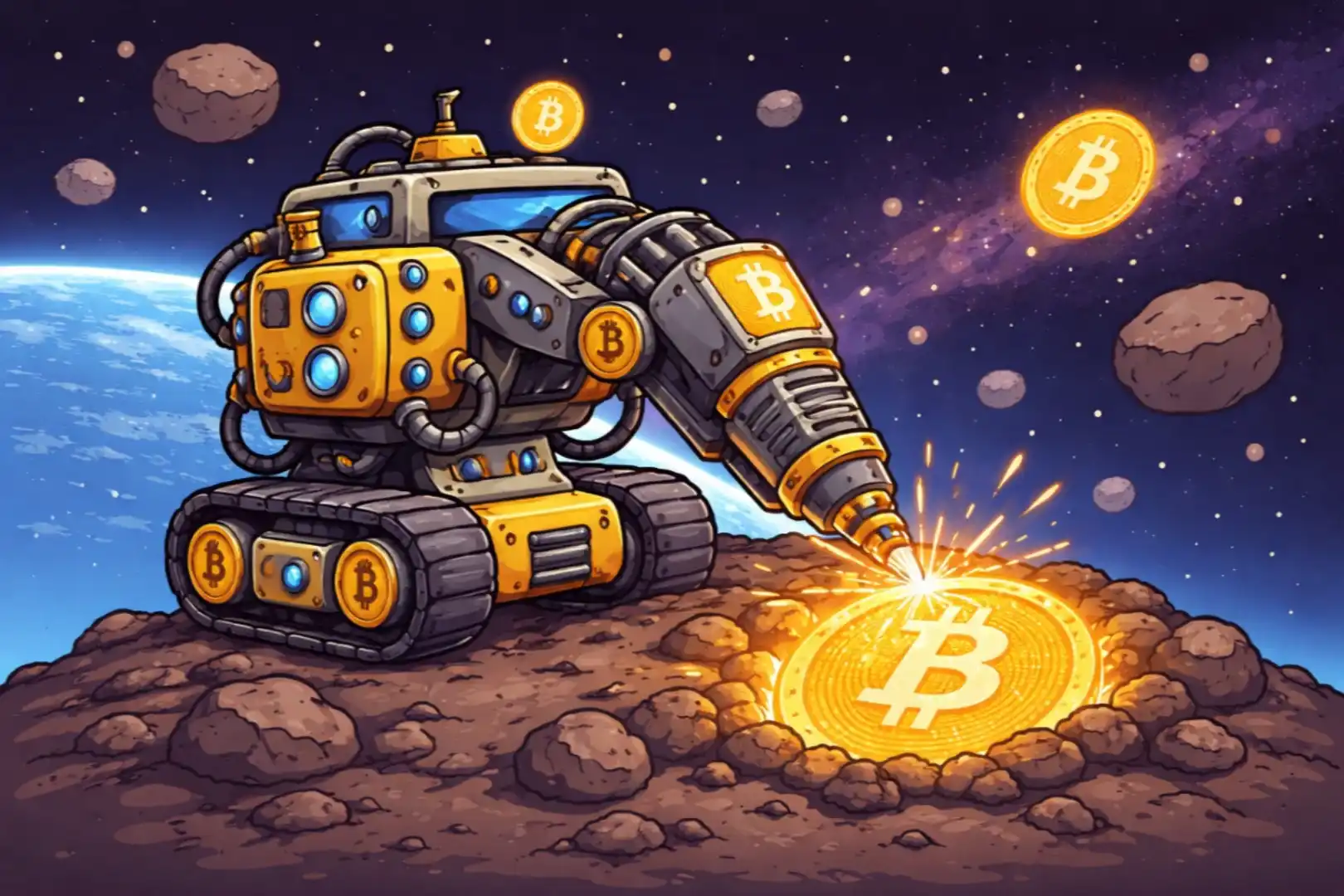
SpaceX is reportedly preparing for a historic IPO with a target of $1.75 trillion, while simultaneously advancing plans to deploy AI data centers in orbit, leveraging space’s vacuum for cooling and solar energy for power. This has sparked interest in whether Bitcoin mining—also energy-intensive and dependent on computing hardware—could also move to space. The core idea involves placing mining ASICs on the back of solar panels in orbit, using abundant solar energy to power mining operations. Heat dissipation in vacuum, a key challenge, is manageable through thermal radiation, and communication with mining pools is feasible with low latency via low Earth orbit satellites. However, the economics remain prohibitive. Launch costs, currently around $2,720 per kilogram via Falcon 9, make mining payloads financially unviable. Estimates suggest that with current technology, the payback period would exceed 100 years. SpaceX’s Starship may eventually reduce launch costs below $200/kg, making space mining more feasible. Companies like Starcloud—backed by NVIDIA and top VCs—are already testing orbit-based computing, including AI and planned Bitcoin mining experiments. Others, like SpaceChain and Cryptosat, focus on secure blockchain nodes and cryptographic services in space rather than mining. While orbital mining is not yet economically competitive with terrestrial operations, it represents a long-term vision for radically reducing energy costs and expanding the infrastructure of decentralized networks beyond Earth.

marsbit04/01 03:49

When Bitcoin Miners Take to Space

marsbit04/01 03:49

Aave Founder: The Next Step for DeFi is Financing Solar Energy, Robotics, and Space

DeFi has already improved the supply side of capital allocation, with highly liquid on-chain assets that can be programmatically deployed for optimized risk-adjusted returns. Aave, in particular, has demonstrated its capacity to absorb hundreds of billions in liquidity. The next evolution of DeFi should focus on the demand side, rebalancing liquidity toward real-world infrastructure financing. Key future infrastructure sectors requiring capital deployment include solar farms, batteries, data centers & GPUs, robotics, electric transportation, nuclear energy, desalination, carbon capture, critical minerals, digital networks, and space infrastructure. Conservative estimates project a total capital expenditure opportunity of $100–200 trillion by 2050—dwarfing the combined assets under management of the world’s top ten banks. Aave can capture this opportunity through two primary models: yield-bearing stablecoins (YBS), which distribute off-chain yields to on-chain users, and direct collateralization of tokenized real-world assets. Both approaches align with Aave’s lending structure, where loans are backed by assets rather than user credit. Infrastructure assets typically offer attractive returns—ranging from 8% to 18%—with cash flows that mitigate redemption risks. By serving as a foundational liquidity layer, Aave can help finance the transition to a more abundant global economy, accelerating adoption by 10–15 years. This positions Aave not just as a DeFi protocol but as the core financial infrastructure for the future.

marsbit03/02 05:23

Aave Founder: The Next Step for DeFi is Financing Solar Energy, Robotics, and Space

marsbit03/02 05:23

Elon Musk's First Interview in 2026: Discussing the Impact of AI, Robotics, Energy, and US-China Competition on the Near Future

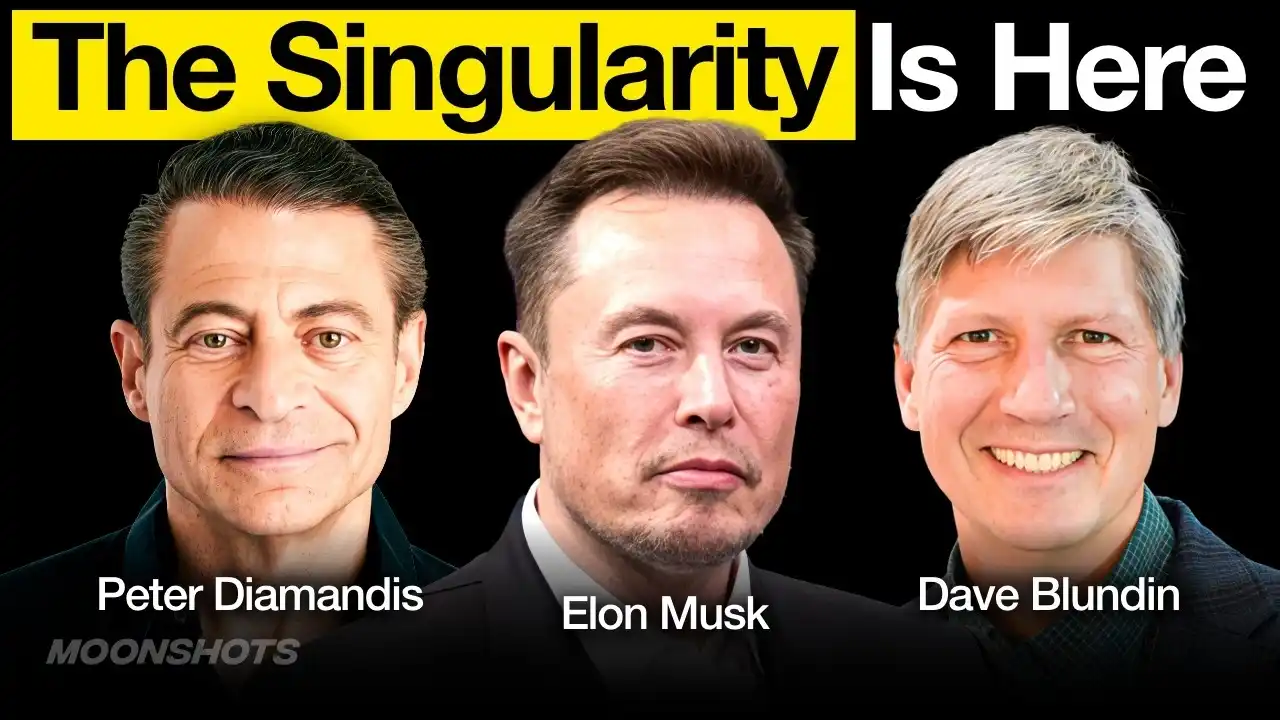
In a January 2026 interview, Elon Musk discussed the profound impact of AI, robotics, energy, and global competition on the near future. He declared 2026 as the "Year of Singularity," asserting that AI progress is exponential, with AGI achievable by 2026 and AI intelligence surpassing all humans combined by 2030. Musk predicted that Optimus robots would outperform human surgeons within three years, making high-quality healthcare essentially free due to AI, chip performance, and robotic dexterity advancing exponentially. He argued that pursuing medical degrees would become pointless unless for social reasons. On global AI competition, Musk stated China would dominate in computing power, citing its massive electricity production (3 times the U.S. by 2026), reduced chip advantage gaps, and exceptional execution capabilities. He envisioned the AI landscape led by XAI, Google, and China. For energy, Musk emphasized solar power as the ultimate solution, proposing a three-phase plan: doubling grid efficiency with battery storage, deploying space-based solar satellites, and eventually building satellite factories on the Moon. He described energy as the future currency. Economically, Musk suggested that money might become irrelevant in 10-20 years due to AI and robotics driving abundance, leading to "Universal High Income" (UHI) instead of UBI. He warned of a turbulent 3-7 year transition period. He also noted that work would become optional within two decades, expressed concern over declining birthrates, and criticized traditional education, advocating for curiosity-driven learning enhanced by AI tutors. Musk concluded by encouraging active optimism: "Make hope happen."

marsbit01/13 05:11
Elon Musk's First Interview in 2026: Discussing the Impact of AI, Robotics, Energy, and US-China Competition on the Near Future

marsbit01/13 05:11

活动图片