# Intent Articoli collegati

Il Centro Notizie HTX fornisce gli articoli più recenti e le analisi più approfondite su "Intent", coprendo tendenze di mercato, aggiornamenti sui progetti, sviluppi tecnologici e politiche normative nel settore crypto.

When the World Cup Collides with Agents: From Web2 to Web3, How Are Wallets Evolving into Agentic Wallets?

World Cup as a Catalyst for Agentic Wallets: From Web2 to Web3 This article explores how the World Cup provides a real-world scenario for observing the evolution of digital wallets from simple asset managers towards "Agentic Wallets"—intelligent, AI-powered interfaces. Using the example of prediction markets like Polymarket, it illustrates how AI Agents can lower the barrier to Web3 interaction. Instead of navigating complex DApps, users can express intent in natural language (e.g., "I think Portugal will win") within platforms like Discord or web pages. The Agent then interprets this intent, finds the relevant market, and seamlessly guides the user through the on-chain transaction via their wallet. The core shift is from wallets as mere "function menus" for signing transactions to "intent interpreters" that understand user goals. The article highlights parallel developments in traditional finance, such as Mastercard's "Agent Pay" and WeChat Pay's AI tests, which focus on granting AI controlled, authorized, and auditable payment capabilities. This underscores a broader trend of AI entering the financial layer. However, the article emphasizes that the primary challenge for Agentic Wallets in Web3 is not automation but establishing clear security boundaries. Unlike traditional systems with chargebacks, on-chain transactions are often irreversible. Therefore, future wallets must ensure users retain ultimate control and comprehension. They need to transparently communicate an Agent's permissions, spending limits, authorized durations, and provide easy ways to pause or revoke access. The World Cup experiments represent early steps toward wallets that are not just applications but ubiquitous, intelligent interfaces that simplify Web3 while keeping users securely in control.

marsbit06/19 07:41

When the World Cup Collides with Agents: From Web2 to Web3, How Are Wallets Evolving into Agentic Wallets?

marsbit06/19 07:41

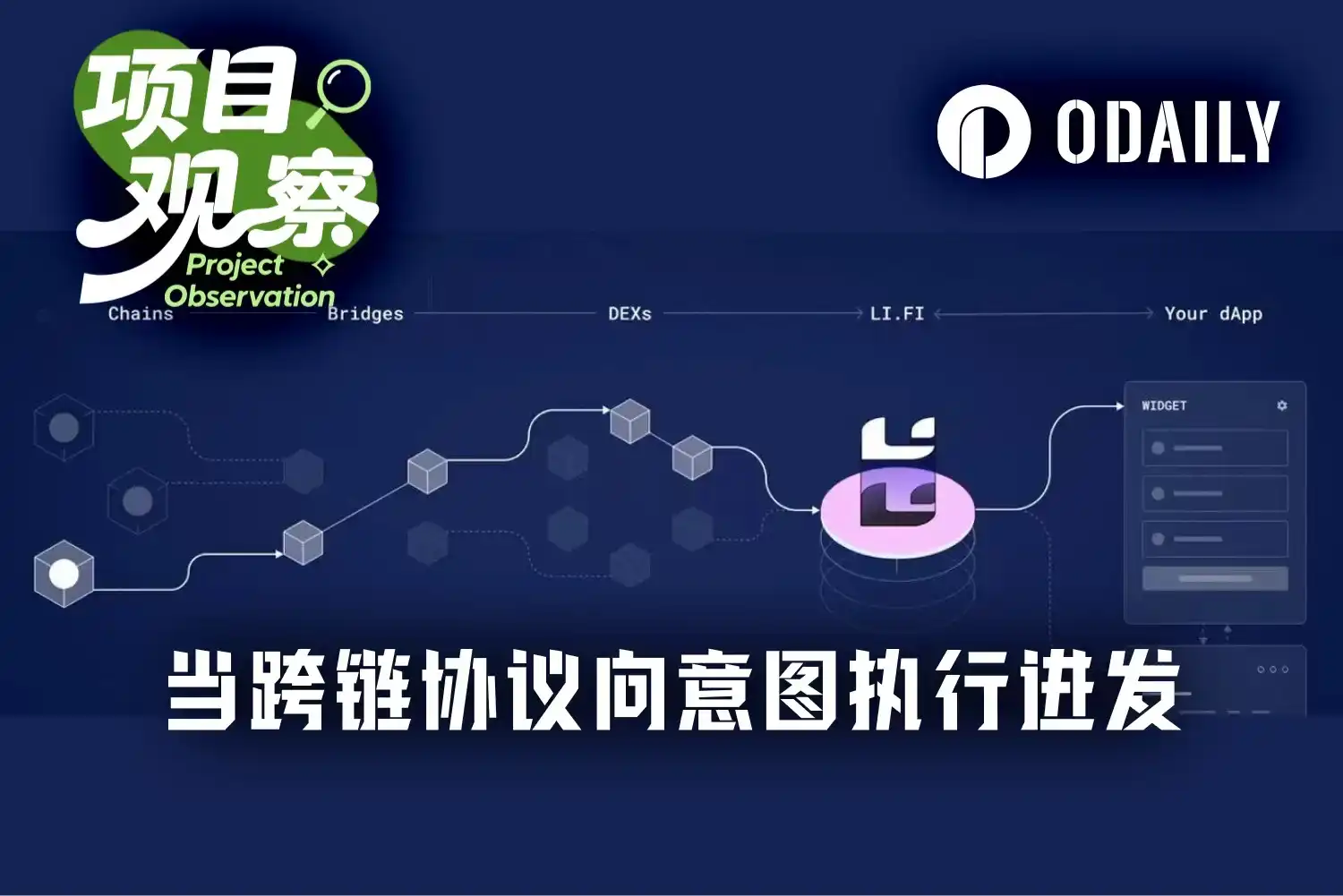
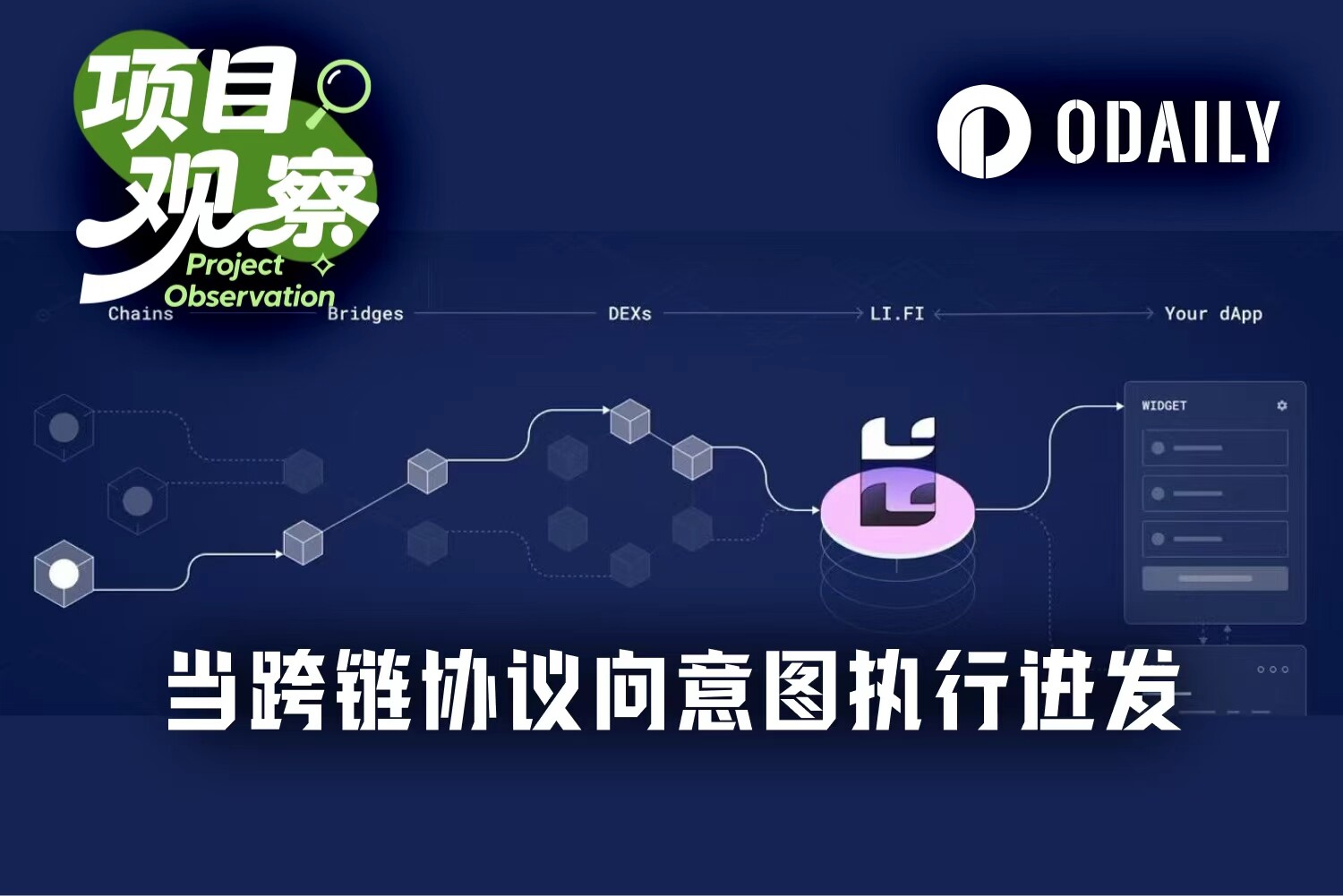
Cross-Chain Bridges Actively Adapt, LI.FI Leverages Intent Architecture to Become the Liquidity Hub for TradFi Institutions

Cross-Chain Bridge LI.FI Transforms with Intents Architecture to Serve as Liquidity Hub for TradFi Institutions Facing declining cross-chain transaction volumes and overall crypto market liquidity, cross-chain bridge protocol LI.FI is proactively shifting its strategy. Moving beyond its role as a "liquidity transfer protocol," LI.FI is targeting new assets, clients, and operational systems. Key to this transformation is the launch of LI.FI Intents, an intent-based execution architecture. This product positions itself as a foundational layer for stablecoin payments, Real World Assets (RWA), and compliant on-chain liquidity, catering specifically to fintech companies, neobanks, wallets, and regulated financial institutions. LI.FI Intents simplifies user experience by offering a turnkey solution. It leverages a solver network for market-maker level execution, enabling precise cross-chain swaps (e.g., between USDC and USDT) without users managing gas tokens or complex blockchain steps. It lowers barriers to entry by integrating with applications like Jumper and Rabby, allowing enterprise users to bypass direct wallet interactions for transactions like payments and asset transfers. The architecture emphasizes compliance. Its network consists of verified legal entities, and enterprises can review and approve orders within their compliance frameworks before processing. All interacting wallets undergo OFAC screening. For ecosystem coverage, LI.FI Intents supports major networks including EVM chains, Solana, and Tron, mitigating risks associated with single-chain dependency. In essence, as tokenized assets like RWAs gain traction, LI.FI Intents focuses on efficiently integrating stablecoin payments and compliant liquidity into enterprise ecosystems. By automating complex execution steps—allowing users to simply declare their intent (the "destination")—it aims to enhance operational efficiency and capital utilization for institutional clients.

Odaily星球日报06/03 06:07

Cross-Chain Bridges Actively Adapt, LI.FI Leverages Intent Architecture to Become the Liquidity Hub for TradFi Institutions

Odaily星球日报06/03 06:07

Stop Saying ‘We Need Privacy’

Title: Stop Saying ‘We Need Privacy’ The article argues that "privacy" is not a single concept but rather five distinct problems in the context of blockchain and cryptocurrency. When people demand privacy, they are often referring to one of the following: 1. **Intent Privacy:** Hiding transaction details from observers before execution to prevent front-running by MEV bots. Solutions include private transaction delivery (e.g., Flashbots Protect) and encrypted mempools (e.g., Shutter Network). 2. **Value Privacy:** Concealing the amounts transferred. This is achieved through shielded systems (e.g., Zcash, Penumbra) that use cryptographic proofs to verify transactions without revealing values. Privacy can still be compromised by user behavior patterns. 3. **Graph Privacy:** Protecting the relationships and patterns of who transacts with whom. Techniques include pooled unlinkability (e.g., Tornado Cash mixers) and stealth addresses (e.g., ERC-5564) to break direct on-chain links between transactions. 4. **State Privacy:** Keeping DeFi positions, balances, and liquidation thresholds hidden. This requires storing state as private records and using zero-knowledge proofs (ZK-proofs) to validate state changes without revealing underlying data (e.g., Aztec). Composability and edge interactions remain challenges. 5. **Execution Privacy:** Hiding the computation logic itself, crucial for strategies like auctions or liquidations. Methods include using Trusted Execution Environments (TEEs) (e.g., Secret Network) or ZK-proofs for private execution. The article concludes that privacy often fails at the edges, such as at the RPC (Remote Procedure Call) layer, where providers can collect IP addresses and wallet information. The key is to ask which surface is being protected and where information might leak when users interact with the real world, rather than seeking a single winning privacy model.

比推02/13 00:39

Stop Saying ‘We Need Privacy’

比推02/13 00:39

活动图片