# Hormuz Articoli collegati

Il Centro Notizie HTX fornisce gli articoli più recenti e le analisi più approfondite su "Hormuz", coprendo tendenze di mercato, aggiornamenti sui progetti, sviluppi tecnologici e politiche normative nel settore crypto.

Crude Oil Surges 10% in Intraday Trading! US Military Restores Blockade on Iran, Trump Warns of 'Heavy Blows' Tonight and Tomorrow, Imposes 20% Fee on Strait Shipping

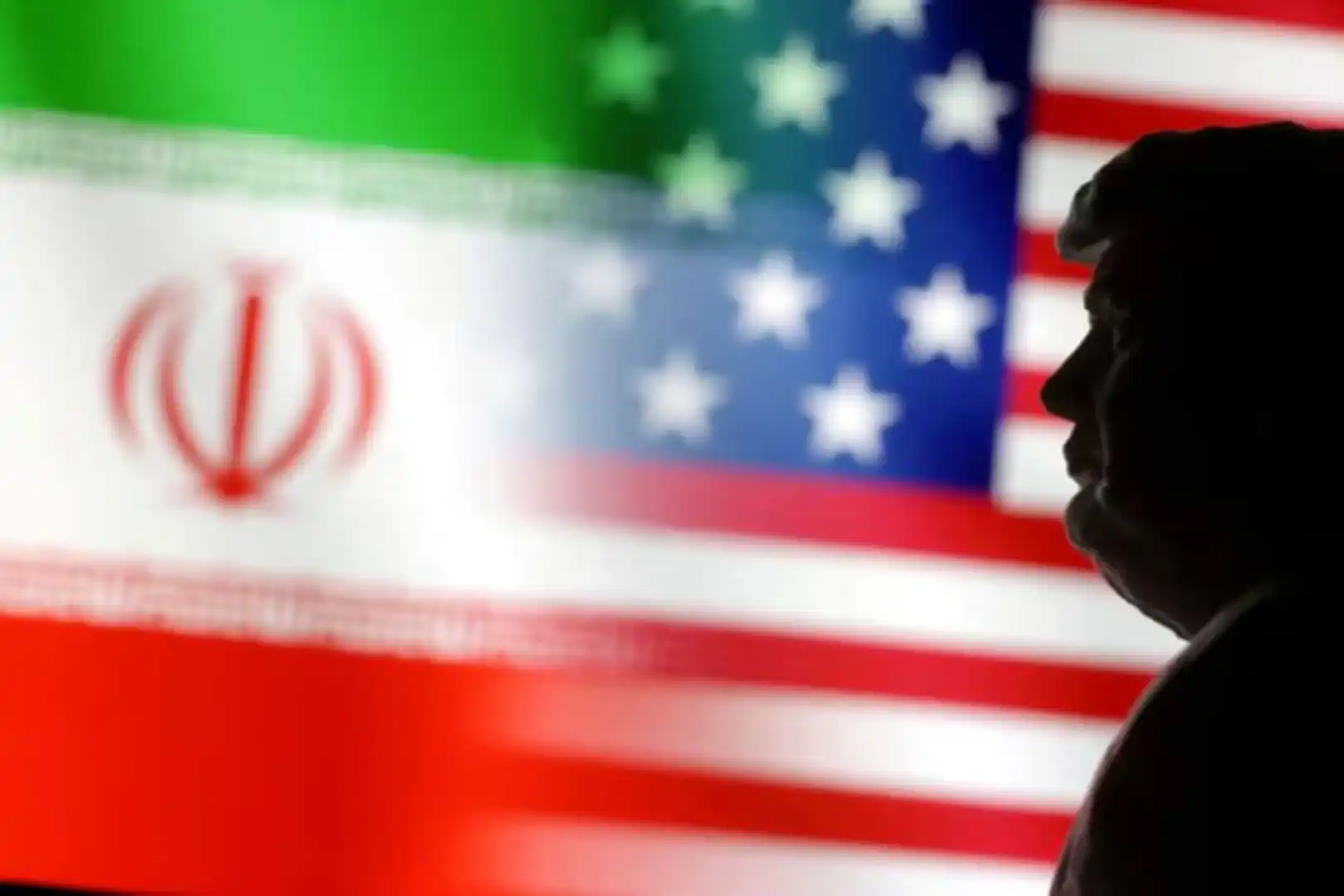
Crude oil prices surged up to 10% intraday as tensions between the US and Iran escalated sharply. President Trump announced the reinstatement of a maritime blockade against Iran, targeting its ships and their customers, while stating the Strait of Hormuz would remain open to all other nations. He further declared that the US, as the "guardian" of the strait, would impose a 20% fee on all cargo transiting the strategic waterway to compensate for security costs. The US Central Command confirmed the naval blockade would commence on July 14 (GMT). Following Trump's statements, reports emerged of explosions near Iran's Larak Island and the port of Bandar Abbas, though Iranian authorities did not confirm their nature. Iran's Foreign Minister criticized the proposed 20% fee as excessive, asserting Iran's role as the guardian of the strait. An Iranian military spokesperson warned of a strong response to any unauthorized US interference in the waterway. The United Nations' International Maritime Organization (IMO) expressed opposition to charging tolls for passage through international straits, stating such measures lack legal foundation. Market reactions were pronounced, with Brent crude briefly surpassing $83 and WTI above $78. The situation intensified as Trump notified Congress of renewed hostilities with Iran, following US airstrikes on Iranian targets.

marsbit07/14 04:18

Crude Oil Surges 10% in Intraday Trading! US Military Restores Blockade on Iran, Trump Warns of 'Heavy Blows' Tonight and Tomorrow, Imposes 20% Fee on Strait Shipping

marsbit07/14 04:18

A 60-Day Window Depresses Oil Prices, So Why Is the Market Falling Instead?

International oil prices continued to decline on June 23, extending significant losses from the previous session. The market shifted focus from Middle East military risks to actual supply changes following a temporary U.S.-Iran arrangement. The immediate trigger was the resumption of traffic through the Strait of Hormuz, a critical oil shipping chokepoint, with two tankers passing through, signaling eased near-term supply disruption fears. Prices retreated as the "worst-case scenario" was temporarily averted. A reported 60-day window in a U.S.-Iran understanding allows Iran to sell oil during this period, further dampening supply concerns. However, this arrangement is temporary, linked to nuclear talks, and does not guarantee a long-term solution. Market sentiment remains cautious because the deal could still unravel, potentially reinstating sanctions or disrupting shipping. While these developments have lowered immediate risk premiums, prices have not fully returned to pre-conflict levels. Geopolitical news, particularly regarding the stability of the Strait of Hormuz or the progress of negotiations, could quickly reverse the price drop. Additionally, low U.S. strategic petroleum reserves limit the emergency buffer available if supply shocks reemerge. Therefore, the current price decline reflects a reduction in near-term panic, not a complete elimination of Middle East supply risks.

marsbit06/23 05:46

A 60-Day Window Depresses Oil Prices, So Why Is the Market Falling Instead?

marsbit06/23 05:46

TechFlow Intelligence: AMD AI Director Publicly Criticizes Claude Code for "Becoming Dumber and Lazier", Trump Claims Full Ceasefire in Hormuz But Strait Still Has 80 Unexploded Mines

TechFlow Intelligence Report: This daily digest covers key developments in AI, crypto, hardware, and geopolitics. In AI, SK Telecom faces US export control scrutiny over its partnership with Anthropic, while a Gemini user reports being misled in a scam scenario, sparking safety debates. China's Z.AI launches the GLM-5.2 model, rivaling Claude Opus without NVIDIA chips. In crypto, Bithumb lists ReProtocol, and Upbit delists KernelDAO. On the hardware front, MIT researchers build a custom OS to study chips, ASML denies US claims its advanced lithography machines are in China, and Amazon considers selling its in-house AI chips. Apple's future A21 Pro chip may use TSMC's latest N2P process. Major tech issues include 10,000 GitHub repositories distributing malware and Apple patching a critical eavesdropping flaw in Beats earbuds. US stocks rise, led by semiconductors, with Intel surging 10.6%, while SpaceX falls 3.5%. Geopolitically, despite a US-Iran deal, the Strait of Hormuz remains risky with ~80 uncleared mines, stalling 80M barrels of oil on standby tankers. Iran postpones Switzerland talks, and Trump calls the agreement an "unconditional surrender." The report highlights a contrast: temporary geopolitical calm versus the ongoing, fundamental restructuring of tech supply chains and chip independence.

marsbit06/19 13:40
TechFlow Intelligence: AMD AI Director Publicly Criticizes Claude Code for "Becoming Dumber and Lazier", Trump Claims Full Ceasefire in Hormuz But Strait Still Has 80 Unexploded Mines

marsbit06/19 13:40

Under the Shock of Oil Prices and Inflation, Which Country Will Be the First to Sell Off Its Gold Reserves?

The article draws a parallel between the 2003 North American blackout and the potential collapse of the global financial system, framing the US dollar and Treasury market as the world's economic "power grid." It argues that the closure of the Strait of Hormuz is creating a shockwave, starting with oil-importing emerging markets like Turkey, India, and Indonesia. As oil prices rise, these nations are forced to sell dollar-denominated assets—first US Treasuries, then potentially their gold reserves—to afford fuel. Turkey is highlighted as a key case, having sold nearly 90% of its Treasuries and begun tapping gold reserves when oil was between $70-$105/barrel. The article warns that if prices spike to $150-$160/barrel, global buffers like oil inventories and strategic reserves will be depleted. This could trigger a cascade: vulnerable nations, having exhausted assets, could face economic and political collapse (like Sri Lanka in 2022). Their forced asset sales would drive US Treasury yields higher, potentially past a critical threshold (around 5%), forcing the US to choose between a bond market crash or hyperinflation through massive money printing. Ultimately, the piece posits that the dollar's long-term decline is inevitable. The first domino to fall will likely be a fragile emerging market, signaling the start of a chain reaction that eventually threatens the core of the dollar system. The conclusion advises holding tangible assets like gold and energy, which cannot be printed, as a hedge against currency devaluation.

marsbit06/17 07:28

Under the Shock of Oil Prices and Inflation, Which Country Will Be the First to Sell Off Its Gold Reserves?

marsbit06/17 07:28

Dialogue with Macro Analyst: AI Dries Up All Liquidity in US Stocks, $40K Bitcoin is the Bottom

**Summary of Interview with Macro Strategist Luke Groman** Macro strategist Luke Groman, founder of FFT LC, analyzes market liquidity, AI dominance, and geopolitical tensions to present a bearish view for Bitcoin. * **Key Theses:** * The stock market rally is narrow, driven primarily by a handful of AI stocks, which are sucking liquidity from other assets, including Bitcoin, which he sees as a liquidity "smoke alarm" now signaling trouble. * Despite strong stock performance in dollar terms, he expects stocks to decline significantly when measured in gold or Bitcoin. The US economy faces structural challenges, with sovereign debt having a 100% historical failure rate at current levels. * Geopolitics are key: the prolonged closure of the Strait of Hormuz is a major US strategic failure, creating stagflationary pressures. China's control of rare earths processing and a move towards a "no ticky, no washy" proof-of-work settlement system (involving physical gold and possibly Bitcoin) are reshaping global trade. * AI's growth is fueled by aggressive accounting that front-loads revenue, masking cash burn. The paradox is that if AI is as transformative as valuations suggest, it will destroy jobs, but admitting this is politically untenable. * **Outlook for Bitcoin:** * Groman sold most of his Bitcoin holdings near the top and has not re-entered the market in size. * He believes technical analysis points to a potential bottom for Bitcoin in the $40,000 - $50,000 range in Q3/Q4.

marsbit06/10 04:11

Dialogue with Macro Analyst: AI Dries Up All Liquidity in US Stocks, $40K Bitcoin is the Bottom

marsbit06/10 04:11

TACO Is Outdated, Wall Street Is Betting Heavily on NACHO

The article discusses a shift on Wall Street from the "TACO" (Trump Always Chickens Out) trading theme to a new one called "NACHO" (Not A Chance Hormuz Opens). This change reflects the market's adaptation to a prolonged closure of the Strait of Hormuz following U.S.-Israel airstrikes on Iran in late February. Unlike TACO, which bet on former President Trump de-escalating crises, NACHO bets on a protracted stalemate keeping the vital oil chokepoint shut. Key evidence for the NACHO regime includes a fundamental decoupling of oil prices and the S&P 500 since late March. While Brent crude has remained elevated (around $109 in May), the stock index has rallied to new highs. The market is pricing in a long but finite period of high oil prices, as seen in the steep futures curve. This theme is backed by real money in three derivatives markets: soaring war risk insurance for ships, an inverted oil futures structure, and evaporating expectations for Federal Reserve rate cuts in 2026. Within the equity market, the NACHO dynamic has caused a sharp divergence, with the energy sector (XLE) vastly outperforming the transportation sector (IYT), which is highly sensitive to fuel costs. The article notes a concrete deadline for this trade: early June. Analysts warn that global commercial oil inventories could approach critical "operational pressure" levels by then, potentially triggering more severe market disruptions if the Strait remains closed. Prediction markets currently assign a very low probability to the Strait reopening normally before June.

marsbit05/10 01:32

TACO Is Outdated, Wall Street Is Betting Heavily on NACHO

marsbit05/10 01:32

‘TACO’ Is Outdated, Wall Street Embraces ‘NACHO’ Trading

The Wall Street trading meme "TACO" (Trump Always Chickens Out) is being replaced by "NACHO" (Not A Chance Hormuz Opens), signaling a major shift in market expectations. TACO bets anticipated de-escalation from political figures, but this pattern broke on March 23rd when a Trump social media post claiming progress with Iran was denied by Tehran, causing a sharp but temporary market reversal. Since then, markets have adopted a NACHO mindset, betting the Strait of Hormuz will remain closed for an extended period. This view is reflected in three key markets. First, war risk insurance premiums for vessels transiting the strait have skyrocketed. Second, the oil futures curve shows a steep backwardation, with near-term prices far exceeding long-dated contracts, indicating expectations for a prolonged but not permanent supply crunch. Third, Federal Reserve rate cut expectations for 2026 have been priced out to zero due to persistent oil-price inflation. While the S&P 500 continues hitting record highs, the market internally reflects NACHO's impact. The energy sector ETF (XLE) has vastly outperformed the transportation sector ETF (IYT), as high oil prices directly benefit producers but squeeze transport and logistics companies' margins. The NACHO trade has a concrete deadline. Analysts warn global commercial oil inventories could reach critical "operational pressure" levels by early June. If the strait remains closed into September, OECD stocks may fall below the operational floor. Prediction markets currently assign a very low probability to the strait reopening before June. The market has shifted from reacting to political headlines to pricing in the physical realities of oil supply and inventory clocks.

marsbit05/09 04:16

‘TACO’ Is Outdated, Wall Street Embraces ‘NACHO’ Trading

marsbit05/09 04:16

活动图片