# Greenspan Articoli collegati

Il Centro Notizie HTX fornisce gli articoli più recenti e le analisi più approfondite su "Greenspan", coprendo tendenze di mercato, aggiornamenti sui progetti, sviluppi tecnologici e politiche normative nel settore crypto.

1996 or 1999? Walsh's First Test is 'How to View AI'

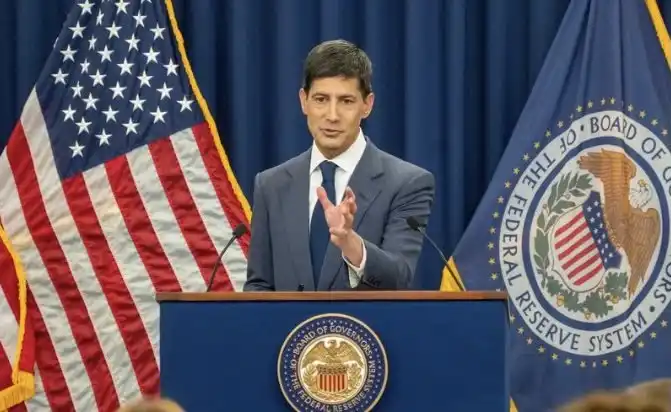
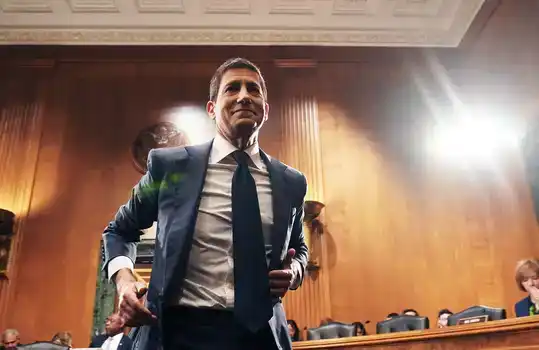
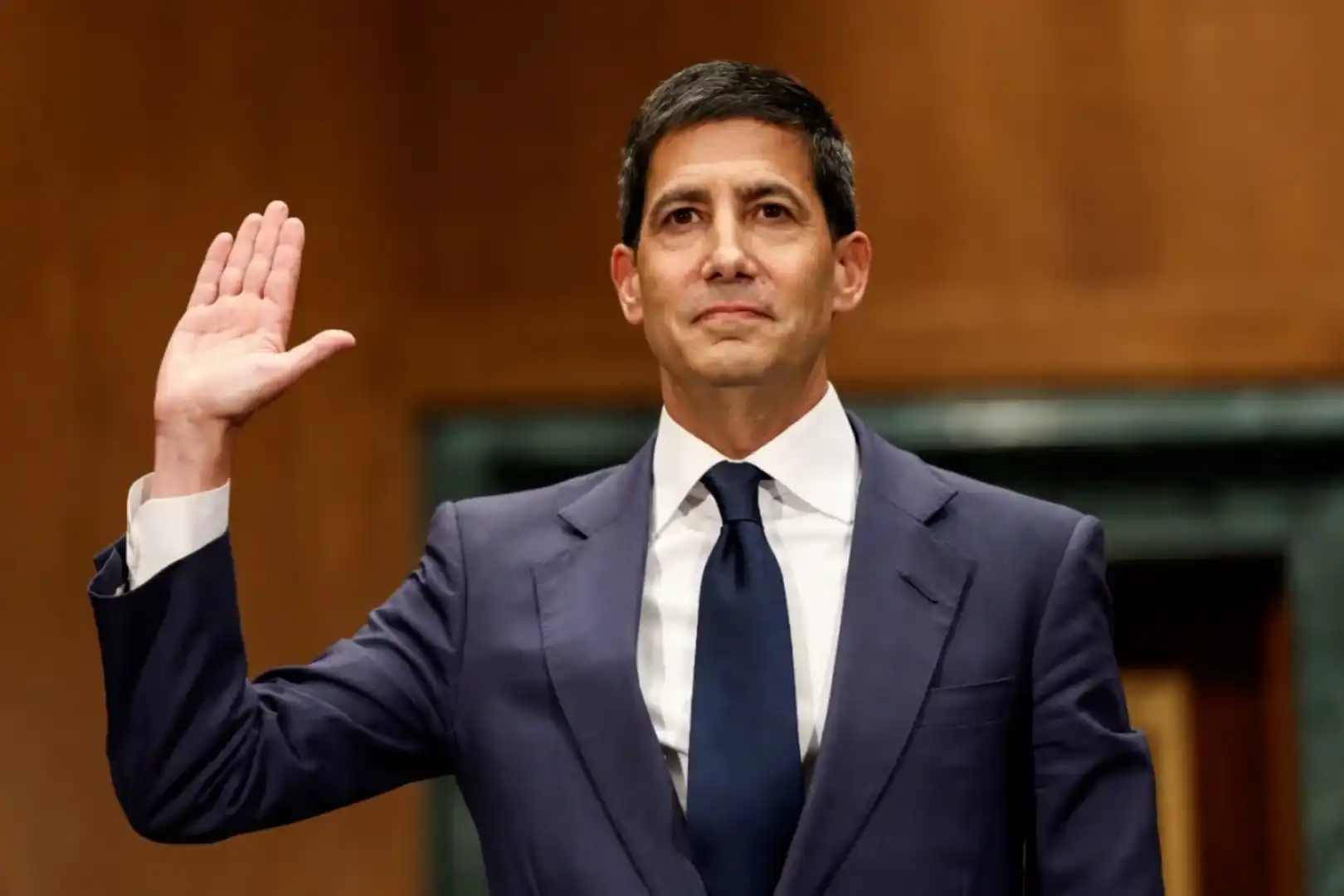
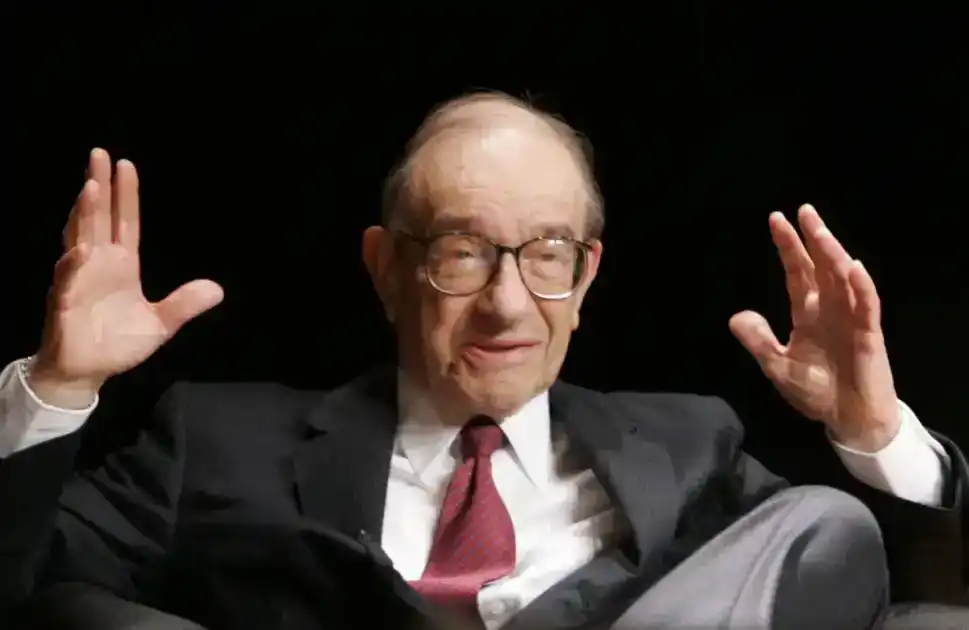
"1996 or 1999? Wall's First Big Test Is 'How to View AI'" Federal Reserve Chairman Wall's initial challenge is not whether to raise or cut rates, but a more fundamental judgment: what kind of boom is the current AI boom? This will determine the Fed's policy path and define his legacy. Economics is split between two opposing views, according to reporter Nick Timiraos. One sees imminent productivity gains that will increase supply and cool inflation, allowing the Fed to hold steady. The other argues that while productivity benefits are distant, demand shocks are here now, and waiting for data confirmation risks missing the intervention window, forcing sharper rate hikes later. Wall has signaled a leaning toward the first view, echoing 1996-era Alan Greenspan, who embraced strong, productivity-driven growth without fear of inflation. However, Wall faces a different macro environment than Greenspan did, with tariff pressures, expanding fiscal deficits, and diminishing globalization benefits, which could force more significant inflation pressures even if AI benefits materialize. Wall's logic, expressed before taking office, is that AI-driven productivity gains won't show in official data for years. If the Fed waits for confirmation, it might mistakenly tighten policy and choke off the very growth that could suppress inflation. This argues for using forward-looking narratives over lagging data. Chicago Fed President Austan Goolsbee presents a key counter-argument. He distinguishes between expected and unexpected productivity booms. A widely anticipated boom, like the current AI wave, can cause people to spend future wealth gains in advance, overheating the economy before productivity actually rises, thus requiring preemptive rate hikes. He cites rising costs for AI data centers as evidence of such overheating. Fed Governor Christopher Waller offers a rebuttal to Goolsbee, noting the "expected spending" mechanism only works if people can borrow against future income, which many households cannot do due to borrowing constraints. Wall also faces a paradox related to his desire to reduce the Fed's use of "forward guidance" (pre-announcing policy moves). This practice was established in 1999 when Greenspan began signaling hikes to avoid market shocks. If the economy follows a less optimistic path, Wall may be forced to choose between using the guidance he wants to abolish or risking market volatility by staying silent. The ultimate question defining Wall's first major test remains: Is this 1996 or 1999?

marsbit06/20 07:53

1996 or 1999? Walsh's First Test is 'How to View AI'

marsbit06/20 07:53

Warsh Takes the Helm at the Fed: A Capital Layout Clearing the Way for AI Productivity

Kevin Warsh's confirmation as the 17th Federal Reserve Chair signals a significant strategic pivot, not merely a political victory. The core narrative, as framed by the author's "Universal Code," is that capital flows towards maximizing intelligence output per unit of energy—currently represented by the AI-driven semiconductor and energy infrastructure boom. Warsh, uniquely among candidates, is a former tech investor who has personally invested in this AI "productivity miracle." His mandate is to enable this transformation by aligning monetary policy to support, not stifle, the capital-intensive AI buildout. His proposed policy framework blends elements of 1950s financial repression with Alan Greenspan's 1990s playbook: tolerating higher headline inflation driven by volatile components (e.g., energy) while relying on AI-driven productivity gains to suppress core inflation and unit labor costs. This allows for a more accommodative stance than conventional models suggest. The strategy's success hinges on a coordinated "Treasury-Fed Accord" with Treasury Secretary Bessant. Bessant's role is international: securing foreign demand for long-term U.S. debt through bilateral agreements (e.g., with China, Japan, Gulf states) that offer access to AI infrastructure in exchange for recycling trade surpluses into Treasuries. A weaker dollar and controlled real yields are essential to make this foreign duration buying viable. Warsh's Fed must avoid overly restrictive policy that would break this flow. The underlying coalition driving this agenda consists of crypto founders, AI infrastructure operators, and energy investors seeking policy stability. While Warsh's initial meetings may not deliver immediate rate cuts, they will signal a shift in focus toward core inflation and greater policy discretion. The critical variable is the bond market. If long-term yields, term premiums, or real yields rise beyond certain thresholds (e.g., 10-year yields above 5.5%), the entire architecture could fail regardless of Fed actions. The next six months will determine whether the bond market grants the new Fed Chair the space to implement this framework. If successful, the cycle extends, benefiting risk assets, cryptocurrencies, and AI capital expenditure stocks. The market's current pricing of a conventional inflation fight creates an asymmetry versus this productivity-led, financially repressive framework, which represents the potential for significant returns.

marsbit05/14 10:07
Warsh Takes the Helm at the Fed: A Capital Layout Clearing the Way for AI Productivity

marsbit05/14 10:07

活动图片