# Energy Transition Articoli collegati

Il Centro Notizie HTX fornisce gli articoli più recenti e le analisi più approfondite su "Energy Transition", coprendo tendenze di mercato, aggiornamenti sui progetti, sviluppi tecnologici e politiche normative nel settore crypto.

Copper, the Gold of 2026

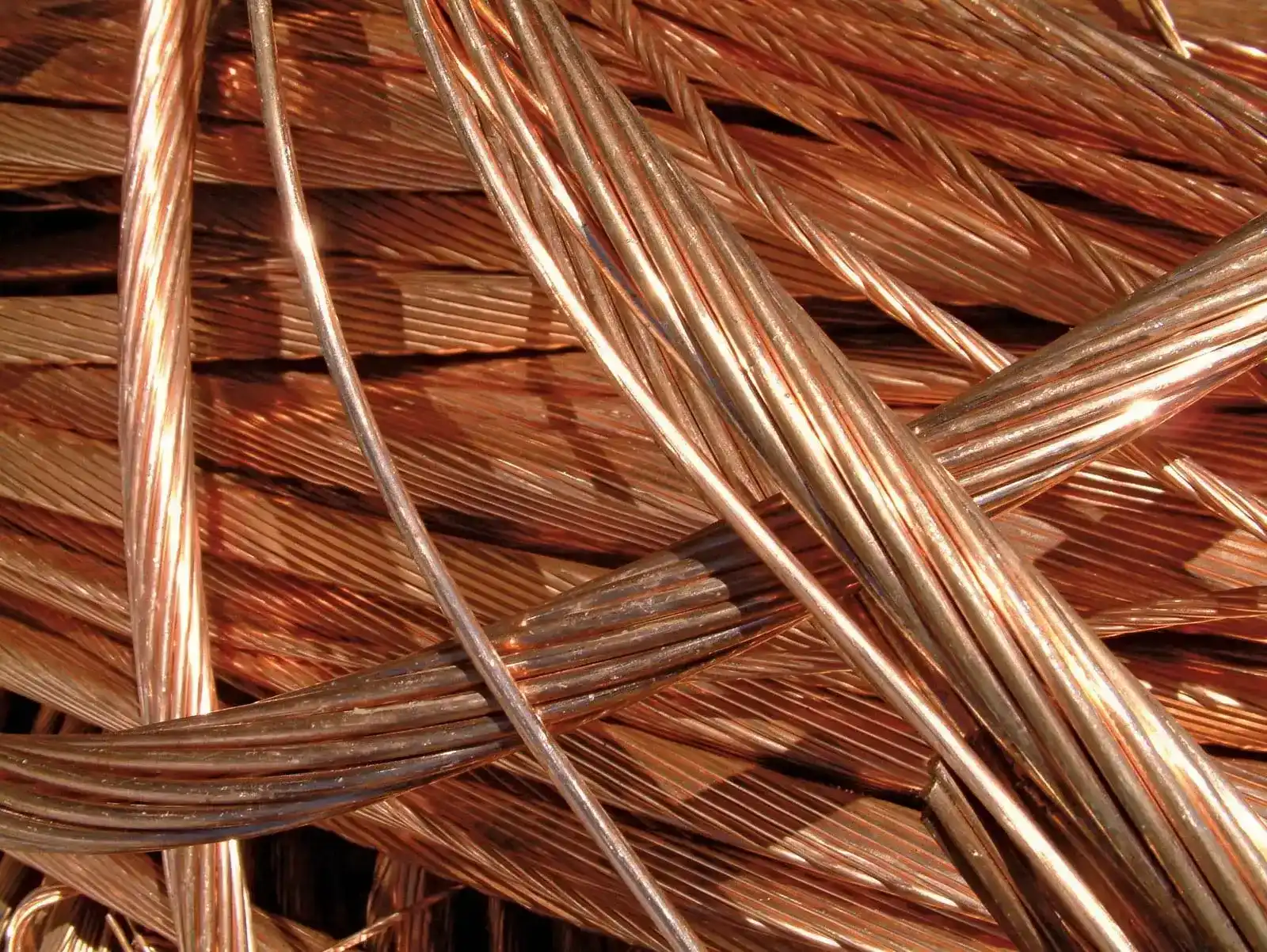
Copper: The New Gold for 2026? Market focus has shifted from AI chips to underlying infrastructure, with copper emerging as a key narrative. Its role is evolving beyond "Dr. Copper"—a traditional indicator of economic cycles—due to structural demand growth from AI data centers (requiring massive electrical infrastructure), grid expansion, EVs, and re-industrialization. Estimates suggest data centers alone could require 300,000 tons of copper by 2050. The core bullish thesis is not just demand but a severe supply constraint. New copper mines take ~17 years to develop, while ore grades are declining and new discoveries are scarce, potentially leading to a 30% supply deficit by 2035. This supply rigidity, coupled with strategic importance, is giving copper a "gold-like" scarcity narrative. Major macro investors, including Stanley Druckenmiller, are allocating to copper as a hedge against dollar weakness and for its exposure to energy transition and geopolitics. Traders like Pierre Andurand have projected prices could reach $40,000/ton. Capital inflows are visible in surging futures trading volumes. Copper mining stocks act as leveraged plays on copper prices. Companies like Freeport-McMoRan (FCX) and Southern Copper (SCCO), as well as Chinese miners like CMOC, have seen significant volatility, offering high upside but also steep drawdowns, reflecting operational and geopolitical risks. While copper remains cyclical and won't fully replicate gold's monetary role, its long-term fundamentals have shifted. Its new scarcity premium, driven by a tightening supply structure and expanding electrical demand, suggests its "goldification" is just beginning.

marsbit06/16 03:09

Copper, the Gold of 2026

marsbit06/16 03:09

After Storage, Are Copper and Fiber Optic Cables Facing an AI "Great Famine"?

Following the storage sector, copper and fiber optics are emerging as potentially the next major markets to experience explosive growth due to AI. Demand for copper, described by Goldman Sachs as "the oil of the AI era," is surging. Prices are near record highs, with LME copper up 41% over the past 12 months. This is driven by AI's immense and unique requirements: copper is the essential material for the massive electrical distribution (e.g., a 1GW AI data center requires ~27,000 tons) and advanced liquid cooling systems needed for high-power AI clusters like NVIDIA's GB200. Meanwhile, new large-scale copper mine discoveries have been scarce for a decade, tightening supply. Concurrently, a "fiber famine" is unfolding. AI's need for ultra-high-speed, long-distance interconnects between thousands of GPUs is pushing data transmission beyond the physical limits of copper cables. Demand for fiber optics is experiencing a step-change, with a single AI data center requiring up to 36 times more fiber than a traditional CPU rack. This has caused prices for standard G.652D fiber in China to nearly double in just three months. Supply is critically constrained due to the long (18-24 month) lead times required to expand production of the core preform material. In summary, AI's infrastructure demands are cascading down from semiconductors to foundational materials. Copper faces a structural supply-demand imbalance, while fiber optics is entering a period of severe shortage, positioning both as critical and potentially strained components of the AI build-out.

marsbit05/14 09:25

After Storage, Are Copper and Fiber Optic Cables Facing an AI "Great Famine"?

marsbit05/14 09:25

Iran's Impact on the Dollar: The Perfect Storm of Petrodollars

The report analyzes the profound impact of the Iran conflict on the petrodollar system, the cornerstone of dollar hegemony since 1974. It argues that the system, where global oil purchases in dollars lead to surplus recycling into U.S. Treasuries, is under unprecedented strain from three layers of pressure: pre-existing structural cracks, new shocks from the conflict, and the long-term threat of energy transition. Key structural cracks include the U.S. no longer being the primary buyer of Middle Eastern oil due to its shale revolution, Saudi Arabia's push for defense autonomy, the development of alternative payment infrastructure like Project mBridge, and sanctions driving de-dollarization. The conflict itself is damaging U.S. security credibility, shifting control of the Strait of Hormuz, and potentially forcing a shift to yuan-for-oil arrangements. The analysis details five complex mechanisms linking oil prices and U.S. Treasury yields, which can push in opposite directions. Crucially, the old logic is failing: oil producers, damaged by conflict, may become net sellers of U.S. debt to fund reconstruction, just as U.S. fiscal deficits and debt supply surge. While short-term buffers exist, like U.S. energy independence, the long-term trend points towards a world with less dollar dominance. The core conclusion is that a world focused on defense and energy self-sufficiency will inherently hold fewer dollar reserves, signaling a slow but structural decline in the petrodollar system.

marsbit04/13 10:01

Iran's Impact on the Dollar: The Perfect Storm of Petrodollars

marsbit04/13 10:01

活动图片