# Employment Articoli collegati

Il Centro Notizie HTX fornisce gli articoli più recenti e le analisi più approfondite su "Employment", coprendo tendenze di mercato, aggiornamenti sui progetti, sviluppi tecnologici e politiche normative nel settore crypto.


10 Charts to Understand the State of AI in 2026: US-China Gap Only 2.7%, Sharp Decline in Programmer Positions for Under-25s

The 2026 AI Index Report from Stanford HAI reveals that AI adoption is accelerating faster than PCs and the internet, with a 53% global adoption rate. However, societal systems, job markets, and measurement tools lag behind. Key findings include: - Benchmark reliability is questionable, with 42% of GSM8K math problems deemed invalid. - The U.S. and China show near-parity in model performance (2.7% gap), with the U.S. leading in compute/capital and China in research/manufacturing. - Top models (Anthropic, xAI, Google, OpenAI) show converging capabilities, shifting competition to cost and reliability. - Employment for young developers (22–25) fell nearly 20%, with McKinsey noting AI-driven reductions in services, supply chain, and engineering. - The U.S. ranks 24th in adoption (28.3%) despite leading investment ($285.9B private AI funding in 2025). - AI agent task success improved but has ~33% failure rates; physical robots struggle outside labs (12.4% home success vs. 89.4% in sim). - A stark expert-public divide exists: 73% of experts vs. 23% of the public view AI’s job impact positively. - GPT-4o’s annual water use exceeds 12M people’s needs; AI data centers consume power equivalent to New York State. The report underscores rapid AI integration amid unresolved ethical, environmental, and economic challenges.

marsbit2 giorni fa 00:18

10 Charts to Understand the State of AI in 2026: US-China Gap Only 2.7%, Sharp Decline in Programmer Positions for Under-25s

marsbit2 giorni fa 00:18

Citrini's Echo Lingers: What Is the Market Still Debating?

The article discusses the market and academic reactions to a speculative report titled "The 2028 Global Intelligence Crisis" by James van Geelen of Citrini Research. The report, which went viral with 27 million views, predicted a severe economic crisis triggered by rapid AI-driven displacement of white-collar jobs, leading to reduced consumer spending, defaults on SaaS-backed financial products, and a credit crunch. This caused significant stock market declines in companies like IBM and DoorDash. Key debates center on three areas: the speed and scale of AI-induced job displacement, the mechanism of demand collapse, and the likelihood of a financial crisis. While some evidence supports AI's cost-saving potential and displacement effect, critics argue that institutional inertia, regulatory barriers, and historical technological adoption rates (e.g., electricity, smartphones) suggest a slower transition. Others challenge the demand collapse narrative, citing Jevons Paradox (lower prices may boost demand) and Moravec’s Paradox (physical jobs remain resilient). The report’s crisis transmission mechanism is questioned due to stronger current financial regulations and lower corporate leverage compared to 2008. Policy responses, like fiscal stimulus during COVID-19, are seen as potential mitigants. Consensus exists on AI’s transformative impact and transitional pain, but disagreements remain on the speed, systemic risk, and societal adaptability. The article concludes that while Citrini’s scenario overlooks human and institutional resilience, overly optimistic views also risk ignoring short-term disruptions. The emphasis is on independent judgment rather than accepting extreme predictions.

比推02/27 14:42

Citrini's Echo Lingers: What Is the Market Still Debating?

比推02/27 14:42

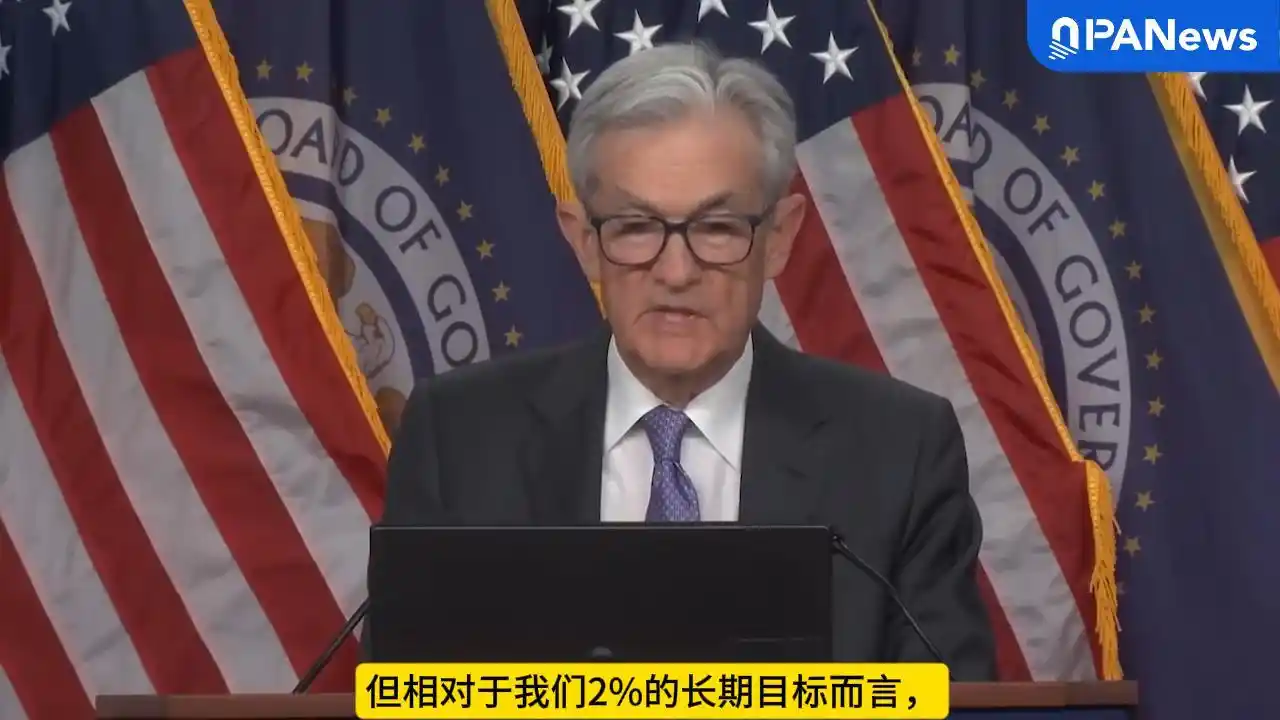
Powell: Weakening Employment, Inflation Still High, No One Talks About Rate Hikes Now

In his latest address, Federal Reserve Chair Powell highlighted a noticeable cooling in the U.S. labor market, marked by slower hiring and reduced layoffs, declining challenges in recruitment, and diminished household expectations for job opportunities. The unemployment rate has risen to approximately 4.4%, with employment gains significantly weaker than at the start of the year. This slowdown stems partly from reduced labor supply—due to decreased immigration and lower participation rates—but also reflects weakening labor demand itself. On inflation, core PCE remains at 2.8% year-on-year, above the long-term 2% target. While goods inflation has edged up due to tariffs, service inflation continues to moderate. Although overall inflation has declined substantially from its 2022 peak, it has not yet reached a level that fully assures the Fed. The FOMC responded by cutting rates by 25 basis points and initiating short-term Treasury purchases to maintain ample reserves and ensure effective policy transmission. Powell emphasized that, with rising employment risks and persistently elevated inflation, there is no "risk-free" policy path. The Fed must carefully balance its dual mandate constraints. He noted that interest rates are nearing a neutral range, and future policy decisions will be data-dependent, avoiding preset directions and instead being assessed meeting by meeting based on economic conditions and risks.

marsbit12/11 04:02

Powell: Weakening Employment, Inflation Still High, No One Talks About Rate Hikes Now

marsbit12/11 04:02

活动图片