# Deepfake Articoli collegati

Il Centro Notizie HTX fornisce gli articoli più recenti e le analisi più approfondite su "Deepfake", coprendo tendenze di mercato, aggiornamenti sui progetti, sviluppi tecnologici e politiche normative nel settore crypto.


$20 for a Face: The Underground Business of Crypto KYC

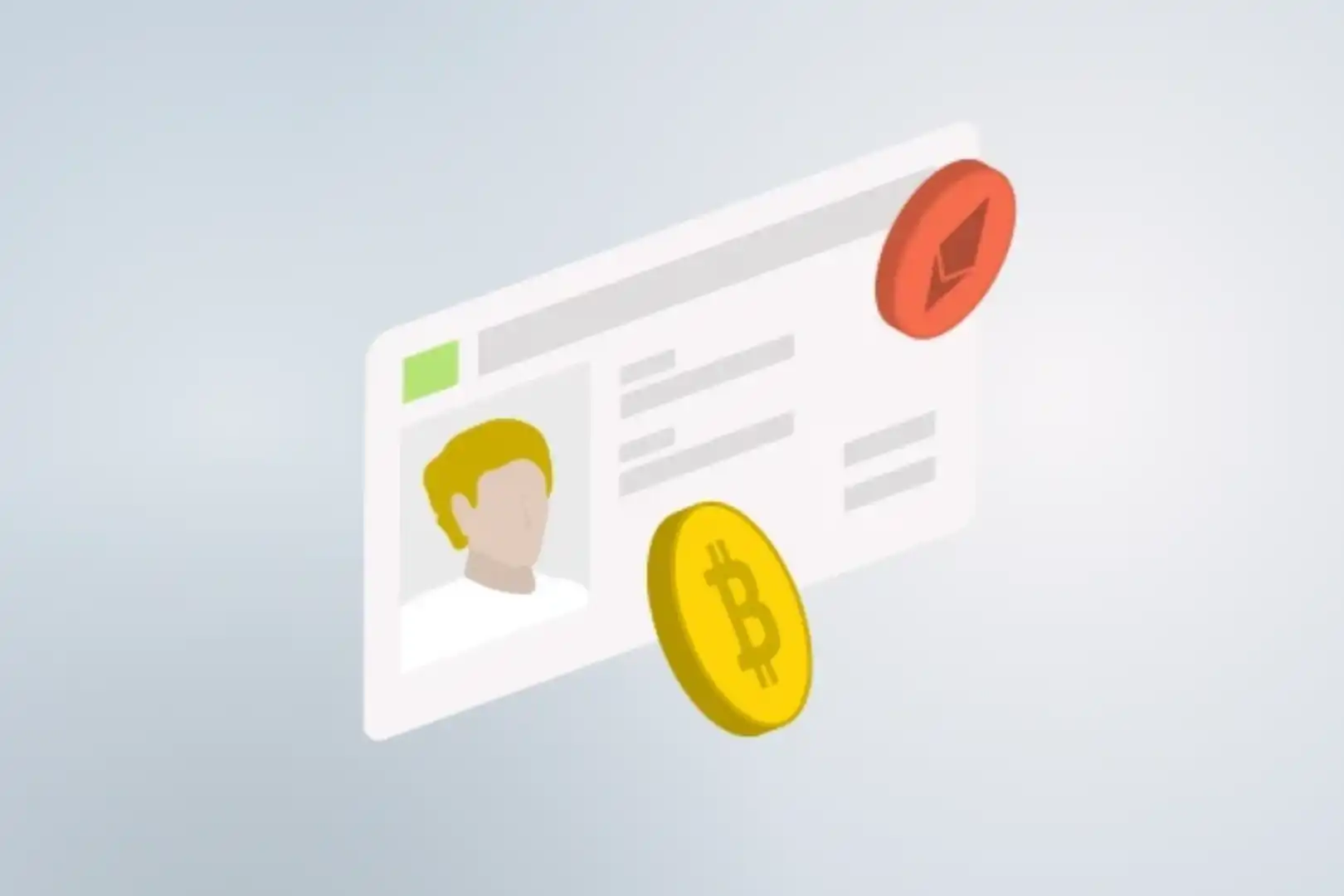
Crypto KYC Bypass: A $20 Underground Industry Despite stringent KYC (Know Your Customer) requirements from major crypto exchanges, a thriving underground market exists to bypass these checks for as low as $20. Users often face geo-blocks or lengthy verifications, preventing access to services. This has fueled demand for illicit KYC services. Reports indicate over 500,000 participants in underground KYC markets, with more than 1 million listings selling verified profiles from platforms like Coinbase and Kraken. These accounts often include real personal data, sometimes without the original owners' knowledge. Fraud techniques have evolved, including deepfake attacks (up 2000% in three years), screen-based spoofing, and AI-generated fake documents. The virtual currency sector is the primary target, accounting for over 78% of KYC attacks. An investigation into a Telegram-based KYC vendor revealed a TRON address with over $59,000 in USDT from 600 transactions over two years, all eventually transferred to an OKX hot wallet. An interview with a KYC service provider, "Maoli," who operates in Chinese-speaking regions, detailed the process: clients pay for accounts verified by "foreigners" recruited globally, often from lower-income regions, who perform the KYC steps for a small fee. These accounts are sold with warnings against holding large funds due to fraud risks and potential reclaiming by the original identity owners. Maoli described the business as a "three-way win": users gain access, exchanges get user numbers, and he profits. However, this ignores the victims of identity theft whose data is used without consent. The KYC system, while intended for security, functions as a permeable barrier, with a vast shadow economy ensuring access for those willing to pay.

marsbit03/30 07:36

$20 for a Face: The Underground Business of Crypto KYC

marsbit03/30 07:36

NVIDIA Starts Installing Chips on Roads | Rewire Evening News Update

NVIDIA CEO Jensen Huang announced at GTC that the company's data center orders for Blackwell and Vera Rubin platforms are projected to exceed $1 trillion by 2027, doubling last year's estimates. He emphasized that computing demand will far surpass this figure. Beyond data centers, NVIDIA is expanding its autonomous driving ecosystem, adding BYD, Geely, Nissan, and Isuzu to its Drive Hyperion platform. A partnership with Uber aims to deploy robotaxis in Los Angeles and San Francisco by early 2027, expanding to 28 markets by 2028—a moment Huang calls "the ChatGPT moment for autonomous driving." In related news, Uber co-founder Travis Kalanick revealed his stealth robotics startup, Atoms, after eight years of operation. The company focuses on automating physical infrastructure, mining, and robotic platforms. Kalanick is reportedly acquiring autonomous driving firm Pronto, with Uber's support, signaling a strategic re-entry into automation. Meanwhile, Murata Manufacturing, the world's largest MLCC supplier with over 40% market share, raised prices for AI server and automotive-grade components by 15-35%, effective April 1. This marks its first major price hike in three years and highlights hidden cost pressures in AI infrastructure supply chains. The SEC is also considering allowing public companies to switch from quarterly to semi-annual financial reporting, reducing compliance costs and potentially benefiting tech firms making long-term AI investments. Additional updates include Alibaba providing employees with free AI tool tokens, FDIC moving to exclude stablecoins from deposit insurance, deepfake misinformation spreading during the Israel-Hamas war, and Picsart launching an AI Agent marketplace for creators.

marsbit03/17 19:08

NVIDIA Starts Installing Chips on Roads | Rewire Evening News Update

marsbit03/17 19:08

Spring Festival Asset Security Guide: How to Protect Your Tokens While Relaxing with Family and Friends?

Ahead of the Lunar New Year, this guide outlines key strategies to protect your digital assets during a period of increased activity and potential distraction. Key risks highlighted include sophisticated AI-powered scams, such as voice and deepfake video calls that can perfectly mimic acquaintances to request urgent token transfers. The article stresses that traditional verification methods are no longer foolproof and recommends establishing offline verification protocols with trusted contacts. It also warns against clicking any links, even those shared by friends, and advises always using official channels for transactions. The second major risk involves accumulated wallet authorizations (approvals) from past DeFi interactions. These can become hidden vulnerabilities if old, unused permissions are exploited. The guide recommends a pre-holiday "security check" to review and revoke unnecessary approvals, especially unlimited ones, using tools within wallets like imToken or external sites like revoke.cash. The core principle is to adhere to the minimum necessary permissions. Finally, the article cautions against security lapses during travel and social gatherings. This includes never storing seed phrases digitally, avoiding public discussion of holdings, and only downloading wallets from official sources. For transactions, it is critical to double-check the full address (not just the first and last characters), conduct test transfers to new addresses, and use address whitelisting to prevent falling victim to common phishing attacks. In conclusion, while Web3 cannot be risk-free, these proactive measures can create a manageable security environment, allowing users to enjoy the holiday with greater peace of mind.

marsbit02/17 06:39

Spring Festival Asset Security Guide: How to Protect Your Tokens While Relaxing with Family and Friends?

marsbit02/17 06:39

An AI-Generated 'Whistleblower Post': How Did It Make Two CEOs Write Self-Defense Essays at Midnight?

An anonymous post on Reddit, allegedly written by a drunken backend engineer from a major food delivery platform, went viral with 87,000 upvotes and 36 million views on X. The post accused the company of using algorithms to exploit drivers—assigning “desperation scores” to prioritize orders for more financially vulnerable drivers, delaying regular orders despite promised priority delivery, and misusing driver welfare funds for lobbying against unions. The viral allegations prompted immediate public denials from the CEOs of DoorDash and Uber, who issued statements and social media posts in the middle of the night to refute the claims. DoorDash published a detailed rebuttal on its website. The post was later exposed as an AI-generated hoax by a Platformer reporter. The “whistleblower” provided a fake 18-page technical document and an AI-generated employee ID, which was detected using Google’s SynthID watermarking tool. The account was deleted when further verification was requested. The incident highlights how AI can cheaply and convincingly fabricate content that aligns with public skepticism toward tech platforms. Past real controversies, such as DoorDash’s tip policy and Uber’s Greyball tool, made the false narrative feel plausible. The case underscores growing public anxiety over the difficulty of distinguishing real from AI-generated content and the power of emotionally resonant misinformation—even when debunked—to shape perception.

比推01/07 13:36

An AI-Generated 'Whistleblower Post': How Did It Make Two CEOs Write Self-Defense Essays at Midnight?

比推01/07 13:36

活动图片