# Argentina Articoli collegati

Il Centro Notizie HTX fornisce gli articoli più recenti e le analisi più approfondite su "Argentina", coprendo tendenze di mercato, aggiornamenti sui progetti, sviluppi tecnologici e politiche normative nel settore crypto.

Argentine Banking Groups Quietly Develop Peso-Pegged Stablecoins for the Institutional Market

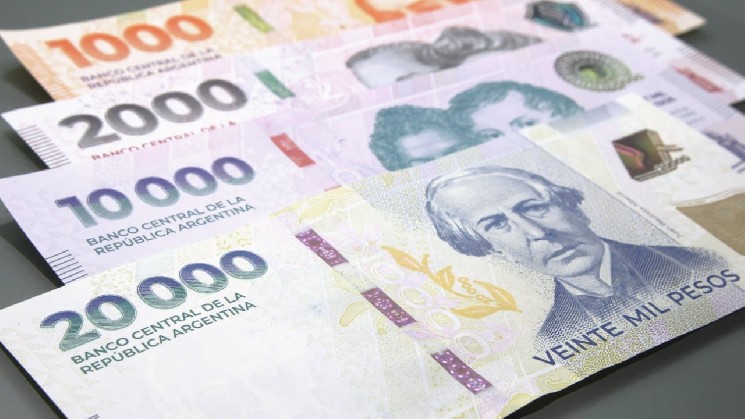
Argentine banking groups are quietly developing peso-pegged stablecoins for the institutional market. While US dollar-linked stablecoins like USDC and USDT are popular in Argentina, fintech companies are now focusing on local alternatives. Two major initiatives are underway. The BIND Group, through its virtual asset service provider BEN, is developing a peso stablecoin and has partnered with Circle to offer institutional clients payment and treasury use cases. Separately, the Petersen Group is developing a stablecoin called DIPE via a subsidiary, supported by crypto-as-a-service company Lirium. Both projects are being advanced by entities backed by banking conglomerates, not the banks themselves, due to a Central Bank of Argentina ban from May 2022 prohibiting private banks from offering crypto services to clients. The primary target is the institutional sector, which could benefit from the programmable features of a digital peso for treasury management, event-triggered blockchain payments, and collateralized lending management. These initiatives could expand to private banks in the future if the central bank lifts its crypto ban. This development comes as regulators scrutinize existing crypto offerings; in March, the national securities regulator highlighted that the "argt peso" stablecoin was being offered as a security without proper compliance.

cryptonews.ru8 h fa

Argentine Banking Groups Quietly Develop Peso-Pegged Stablecoins for the Institutional Market

cryptonews.ru8 h fa

Defending Champions or New Kings? World Cup Final Sees All AIs Backing the Same Side

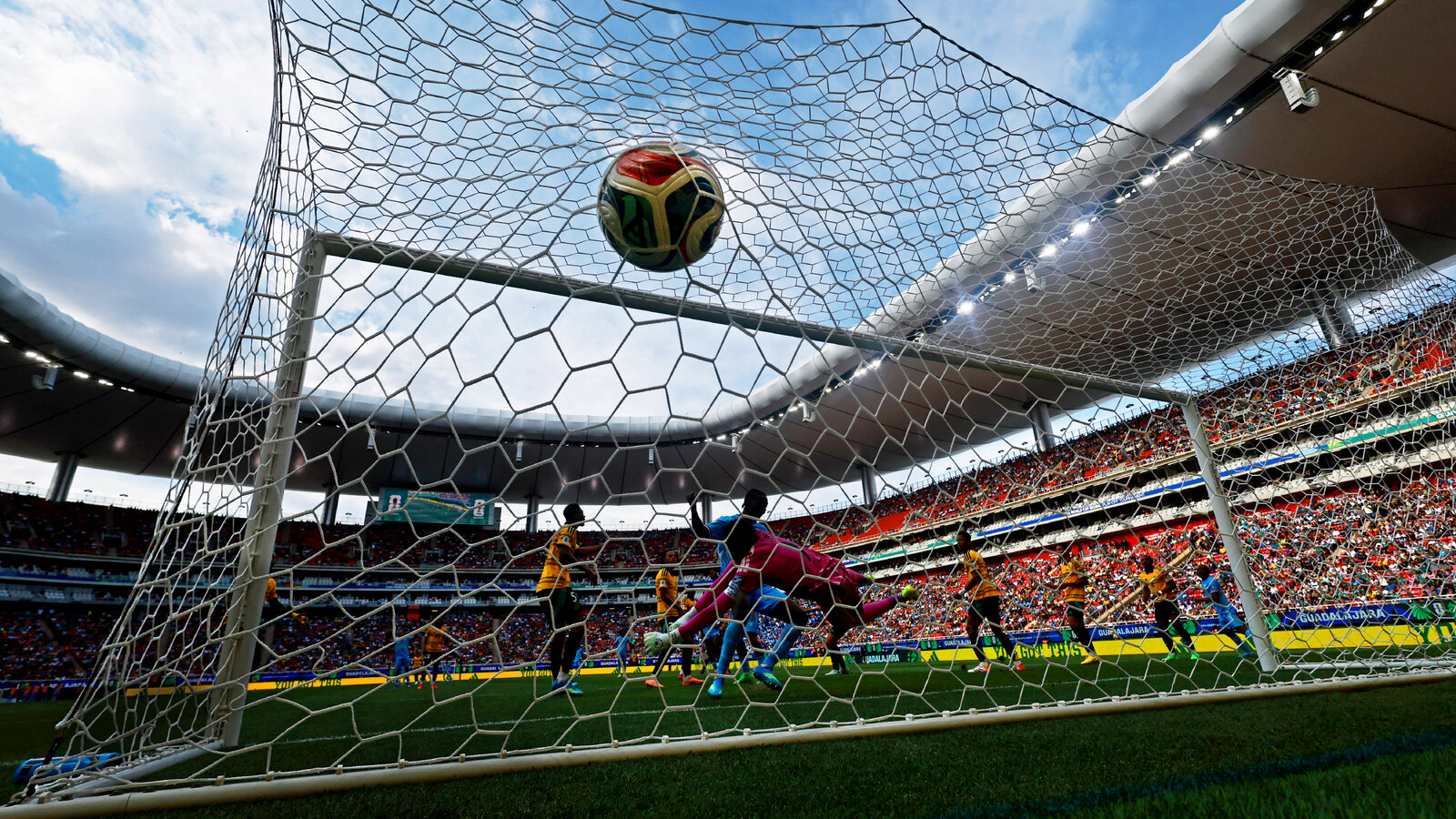
Will the 2026 World Cup final see Argentina successfully defend their title or a new champion crowned? AI models from various platforms have made their prediction. The final in Buenos Aires pits defending champions Argentina against a resilient Spanish side that has reached this stage with a record of exceptional defensive solidity, conceding only one goal in seven matches. Argentina's path was dramatically different, filled with late comebacks and narrow victories, including a semi-final win over England secured by late goals assisted by the 39-year-old Lionel Messi. A poignant subplot adds narrative weight: a nearly 20-year-old photo shows a young Messi bathing an infant Lamine Yamal, who is now a 19-year-old key player for Spain, symbolizing a potential passing of the torch. In the semi-finals, most AI models incorrectly predicted a French victory over Spain, with only Google's Gemini correctly picking Spain's advancement and also accurately forecasting Argentina's win over England. For the final, however, all six surveyed AIs—ChatGPT, Claude, Gemini, Grok, DeepSeek, and Qwen—unanimously predict a Spanish victory. Their reasoning centers on Spain's superior defense, midfield control, and better physical preparedness after a less strenuous knockout stage journey. While consensus favors Spain as champions, five of the six AIs believe the match will be tightly contested, predicting a draw (1-1 or 0-0) within regular time, with Spain's advantage potentially telling in extra time or even a penalty shootout. Only DeepSeek forecasts a clear Spanish victory within 90 minutes. The stage is set for a clash between Argentina's legendary fighting spirit and Spain's machine-like consistency, with artificial intelligence firmly backing the latter to lift the trophy.

Odaily星球日报07/17 01:35

Defending Champions or New Kings? World Cup Final Sees All AIs Backing the Same Side

Odaily星球日报07/17 01:35

Non-Dollar Stablecoins Are Winning the Wrong Battle

The article argues that non-USD stablecoins (euros, local currencies) create a misleading impression of challenging dollar dominance by merely changing the currency label, without altering the underlying monetary power structure. True monetary sovereignty is analyzed through three layers: 1. **Pricing Layer (most visible):** The currency unit used for pricing. Non-USD stablecoins win here, but this is a superficial, low-cost change—like changing a shop's sign without changing its ownership. 2. **Settlement Layer (most valuable):** The actual infrastructure (banking, payments, compliance, liquidity networks) through which money moves. This "plumbing" is controlled by existing players. Changing the currency flowing through these pipes doesn't change who owns them. 3. **Freeze Layer (most powerful):** The ultimate authority to freeze, blacklist, or halt transactions. This final control often remains with external entities enforcing KYC/AML and sanctions. The case of Argentina's $LIBRA token scandal is used to illustrate that such initiatives are often not genuine innovation but a symptom of a failing local currency. When a national currency loses its pricing power and trust (e.g., due to hyperinflation), external digital credit (like dollar-based or crypto narratives) rushes in to fill the void. The dependency merely shifts from traditional dollar systems to on-chain dollar networks; the underlying power dynamics remain. The conclusion is that non-USD stablecoins are expanding monetary expression but not rewriting monetary power. The real battle isn't about which currency is used for pricing, but about who controls the settlement infrastructure and the ultimate authority to freeze assets. Until that changes, "de-dollarization" remains superficial.

marsbit04/09 00:08

Non-Dollar Stablecoins Are Winning the Wrong Battle

marsbit04/09 00:08

活动图片