SoftBank CEO Masayoshi Son's New Trillion-Dollar "Gamble"

marsbitPubblicato 2026-06-25Pubblicato ultima volta 2026-06-25

Introduzione

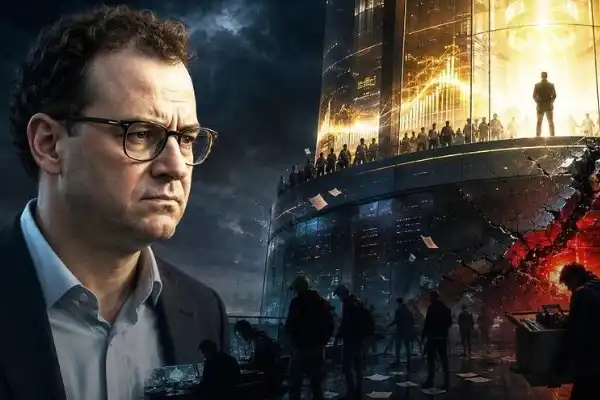
SoftBank founder Masayoshi Son is embroiled in a new trillion-dollar "bet" on Physical AI and humanoid robotics, even as his massive wager on OpenAI faces uncertainty ahead of its potential IPO. Recent reports reveal OpenAI's steep losses—$85 billion net loss by Q1 2026 and a $38.5 billion loss in 2025—casting doubt on its path to a trillion-dollar valuation. SoftBank, OpenAI's second-largest external shareholder with a planned 13% stake, stands to gain hugely if OpenAI succeeds. Undeterred, Son is already pushing forward with his next ambitious venture: consolidating SoftBank's AI and robotics assets into a new U.S.-based company named "Roze," targeting a $100 billion IPO as early as late 2026. This move aligns with his belief that Physical AI, merging AI cognition with robotic physical execution, is the next trillion-dollar frontier. Son's confidence stems from recent AI wins; SoftBank's stock surged and he briefly regained the title of Asia's richest person, largely due to OpenAI's soaring valuation. However, his aggressive strategy has raised internal concerns about over-reliance on OpenAI and strained finances. With competitors like Anthropic advancing rapidly and OpenAI's IPO timing uncertain, Son is racing to capitalize on the AI boom. His long-term vision for Physical AI includes a decade of investments in robotics, from Boston Dynamics to recent acquisitions like ABB's robotics unit, and a planned $1 trillion investment in U.S.-based AI robotics industrial parks. ...

On the eve of its IPO, OpenAI's successive exposures of financial crises have introduced new uncertainties into Masayoshi Son's trillion-dollar gamble.

On June 23, The Information reported that OpenAI's IPO filing indicated a net loss of approximately $85 billion for the first quarter of 2026, not yet including non-cash accounting expenses from warrant revaluations due to rising valuations. Its cost of revenue (the expenses required to run its AI models) alone reached $35 billion, about 75 times its capital expenditures.

Just a week earlier, veteran U.S. tech columnist and self-media figure Ed Zitron had also revealed that OpenAI's revenue for 2025 was $13.1 billion, with losses as high as $38.5 billion.

These figures directly impact Masayoshi Son's "trillion-dollar gamble." Son firmly believes OpenAI can become the world's highest-valued company. Currently valued at around $850 billion, the highest market cap belongs to Nvidia at $5 trillion.

To this end, SoftBank has deeply tied itself to OpenAI, with its stake expected to reach about 13%, second only to Microsoft's 27% among external shareholders. If OpenAI can go public with a trillion-dollar valuation, Masayoshi Son will achieve his second legendary milestone.

But now, with OpenAI's IPO chess game unsettled, Masayoshi Son has already begun his next "trillion-dollar gamble."

Not long ago, in an interview with CNBC, he asserted: "The next golden track to birth a 'trillion-dollar market cap company' will be Physical AI and humanoid robots."

For this new "trillion-dollar bet," Son has already begun to act, planning to bundle some of SoftBank's AI and robotics assets together for a separate listing.

According to the Financial Times, SoftBank is establishing a U.S.-based AI and robotics company named "Roze," expected to go public as early as the second half of 2026, targeting a valuation of $100 billion. Informed sources revealed that SoftBank will hold an analyst day event in Texas this July to promote the IPO.

He has won, and he has lost, but Masayoshi Son has never stopped. From his famous victory with Alibaba, to the disastrous failure of WeWork, to heavy bets on Arm and a massive gamble on OpenAI, his investments either yield astronomical profits or incur huge losses.

AI is one of the battlefields where Son has placed his heaviest bets. With OpenAI's valuation soaring past $850 billion, he stands atop the wave once more. But the 68-year-old Son clearly has no plans to stop there. With the OpenAI game still undecided, he is pushing his chips toward Physical AI and humanoid robots.

A

Why does Son dare to gamble again?

Because he has already tasted success with AI.

On June 1, SoftBank's stock price surged 14%, its total market value briefly exceeding 48 trillion yen, topping the list of Japanese listed companies by market cap. The day before, SoftBank had just announced plans to build AI data centers in France. And the day after, thanks to his bets on OpenAI and other AI ventures, Masayoshi Son returned to the top spot on Forbes' real-time billionaire list as Asia's richest person for the first time in over a decade, albeit only for a few days.

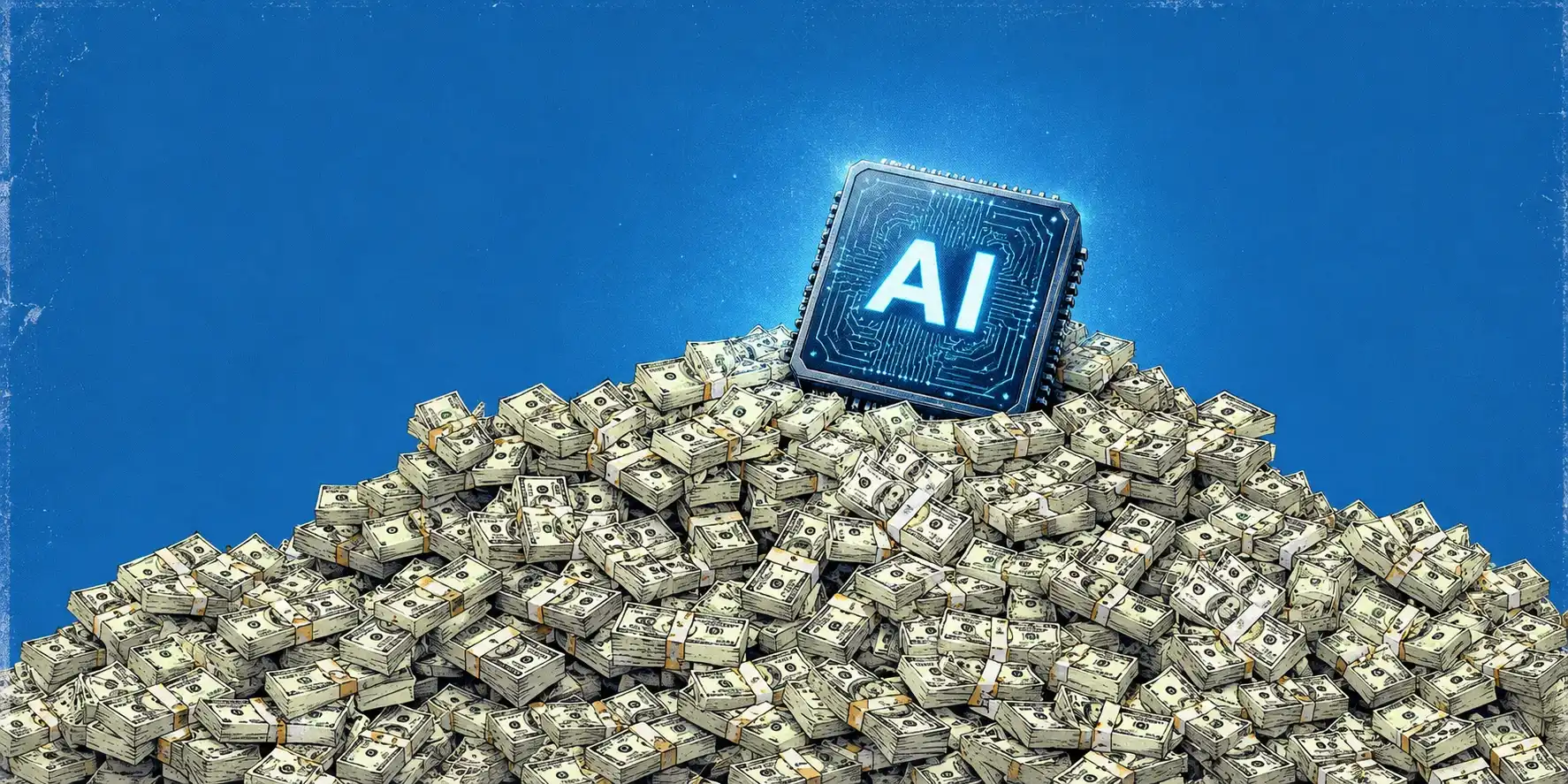
Undoubtedly, OpenAI is Son's biggest reliance for his return to the peak. Over the past two years, SoftBank's cumulative investment in OpenAI is expected to reach $64.6 billion, with a stake of approximately 13%.

Son has pinned his hopes on Sam Altman. For this high-stakes gamble, Son has become aggressive again, selling off some assets, including shares in Nvidia and T-Mobile US, and taking out loans collateralized by Arm shares.
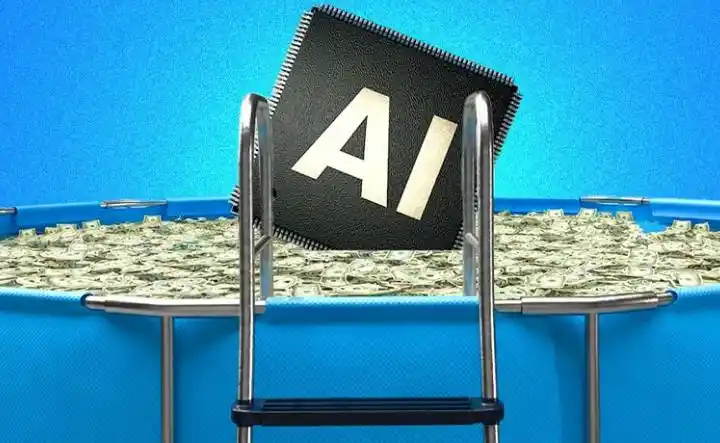
Naturally, there have been doubters. Bloomberg, citing sources, reported that in the early stages of SoftBank's aggressive accumulation of OpenAI shares, internal executives asked Son: What would happen to SoftBank if OpenAI ultimately failed?

Son did not answer directly, only emphasizing his belief that Altman is leading "the most important technological change of this century." At last June's shareholder meeting, Son stated, "I believe OpenAI will eventually go public and become the world's highest-valued company."

The Financial Times also cited senior SoftBank sources saying that Son's engagement with Altman and OpenAI made some within the group uneasy and strained the group's balance sheet.

Another layer of concern within SoftBank is Son's excessive trust in Altman, which has led him to refrain from investing in other competing AI models.

This concern is not unfounded, as the competitive landscape for AI large model companies is changing rapidly.

In March 2025, when SoftBank planned a $40 billion investment in OpenAI, OpenAI was undoubtedly the highest-valued AI company at that time, at $300 billion. Anthropic's valuation was still under $100 billion then. However, the latter's catch-up speed has been extremely fast. A year later, in May 2026, Anthropic's valuation surpassed OpenAI's, approaching $1 trillion, and it filed for an IPO one step ahead.

Nevertheless, Son's attitude has been very firm, as evidenced by his subsequent continued investment in OpenAI.

Betting on OpenAI has indeed given Son a taste of success. According to SoftBank's 2025 financial report, the Vision Fund division gained approximately $46 billion in investment income in the year ending March 31, almost entirely from OpenAI's valuation surge.

But market conditions are ever-changing. SpaceX, which went public just half a month ago, has seen its market cap fall from a peak of $2.7 trillion, now approaching a drop below the $2 trillion mark.

For Son, delays breed risks; no one knows when the AI bubble might burst, so going public sooner is safer.

However, the situation remains unclear. Anthropic submitted its IPO filing a step ahead; OpenAI followed closely but has always been a step behind. According to The Information, OpenAI might go public in late August or early September.

Dan Ives, Global Head of Tech Research at Wedbush Securities, also pointed out, "Being first to the public market is crucial; the first person on the roadshow with investors has an advantage." Institutional traders believe the probability of OpenAI achieving this抢先 is only slightly above 32%.

With competitors closing in, OpenAI's hand is far from as strong as imagined. High costs, failure to meet revenue and growth targets, management changes, and successive exposures of financial crises have all cast a shadow over its IPO prospects.

However, for Son, risk is not a reason to stop betting. He has experienced more painful failures and won gambles through long waits.

In 2016, SoftBank acquired Arm for $32 billion. For years thereafter, this deal was considered one of Son's worst decisions, with IPO plans shelved and failed sale attempts. But Son waited until 2023, when Arm successfully went public. SoftBank holds a 90% stake; based on Arm's latest market cap of $440 billion, SoftBank's stake is worth over $390 billion.

For Son, aside from waiting now, the strategy is to "place bets on multiple tables simultaneously."

Thus, with the OpenAI game not yet concluded, he is already impatient to place his next bet, preparing to make a move in the Physical AI and humanoid robot赛道.

B

Actually, Son has been laying the groundwork for Physical AI and humanoid robots for over a decade. This is a more隐秘 and long-term line in his AI blueprint. Because Son believes AI will ultimately move from the digital world to physical reality.

As early as 2012, SoftBank acquired the French humanoid robot pioneer Aldebaran, forming SoftBank Robotics (SBRH) and launching the emotional interaction robot Pepper.

In 2017, SoftBank acquired Boston Dynamics from Alphabet. At the launch event in July that year, Son invited Boston Dynamics founder Marc Raibert to speak on stage. Raibert said he believed "robots will be bigger than the internet." Son responded, "We will change the world together. We'll put a lot of artificial intelligence into robots."

However, both acquisitions faced坎坷. Perhaps due to poor timing, Pepper was discontinued in 2020; Boston Dynamics was also sold to Hyundai Motor due to commercialization issues.

But Son did not give up; he just changed his approach. He shifted focus to industrial and logistics automation, such as investing in collaborative robot company Agile Robots, acquiring warehouse logistics robot company Berkshire Grey. Additionally, SoftBank invested in delivery robots for餐饮 hotels like擎朗智能, commercial cleaning robots like高仙机器人, and medical rehabilitation robots like傅利叶, focusing on robots with clear application scenarios.

It wasn't until the explosion of AI large models that humanoid robots returned to the spotlight. Silicon Valley giants纷纷入局: $39 billion-valued FigureAI has backing from Microsoft, Nvidia, Amazon, OpenAI; Skild AI has support from Nvidia, Bezos; Musk even claimed he would transform Tesla into a $25 trillion robot company.

Son struck again. In 2024, SoftBank led SkildAI's Series C funding, betting on the "general-purpose robot brain"; last October, SoftBank acquired ABB's robotics business for $5.4 billion, betting on physical robots, where the latter's robot manufacturing capabilities are more crucial.

This is not all.

Son's ambitions for humanoid robots are even greater. Last April, Son announced plans to invest $1 trillion in building multiple AI factory-equipped industrial parks in the U.S., focusing on promoting the large-scale application of humanoid robots in manufacturing. This investment scale far exceeds his involvement in the Stargate project, which has an initial investment of $500 billion.

With such a vast棋局 laid out by Son, it's not hard to understand why he wants to bundle SoftBank's AI and robotics assets for a separate listing, targeting the new trillion-dollar赛道.

Why is Son so obsessed with the "trillion-dollar gamble"?

This goes back many years. As early as 2017, while raising the $100 billion for SoftBank Vision Fund I, Son promised Saudi Crown Prince Mohammed bin Salman: "I will give you a $1 trillion gift: you invest $100 billion in my fund, and I will give you $1 trillion in returns."

Ultimately, the Saudi Public Investment Fund (PIF) invested $45 billion, becoming the largest LP of the SoftBank Vision Fund.

But to this day, Son has not fulfilled his initial trillion-dollar promise.
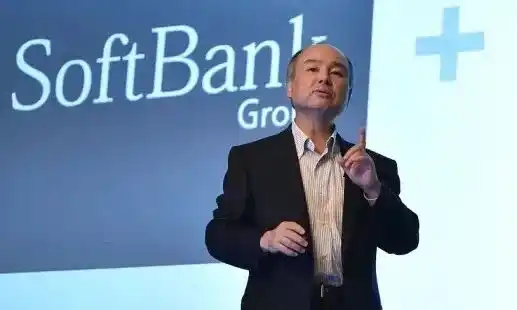
According to "AGBI (Arab Gulf Business Insight)" citing Bloomberg, in February last year, at a roundtable during the Saudi Public Investment Institute Forum in Miami, Son admitted: "I haven't been able to bring him (Mohammed bin Salman) a sufficiently substantial return yet. I still owe him this debt."

This "debt" became Son's motivation, and AI恰好 gave him hope for a comeback. Thus, it's easy to understand why Son dares to make huge bets on OpenAI, gamble heavily on AI, and even go all-in on global AI infrastructure.

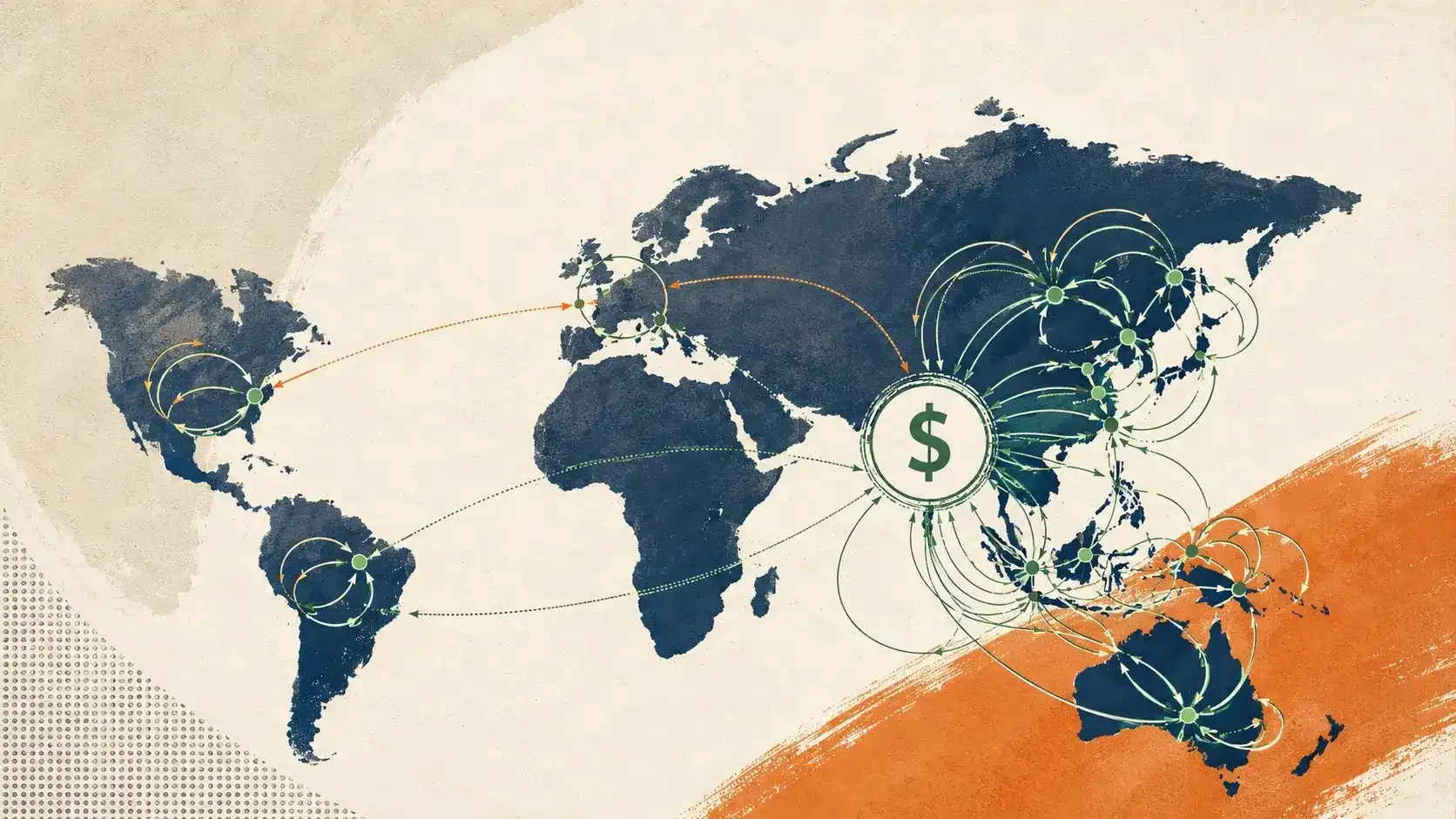
In January last year, SoftBank, together with OpenAI and Oracle, planned a total investment of $500 billion to establish "Stargate," building AI data centers in the U.S.; this May, SoftBank announced plans to invest 75 billion euros in building AI data centers in France.

For this, Son once publicly challenged Musk. On June 23, at an internal SoftBank meeting, Son objected to Musk's "space data center" concept, stating that the outcome of the AI race would depend on computing power on Earth, and space data centers were of little value.

After all, computing power is crucial to Son's AI chess game. Computing power, models, chips—Son has gathered the core assets of the AI digital world. To bring AI into physical reality, there is one crucial component left: robots. Thus, Son quietly began preparing his next IPO target.

C

This is how Roze surfaced.

Roze's定位 aligns perfectly with Son's反复提及的 "Physical AI"—combining AI's cognitive abilities with robots' physical execution capabilities.

It is an AI infrastructure platform encompassing data centers, chips, and robotics. According to the Financial Times, Roze's core assets include the data center platform DigitalBridge acquired by SoftBank for $3 billion, chip company Ampere Computing acquired for $6.5 billion, and the robotics division of ABB acquired for $5.4 billion.

By bundling these assets together, Son is betting on "Physical AI," a new trillion-dollar赛道.

As the new trillion-dollar gamble begins,质疑 are again涌向 Son.

The Financial Times reported that despite Son's optimism, some within SoftBank are skeptical about Roze's IPO valuation ($100 billion) and proposed timeline. Some SoftBank executives consider this target overly ambitious, as it relies on rapid expansion of the data center business.

A company "hurriedly拼凑," rushing to go public,难免 seems仓促.

But Son cannot wait. The massive bets on AI are pushing SoftBank's leverage接近极限. A SoftBank insider stated that SoftBank needs to quickly sell or monetize assets to sustain its spending pace. Among these, OpenAI's IPO is a核心 part of Son's plan to reduce leverage.

Roze's上市 carries a similar mission. The investment in OpenAI alone exceeds $64.6 billion,加上 the Stargate project and the trillion-dollar humanoid robot parks—each is an astronomical sum. Son urgently needs Roze to go public to续上 ammunition for this AI gamble.

However, Roze's $100 billion valuation first faces a残酷 reality: at this stage, the valuation of humanoid robots overall is difficult to rise.

The highest-valued humanoid robot company, Figure AI, has a latest valuation of $39 billion, a 24-fold difference from Anthropic's nearly $1 trillion valuation.

One reason is that AI large models have established clear commercialization paths and foreseeable growth prospects. For example, Anthropic has annualized revenue of $47 billion. Figure AI hasn't reached that stage yet.

A deeper gap lies in the fact that Anthropic has重构 the existing industry格局, taking away most of the market share originally held by the traditional software industry. Humanoid robots, for now, are more like大型摇操玩具, let alone having a颠覆性 impact on industries.

The落地 of Physical AI also faces multiple现实困境, such as the割裂 between brain and body and unclear commercialization paths, all of which require time.

Son's plans are good, just somewhat太遥远. Looking back, we see he waited over a decade for Alibaba, seven years for Arm—each high-stakes gamble involved a long wait. Roze might be the same; the outcome and how long Son must wait remain to be seen.

References:

《SoftBank plans to list new AI and robotics company in the US》Financial Times

《Masayoshi Son's 300-Year Vision: SoftBank Swallows the World》Zhixiang Wang

《SoftBank CEO admits failing to deliver returns to PIF》AGBI

《SoftBank plans $1 trillion investment in U.S. AI robot parks》Nikkei Asia

《OpenAI to file IPO documents, aims for autumn listing, valuation could reach $1 trillion, SoftBank Group's stock price surges 20%》National Business Daily

《Explosive! OpenAI financial report leaked: lost 260 billion last year》Zhidongxi

This article is from the WeChat public account "字母榜" (ID: wujicaijing), author: Xue Yaping, editor: Wang Jing


Crypto di tendenza

Domande pertinenti

QWhat is the name of the new company that SoftBank is reportedly forming in the US to focus on AI and robotics, and what is its target valuation for IPO?

ASoftBank is reportedly forming a new company called 'Roze' in the US, focusing on AI and robotics, with a target IPO valuation of $100 billion.

QWhat is the main reason cited for Masayoshi Son launching a new 'trillion-dollar bet' on Physical AI and humanoid robots while the OpenAI investment is still pending?

AMasayoshi Son is launching a new 'trillion-dollar bet' on Physical AI and humanoid robots because he believes it is the next golden track to create a trillion-dollar market cap company, and he is diversifying his investments while awaiting OpenAI's IPO outcome.

QWhat significant internal concern about Masayoshi Son's investment strategy in OpenAI is mentioned in the article?

AA significant internal concern mentioned is that Masayoshi Son's excessive trust in Sam Altman and OpenAI led him not to invest in other competing AI models, which could be risky as the competitive landscape changes rapidly.

QWhat is the 'debt' or unfulfilled promise that motivates Masayoshi Son to pursue these massive AI investments, according to the article?

AAccording to the article, Masayoshi Son is motivated by an unfulfilled promise he made to Saudi Arabia's Crown Prince Mohammed bin Salman to deliver a $1 trillion return on the Public Investment Fund's $45 billion investment in the SoftBank Vision Fund.

QWhat are some of the major challenges or realities that the Physical AI and humanoid robot sector faces, which could impact Roze's ambitious valuation?

AMajor challenges include: the valuation gap compared to pure AI software companies (e.g., Anthropic's near-$1 trillion vs. Figure AI's $39 billion), unclear commercialization paths, the disconnection between AI 'brains' and physical robot 'bodies', and the fact that humanoid robots have not yet created a disruptive impact on existing industries.

Letture associate

Bitcoin Falls Below $60,000 Again; After 20 Months, We've Reached a New Low

Bitcoin Drops Below $60,000, Hitting a 20-Month Low Bitcoin fell below the key $60,000 psychological level again, reaching a low of $59,023—its lowest point in approximately 20 months, dating back to October 2024. While it later recovered slightly to around $60,600, this marks its third significant breach of $60,000 this year. The downturn is attributed to two primary factors. First, U.S. spot Bitcoin ETFs are experiencing their longest streak of net outflows since launch, with nearly $5.94 billion withdrawn over 30 days. This creates sustained selling pressure as Authorized Participants sell Bitcoin to meet redemptions. Second, shifting macroeconomic expectations are adding pressure. Strong U.S. job data and hawkish remarks from Fed officials have increased market pricing for potential rate hikes, reversing the earlier liquidity-driven bullish sentiment and prompting a shift away from risk assets like Bitcoin. Analyst views are mixed. 21Shares maintains a bullish long-term outlook, expecting prices to recover towards $100,000, citing historical post-halving cycles and substantial ETF holdings as a base. In contrast, Arthur Hayes predicts a potential bottom around $40,000 within six months due to persistent Fed hawkishness. CryptoQuant suggests, based on on-chain data, that the market may not find a bottom until prices fall below the average investor cost basis around $53,000, potentially extending the bearish phase into late 2026 or early 2027. The immediate focus is on upcoming U.S. inflation data and Fed signals. Lower-than-expected CPI could offer relief, but confirmation of sticky inflation or continued ETF outflows may lead to further downside pressure. Bitcoin's ability to hold above $60,000 remains a critical test for the near-term market direction.

Odaily星球日报25 min fa

Bitcoin Falls Below $60,000 Again; After 20 Months, We've Reached a New Low

Odaily星球日报25 min fa

When Billions Begin to Operate Everything by Voice, How Far is ‘All Assets on Chain’?

In June 2026, WeChat began a limited rollout of "Xiaowei," its native AI assistant. This move is more than an upgrade to a smarter chatbot; it signals a crucial step from "universal internet access" toward the broader vision of "full asset tokenization." Xiaowei, powered primarily by WeChat's in-house WeLM model, demonstrates four key capabilities: 1) direct voice/web chat control of app functions, 2) automated access to mini-programs for services, 3) instant comprehension and summarization of complex documents like PDFs, and 4) generating functional mini-program prototypes from simple natural language requests. This represents a fundamental shift from GUI (Graphical User Interface) to LUI (Language User Interface), eliminating friction in human-digital interaction. The rollout is pivotal because it brings AI Agents to China's massive user base with zero friction—no new app downloads or accounts needed. This "seamless access" mirrors past platform revolutions like the App Store or WeChat Mini-Programs, potentially unlocking a global AI Agent market projected to grow from $7.92 billion in 2025 to nearly $295 billion by 2035. The article argues that China's internet evolution has moved from "connecting everyone" to "putting all services online." The next phase is "tokenizing all assets"—a concept broader than just Real World Assets (RWA) like real estate. It encompasses tokenizing personal assets like social influence, attention, and credit history. RWA tokenization itself is forecast to explode from $35 billion in 2025 to over $500 billion in 2026. The convergence of ubiquitous AI Agents and rapidly tokenizing assets points to a future paradigm for wealth management. Your AI Agent could autonomously manage a globally diversified, tokenized portfolio based on your preferences. Initiatives like EXIO Group's full-stack RWA services aim to lower investment barriers, paralleling WeChat's democratization of AI access. In conclusion, the launch of Xiaowei is not merely a technical upgrade but a historic inflection point. It marks AI Agents' transition from niche tools to essential utilities and accelerates the movement toward a future where voice commands seamlessly interact with tokenized value, redefining humanity's relationship with the digital and financial worlds.

marsbit1 h fa

When Billions Begin to Operate Everything by Voice, How Far is ‘All Assets on Chain’?

marsbit1 h fa

Trading

Spot
Futures

Articoli Popolari

Cosa è $S$

Comprendere SPERO: Una Panoramica Completa Introduzione a SPERO Mentre il panorama dell'innovazione continua a evolversi, l'emergere delle tecnologie web3 e dei progetti di criptovaluta gioca un ruolo fondamentale nel plasmare il futuro digitale. Un progetto che ha attirato l'attenzione in questo campo dinamico è SPERO, denotato come SPERO,$$s$. Questo articolo mira a raccogliere e presentare informazioni dettagliate su SPERO, per aiutare gli appassionati e gli investitori a comprendere le sue basi, obiettivi e innovazioni nei domini web3 e crypto. Che cos'è SPERO,$$s$? SPERO,$$s$ è un progetto unico all'interno dello spazio crypto che cerca di sfruttare i principi della decentralizzazione e della tecnologia blockchain per creare un ecosistema che promuove l'impegno, l'utilità e l'inclusione finanziaria. Il progetto è progettato per facilitare interazioni peer-to-peer in modi nuovi, fornendo agli utenti soluzioni e servizi finanziari innovativi. Al suo interno, SPERO,$$s$ mira a responsabilizzare gli individui fornendo strumenti e piattaforme che migliorano l'esperienza dell'utente nello spazio delle criptovalute. Questo include la possibilità di metodi di transazione più flessibili, la promozione di iniziative guidate dalla comunità e la creazione di percorsi per opportunità finanziarie attraverso applicazioni decentralizzate (dApps). La visione sottostante di SPERO,$$s$ ruota attorno all'inclusività, cercando di colmare le lacune all'interno della finanza tradizionale mentre sfrutta i vantaggi della tecnologia blockchain. Chi è il Creatore di SPERO,$$s$? L'identità del creatore di SPERO,$$s$ rimane piuttosto oscura, poiché ci sono risorse pubblicamente disponibili limitate che forniscono informazioni dettagliate sul suo fondatore o fondatori. Questa mancanza di trasparenza può derivare dall'impegno del progetto per la decentralizzazione—un ethos che molti progetti web3 condividono, dando priorità ai contributi collettivi rispetto al riconoscimento individuale. Centrando le discussioni attorno alla comunità e ai suoi obiettivi collettivi, SPERO,$$s$ incarna l'essenza dell'empowerment senza mettere in evidenza individui specifici. Pertanto, comprendere l'etica e la missione di SPERO rimane più importante che identificare un creatore singolo. Chi sono gli Investitori di SPERO,$$s$? SPERO,$$s$ è supportato da una varietà di investitori che vanno dai capitalisti di rischio agli investitori angelici dedicati a promuovere l'innovazione nel settore crypto. Il focus di questi investitori generalmente si allinea con la missione di SPERO—dando priorità a progetti che promettono avanzamenti tecnologici sociali, inclusività finanziaria e governance decentralizzata. Queste fondazioni di investitori sono tipicamente interessate a progetti che non solo offrono prodotti innovativi, ma contribuiscono anche positivamente alla comunità blockchain e ai suoi ecosistemi. Il supporto di questi investitori rafforza SPERO,$$s$ come un concorrente degno di nota nel dominio in rapida evoluzione dei progetti crypto. Come Funziona SPERO,$$s$? SPERO,$$s$ impiega un framework multifunzionale che lo distingue dai progetti di criptovaluta convenzionali. Ecco alcune delle caratteristiche chiave che sottolineano la sua unicità e innovazione: Governance Decentralizzata: SPERO,$$s$ integra modelli di governance decentralizzati, responsabilizzando gli utenti a partecipare attivamente ai processi decisionali riguardanti il futuro del progetto. Questo approccio favorisce un senso di proprietà e responsabilità tra i membri della comunità. Utilità del Token: SPERO,$$s$ utilizza il proprio token di criptovaluta, progettato per servire varie funzioni all'interno dell'ecosistema. Questi token abilitano transazioni, premi e la facilitazione dei servizi offerti sulla piattaforma, migliorando l'impegno e l'utilità complessivi. Architettura Stratificata: L'architettura tecnica di SPERO,$$s$ supporta la modularità e la scalabilità, consentendo un'integrazione fluida di funzionalità e applicazioni aggiuntive man mano che il progetto evolve. Questa adattabilità è fondamentale per mantenere la rilevanza nel panorama crypto in continua evoluzione. Coinvolgimento della Comunità: Il progetto enfatizza iniziative guidate dalla comunità, impiegando meccanismi che incentivano la collaborazione e il feedback. Nutrendo una comunità forte, SPERO,$$s$ può affrontare meglio le esigenze degli utenti e adattarsi alle tendenze di mercato. Focus sull'Inclusione: Offrendo basse commissioni di transazione e interfacce user-friendly, SPERO,$$s$ mira ad attrarre una base utenti diversificata, inclusi individui che potrebbero non aver precedentemente interagito nello spazio crypto. Questo impegno per l'inclusione si allinea con la sua missione generale di empowerment attraverso l'accessibilità. Cronologia di SPERO,$$s$ Comprendere la storia di un progetto fornisce preziose intuizioni sulla sua traiettoria di sviluppo e sui traguardi. Di seguito è riportata una cronologia suggerita che mappa eventi significativi nell'evoluzione di SPERO,$$s$: Fase di Concettualizzazione e Ideazione: Le idee iniziali che formano la base di SPERO,$$s$ sono state concepite, allineandosi strettamente con i principi di decentralizzazione e focus sulla comunità all'interno dell'industria blockchain. Lancio del Whitepaper del Progetto: Dopo la fase concettuale, è stato rilasciato un whitepaper completo che dettaglia la visione, gli obiettivi e l'infrastruttura tecnologica di SPERO,$$s$ per suscitare interesse e feedback dalla comunità. Costruzione della Comunità e Prime Interazioni: Sono stati effettuati sforzi attivi di outreach per costruire una comunità di early adopters e potenziali investitori, facilitando discussioni attorno agli obiettivi del progetto e ottenendo supporto. Evento di Generazione del Token: SPERO,$$s$ ha condotto un evento di generazione del token (TGE) per distribuire i propri token nativi ai primi sostenitori e stabilire una liquidità iniziale all'interno dell'ecosistema. Lancio della Prima dApp: La prima applicazione decentralizzata (dApp) associata a SPERO,$$s$ è stata attivata, consentendo agli utenti di interagire con le funzionalità principali della piattaforma. Sviluppo Continuo e Partnership: Aggiornamenti e miglioramenti continui alle offerte del progetto, inclusi partnership strategiche con altri attori nello spazio blockchain, hanno plasmato SPERO,$$s$ in un concorrente competitivo e in evoluzione nel mercato crypto. Conclusione SPERO,$$s$ rappresenta una testimonianza del potenziale del web3 e delle criptovalute di rivoluzionare i sistemi finanziari e responsabilizzare gli individui. Con un impegno per la governance decentralizzata, il coinvolgimento della comunità e funzionalità progettate in modo innovativo, apre la strada verso un panorama finanziario più inclusivo. Come per qualsiasi investimento nello spazio crypto in rapida evoluzione, si incoraggiano potenziali investitori e utenti a ricercare approfonditamente e a impegnarsi in modo riflessivo con gli sviluppi in corso all'interno di SPERO,$$s$. Il progetto mostra lo spirito innovativo dell'industria crypto, invitando a ulteriori esplorazioni delle sue innumerevoli possibilità. Mentre il percorso di SPERO,$$s$ è ancora in fase di sviluppo, i suoi principi fondamentali potrebbero effettivamente influenzare il futuro di come interagiamo con la tecnologia, la finanza e tra di noi in ecosistemi digitali interconnessi.

88 Totale visualizzazioniPubblicato il 2024.12.17Aggiornato il 2024.12.17

Cosa è $S$

Cosa è AGENT S

Agent S: Il Futuro dell'Interazione Autonoma in Web3 Introduzione Nel panorama in continua evoluzione di Web3 e criptovalute, le innovazioni stanno costantemente ridefinendo il modo in cui gli individui interagiscono con le piattaforme digitali. Uno di questi progetti pionieristici, Agent S, promette di rivoluzionare l'interazione uomo-computer attraverso il suo framework agentico aperto. Aprendo la strada a interazioni autonome, Agent S mira a semplificare compiti complessi, offrendo applicazioni trasformative nell'intelligenza artificiale (AI). Questa esplorazione dettagliata approfondirà le complessità del progetto, le sue caratteristiche uniche e le implicazioni per il dominio delle criptovalute. Cos'è Agent S? Agent S si presenta come un innovativo framework agentico aperto, progettato specificamente per affrontare tre sfide fondamentali nell'automazione dei compiti informatici: Acquisizione di Conoscenze Specifiche del Dominio: Il framework apprende in modo intelligente da varie fonti di conoscenza esterne ed esperienze interne. Questo approccio duale gli consente di costruire un ricco repository di conoscenze specifiche del dominio, migliorando le sue prestazioni nell'esecuzione dei compiti. Pianificazione su Lungo Orizzonte di Compiti: Agent S impiega una pianificazione gerarchica potenziata dall'esperienza, un approccio strategico che facilita la suddivisione e l'esecuzione efficiente di compiti complessi. Questa caratteristica migliora significativamente la sua capacità di gestire più sottocompiti in modo efficiente ed efficace. Gestione di Interfacce Dinamiche e Non Uniformi: Il progetto introduce l'Interfaccia Agente-Computer (ACI), una soluzione innovativa che migliora l'interazione tra agenti e utenti. Utilizzando Modelli Linguistici Multimodali di Grandi Dimensioni (MLLM), Agent S può navigare e manipolare senza sforzo diverse interfacce grafiche utente. Attraverso queste caratteristiche pionieristiche, Agent S fornisce un framework robusto che affronta le complessità coinvolte nell'automazione dell'interazione umana con le macchine, preparando il terreno per innumerevoli applicazioni nell'AI e oltre. Chi è il Creatore di Agent S? Sebbene il concetto di Agent S sia fondamentalmente innovativo, informazioni specifiche sul suo creatore rimangono elusive. Il creatore è attualmente sconosciuto, il che evidenzia sia la fase embrionale del progetto sia la scelta strategica di mantenere i membri fondatori sotto anonimato. Indipendentemente dall'anonimato, l'attenzione rimane sulle capacità e sul potenziale del framework. Chi sono gli Investitori di Agent S? Poiché Agent S è relativamente nuovo nell'ecosistema crittografico, informazioni dettagliate riguardanti i suoi investitori e sostenitori finanziari non sono documentate esplicitamente. La mancanza di approfondimenti pubblicamente disponibili sulle fondazioni di investimento o sulle organizzazioni che supportano il progetto solleva interrogativi sulla sua struttura di finanziamento e sulla roadmap di sviluppo. Comprendere il supporto è cruciale per valutare la sostenibilità del progetto e il suo potenziale impatto sul mercato. Come Funziona Agent S? Al centro di Agent S si trova una tecnologia all'avanguardia che gli consente di funzionare efficacemente in contesti diversi. Il suo modello operativo è costruito attorno a diverse caratteristiche chiave: Interazione Uomo-Computer Simile a Quella Umana: Il framework offre una pianificazione AI avanzata, cercando di rendere le interazioni con i computer più intuitive. Mimando il comportamento umano nell'esecuzione dei compiti, promette di elevare le esperienze degli utenti. Memoria Narrativa: Utilizzata per sfruttare esperienze di alto livello, Agent S utilizza la memoria narrativa per tenere traccia delle storie dei compiti, migliorando così i suoi processi decisionali. Memoria Episodica: Questa caratteristica fornisce agli utenti una guida passo-passo, consentendo al framework di offrire supporto contestuale mentre i compiti si sviluppano. Supporto per OpenACI: Con la capacità di funzionare localmente, Agent S consente agli utenti di mantenere il controllo sulle proprie interazioni e flussi di lavoro, allineandosi con l'etica decentralizzata di Web3. Facile Integrazione con API Esterne: La sua versatilità e compatibilità con varie piattaforme AI garantiscono che Agent S possa adattarsi senza problemi agli ecosistemi tecnologici esistenti, rendendolo una scelta attraente per sviluppatori e organizzazioni. Queste funzionalità contribuiscono collettivamente alla posizione unica di Agent S all'interno dello spazio crittografico, poiché automatizza compiti complessi e multi-fase con un intervento umano minimo. Man mano che il progetto evolve, le sue potenziali applicazioni in Web3 potrebbero ridefinire il modo in cui si svolgono le interazioni digitali. Cronologia di Agent S Lo sviluppo e le tappe di Agent S possono essere riassunti in una cronologia che evidenzia i suoi eventi significativi: 27 Settembre 2024: Il concetto di Agent S è stato lanciato in un documento di ricerca completo intitolato “Un Framework Agentico Aperto che Usa i Computer Come un Umano”, mostrando le basi per il progetto. 10 Ottobre 2024: Il documento di ricerca è stato reso pubblicamente disponibile su arXiv, offrendo un'esplorazione approfondita del framework e della sua valutazione delle prestazioni basata sul benchmark OSWorld. 12 Ottobre 2024: È stata rilasciata una presentazione video, fornendo un'idea visiva delle capacità e delle caratteristiche di Agent S, coinvolgendo ulteriormente potenziali utenti e investitori. Questi indicatori nella cronologia non solo illustrano i progressi di Agent S, ma indicano anche il suo impegno per la trasparenza e il coinvolgimento della comunità. Punti Chiave su Agent S Man mano che il framework Agent S continua a evolversi, diversi attributi chiave si distinguono, sottolineando la sua natura innovativa e il potenziale: Framework Innovativo: Progettato per fornire un uso intuitivo dei computer simile all'interazione umana, Agent S porta un approccio nuovo all'automazione dei compiti. Interazione Autonoma: La capacità di interagire autonomamente con i computer attraverso GUI segna un passo avanti verso soluzioni informatiche più intelligenti ed efficienti. Automazione di Compiti Complessi: Con la sua metodologia robusta, può automatizzare compiti complessi e multi-fase, rendendo i processi più veloci e meno soggetti a errori. Miglioramento Continuo: I meccanismi di apprendimento consentono ad Agent S di migliorare dalle esperienze passate, migliorando continuamente le sue prestazioni e la sua efficacia. Versatilità: La sua adattabilità attraverso diversi ambienti operativi come OSWorld e WindowsAgentArena garantisce che possa servire un'ampia gamma di applicazioni. Man mano che Agent S si posiziona nel panorama di Web3 e delle criptovalute, il suo potenziale per migliorare le capacità di interazione e automatizzare i processi segna un significativo avanzamento nelle tecnologie AI. Attraverso il suo framework innovativo, Agent S esemplifica il futuro delle interazioni digitali, promettendo un'esperienza più fluida ed efficiente per gli utenti in vari settori. Conclusione Agent S rappresenta un audace passo avanti nell'unione tra AI e Web3, con la capacità di ridefinire il modo in cui interagiamo con la tecnologia. Sebbene sia ancora nelle sue fasi iniziali, le possibilità per la sua applicazione sono vaste e coinvolgenti. Attraverso il suo framework completo che affronta sfide critiche, Agent S mira a portare le interazioni autonome al centro dell'esperienza digitale. Man mano che ci addentriamo nei regni delle criptovalute e della decentralizzazione, progetti come Agent S giocheranno senza dubbio un ruolo cruciale nel plasmare il futuro della tecnologia e della collaborazione uomo-computer.

556 Totale visualizzazioniPubblicato il 2025.01.14Aggiornato il 2025.01.14

Cosa è AGENT S

Come comprare S

Benvenuto in HTX.com! Abbiamo reso l'acquisto di Sonic (S) semplice e conveniente. Segui la nostra guida passo passo per intraprendere il tuo viaggio nel mondo delle criptovalute.Step 1: Crea il tuo Account HTXUsa la tua email o numero di telefono per registrarti il tuo account gratuito su HTX. Vivi un'esperienza facile e sblocca tutte le funzionalità,Crea il mio accountStep 2: Vai in Acquista crypto e seleziona il tuo metodo di pagamentoCarta di credito/debito: utilizza la tua Visa o Mastercard per acquistare immediatamente SonicS.Bilancio: Usa i fondi dal bilancio del tuo account HTX per fare trading senza problemi.Terze parti: abbiamo aggiunto metodi di pagamento molto utilizzati come Google Pay e Apple Pay per maggiore comodità.P2P: Fai trading direttamente con altri utenti HTX.Over-the-Counter (OTC): Offriamo servizi su misura e tassi di cambio competitivi per i trader.Step 3: Conserva Sonic (S)Dopo aver acquistato Sonic (S), conserva nel tuo account HTX. In alternativa, puoi inviare tramite trasferimento blockchain o scambiare per altre criptovalute.Step 4: Scambia Sonic (S)Scambia facilmente Sonic (S) nel mercato spot di HTX. Accedi al tuo account, seleziona la tua coppia di trading, esegui le tue operazioni e monitora in tempo reale. Offriamo un'esperienza user-friendly sia per chi ha appena iniziato che per i trader più esperti.

1.1k Totale visualizzazioniPubblicato il 2025.01.15Aggiornato il 2026.06.02

Come comprare S

Discussioni

Benvenuto nella Community HTX. Qui puoi rimanere informato sugli ultimi sviluppi della piattaforma e accedere ad approfondimenti esperti sul mercato. Le opinioni degli utenti sul prezzo di S S sono presentate come di seguito.

活动图片