Institutional investment and clear-cut regulations are laying the foundation for a strong start to 2026 for the wider cryptocurrency industry.
Industry titans including Anthony Scaramucci, Kristin Smith, Eli Ben-Sasson, Ian Rodgers, Reeve Collins and Joseph Chalom delivered optimistic outlooks for the new year after a year of positive change, particularly in the United States.
Cointelegraph’s latest LONGITUDE event, powered by Phemex, featured alpha-rich panels focused on Solana’s growth, surging interest in privacy protocols and lessons learned from security incidents in 2025.
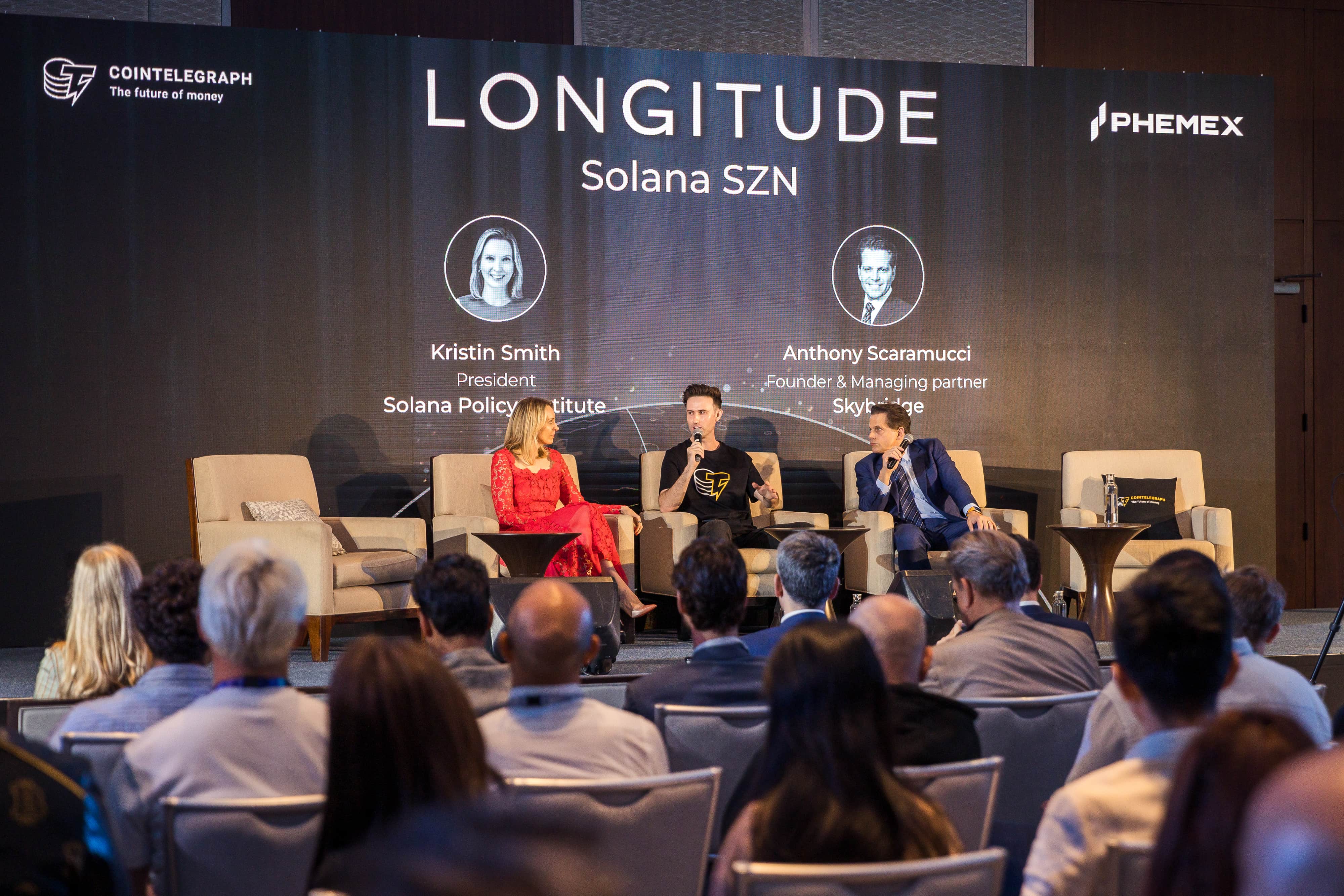
“There’s been a tremendous amount of progress in 2025, an unprecedented amount,” Smith said. The president of the Solana Policy Institute has been intimately involved in crypto-focused discussions in Washington over the past 18 months.
“I think now that the US is catching up, you’re seeing policymakers around the globe figuring out what they need to do to stay competitive and keep crypto within their borders, which is different than trying to keep crypto outside of their borders.”
Scaramucci said educating policymakers remains a key hurdle to helping the traditional financial system adopt innovative protocols running on blockchain rails.
“Kristin has got to go into those rooms, and she’s got to explain to these people why this regulation needs to get passed so that we can retool the financial system and make the system less expensive and more seamless,” Scaramucci said.
The founder of SkyBridge Capital added that existing TradFi systems currently spend over $4 trillion on transaction verification globally. Shifting to protocols like Ethereum and Solana, which currently rank highest for RWA tokenization and onchain activity, could offer unrivalled efficiency and cost savings.
“That’s credit card fees, wire fees, a whole host of different things. If we were able to adopt Solana and use it in the process of tokenizing assets, you could save probably 75% of that, and that could be transformative for the global economy.”
Again, the major hurdle in recent years has been lagging regulations that have scuppered innovation and the ability for institutions to actively explore using blockchain protocols.
“We can do that today. It’s actually fairly easy to issue a share or a bond on a blockchain. The problem is the regulations don’t make sense when it comes to trading those assets. And so that’s a piece that we’re working on,” Smith said.
Related: Scaramucci family invested over $100M in Trump’s Bitcoin mining firm: Report
Scaramucci delivered a bullish parting message, highlighting the intent of America’s biggest financial institutions, BlackRock, Blackstone and JPMorgan, moving to tokenize assets on blockchain protocols.
“Don’t sit here myopically in 2025 and see this short-sighted opportunity. See the exponential technological opportunity that’s coming.”
Privacy in vogue
StarkWare founder Eli Ben-Sasson, who also co-founded the Zcash protocol, engaged in a thought-provoking fireside chat unpacking why privacy protocols have been in vogue in the latter half of 2025.
“I spent several decades of my life thinking about privacy, both the math and then the productization. Privacy is a spectrum.”
Ben-Sasson weighed in on the massive interest in Zcash (ZEC) in 2025. The privacy-focused cryptocurrency has been around since 2016, but saw a massive surge in value and interest off the back of support from various big names in the industry.
“At one extreme, you have the stuff we did at Zcash, which is resistance money level of privacy. If you need to jump on a plane and the government is pursuing you and you need to be fully you know, off the radar, then you have that,” Ben-Sasson said.
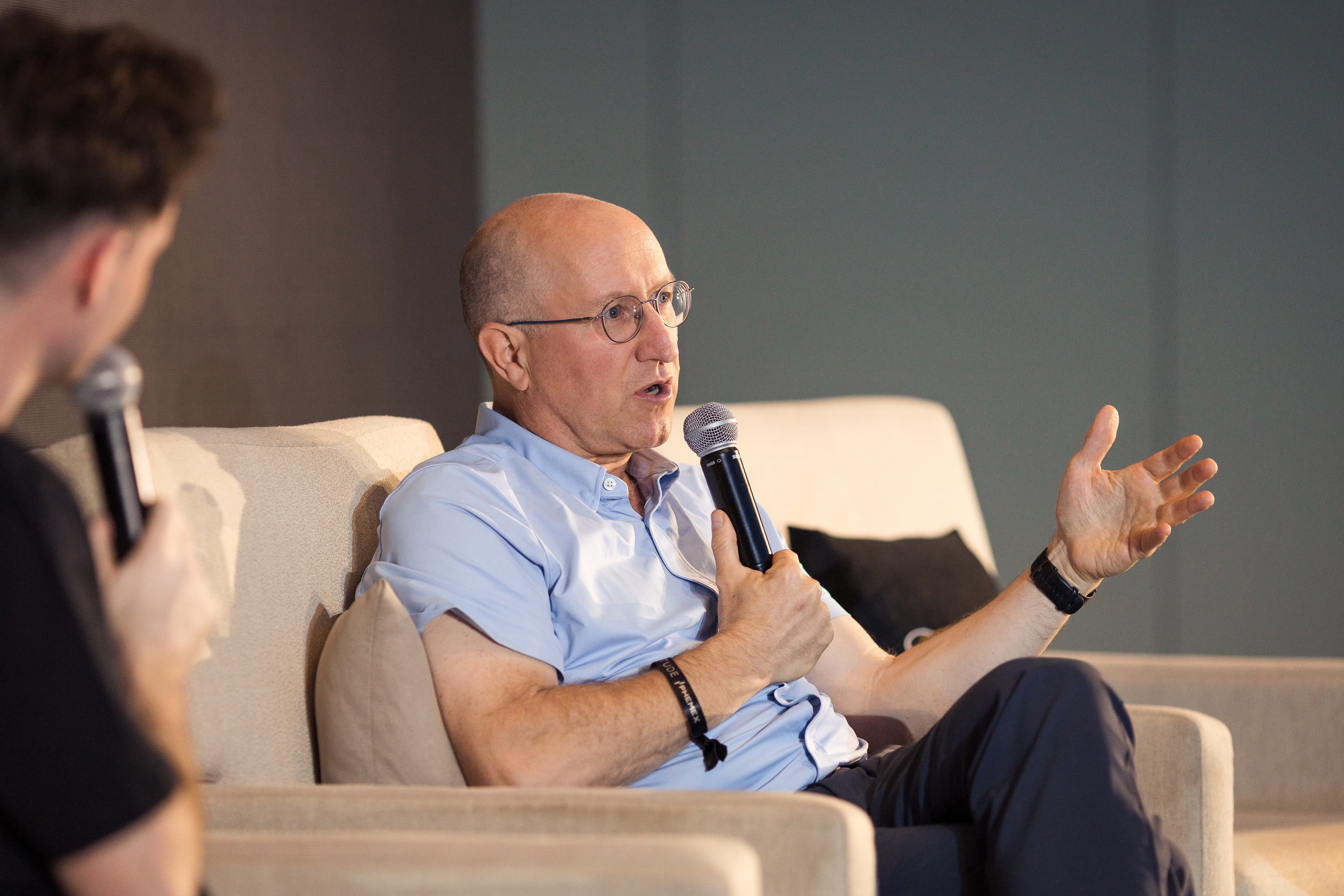
However, Ben-Sasson said the cost of that luxury is in the user experience. Wallets, programmability and user experience are harder to provide with that level of privacy. The less technical end of the spectrum affords a use case that is in high demand.
Related: Can Zcash’s rise revive the Bitcoin OP_CAT discussion?
“Enterprises come in, and they are going to want a different kind of privacy and also a different kind of privacy from the kind that we did on Zcash. They’re going to want privacy where they, as enterprises, and their customers are shielded away from other customers and from their competitors,” he said.
Security wake-up call
Security was another major talking point at LONGITUDE VII, given the spate of high-profile hacks and security incidents in 2025.
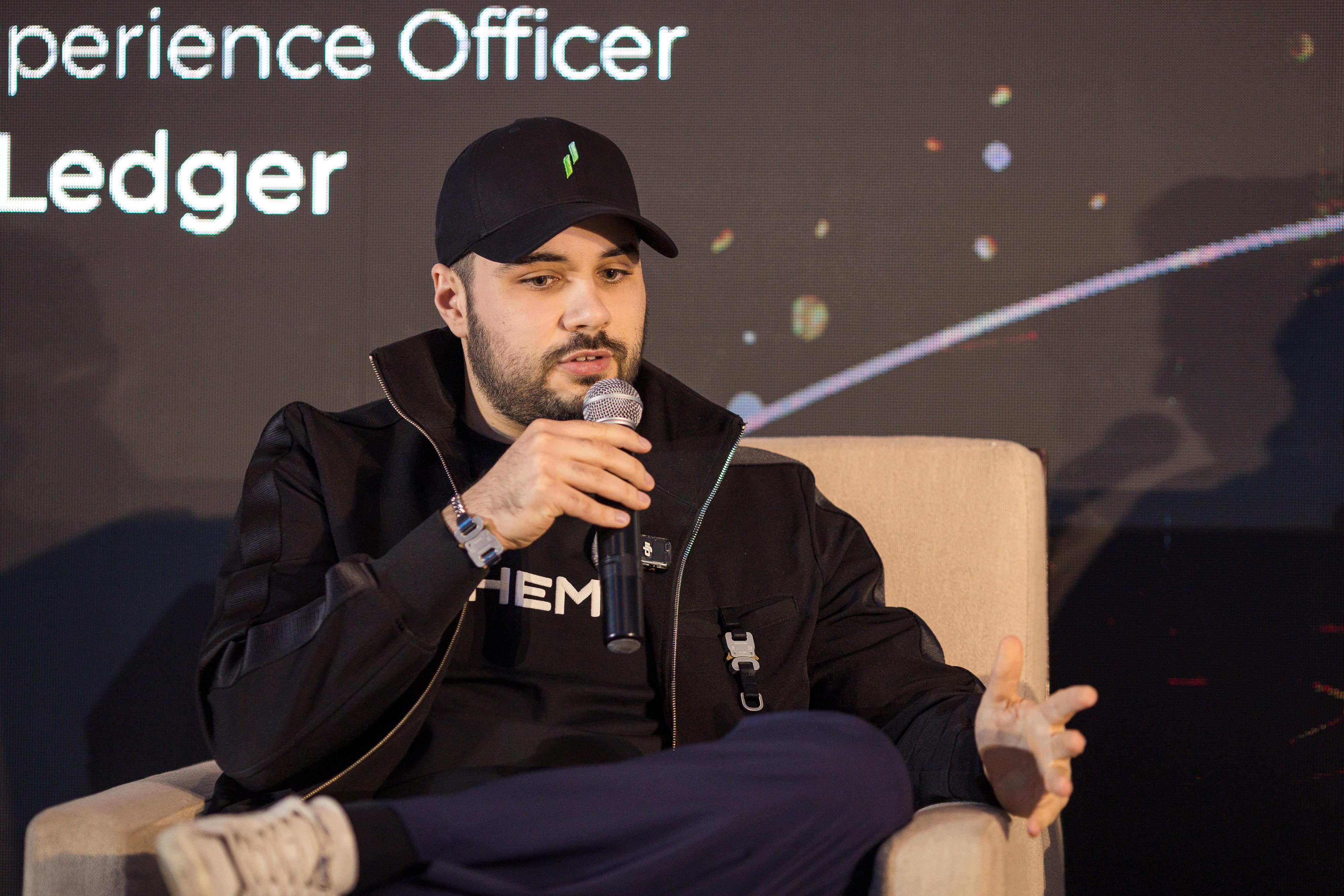
The theft of $1.6 billion of Ether (ETH) from Bybit in March was a wake-up call for the industry. As Phemex CEO Federico Variola explained, social engineering and unverified access continue to be a major threat to everyday crypto users.
“I think combining the social layer of being a crypto participant with the financial layer, those kind of devices should be never interacting with each other.”
“It’s difficult in crypto because sometimes you need to participate in an airdrop, or like you want your Twitter account to be linked to the MegaETH ICO, for example. Nevertheless, you should be aware that you’re always exposing yourself to significant risk,” Variola said.
Related: Bybit hack: ‘Reckoning’ that led SafeWallet to rearchitect its systems
Ledger’s chief experience officer Ian Rodgers said that the onus is on service providers and infrastructure builders to think critically about the risks their platforms and users face.
“There are there is no way to make a risk go to zero. But it is the responsibility to minimize the risk as much as possible, to think about what is the worst thing that could possibly happen, what could go wrong here,” Rodgers said.
Cointelegraph’s exclusively LONGITUDE events will be back on the calendar in 2026, with editions planned for New York, Paris, Dubai, Hong Kong, Singapore, and Abu Dhabi.