Web3 Wallets in a 'Turbulent Autumn': In the AI Era, How to Understand the Evolution of 'Spear and Shield' in Crypto Security?
The recent spate of incidents involving Coldcard, Trezor, and SafePal highlights a critical evolution in cryptocurrency wallet security, moving the focus beyond simple private key protection to a holistic, multi-layered attack surface. These events—spanning a random number generator flaw, supply chain data leaks, and plugin permission issues—underscore that vulnerabilities now exist across the entire wallet lifecycle: from secure element and code generation to logistics, user data, and daily interactions with dApps.
This broadening threat landscape is accelerating with the advent of AI. Attackers are leveraging AI to automate and scale previously labor-intensive tasks like vulnerability discovery, sophisticated social engineering, and targeted phishing campaigns. This effectively lowers the cost of attacks, eroding the security margin once provided by the high effort required to find and exploit flaws.
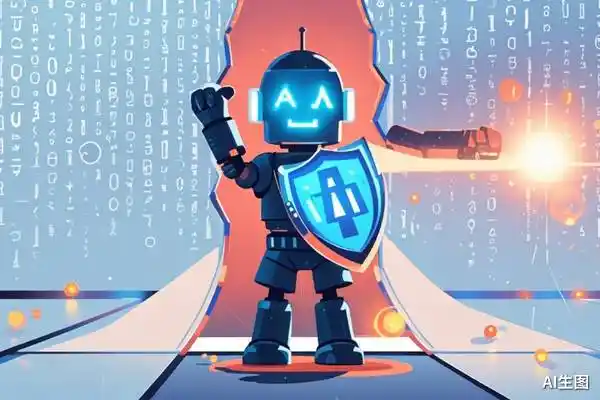
In response, defense strategies must also evolve by integrating AI. The future of wallet security lies not just in static rules and blacklists, but in proactive, AI-powered risk assessment. This includes pre-transaction simulation, behavioral analysis to detect anomalies (like sudden large approvals), and contextual awareness of dApps and counterparties. The goal is to transform wallets from passive signing tools into active guardians that can understand intent, predict outcomes, and clearly communicate risks to users—all while preserving user sovereignty and control through minimal permissions and human confirmation for critical actions.
Ultimately, self-custody does not guarantee inherent safety; it returns absolute control to the user. Protecting that control requires a dynamic, evolving security posture where AI becomes a essential tool on both sides of an ongoing "spear and shield" arms race in the Web3 ecosystem.
marsbit27 min fa