Late Qing County Magistrates' 'Official Debt' and the Crypto World's 'Exchange Listings': The Cross-Temporal Truth of Financializing Power

marsbitPubblicato 2026-08-19Pubblicato ultima volta 2026-08-19

Introduzione

This article draws parallels between financialization of power in late Qing Dynasty China and the modern cryptocurrency industry. It opens with a staggering contemporary corruption case involving billions, illustrating how official positions control massive cash flows, akin to toll booths. The core analysis focuses on Du Fengzhi, a late Qing county magistrate. His 22-year journey from passing the provincial exam to finally obtaining a post highlights how bureaucratic "qualification" (like a VC investment) doesn't guarantee immediate benefit. Crucially, upon receiving his appointment, Du had to borrow heavily—"official debt"—to cover travel and networking costs to actually assume his position. Lenders, seeing his future post as a revenue-generating asset, offered loans with exorbitant effective interest rates (e.g., borrowing 4000 taels but receiving only 2000), effectively discounting and financializing his future power. Once in office, Du faced immense pressure from both public tax quotas and his crippling private debt. His diaries reveal aggressive, sometimes extreme, tax collection methods (sealing ancestral temples, pressuring local gentry) to meet these demands. The article argues this created a system where public duty and private financial survival became indistinguishable, with corruption evolving from operational necessity to normalized practice. The piece consistently analogizes this to crypto: VC funding as mere "qualification," the costly "listing" process on e...

Author: danny

It's hard to tell if it's true or false, but the numbers revealed in corruption cases in mainland China in recent years are truly staggering, reaching levels that seem utterly unbelievable, beyond any reasonable expectation. It's mind-blowing. A county chief often gets involved in embezzlement and bribery worth billions.

Li Jianping, former Party Secretary of the Hohhot Economic and Technological Development Zone, was confirmed by the Supreme People's Court to have illegally possessed over 1.437 billion yuan in state-owned company funds, accepted bribes exceeding 577 million yuan, and additionally misappropriated over 1.055 billion yuan in public funds.

When ordinary people see such cases, they're likely to ask: Just a local official, just a development zone, where do billions, tens of billions come from for him to embezzle?

Indeed, if we calculate based on salaries, he would have had to start working from the Three Kingdoms period, saving every penny without eating or drinking, to accumulate that kind of money. But from a political economy perspective, the value of a local position with real power is a different matter from its salary. Land, projects, state-owned enterprise funds, loans, demolitions, licenses, project approvals—this money isn't his, but a lot of it has to cross his desk. The annual salary might be a few hundred thousand, but a letter of introduction, an email, a piece of information could decide where tens of billions, hundreds of billions flow.

So local power is somewhat like a toll booth. The toll booth itself doesn't need to earn ten billion; it just needs that much value to pass through daily. (Kinda like a listing BD at an exchange, huh~)

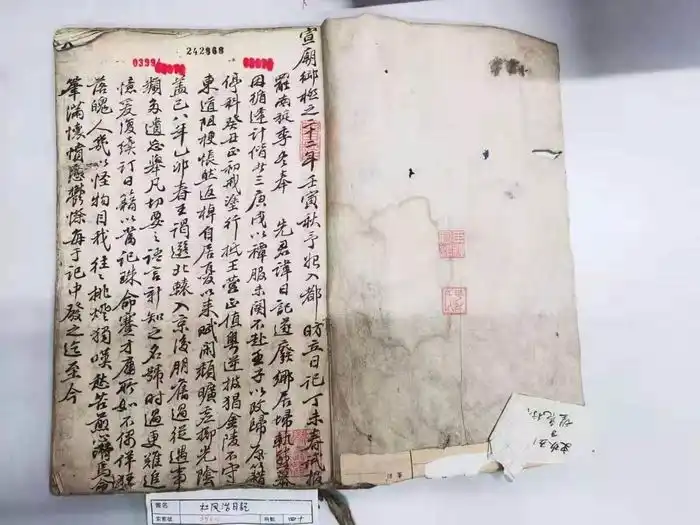
However, if this story of official corruption stops here, there's nothing fresh. What really intrigued me was a diary left by a late Qing county magistrate two hundred years ago.

His name was Du Fengzhi.
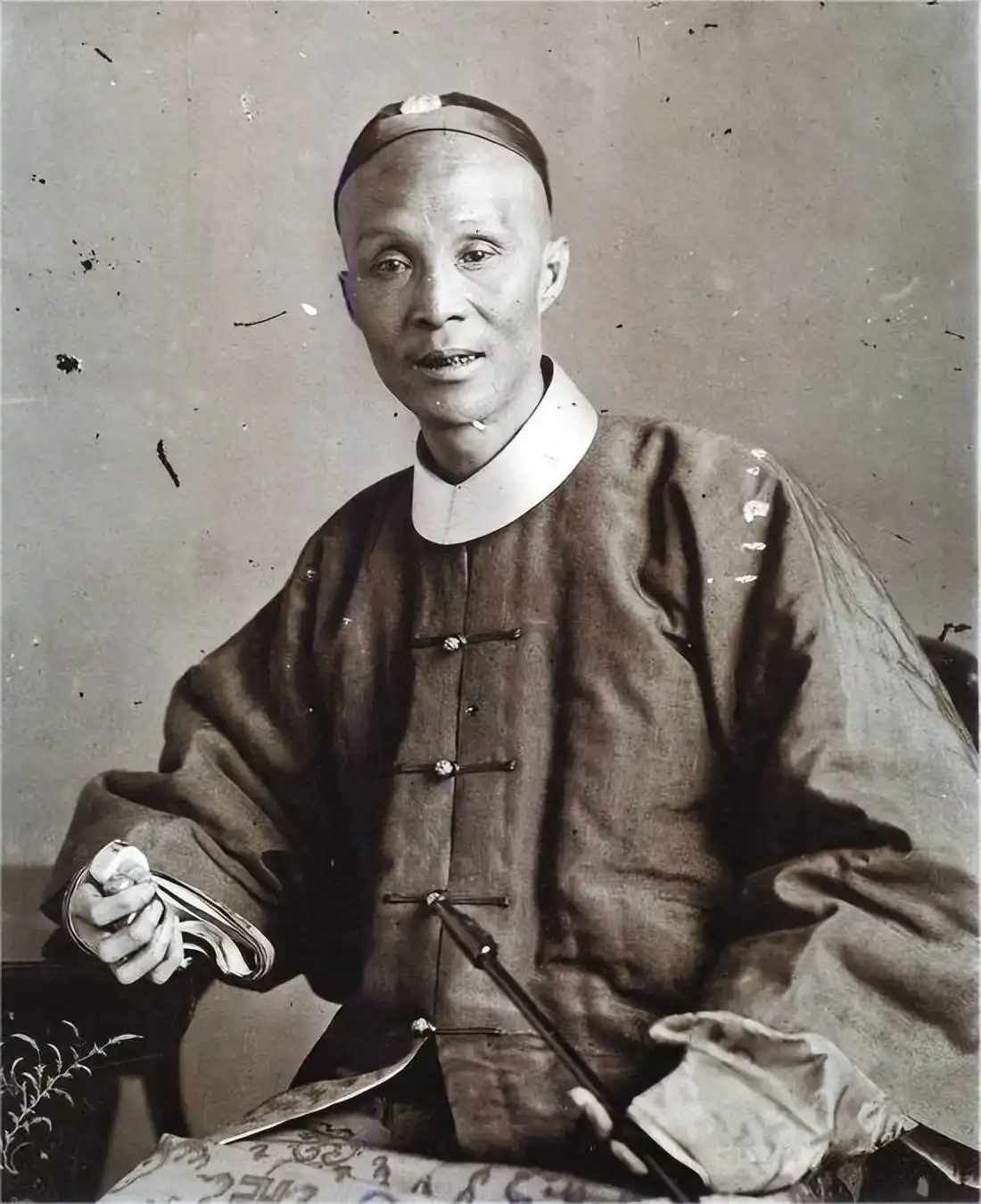
Du Fengzhi's story is about something else: As long as a position can generate income in the future, even before the person sits in it, people will discount that position's future cash flows into present value.

Modern cases like Li Jianping's tell us how large a cash flow a position can control; Du Fengzhi tells us that when everyone knows money will flow from that position later, those future cash flows can even be discounted *before* the official takes office.

Power may not yet be realized, but the future of an official career gets financialized first.

I. Passing the Provincial Exam Was Just Getting a Queue Ticket

Du Fengzhi, courtesy name Pingshu, style name Houshan, from Changtang, Shangyu County, Shaoxing Prefecture, Zhejiang, was born in Shaoxing, Zhejiang in 1814. He passed the provincial exam in 1844 at age 30. When we read 'Fan Jin Passes the Exam' as kids, it's easy to get the illusion that once the gongs and drums sound, you can start work at the county yamen the next day. But the real Qing bureaucracy wasn't so sweet. Passing the provincial exam (becoming a *juren*) only proved you were qualified to advance; when you actually got a position could be many years later.

Du Fengzhi's path roughly went like this: *Juren* → gained status to enter the bureaucratic system → entered the pool of waiting officials via channels like *Datiao* (grand selection), *Jianxuan* (selection) → queued for an actual vacancy → then used donations to buy faster selection priority → entered the priority queue → still had to wait for a real county vacancy to open up → only after drawing the lot did he get an official post.

After becoming a *juren*, Du kept failing the metropolitan exam. He remained on the waiting list. In 1855 he participated in *Datiao*. By 1863, he simply cancelled his original qualification and directly borrowed money to make a donation to jump the queue, securing an express lane: "Magistrate selected regardless of double or single month, non-accumulated class selection." After spending a fortune to finally enter the candidate sequence in 1864, it still wasn't over... He still had to wait... Until March 1866, among his batch of waiting officials, the person ahead of him had to observe mourning, so his turn came to draw for the magistrate post of Guangning County, Guangdong.

From passing the provincial exam in 1844 to getting the actual post in 1866: a full 22 years. How many 22-year periods does a person have?!

This is very much like crypto projects raising VC money today. VC is like the scholarly honor. You get backing from a few top funds, your status changes first; exchanges are more willing to meet you, next-round investors are more willing to talk, media pays more attention. But status isn't money. Du Fengzhi could chat with people using his honor, but couldn't buy rice with it; a project can make headlines with a $1 billion valuation, but still has to wait for the exchange listing.

So fundraising is sometimes like the imperial exams: first they let you in the door, then tell you: there's still a long line inside.

Want to cut the line? Heh~

II. The Court Gives You the Post, Travel Expenses Are Your Problem

In 1866, Du Fengzhi finally got the Guangning magistrate post. Anyone who watches historical dramas knows: at this point there should be lanterns and decorations, the ancestral hall opens its main gate, finally success after the struggle! But the Qing being the Qing, the Board of Personnel only gave you the appointment letter; they didn't cover transportation.

For these mid-to-low-level local officials, the Qing court didn't arrange travel or advance travel expenses. How to get from Beijing to Guangdong, whether to bring family, how to hire private secretaries, how to support servants, food and lodging on the road, boat and cart fares—all were his own business.

The Great Qing's onboarding arrangement: Congratulations on joining the court. Work location: Guangdong. Moving expenses, please handle yourself.
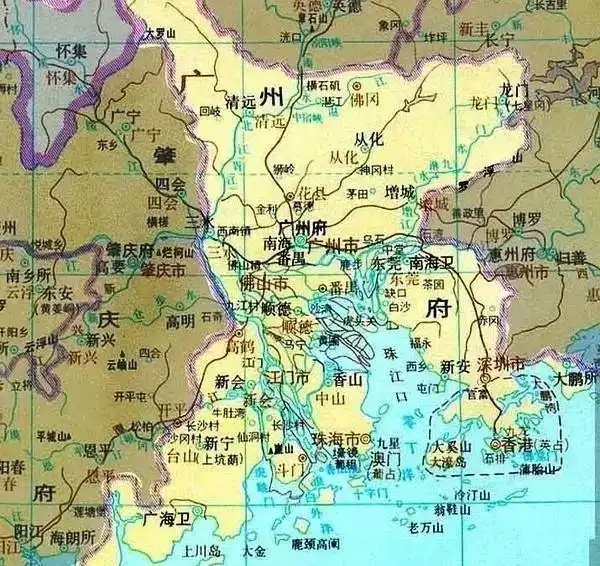
Du Fengzhi left Beijing in September 1866, passed through Tianjin, Shanghai, Hong Kong, and only reached Guangzhou in October, over thirty days on the road. Arriving in Guangzhou, he couldn't go directly to Guangning because he still had to run the gauntlet in the provincial capital. The Viceroy, Governor, Provincial Administration Commissioner, Provincial Surveillance Commissioner, Prefect—all required visits. The yamen's private secretaries, gatekeepers (aka security guards), and clerks all needed greasing.

The late Qing officialdom loved talking about networking and cooperation; put in today's Web3, crypto world, it's not inferior at all. When they know you're about to list on Binance, OKX, or Coinbase, some claiming to be VCs, incubators will come running, asking the project to allocate x% tokens at angel round valuation before listing, and with the most favorable lockup terms.

Problem was, Du Fengzhi had no money. Over twenty years spent on exams, odd jobs, waiting, no family backing him up. What was he to do?

Thus, a mature business had long developed in Beijing: official debt.

III. If an Ordinary Person is Poor, Money Shops Ignore Them; If a Future Magistrate is Poor, Money Shops Actively Welcome Them

An ordinary person poor, money shops pay no mind; a person about to become a county magistrate poor, money shops welcome them with open arms. Because an ordinary person has no money today, they might still have none in six months; a future magistrate has no money today, but will hold a county in six months.

More than a month after Du Fengzhi got the Guangdong post, people coming to introduce him to official debt were "no less than forty or fifty." A person so poor they couldn't even afford travel expenses suddenly became a hot customer in the financial market.

Reason simple. Creditors weren't looking at how much money Du Fengzhi had today, but at what position he was about to occupy. Superficially, the loan was to Du Fengzhi; in their hearts, they calculated how much grease Guangning County could produce.

That's also why the terms dared to be so harsh. By the fifth month of the Tongzhi reign's sixth year (1867), Du Fengzhi finalized an official debt: nominally borrowed 4000 taels, actually received 2000 taels; later borrowed 680 taels, received 340 taels — ever seen a haircut, a half-interest cut?

Today if someone tells a founder: "I'll lend you four million, you actually get two million, but the IOU is still for four million." A normal person's first reaction shouldn't be to sign, but to check if the other party is a scam.

Du Fengzhi had to sign.

He had waited 22 years, studied, took exams, waited, made extra donations—time and money invested. Now, just needed to go to Guangdong. At this point, if you tell the creditor the interest is too high, they'd probably just say: No problem, you don't have to borrow, go back and keep waiting.

Financing cost often isn't determined by interest rates, but by whether you have any other path.

In the late Qing, creditors, afraid you'd renege after reaching Guangdong, would either follow themselves or send a clerk to accompany you to the post, wait until you collected money locally, then return. So in the entourage of a Great Qing county magistrate taking office, there might be someone looking low-key. You think it's a private secretary, no; think it's a guard, also no—it's a debt collector.

Remember some crypto star projects had similar situations? A certain VC partner personally joined the team, setting sail together. Looking back now, doesn't it smell a bit similar?

IV. Reaching Guangzhou, the First Round of Money Still Wasn't Enough

Upon reaching Guangzhou, Du Fengzhi soon found the money borrowed in Beijing still insufficient. Various yamens to visit, gatekeeper tips (*menbao*) to give, documents needed delivering, miscellaneous fees. Going to the Viceroy's yamen to take leave, because the *menbao* wasn't prepared, the gatekeeper even refused to pass in his name card (*shouben*). Finally had to negotiate the price, money passed, gate opened.

So he continued borrowing in Guangzhou, borrowing over three thousand taels more from silver shops and private individuals.

More interestingly, why did Guangzhou silver shops dare continue lending? Because locals understood Guangdong counties better than Beijing creditors. Meng Yutang, manager of Xiechengqian Silver Shop, judged Guangning was a "lucrative post" (*youque*), believing one could make over ten thousand taels a year, thus willing to keep lending.
This picture is more important than official debt itself.

Before Du Fengzhi even sat in the Guangning county yamen, the Guangzhou silver shop owner had already done the math for this county. Tax sources, commerce, whether the post was good, roughly how much money per year, enough to repay debt—they had an estimate in mind.

What Du Fengzhi saw: Finally my turn to be an official.

What creditors saw: This position starts generating income.

Same thing, two valuations.

A person spending over twenty years studying hard finally sees a life's ideal; the financial market, at first glance, has already discounted that life's ideal into cash flow.

V. The Trickiest Part of a Late Qing County Yamen Was When Gray Was the Background Color

Our understanding today is simple: government money is government money, official salaries are official salaries, official business follows the budget. But the late Qing county yamen didn't distinguish so clearly.

County handling of cases, inspections, arrests, runners, private secretaries—all cost money, but the formal budget was never enough. The court certainly knew this, so in various aspects like levies, customary fees (*guifei*), fines, etc., they left a vast gray area. County tax and grain collection wasn't a state employee collecting and ending it; it was a whole batch of clerks, runners, and local people making a living around this process.

So why was there so much money in a county? Not because the magistrate's salary was especially high, but because taxes, judiciary, commerce, licenses, local governance—every transaction passed through here. The more functions a node bears, the more people surrounding the node naturally find ways to extract income from it.

That's also why just saying "late Qing officials had poor morals" can't explain this. It's not that systemic problems excuse individuals; they're still accountable. The problem is, if legal income and legal finances can't cover what the system requires you to do, and gray income is long tacitly used to fill the gap, eventually public and private inevitably stick together.
At the start, it might be "can't get this done without doing it this way"; later becomes "everyone's always done it this way"; then later becomes "since everyone takes, what's wrong with me taking a bit more."

Corruption often doesn't kick the door in. It first sits in the corner as "convenient for getting things done," but after sitting long, it doesn't leave.

If you pay close attention, you might be shocked: Isn't this somewhat similar to certain exchanges, DeFi protocol BDs (especially listing BDs), VCs taking deals, MM institution partners, etc.? Everything requires money, but the boss gives little, the official bill definitely can't cover it. Some even directly say don't use the official account, so what are you supposed to do?

VI. After Taking Office, Du Fengzhi Didn't Just Sit in the Yamen Waiting for Silver to Deliver Itself

After Du Fengzhi took office in Guangning, with such huge debts behind him, how was he to repay these usurious loans? Answer: Collection.

Before even warming his bed, Du Fengzhi had to rush nonstop to various places. Besides unfinished official debt from taking office, the county had tax and grain collection targets. He couldn't sit drinking tea in the yamen, waiting for villagers one day in a good mood to queue and pay owed grain. Diaries and later research show he personally went to the countryside to urge collection, spending considerable time on it.

At that time, urging grain in Guangdong counties wasn't like sending a reminder letter today. The county yamen would bring clerks, runners, caning personnel to the countryside. The area was large, population scattered; the government itself couldn't find every household, so had to rely on clans and local gentry. Which household owed grain? Couldn't find the person, find the clan; clan unresponsive, find the gentry. A gentry himself might have paid, but as long as the whole clan or village still had arrears, the government would still press him, because he was the node the government could grab and had ability to pressure. Analogy in crypto: when problems arise, the exchange finds market makers, project teams, KOLs taking ads, and so on.

This logic is actually very realistic. The county yamen couldn't reach every final payer, so had to rely on middle layers to transmit pressure. In today's crypto world, methods are completely different of course; projects won't arrest people or seal ancestral halls, but the organizational logic is somewhat similar: the project itself can't directly reach every user, so exchanges, market makers, communities, channels, partners, various BD people naturally grow in the middle. Projects need traffic, funds, users; these middle layers naturally become valuable.

VII. If Tax Grain Couldn't Be Collected, Du Fengzhi Really Would Seal the Ancestral Hall

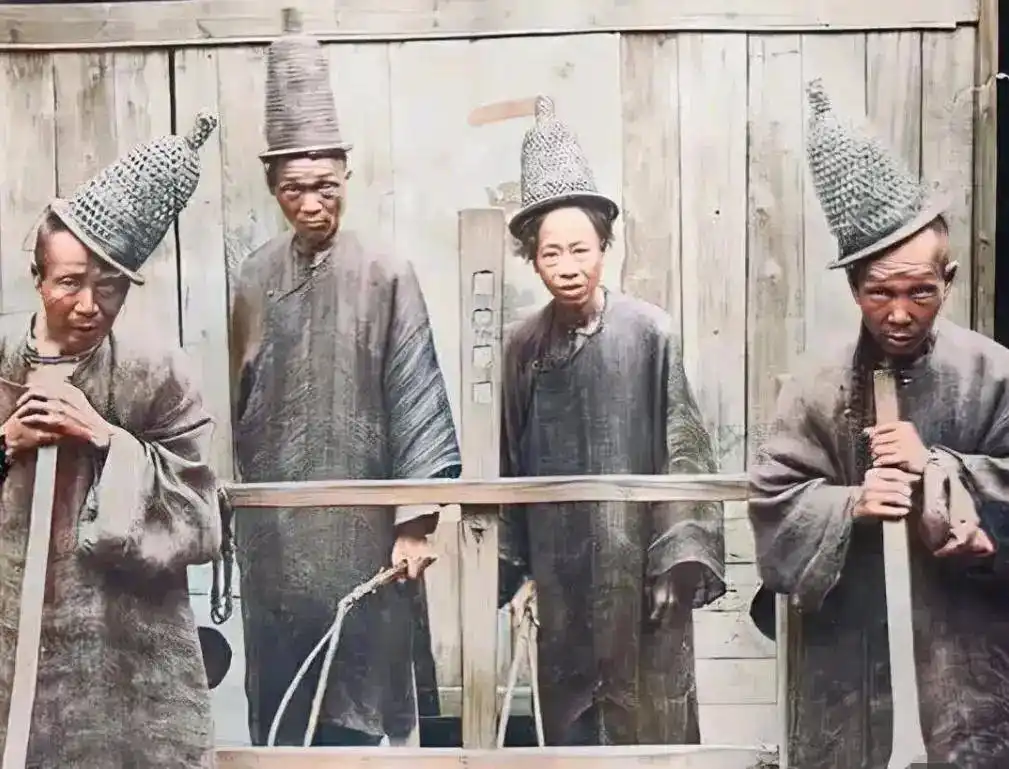
The most fascinating part of "The Diary of Du Fengzhi" is seeing how far grain urging could go. If a clan owed tax grain, Du Fengzhi would seal the ancestral hall. Those with businesses, could seal shops. If the actual debtor in the clan couldn't be found, pressure clan members with status and influence who could be caught.
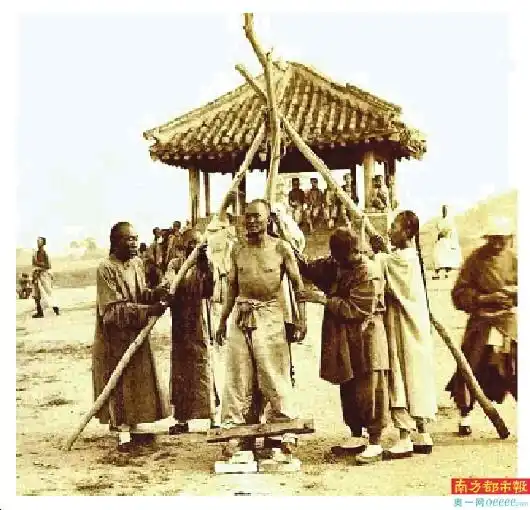
Why was this tactic powerful? Because the ancestral hall wasn't an ordinary building; it was the clan's public space, where ancestors, identity, face all converged.

In some Qing places, urging grain even involved seizing ancestral tablets first. You might not fear the county magistrate, but the whole village seeing ancestral tablets locked up by officials made it hard to pretend nothing happened. In today's terms, roughly like debt collectors pursuing your ancestral graves.

And there was the play of collective responsibility. In Guangning, there was a person surnamed Xie who had paid his own grain tax; what was owed was from ancestral jointly-owned property. Problem: too many brothers, troublesome for officials to find each one, so pressure first fell on the catchable person, letting him solve it with his brothers. Logic simple: I'm not unaware many truly owe, I just find someone enforceable first.

While collecting grain in Luoding, Du Fengzhi found some so-called "substantial households" (*yinding*) were actually poor as beggars; beating them to death wouldn't yield money. He judged in his diary, rather than pressuring these poor, "limiting gentry to investigate and press is more effective than limiting substantial households"—plainly, getting money from the rich is the way.

This is worth remembering. Because all hard targets eventually find someone enforceable. Higher-ups press the county yamen; the yamen presses down; too scattered below, press the gentry; gentry press within the clan. Pressure doesn't disappear, just transmits layer by layer downward.

And in crypto? Who can exchanges find?

Later, Du Fengzhi's grain urging methods became more direct. Debtors hiding, officials would find family, even use family pressure; sometimes sealing houses, sometimes threatening to tear down/burn dwellings, also prohibiting grain-owing households from holding operas to thank gods, harvesting late rice, forcing them to handle tax grain first.

Tax grain collection was a county magistrate's hard target; failure affected performance evaluations (*kaocheng*); Guangdong local governance itself was complex. Du Fengzhi's private debts, losses from first official post, family expenses, officialdom costs, plus the court's public duties requirements—all piled together, creating that state: public accounts need money, private accounts need money, the top only asks how much you deliver.

So Du Fengzhi became increasingly "diligent."

This diligence wasn't the inspirational kind of hard work, but the distress of interest chasing from behind.

VIII. So Project Teams Start Thinking of Every Way to Harvest the Future

Facing grain tax pressure, Du Fengzhi could go to the countryside, seal ancestral halls, pressure gentry, find clans, because feudal-era people couldn't run, ancestral halls were there, and Du had administrative (violent) power as backing.

What about those heavily indebted project teams? Know that balance sheet pressure is universal. Projects need to boost trading volume, increase liquidity, list on more platforms, create points, staking, airdrops, ecosystem incentives, constantly find new use cases. Done well, it's turning financing into real products, users, revenue; done poorly, start buying data with subsidies; worse, product fails, left only with stories, price, and financial engineering.

This also explains why some projects, after raising big money, enter an unstoppable state. One round talks infrastructure, next round starts talking ecosystem; ecosystem doesn't take off, talk consumption; consumption fails, hit AI hype, add AI; after a few months market hot topic changes, need another story. Not every pivot is fraud; startups adjust, but you must know, there's always a ledger chasing behind.

A completely unfunded small project can say, if it doesn't work out, forget it. A project that raised tens of millions, has dozens of funds in front, supports a large team, tokens ready to list—saying "forget it, let's stop"—how could it be that simple...

What to do? Project teams can only find all sorts of experts, whether market makers, communities, price callers, pump groups, whales, using various financial engineering methods to harvest unsuspecting market liquidity to recoup losses, repay debts.

Du Fengzhi himself later complained during career lows: debts, losses, family pressure all on him; if there was a way out, he'd rather have a few hundred *mu* of farmland than continue this "nine underworlds eighteen hells" business. Put this mindset today, many founders should understand: online every midnight, not necessarily all passion, sometimes just having walked this far, truly can't turn back.

This was common knowledge in the Qing, yet couldn't stop waves of young people taking exams, because everyone thought Du Fengzhi, a commoner, though his youthful hair turned white, ultimately succeeded. In one lifetime, as long as you can rise, achieve big results, do anything.

The imperial exam's most brilliant part wasn't its actual equality, but making society believe at least there was an upward path. Even if this path required twenty years studying, twenty years waiting, borrowing usury, networking, people still squeezed in. Because for many, the scariest wasn't this path being expensive, but besides this path, there simply was no other choice.

Epilogue

Finally, introducing another person: Du Lian, courtesy name Yaochuan, style name Lianqu, from Shangyu, Zhejiang, a Hanlin academician, later rose to Grand Secretary of the Neige and Vice Minister of Rites, official rank second-grade, served as Guangdong Education Commissioner (*Xuezheng*) during the Tongzhi reign. (The Education Commissioner was an imperial commissioner, high status in the province, second only to the General, Viceroy, Governor, above Provincial Administration and Surveillance Commissioners.)

Who was he? He was Du Fengzhi's "distant clan nephew" (distant relative of same clan). By clan seniority, Du Lian was actually a generation below Du Fengzhi, though Du Lian was over ten years older. Du Fengzhi studied under Du Lian in his youth; their relationship in Beijing during the waiting period was very close. Du Fengzhi's diary respectfully called him "Old Lian."

One story:

Later, Guangning had "examination disturbances." Du Fengzhi clashed with local gentry; things escalated potentially affecting his official hat. He quickly informed then Guangdong Education Commissioner Du Lian. Du Lian not only comforted him saying problem not big, but personally wrote to the Acting Provincial Administration Commissioner, helping smooth things. Finally, Du Fengzhi surprisingly wasn't dismissed. Though couldn't stay in Guangning, under Du Lian's "suggestion" and "arrangement," he was transferred to Sihui to continue as magistrate.


Crypto di tendenza

Domande pertinenti

QWhat is the core parallel drawn between late Qing county magistrate Du Fengzhi's 'official debt' and the modern crypto/Web3 world?

AThe core parallel is the financialization of future potential cash flows before they are realized. Just as moneylenders assessed and lent against the future 'income' Du Fengzhi would generate from his soon-to-be-assumed official position (his power to control resources), modern crypto VCs, exchanges, and incubators assess and invest in projects based on their future potential (e.g., token listings, user growth) before the project has actual revenue or product-market fit. Both systems involve discounting and monetizing expected future value from a position of power or potential.

QAccording to the article, what was the primary reason lenders were willing to offer usurious 'official debt' to a poor candidate like Du Fengzhi?

ALenders were willing to offer usurious loans because they were not lending based on Du Fengzhi's current wealth, but on the future revenue-generating potential of the official county magistrate position he was about to assume. They calculated the 'oil and water' (unofficial income) the county could produce. His impending power over local resources (taxes, licenses, projects) served as collateral for the loan, making him a secure investment despite his personal poverty.

QHow does the article describe the systemic nature of corruption in the late Qing county yamen, beyond individual moral failure?

AThe article argues that corruption became systemic because the formal government budget and salaries were insufficient to cover the actual costs of administration and the tasks demanded by the system. A vast 'grey area' of informal fees, fines, and surcharges was tacitly accepted to fill this gap. This blurred the line between public and private funds from the start. Corruption began as a 'necessary evil to get things done,' evolved into standard practice, and eventually morphed into overt personal enrichment, as the system itself incentivized and depended on these unofficial flows.

QWhat extreme methods did Du Fengzhi use to collect taxes (grain) and repay his debts, and what does this illustrate about pressure transmission in hierarchies?

ADu Fengzhi used extreme methods like sealing ancestral temples (a profound cultural and social punishment), confiscating shops, pressuring local gentry to make their clans pay, and even threatening family members of debtors. This illustrates how pressure (from higher authorities for tax quotas and from his personal creditors) flows down a hierarchy. Since the county yamen couldn't pressure every individual taxpayer, it targeted key intermediate nodes (gentry, clans) who could then transmit the pressure internally. The pressure doesn't disappear; it finds the most enforceable point in the chain.

QWhat final point does the article make about the late Qing imperial examination system, despite its flaws and costs?

AThe article concludes that the most powerful aspect of the imperial examination system was not its fairness, but its ability to make society believe there was still a viable path upward. Even though the path was long (decades of study and waiting), expensive (requiring loans and bribes), and uncertain, people pursued it because for many, the true horror was not the high cost of this path, but the complete absence of any alternative route to social mobility and achieving 'great results' in life.

Letture associate

The Philadelphia Semiconductor Index Tumbles Nearly 5% in a Single Night, Optical and Memory Sectors 'Collapse' Together: Surging U.S. Bond Yields Shake AI Belief

On the evening of August 18th, the US stock market saw a sharp sell-off concentrated in the AI hardware sector, with the Philadelphia Semiconductor Index plummeting nearly 5%. Leading AI infrastructure and components companies in fields like optical communication and memory chips experienced some of the steepest declines, such as Fabrinet (-19.38%) and Kioxia ADR (-13%). The sell-off was not broad-based but rather targeted the long-duration, high-momentum stocks previously driven by AI narrative optimism. This market shift is primarily attributed to a significant surge in long-term US Treasury yields, with the 30-year yield hitting its highest level since 2007. Rising yields increase discount rates, disproportionately impacting the valuations of growth stocks whose profits are projected far into the future—a category that includes most AI hardware plays. Additional pressure came from climbing oil prices due to Middle East tensions, which fueled inflation concerns. The article identifies three structural reasons for the severity of the drop in these specific subsectors: excessive prior gains and crowded positioning, high sensitivity to the sustainability of AI capital expenditure narratives, and inherent high volatility within the supply chain. Importantly, the sell-off appears to be a valuation and positioning reset rather than a fundamental repudiation of AI, evidenced by the relatively modest decline in a bellwether like Nvidia (-2.34%). Looking ahead, the direction hinges on three key indicators: whether the 30-year Treasury yield stabilizes, the trajectory of oil prices and geopolitical risks, and the market's pricing of new AI-related corporate debt. For related Asian and A-share markets, short-term negative sentiment spillover is expected, but medium-term drivers like domestic cloud capex may provide divergence. The episode signifies a market transition from pricing AI's "story" to rigorously evaluating its returns against a backdrop of higher financing costs.

marsbit25 min fa

The Philadelphia Semiconductor Index Tumbles Nearly 5% in a Single Night, Optical and Memory Sectors 'Collapse' Together: Surging U.S. Bond Yields Shake AI Belief

marsbit25 min fa

Ten Years, Wang Xingxing's Comeback: Unitree Valued at 400 Billion

Over a decade ago, Wang Xingxing, a 29-year-old with a passion for robotics but little funding, demonstrated his struggling robot dog to investors in Hangzhou. In 2019, with his company Unitree nearly out of cash, he captured the attention of Sequoia Capital China's managing director Li Yannan. Despite initial skepticism about the niche market for robot dogs, Wang's vision and deep technical conviction led Sequoia to make an initial seed investment. This marked a turning point. Following Sequoia's lead, a wave of prominent investors including Meituan, Tencent, Alibaba, and various venture capital and state-backed funds joined subsequent funding rounds. Wang's relentless focus and Unitree's technological advancements propelled the company to become a global leader in humanoid robotics. On August 19th, 2027, Unitree Robotics debuted on Shanghai's STAR Market as the first listed humanoid robotics company in China. Its shares skyrocketed over 500% at opening, reaching a market valuation of approximately 400 billion yuan. Wang Xingxing became one of the wealthiest individuals of his generation on the exchange, while Sequoia China, having invested across multiple rounds, remained a major shareholder. The story is celebrated as a classic outlier's triumph—a founder without elite credentials achieving success through pure belief and perseverance. Unitree's IPO is seen as a major milestone for China's embodied AI industry, providing a valuation benchmark and accelerating the sector's maturation. As Wang once stated, he aims to be "a small boat riding the mighty torrent of technology." His journey symbolizes the beginning of a new narrative for Chinese robotics on the global stage.

marsbit26 min fa

Ten Years, Wang Xingxing's Comeback: Unitree Valued at 400 Billion

marsbit26 min fa

Manufacturing's Share Drops Below 25%: Is Hangzhou Unconcerned?

Hangzhou is entering a critical phase of industrial restructuring. While its manufacturing-to-GDP ratio has fallen below 25%, the city is not alarmed. Instead, it is strategically navigating a dual focus: advancing advanced manufacturing and expanding its service sector, particularly producer services. Recently, the city celebrated the IPO of a humanoid robotics company, seen as a milestone in moving beyond its e-commerce era. Simultaneously, it set an ambitious target for its service sector: to exceed 2 trillion yuan in value by 2030, with producer services making up over 60%. Data shows a clear trend: the service sector's share of GDP has risen to 75.3%, while manufacturing's share has declined to around 20.1%. This shift revives the debate on whether a strong service sector weakens a city's manufacturing "foundation." Hangzhou's approach challenges the notion of a fixed manufacturing "red line" near 25%. The city argues that the quality and integration of industries matter more than simple ratios. Its strategy is "using software to drive hardware," leveraging its core strengths in digital economy and producer services—like R&D, software, and supply chain management—to empower and add value to manufacturing. This is embodied by its emerging "AI era" companies, whose innovation in Hangzhou feeds into national industrial chains. The city believes that for a hub like Hangzhou, the key is not merely boosting visible manufacturing output, but strengthening the "invisible" competitive edge provided by high-end producer services, which ultimately determine manufacturing profitability. National policy is also shifting from insisting on a "stable" manufacturing share to acknowledging a "reasonable" range, allowing for quality-focused development. Hangzhou's future industrial blueprint aims for a manufacturing share above 22% of GDP by 2027, coupled with a dominant, high-value service sector. The goal is not to choose between manufacturing and services, but to deeply integrate them, using advanced services as the accelerator for next-generation manufacturing.

marsbit51 min fa

Manufacturing's Share Drops Below 25%: Is Hangzhou Unconcerned?

marsbit51 min fa

SEC Suddenly Proposes "Regulation Crypto": U.S. Token Fundraising May Become Legal Again

On August 18, the U.S. Securities and Exchange Commission (SEC) proposed a landmark set of permanent rules, "Regulation Crypto Assets," specifically designed for crypto asset investment contracts. The 402-page proposal introduces two registration exemption paths and a groundbreaking safe harbor mechanism, representing the SEC's first dedicated crypto-specific regulatory framework. Two exemption tiers are proposed: a "Startup Exemption" allowing a one-time raise of up to $5 million within four years with basic disclosure requirements, and a "Financing Exemption" permitting raises of up to $75 million every 12 months with stricter obligations, including financial statements and ongoing reporting. Both paths require "principles-based narrative disclosure," a flexible approach distinct from traditional IPO forms. The most transformative element is the investment contract safe harbor. It provides a legal path for tokens to "graduate" from being classified as securities. If an issuer completes or permanently ceases its "essential managerial efforts" as promised in the investment contract and meets specific conditions, it can file with the SEC to have the token exit the securities framework. This creates a novel legal lifecycle where a token can begin as a regulated security for fundraising and later become a non-security asset as the network decentralizes. This move is seen as the SEC pragmatically filling a legislative vacuum, as the stalled CLARITY Act in Congress faces significant delays. The proposal aims to offer a compliant pathway for token offerings within the U.S., countering the trend of projects moving overseas. While currently a proposal open for a 60-day public comment period, it signals a major potential shift from an enforcement-heavy approach toward establishing clearer rules for the crypto industry.

marsbit55 min fa

SEC Suddenly Proposes "Regulation Crypto": U.S. Token Fundraising May Become Legal Again

marsbit55 min fa

U.S. Stock Market Trends (August 19th): AI Hardware Rally Loosens, Long-Term Bond Yields Challenge Tech Valuations

U.S. stocks weakened further on Tuesday, with major indices hitting two-week lows for a third consecutive session. Pressure centered on the AI hardware sector, as the previously rebounding Philadelphia Semiconductor Index fell sharply. Meanwhile, persistently high long-term Treasury yields and rising oil prices fueled by Middle East tensions prompted a cautious reassessment of high-valuation tech assets. Key closing data: The S&P 500 fell 0.69%, the Dow Jones dropped 0.22%, and the Nasdaq declined 1.33%. The 10-year Treasury yield hovered near 4.70%, while the 30-year yield briefly touched a new high since 2007 before settling around 5.28%. WTI crude rose to $84.94. The chip sector led the decline, with the Philadelphia Semiconductor Index dropping about 5%. Losses spread across memory, optical communication, and AI infrastructure stocks. This shift indicates investor focus is moving from chasing AI demand momentum to evaluating valuations and earnings timing. The "Magnificent Seven" stocks showed mixed performance, with pressure more concentrated on AI hardware than software giants. The market is observing whether capital will rotate back to large-cap tech, sustaining the internal AI sector rotation, or if the broader AI trade is entering a cooling phase. Chinese stocks were mostly weaker, with the Nasdaq Golden Dragon China Index down about 1%. Baidu's stock fell sharply post-earnings due to profit pressure from AI investments, while Alibaba gained. Persistently high long-term bond yields and rising oil prices are re-emerging as key anchors for U.S. stock pricing, constraining valuation multiples for AI-related companies. Corporate events, including earnings from Home Depot and AI financing news like Anthropic's reported credit line expansion, continue to highlight cost and capital expenditure pressures. Focus for the coming sessions: 1) Whether the 30-year Treasury yield stabilizes below 5.30%, and 2) The market's ability to absorb the chip sector sell-off, determining if it's a pre-earnings consolidation or the start of a broader AI hardware cool-down.

marsbit1 h fa

U.S. Stock Market Trends (August 19th): AI Hardware Rally Loosens, Long-Term Bond Yields Challenge Tech Valuations

marsbit1 h fa

Trading

Spot

Articoli Popolari

Cosa è $S$

Comprendere SPERO: Una Panoramica Completa Introduzione a SPERO Mentre il panorama dell'innovazione continua a evolversi, l'emergere delle tecnologie web3 e dei progetti di criptovaluta gioca un ruolo fondamentale nel plasmare il futuro digitale. Un progetto che ha attirato l'attenzione in questo campo dinamico è SPERO, denotato come SPERO,$$s$. Questo articolo mira a raccogliere e presentare informazioni dettagliate su SPERO, per aiutare gli appassionati e gli investitori a comprendere le sue basi, obiettivi e innovazioni nei domini web3 e crypto. Che cos'è SPERO,$$s$? SPERO,$$s$ è un progetto unico all'interno dello spazio crypto che cerca di sfruttare i principi della decentralizzazione e della tecnologia blockchain per creare un ecosistema che promuove l'impegno, l'utilità e l'inclusione finanziaria. Il progetto è progettato per facilitare interazioni peer-to-peer in modi nuovi, fornendo agli utenti soluzioni e servizi finanziari innovativi. Al suo interno, SPERO,$$s$ mira a responsabilizzare gli individui fornendo strumenti e piattaforme che migliorano l'esperienza dell'utente nello spazio delle criptovalute. Questo include la possibilità di metodi di transazione più flessibili, la promozione di iniziative guidate dalla comunità e la creazione di percorsi per opportunità finanziarie attraverso applicazioni decentralizzate (dApps). La visione sottostante di SPERO,$$s$ ruota attorno all'inclusività, cercando di colmare le lacune all'interno della finanza tradizionale mentre sfrutta i vantaggi della tecnologia blockchain. Chi è il Creatore di SPERO,$$s$? L'identità del creatore di SPERO,$$s$ rimane piuttosto oscura, poiché ci sono risorse pubblicamente disponibili limitate che forniscono informazioni dettagliate sul suo fondatore o fondatori. Questa mancanza di trasparenza può derivare dall'impegno del progetto per la decentralizzazione—un ethos che molti progetti web3 condividono, dando priorità ai contributi collettivi rispetto al riconoscimento individuale. Centrando le discussioni attorno alla comunità e ai suoi obiettivi collettivi, SPERO,$$s$ incarna l'essenza dell'empowerment senza mettere in evidenza individui specifici. Pertanto, comprendere l'etica e la missione di SPERO rimane più importante che identificare un creatore singolo. Chi sono gli Investitori di SPERO,$$s$? SPERO,$$s$ è supportato da una varietà di investitori che vanno dai capitalisti di rischio agli investitori angelici dedicati a promuovere l'innovazione nel settore crypto. Il focus di questi investitori generalmente si allinea con la missione di SPERO—dando priorità a progetti che promettono avanzamenti tecnologici sociali, inclusività finanziaria e governance decentralizzata. Queste fondazioni di investitori sono tipicamente interessate a progetti che non solo offrono prodotti innovativi, ma contribuiscono anche positivamente alla comunità blockchain e ai suoi ecosistemi. Il supporto di questi investitori rafforza SPERO,$$s$ come un concorrente degno di nota nel dominio in rapida evoluzione dei progetti crypto. Come Funziona SPERO,$$s$? SPERO,$$s$ impiega un framework multifunzionale che lo distingue dai progetti di criptovaluta convenzionali. Ecco alcune delle caratteristiche chiave che sottolineano la sua unicità e innovazione: Governance Decentralizzata: SPERO,$$s$ integra modelli di governance decentralizzati, responsabilizzando gli utenti a partecipare attivamente ai processi decisionali riguardanti il futuro del progetto. Questo approccio favorisce un senso di proprietà e responsabilità tra i membri della comunità. Utilità del Token: SPERO,$$s$ utilizza il proprio token di criptovaluta, progettato per servire varie funzioni all'interno dell'ecosistema. Questi token abilitano transazioni, premi e la facilitazione dei servizi offerti sulla piattaforma, migliorando l'impegno e l'utilità complessivi. Architettura Stratificata: L'architettura tecnica di SPERO,$$s$ supporta la modularità e la scalabilità, consentendo un'integrazione fluida di funzionalità e applicazioni aggiuntive man mano che il progetto evolve. Questa adattabilità è fondamentale per mantenere la rilevanza nel panorama crypto in continua evoluzione. Coinvolgimento della Comunità: Il progetto enfatizza iniziative guidate dalla comunità, impiegando meccanismi che incentivano la collaborazione e il feedback. Nutrendo una comunità forte, SPERO,$$s$ può affrontare meglio le esigenze degli utenti e adattarsi alle tendenze di mercato. Focus sull'Inclusione: Offrendo basse commissioni di transazione e interfacce user-friendly, SPERO,$$s$ mira ad attrarre una base utenti diversificata, inclusi individui che potrebbero non aver precedentemente interagito nello spazio crypto. Questo impegno per l'inclusione si allinea con la sua missione generale di empowerment attraverso l'accessibilità. Cronologia di SPERO,$$s$ Comprendere la storia di un progetto fornisce preziose intuizioni sulla sua traiettoria di sviluppo e sui traguardi. Di seguito è riportata una cronologia suggerita che mappa eventi significativi nell'evoluzione di SPERO,$$s$: Fase di Concettualizzazione e Ideazione: Le idee iniziali che formano la base di SPERO,$$s$ sono state concepite, allineandosi strettamente con i principi di decentralizzazione e focus sulla comunità all'interno dell'industria blockchain. Lancio del Whitepaper del Progetto: Dopo la fase concettuale, è stato rilasciato un whitepaper completo che dettaglia la visione, gli obiettivi e l'infrastruttura tecnologica di SPERO,$$s$ per suscitare interesse e feedback dalla comunità. Costruzione della Comunità e Prime Interazioni: Sono stati effettuati sforzi attivi di outreach per costruire una comunità di early adopters e potenziali investitori, facilitando discussioni attorno agli obiettivi del progetto e ottenendo supporto. Evento di Generazione del Token: SPERO,$$s$ ha condotto un evento di generazione del token (TGE) per distribuire i propri token nativi ai primi sostenitori e stabilire una liquidità iniziale all'interno dell'ecosistema. Lancio della Prima dApp: La prima applicazione decentralizzata (dApp) associata a SPERO,$$s$ è stata attivata, consentendo agli utenti di interagire con le funzionalità principali della piattaforma. Sviluppo Continuo e Partnership: Aggiornamenti e miglioramenti continui alle offerte del progetto, inclusi partnership strategiche con altri attori nello spazio blockchain, hanno plasmato SPERO,$$s$ in un concorrente competitivo e in evoluzione nel mercato crypto. Conclusione SPERO,$$s$ rappresenta una testimonianza del potenziale del web3 e delle criptovalute di rivoluzionare i sistemi finanziari e responsabilizzare gli individui. Con un impegno per la governance decentralizzata, il coinvolgimento della comunità e funzionalità progettate in modo innovativo, apre la strada verso un panorama finanziario più inclusivo. Come per qualsiasi investimento nello spazio crypto in rapida evoluzione, si incoraggiano potenziali investitori e utenti a ricercare approfonditamente e a impegnarsi in modo riflessivo con gli sviluppi in corso all'interno di SPERO,$$s$. Il progetto mostra lo spirito innovativo dell'industria crypto, invitando a ulteriori esplorazioni delle sue innumerevoli possibilità. Mentre il percorso di SPERO,$$s$ è ancora in fase di sviluppo, i suoi principi fondamentali potrebbero effettivamente influenzare il futuro di come interagiamo con la tecnologia, la finanza e tra di noi in ecosistemi digitali interconnessi.

409 Totale visualizzazioniPubblicato il 2024.12.17Aggiornato il 2024.12.17

Cosa è $S$

Cosa è AGENT S

Agent S: Il Futuro dell'Interazione Autonoma in Web3 Introduzione Nel panorama in continua evoluzione di Web3 e criptovalute, le innovazioni stanno costantemente ridefinendo il modo in cui gli individui interagiscono con le piattaforme digitali. Uno di questi progetti pionieristici, Agent S, promette di rivoluzionare l'interazione uomo-computer attraverso il suo framework agentico aperto. Aprendo la strada a interazioni autonome, Agent S mira a semplificare compiti complessi, offrendo applicazioni trasformative nell'intelligenza artificiale (AI). Questa esplorazione dettagliata approfondirà le complessità del progetto, le sue caratteristiche uniche e le implicazioni per il dominio delle criptovalute. Cos'è Agent S? Agent S si presenta come un innovativo framework agentico aperto, progettato specificamente per affrontare tre sfide fondamentali nell'automazione dei compiti informatici: Acquisizione di Conoscenze Specifiche del Dominio: Il framework apprende in modo intelligente da varie fonti di conoscenza esterne ed esperienze interne. Questo approccio duale gli consente di costruire un ricco repository di conoscenze specifiche del dominio, migliorando le sue prestazioni nell'esecuzione dei compiti. Pianificazione su Lungo Orizzonte di Compiti: Agent S impiega una pianificazione gerarchica potenziata dall'esperienza, un approccio strategico che facilita la suddivisione e l'esecuzione efficiente di compiti complessi. Questa caratteristica migliora significativamente la sua capacità di gestire più sottocompiti in modo efficiente ed efficace. Gestione di Interfacce Dinamiche e Non Uniformi: Il progetto introduce l'Interfaccia Agente-Computer (ACI), una soluzione innovativa che migliora l'interazione tra agenti e utenti. Utilizzando Modelli Linguistici Multimodali di Grandi Dimensioni (MLLM), Agent S può navigare e manipolare senza sforzo diverse interfacce grafiche utente. Attraverso queste caratteristiche pionieristiche, Agent S fornisce un framework robusto che affronta le complessità coinvolte nell'automazione dell'interazione umana con le macchine, preparando il terreno per innumerevoli applicazioni nell'AI e oltre. Chi è il Creatore di Agent S? Sebbene il concetto di Agent S sia fondamentalmente innovativo, informazioni specifiche sul suo creatore rimangono elusive. Il creatore è attualmente sconosciuto, il che evidenzia sia la fase embrionale del progetto sia la scelta strategica di mantenere i membri fondatori sotto anonimato. Indipendentemente dall'anonimato, l'attenzione rimane sulle capacità e sul potenziale del framework. Chi sono gli Investitori di Agent S? Poiché Agent S è relativamente nuovo nell'ecosistema crittografico, informazioni dettagliate riguardanti i suoi investitori e sostenitori finanziari non sono documentate esplicitamente. La mancanza di approfondimenti pubblicamente disponibili sulle fondazioni di investimento o sulle organizzazioni che supportano il progetto solleva interrogativi sulla sua struttura di finanziamento e sulla roadmap di sviluppo. Comprendere il supporto è cruciale per valutare la sostenibilità del progetto e il suo potenziale impatto sul mercato. Come Funziona Agent S? Al centro di Agent S si trova una tecnologia all'avanguardia che gli consente di funzionare efficacemente in contesti diversi. Il suo modello operativo è costruito attorno a diverse caratteristiche chiave: Interazione Uomo-Computer Simile a Quella Umana: Il framework offre una pianificazione AI avanzata, cercando di rendere le interazioni con i computer più intuitive. Mimando il comportamento umano nell'esecuzione dei compiti, promette di elevare le esperienze degli utenti. Memoria Narrativa: Utilizzata per sfruttare esperienze di alto livello, Agent S utilizza la memoria narrativa per tenere traccia delle storie dei compiti, migliorando così i suoi processi decisionali. Memoria Episodica: Questa caratteristica fornisce agli utenti una guida passo-passo, consentendo al framework di offrire supporto contestuale mentre i compiti si sviluppano. Supporto per OpenACI: Con la capacità di funzionare localmente, Agent S consente agli utenti di mantenere il controllo sulle proprie interazioni e flussi di lavoro, allineandosi con l'etica decentralizzata di Web3. Facile Integrazione con API Esterne: La sua versatilità e compatibilità con varie piattaforme AI garantiscono che Agent S possa adattarsi senza problemi agli ecosistemi tecnologici esistenti, rendendolo una scelta attraente per sviluppatori e organizzazioni. Queste funzionalità contribuiscono collettivamente alla posizione unica di Agent S all'interno dello spazio crittografico, poiché automatizza compiti complessi e multi-fase con un intervento umano minimo. Man mano che il progetto evolve, le sue potenziali applicazioni in Web3 potrebbero ridefinire il modo in cui si svolgono le interazioni digitali. Cronologia di Agent S Lo sviluppo e le tappe di Agent S possono essere riassunti in una cronologia che evidenzia i suoi eventi significativi: 27 Settembre 2024: Il concetto di Agent S è stato lanciato in un documento di ricerca completo intitolato “Un Framework Agentico Aperto che Usa i Computer Come un Umano”, mostrando le basi per il progetto. 10 Ottobre 2024: Il documento di ricerca è stato reso pubblicamente disponibile su arXiv, offrendo un'esplorazione approfondita del framework e della sua valutazione delle prestazioni basata sul benchmark OSWorld. 12 Ottobre 2024: È stata rilasciata una presentazione video, fornendo un'idea visiva delle capacità e delle caratteristiche di Agent S, coinvolgendo ulteriormente potenziali utenti e investitori. Questi indicatori nella cronologia non solo illustrano i progressi di Agent S, ma indicano anche il suo impegno per la trasparenza e il coinvolgimento della comunità. Punti Chiave su Agent S Man mano che il framework Agent S continua a evolversi, diversi attributi chiave si distinguono, sottolineando la sua natura innovativa e il potenziale: Framework Innovativo: Progettato per fornire un uso intuitivo dei computer simile all'interazione umana, Agent S porta un approccio nuovo all'automazione dei compiti. Interazione Autonoma: La capacità di interagire autonomamente con i computer attraverso GUI segna un passo avanti verso soluzioni informatiche più intelligenti ed efficienti. Automazione di Compiti Complessi: Con la sua metodologia robusta, può automatizzare compiti complessi e multi-fase, rendendo i processi più veloci e meno soggetti a errori. Miglioramento Continuo: I meccanismi di apprendimento consentono ad Agent S di migliorare dalle esperienze passate, migliorando continuamente le sue prestazioni e la sua efficacia. Versatilità: La sua adattabilità attraverso diversi ambienti operativi come OSWorld e WindowsAgentArena garantisce che possa servire un'ampia gamma di applicazioni. Man mano che Agent S si posiziona nel panorama di Web3 e delle criptovalute, il suo potenziale per migliorare le capacità di interazione e automatizzare i processi segna un significativo avanzamento nelle tecnologie AI. Attraverso il suo framework innovativo, Agent S esemplifica il futuro delle interazioni digitali, promettendo un'esperienza più fluida ed efficiente per gli utenti in vari settori. Conclusione Agent S rappresenta un audace passo avanti nell'unione tra AI e Web3, con la capacità di ridefinire il modo in cui interagiamo con la tecnologia. Sebbene sia ancora nelle sue fasi iniziali, le possibilità per la sua applicazione sono vaste e coinvolgenti. Attraverso il suo framework completo che affronta sfide critiche, Agent S mira a portare le interazioni autonome al centro dell'esperienza digitale. Man mano che ci addentriamo nei regni delle criptovalute e della decentralizzazione, progetti come Agent S giocheranno senza dubbio un ruolo cruciale nel plasmare il futuro della tecnologia e della collaborazione uomo-computer.

843 Totale visualizzazioniPubblicato il 2025.01.14Aggiornato il 2025.01.14

Cosa è AGENT S

Come comprare S

Benvenuto in HTX.com! Abbiamo reso l'acquisto di Sonic (S) semplice e conveniente. Segui la nostra guida passo passo per intraprendere il tuo viaggio nel mondo delle criptovalute.Step 1: Crea il tuo Account HTXUsa la tua email o numero di telefono per registrarti il tuo account gratuito su HTX. Vivi un'esperienza facile e sblocca tutte le funzionalità,Crea il mio accountStep 2: Vai in Acquista crypto e seleziona il tuo metodo di pagamentoCarta di credito/debito: utilizza la tua Visa o Mastercard per acquistare immediatamente SonicS.Bilancio: Usa i fondi dal bilancio del tuo account HTX per fare trading senza problemi.Terze parti: abbiamo aggiunto metodi di pagamento molto utilizzati come Google Pay e Apple Pay per maggiore comodità.P2P: Fai trading direttamente con altri utenti HTX.Over-the-Counter (OTC): Offriamo servizi su misura e tassi di cambio competitivi per i trader.Step 3: Conserva Sonic (S)Dopo aver acquistato Sonic (S), conserva nel tuo account HTX. In alternativa, puoi inviare tramite trasferimento blockchain o scambiare per altre criptovalute.Step 4: Scambia Sonic (S)Scambia facilmente Sonic (S) nel mercato spot di HTX. Accedi al tuo account, seleziona la tua coppia di trading, esegui le tue operazioni e monitora in tempo reale. Offriamo un'esperienza user-friendly sia per chi ha appena iniziato che per i trader più esperti.

1.6k Totale visualizzazioniPubblicato il 2025.01.15Aggiornato il 2026.06.02

Come comprare S

Discussioni

Benvenuto nella Community HTX. Qui puoi rimanere informato sugli ultimi sviluppi della piattaforma e accedere ad approfondimenti esperti sul mercato. Le opinioni degli utenti sul prezzo di S S sono presentate come di seguito.

活动图片