Huang Renxun Invests $60 Billion to Build the World's Top Open-Source Model

marsbitPubblicato 2026-08-24Pubblicato ultima volta 2026-08-24

Introduzione

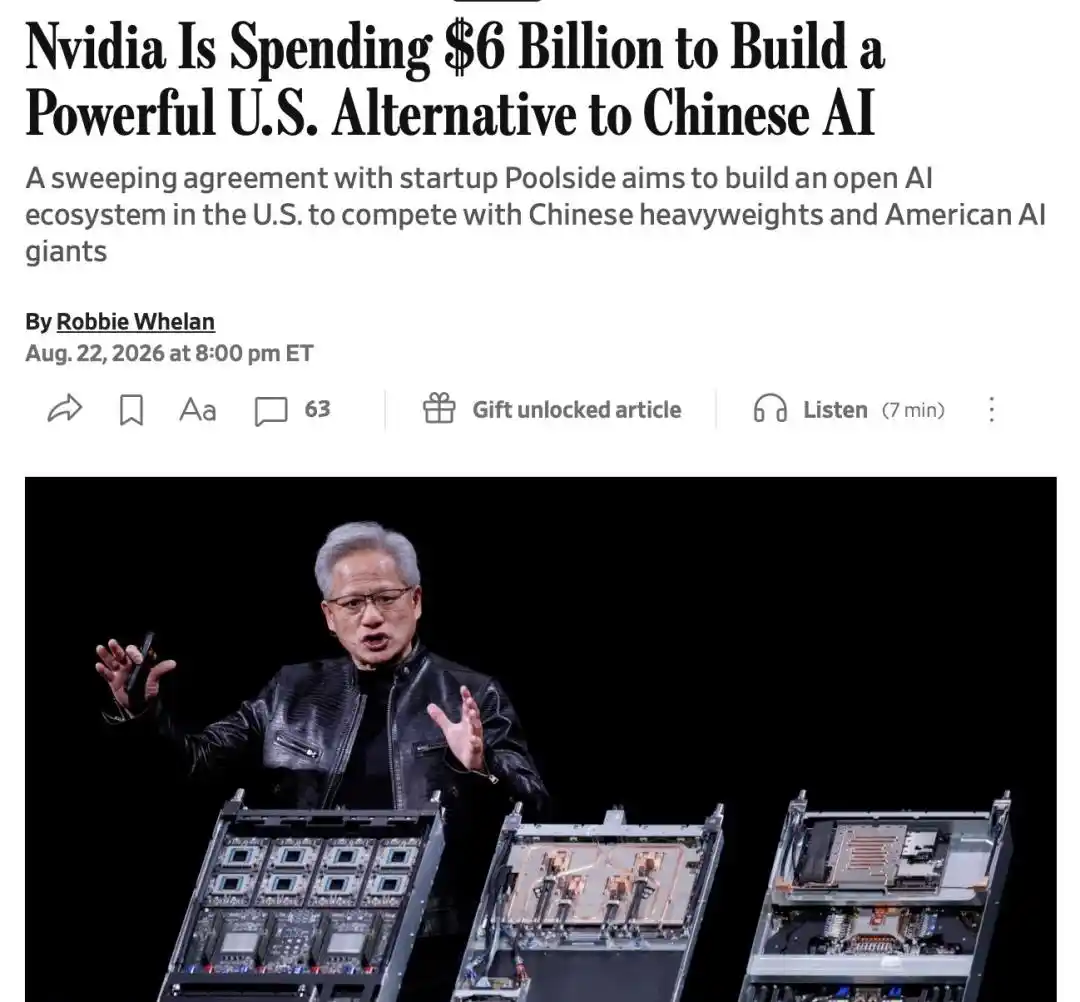
NVIDIA is reportedly investing $6 billion to develop a world-leading open-source AI model. The plan involves a strategic deal with AI startup Poolside, including a $6 billion licensing fee for its "model factory" technology, hiring 109 of its core engineers into NVIDIA's Nemotron project, and an additional $1 billion investment in the company. This move is seen as a "soft acquisition" to rapidly gain top talent and technology while avoiding stringent antitrust scrutiny. The engineers will focus on accelerating the development of Nemotron 4, a massive model aiming for trillion-scale parameters, positioning it among the top-tier global AI models. NVIDIA's shift reflects a strategic push to strengthen the open-source AI ecosystem in response to rising competition, particularly from advanced, cost-effective open-weight models like DeepSeek, which have challenged U.S. tech dominance. While NVIDIA risks competing directly with major GPU customers like OpenAI and Anthropic, analysts suggest the company aims to maintain a delicate balance—applying competitive pressure to drive continued demand for its hardware while advancing its own model capabilities. This investment underscores NVIDIA's ambition to move beyond being a mere hardware provider and actively shape the future of AI.

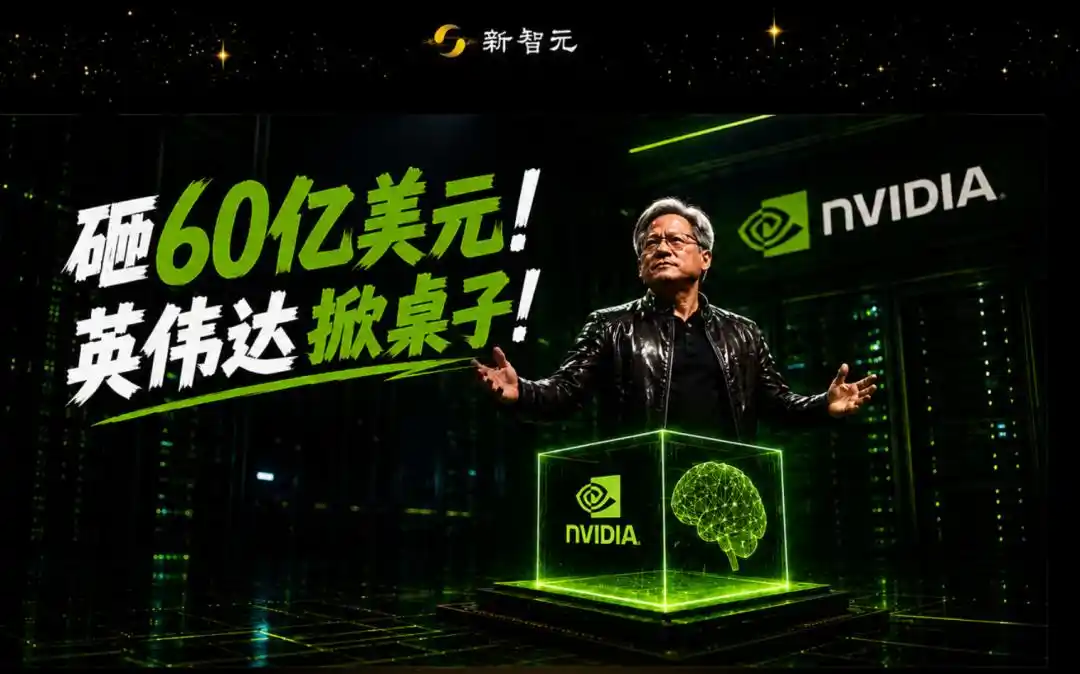
Huang Renxun is really not content with just selling shovels anymore!

Today, multiple foreign media outlets broke the news that NVIDIA plans to invest $60 billion (approximately 43 billion RMB) to build the world's strongest open-source weight AI model!
NVIDIA, indeed, is no longer pretending. Now, they are stepping onto the field to take over the gold mines themselves.

To achieve this ambition, Huang Renxun has unleashed a series of swift moves.

First, he spent $6 billion to buy the "model factory" technology from AI startup Poolside.

Next, he poached the core team, directly inviting 109 of Poolside's key engineers to join, with all of them integrated into NVIDIA's Nemotron project.

Finally, he splurged another $1 billion, investing with a pre-money valuation as high as $12 billion!

With this seamless combination of moves, he essentially completed a "soft acquisition" in one fell swoop.

The industry was shocked: the competitive landscape of AI large models is likely to change dramatically soon.

Huang Renxun is no longer the computing power overlord hiding behind the scenes. Now, clad in his leather jacket, he has stepped directly into the spotlight.
Masterful Maneuver: Absorbing a $12 Billion Unicorn

So, why was Poolside chosen?

This company has an extremely impressive background.

It was founded in 2023. Its founder, Eiso Kant, is a seasoned software developer, and the other co-founder, Jason Warner, is the former CTO of GitHub. The Laguna coding model they built is very famous in the Western open-source community.

However, even the most brilliant technical geniuses have to bow to financial reality.

In a letter sent to shareholders by Poolside on Thursday, a heartbreaking "survival story" was revealed.

The letter mentioned that late last year, they originally had a 6-week window to urgently raise $2 billion to pay for a supercomputing cluster of 40,000 GB300s scheduled to go online in January of this year.

The result? They failed to secure the financing in time and lost access to that cluster.

The founding team finally realized this harsh reality: without massive capital and top-tier data center support, the company's computing power would be completely exhausted by next year at the latest.

No computing power equals death.

At that very moment, NVIDIA descended from the heavens.

NVIDIA not only has money but also possesses the world's largest and most advanced computing infrastructure. Poolside stated frankly in the letter that NVIDIA is the "perfect partner" because they face almost no limitations in computing infrastructure or cash.

Even more interesting is NVIDIA's maneuvering technique.

They did not choose to fully acquire Poolside outright. Instead, they adopted a model of "$6 billion licensing fee + poaching 109 employees + $1 billion investment."

This way, Poolside founders Kant and Warner, along with operational executive Margarida Garcia, could remain in their positions, and the company continues to operate independently.
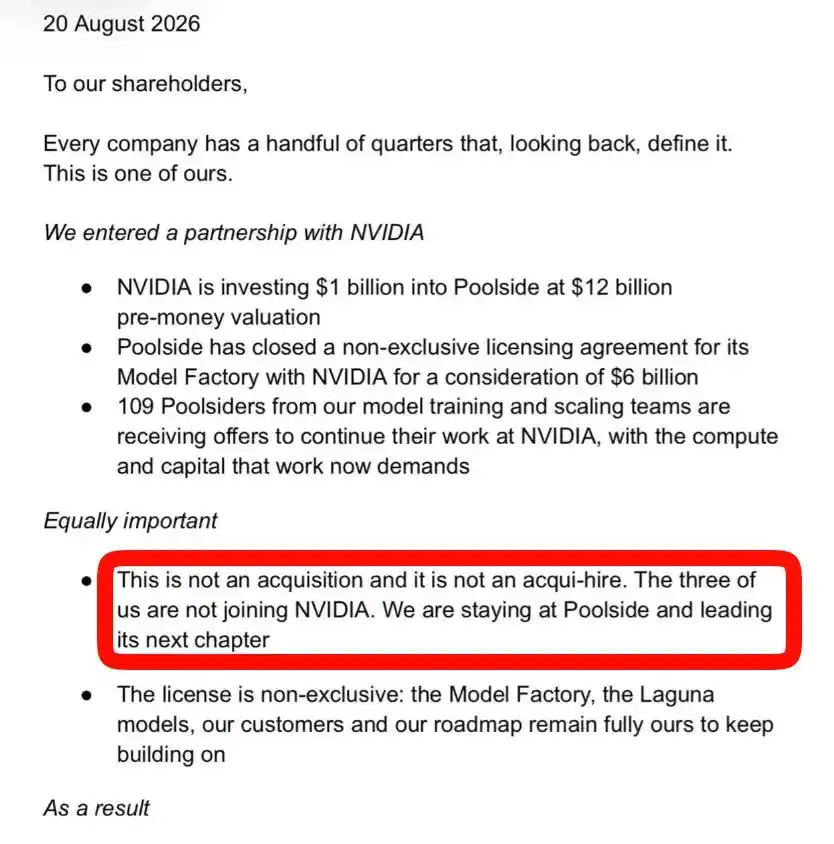
It's worth noting that this is already the third time NVIDIA has used this transaction model! Its previous operations with Groq and Enfabrica were exactly the same.

This "soft acquisition" masterstroke allows them to quickly obtain cutting-edge technology and a hundred-person team while cleverly avoiding the stringent scrutiny that antitrust regulators apply to "full acquisitions."

Aiming for Trillion Parameters! Nemotron 4 is About to Take Off

What exactly will these 109 top engineers, poached at great expense, be doing?

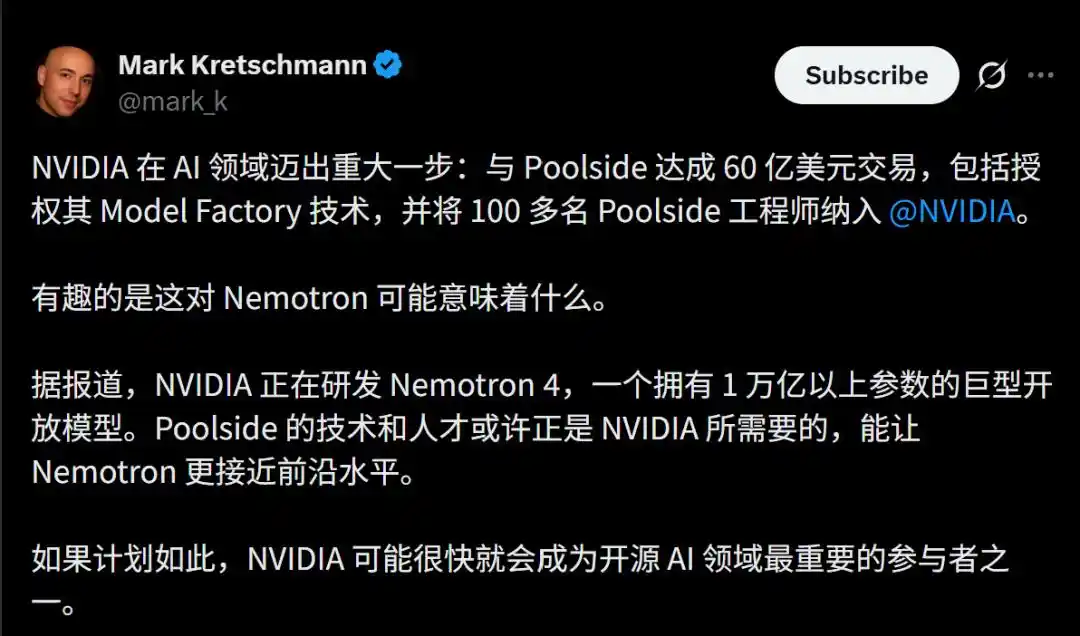
There's only one answer: going all out to sprint towards Nemotron 4!

Actually, NVIDIA had already launched its own open-source weight model project—Nemotron. But in the past, this project seemed more like something NVIDIA maintained to showcase the superiority of its GPU computing power.

But now it's different. Nemotron has now been elevated by Huang Renxun to a strategic-level priority.

Just earlier this month, NVIDIA released the lightweight Nemotron 3.5 Lightning model.
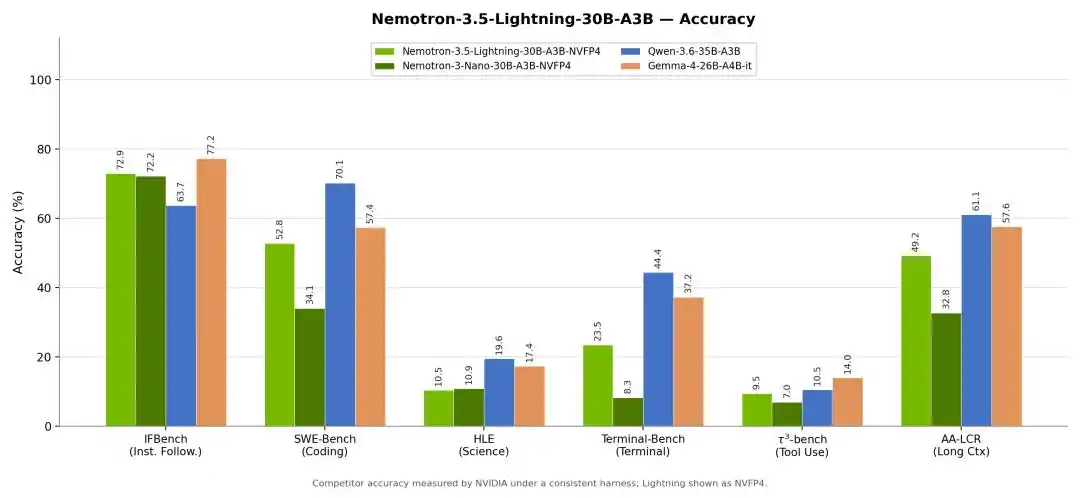
But that was just an appetizer. The real main course is the massive Nemotron 4, currently under secret development.

According to insiders, with the addition of Poolside's hundred-person core team, Nemotron 4 is reaching a terrifying scale of "trillions of training parameters"!

From now on, it is very likely to directly join the global top tier of large models.

NVIDIA's ambition is to reach the pinnacle in one step, creating the "strongest American open-source alternative" capable of competing with the most powerful models.

The Poolside founders explained in the letter that the purpose of this deal is to ensure that the future of AGI "does not become a closed technology controlled by a few, but a technology built together by many in an open environment."

Open source is the right path! This time, NVIDIA is betting on open-source large models.
The "Sputnik Moment" Brought by Open-Source Large Models, Huang Renxun is Getting Anxious

Why is NVIDIA, which has been quietly making a fortune, suddenly investing heavily in building open-source models?

Because the most advanced open-source large models are making American tech giants feel unprecedented pressure.

Although Huang Renxun has always publicly supported open-source weight models, the majority of resources in the US AI industry have been poured into the "closed-source" large models of giants like OpenAI, Anthropic, and Google.

This has given open-source AI a perfect opportunity.
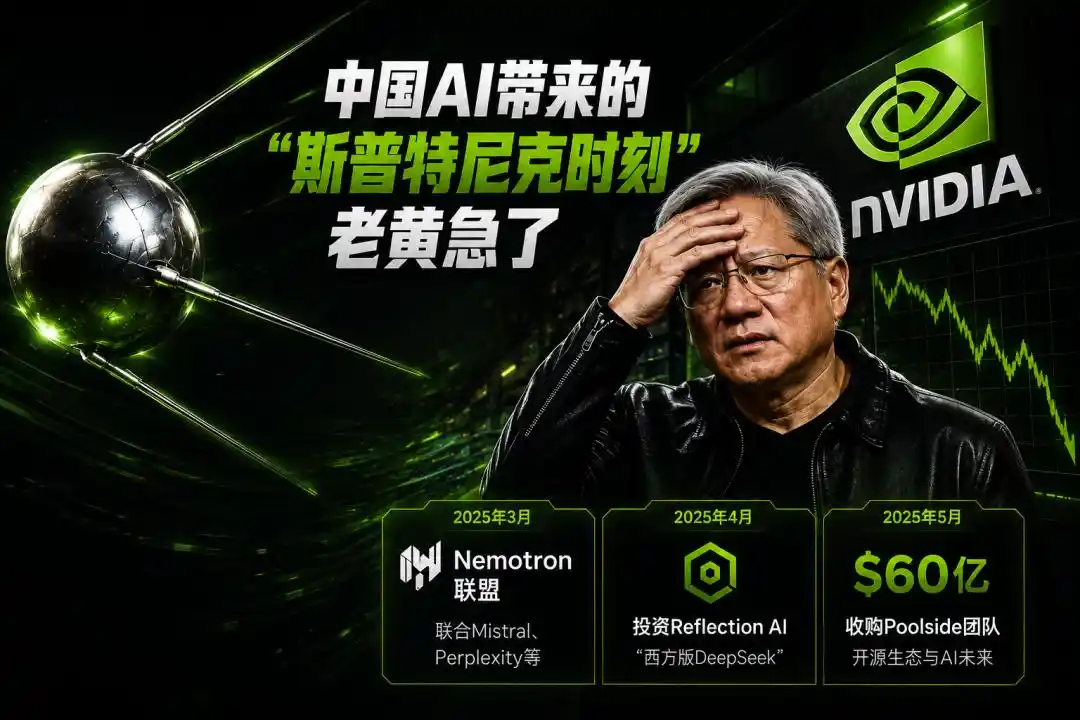
January 2025 was destined to be a month recorded in AI history. When DeepSeek released its first low-cost, high-performance open-source weight model, the entire US tech stock market was in mourning.

Investors suddenly discovered that top open-source models were not only approaching the capabilities of the US's cutting-edge technology but were surpassing them in cost control and open-source ecosystems.

Silicon Valley's famous venture capitalist Marc Andreessen even called that moment the "Sputnik Moment" for the US AI community.

Subsequently, more open-source models caught up.

Huang Renxun finally couldn't sit still.

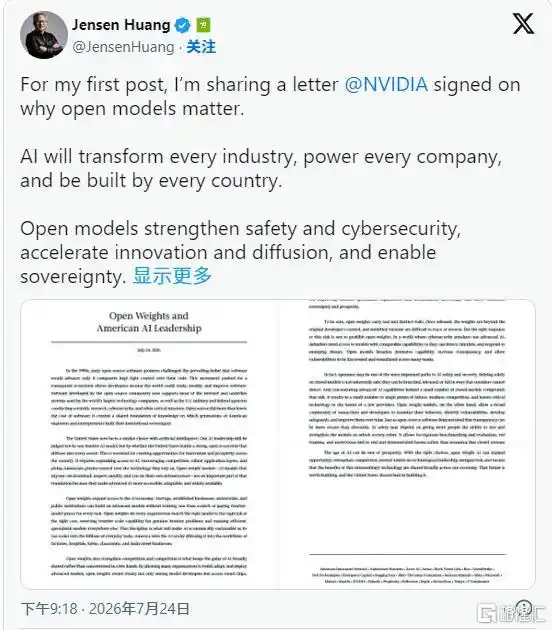
Last month, Jensen Huang published his first long post on X—"Open Weights and US AI Leadership."

In the post, he urgently called out: "Whether America wins cannot be judged by a single frontier closed model, but by whether America can build a strong, pervasive open ecosystem across industries."
To this end, NVIDIA must step onto the field itself.

As early as March this year, NVIDIA took the lead in establishing the "Nemotron Alliance," bringing together Mistral, Perplexity, and others to share data and computing power. Simultaneously, NVIDIA also made significant investments in Reflection AI, which is hailed as the "American version of DeepSeek."
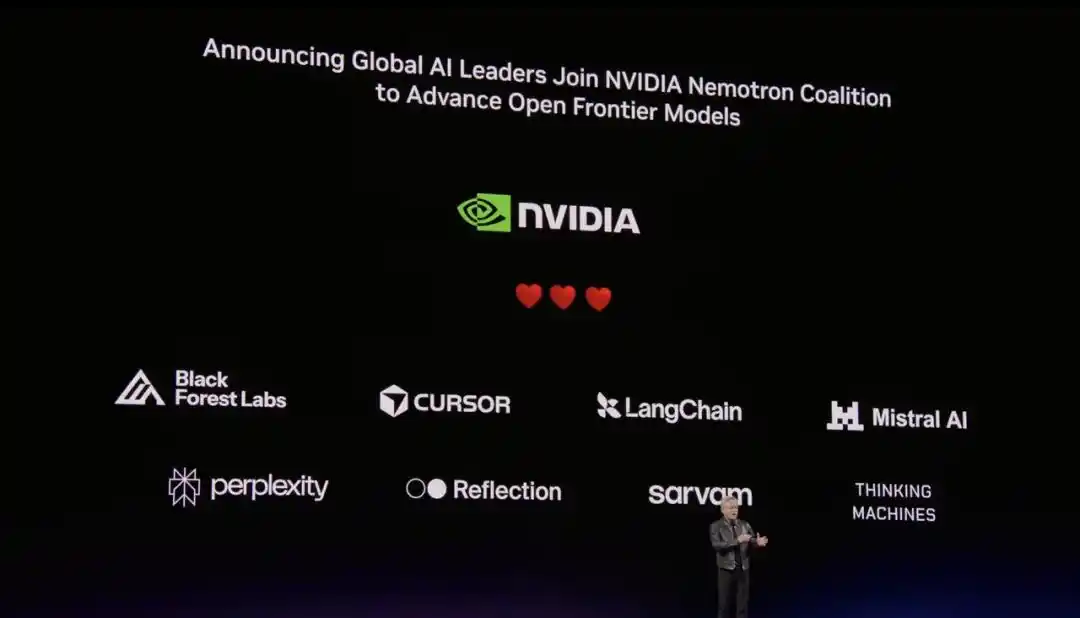
Today's massive $6 billion investment to acquire the Poolside team is NVIDIA's logical next step.

Going Head-to-Head with OpenAI, Is Huang Renxun Not Afraid of Offending Major Clients?

NVIDIA's forceful entry inevitably creates a delicate situation—

NVIDIA is becoming a direct competitor to its biggest clients.

Major companies like OpenAI and Anthropic are NVIDIA's largest GPU buyers. Now that NVIDIA itself is spending money to build the world's strongest model, isn't it afraid of offending bigwigs like Sam Altman?

Netizens commented wittily: "The shovel seller now wants to own the gold mine himself."

Others offered sharp analysis: "I don't think they'll try to completely destroy their main customer base. They'll try to find a balance—keeping their model's level at a slightly lower threshold, but still providing enough challenge and pressure that the big clients have no choice but to obediently buy more chips."
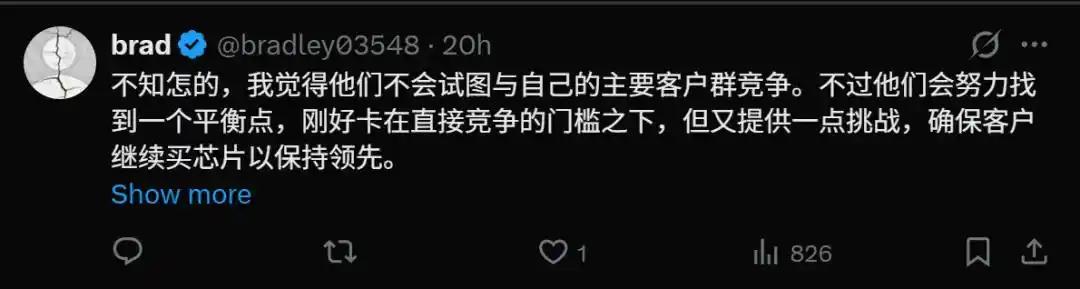
This is an extremely sophisticated form of the "catfish effect."

The deeper reason is: the major companies have long started "backstabbing" NVIDIA.

OpenAI, Google, Microsoft, and even Amazon are all frantically developing customized AI chips, trying to break free from their heavy reliance on NVIDIA GPUs.

If that's the case, what's wrong with NVIDIA doing some model business?

As someone said: "NVIDIA is definitely not doing this for charity. On one hand, it's to increase market demand for its GPUs; on the other hand, they might be targeting enterprise clients eager to have an AI technology stack completely built on an 'American-native foundation.'"
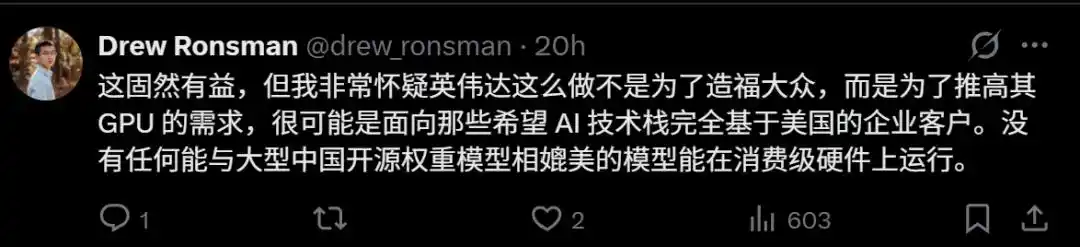
After all, no behemoth like that can run on ordinary consumer-grade hardware.

The larger the model, the higher the computing power demand, and NVIDIA's empire remains as stable as ever.

In this era where computing power equals dominance, NVIDIA is reshaping the open-source large model landscape in a simple and brutal way.

References:

https://x.com/mark_k/status/2091605721611723115

https://www.bloomberg.com/news/articles/2026-08-20/nvidia-to-pay-ai-startup-poolside-a-6-billion-license-newcomer-says

This article is from the WeChat public account "Xin Zhi Yuan" (New Wisdom Source), author: ASI Revelation; Editor: Aeneas


Crypto di tendenza

Domande pertinenti

QWhat is the main strategic move announced by NVIDIA according to the article?

ANVIDIA plans to invest $6 billion to acquire technology and talent from the AI startup Poolside, aiming to build a globally top-tier open-source AI model called Nemotron 4.

QWhy did the AI startup Poolside agree to the deal with NVIDIA?

APoolside faced a critical shortage of computing power and capital to support its operations. Lacking the funds to secure a necessary 40,000 GB300 supercomputing cluster, the company viewed NVIDIA as the 'perfect partner' due to its vast financial resources and unparalleled computing infrastructure.

QWhat specific method did NVIDIA use to bring Poolside's core team and technology into its Nemotron project?

ANVIDIA employed a 'soft acquisition' strategy, paying a $6 billion licensing fee for Poolside's 'model factory' technology, hiring away 109 core engineers from Poolside, and making a $1 billion follow-on investment into the startup. This avoided a full acquisition and potential antitrust scrutiny.

QWhat significant event in January 2025 is described as a 'Sputnik moment' for the US AI industry in the article?

AThe release of DeepSeek's first low-cost, high-performance open-weight model in January 2025 is described as a 'Sputnik moment' for the US AI industry. It shocked investors by demonstrating that top open-source models could rival US frontier technology in capability while surpassing it in cost control and open ecosystem development.

QHow does the article suggest NVIDIA's entry into building its own AI models might affect its relationship with major clients like OpenAI?

AThe article suggests NVIDIA's move creates a delicate competitive situation with its major GPU customers like OpenAI. It proposes that NVIDIA may use its model to create a 'catfish effect'—maintaining its models at a slightly lower performance threshold to apply pressure, compelling these companies to buy more NVIDIA chips to stay competitive, rather than trying to eliminate them outright.

Letture associate

Olympus DAO Myth Reappears? A "Sovereign On-Chain Central Bank" Written with 4000 Lines of Immutable Code

A new project called The Standard Reserve has emerged, branding itself as a "sovereign on-chain central bank." It aims to replicate core central bank functions—currency issuance, money supply adjustment, and reserve accumulation—entirely through 4,000 lines of immutable code, with no human governance. Its core mechanism is a "reflexive monetary policy" based on a single signal: the net ETH flow into or out of the system's sole Uniswap v4 ETH/$STANDARD pool. Sustained net ETH inflows trigger an "expansion" phase, increasing $STANDARD issuance and using protocol fees to buy tokenized gold as a permanent hard reserve. Net outflows (or zero flow) trigger an immediate "contraction" phase, reducing issuance and using fees to buy back and burn $STANDARD. The system involves six key entities: the $STANDARD token (hard-capped at 1 billion), the central Uniswap pool, the Central Bank contract, Charter NFTs (acting as "banking licenses"), Branch units under each Charter (which earn a share of newly minted $STANDARD), and separate Vaults for expansion (buying gold) and contraction (buying back $STANDARD). To participate, users ideally acquire a Founding Charter NFT (initially 1,000 are free via allowlist/public mint). Each Charter comes with one Branch; more can be opened by burning $STANDARD for "expansion permits," increasing revenue share. Retiring a Branch lets users claim accumulated $STANDARD but imposes a dynamic exit fee (higher if many exit simultaneously), with half the fee burned and half distributed to remaining participants. All protocol revenue (from pool fees and Charter auctions) is allocated: 70% to the active Vault (for gold or buybacks), 15% to permanent protocol-owned liquidity, and 15% to the team. The project presents an innovative, game-theoretic model where user actions (expanding Branches by burning tokens or exiting) align with system goals of building reserves or inducing deflation. However, it is fully anonymous, with key parameters undefined and unaudited code, posing significant risks.

marsbit12 min fa

Olympus DAO Myth Reappears? A "Sovereign On-Chain Central Bank" Written with 4000 Lines of Immutable Code

marsbit12 min fa

US Jobs, China PMI, and Inflation on Stage: Can Global Growth Maintain Resilience?

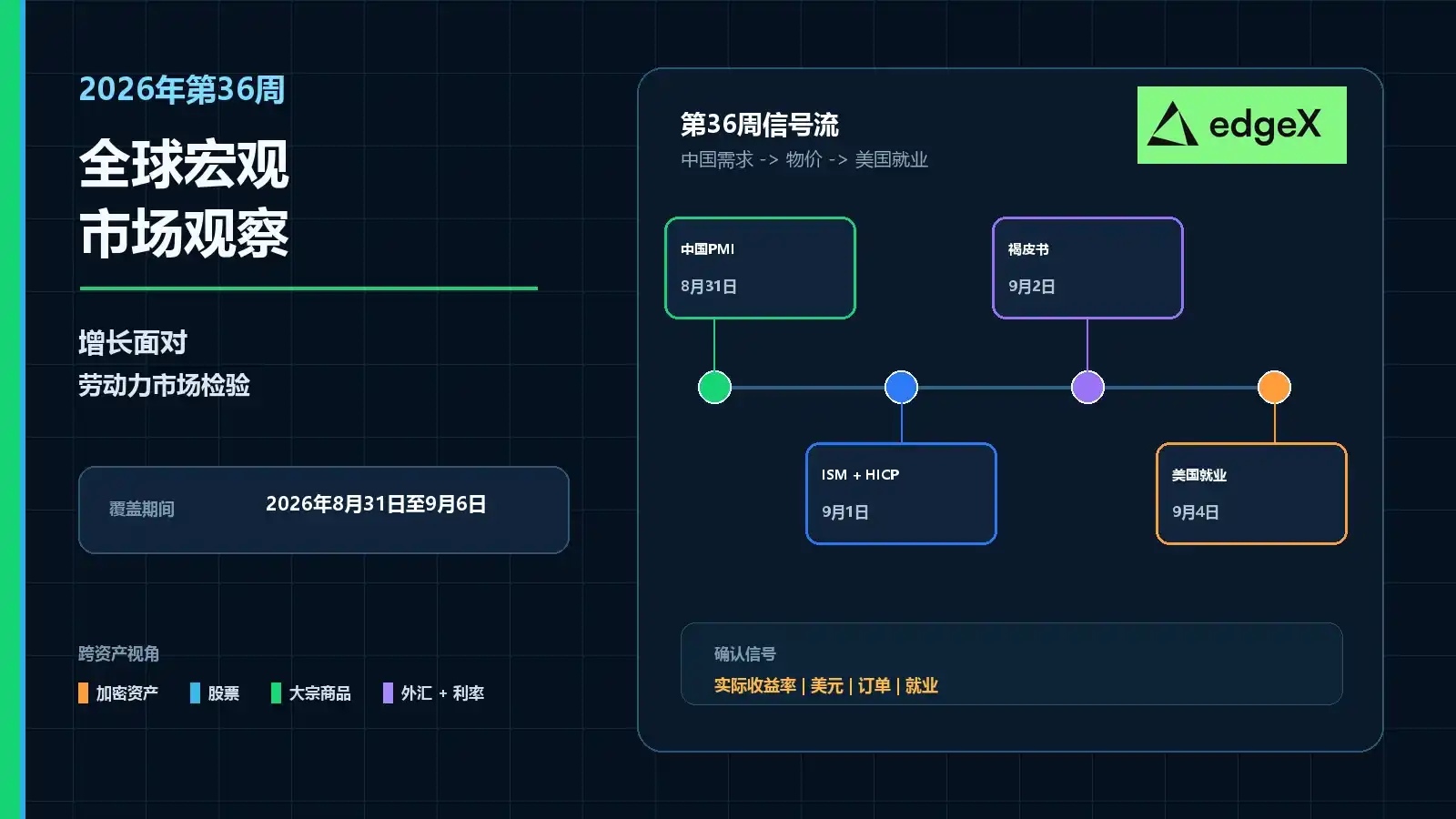
**Week 36 Macro Outlook: Key Data to Test Global Growth Resilience** The week from August 31 to September 6 will shift focus from policy discussions to a critical test of global economic activity. The sequence of events is key, starting with China's official August PMI on Aug 31, which will provide early signals on factory orders, services, and employment following July's contraction. The data flow then broadens. On September 1, US ISM Manufacturing PMI and the Eurozone's flash inflation estimate will offer simultaneous checks on demand, prices, and regional divergence. The subsequent US Federal Reserve Beige Book on September 2 adds granular, qualitative evidence on consumer spending, wages, and regional conditions. Australian Q2 GDP and Canadian trade and jobs data will test resilience in other major economies. The week's pivotal event, however, is the US August employment report on September 4. It will decisively influence expectations for interest rates, the US dollar, and broader risk appetite, acting as a final cross-check for the preceding data. The core question for markets is whether global growth can remain resilient. An ideal outcome would combine a rebound in China's PMI, stable US jobs growth, cooling inflation, and signs of a gradual demand slowdown. Conversely, weak Chinese manufacturing, sticky Eurozone prices, and disappointing US non-farm payrolls would create a more complex scenario of reduced corporate confidence and limited room for aggressive monetary easing, increasing pressure on cyclical assets. Investors should monitor the breadth of improvements—such as new orders and employment—rather than headline PMI figures alone. Confirmation across different data points is crucial. A positive combination of steady activity and disinflation could support equities, industrial commodities, and risk assets like crypto. However, if a growth slowdown triggers lower yields, it must be distinguished from a scenario of rising recession risks that would pressure corporate earnings, potentially limiting rallies. The market's final reaction will hinge on whether the week's signals align to either reinforce or challenge the current growth narrative.

marsbit14 min fa

US Jobs, China PMI, and Inflation on Stage: Can Global Growth Maintain Resilience?

marsbit14 min fa

Trading

Spot

Articoli Popolari

Cosa è $S$

Comprendere SPERO: Una Panoramica Completa Introduzione a SPERO Mentre il panorama dell'innovazione continua a evolversi, l'emergere delle tecnologie web3 e dei progetti di criptovaluta gioca un ruolo fondamentale nel plasmare il futuro digitale. Un progetto che ha attirato l'attenzione in questo campo dinamico è SPERO, denotato come SPERO,$$s$. Questo articolo mira a raccogliere e presentare informazioni dettagliate su SPERO, per aiutare gli appassionati e gli investitori a comprendere le sue basi, obiettivi e innovazioni nei domini web3 e crypto. Che cos'è SPERO,$$s$? SPERO,$$s$ è un progetto unico all'interno dello spazio crypto che cerca di sfruttare i principi della decentralizzazione e della tecnologia blockchain per creare un ecosistema che promuove l'impegno, l'utilità e l'inclusione finanziaria. Il progetto è progettato per facilitare interazioni peer-to-peer in modi nuovi, fornendo agli utenti soluzioni e servizi finanziari innovativi. Al suo interno, SPERO,$$s$ mira a responsabilizzare gli individui fornendo strumenti e piattaforme che migliorano l'esperienza dell'utente nello spazio delle criptovalute. Questo include la possibilità di metodi di transazione più flessibili, la promozione di iniziative guidate dalla comunità e la creazione di percorsi per opportunità finanziarie attraverso applicazioni decentralizzate (dApps). La visione sottostante di SPERO,$$s$ ruota attorno all'inclusività, cercando di colmare le lacune all'interno della finanza tradizionale mentre sfrutta i vantaggi della tecnologia blockchain. Chi è il Creatore di SPERO,$$s$? L'identità del creatore di SPERO,$$s$ rimane piuttosto oscura, poiché ci sono risorse pubblicamente disponibili limitate che forniscono informazioni dettagliate sul suo fondatore o fondatori. Questa mancanza di trasparenza può derivare dall'impegno del progetto per la decentralizzazione—un ethos che molti progetti web3 condividono, dando priorità ai contributi collettivi rispetto al riconoscimento individuale. Centrando le discussioni attorno alla comunità e ai suoi obiettivi collettivi, SPERO,$$s$ incarna l'essenza dell'empowerment senza mettere in evidenza individui specifici. Pertanto, comprendere l'etica e la missione di SPERO rimane più importante che identificare un creatore singolo. Chi sono gli Investitori di SPERO,$$s$? SPERO,$$s$ è supportato da una varietà di investitori che vanno dai capitalisti di rischio agli investitori angelici dedicati a promuovere l'innovazione nel settore crypto. Il focus di questi investitori generalmente si allinea con la missione di SPERO—dando priorità a progetti che promettono avanzamenti tecnologici sociali, inclusività finanziaria e governance decentralizzata. Queste fondazioni di investitori sono tipicamente interessate a progetti che non solo offrono prodotti innovativi, ma contribuiscono anche positivamente alla comunità blockchain e ai suoi ecosistemi. Il supporto di questi investitori rafforza SPERO,$$s$ come un concorrente degno di nota nel dominio in rapida evoluzione dei progetti crypto. Come Funziona SPERO,$$s$? SPERO,$$s$ impiega un framework multifunzionale che lo distingue dai progetti di criptovaluta convenzionali. Ecco alcune delle caratteristiche chiave che sottolineano la sua unicità e innovazione: Governance Decentralizzata: SPERO,$$s$ integra modelli di governance decentralizzati, responsabilizzando gli utenti a partecipare attivamente ai processi decisionali riguardanti il futuro del progetto. Questo approccio favorisce un senso di proprietà e responsabilità tra i membri della comunità. Utilità del Token: SPERO,$$s$ utilizza il proprio token di criptovaluta, progettato per servire varie funzioni all'interno dell'ecosistema. Questi token abilitano transazioni, premi e la facilitazione dei servizi offerti sulla piattaforma, migliorando l'impegno e l'utilità complessivi. Architettura Stratificata: L'architettura tecnica di SPERO,$$s$ supporta la modularità e la scalabilità, consentendo un'integrazione fluida di funzionalità e applicazioni aggiuntive man mano che il progetto evolve. Questa adattabilità è fondamentale per mantenere la rilevanza nel panorama crypto in continua evoluzione. Coinvolgimento della Comunità: Il progetto enfatizza iniziative guidate dalla comunità, impiegando meccanismi che incentivano la collaborazione e il feedback. Nutrendo una comunità forte, SPERO,$$s$ può affrontare meglio le esigenze degli utenti e adattarsi alle tendenze di mercato. Focus sull'Inclusione: Offrendo basse commissioni di transazione e interfacce user-friendly, SPERO,$$s$ mira ad attrarre una base utenti diversificata, inclusi individui che potrebbero non aver precedentemente interagito nello spazio crypto. Questo impegno per l'inclusione si allinea con la sua missione generale di empowerment attraverso l'accessibilità. Cronologia di SPERO,$$s$ Comprendere la storia di un progetto fornisce preziose intuizioni sulla sua traiettoria di sviluppo e sui traguardi. Di seguito è riportata una cronologia suggerita che mappa eventi significativi nell'evoluzione di SPERO,$$s$: Fase di Concettualizzazione e Ideazione: Le idee iniziali che formano la base di SPERO,$$s$ sono state concepite, allineandosi strettamente con i principi di decentralizzazione e focus sulla comunità all'interno dell'industria blockchain. Lancio del Whitepaper del Progetto: Dopo la fase concettuale, è stato rilasciato un whitepaper completo che dettaglia la visione, gli obiettivi e l'infrastruttura tecnologica di SPERO,$$s$ per suscitare interesse e feedback dalla comunità. Costruzione della Comunità e Prime Interazioni: Sono stati effettuati sforzi attivi di outreach per costruire una comunità di early adopters e potenziali investitori, facilitando discussioni attorno agli obiettivi del progetto e ottenendo supporto. Evento di Generazione del Token: SPERO,$$s$ ha condotto un evento di generazione del token (TGE) per distribuire i propri token nativi ai primi sostenitori e stabilire una liquidità iniziale all'interno dell'ecosistema. Lancio della Prima dApp: La prima applicazione decentralizzata (dApp) associata a SPERO,$$s$ è stata attivata, consentendo agli utenti di interagire con le funzionalità principali della piattaforma. Sviluppo Continuo e Partnership: Aggiornamenti e miglioramenti continui alle offerte del progetto, inclusi partnership strategiche con altri attori nello spazio blockchain, hanno plasmato SPERO,$$s$ in un concorrente competitivo e in evoluzione nel mercato crypto. Conclusione SPERO,$$s$ rappresenta una testimonianza del potenziale del web3 e delle criptovalute di rivoluzionare i sistemi finanziari e responsabilizzare gli individui. Con un impegno per la governance decentralizzata, il coinvolgimento della comunità e funzionalità progettate in modo innovativo, apre la strada verso un panorama finanziario più inclusivo. Come per qualsiasi investimento nello spazio crypto in rapida evoluzione, si incoraggiano potenziali investitori e utenti a ricercare approfonditamente e a impegnarsi in modo riflessivo con gli sviluppi in corso all'interno di SPERO,$$s$. Il progetto mostra lo spirito innovativo dell'industria crypto, invitando a ulteriori esplorazioni delle sue innumerevoli possibilità. Mentre il percorso di SPERO,$$s$ è ancora in fase di sviluppo, i suoi principi fondamentali potrebbero effettivamente influenzare il futuro di come interagiamo con la tecnologia, la finanza e tra di noi in ecosistemi digitali interconnessi.

450 Totale visualizzazioniPubblicato il 2024.12.17Aggiornato il 2024.12.17

Cosa è $S$

Cosa è AGENT S

Agent S: Il Futuro dell'Interazione Autonoma in Web3 Introduzione Nel panorama in continua evoluzione di Web3 e criptovalute, le innovazioni stanno costantemente ridefinendo il modo in cui gli individui interagiscono con le piattaforme digitali. Uno di questi progetti pionieristici, Agent S, promette di rivoluzionare l'interazione uomo-computer attraverso il suo framework agentico aperto. Aprendo la strada a interazioni autonome, Agent S mira a semplificare compiti complessi, offrendo applicazioni trasformative nell'intelligenza artificiale (AI). Questa esplorazione dettagliata approfondirà le complessità del progetto, le sue caratteristiche uniche e le implicazioni per il dominio delle criptovalute. Cos'è Agent S? Agent S si presenta come un innovativo framework agentico aperto, progettato specificamente per affrontare tre sfide fondamentali nell'automazione dei compiti informatici: Acquisizione di Conoscenze Specifiche del Dominio: Il framework apprende in modo intelligente da varie fonti di conoscenza esterne ed esperienze interne. Questo approccio duale gli consente di costruire un ricco repository di conoscenze specifiche del dominio, migliorando le sue prestazioni nell'esecuzione dei compiti. Pianificazione su Lungo Orizzonte di Compiti: Agent S impiega una pianificazione gerarchica potenziata dall'esperienza, un approccio strategico che facilita la suddivisione e l'esecuzione efficiente di compiti complessi. Questa caratteristica migliora significativamente la sua capacità di gestire più sottocompiti in modo efficiente ed efficace. Gestione di Interfacce Dinamiche e Non Uniformi: Il progetto introduce l'Interfaccia Agente-Computer (ACI), una soluzione innovativa che migliora l'interazione tra agenti e utenti. Utilizzando Modelli Linguistici Multimodali di Grandi Dimensioni (MLLM), Agent S può navigare e manipolare senza sforzo diverse interfacce grafiche utente. Attraverso queste caratteristiche pionieristiche, Agent S fornisce un framework robusto che affronta le complessità coinvolte nell'automazione dell'interazione umana con le macchine, preparando il terreno per innumerevoli applicazioni nell'AI e oltre. Chi è il Creatore di Agent S? Sebbene il concetto di Agent S sia fondamentalmente innovativo, informazioni specifiche sul suo creatore rimangono elusive. Il creatore è attualmente sconosciuto, il che evidenzia sia la fase embrionale del progetto sia la scelta strategica di mantenere i membri fondatori sotto anonimato. Indipendentemente dall'anonimato, l'attenzione rimane sulle capacità e sul potenziale del framework. Chi sono gli Investitori di Agent S? Poiché Agent S è relativamente nuovo nell'ecosistema crittografico, informazioni dettagliate riguardanti i suoi investitori e sostenitori finanziari non sono documentate esplicitamente. La mancanza di approfondimenti pubblicamente disponibili sulle fondazioni di investimento o sulle organizzazioni che supportano il progetto solleva interrogativi sulla sua struttura di finanziamento e sulla roadmap di sviluppo. Comprendere il supporto è cruciale per valutare la sostenibilità del progetto e il suo potenziale impatto sul mercato. Come Funziona Agent S? Al centro di Agent S si trova una tecnologia all'avanguardia che gli consente di funzionare efficacemente in contesti diversi. Il suo modello operativo è costruito attorno a diverse caratteristiche chiave: Interazione Uomo-Computer Simile a Quella Umana: Il framework offre una pianificazione AI avanzata, cercando di rendere le interazioni con i computer più intuitive. Mimando il comportamento umano nell'esecuzione dei compiti, promette di elevare le esperienze degli utenti. Memoria Narrativa: Utilizzata per sfruttare esperienze di alto livello, Agent S utilizza la memoria narrativa per tenere traccia delle storie dei compiti, migliorando così i suoi processi decisionali. Memoria Episodica: Questa caratteristica fornisce agli utenti una guida passo-passo, consentendo al framework di offrire supporto contestuale mentre i compiti si sviluppano. Supporto per OpenACI: Con la capacità di funzionare localmente, Agent S consente agli utenti di mantenere il controllo sulle proprie interazioni e flussi di lavoro, allineandosi con l'etica decentralizzata di Web3. Facile Integrazione con API Esterne: La sua versatilità e compatibilità con varie piattaforme AI garantiscono che Agent S possa adattarsi senza problemi agli ecosistemi tecnologici esistenti, rendendolo una scelta attraente per sviluppatori e organizzazioni. Queste funzionalità contribuiscono collettivamente alla posizione unica di Agent S all'interno dello spazio crittografico, poiché automatizza compiti complessi e multi-fase con un intervento umano minimo. Man mano che il progetto evolve, le sue potenziali applicazioni in Web3 potrebbero ridefinire il modo in cui si svolgono le interazioni digitali. Cronologia di Agent S Lo sviluppo e le tappe di Agent S possono essere riassunti in una cronologia che evidenzia i suoi eventi significativi: 27 Settembre 2024: Il concetto di Agent S è stato lanciato in un documento di ricerca completo intitolato “Un Framework Agentico Aperto che Usa i Computer Come un Umano”, mostrando le basi per il progetto. 10 Ottobre 2024: Il documento di ricerca è stato reso pubblicamente disponibile su arXiv, offrendo un'esplorazione approfondita del framework e della sua valutazione delle prestazioni basata sul benchmark OSWorld. 12 Ottobre 2024: È stata rilasciata una presentazione video, fornendo un'idea visiva delle capacità e delle caratteristiche di Agent S, coinvolgendo ulteriormente potenziali utenti e investitori. Questi indicatori nella cronologia non solo illustrano i progressi di Agent S, ma indicano anche il suo impegno per la trasparenza e il coinvolgimento della comunità. Punti Chiave su Agent S Man mano che il framework Agent S continua a evolversi, diversi attributi chiave si distinguono, sottolineando la sua natura innovativa e il potenziale: Framework Innovativo: Progettato per fornire un uso intuitivo dei computer simile all'interazione umana, Agent S porta un approccio nuovo all'automazione dei compiti. Interazione Autonoma: La capacità di interagire autonomamente con i computer attraverso GUI segna un passo avanti verso soluzioni informatiche più intelligenti ed efficienti. Automazione di Compiti Complessi: Con la sua metodologia robusta, può automatizzare compiti complessi e multi-fase, rendendo i processi più veloci e meno soggetti a errori. Miglioramento Continuo: I meccanismi di apprendimento consentono ad Agent S di migliorare dalle esperienze passate, migliorando continuamente le sue prestazioni e la sua efficacia. Versatilità: La sua adattabilità attraverso diversi ambienti operativi come OSWorld e WindowsAgentArena garantisce che possa servire un'ampia gamma di applicazioni. Man mano che Agent S si posiziona nel panorama di Web3 e delle criptovalute, il suo potenziale per migliorare le capacità di interazione e automatizzare i processi segna un significativo avanzamento nelle tecnologie AI. Attraverso il suo framework innovativo, Agent S esemplifica il futuro delle interazioni digitali, promettendo un'esperienza più fluida ed efficiente per gli utenti in vari settori. Conclusione Agent S rappresenta un audace passo avanti nell'unione tra AI e Web3, con la capacità di ridefinire il modo in cui interagiamo con la tecnologia. Sebbene sia ancora nelle sue fasi iniziali, le possibilità per la sua applicazione sono vaste e coinvolgenti. Attraverso il suo framework completo che affronta sfide critiche, Agent S mira a portare le interazioni autonome al centro dell'esperienza digitale. Man mano che ci addentriamo nei regni delle criptovalute e della decentralizzazione, progetti come Agent S giocheranno senza dubbio un ruolo cruciale nel plasmare il futuro della tecnologia e della collaborazione uomo-computer.

875 Totale visualizzazioniPubblicato il 2025.01.14Aggiornato il 2025.01.14

Cosa è AGENT S

Come comprare S

Benvenuto in HTX.com! Abbiamo reso l'acquisto di Sonic (S) semplice e conveniente. Segui la nostra guida passo passo per intraprendere il tuo viaggio nel mondo delle criptovalute.Step 1: Crea il tuo Account HTXUsa la tua email o numero di telefono per registrarti il tuo account gratuito su HTX. Vivi un'esperienza facile e sblocca tutte le funzionalità,Crea il mio accountStep 2: Vai in Acquista crypto e seleziona il tuo metodo di pagamentoCarta di credito/debito: utilizza la tua Visa o Mastercard per acquistare immediatamente SonicS.Bilancio: Usa i fondi dal bilancio del tuo account HTX per fare trading senza problemi.Terze parti: abbiamo aggiunto metodi di pagamento molto utilizzati come Google Pay e Apple Pay per maggiore comodità.P2P: Fai trading direttamente con altri utenti HTX.Over-the-Counter (OTC): Offriamo servizi su misura e tassi di cambio competitivi per i trader.Step 3: Conserva Sonic (S)Dopo aver acquistato Sonic (S), conserva nel tuo account HTX. In alternativa, puoi inviare tramite trasferimento blockchain o scambiare per altre criptovalute.Step 4: Scambia Sonic (S)Scambia facilmente Sonic (S) nel mercato spot di HTX. Accedi al tuo account, seleziona la tua coppia di trading, esegui le tue operazioni e monitora in tempo reale. Offriamo un'esperienza user-friendly sia per chi ha appena iniziato che per i trader più esperti.

1.7k Totale visualizzazioniPubblicato il 2025.01.15Aggiornato il 2026.06.02

Come comprare S

Discussioni

Benvenuto nella Community HTX. Qui puoi rimanere informato sugli ultimi sviluppi della piattaforma e accedere ad approfondimenti esperti sul mercato. Le opinioni degli utenti sul prezzo di S S sono presentate come di seguito.

活动图片